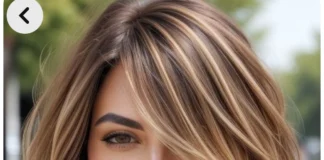

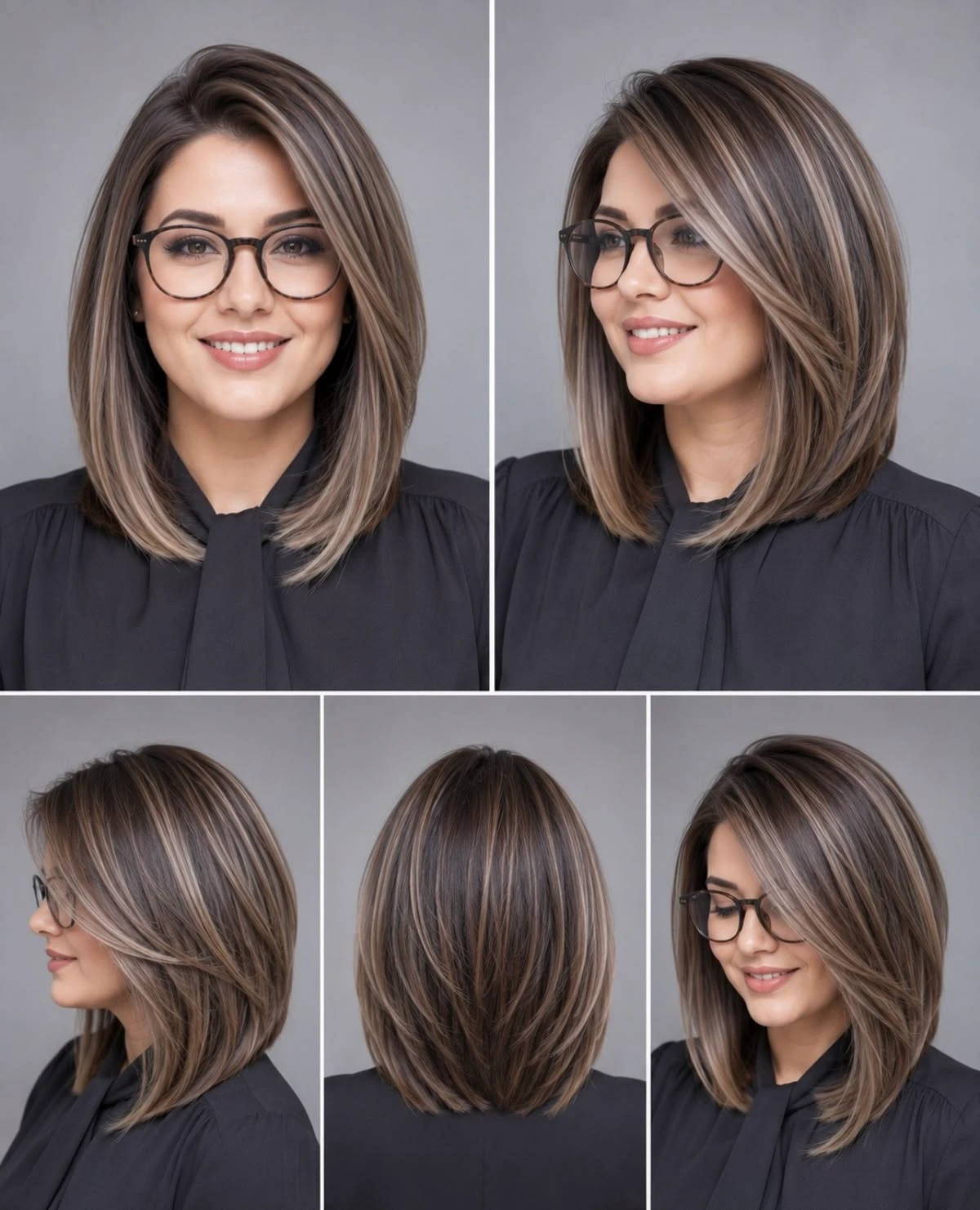
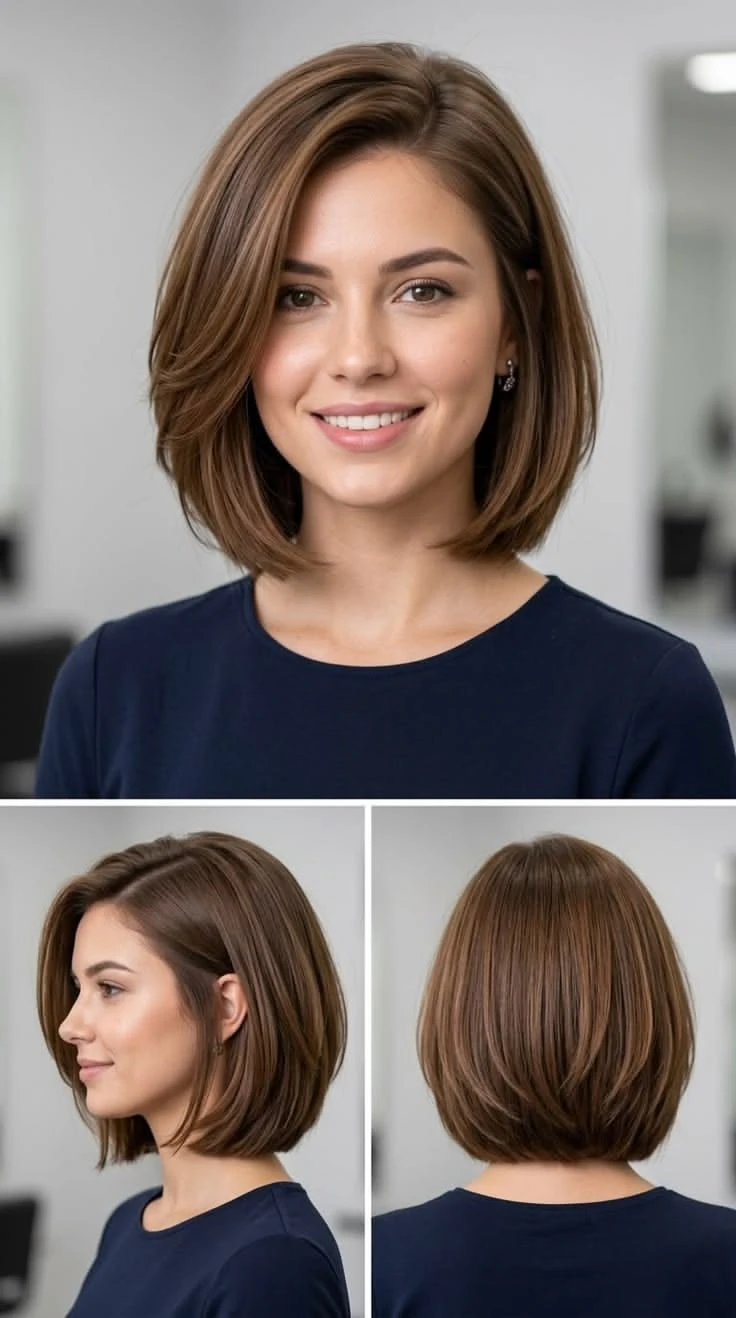
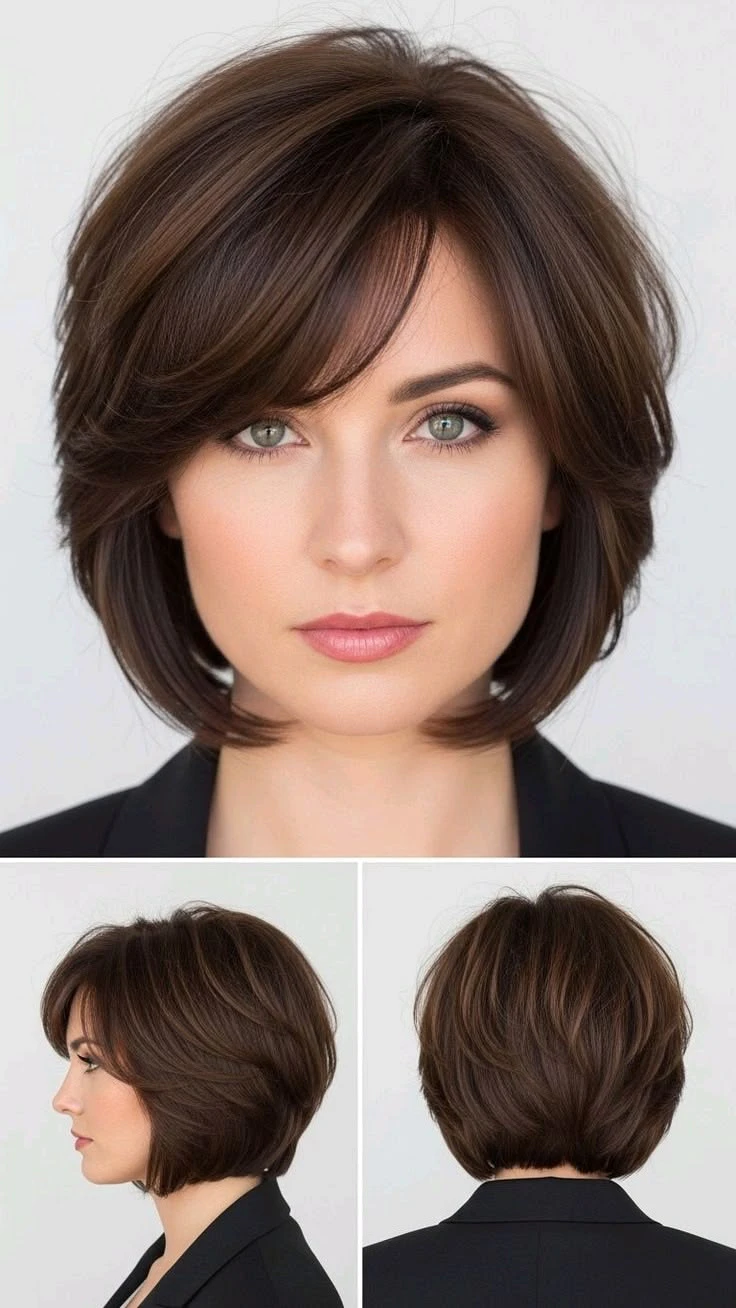
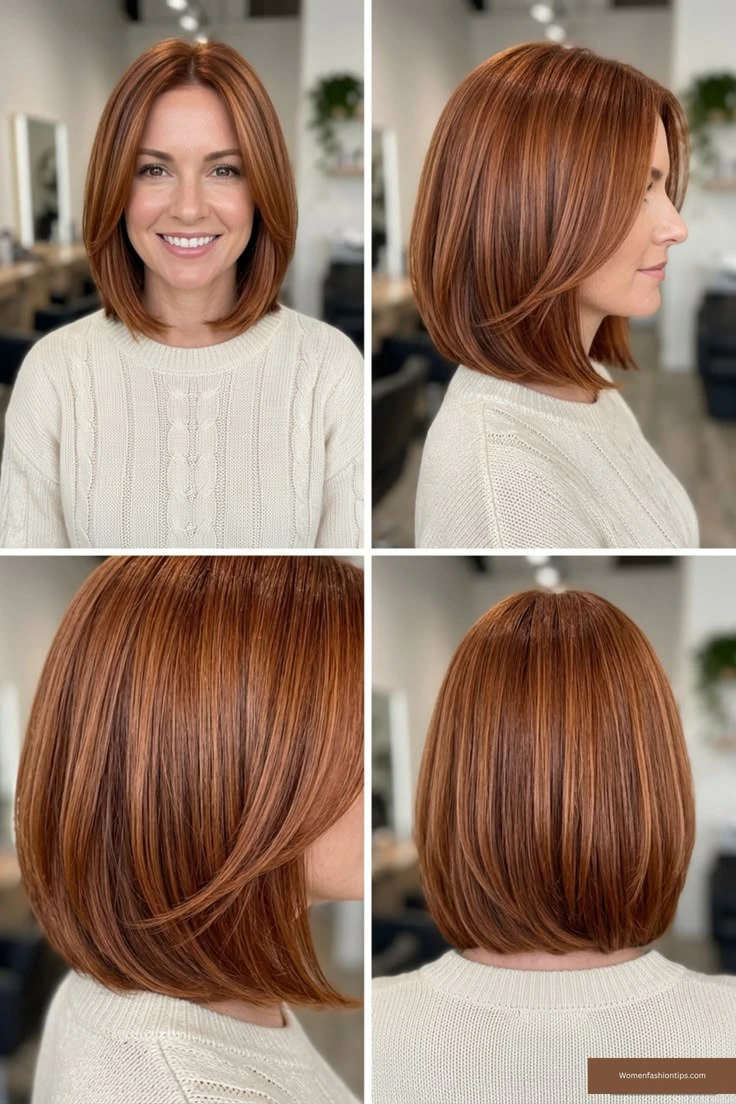
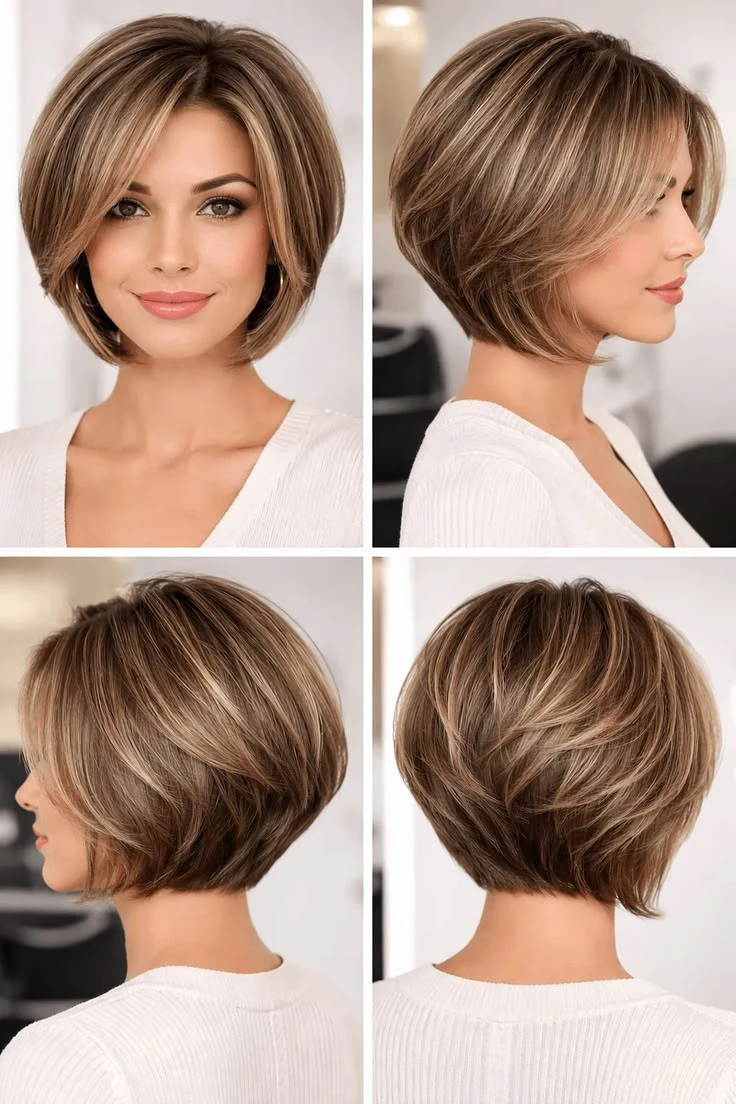
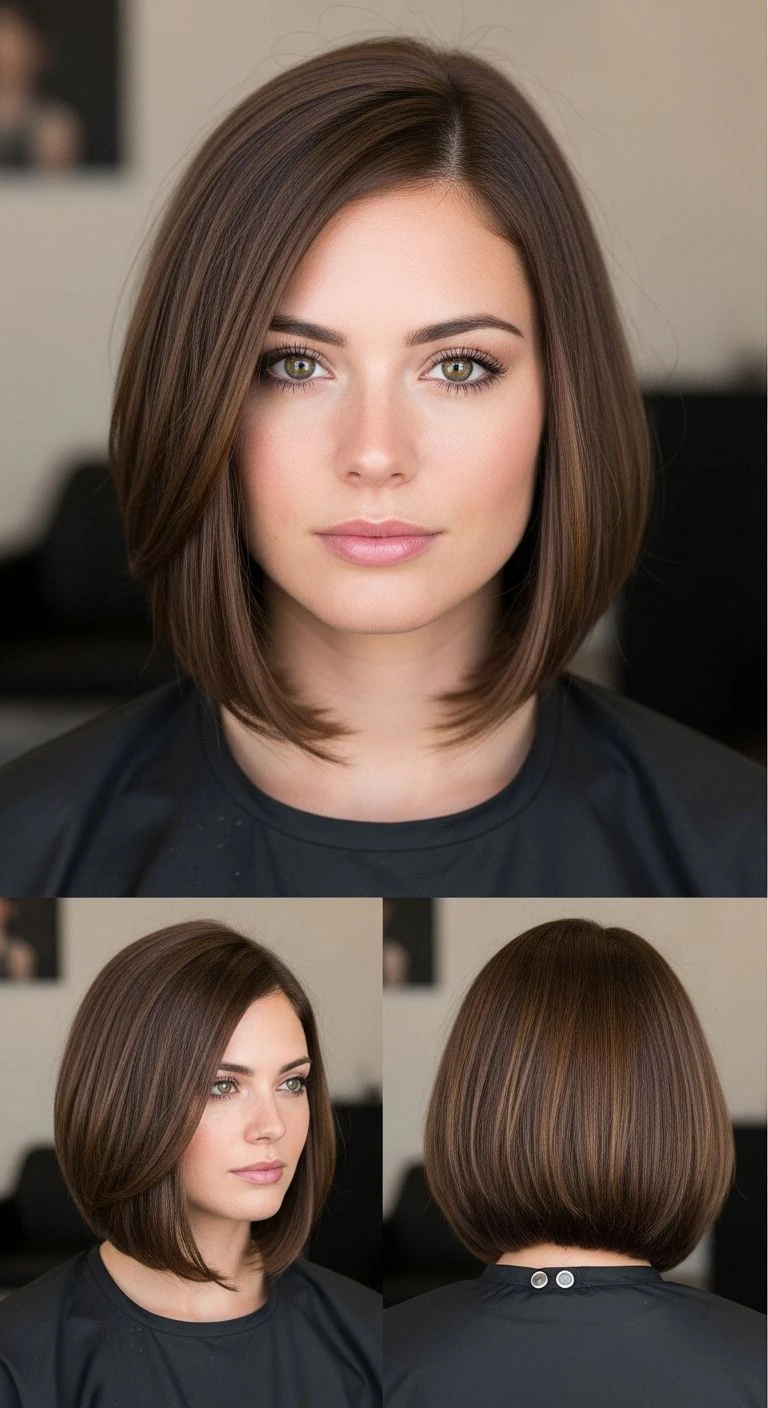

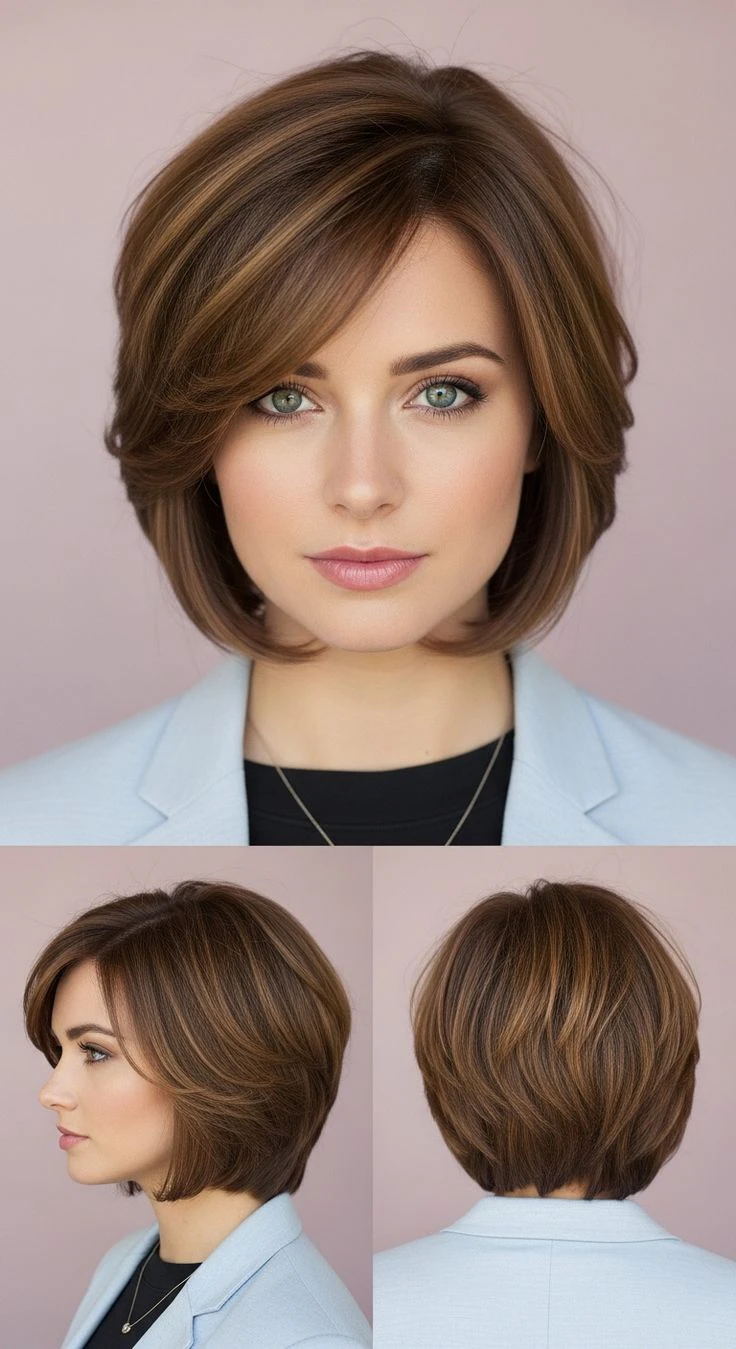
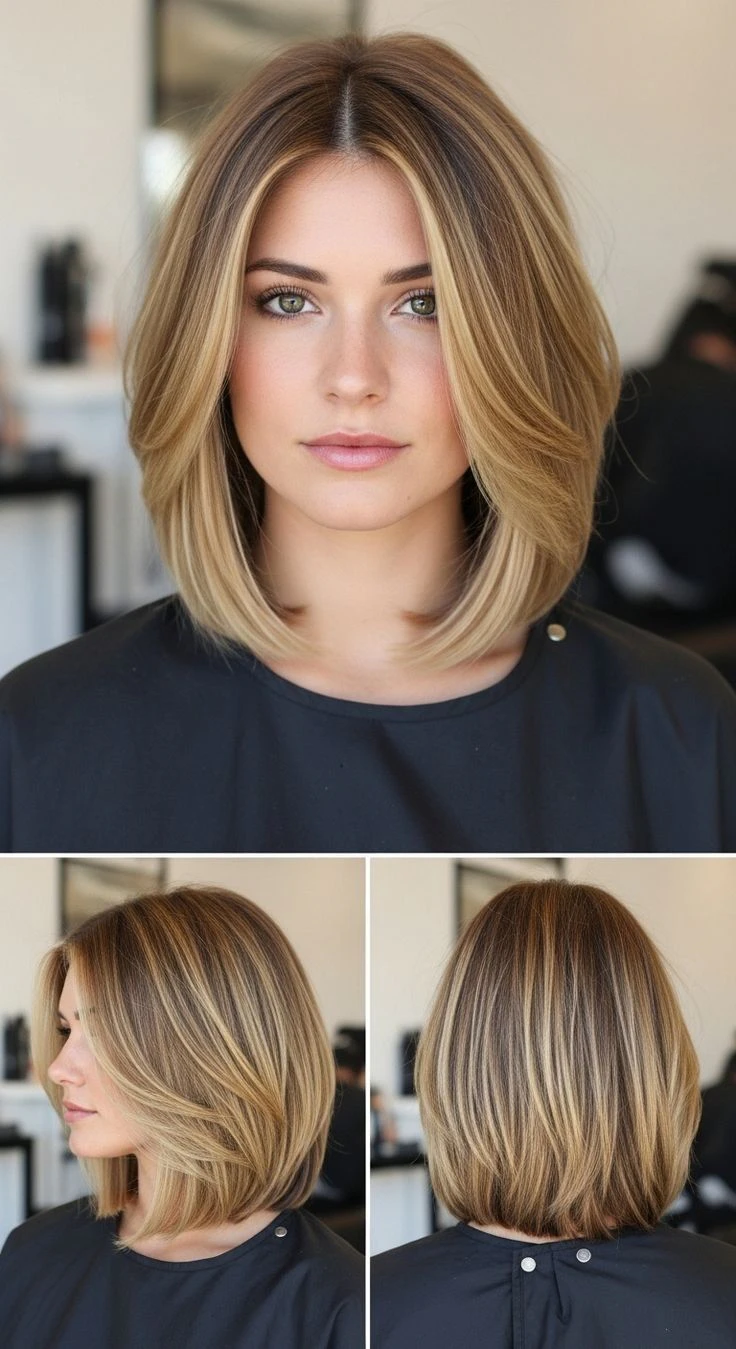
Layered Bob Haircuts: Front and Back View
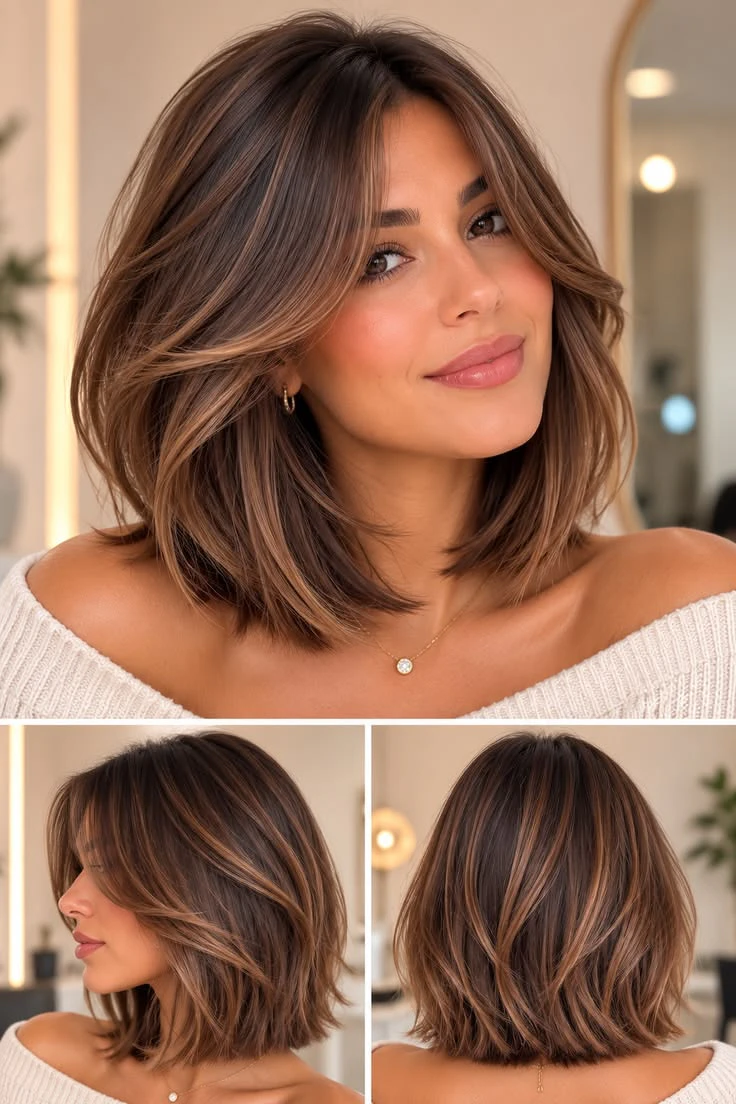
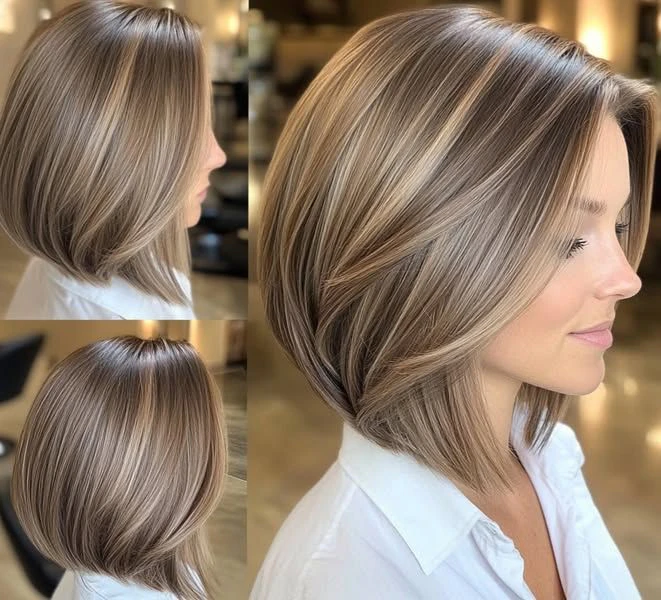
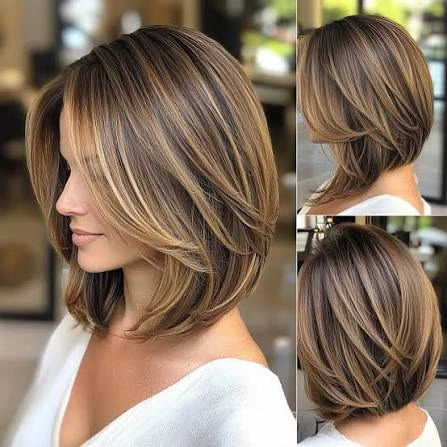
A layered bob sits somewhere between short and medium hair. It has a definite shape but can still move around. The layers also make the classic bob feel lighter and more current. But most people only see a new cut from the front. This habit is problematic because the back controls how the hair actually falls. That’s why it’s smart to look at both front and back references for layered bob haircuts before booking an appointment.
Think of it this way. The front shows how your hair frames your face. The sides, meanwhile, show how one length runs into the next. Finally, the back establishes the outline of the whole cut. Therefore, if you only look at one angle, you only see one third of the result.
How Each Angle Changes the Result
Two haircuts can look nearly identical from the front. But from behind, one may look rounded and stacked, the other flat and soft. That means the same starting point can lead to entirely different results.
What the Front Tells You
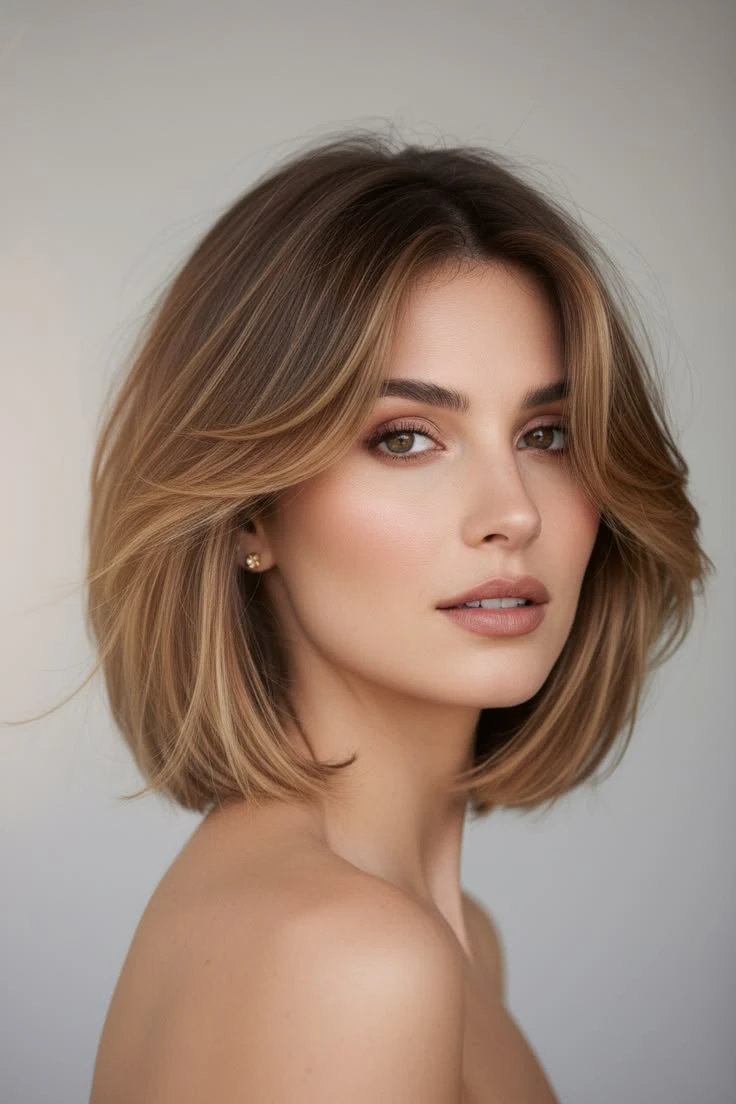
The front is mostly about face framing. Longer lengths around the cheeks, for example, soften the jaw. The shorter pieces around the cheekbone add texture and draw attention to the eyes.
Your part is important here too. A center part typically gives a balanced, symmetrical look. In contrast, a deep side part adds volume to one side. Try both partings in the mirror before your appointment—the right one can change how the layers sit.
What the Back Tells You
The back determines how the hair falls on your neck. For instance, a stacked back adds height at the crown. A graduated back creates a flattering angle that slopes toward the face. Soft layers, on the other hand, create a relaxed silhouette that falls gently. So before you pick a style, decide which silhouette you actually want from behind.
Short Layered Bob Styles Close to the Jawline
A short layered bob is usually jaw-length or just above. The front is typically left soft, and the back is cut shorter and tighter. So you have a modern shape that takes very little work every morning.
Short Layers in the Front
Short lengths around the face give instant movement. They are especially suitable for straight and slightly wavy hair. But tiny layers often need daily styling to sit right. So be honest with your stylist about how much time you spend on your hair.
Natural Lift
A shorter back creates lift with little product. Then the layers get gradually longer toward the front. This makes the cut angle slightly forward. If you want volume but hate heavy blow-drying, a layered bob is a smart shape.
Medium-Length Layered Bob With Soft Movement
Medium bob cuts usually fall between the chin and shoulders. That means there’s more length to play with, so the layers can be softer. And this length gives you even more styling options.
Face-Framing Layers for a Seamless Blend
Face framing often begins around the cheekbones. From there, it gradually blends into the rest of the cut. So there is no rigid line between the front and the sides. Leave the first layer long for a softer look, or start it a bit higher if you want more definition.
Light Layers in the Back
Heavy stacking is not always necessary in the back. A few light layers can remove weight. This technique makes the hair swing more easily as you move. It is particularly effective when you have a lot of hair.
How to Tweak the Cut for Thick Hair
Thick hair can make a bob look like a heavy triangle. Thankfully, layers distribute that weight more evenly. Usually, the best result is a clean outer edge with layers hidden inside.
Lose Bulk Without Losing Shape
Internal layering, sometimes called texturizing, takes weight out from underneath. Because the outside line is still there, the cut still looks full and polished. At the same time, the hair is easier to dry and style.
Balancing the Neckline
A shorter back works well for thick hair. Otherwise, the neckline can look big and bulky. But the transition should be smooth, not jarring. Your stylist will ideally be able to match the graduation to your exact density.
How to Tweak the Cut for Fine Hair
Fine hair needs the opposite treatment. Too many layers can take away the little fullness it has. So the idea is to add movement while keeping the ends dense.
Fewer Layers, Better Placement
Most often, a few well-placed layers are enough. First, make sure the perimeter is strong and blunt. Then add gentle movement around the top of the head. This makes the hair look thicker and more dimensional than it actually is.
A Gently Graduated Back
A subtle graduation at the back creates the illusion of thickness. When styling, use only lightweight products. Heavy creams and oils tend to weigh down fine strands quickly. For more cuts that flatter thin hair, see our guide to short hairstyles for fine hair.
Straight Layered Bob Hairstyles
Straight hair shows every line of the cut. There is nowhere to hide, so precision matters more with this texture than with any other.
Sleek Front Finish
A sleek front looks elegant and polished. Apply a heat protectant before blow-drying. Then shape the ends with a round brush, curling them in for a classic finish, or flick them out for a softer feel.
Clean Back Layers
You can leave the back slightly shorter to create a gentle graduation. Keep lines crisp for a sharper look. On the other hand, lightly textured ends give a softer, more lived-in result.
Layered Bob Cut for Wavy Hair
Wavy hair has movement in it, so layers just bring that out. As a result, the cut often appears full with very little effort. In fact, this style is the easiest bob to wear on a daily basis for most people with waves.
A Messy Front
Begin by applying a light curl cream to damp hair. Then, gently scrunch and let it air dry. When it’s totally dry, use your fingers to pull the waves apart. This way, the front looks relaxed and not frizzy.
Back with Texture
A slightly shorter back helps the waves gain volume. But don’t cut too many little pieces. Otherwise, the back puffs out and loses its outline.
Layered Bob Hairstyles With Curly Hair
Curly hair can be cut into a beautiful round bob. But one thing needs to be addressed first, and that is shrinkage. Curls tend to look a lot shorter when dry than when wet. So find out if your stylist cuts curls dry, as this often yields more predictable results.
Face-Framing for Your Curl Pattern
Face framing helps the curls fall naturally around the face. Ideally, each layer fits your particular curl pattern. That’s why it’s worth finding a stylist with actual curly hair experience.
A Curved Back
A rounded back is ideal for natural curls. The layers follow the shape of the curl rather than imposing a sharp angle. So the silhouette looks well-proportioned and soft from any angle.
Stacked and Angled Variations
Some bobs have a lot of volume in the back. The angled and stacked versions, in particular, depend on strong shaping at the rear. When you browse photos of layered bob haircuts from the front and back for these cuts, be sure to check out the side view as well.
The Angled Layered Bob
An angled bob is shorter in the back but longer in the front. This results in a strong diagonal line down the jaw and neck. The key is to have a smooth transition so that the angle appears intentional and not uneven. This style usually looks best on straight hair.
The Stacked Layered Bob
The stacked bob has short layers in the back that build up to the crown. This gives it a rounded shape and definite volume. Usually, the front is left slightly longer to balance that strong back. Soft face framing also helps keep the overall look from being too harsh.
How to Add Bangs to a Layered Bob
Bangs change the entire focal point of a layered bob, and they transform the cut without losing any length.
Curtain Bangs
Curtain bangs part lightly in the middle. They blend into face-framing layers, making them a wonderful choice for relaxed bobs.
Side-Swept Bangs
Side-swept bangs create asymmetry and volume at the front. Leave them long enough to blend easily into the layers as they grow.
Wispy Bangs
Wispy bangs are light and airy. They usually work best with fine or medium-density hair. But expect to trim them every few weeks.
Selecting a Cut That Fits Your Face Shape
The layered bob is very flattering on many face shapes. Still, small adjustments make a big difference.
Round Faces
Vertical lines help to lengthen the appearance of round faces. So leave the front a little longer to create a line near the cheeks. Don’t overdo the width on the sides either. Adding height to the crown helps too. To achieve these results, use a light volumizing product and lift the roots as you dry.
Oval Faces
Oval faces suit almost every variation. For instance, a chin-length bob with soft layers gives a classic shape. Alternatively, a shoulder-length cut can accommodate ponytails and loose waves. Ultimately, it’s lifestyle that matters more than face shape.
Low vs. High Maintenance: What’s the Difference?
A layered bob is not age-specific. Rather, the impression depends on the design. A sleek bob looks sophisticated. A tousled bob, though, is youthful and effortless. Soft layers, meanwhile, create an elegant everyday look.
Longer Layers
If you’re short on time, go for longer layers. They grow out gradually, so the cut maintains its shape for longer between trims.
Shorter Layers for More Definition
For those who like to style, a structured cut provides crisp definition. But shorter layers lose their shape faster. So you’ll have to get a trim every four to six weeks.
How to Style Your Layered Bob at Home
Your styling routine should be dictated by your texture. For example, straight hair works well with a round brush. Wavy hair, though, is often best left to dry naturally. For curly hair, the key is moisture and a defining product.
For Volume
Start by applying mousse to damp roots. Then blow-dry, lifting sections upward. Finally, finish off with a light texture spray.
For a Sleek Finish
Start with heat protection. Then blow-dry the hair with a round brush. Next, add a small amount of smoothing serum. Just don’t use so much that it weighs down the layers.
For Loose Beach Texture
Mist a texturizing spray onto damp hair. Then scrunch the ends and let it dry. Finally, use your fingers to peel apart the layers.
Keeping the Shape Between Cuts
Shorter styles require regular trimming. Of course, timing depends on length and structure. For example, a short stacked bob will need more visits than a long soft one.
Apply conditioner to the mid-lengths and ends, and limit daily heat. The American Academy of Dermatology also recommends gentle handling and less heat styling to reduce breakage. If using hot tools, always use heat protection first.
Keep an eye on the neckline. When the back starts to lose its outline, it’s time for a trim. Similarly, refresh face-framing pieces when they fall beyond the point you like. For more everyday tips, refer to our hair care guide.
What Can Throw Off the Shape
The most common problem is too many layers on fine hair. As a result, the ends look thin and transparent. Another problem is ignoring the natural texture. A cut that looks excellent on straight hair may behave very differently on curls. Many people also forget that styling affects the final look. So have your stylist show you how to recreate the cut at home. That way, the style works for your real routine, not just the salon chair.
How to Communicate With Your Stylist
Bring two or three reference photos, and make sure they show the front and back. Tell them how much time you spend on your hair each morning, and describe your desired length, volume, and angle. This information helps your stylist with the layering plan before the first cut.
Your Next Layered Bob
In short, the front handles the frame, the sides control the transition, and the back controls the silhouette. Short layers add lift, long layers add softness, and graduation adds structure. The cut is very customizable.
Above all, let your hair type dictate the design. Fine hair usually requires fewer layers. Thick hair, however, benefits from having some weight removed. Straight hair highlights precise lines, while layers bring out natural movement in waves and curls.
Finally, layered bob haircut images from the front and back help you envision the result before anything is cut. With the right length, layering, and styling, a bob can feel fresh, flattering, and effortless to live with every day.