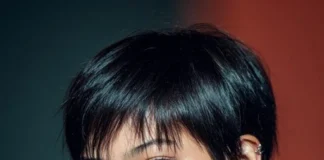

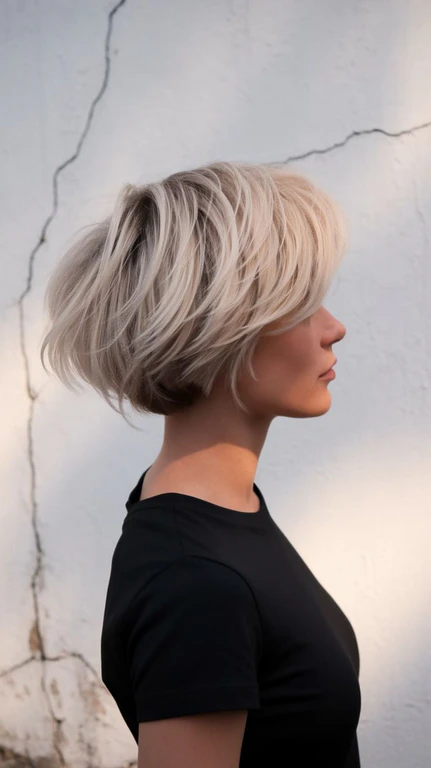
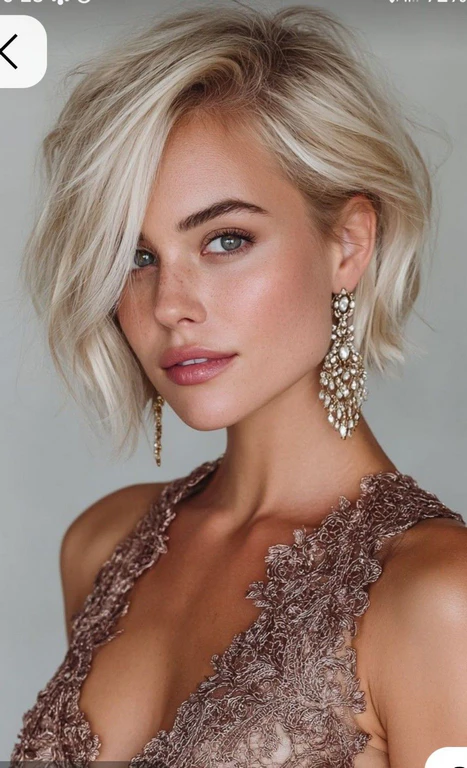
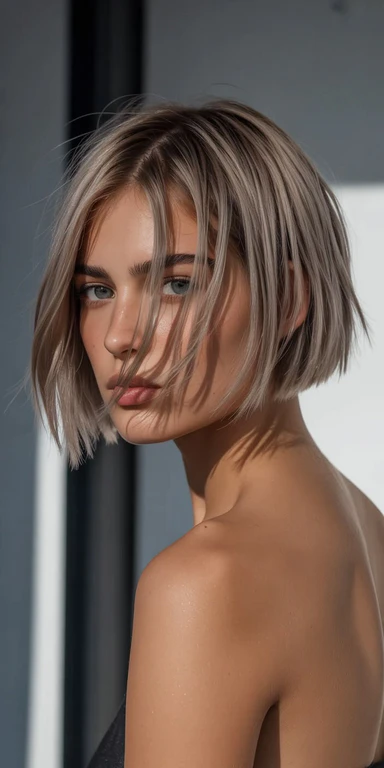
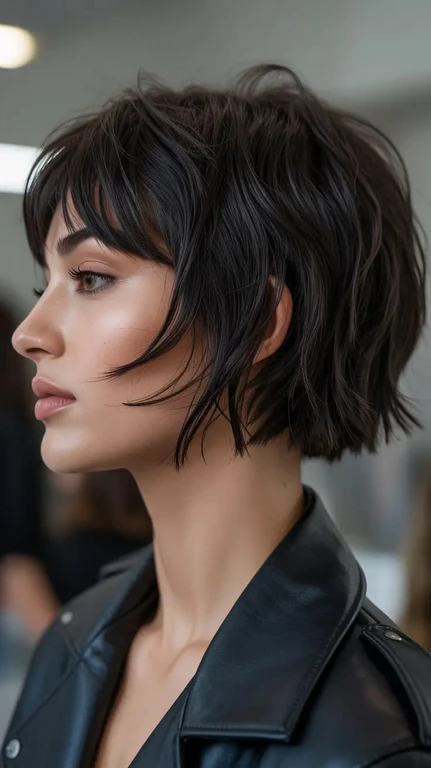
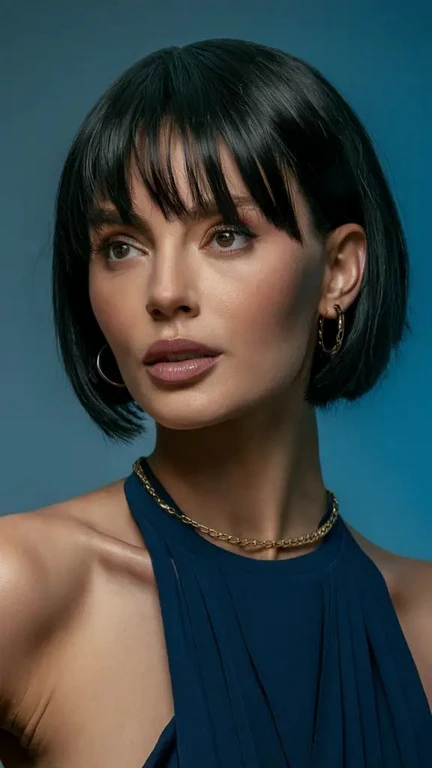
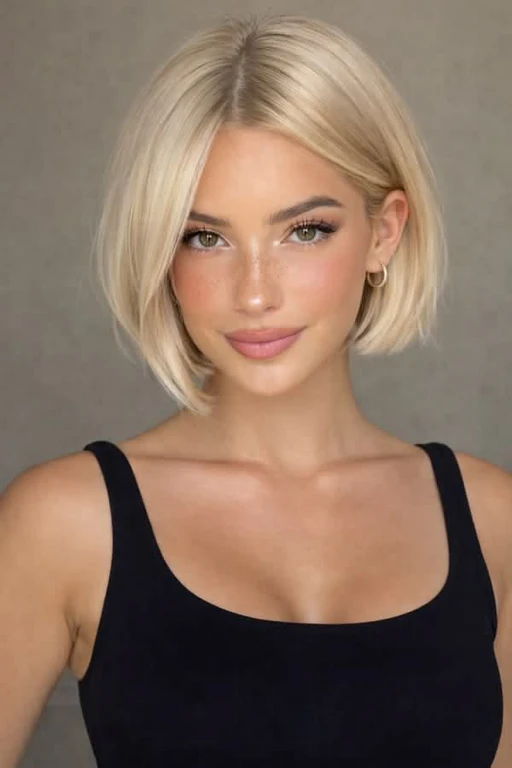
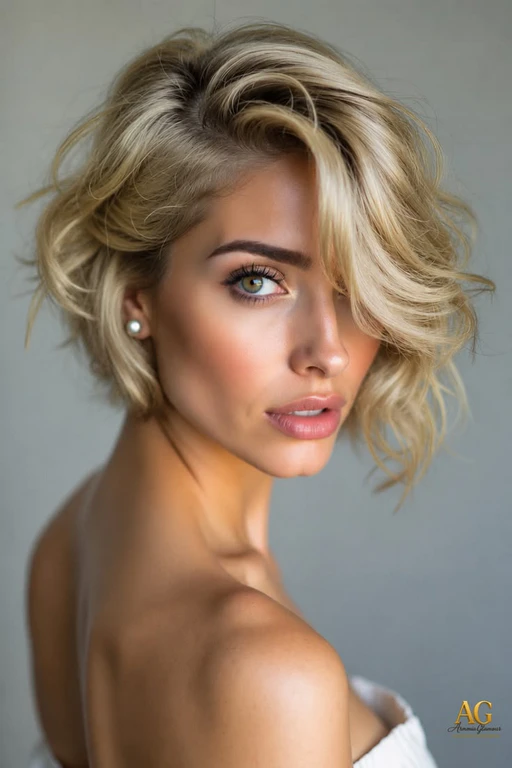
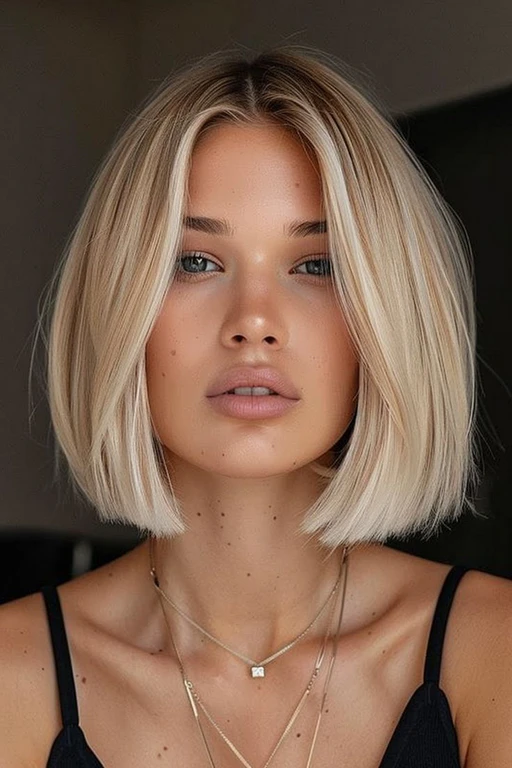
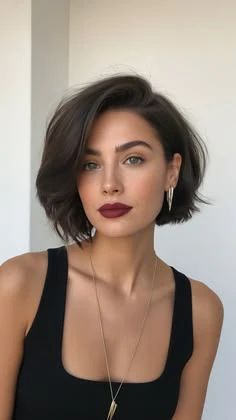
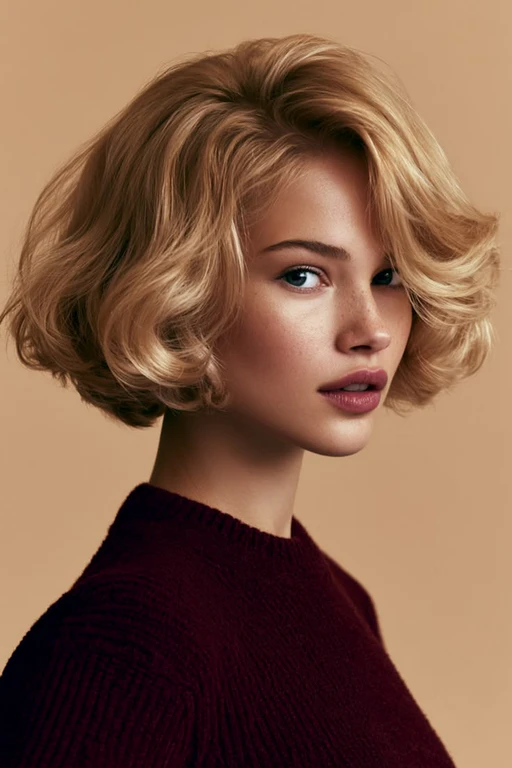
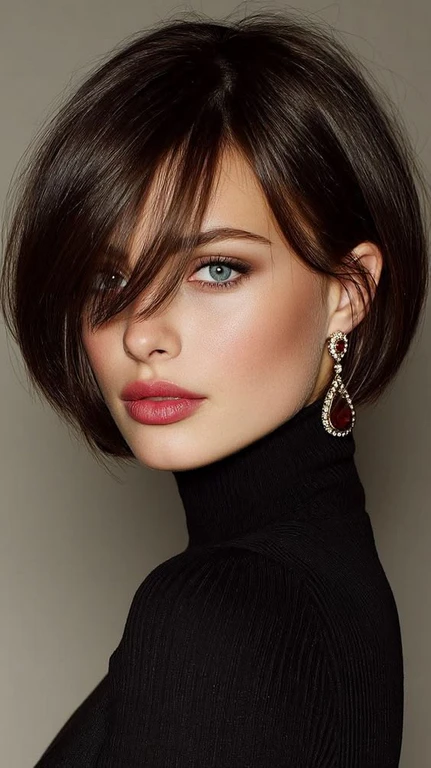
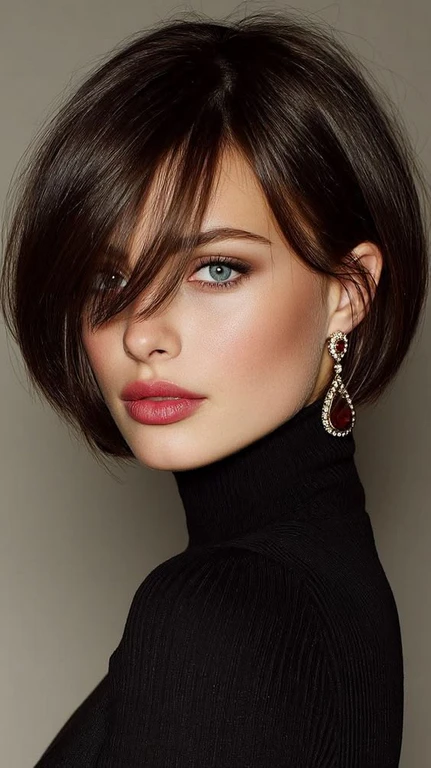
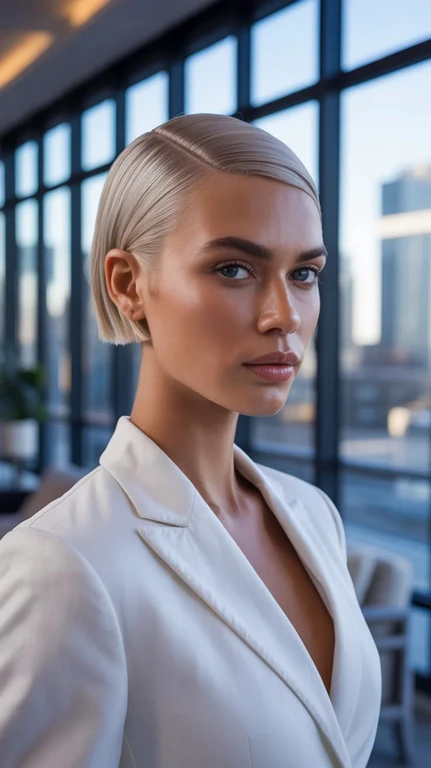
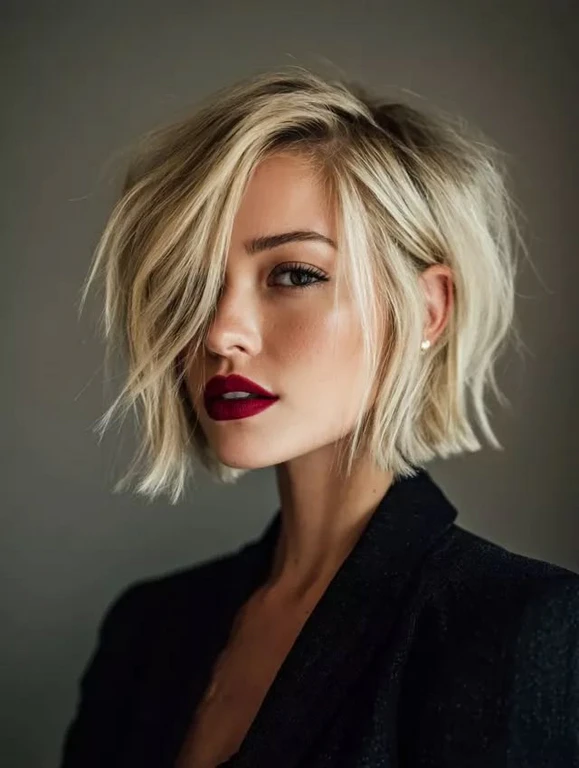
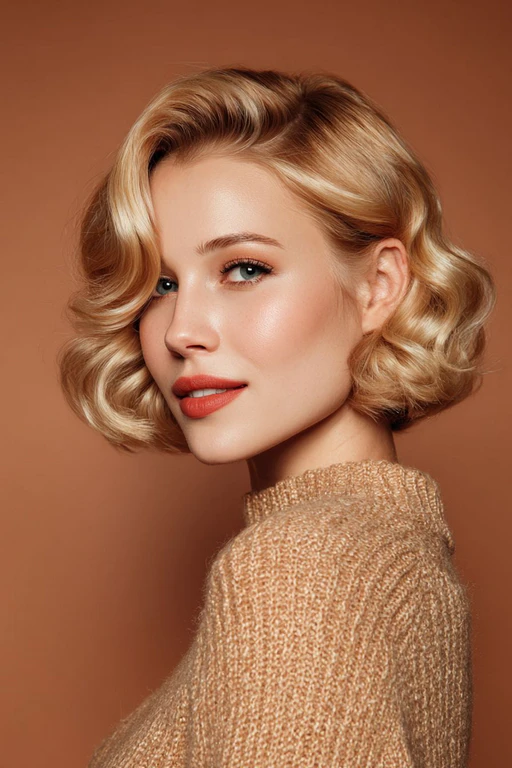
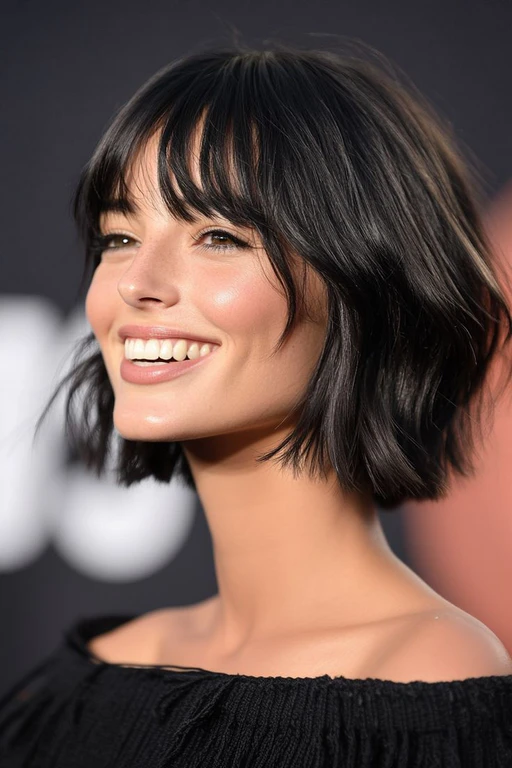
A short bob has a way of changing the way a person carries herself. Not the same shoulders. And the neck suddenly matters. Even earrings start to feel like a possibility instead of an afterthought. That’s probably why the cut never really leaves salons, although its shape continues to change season to season.
The change this year is obvious. Bobs are getting shorter, sharper on the edges, and softer through the middle. Thus, the polished helmet look is out, and a more airy and attitudinal style is in. If you’ve been considering a haircut, the Short Bob Hair Trends 2026 are more varied than any recent year, so chances are one will suit your face, your texture, and your routine.
Here are the shapes leading the conversation, how each works on different hair types, and what to say to your stylist so you get the cut you pictured.
Why the Bob Went Shorter Again
The long bob was in charge for a few years. The long bob is considered safe, flattering, and simple to grow out of. But, eventually, safety begins to taste a little flat. And many have been growing it out for years and are now looking for a cut that looks intentional from across the room.
Styling habits have changed along with these trends. There are fewer people who want to spend twenty minutes every morning with a round brush. The trend has made shorter cuts that dry well in the air more attractive. A bob that sits near the jaw dries faster, requires less product, and still looks finished with minimal effort.
There’s a practical reason for these changes as well. A successful cut shows off your shorter hair. With less length to hide behind, the precision of the shape becomes the whole style. Therefore, stylists are paying more attention to weight lines, nape work, and the way hair falls in motion. It’s that focus on craft that distinguishes this year’s bobs from older ones.
Short Bob Hair Trends: What Are the Shapes of 2026?
Not all bobs are created equal, and this year is the proof. These are the hairstyles that keep popping up in salon portfolios and on the streets.
The Jaw Grazer
This hairstyle is the most requested version, and for good reason. The length ends right at the jawline or a millimeter or two above it. The ends are cut slightly bluntly and then softened by point cutting so they never look stiff.
Works particularly well on oval and heart-shaped faces. But a stylist can change the angle for round faces by leaving the front a little longer than the back. Wear it loose for a graphic statement or tuck it behind one ear for a relaxed look.
The Bixie’s Edge
The bixie is a hairstyle that falls somewhere between a bob and a pixie, featuring a heart-shaped silhouette. And basically it’s a cut for those who want short hair but not fully cropped sides. The back tapers to the neck, but the top and front stay long enough to move.
People who are growing out a pixie cut have been embracing this shape. They do not mind the awkward transitional months; instead, they shape the growth into a bixie and appreciate the style throughout the process. It also works well for thick hair, as the tapered nape takes away volume where it tends to puff out.
The Soft Box Bob
Think a classic blunt bob and then someone softly rounding off every corner. This is the soft box. The perimeters are still even and intact. But the inside is layered enough to let the hair bend, rather than be stuck in a solid block.
This cut photographs beautifully and looks expensive. It also keeps its shape for ages in between appointments, making it a clever choice if you only visit the salon every eight to ten weeks.
The French Bob Unwound
The French bob isn’t new, but this year’s version feels airier. Usually it falls to the cheekbone or upper jawline and pairs with soft bangs that are slightly grown out. The thing here is texture. It should look like you got up and ran your fingers through it and left.
This is why it’s perfect for natural waves and fine hair with a bit of bend. It also works well on very straight hair, but it does require a texture spray or light wave to achieve that lived-in quality.
The Micro Bob
The micro bob is short and bold, ending somewhere around or just below the earlobe. The micro bob is the most dramatic shape on this list. It isn’t for everyone, but on the right person, it looks striking and modern.
This cut highlights prominent cheekbones and a defined jaw. Similarly, long-necked individuals frequently notice that a micro bob creates a more elegant silhouette. Wear it with a precise fringe for a graphic finish, or keep the front longer for a softer frame.
The Nape Bob, Stacked
This one is based on the styles of decades ago but much more subtle now. The back is layered in brief increments so that it curves in at the neck. The front of the hairstyle remains longer and smoother for everyone.
This creates volume at the crown without teasing or heavy product. Additionally, this style is very forgiving for fine hair that tends to lie flat against the head.
How Texture Affects the Outcome
A picture of a bob only starts to tell the story. Depending on what your hair does naturally, the same cut can look entirely different. Therefore, knowing your hair type is more useful than saving inspiration pictures.
Fine Thinning Hair
Short bobs make fine hair appear thicker. Blunt ends create the illusion of thicker hair. Soft box and jaw grazers are both excellent options. But if you have fine hair, heavy layers can make it look thin, so ask your stylist to keep most of the weight on the perimeter.
Thick and Rough Hair
Dense hair: you have to work internally to keep a triangle shape. Stylists usually remove bulk from under and through the mid-lengths. The bixie and the stacked nape bob are also excellent for density because the tapered back prevents the hair from spreading out.
Curly Hair
Waves and bobs go together like that. The undone French bob was practically made for this texture. That said, waves can make the hair appear shorter, so it is advisable to cut it a little longer than your desired length. Otherwise, your jaw-grazing bob may turn into a micro bob when it dries.
One of the most exciting looks this year is the curly bob. By cutting curls dry, one curl at a time, the stylist can see clearly how each piece will fall. So this technique balances the shape, and it doesn’t become the dreaded pyramid. A rounded silhouette, placed on the cheekbones or jaw, is usually the most purposeful. If you’re a curly-cut newbie, find a stylist who works with your curl pattern on a regular basis.
Colors That Work for Shoulder-Length Hair
Color works differently on short hair. The shorter the length, the less space there is for a long gradient. So this year, the most effective shades are either rich and even or applied in small, intentional areas.
Glossy is leading the way with single tones. Imagine dark espresso, cool mushroom brown, buttery blonde, and copper with a hint of gold. These shades reflect light on the smooth shape of a blunt cut, making the hair look healthier.
Alternatively, color framing that adds brightness looks appealing with a bob. A colorist will do a few pieces around the face instead of full highlights. It’s subtle but makes a difference to the complexion. Plus it grows out gently so you aren’t chasing roots every month.
Adding a bit more fun with peekaboo color under the top layer has always been a favorite. The hair moves, and only then is a strip of soft pink, dusty blue, or warm caramel revealed underneath. It’s a simple way to experiment without a whole new look.
How to Brief Your Stylist Well Before the First Snip
Even if you have the perfect picture in your mind, the colorist will still need to step away from the scissors and fingers. A little preparation can significantly impact the outcome.
Bring Photos and Talk About Them
Photos help, but they’re only the start. Tell your stylist what you like about each picture. Maybe it’s the length, the fringe, and the way the ends flick out. Also mention what you don’t like. Sometimes that’s even more useful.
Be Real About Your Routine
If you do not use heat tools, please let us know. Maybe you wash your hair daily. A good hairdresser will tailor it to your habits rather than give you a style that only looks good after a salon blow-dry.
Let’s Talk About Growing It Out
Ask what the cut will be in 6 and 10 weeks. Some bobs maintain their appeal as they grow out, while others quickly lose their shape. Knowing the timeline in advance will help you schedule the appointments and avoid frustration later on.
Everyday life with your bob
The first week of short hair is a little adventure. Then it becomes part of your routine. Here’s how to keep fringe and bangs good long after leaving the salon.
A Simple Morning Routine
Most bobs take less time than you’d think. Begin with damp hair and a light cream or mousse. Then rough-dry your hair with your fingers until it is about eighty percent dry. Finally, smooth the outer layer with a flat brush or your hands. If you prefer waves or curls, scrunch in the product and air dry without touching too much.
Products to Maintain
You rarely need a full shelf of products for short hair. You actually need a light texturising spray and a little bit of styling cream and heat protectant. Furthermore, a dry shampoo can help with volume at the roots on second-day hair. Heavy oils and thick masks can weigh down short styles, so use sparingly and mostly on the ends.
When to Cut Your Trims
Bob haircuts are more about shape, so trims are more important than with long hair. Most short bobs look best when refreshed every 6 to 8 weeks. Salon crops and bixies may need a little more attention sooner than that. A soft box bob, however, can often go ten weeks without losing its line.
Guarding the Ends
Damage is easy to see if your hair is short. Frayed ends disrupt a clean perimeter, resulting in a worn-out, rough-dry appearance. To avoid these issues, limit heat styling and apply a heat protectant. Sleeping on a silk or satin pillowcase helps too. It reduces the friction and smooths the ends.
Select Your Cut to Fit Your Lifestyle
Selecting a bob isn’t just about your face shape. It’s also about your lifestyle. If you swim several times a week, you’ll want a cut that looks good wet and air-dried. In contrast, a person who loves doing their hair may happily choose a sleek micro bob that requires a flat iron.
Work environments matter, too. A soft box bob is polished in any office. Meanwhile, the texturizing bob is just as at home in creative environments as it is on a casual weekend. The tapered back makes the bixie a second-day style for those who exercise often and want hair off their faces.
Another important factor to consider is the climate. Humid weather can easily destroy the shape of blunt, straight bobs. So a slightly textured cut that requires a little movement will generally wear better. But in dry, cold months, static can make fine bobs frizz out, so a light cream is essential.
Choosing the Right Bob for You
Each cut in the Short Bob Hair Trends 2026 lineup has a personality of its own. The jaw grazer is well balanced and easy to love. The bixie is bold but functional. The French bob is casual and a bit romantic; the soft box is classy. The micro bob makes a statement, and the stacked nape creates lift where most people need it.
Ultimately it boils down to three things: your hair texture, your daily routine, and how much change you are willing to make. When in doubt, begin a little longer. You can always choose a shorter style at your next appointment, but you cannot lengthen your hair back overnight.
Most importantly, find a stylist whose work you truly love. Look at their newer cuts, especially the short styles for hair like yours. It’s a cut that will carry you through months of excellent hair days. That’s why a bob is worth it.
So if you’ve been itching to try the Short Bob Hair Trends 2026, this could be your season. Short hair seems to be lighter in more ways than one.