
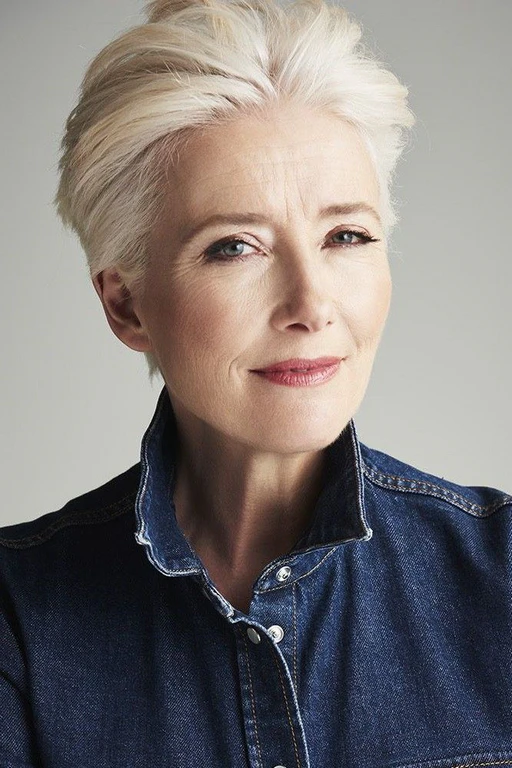
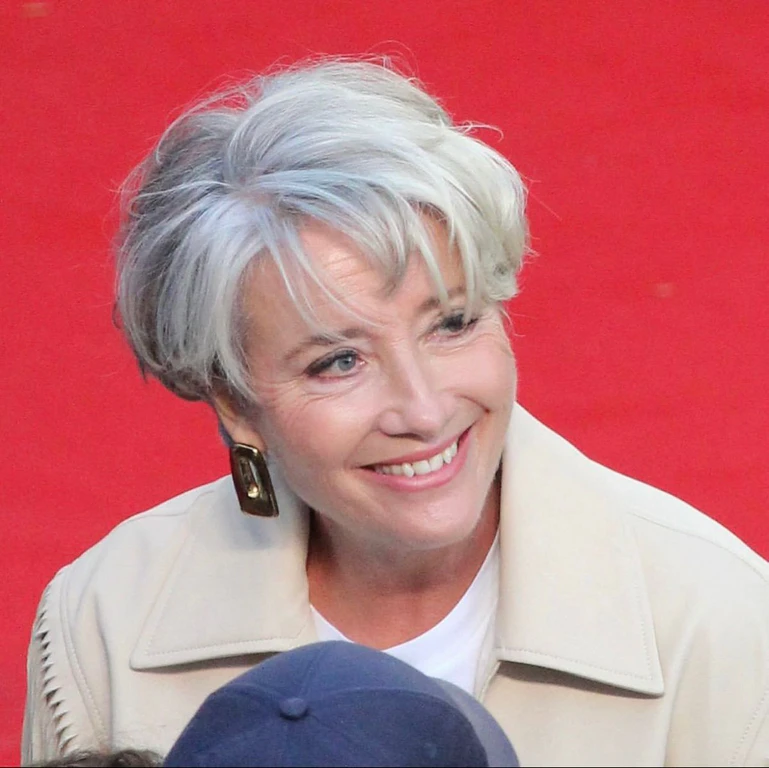
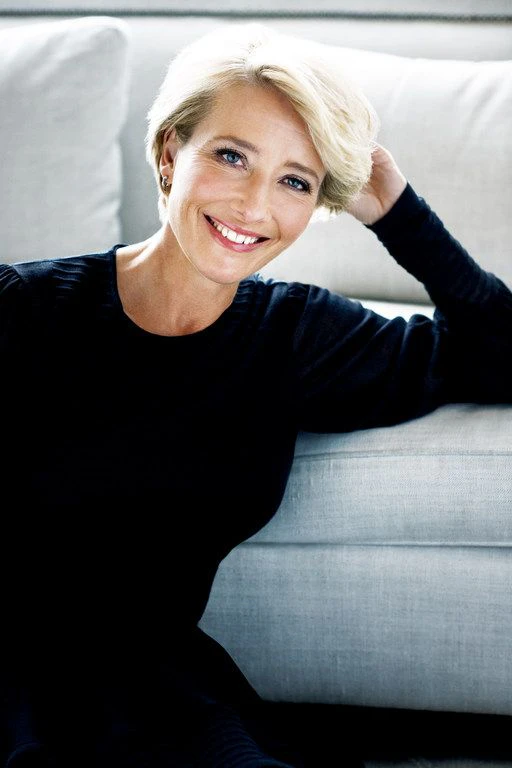
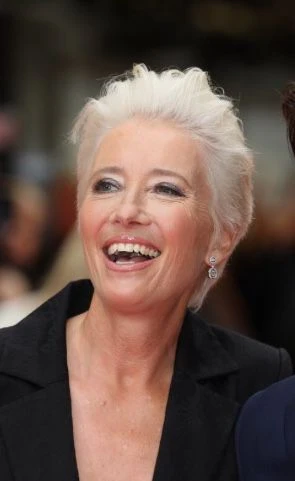
Emma Thompson’s Grey Pixie Cut: Why It Is the Most Popular Haircut of 2026
There are haircuts that simply appear, and then there are haircuts that shift the entire conversation around beauty, age, and confidence. Emma Thompson’s grey pixie cut belongs firmly in the second category. In 2026, this style has moved far beyond red carpet coverage and landed on the everyday wish lists of women who are done apologizing for their silver strands. It is bold. It is structured. And, above all, it is making stylists’ phones ring from London to Los Angeles.
But why now? What makes the haircut significant, and what makes this woman the right person to wear it? To understand the phenomenon, you must consider both the cultural moment and the cut itself. Neither works without the other.
In this article, you will discover what makes Emma Thompson’s grey pixie cut distinctly different from other celebrity-driven trends. You will also learn how to achieve a similar look at home and in the salon, which face shapes it flatters most, and why hair professionals call it the defining style of the decade. Practical advice on maintenance and product choices is included, along with tips on carrying the look with the same effortless authority Thompson projects.
2026: Emma Thompson Changed How We See Silver Hair
For decades, grey hair in women was something to hide, not something to celebrate. Colorists built entire careers on the promise of seamless root coverage. Gradually, the cultural tide began to shift. Women like Helen Mirren and Andie MacDowell started wearing their silver proudly. Even so, Emma Thompson’s grey pixie cut—worn consistently and confidently through her recent film press tours—truly accelerated the movement into mainstream style territory.
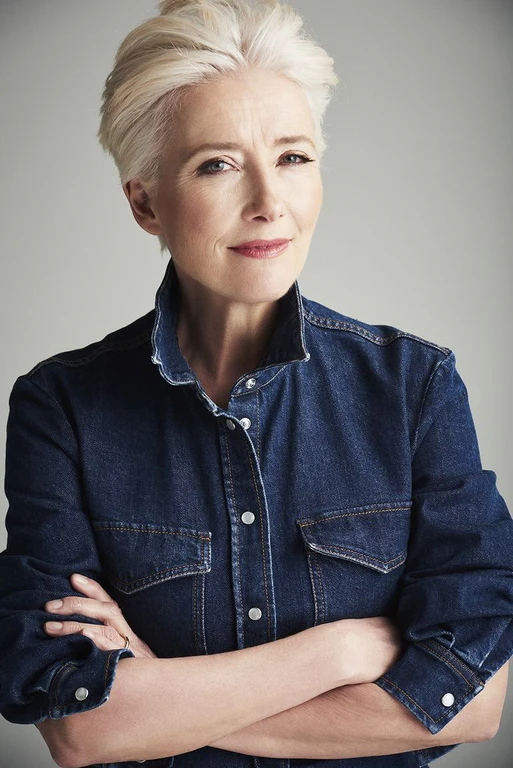
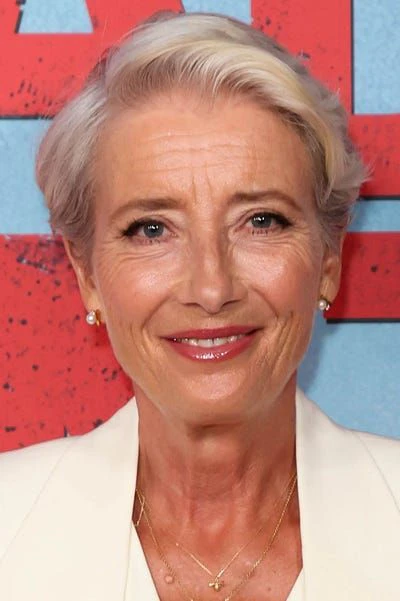
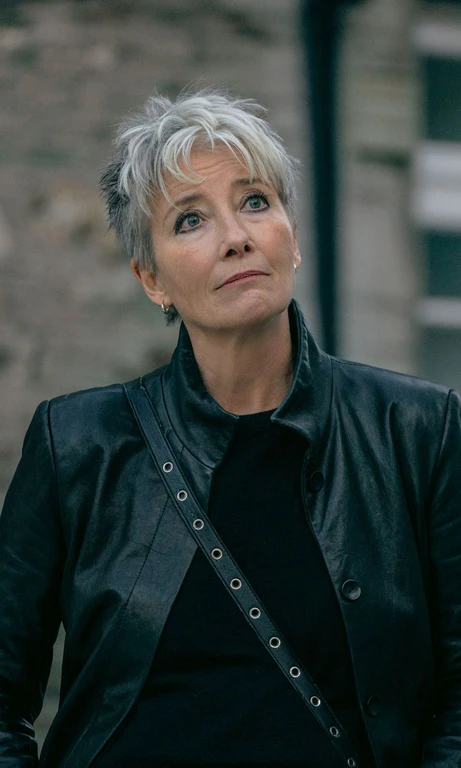
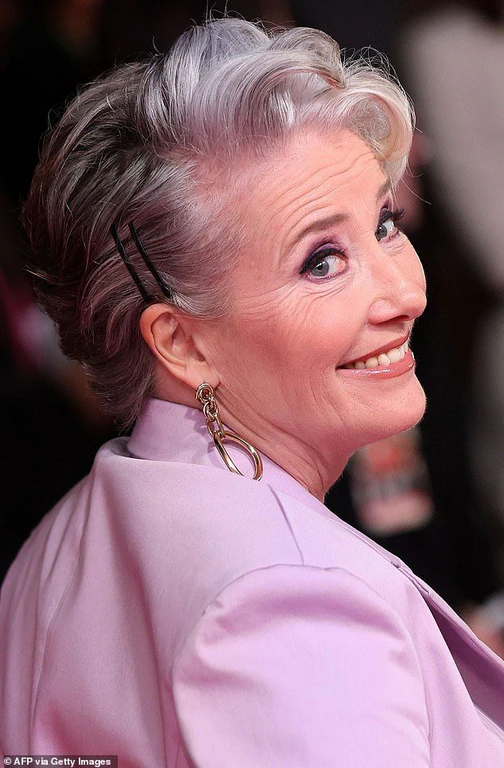
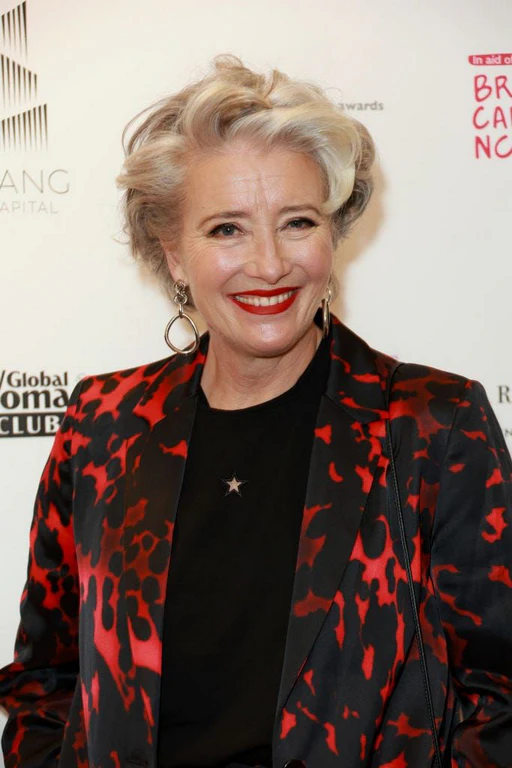
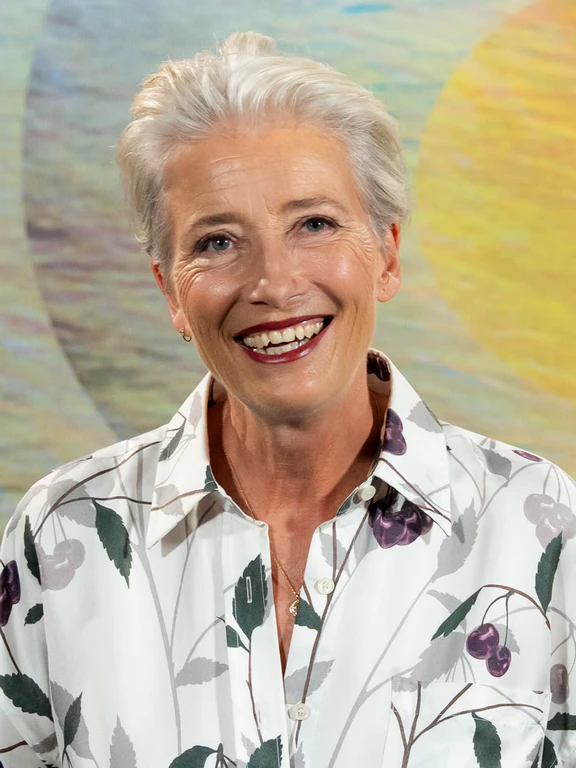
Thompson did not simply grow out her hair and leave it alone. She worked with her stylist to shape a close-cropped, textured pixie that treats the natural variation in silver tones as a design feature. The result looks deliberately crafted rather than casually neglected. It communicates intention. That distinction matters enormously, because it separates grey hair as a fashion choice from grey hair as an afterthought.
Thompson also carries the cut with a particular ease. She pairs it with strong brows, minimal makeup, and clothing that lets the hairstyle speak first. That editorial confidence is, in itself, a kind of styling advice, and women have been paying close attention.
The Cultural Shift Behind the Silver Pixie Trend
Pinterest’s 2026 annual trend report shows that searches for silver-grey hair surged dramatically in a single year. Similarly, terms like “grey blending” and “grey pixie cut for women over 50” saw triple-digit growth in search volume. Those numbers do not happen by accident. They signal a real change in how a large and powerful demographic chooses to present itself.
Social media has played a significant role in this shift.
On Instagram and TikTok, grey-haired women have built devoted followings by offering something rare: visibility. When Emma Thompson appears in a press photograph with her silver pixie perfectly shaped and styled, she sends a message that resonates far beyond celebrity gossip. She shows that grey can be elegant, modern, and entirely intentional.
The wellness industry has also helped. It has flipped the perception of grey hair from a sign of decline to a sign of health and authenticity. Brands now develop products specifically formulated for naturally silver hair—a category that barely existed five years ago. This commercial validation reinforces what style-conscious women already sensed: grey is no longer a problem to solve.
What Makes the Emma Thompson Grey Pixie Cut Distinctive
Not all pixie cuts are equal, and the specific version associated with Emma Thompson has several defining characteristics. Understanding these details is essential if you want to ask your stylist for something similar.
Texture and Volume at the Crown
The cut relies heavily on texture rather than flat, close-cropped simplicity. The crown carries noticeably more volume, which lifts the overall silhouette and prevents the style from looking severe. Precision layering achieves this volume—shorter at the nape, progressively longer toward the top, with the longest sections feathered outward to create movement. The finished result frames the face without overwhelming it.
Thompson’s stylist also uses point-cutting throughout the top sections. This removes bulk selectively while preserving the natural direction of growth. The hair then falls into place with very little effort during daily styling. For many women, that ease of maintenance is one of the primary reasons they pursue this cut.
Nape and Sideburn Detail
The nape stays clean and close, tapering gradually into the natural hairline. This detail is particularly important—it defines the back of the cut as sculptural and deliberate. The sideburn area tapers rather than blocks, which softens the cut around the face and prevents it from reading as overly masculine. Together, these two technical details provide the style with its characteristic blend of strength and refinement.
Using silver tones as a design element enhances the overall aesthetic of the hairstyle.
Perhaps the most important aspect of Emma Thompson’s grey pixie cut is that the natural variation of silver tones serves as a styling asset rather than a liability. True grey hair is usually not one uniform shade. You have a spectrum—from bright white at the temples to darker pewter near the crown. A skilled stylist works with these variations rather than against them. They shape the cut so that lighter sections frame the face and darker sections add depth at the back.
This approach differs fundamentally from attempting to achieve a uniform color. It also demands far less maintenance—a practical consideration many women weigh heavily when choosing a long-term style.
Which Face Shapes Suit the Grey Pixie Cut Best
One of the most common concerns before committing to a pixie cut is whether it will suit a particular face shape. The version Emma Thompson wears is notably versatile. The crown volume and the tapered nape create a balanced silhouette, suitable for all types of features.
Oval and Heart-Shaped Faces
Oval faces suit short styles most naturally, and the grey pixie cut is no exception. Heart-shaped faces also do well here. The sides are closely trimmed to flatter the cheekbones and jawline, while the volume on the crown maintains balance without adding width to the forehead.
Round and Square Faces
A slightly different approach is needed for square faces. To soften the angular jawline, the stylist should add length and softness around the temples and ears. Round faces benefit from height at the crown, which elongates the face. Both adjustments fit naturally within the basic structure of the cut without compromising its essential character.
Long faces can also wear this cut well. However, the stylist should reduce height at the crown and shift volume toward the sides to create the illusion of width. This requires a more customized approach, but skilled execution delivers equally striking results.
How to Talk to Your Stylist About the Emma Thompson Grey Pixie Cut
Walking into a salon and asking for Emma Thompson’s grey pixie cut is a perfectly reasonable starting point. The more specific information you bring to that conversation, however, the better your result will be. Stylists appreciate clients who have done some preliminary thinking, because it transforms the consultation from a guessing game into a genuine collaboration.
Bring at least two or three photographs of Thompson’s current style, ideally from different angles. Pay attention to images that clearly show the back of the cut. The nape detail is one of the most technically demanding aspects of the style, and your stylist needs to see clearly what you want. Also bring one or two photographs of women with a similar hair texture and face shape wearing a comparable style. This helps your stylist understand not just the target aesthetic but also how it translates across different hair types.
Discuss Your Hair Texture Honestly
Grey hair frequently has a different texture from pigmented hair. It tends to be coarser, sometimes more wiry, and occasionally more resistant to styling. These are not disadvantages—in fact, they often work in favor of a pixie cut by providing natural volume and hold. Still, please discuss these traits with your stylist so they can adjust their cutting technique. Thicker hair, for example, may need different scissor angles and more careful thinning to achieve the delicate, feathered look this style requires.
A successful pixie cut typically needs maintenance every four to six weeks to hold its shape. This maintenance is more frequent than for longer styles, so please factor it into your decision. On the upside, daily styling time drops significantly—most women with this cut spend under ten minutes on their hair each morning, which is a genuine quality-of-life upgrade.
Grey Pixie Hair
A consistent product routine keeps a grey pixie cut looking its best between salon visits. Grey hair has specific needs, and certain formulations respond to them better than others.
Start with a purple or silver-toned shampoo.
Over time, grey and white hair can develop a yellowish cast, especially with exposure to hard water or environmental pollutants. A toning shampoo with violet or silver pigments neutralizes these warm tones and keeps silver hair looking crisp. Use it once or twice a week in place of your regular shampoo. On other days, a hydrating, sulfate-free formula cleanses gently without stripping the natural oils that grey hair tends to lack.
For styling a grey pixie cut, less is more. A small amount of lightweight cream or water-based pomade, worked through the fingertips and spread evenly over the top sections, defines the texture and controls flyaways. Avoid heavy waxes or high-oil pomades, as these weigh down the fine-to-medium-density hair many women over 50 have. Look for formulas that provide hold and shine without buildup.
Grey hair is more vulnerable to sun damage and dryness because it lacks the pigment that gives hair its color and helps protect it from UV rays. Before you go out, use a leave-in conditioner or hair sunscreen. If you use a hair dryer or diffuser, try to use the medium setting for heat and spray a heat protectant on your hair first.
The grey pixie cut is the stylists’ most recommended haircut of 2026.
When pro stylists suggest the grey pixie cut, they aren’t just following a celebrity trend. They are responding to a broader set of changes in how their clients think about hair, aging, and personal identity.
First, the demographics of the beauty industry have shifted. A larger proportion of women in their 40s, 50s, and 60s are active on social media, engaged with beauty content, and willing to try something genuinely new. These are not passive consumers. They research, compare, consult, and make deliberate choices. When a cut like Emma Thompson’s grey pixie captures their attention, they pursue it with real commitment.
Second, stylists report that women who choose grey pixie cuts tend to feel exceptionally satisfied with the results over time. The cut grows out gracefully, requires predictable maintenance, and delivers a consistent look that does not depend on color upkeep. For many stylists, that combination of client satisfaction and practical reliability makes it an effortless recommendation.
Third, the broader cultural rehabilitation of grey hair means stylists can now suggest this direction without worrying that a client will feel steered toward something unflattering. On the contrary, the grey pixie cut now carries genuine aspirational weight. It signals confidence, clarity of personal style, and a refusal to blend into the background—qualities that resonate strongly with the women most drawn to it.
Transitioning to a Grey Pixie Cut: What to Expect
If you currently have longer, colored hair and are considering a transition to a grey pixie cut, expect both practical and psychological dimensions to the journey. Both are worth preparing for.
The Grow-Out Phase
The grow-out phase—when natural grey roots begin to overtake colored lengths—is often the most challenging part of the transition. Several strategies make this stage more manageable.
Grey blending is one of the most popular salon services worldwide right now. A colorist strategically lightens existing dyed sections to create a gradual transition. Alternatively, some women cut their hair short early in the process, removing most of the colored length in a single appointment and letting the natural silver establish itself from a shorter baseline.
The second approach is more dramatic, but it shortens the transition period significantly. Beginning with a pixie cut early in the grow-out also means the hair is already accustomed to being worn short by the time the natural grey fully establishes itself. The final result feels like an evolution rather than a disruption.
Setting Expectations and Enjoying the Process
The transition frequently requires additional work to achieve the finished look. Natural grey hair arrives gradually, and the texture and tone may surprise you. Many women discover their natural grey carries unexpected depth and variation—more visually striking than any color they previously maintained. Patience is genuinely rewarded.