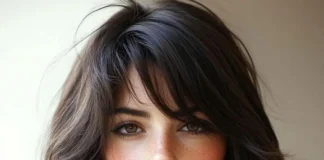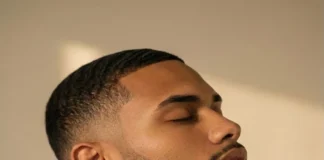


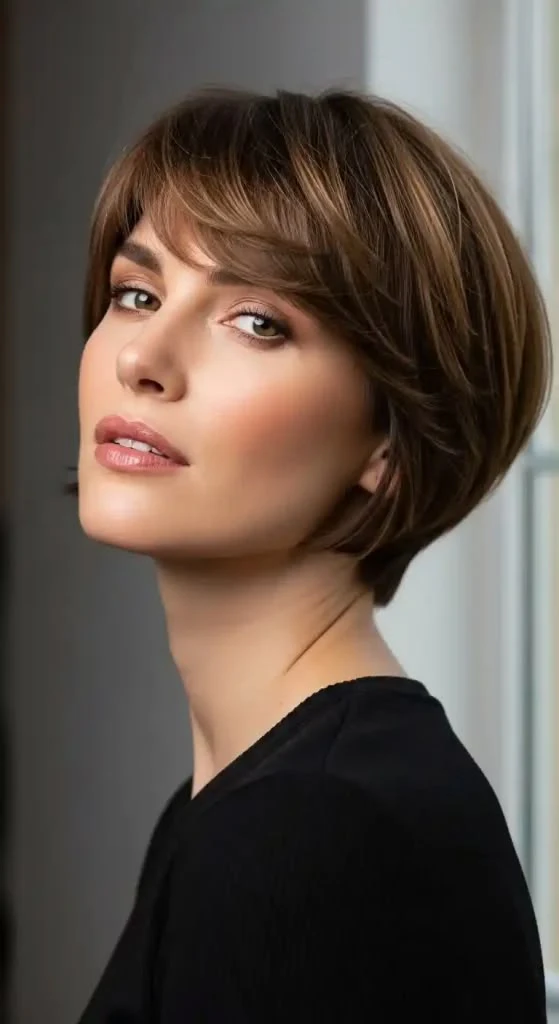
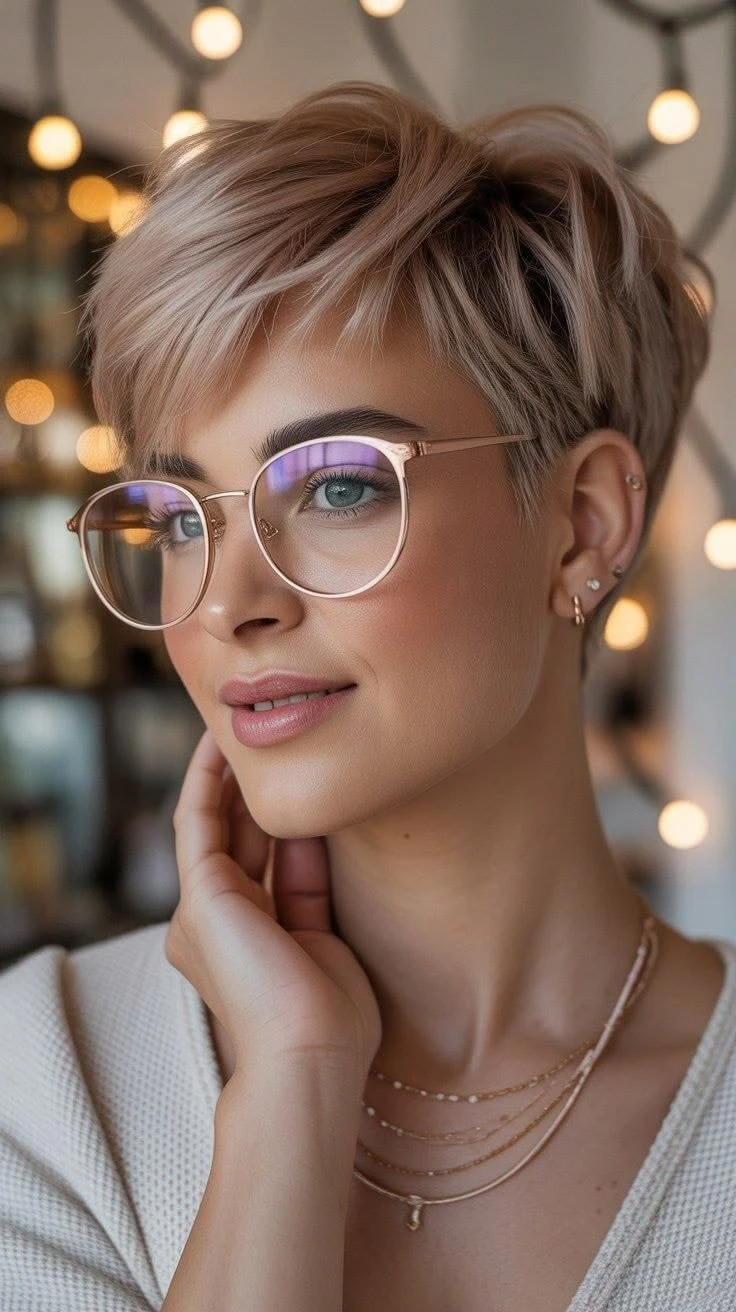


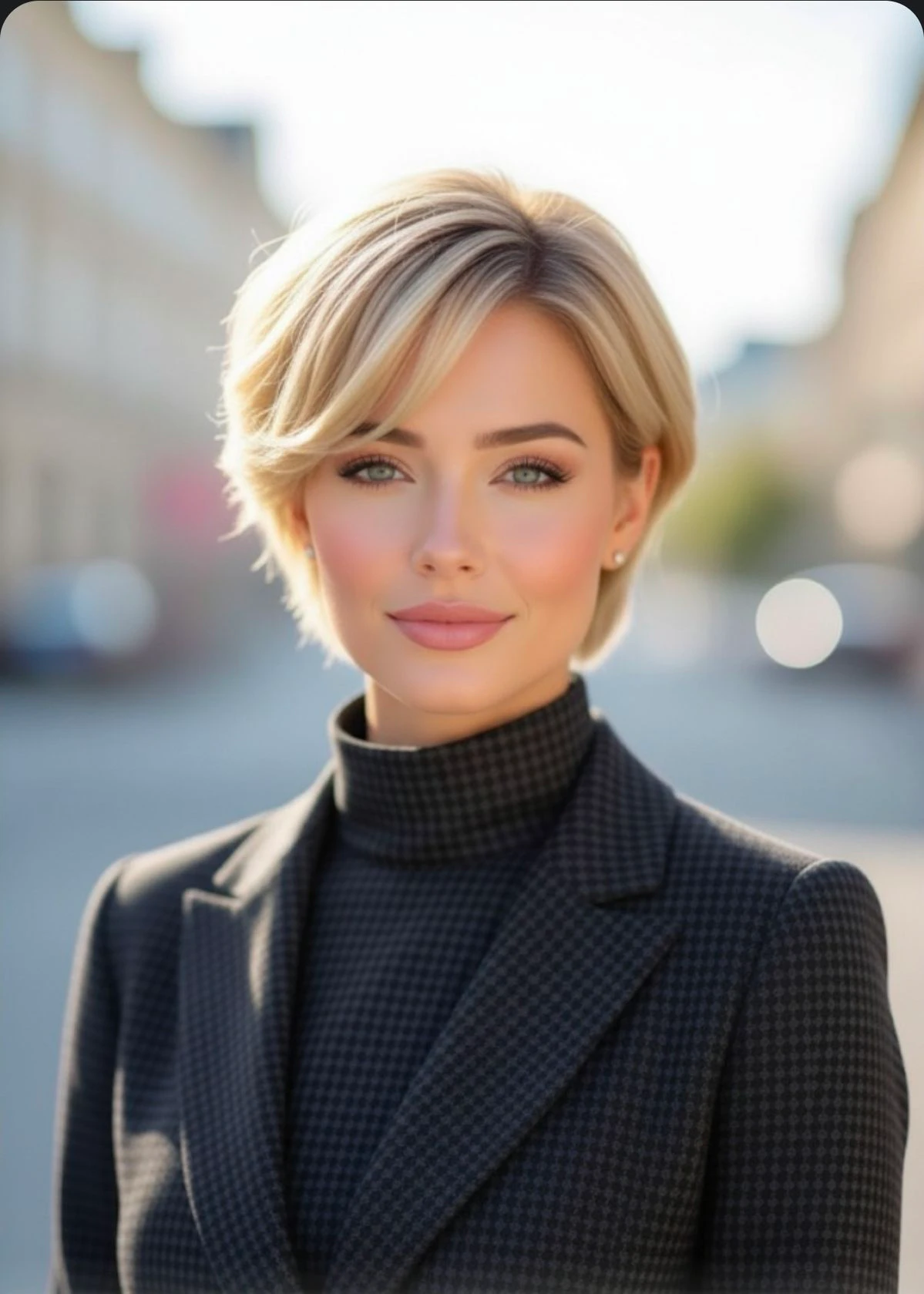


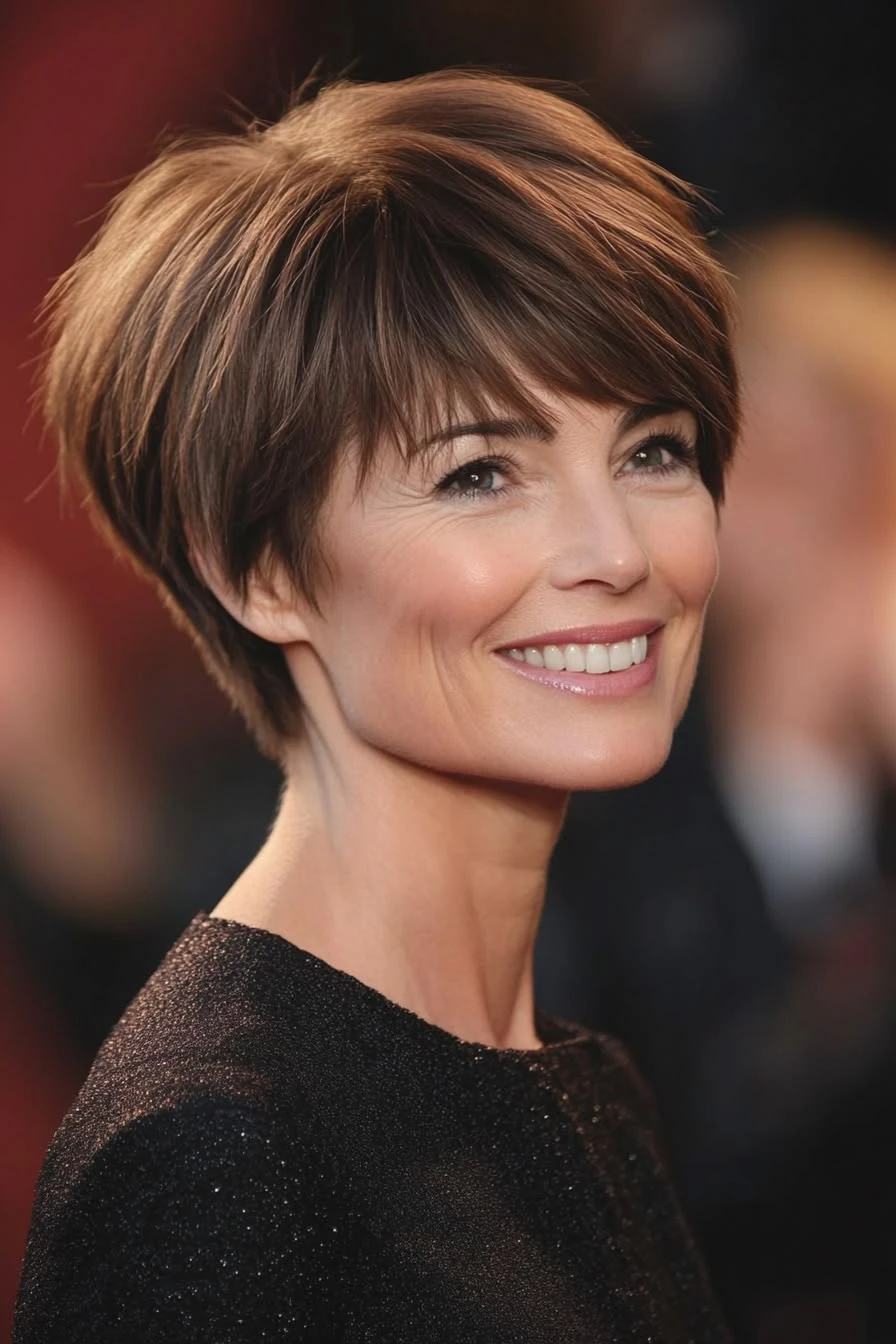
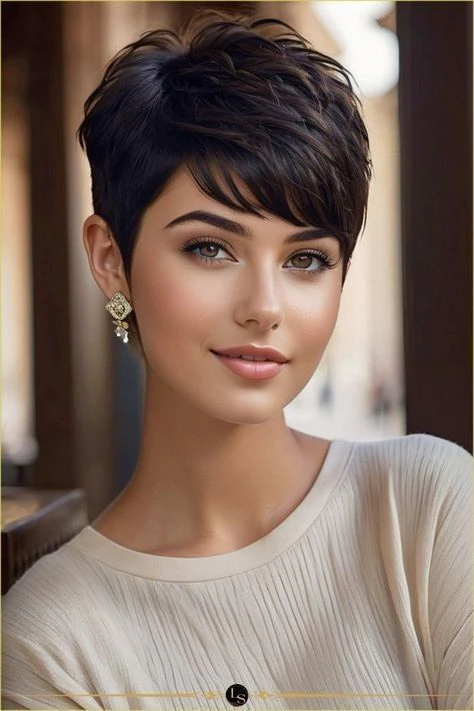

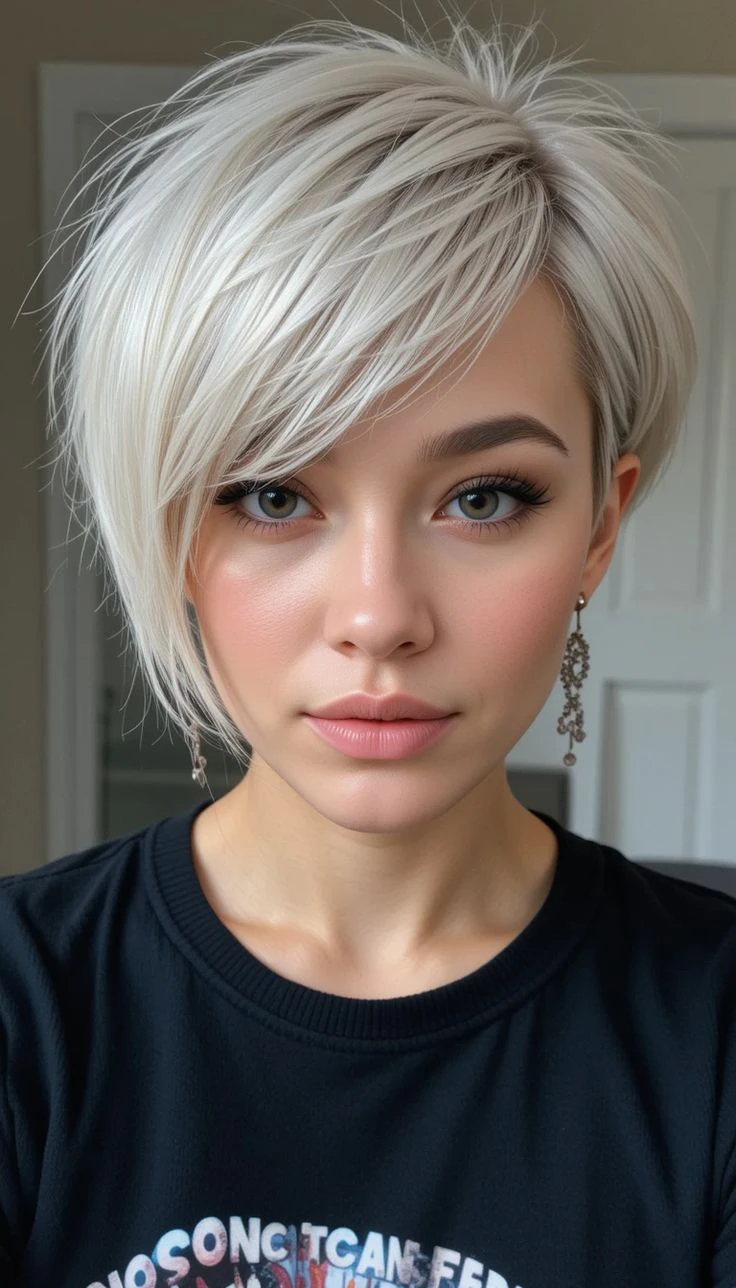
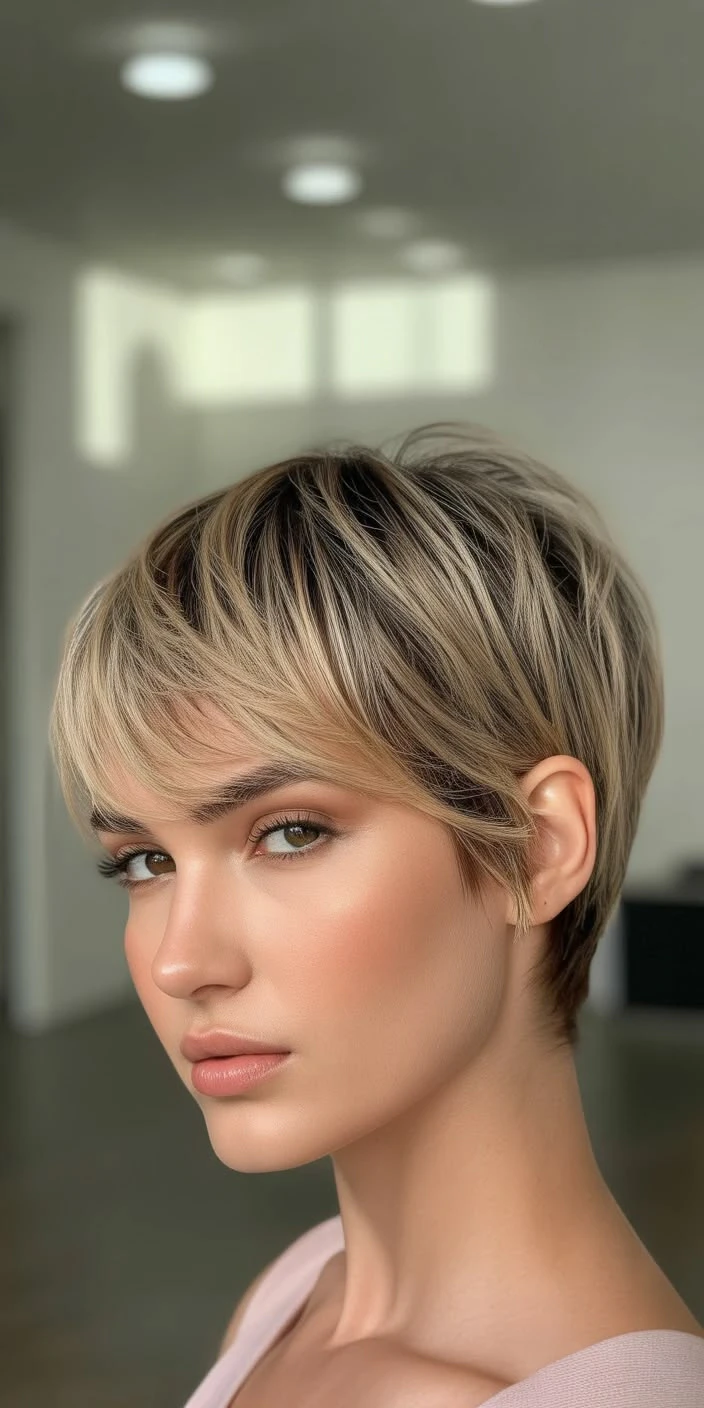
Pixie cuts don’t need to feel harsh. Allowing extra length at the front can in fact soften the whole shape. This is why salon consultation lists continue to be filled with short pixie cuts and long bangs, season after season. The back and sides are clean and trimmed. The front, however, has most of the personality. This way, you get the benefits of short hair without losing the chance to change your hairstyle from day to day.
This cut also works for every hair type: straight, wavy, curly, thick, and fine. Still, the result depends on a few critical choices. Bang length, natural texture, and how often you trim all play into the final look. So before booking an appointment, it’s helpful to know what each choice means for the cut.
What Makes Long Bangs on a Pixie Special?
A classic pixie is typically worn close to the head with an even cutline. Long bangs, by contrast, intentionally break that balance. The front of the hairstyle draws the most attention. The difference between the short sides and the longer top also creates a natural visual interest.
More Styling Options From One Haircut
Longer bangs give you more room to experiment. For example, you can sweep them across the forehead for a soft finish. Or you can push them back for height. Or, pull them apart with your fingers for a relaxed, lived-in look. This flexibility keeps the cut from feeling repetitive, and a small styling change can make it look like a new haircut.
Softness Around the Face
Some people love short hair but want some softness around the face. Long bangs are a happy medium. They frame the forehead and highlight the eyes and cheekbones. At the same time, the cropped sides make the overall silhouette clean and easy to manage.
Short Pixie With Side-Swept Bangs
The easiest way to wear this cut is probably with side-swept bangs. The longer front section shifts to one side, creating a natural diagonal line. As a result, the hairstyle gains movement even when it is completely still.
Sleek and Polished
For a polished finish, use a small amount of smoothing cream, about the size of a pea. Then comb the bangs firmly to one side. Press the sides close to the head. The result is clean and deliberate. This version is ideal for the office, weddings, and evening events.
Relaxed and Textured
If you want to look relaxed, go for texture instead of shine. Rub a small amount of light styling paste between your hands. Then work through the bangs with your fingertips. Next, pull a few pieces apart and leave them a little undone. Simply put, don’t chase perfection. A slightly imperfect finish is what gives it a modern feel.
Pixie With Long Curtain Bangs
Pixie cuts look gorgeous with curtain bangs too. Instead of sweeping everything to one side, you split the front section in the middle. Then each half gently swings outward, as if a pair of curtains were being parted gently.
Soft Curtain Shape
The bangs should be long enough to frame the eyes. The sides, in contrast, are short. So the difference in length is a defining part of the cut. Overall, this version is softer and more feminine than a classic pixie.
Adding Soft Texture
Texture can lighten the formality of the curtain shape. First, apply a light mousse to damp roots. Then, as you blow-dry, lift the roots very gently. Finally, once the hair has cooled, use your fingers to split the ends. This way, there is movement without the hair looking too styled.
Selecting the Optimal Cut for Your Hair Type
Almost every part of this haircut is affected by your natural texture. So it’s smart to plan the cut around what your hair already does well. Otherwise, you will be fighting against your hair’s natural texture every morning.
Straight Hair
Straight hair reveals all the lines of the cut. So precision cutting matters more than ever. Long bangs look super sleek on naturally straight hair with short pixie cuts. For example, a blunt fringe provides a powerful graphic edge. You can wear it straight across or slightly to one side. The feathered ends, in contrast, provide a softer look. They keep the bangs long but with lighter tips that move more freely. This style makes the cut feel less stiff.
Wavy Hair
Wavy hair adds natural texture to a pixie. Longer bangs tend to fall into loose bends all by themselves. Work a small amount of styling cream into damp hair to get it going. Then scrunch the front part up a bit and let it dry on its own. When dry, separate the waves with your fingers. For more definition, a light mousse works better. The only thing to remember is not to touch the hair too often while it’s drying, as that can break up the wave pattern.
Curly Hair
This is one of the most gorgeous cuts for curly hair. The front is longer, with curls, and the sides are shorter, providing contrast. That said, curls can shrink a lot as they dry. Discuss the final length with your stylist before any cutting is done. Then, apply a moisturizing curl cream to damp hair and let it air dry. Tapered sides also look fantastic with curls. They create a gradual transition, letting the curls on top be the focus.
Thick Hair
Thick hair gives you a lot of volume, sometimes too much. Internal layers solve this problem. They take the bulk out of the interior of the cut, leaving the outline untouched. Likewise, a tapered back and neckline keep the shape in order. The focus is ultimately up front, and the whole cut feels balanced rather than heavy.
Fine Hair
This look works for fine hair too. In fact, the shorter sides often make the top appear fuller by comparison. Use a light volumizing mousse for more lift, mainly at the roots. Then blow-dry, lifting hair up with your fingers. In the meantime, steer clear of heavy oils, as they tend to weigh down fine strands. Subtle texture through the ends can also help. Still, ask your stylist to leave enough density so the hair appears full, not thin.
How to Choose Long Bangs for Your Face Shape
Face shape doesn’t limit your options. Even so, it can guide how you cut and style the front. If you’re not sure what shape you are, our face shape guide runs through the basics in a few minutes.
Round Face
Round faces can create a longer visual line with a little more height at the crown. Angled or side-swept bangs also add a helpful diagonal. Keep the sides closely cut to enhance the contrast. At the same time, use product sparingly so that the finish is light.
Oval Face
An oval face can carry almost any variation. For example, a smooth fringe tucked behind one ear looks elegant. Alternatively, a textured, messy style with lifted roots can create a carefree look. The center part works well here, too.
Square Face
Square faces tend to have angles along the forehead and jawline. Feathered bangs soften those lines because they don’t have a harsh straight edge. A soft side part adds some asymmetry to offset the bold features in a very flattering way.
Heart-Shaped Face
Heart-shaped faces are characterized by a wider forehead. So a side-swept fringe falling toward the narrower side will balance it out. Light layers through the bangs also help prevent the front from looking too heavy.
Color Ideas That Highlight the Front
Color can emphasize the cut’s structure. For example, highlights brighten the bangs and bring attention to the face. Balayage gives softer dimension than highlights, while bold shades make the whole look more expressive.
Blonde Pieces in the Bangs
Adding blonde pieces only in the front gives you instant impact. Meanwhile, contrast is added by keeping the sides closer to your natural color. It also means less maintenance, as any color on the cropped sides is trimmed off quickly anyway.
Copper and Auburn Shades
Copper gives instant warmth to short hair. For a softer look, go for a darker auburn copper. A lighter copper tone, in contrast, is a more daring statement. Reds tend to fade the fastest of all, so expect to gloss often.
Dark Roots, Lighter Bangs
Lighter bangs against dark roots make a strong statement. The front, then, becomes the natural point of focus. This technique works best with straight or slightly wavy hair.
How to Style Long Bangs on Short Pixie Haircuts
Your styling routine can stay simple. Start with damp, towel-dried hair. Then use a little of the right product for your texture. Next, decide where you want the bangs to sit. Sweep them sideways for a classic look, push them up for volume, or just let them fall.
A Simple Daily Routine to Try
On busy mornings, all you need is your fingers. Begin by lifting the roots just a touch. Style the bangs in the direction you want. Then add a little texture paste to add some definition. Finally, release the sides. The entire routine typically takes only a few minutes.
A Polished Look for Special Occasions
If it’s a formal occasion, choose a smooth finish. Apply a heat protectant before using any heat. Then softly blow-dry your bangs using a small round brush. Finally, finish with a light smoothing product. Even here, use less than you think you need. Ideally, the hair should still move when you turn your head.
How to Keep the Shape Between Appointments
Short hair needs regular care too. The sides and neckline in particular lose form faster than the front. Regular trims are therefore even more important than with longer styles.
How Often Should You Trim?
The perfect schedule depends on your specific cut. A very short, tapered pixie might need a trim every four to six weeks. A softer, longer pixie, however, can often last up to eight weeks. A simple rule is to watch the neckline and the area around the ears. When the outline begins to blur, it’s time for a refresh. If you’re planning to grow the cut out later, check out our guide to growing out a pixie to avoid those awkward stages.
Simple Hair Care Routine
Wash with a mild shampoo, and focus conditioner on the long front section. If you have color-treated hair, use products made for color-treated hair. Curly or wavy textures need moisture. Limit heat styling. The American Academy of Dermatology provides practical, research-backed tips for protecting hair from damage.
Habits That Hold the Cut Back
Even a great cut can look flat with bad habits. Too much product, for instance, is an all too common problem. Long bangs quickly get heavy and greasy. Always begin with a small amount and add more if necessary.
Another is ignoring natural texture. Straight hair, curly hair, and wavy hair all act differently. Work with what your hair wants to do naturally instead of fighting curls to straighten them every day. This saves you time and keeps your hair healthier over time.
The front section is styled far more than the sides, so it absorbs most of the damage. A good heat protectant and a lower dryer setting will go a long way to protect it.
Choosing the Right Version for You
First of all, consider your natural texture. Decide how long you want your bangs to be. Do you like them just above the brows? Or do you want them to hit the cheekbones? Just a few centimeters can change the whole shape of the cut.
Then, consider how much maintenance you’re willing to take on. Very short sides need frequent trimming. A softer taper, meanwhile, grows out more elegantly. Finally, review your styling habits. If you like to change your look often, leave extra length at the front. This way you will always have more options to play with.
Fitting the Cut to Your Lifestyle
Pixie hairstyles with long bangs are a rare blend of low maintenance and true styling freedom. The sides remain cropped and tidy. The longer front, meanwhile, offers softness, movement, and more room for personal style. Bangs can be swept to the side, parted in curtains, or tousled with texture.
And each hair type brings something different. Straight hair looks sleek and sharp. Wavy hair has a natural, flowing look. Curly hair, however, brings volume and character. And color can take the look even further.
Above all, it’s the custom nature of this cut that makes it work. Choose a fringe length that you love. Think about your face shape. Embrace your texture. Then choose a trim schedule that fits your routine. With those options in place, short pixie haircuts with long bangs can remain modern, versatile, and easy to wear every single day.