
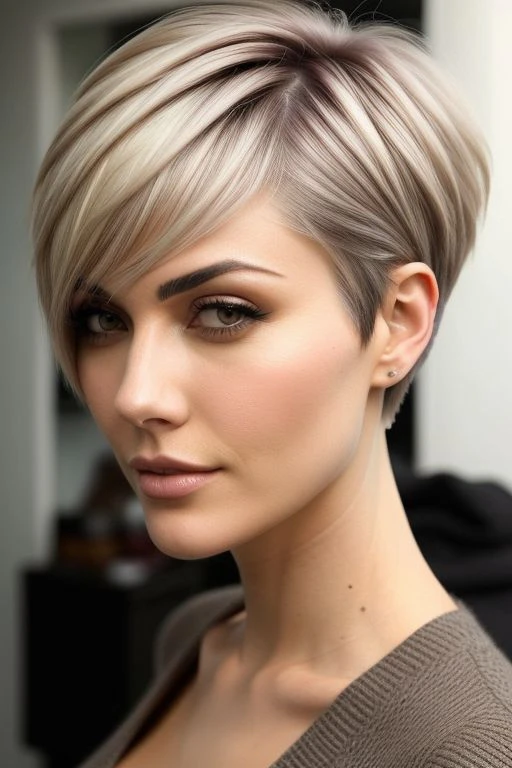
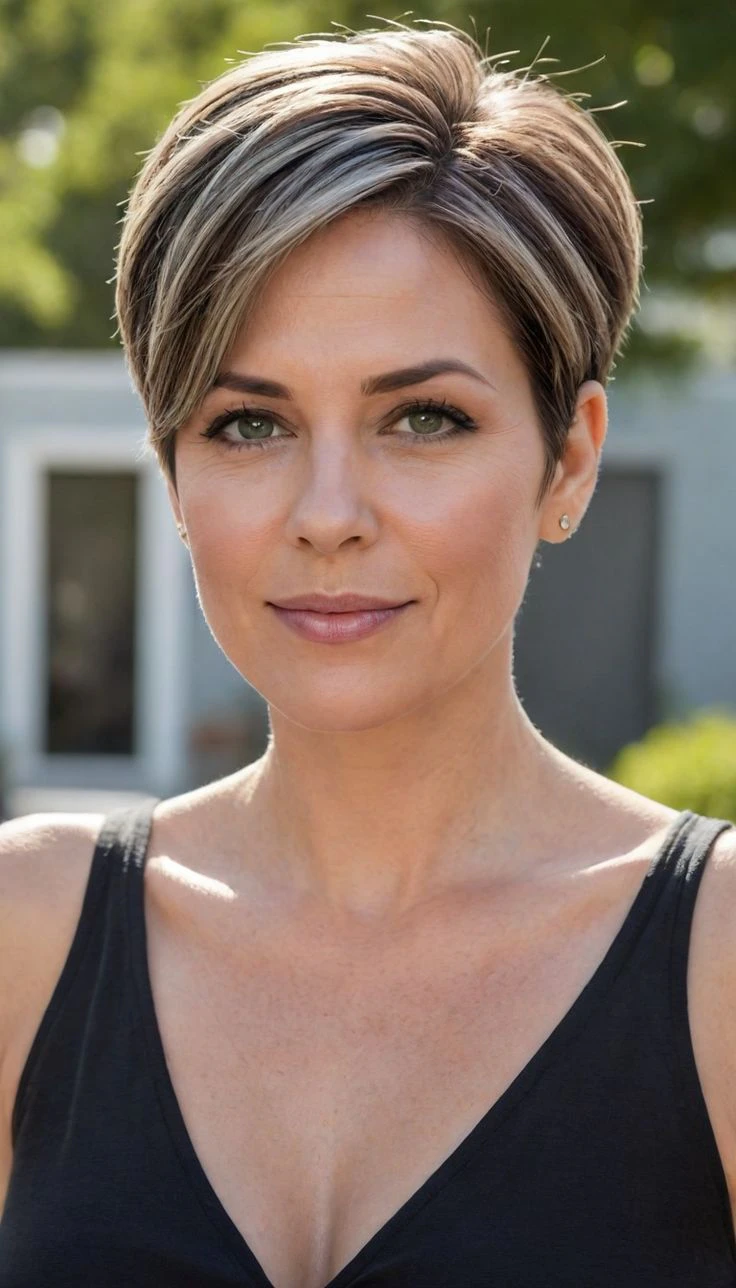
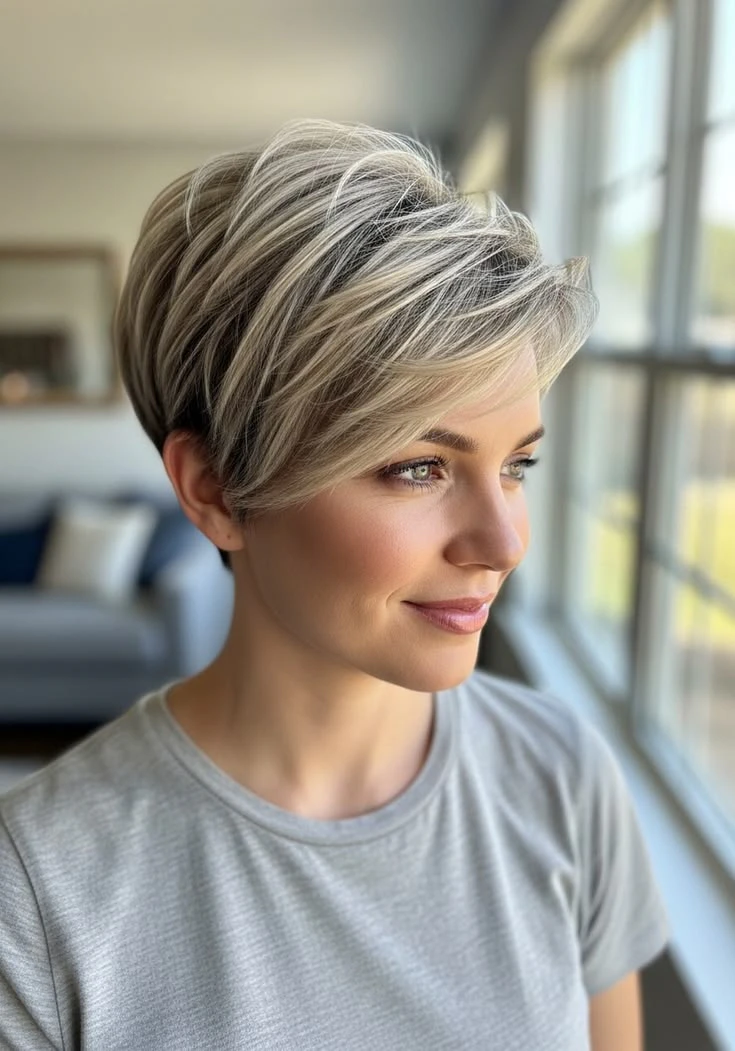
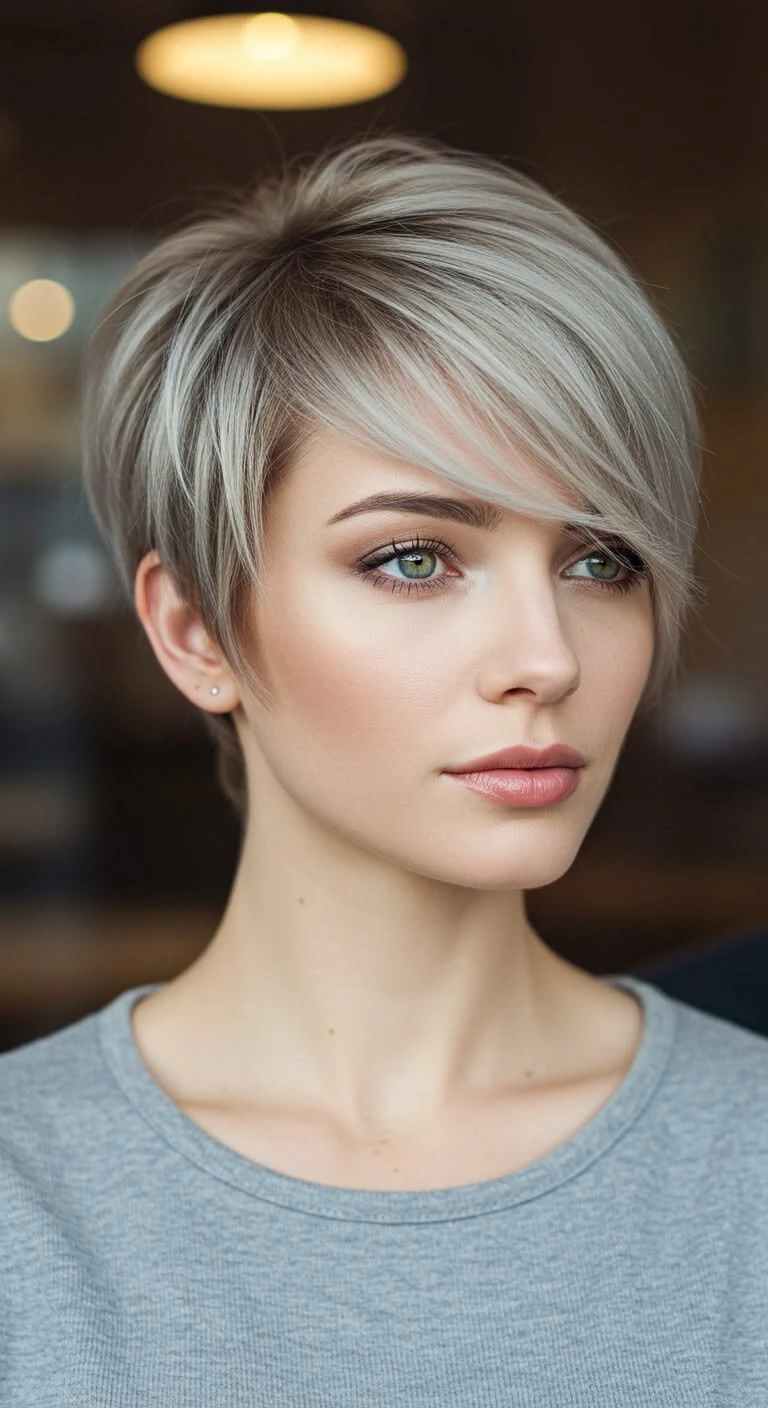
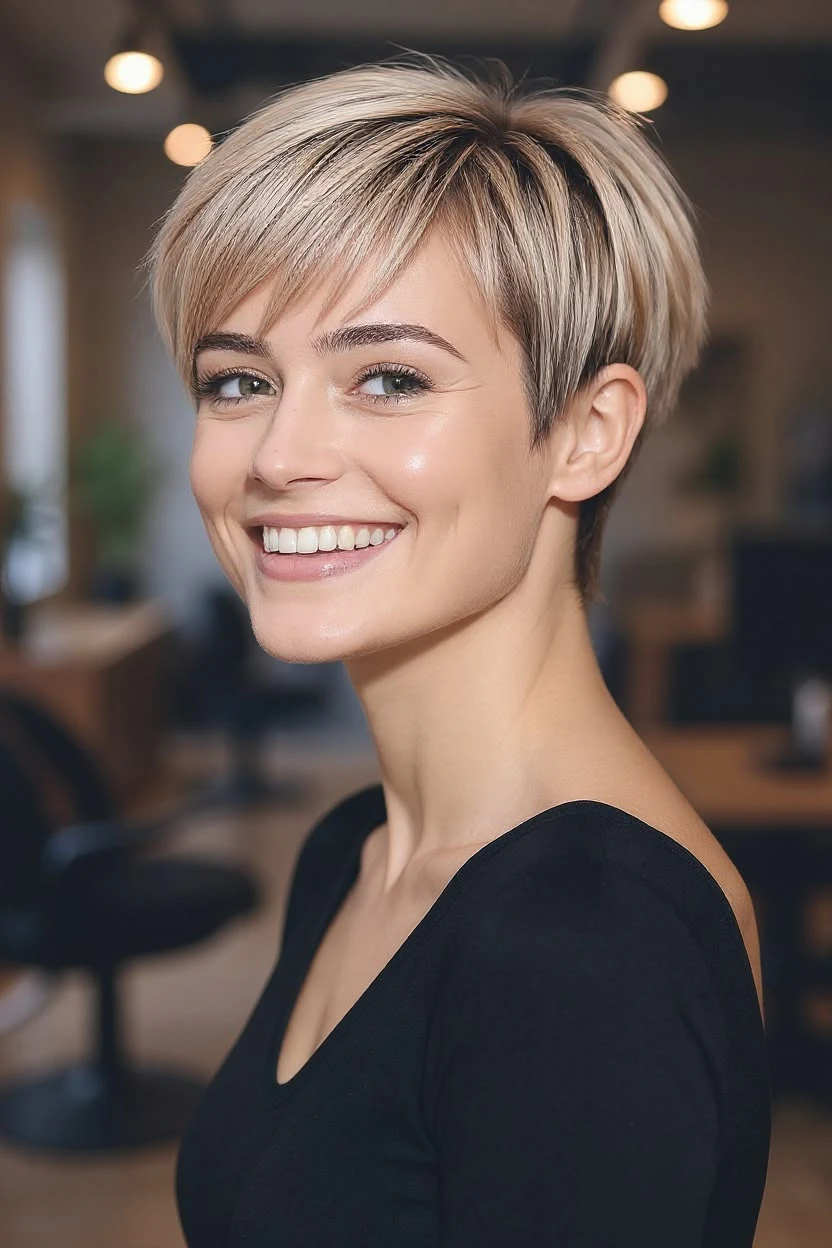
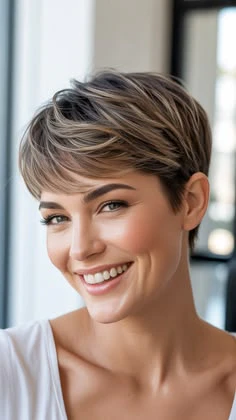
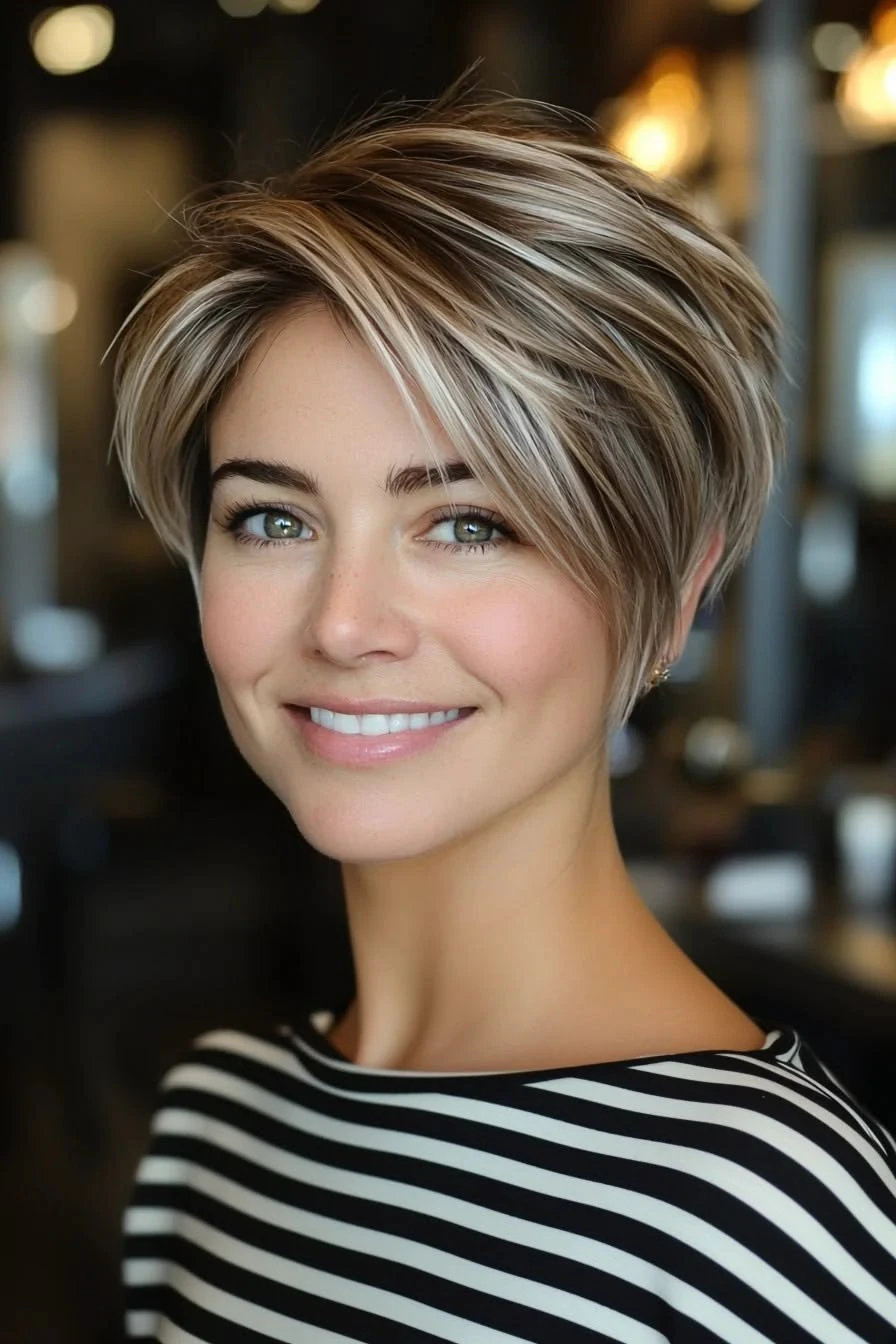
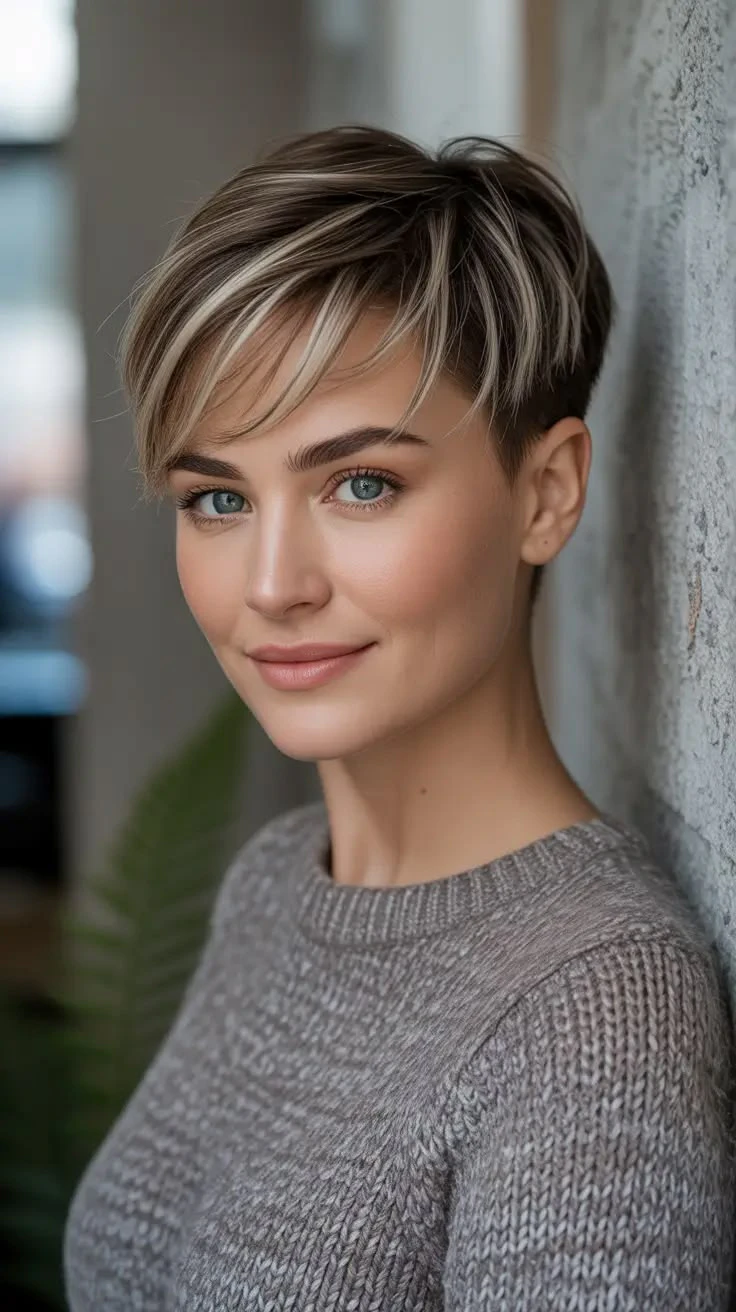
A short cut can alter the way you see yourself in the mirror. But the cut is only half the story. The placement of the color dictates how that shape reflects light, how it moves, and how it lives on a regular Tuesday morning. This is why short hairstyles with highlights are gaining popularity year after year. They let you keep your natural base but add brightness where it is needed. This gives you a new look without the commitment of a full color change.
The Power of Short Haircuts With Highlights
Short hair does not have as much length for color. This makes every lighter strand stand out clearly. A few highlights can become lost in the lengths of longer hair. But on a bob or a pixie, the same pieces sit right at eye level, framing the face. Simply put, a small amount of color does a lot of work.
There’s a practical side too. Short hair is cut more often, so older lightened ends are regularly trimmed off. So the hair is generally in better condition than long hair, which has been lightened many times through the years.
How Highlights Add Dimension to a Short Cut
Colorists talk a lot about dimension. Simply put, dimension means hair with multiple shades rather than a single flat color. Picture a dark brunette pixie with a few warm caramel highlights on top. You can still see the darker base, and the lighter pieces reflect the light as you move. The hair looks more textured, even though the length hasn’t changed. Layered cuts benefit the most. As the shorter layers move, they reveal different tones. Thus, a layered bob with soft highlights is never the same from one angle to the next.
Shade Matters, but Placement Matters More
Most people see the color first. But placement makes the most significant difference. Face-framing pieces around the temples brighten the skin and soften the jawline. Crown highlights, meanwhile, pull the eye up and imply more volume. Finally, light touches through the ends create a softer and more relaxed finish. It’s useful to know what area you want to bring forward before booking an appointment.
Bob Cuts With Highlights
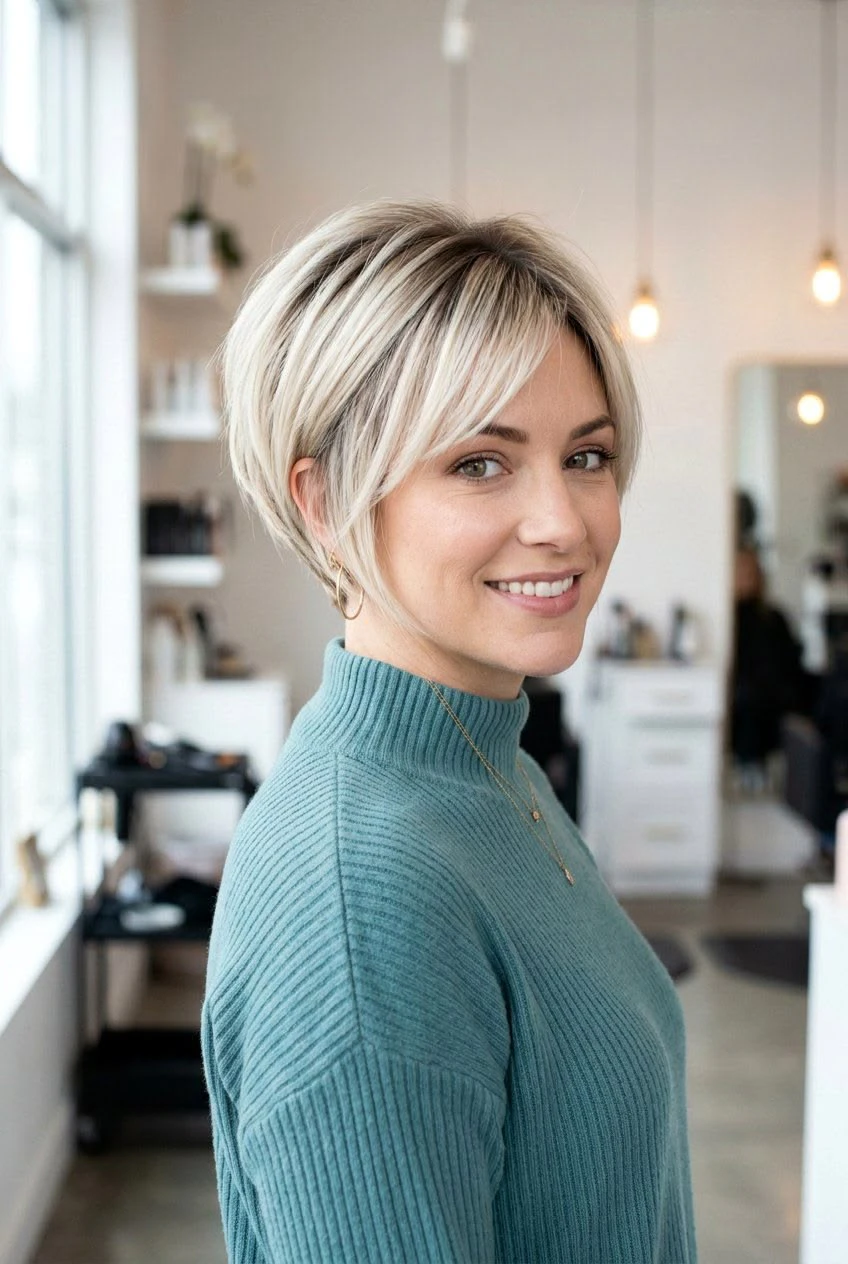
The bob is likely the most versatile short cut. It has clean lines that create a frame, so whatever color you use inside it feels intentional. A blunt bob can play with bold contrast. A layered bob, on the other hand, blends fine pieces almost seamlessly. If you’re still trying to decide on a shape, our collection of bob haircut ideas should help you narrow it down.
Brunette Bob With Blonde Strands
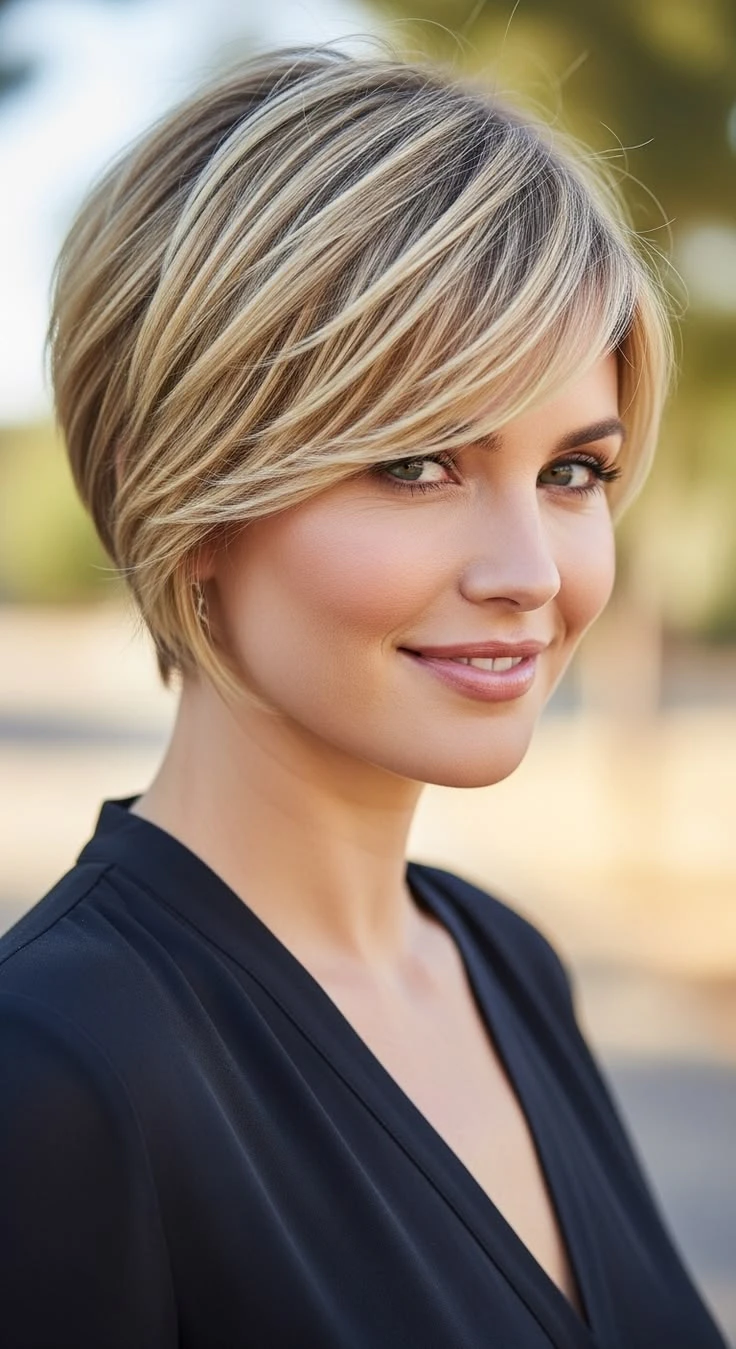
Dark brown hair with blonde highlights creates clear contrast. Ask for honey or beige blonde rather than bright platinum for a softer effect. To achieve a more intense look, keep the brightest strands at the front. In either case, the secret is restraint. Too many light sections can make a short cut look busy and flat. Fewer, well-placed pieces tend to look more expensive.
Brown Bob with Caramel
Caramel is the warmer, softer choice. It is natural on medium and dark brown bases and grows out without a harsh line. Both straight and wavy bobs look appealing when styled with caramel. If you want a change that friends will notice but can’t quite identify, caramel is a safe place to start.
Pixie Cuts
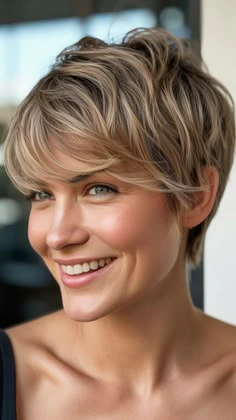
A pixie is very short, so every color choice is important. Highlights here are more about shape than brightness. They show the layers and reveal texture that might otherwise remain hidden. For more inspiration, see our guide to modern pixie cut ideas.
Blonde Pixie With Highlights
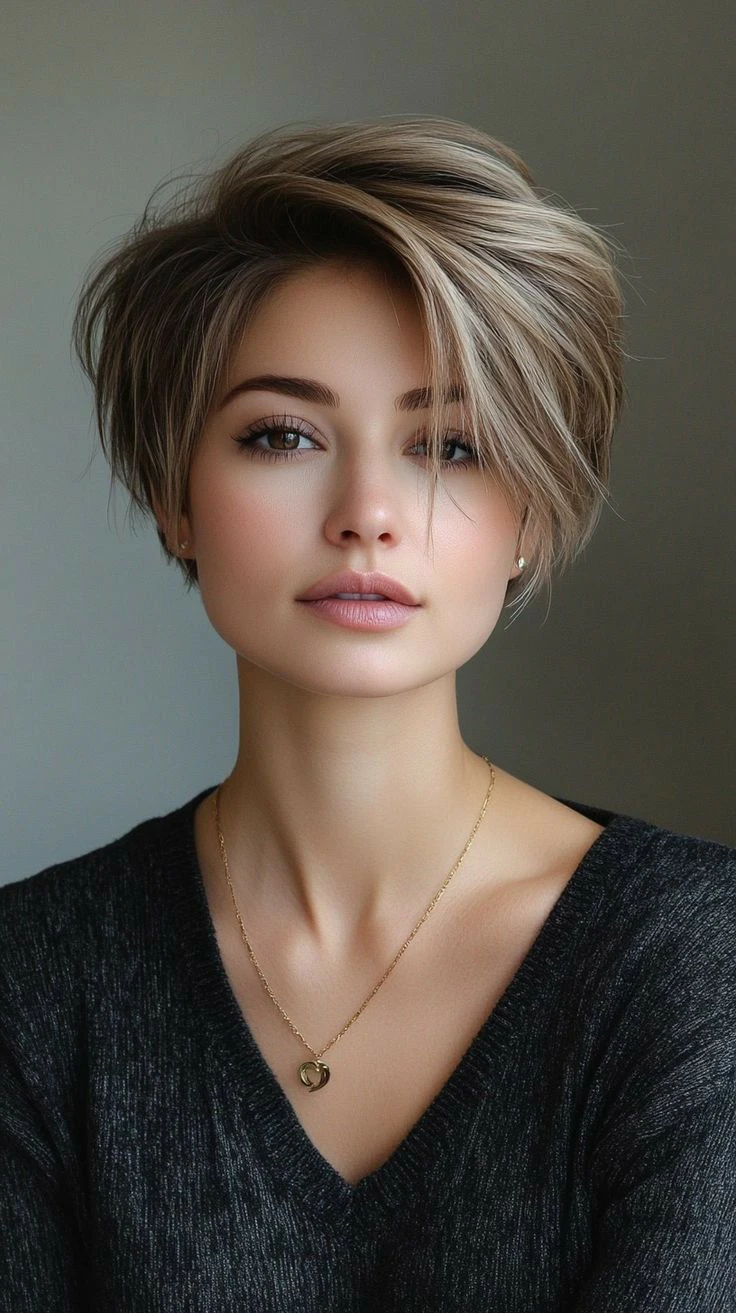
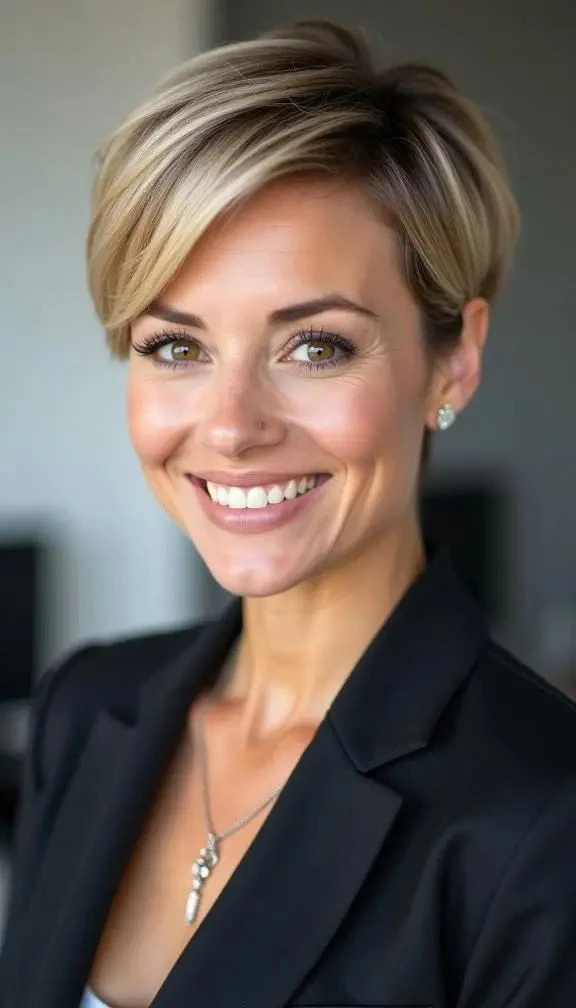
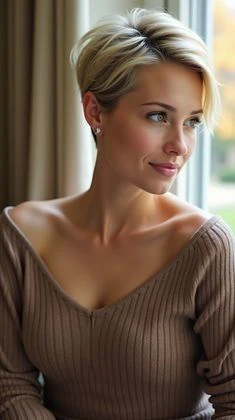
Blonde pieces add light and energy to a pixie. Ideally, place them only through the longer top section, and keep the sides and back closer to your natural color. The contrast between the top and sides helps give the haircut a sharper look. Plus, dark sides make regrowth far less obvious in between appointments.
Copper Pixie
Copper adds warmth without turning the entire head red. It works especially well on brunettes and dark blondes. Again, concentrate it on the top layers and leave the sides natural. The result has a modern feel and is visible in sunlight without being too loud indoors.
Layered Short Hair
Layers themselves already create movement. But color can make that movement much easier to see. As the hair moves, the lighter and darker pieces shift into view. So a basic layered cut begins to look thoughtfully styled.
Face-Framing Layers
Short layered hair looks attractive with lighter strands around the face. Begin with about five pieces at the front hairline. Then blend them gently into the layers behind. This slow change keeps the look natural, not striped. Plus, it brightens your complexion without any makeup.
Crown Highlights
Crown color pulls the eye upward. This can provide additional lift for people with flat or fine hair. That said, if your hair is already fragile, skip the heavy lightening in this area. Usually, a few soft strands are sufficient.
Selecting Highlights for Fine Short Hair
Smart color is kind to fine hair, but don’t expect miracles. Highlights do not add physical thickness. Instead, they create visual contrast, and that difference tricks the eye into reading more texture. Our article on short hairstyles for fine hair offers more ideas on cuts.
Babylights
Very fine blonde strands provide a subtle glow. Make the sections thin so that the natural base shows through. This makes the hair look fuller, not washed out.
Short Balayage for Fine Hair
Balayage is hand-painted, so the color fades in softly. On fine short hair, keep the brightest tones away from the roots and focus them on the mid-lengths and ends. This protects the scalp area and helps the color grow out more gently.
Working With Thick Short Hair
Thick hair has room for dimension. But if you lighten all the sections, it can also look busy. A better plan is to select a few strategic zones and leave the rest alone.
Wider highlights create more contrast. They look wonderful with blunt bobs and edgy pixies. Thick hair with warm blonde panels looks confident and intentional. Just make sure the shade is clearly different from your base, or it looks like an accident.
Finely Woven Pieces
For a quieter result, ask for fine woven sections. To add depth without changing the overall color, warm brown or caramel strands are blended into dark hair. Your coworkers may simply notice that your hair looks richer.
Straight and Wavy Textures
Texture changes the way color reads. Waves blur it in a flattering way, while straight hair shows placement clearly.
Straight Hair, Perfect Placement
When the hair is straight, each individual strand is visible, so placement needs careful attention. A blunt bob with a few lighter pieces through the front and ends is clean and current. A smooth pixie with color concentrated on the longer top portion is chic when smoothed down, too. In both cases, the lighter strands help define the cut line.
Waves With Honey or Beachy Blonde
Warm brown bases look appealing with honey tones and have a soft glow. Place the color on select waves, then use a light cream to set the movement. Alternatively, you can choose beachy blonde for a lighter appearance. Just keep the roots natural and let the lighter tone build up to the ends. This looks laid-back and grows out more gracefully than solid blonde.
Short Natural Curly Hair
Curls show light at many angles. That’s why curly hair often looks richest in dimensional color. Curls, however, are naturally drier, so moisture is still the key.
Caramel and Copper
Caramel is a warm shade for dark brown or black curls. Don’t color every curl, but pick those that already catch the light. Meanwhile, copper provides a warmer and more pronounced finish. A muted copper is subtle, while a lighter copper makes a statement.
Curly Crops and Tapered Afros
A tapered afro looks striking when the sides are kept short and the curls on top carry lighter tones. Warm brown or copper tones keep the finish natural. Similarly, random highlights on select curls add depth to a curly crop. After styling, define the curls with a moisturizing product, and for the first couple of weeks, avoid using high heat.
Color Ideas for Black and Dark Hair
Dark bases contrast strongly with nearly any lighter color. But the final look depends on how far you take the color. In fact, short haircuts with highlights often look most refined with a little dark root showing, as that shadow adds depth.
Espresso With Honey or Caramel
Espresso hair with caramel pieces is rich and warm without being too bright. Start with a few thin pieces around the face and blend a few more through the top. Honey also works well for a little more glow. But a few well-placed sections will often suffice.
Brown and Burgundy on Black Hair
Brown a few shades lighter than the base provides a subtle transition. It suits anyone who wants depth, but no drama. Burgundy is quiet indoors and then shows its red tones in the sunlight. So it’s a smart pick for short, natural, or relaxed styles.
Balayage vs. Foils
Both are good for short hair, but they work differently. Foils produce more uniform and defined strands. Conversely, balayage provides a softer blend with no obvious starting point.
If you want longer breaks between salon visits and a lived-in look, go for balayage. In contrast, if you want sharp, precise placement like obvious face-framing pieces, choose foils. Many colorists combine both, with foils in the front and the rest painted.
Selecting the Correct Shade for Your Base
Start with your natural color. Then determine how much contrast you can tolerate on a day-to-day basis. Caramel and copper look appealing with dark hair. Medium brown goes well with honey and beige. Blonde hair can go champagne, ash, or golden.
Warm and Cool Colors
Then there is the matter of undertones. Golden, caramel, and copper shades are often flattering on warm undertones. Cool undertones usually look better with ash, beige, or cool brown. Neutral undertones give you the most flexibility. These are guidelines, not rules, and your personal taste should ultimately guide your choices.
Caring for Color-Treated Short Hair
Lighter hair requires a bit more care. First, use a mild, sulfate-free shampoo. Second, condition your hair after each wash. Finally, once a week, apply a moisturizing mask. The American Academy of Dermatology also has some excellent tips on keeping colored hair healthy, and it’s worth a read before your first appointment.
Sun and Heat Protection
Hot tools dry hair quickly. So always use a heat protectant before styling. If possible, air-dry your hair and keep the temperature down. Furthermore, wash in tepid rather than hot water and don’t wash your hair when it doesn’t need it. Long hours in the bright sun will also fade tones, so a hat helps in the summer. Learn more about these habits in our complete guide to preserving your hair color.
How Often to Refresh
It depends on the technique. Foil highlights generally need more maintenance, while balayage can often last longer. Your cut is important, too. A short pixie requires trims every few weeks, which means lighter pieces might be cut off sooner than intended. To make things easier, schedule your color and cut appointments with your stylist back-to-back.
What to Know Before Your Appointment
Many people ask for highlights that are too light. High contrast looks wonderful, but it means more work. Over-highlighting is another common problem; too many light sections can wipe out the depth you originally wanted. Furthermore, always consider your hair’s condition. If your ends are already dry, treat them first, saving the dramatic lift for later.
How to Style Your Hair to Showcase the Color
Highlights can have twice the impact with styling. Straight hair is smooth and glossy-looking. Waves look best with a loose, piecey texture. Above all, curls need definition. Meanwhile, a tousled pixie looks wonderful with the lighter pieces pushed forward with your fingers.
Light Products and Texture
Texture helps the light pick up the color. Choose a light cream or texture spray and then use your hand to shape the hair. Steer clear of heavy waxes and thick pomades. They drag the strands down, cut down on movement, and make even fresh color look dull.
Selecting Your Next Look
Highlights are a simple way to add depth, brightness, and personality with a short haircut without going for a complete change in color. You can choose from soft caramel, bright blonde, warm copper, golden honey, or deep burgundy. Every cut has its story, too. A bob is cut perfectly into place; a pixie accentuates the texture, and layers reveal several tones as they move. Above all, select a color that respects your natural base and fits your routine. Protect your hair from heat and keep it moisturized. Then the color will work with your cut instead of against it.