


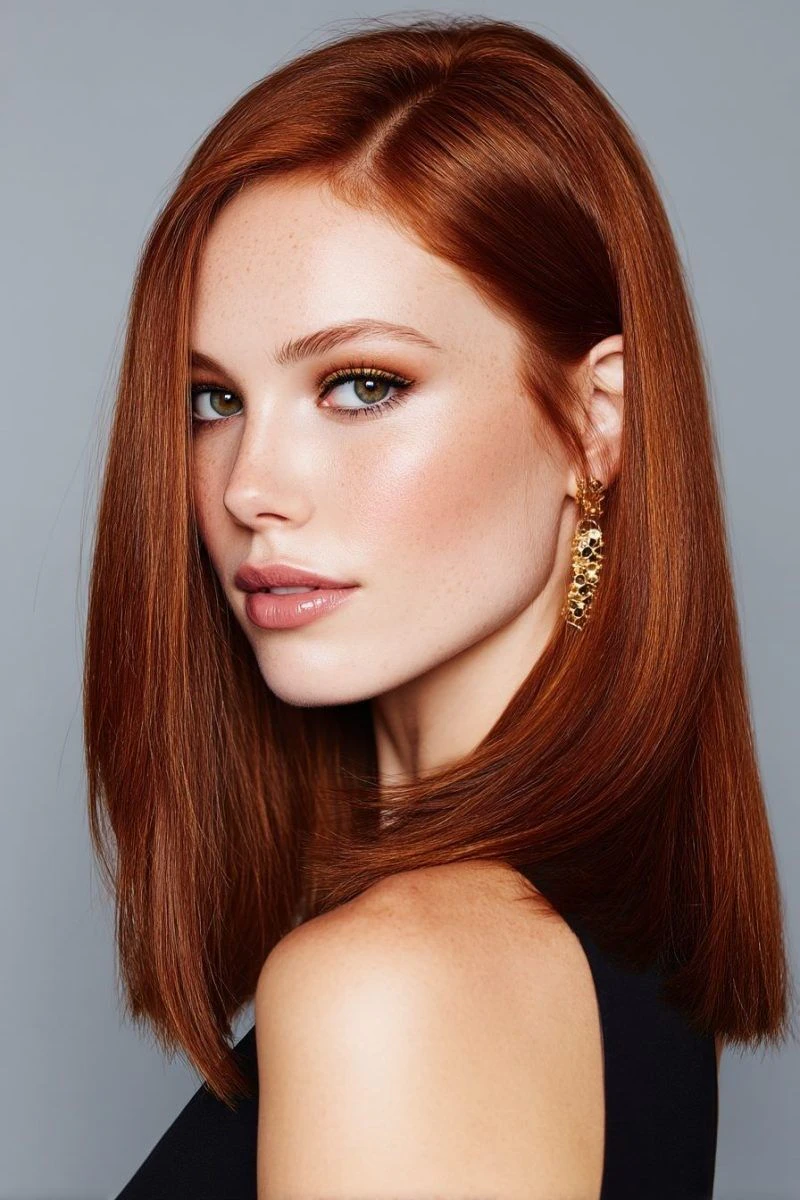
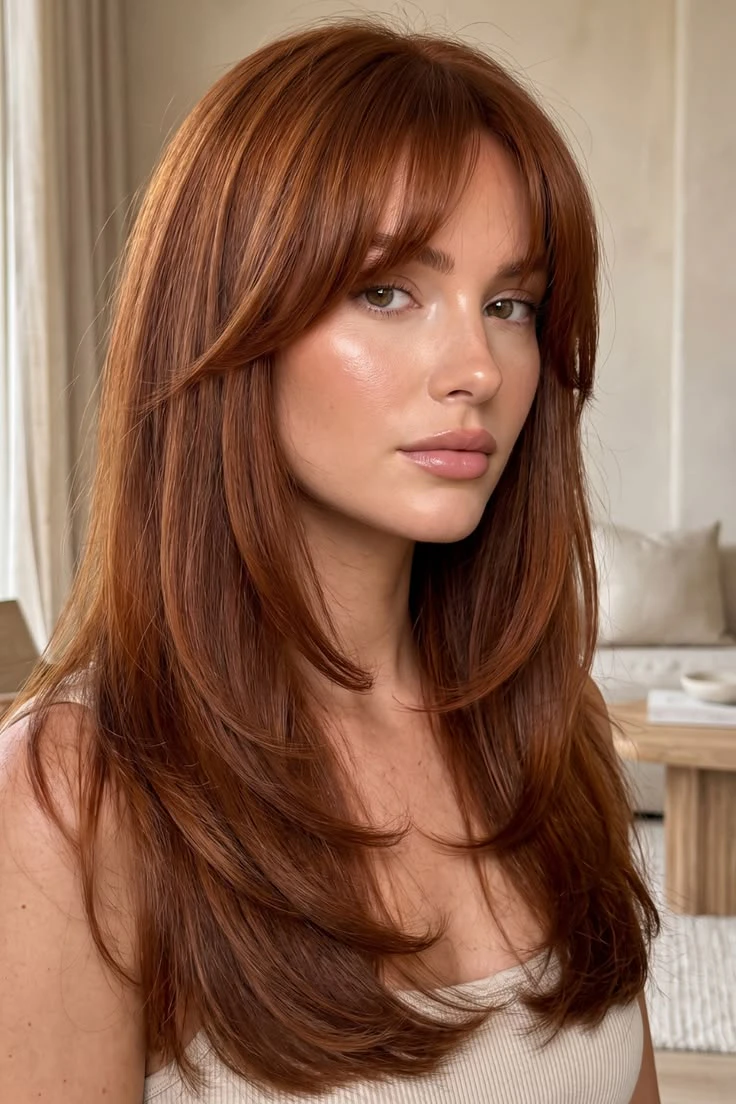
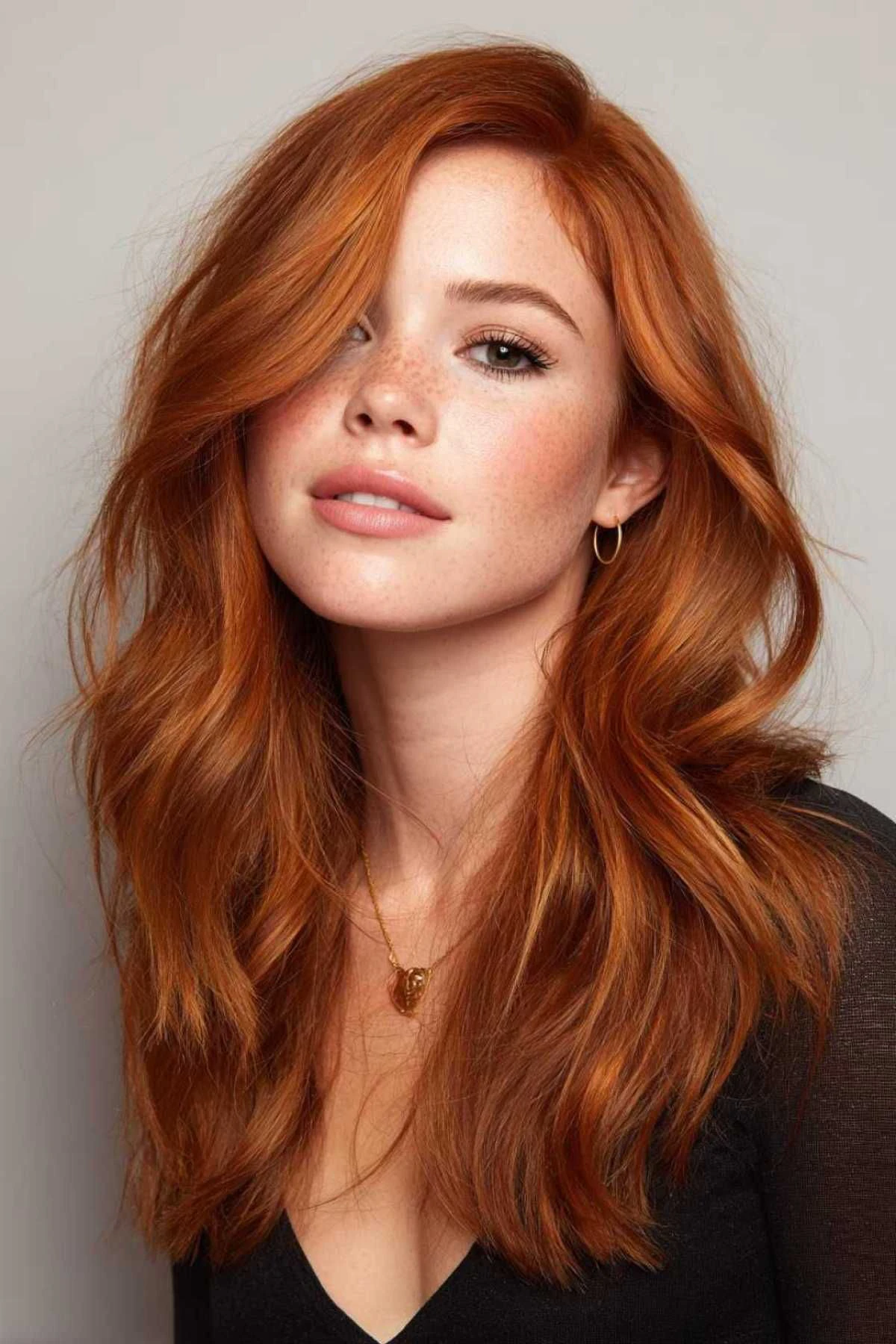
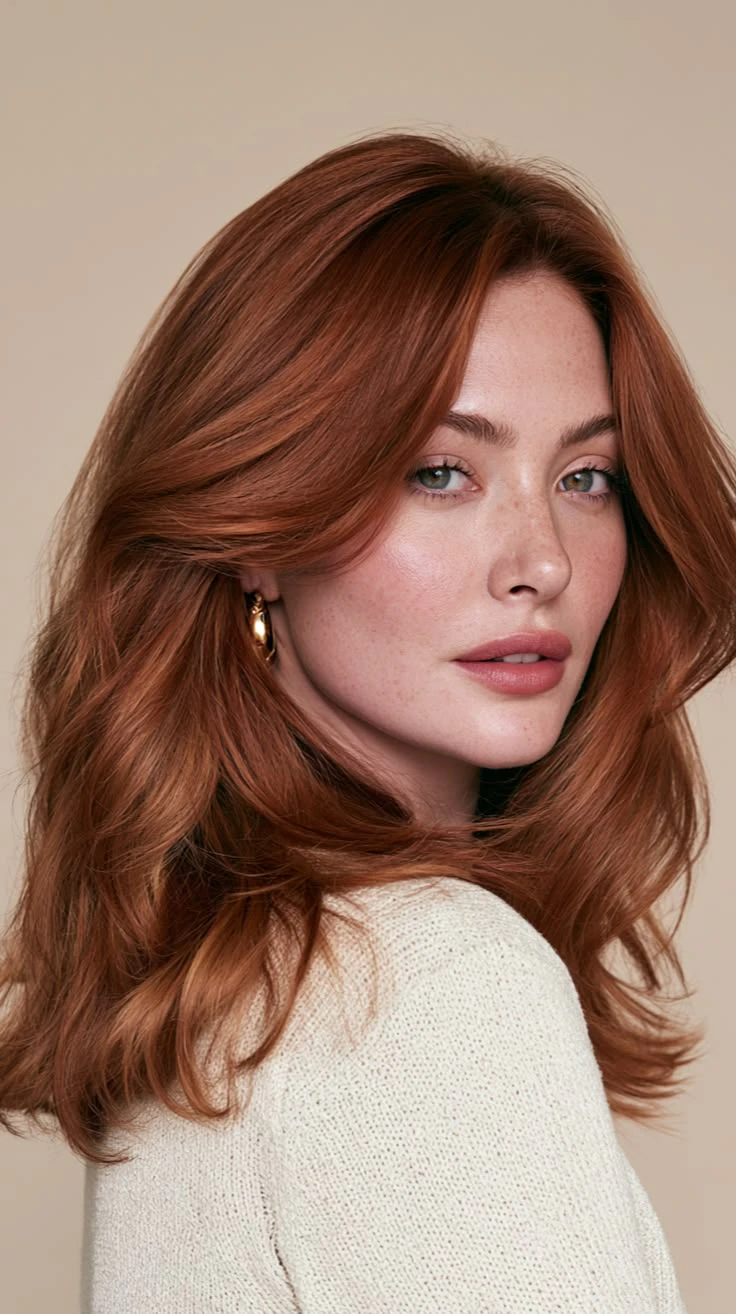




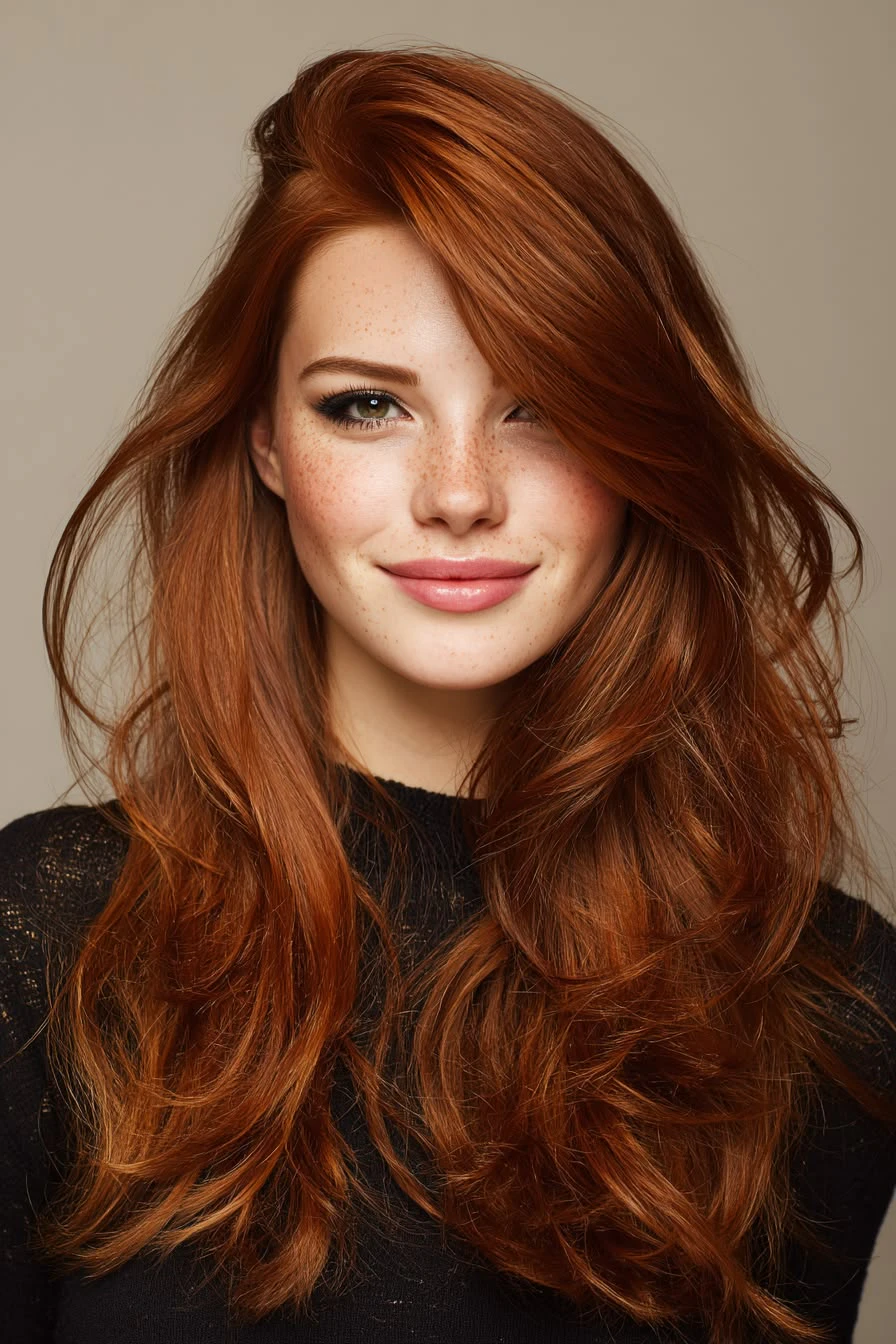
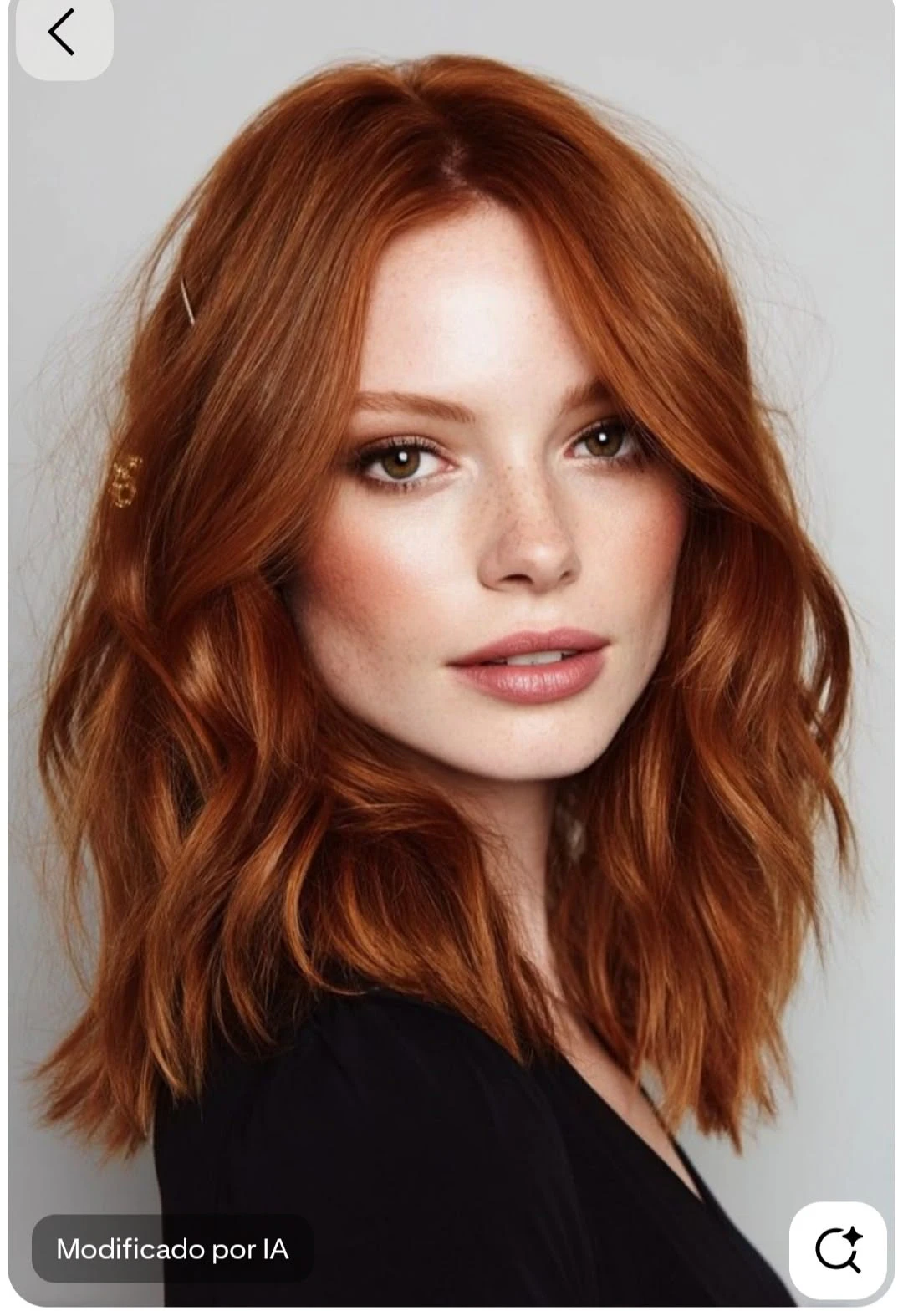
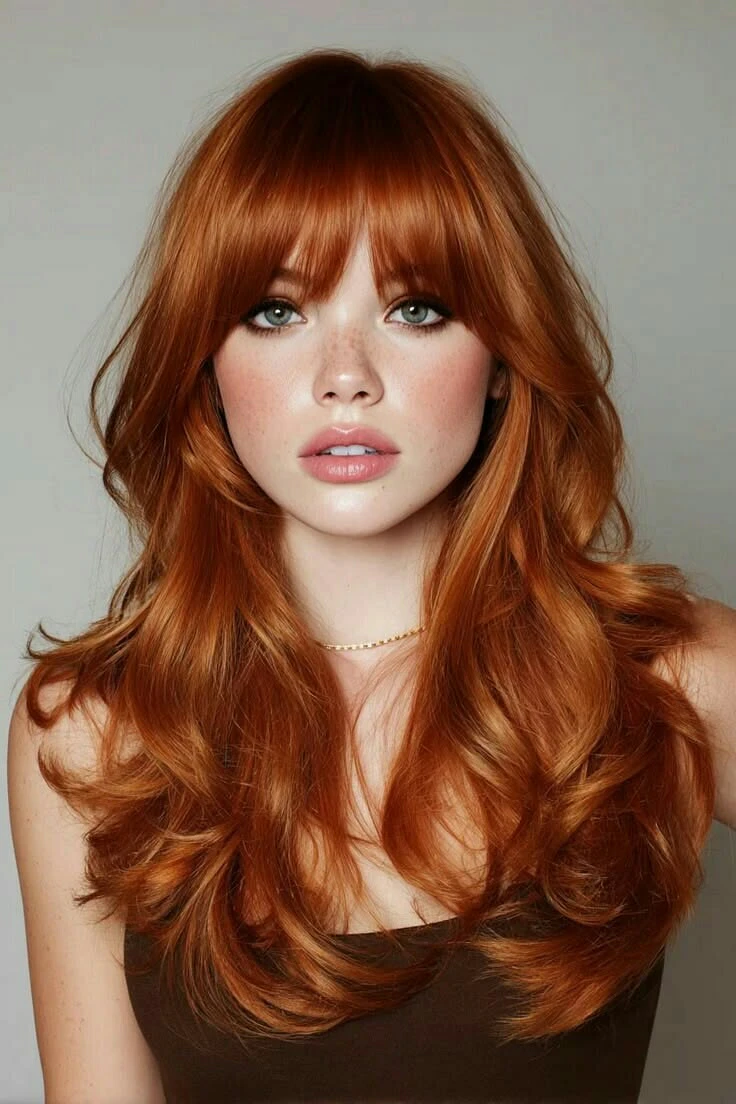
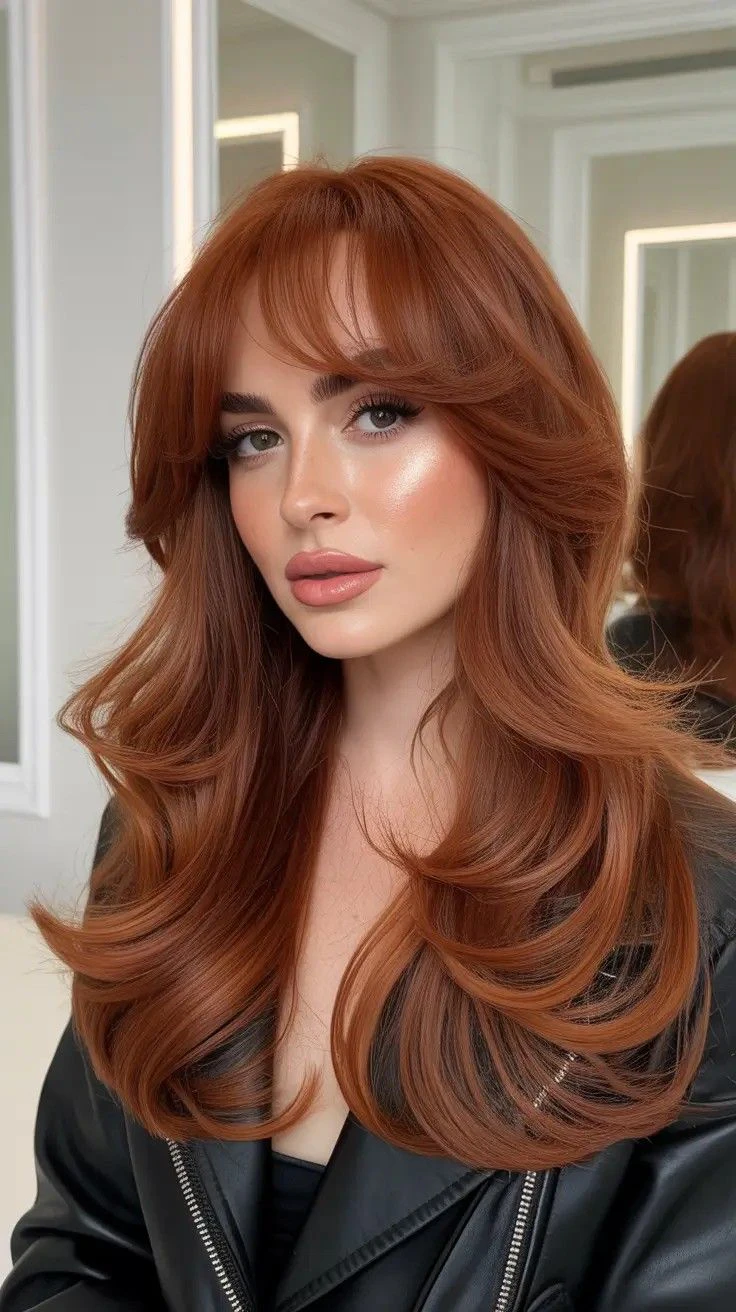

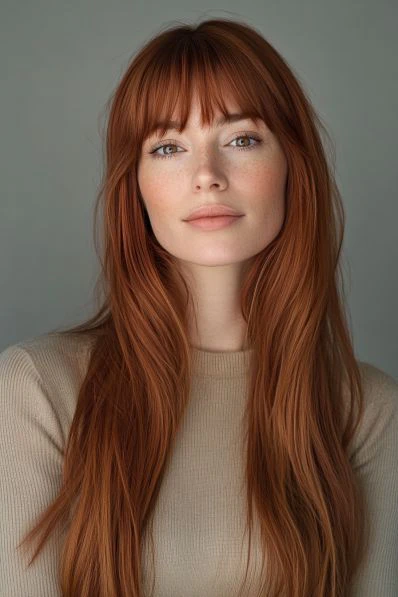

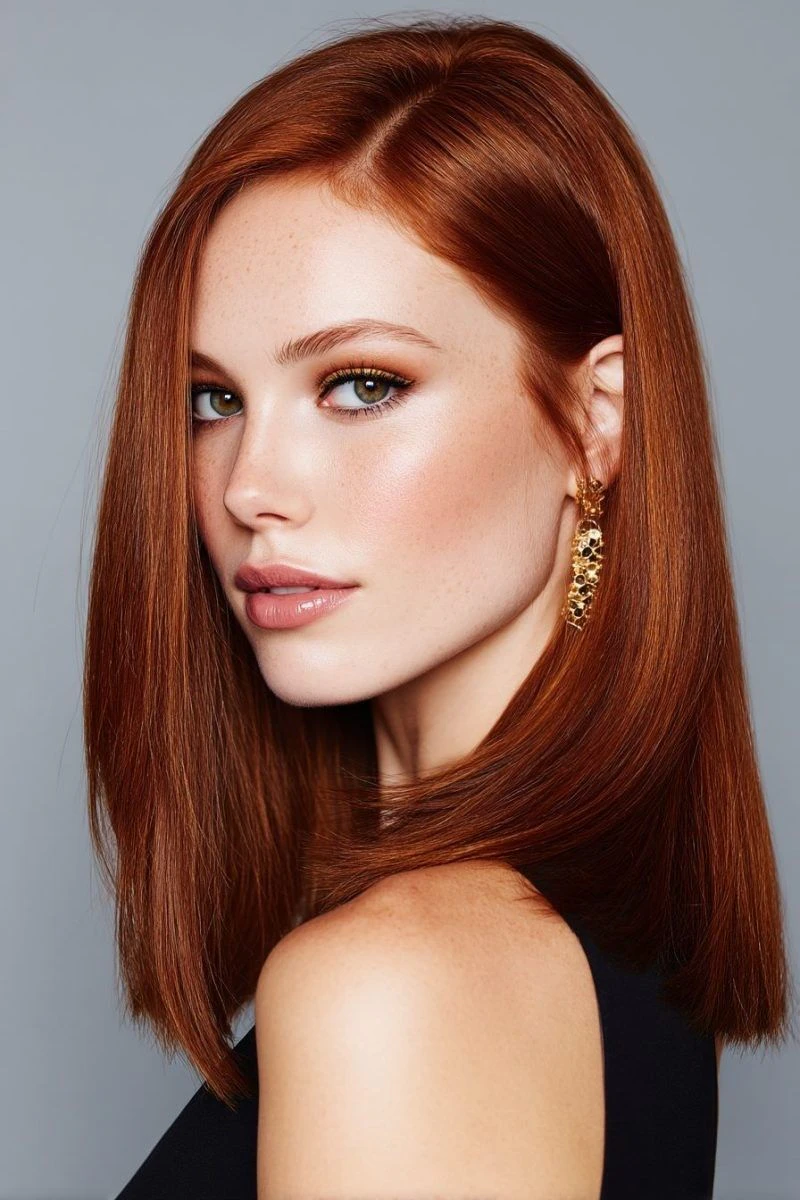
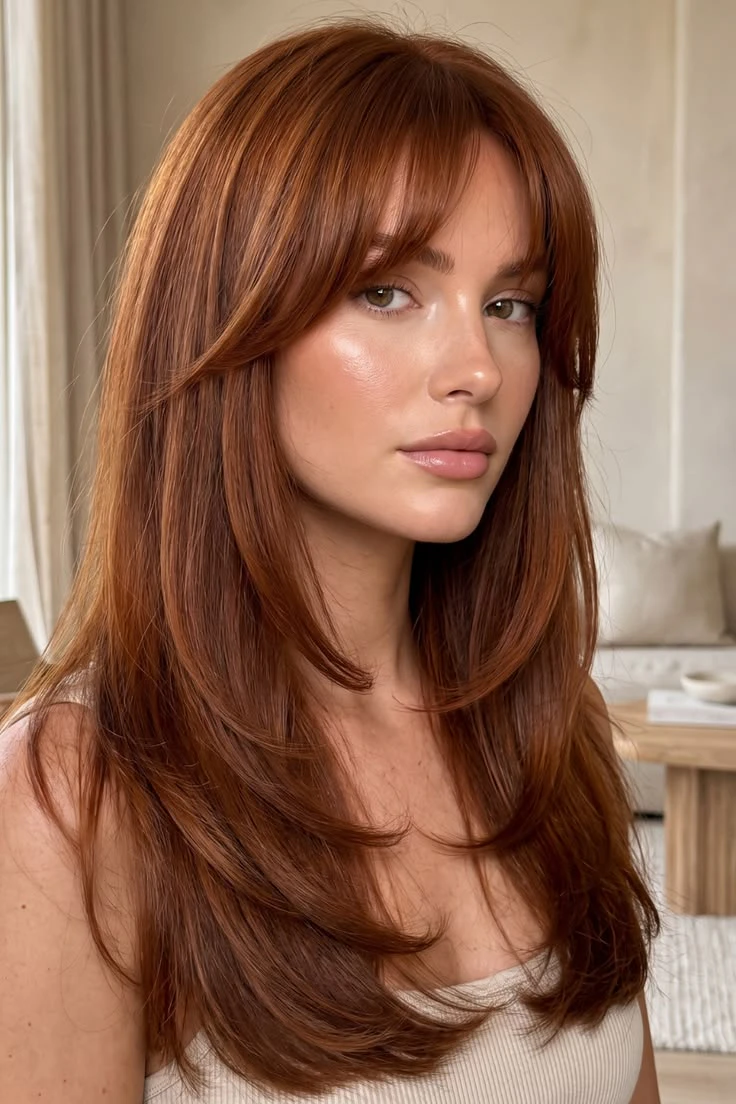
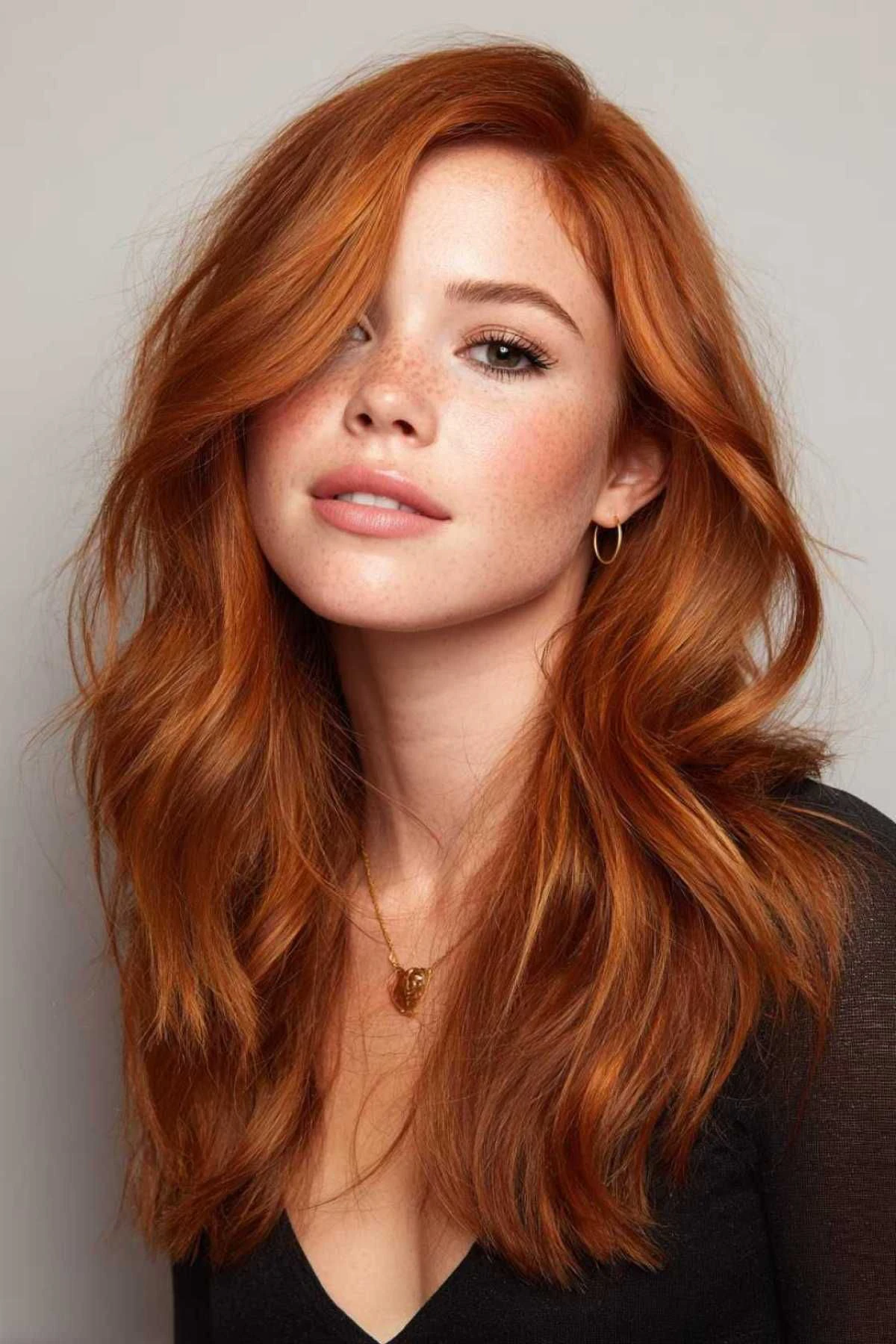
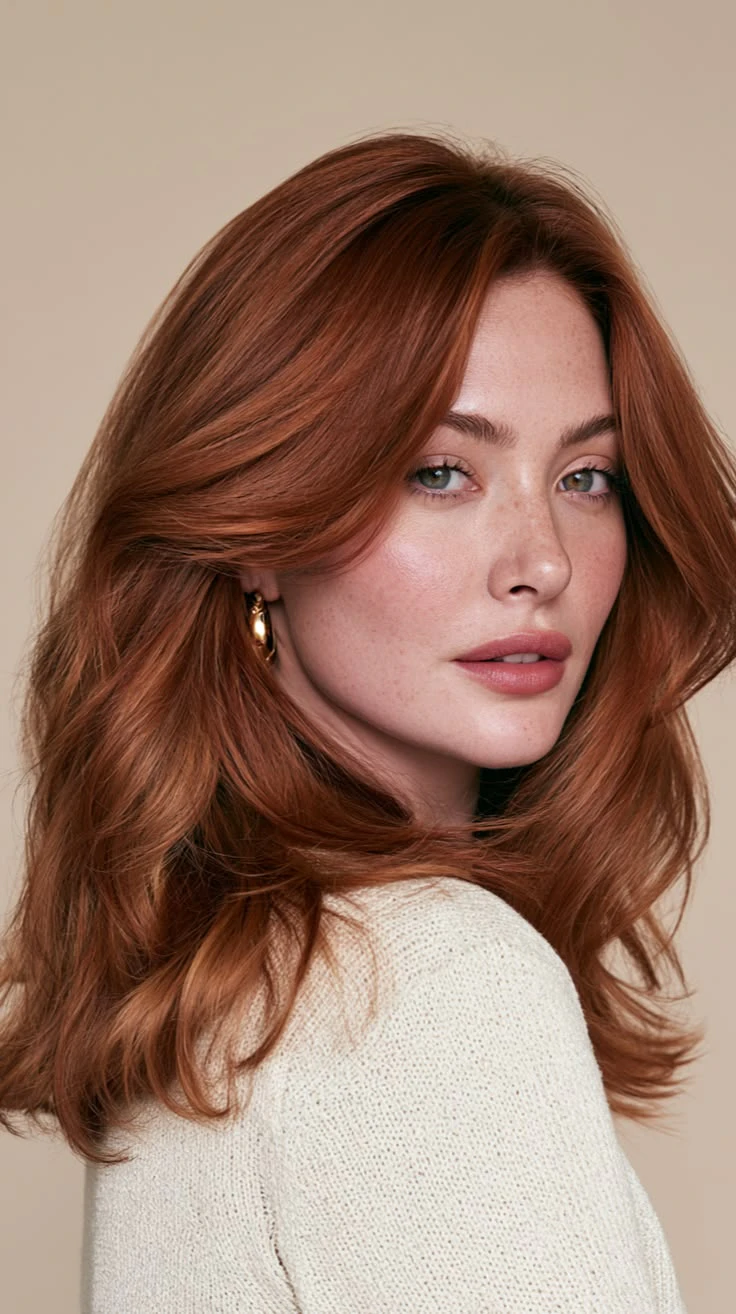




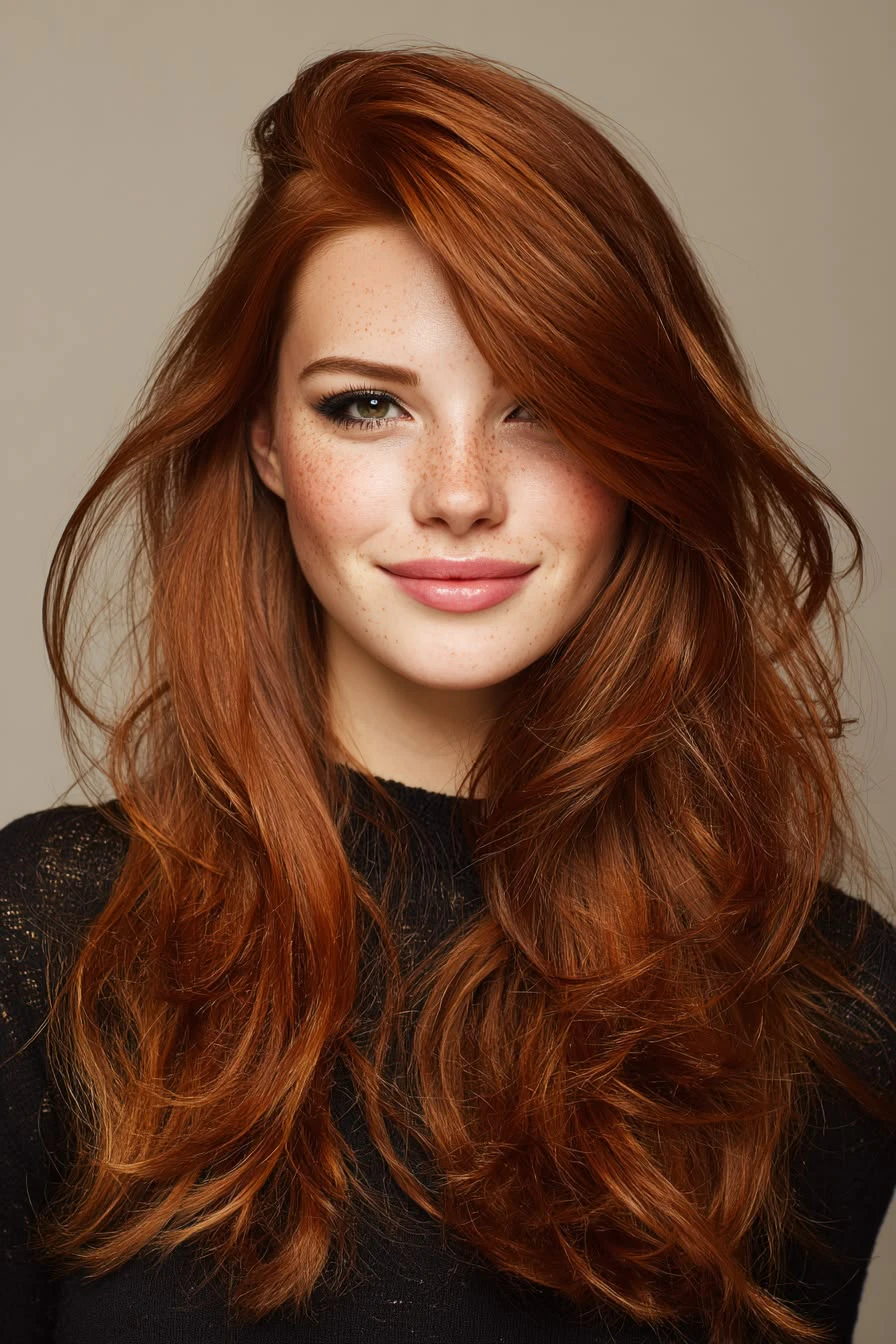
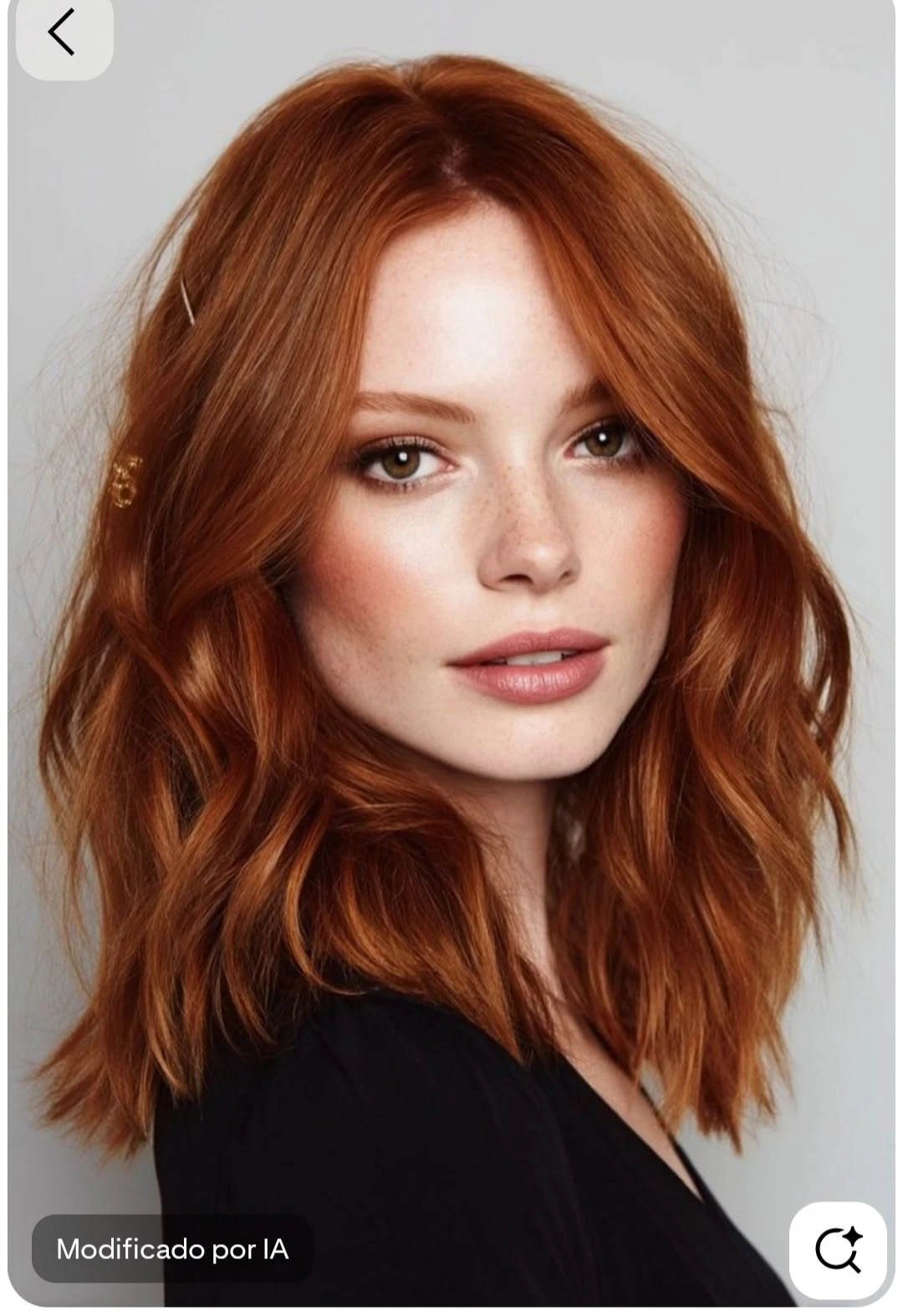
Few hair colors match copper’s warmth. It’s sandwiched between red, orange, and gold, so it rarely looks flat. The same color can be bright at noon and deep by night. That changeable quality is a big part of its charm.
But copper isn’t a single color. Instead, it’s an entire family of tones, from a soft strawberry gold to a dark auburn. So picking the right one means looking deeper than a color swatch. Your skin tone, your cut, how you style it, and your routine all add up.
Here’s a guide to copper hair styles for all lengths and textures. It also discusses shade selection, coloring techniques, and the habits that keep warm tones from fading too quickly.
The Reasons Why Copper Hair Color Is Still So Popular
Copper has been a salon favorite for several seasons now. Part of it is versatility. A muted copper looks calm and polished in an office. Orange copper is bright and makes a statement whether at a concert or a wedding.
Light is also a factor. Copper is so good at reflecting warm tones that it tends to glow in sunlight. Indoors, however, it often looks deeper, almost brown. This means you can achieve two different looks from a single color appointment.
Another benefit is that you can choose your level of commitment. You don’t need a full head of bright color to enjoy the shade. Instead, a few soft pieces around the face can bring similar warmth with far less upkeep.
How to Pick the Right Copper Shade
Choosing a shade starts with some honest questions. First, what change do you want? Second, what is your natural color to begin with? Third, how many times can you realistically go to the salon? Answering these questions makes your appointment easier.
Golden Copper
Golden copper blends yellow and soft orange, so it looks sunny and bright. It generally looks good on people with warm or olive undertones, especially those who have green, hazel, or warm brown eyes. It’s also one of the more doable copper tones for light brown or blonde hair.
Red Copper
Red copper has a stronger red base color. As a result, it is richer and more intense than the golden versions. It is flattering on neutral undertones. Plus, it works with darker roots, as the red softens the contrast between root and length.
Copper Auburn
Auburn copper has brownish-red overtones, so the result is understated and deep. Auburn is the most natural option for those with naturally dark hair. It also tends to fade more gracefully than brighter colors.
Match Copper to Your Skin Undertone
The method is easy to test. In daylight, look at the veins on the inside of your wrist. If they look green, you probably have warm undertones. If they appear blue or purple, you likely have cool undertones. If you can’t tell, you may have neutral undertones.
Gold or bright copper often complements warm undertones. Copper that is more red or has a slightly muted finish tends to look better with cool undertones. Neutral undertones are the luckiest group, as most variations will work for them. Still, the safest way to decide is to do a strand test or see a colorist.
Copper Color by Hair Length
The copper hair styles that have the most color variation tend to be long, layered cuts. However, as the sections below show, each length has something to offer.
Long Layered Copper Hair
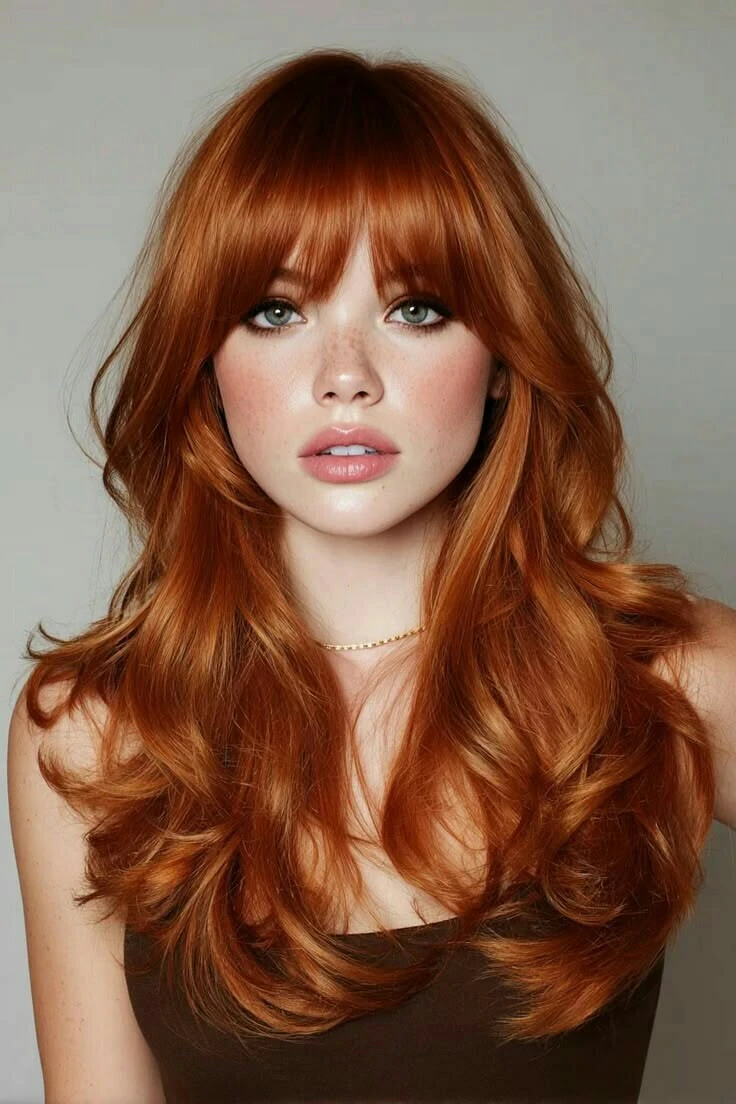
With long hair, copper has the greatest scope for change. Long layers, for example, allow lighter and deeper tones to blend with each other. This means the color never looks like a flat sheet of paint.
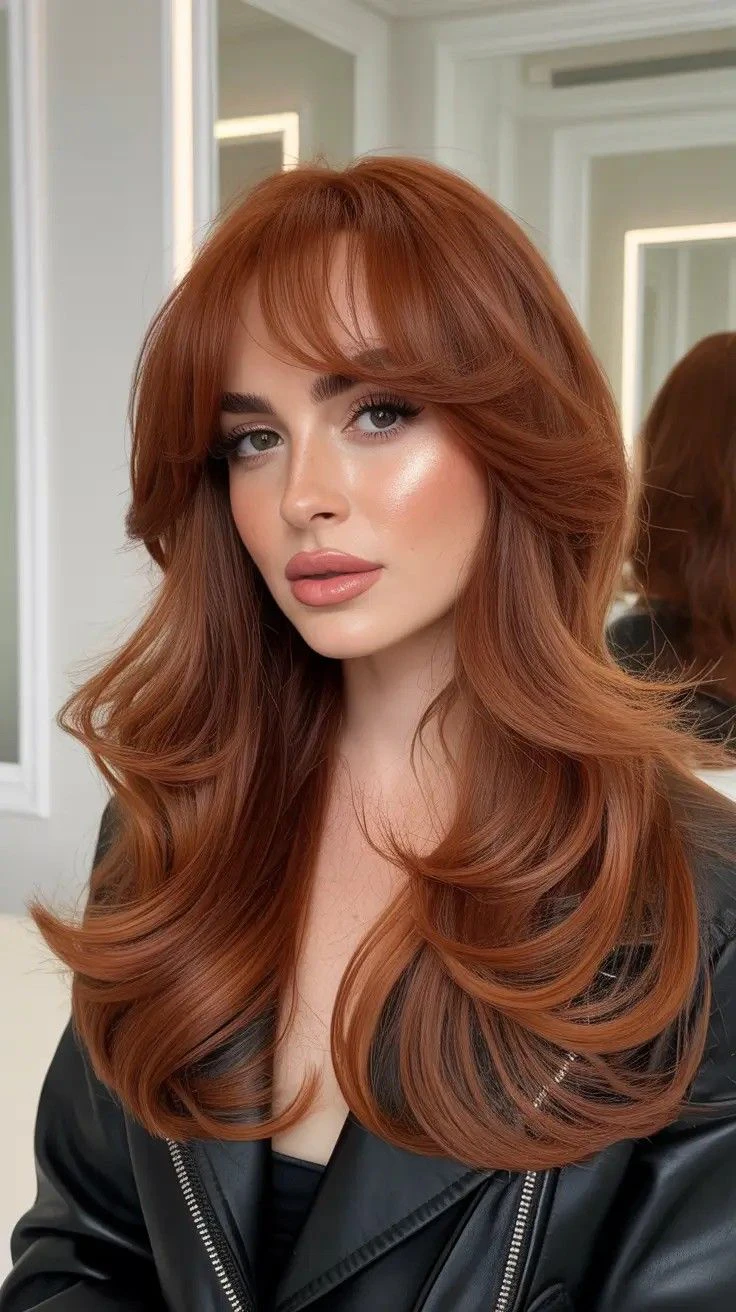
Ask for long, soft layers for movement, but without losing length. Then, finish off with loose curls. Each curve catches the light from a different angle, so the waves bring out all the tones of the color. Usually, a light mousse or cream is enough to hold them in place.
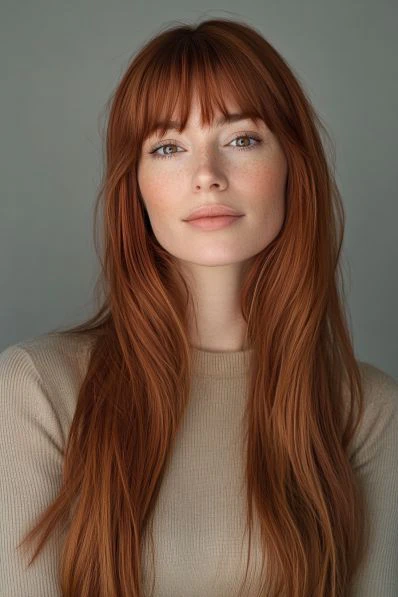
Straight long hair looks sleek and shiny with one rich copper tone. But if your hair is heavy, a few hidden layers can give it some bounce. If you want more length ideas, see our guide to long hairstyles for every face shape.
Copper Lob
A long bob, or lob, is one of the most flattering cuts for a warm color. With copper, its clean outline looks polished. Meanwhile, the length still permits gentle motion. Deep copper with a blunt lob feels modern and sharp. Alternatively, a lob with soft layers and a few loose waves has a relaxed and effortless feel.
Copper Shag
A shag is especially good for hair that has natural waves. Its choppy layers lend texture and lift around the crown. Copper then adds warmth to all that motion. So the look is relaxed, a little bit retro, and full of personality. Additionally, a shag grows out better than most precise cuts.
Short Copper Cuts
On short hair, the color is the star. The reduced length leaves nowhere for the copper to hide, so the shade does most of the talking.
A copper pixie is playful and self-assured. To achieve a messy look, add a small amount of paste to the top for texture. Otherwise, smooth it into a sleeker shape. If you want the color to pop, bright copper looks appealing and modern.
On the other hand, a classic bob offers a sharp outline. A deep copper can look refined and elegant against that outline. For something louder, a bright orange copper bob makes a bold statement.
Copper on Curly, Coily, and Wavy Hair
Texture affects the look of color. In fact, copper often looks more intense on curly hair than on straight hair because each curl scatters light somewhat differently.
Copper Coils
A thick, curly copper bob looks full of life. To preserve the curls, apply a moisturizing cream to wet hair. Then let it air dry or use a diffuser on low heat. Don’t touch the curls as they dry, because that leads to frizz.
Copper on Coily Texture
On tight coils, copper can look striking. For example, a short copper afro makes a bold, cheerful statement. Longer coils, meanwhile, have more volume and shape to flaunt.
Coily hair is typically drier in nature. Lightening can make that dryness worse. So after every wash, use a rich leave-in conditioner and seal the moisture with a light oil. Furthermore, try to avoid heat tools as much as possible. Check out our natural hair care guide for more ideas on protecting your texture.
Wavy and Straight Hair
Wavy hair benefits from a little help. The pattern is set off by a light mousse or cream, and the copper glows brighter on each curve. Straight hair reveals color most clearly. This also makes it easier to spot any brassiness or uneven tone. This is why a glossing treatment can be worth it on straight copper hair. Furthermore, always apply a heat protectant before you use a flat iron.
Copper Balayage
Not everyone wants color everywhere. Thankfully, there are gentler ways to wear copper that still feel fresh.
Brown Hair with Copper Balayage
Brown hair is one of the better copper bases. Copper blends in naturally, since brown hair already has warm pigment. For a subtle look, request a few hand-painted pieces near the face and through the ends. For a bigger change, the colorist can pull more copper through the mid-lengths.
Copper Balayage on Black Hair
Copper balayage and highlights look beautiful on black hair. But to get copper tones, you typically have to lift the hair first. That process can be harsh to do in one sitting. Many colorists prefer to lighten hair over two or three appointments, slowly. Alternatively, a darker auburn copper requires less lift and still reads warm.
Face-Framing Copper Highlights
Face-framing pieces give you warmth where people look first. So they brighten the complexion without changing the color completely. Pick a copper that is just a shade or two lighter than your base for a natural look. Go lighter and brighter for more contrast.
Copper and Dark Roots
Dark roots no longer equal neglected color. Rather, they are usually a deliberate design choice. They also greatly reduce the appearance of regrowth, saving both time and money.
Soft Root Melt
A root melt mixes your natural root with the copper lengths. So there is no hard line as the hair grows. The technique works especially well with waves and long layers.
High-Contrast Root
Some like the roots to stay darker. Then the contrast becomes part of the look. That’s where bright copper excels. Still, it takes some guts, because the difference is easy to see from across the room.
What to Discuss With Your Colorist
Good results start with a clear conversation. So bring in pictures of copper shades you like, and a few you don’t. Then describe how you wash and how often you use heat tools. Ask how many sessions the change will take. And ask what products they recommend for home care. If you color at home, read the instructions thoroughly and do a strand test beforehand. This way, you can see the real result before you finish the whole head.
How to Maintain Bright Copper Hair
Here’s the real deal. Most colors fade, but red-based shades fade the fastest. Colorists often say that red pigment washes out of the hair shaft more easily than other tones. So your care habits are critical.
Wash Cooler, Wash Less
First, try to extend the time between washes whenever possible. Dry shampoo helps on the in-between days. Second, use lukewarm or cool water. Hot water opens the cuticle and lets color out. Third, select a sulfate-free shampoo for color-treated hair.
Color-Depositing Products
You can revive the shade at home with a copper-toned conditioner or a gloss. Use it weekly or every second wash. It helps keep the color bright between salon visits, and you can hold off on the toner appointment just a little longer.
Protection Against Sun and Heat
Sunlight washes out the warm tones fast. So on long sunny days, wear a hat or use a hair product with UV filters. Use heat tools on a moderate setting and always use a protectant first, too. For safety information on dye ingredients and patch testing, see the US Food and Drug Administration summary of hair dye safety. The American Academy of Dermatology shares some practical tips to keep your colored hair healthy.
Maintain Moisture Level
Colored hair tends to lose moisture more than untreated hair. So, use a nourishing conditioner after every wash. A weekly mask also helps bring softness back. Focus the product on the mid-lengths and ends, where the hair is oldest and driest. See our guide to caring for color-treated hair for more ideas.
Copper in the Seasons
Copper is associated with autumn, but it works all year round. Light strawberry copper feels fresh in spring. Golden copper reflects the sun beautifully in summer, and auburn suits falling leaves in autumn. Meanwhile, winter is better for darker red copper, which looks rich against heavy coats and muted colors. So you can move through the seasons, change your tone, and still stay in the copper family.
Copper Hairstyles for Special Occasions
Copper already attracts attention, so event looks don’t require much extra effort.
Soft Glam Curls
Apply a heat protectant to dry hair. Then use a large-barrel iron to curl medium sections. Next, allow the curls to cool completely before touching them. Finish by delicately separating the curls with your fingers. The waves catch light at many angles, so every tone in the copper shows.
Slicked Ponytail
Shiny ponytails are in. Start by smoothing the hair with a light cream. Then gather it at the desired height. Next, wrap a small piece around the elastic and hide it. Finally, apply a drop of shine serum to the ends. But use a small amount, because too much product looks greasy rather than glossy.
Textured Low Pull-Through Updo
A loose updo reveals the dimensional color from every angle. Twist hair at the nape and pin loosely. Pull out a few face-framing pieces. That way, the copper tones stay visible around the face all evening.
Where Copper Can Go Wrong
The most common issue is selecting the wrong undertone. What looks good on a friend may not look good on you. So consider your skin and eye color carefully before you commit.
Another problem is ignoring the condition of your hair. Damaged hair may not survive heavy lightening. In that case, a deeper copper or a gradual plan is the safer route.
It’s also risky to skip a patch test. Even familiar brands of dye can cause reactions, so test 48 hours in advance each time.
Finally, and perhaps most importantly, many people underestimate maintenance. Copper must be topped up regularly. To maintain the original intensity, schedule a gloss or toner appointment every six to eight weeks.
Finding Your Own Copper
Begin with your natural color. Then choose an amount of change that feels right. Looking for something subtle? Auburn, or a few soft highlights, is a good first step. If you want impact, opt for bright orange copper instead.
Next, consider your cut. Layers add depth, and blunt lines add polish. Curls provide a natural depth that no other texture can match.
After all, the best copper hair styles are those that suit your coloring, your schedule, and your personality. Embrace the tone that feels most like you, nurture it, and watch the color flourish with you over the years.