
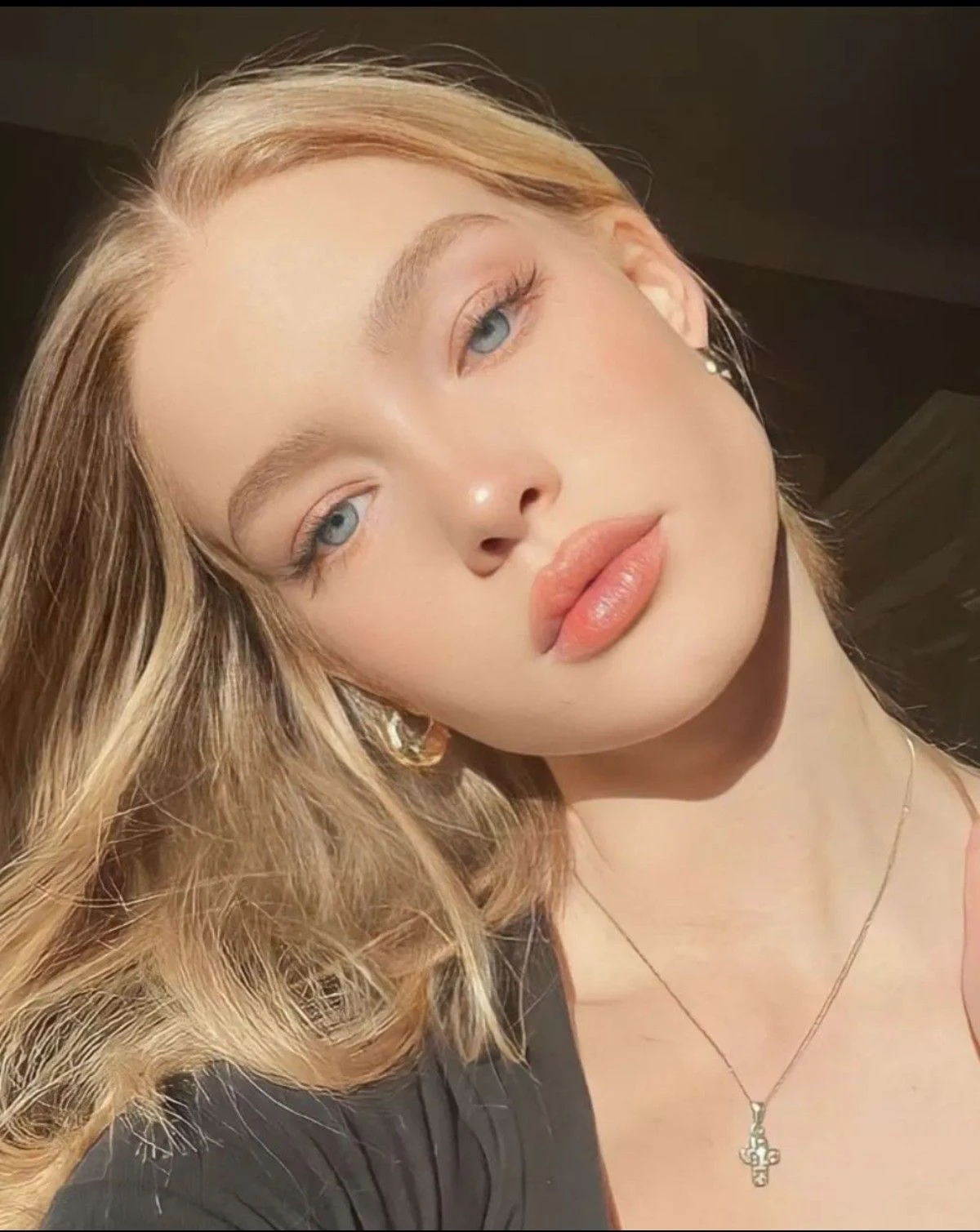

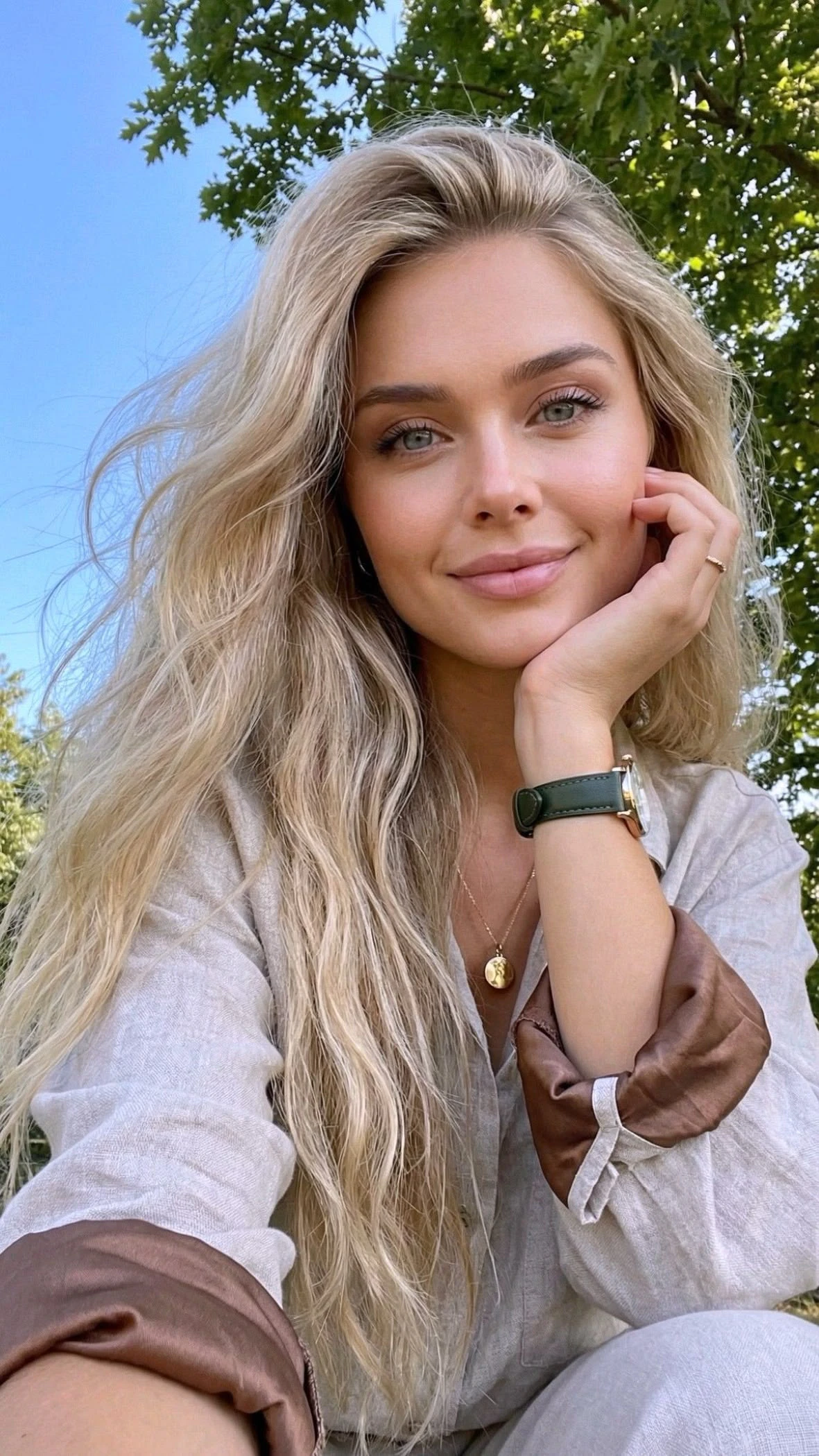
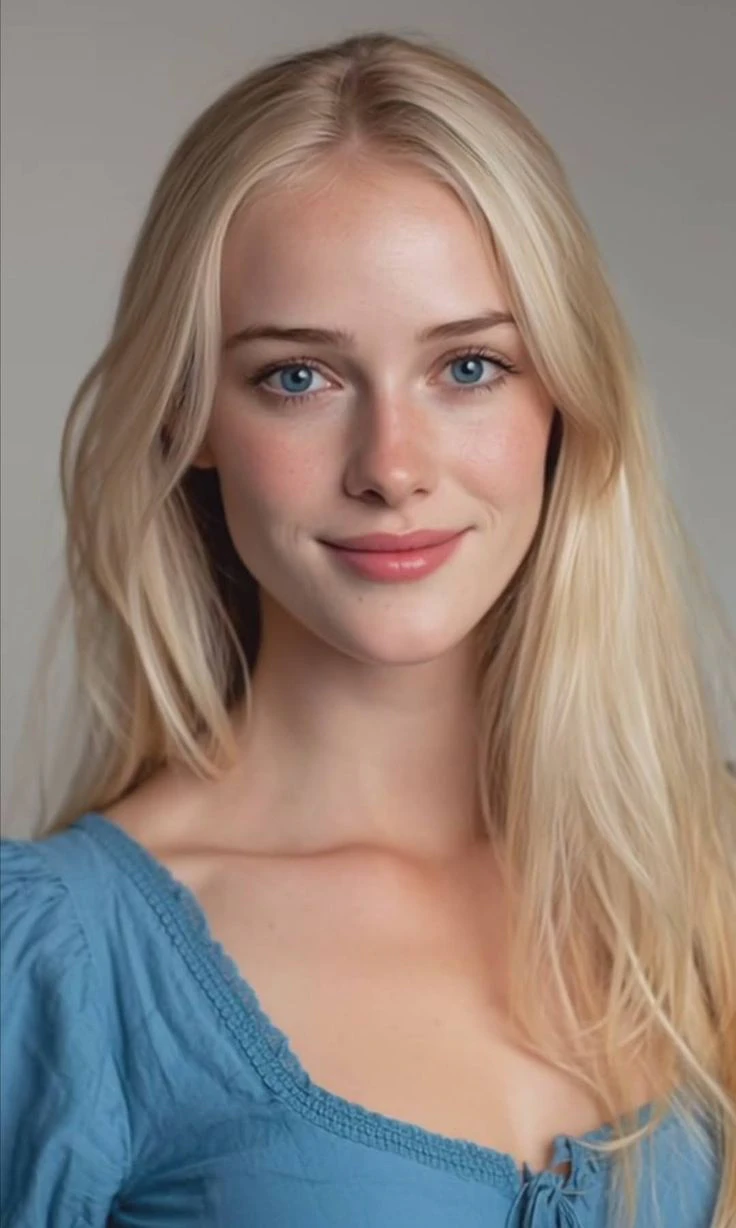
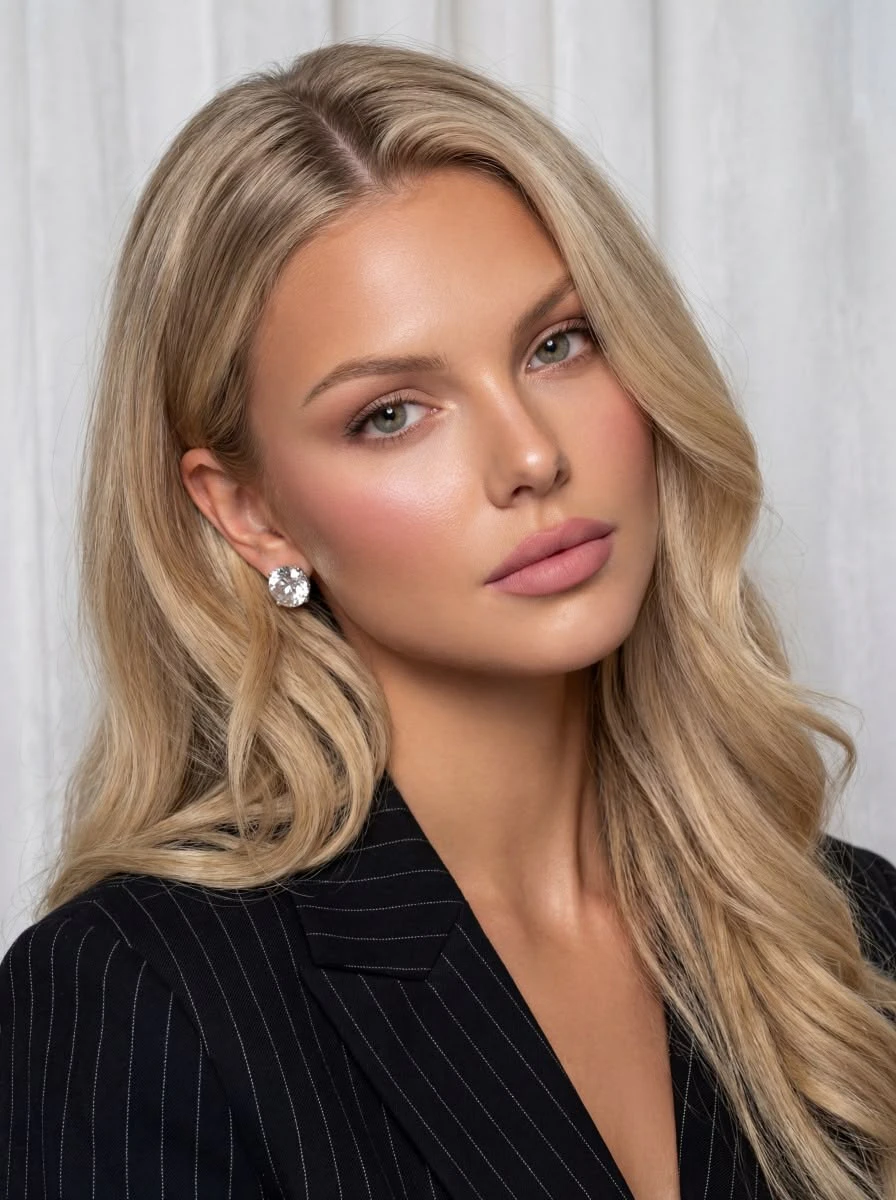
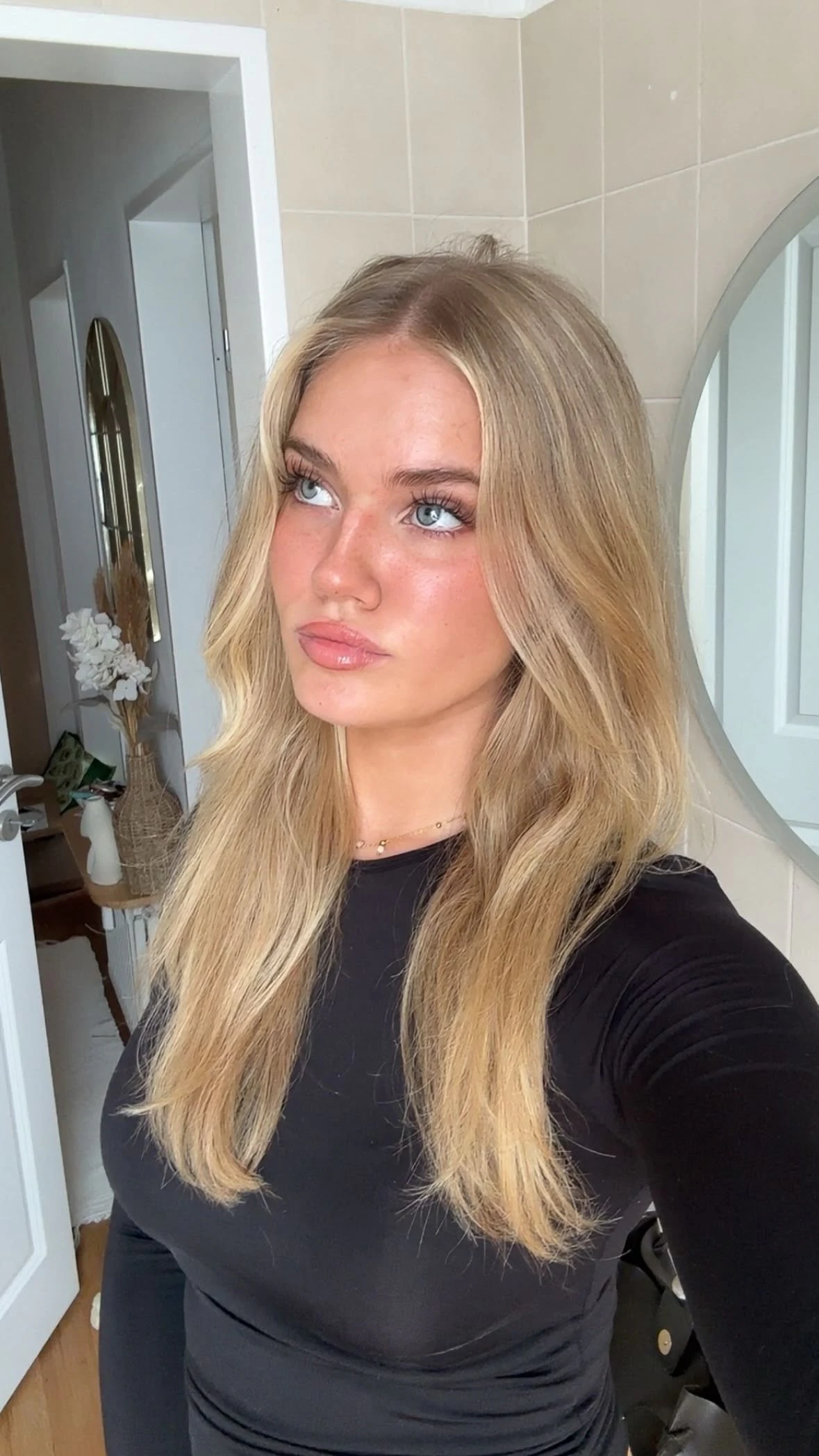
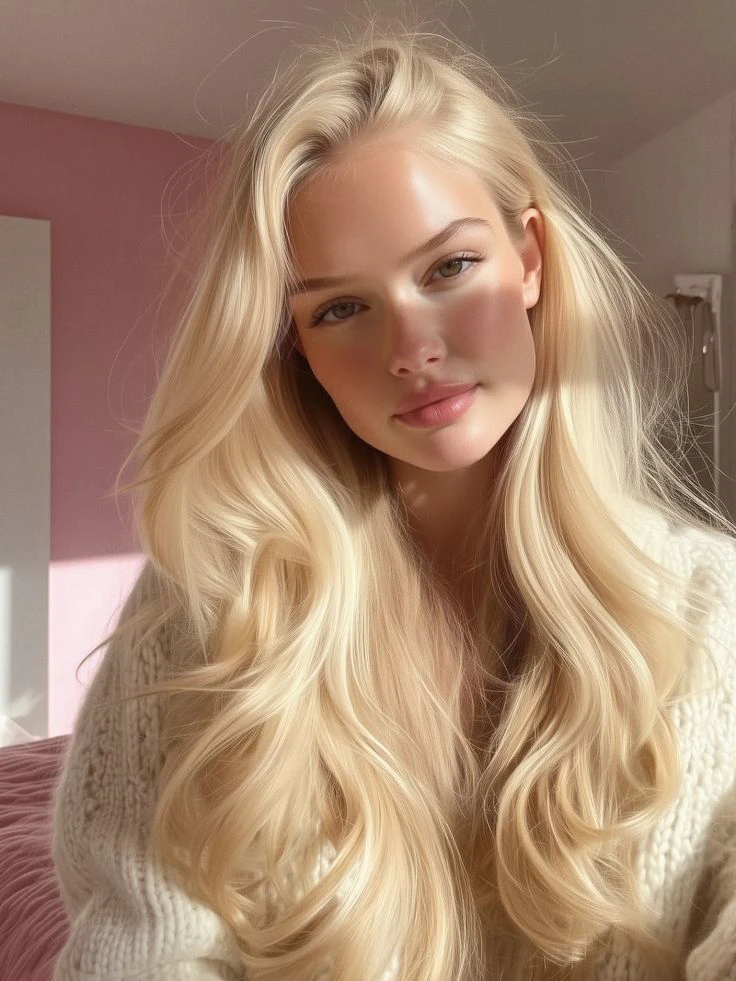
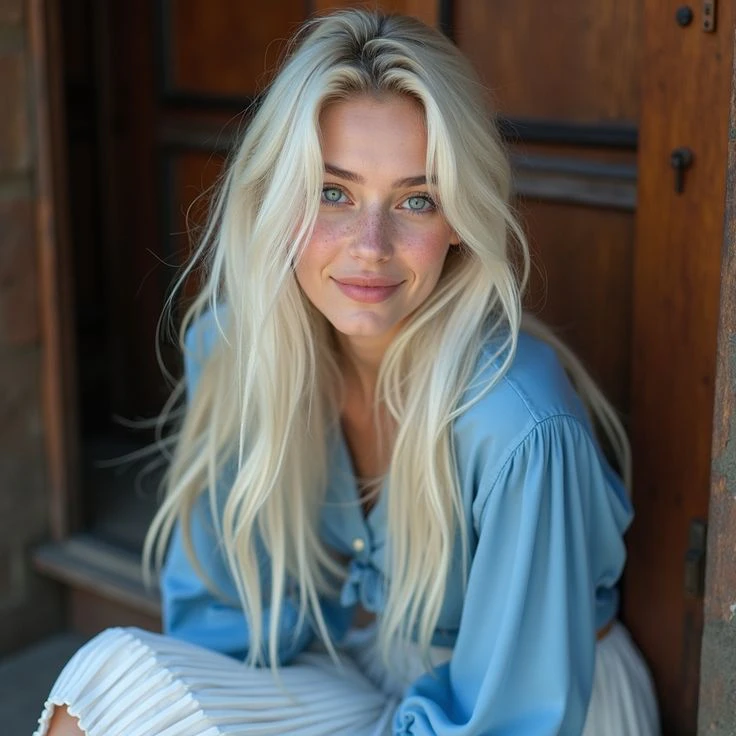
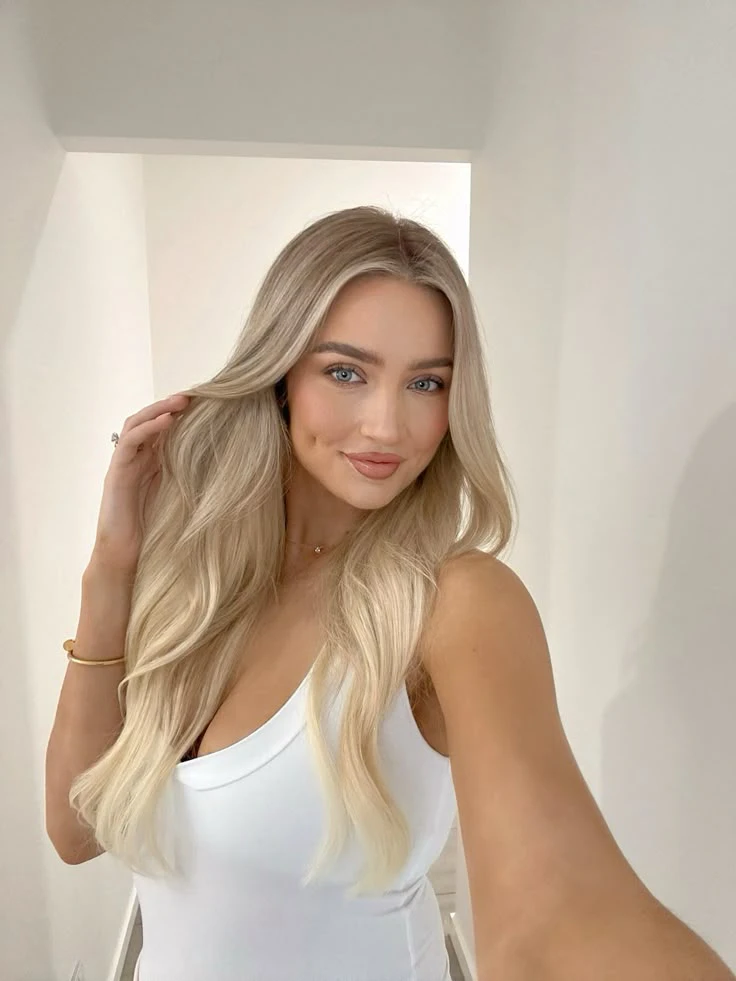
For a long time, Norway has been associated with naturally light, striking hair. What most people call Norwegian blonde hair is not a color treatment or trend. It’s a biological trait that is hard-wired and shaped by centuries of genetics, geography, and climate. If you were born with this hair or simply love it, knowing what makes it special gives you a much better starting point for caring for it or recreating it.
What Makes Norwegian Blonde Hair Special?
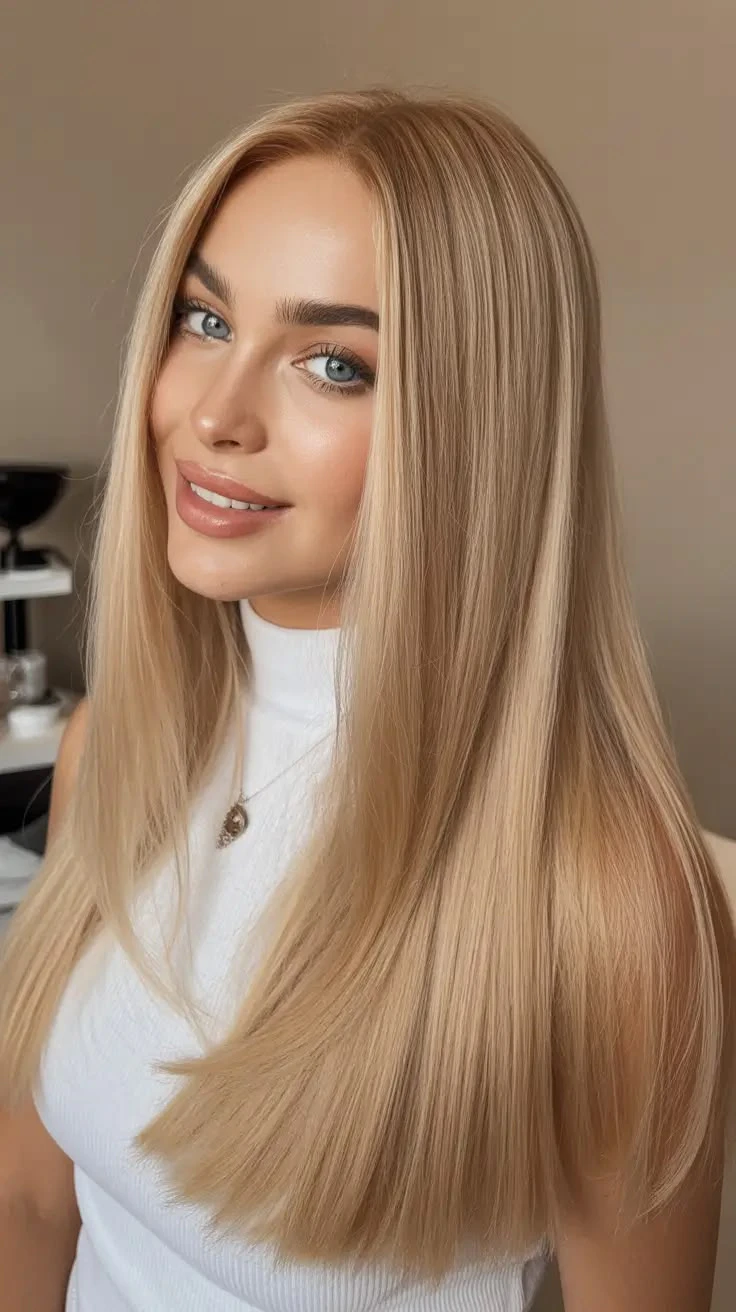
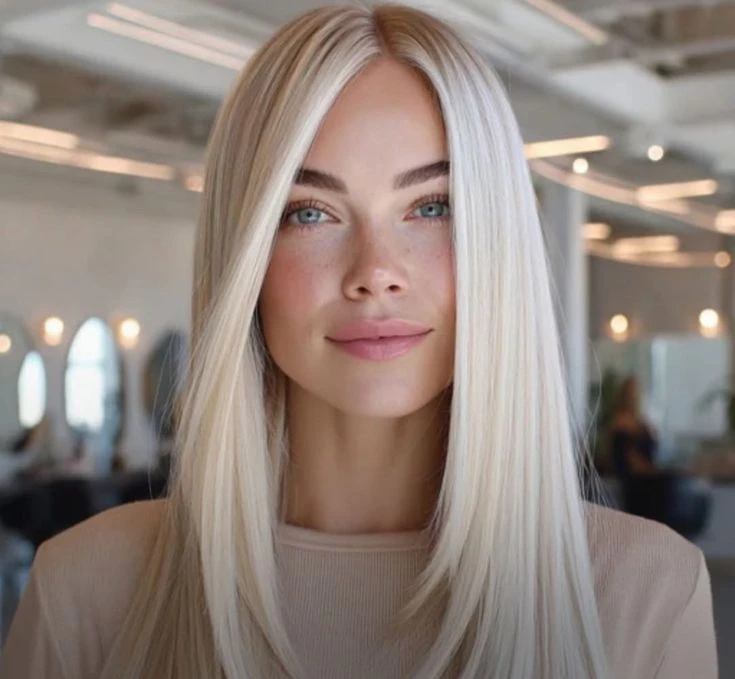
Norwegian blonde hair is a type of naturally light hair, often with a platinum tint, found in people from Norway and the broader Scandinavian region. This color isn’t like salon-lightened hair; it comes from within. The melanin content of the hair shaft is genetically controlled, producing colors ranging from ash-white to soft golden blonde.
Norway is often named as one of the countries with the highest percentage of natural blondes in the world. However, not all Norwegians have naturally blonde hair. Hair color still varies according to region and family lines. In some northern parts of Norway, naturally light hair is more common, whereas in other parts of the country there is greater variation. But the link between Scandinavian ancestry and blonde hair is strong enough to have influenced global beauty standards for generations.
The Genetic Science of the Color
Genetics are everything when it comes to Norwegian blonde hair. Scientists have pinpointed a specific variant of a gene known as KITLG that is largely responsible for naturally light hair in Europeans. The gene influences the production of melanin, the pigment that colors hair and skin. When this gene reduces melanin production, the result is a very pale, sometimes almost white shade of blonde.
It also runs in families fairly predictably. Many children with this genetic background are born with very light hair. Their melanin production then slowly increases over time, resulting in a natural darkening effect. This natural darkening is completely normal and doesn’t mean that anything is wrong with the hair.
Due to long periods of relative isolation from other populations, certain gene variants became more common in Scandinavian populations over the centuries, along with light hair and other light features.
Why Scandinavia Has So Many Natural Blondes
However, genetics only tells part of the story. Climate and geography were also significant factors. Why did so many people from Norway develop naturally light hair?
Scandinavia is a long way from the equator. The winters are long, and there is not much sunshine for most of the year. The first people to live in the area had a real problem getting enough vitamin D, the nutrient the body makes when it is exposed to the sun. People got lighter skin and lighter hair over the years to absorb more of the scant sunlight. This physical advantage allowed them to stay healthier during harsh winters.
For centuries, geography and cold climates kept northern communities relatively isolated from other populations, which helped these traits spread. The prevalence of lighter pigmentation throughout Norway, Sweden, Finland, and other Nordic countries took thousands of years to develop.
Determining the Physical Properties of Norwegian Blonde Hair
Norwegian blonde hair has certain characteristics that set it apart from other types of blonde. These characteristics should guide styling decisions and product selection.
The texture is typically fine and soft. Individual strands tend to be thinner than in darker hair types. That means that the hair can feel silky but also that it lacks the natural density of coarser hair.
The color tone is cool. Most people with real Norwegian blonde hair have ash or platinum undertones, not warm golden undertones. This cool quality makes the hair look almost icy and crisp in natural light.
The porosity level is generally above average, and fine, light hair easily absorbs products. So it takes well to conditioning treatments, but it does dry out quicker if it’s not looked after.
The shade slowly darkens with age. Most people with naturally light Scandinavian hair see their color go a few shades warmer or darker from childhood to adulthood. This is a natural biological transition, not damage.
Knowing these traits enables you to treat your hair with more precision and less guesswork.
How to Create a Norwegian Blonde Hair Care Routine
Norwegian blonde hair is fine, cool-toned, and prone to dryness, so it needs a care approach that protects rather than strips. Making a few strategic adjustments to your routine can significantly enhance the appearance and texture of your hair.
Selecting the Right Shampoo
Begin with a mild, sulfate-free shampoo. Strong sulfates clean aggressively, stripping away the natural oils that protect fine strands. This leads to dryness, breakage, and dullness over time for naturally light hair. Instead, opt for hydrating formulas created for fine or color-treated hair. These options clean effectively without stripping the hair.
How often you wash is important. Fine hair can get greasy fast, but over-washing makes things worse. Most people with this hair type find that a schedule of two to three washes per week works well.
Shielding Against Sun & Environmental Damage
Sunlight is one of the most underrated dangers for Norwegian blond hair. The sun’s UV rays can break down the cool pigment in light hair, causing it to turn brassy or yellow over time. To combat these effects, apply a UV protective hair spray or leave-in before spending long hours outdoors, especially during the summer.
Beyond the sun, chlorine from swimming pools and the dry indoor air of winter both pull the moisture out of fine strands. Just wearing a swim cap when possible and running a humidifier indoors during the cold months can help keep hair in excellent condition over time.
Deep Conditioning for Long-Lasting Moisture
One of the best things you can do for Norwegian blonde hair is to give it a deep condition once a week. This type of hair is naturally more prone to dryness and high porosity, so treat it with a hydrating mask or intensive conditioner once a week to restore moisture in between regular washes.
Seek treatments containing ingredients such as argan oil, shea butter, or keratin. These ingredients coat the hair shaft, reduce frizz, and restore softness without weighing down fine hair. Leave the mask on for at least ten to fifteen minutes and rinse with cool water to seal the cuticle.
Heat Styling Management
Too much heat and fine hair make for a tough combination. The heat from flat irons and curling irons thins the hair shaft and leads to breakage over time. Therefore, using a heat protectant before any heat styling is essential, not optional.
Air-dry your hair whenever possible, rather than using a blow dryer. When you do use a dryer, choose a low or medium setting. Limit your heat styling to three times a week or less, and allow your hair to recover in between.
Styling Tips That Work With the Hair’s Natural Character
Norwegian blonde hair is best when styling works with its natural qualities and not against them. The goal is a clean, relaxed look with visible shine and movement.
One of the simplest things you can do is air-drying. It cuts down on heat exposure and lets the hair’s natural texture shine through without manipulation.
Light-weight styling creams or mousses work better than heavy gels or waxes. Fine hair gets flattened by heavy products and looks limp by midday.
Loose waves look wonderful on this hair type. A light-hold sea salt spray misted onto damp hair and air-dried gives a relaxed texture that looks effortless and fits in with the Nordic esthetic.
Getting your hair trimmed every six to eight weeks keeps split ends from traveling up the shaft. The split ends make the blonde hair look dull and give it a frizzy finish that no product can fix completely.
How Norwegian Blonde Hair Compares to Other Scandinavian Hair Colors
People always say all Scandinavian blondes are the same, but there are real differences, and it’s worth noting. Norwegian blond hair is often on the cool, platinum side of the spectrum. Swedish blonde hair tends to be a little warmer with golden or honey tones. Danish blonde hair is usually somewhere in the middle, combining ash with a warmer softness.
What causes these regional differences are slight variations in melanin levels, not entirely different genetics. The three groups have similar background gene patterns, but slight shifts in the expression of pigmentation lead to different color families. This is why a colorist trained in Scandinavian techniques will often ask you about your background when formulating a custom formula.
Is It Possible to Recreate Blonde Hair in a Salon?
Yes, but you need skill and the right approach. Many colorists today specialize in recreating that cool, natural Norwegian blond look, whether it’s through balayage or fully lightening the hair and then toning it just right.
This color has platinum and ash undertones, which are among the most difficult to achieve. Base hair with warm undertones tends to resist cool toners and will often require multiple sessions. Ask for a full consultation before your first appointment so the colorist can see where you are starting from and set realistic expectations.
Maintenance continues after the lightening. Purple or blue toning shampoos are used once a week to cancel brassiness between salon visits. Combined with the moisturizing care routine above, it keeps the artificially lightened hair looking as close as possible to the natural one.
If you’re thinking about this type of color change, always seek out a licensed pro instead of trying to lighten at home. Bleaching fine hair without professional advice almost guarantees breakage.
Products Worth Adding to Your Routine
You don’t need a huge product collection. You only need a small selection of targeted products for Norwegian blond hair.
A purple toning shampoo used once or twice a week keeps cool tones alive. For regular washes, use a sulfate-free moisturizing shampoo. A lightweight leave-in conditioner you apply after washing helps protect your strands all day long. A UV hair mist kept in your bag for outdoor use deals with environmental exposure. Finish this routine weekly with a hydrating deep mask.
Beyond the basics, all you need to keep this hair type in good condition year-round is a good heat protectant spray and a silk or satin pillowcase, completing a practical, low-effort routine.
The Broader Cultural Importance of This Color
Norwegian blonde hair is more than just biology. For centuries this shade has been a symbol of purity, natural beauty, and Nordic heritage in art, literature, and visual culture. Descriptions of gods and heroes in Norse mythology include references to golden hair. This natural color became a symbol of regional identity in Scandinavian folk art and costume.
Today, this cultural connection remains strong in the realms of fashion and beauty. Over the last few decades, the global popularity of cool, platinum blonde shades owes much to the longstanding admiration for Nordic esthetics. This history provides context for what might otherwise appear to be a simple question of genetics.