
The Best-Style Braids Hairstyles
Braids never really go out of style. You see them in your regular life, on the red carpet, at festivals, and in protective hair care routines. The reason is simple: they work for practically everybody. Whatever your hair type, length, or lifestyle, there’s a braided style for you.
What makes the finest braided hairstyles so enduring is that they blend practicality with creativity. A good braid keeps your hair neat and protected. However, braiding can also create some of the most visually spectacular hairstyles. And braids are so easy to wear for all kinds of circumstances. The same simple technique that works for a Monday morning can be elevated into something exquisite for a Saturday evening.
This article explains the most popular braided designs, how they work for different hair textures, and what you need to know before and after installation.
Why Braids Still Work for All Generations
Braiding is a long-standing tradition in many cultures and groups. Today, its appeal has only grown. Some of it is because braiding techniques today are much more sophisticated. We now have styles apart from the traditional 3-strand braid, such as knotless, cornrow-inspired, textured, and color-infused styles.
Another reason for the popularity of braids is that they reduce daily manipulation. For those with natural or textured hair, a braided protective style is really a break from frequent combing, heat, and restyling. For many women, braids are part of a longer-term plan for hair health, not just a weekend look.
However, braids do have their requirements. Good preparation, comfortable tension, and regular maintenance all contribute to the excellent condition of the style and the hair underneath.
Looking for more versatile hairstyle ideas? Our protective hairstyles guide has got you covered.
The Classic Three-Strand Braid
Most people start with the classic braid because it is a foundational style. The braid is easy to make, works on almost all hair types, and can be styled in many different ways.
Separate the hair into three equal parts. Cross the right over the center, then bring the left over the new center. Repeat this motion along the length of the hair, then secure the ends with a delicate hair tie.
This approach can give you various looks.
Loose and Relaxed Braids
For a softer, more casual finish, try a loose braid. After braiding, gently pull individual sections apart to widen the shape. This adds texture and makes the braid look less rigid. It’s especially excellent for everyday wear or when you want something that appears effortless.
For a neater finish, smooth the hair down with a light cream before you start. Keep the braid tight. The outcome is a neat, even look, appropriate for business or formal occasions.
Box Braids
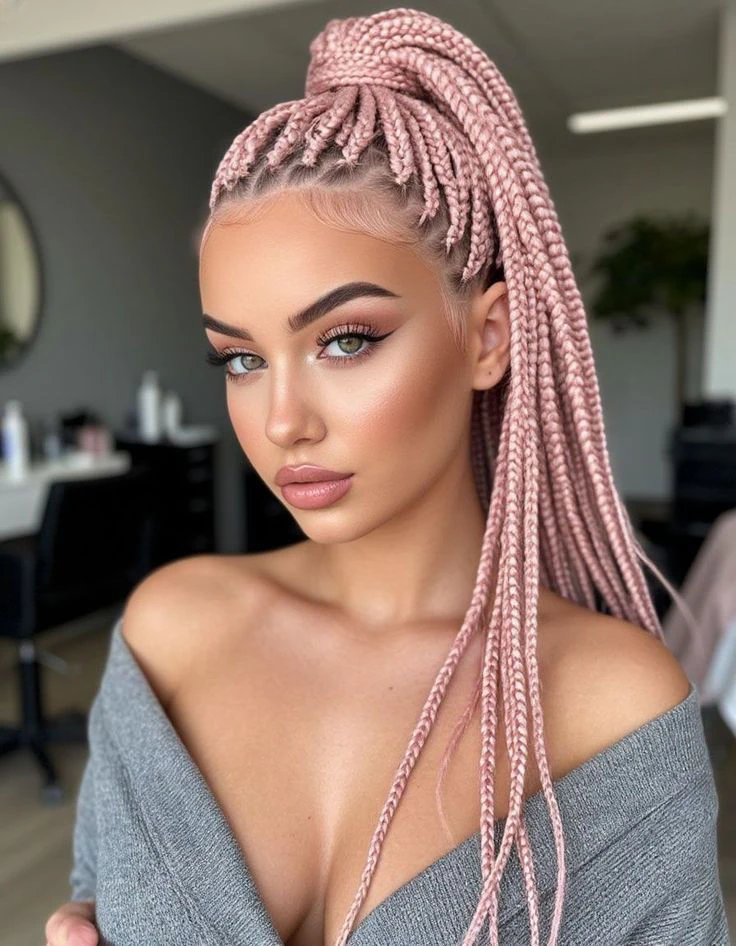
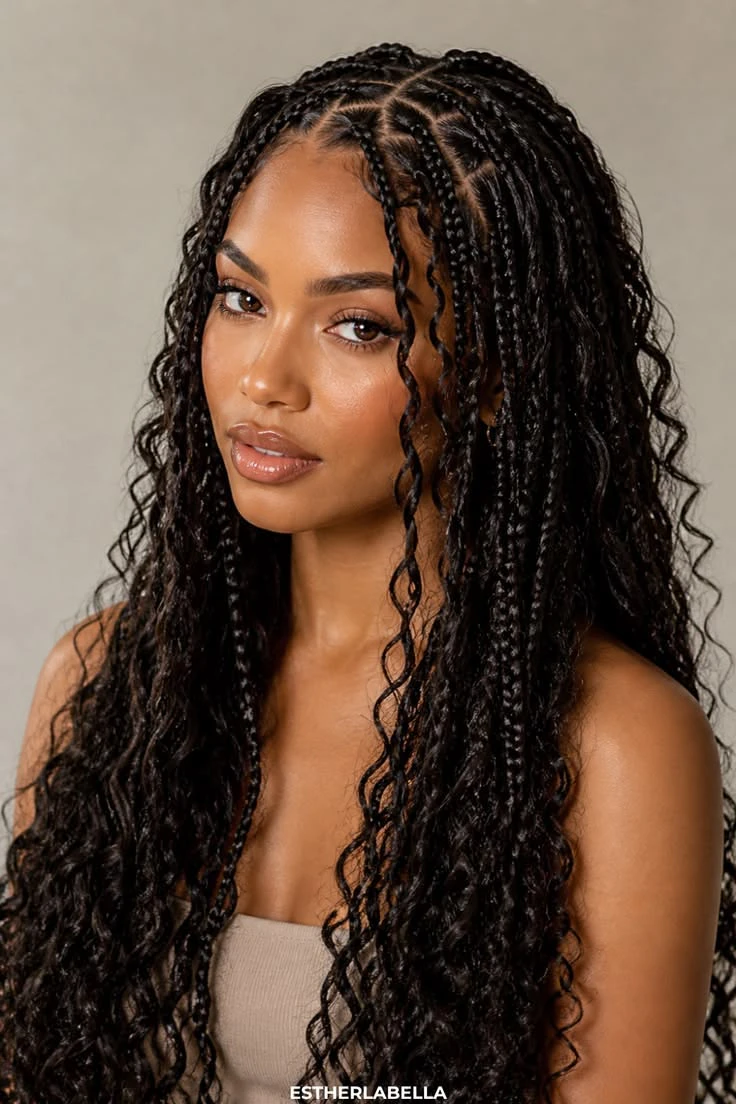
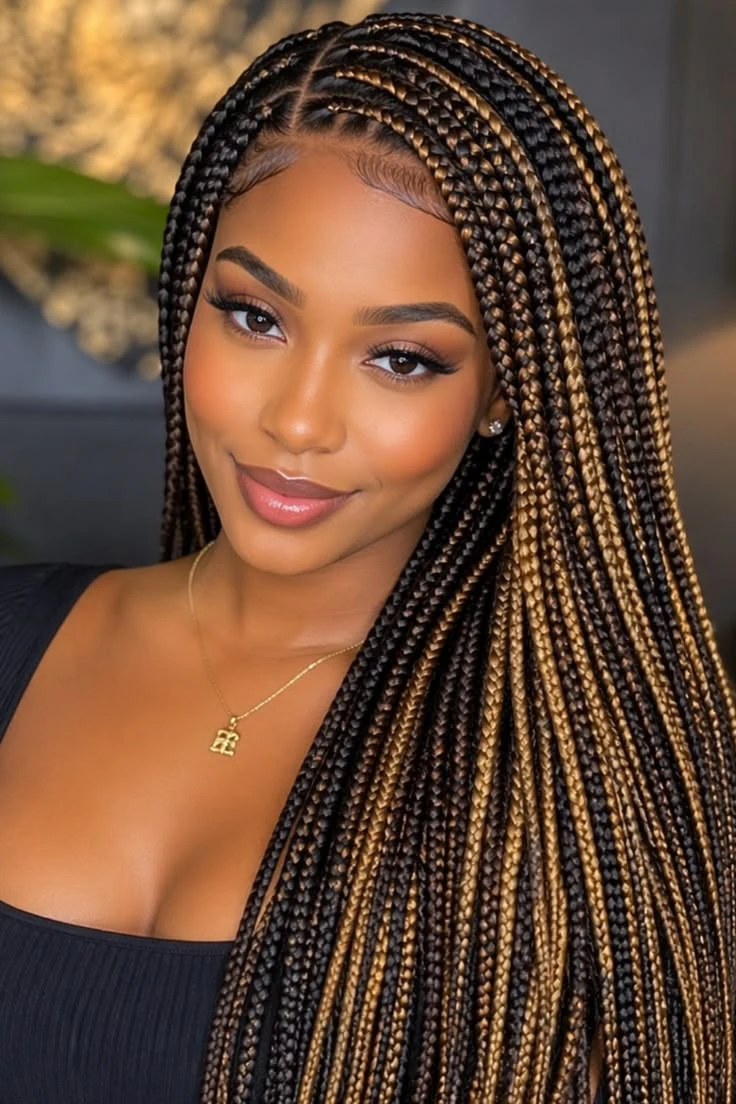
Box braids are popular worldwide, and it’s easy to see why. They are available in varied lengths, thicknesses, and colors. Plus, they last a long time with the appropriate care, which makes them a wonderful go-to for protective styles.
Short box braids provide a lightweight bob look that is easy to maintain. Long box braids, however, give you more possibilities for updos, ponytails, and half-up styles. Color extensions can be in a light brown or auburn shade or a more dramatic hue, such as burgundy and blonde, with both styles.
High Bun With Box Braids
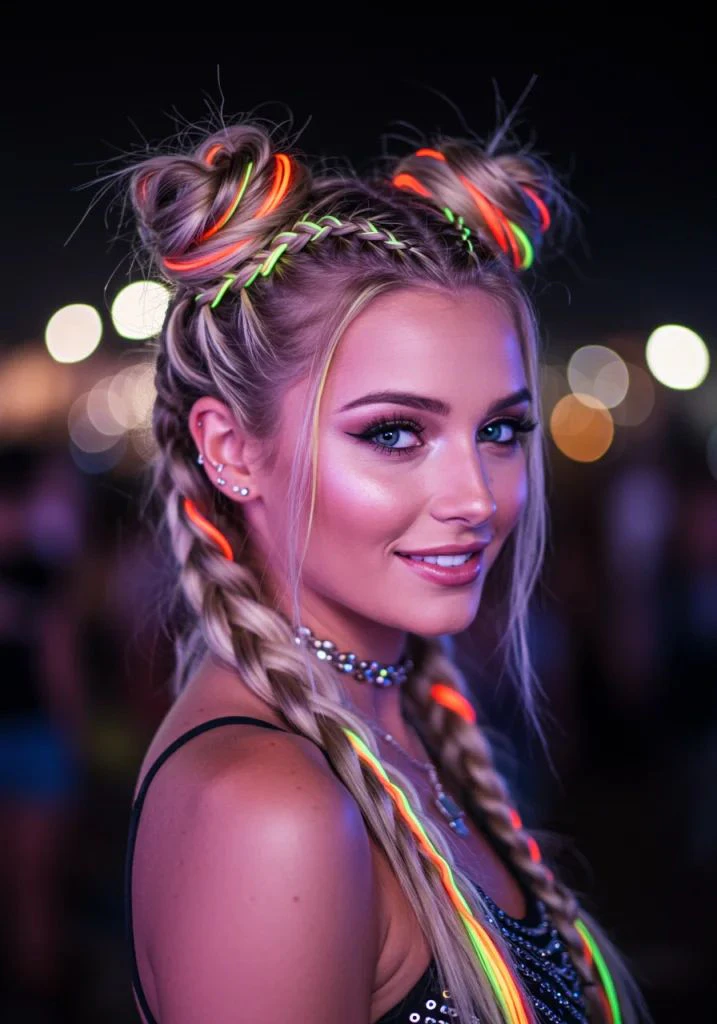
The high bun with box braids is an exquisite style, perfect for special occasions and evenings. Bring the strands up to the crown and pin them in place. Fold the leftover length into a bun and use pins sturdy enough to support the weight without slipping. This style also keeps the braids off of your face, which can feel refreshing in the warmer months.
Half-Up Box Braids
The half-up method is easier, but you need to have a structure. Take the top half of the braids and pin them toward the back of the head, leaving the rest loose. The effect is a style that is shaped at the top, yet still looks free-flowing underneath. This style represents a reasonable compromise between a full updo and wearing all the hair down.
French Braids
With French braids, you add hair little by little as you work down. The braid sits close to the scalp, so it stays looking sleek and polished all day.
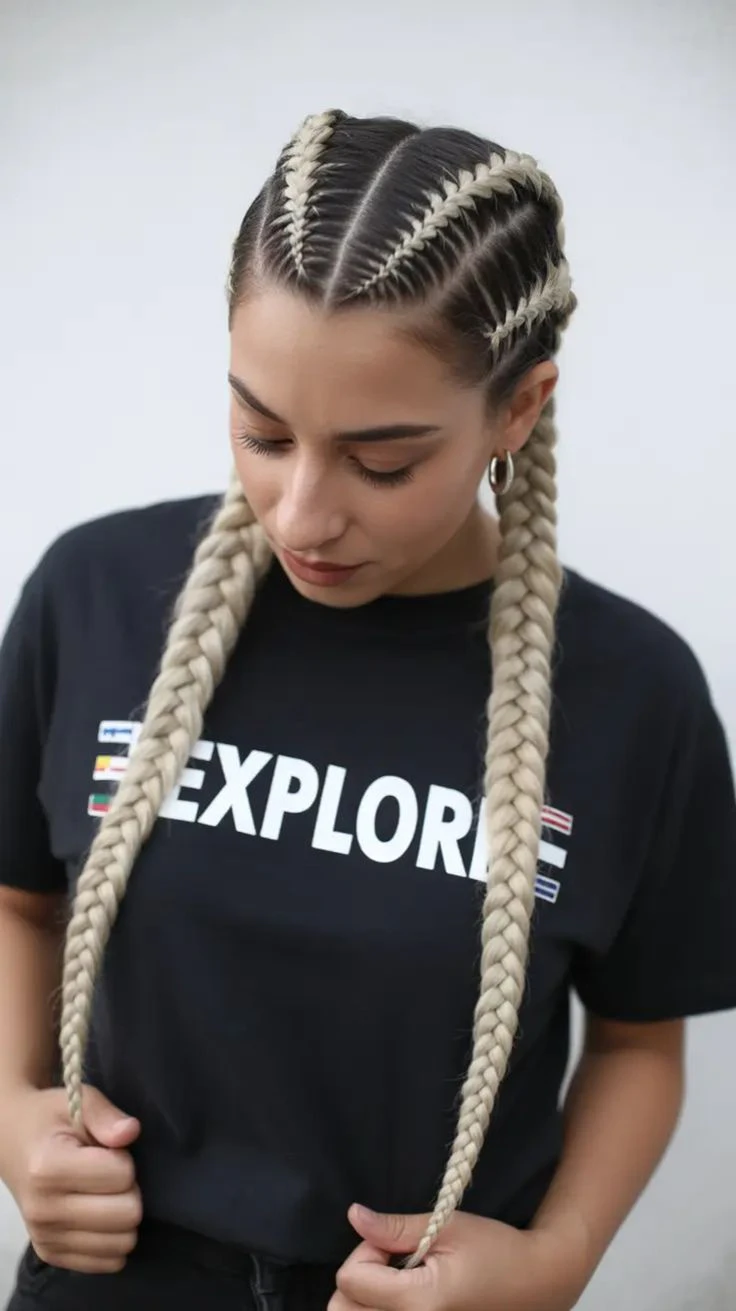
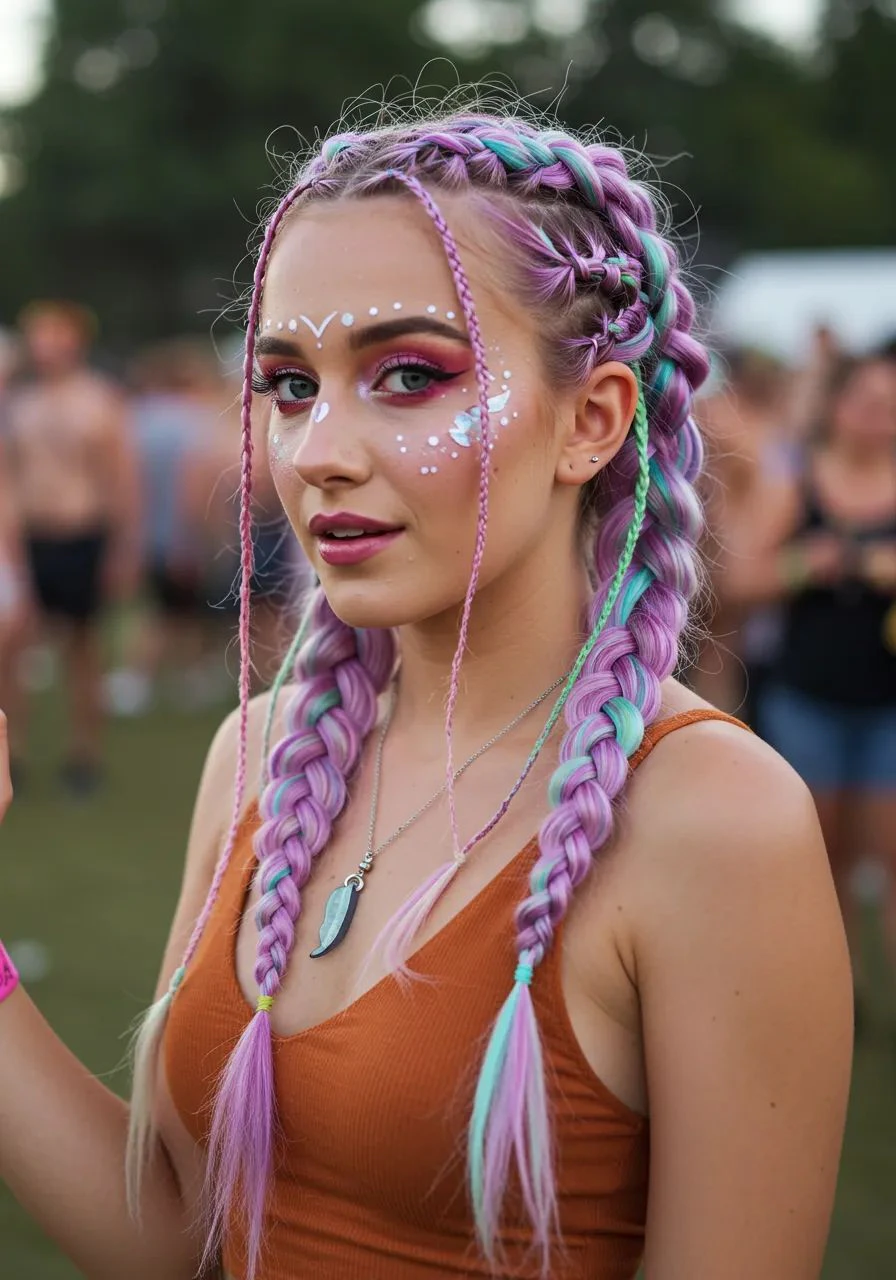
A single French braid down the center of the head is clean and classic. Two symmetrical French braids give a more youthful vibe and are handy for active days, keeping hair neatly contained.
French Braid Into a Ponytail
Another beneficial option is to stop braiding the French braid halfway down, then pull the hair into a ponytail. The braid at the top adds interest and structure to the style, and the loose ponytail adds movement. To complete the look, the ponytail can be personalized with a ribbon or ornamental knot.
Dutch Braids: Bolder Look, More Dimension
Dutch braids are just like French braids, but with one major distinction. The sections are crossed underneath, not over, which means the braid sits lifted from the scalp. This technique creates a deeper, more three-dimensional effect.
Two Dutch braids provide a sporty, structured style that can work for casual as well as athletic spaces. A single long Dutch braid down the back has more drama to it. Either way, the style holds up really well and doesn’t require a lot of restyling throughout the day.
For more braiding inspiration, see our modern braided hairstyles guide.
Cornrow-Inspired Patterns: Where Structure Meets Art
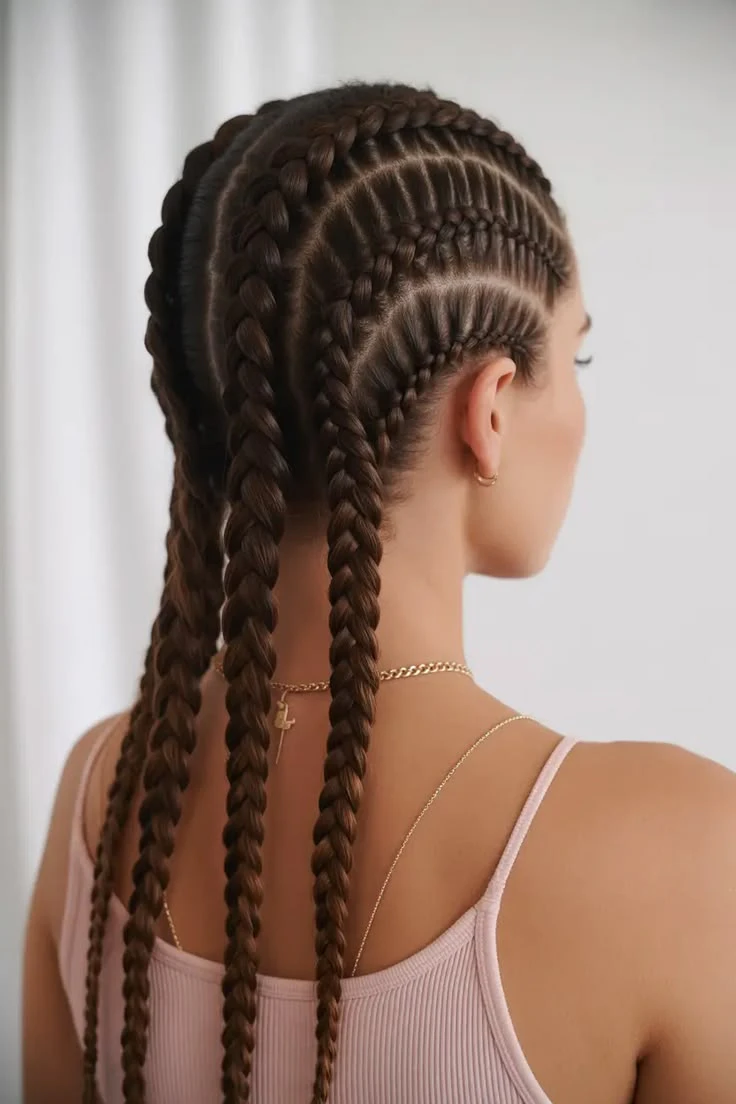
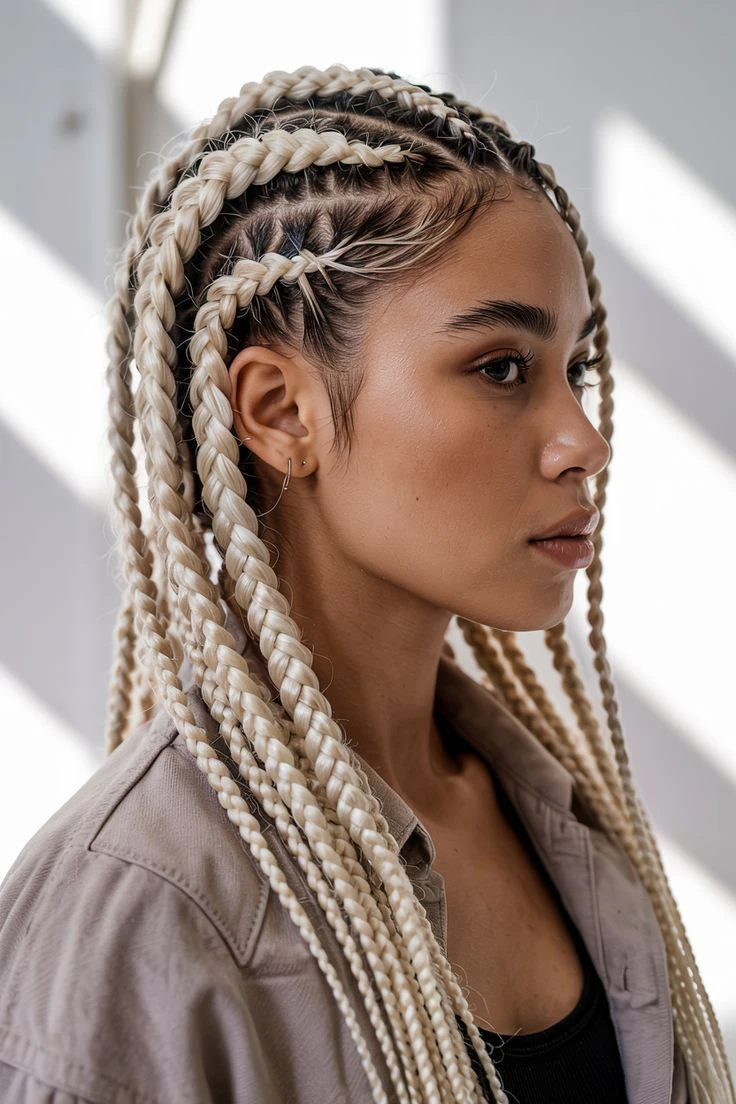
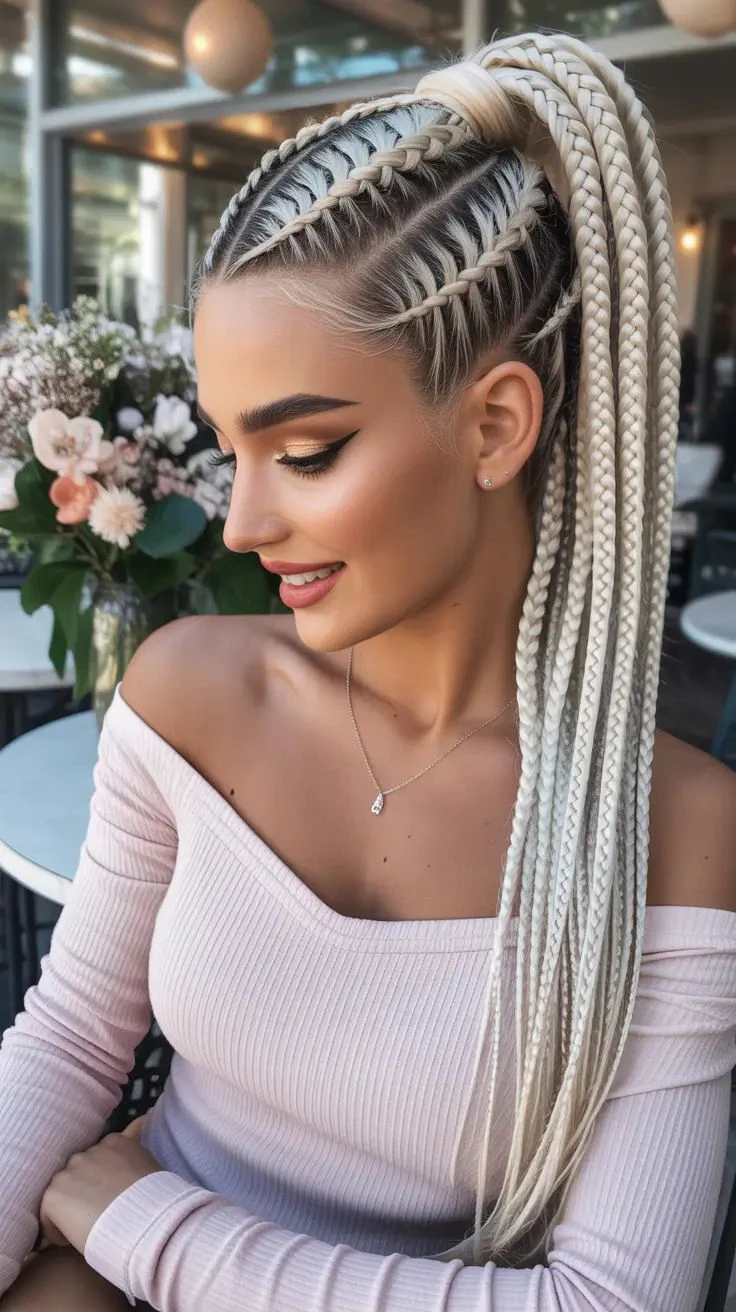
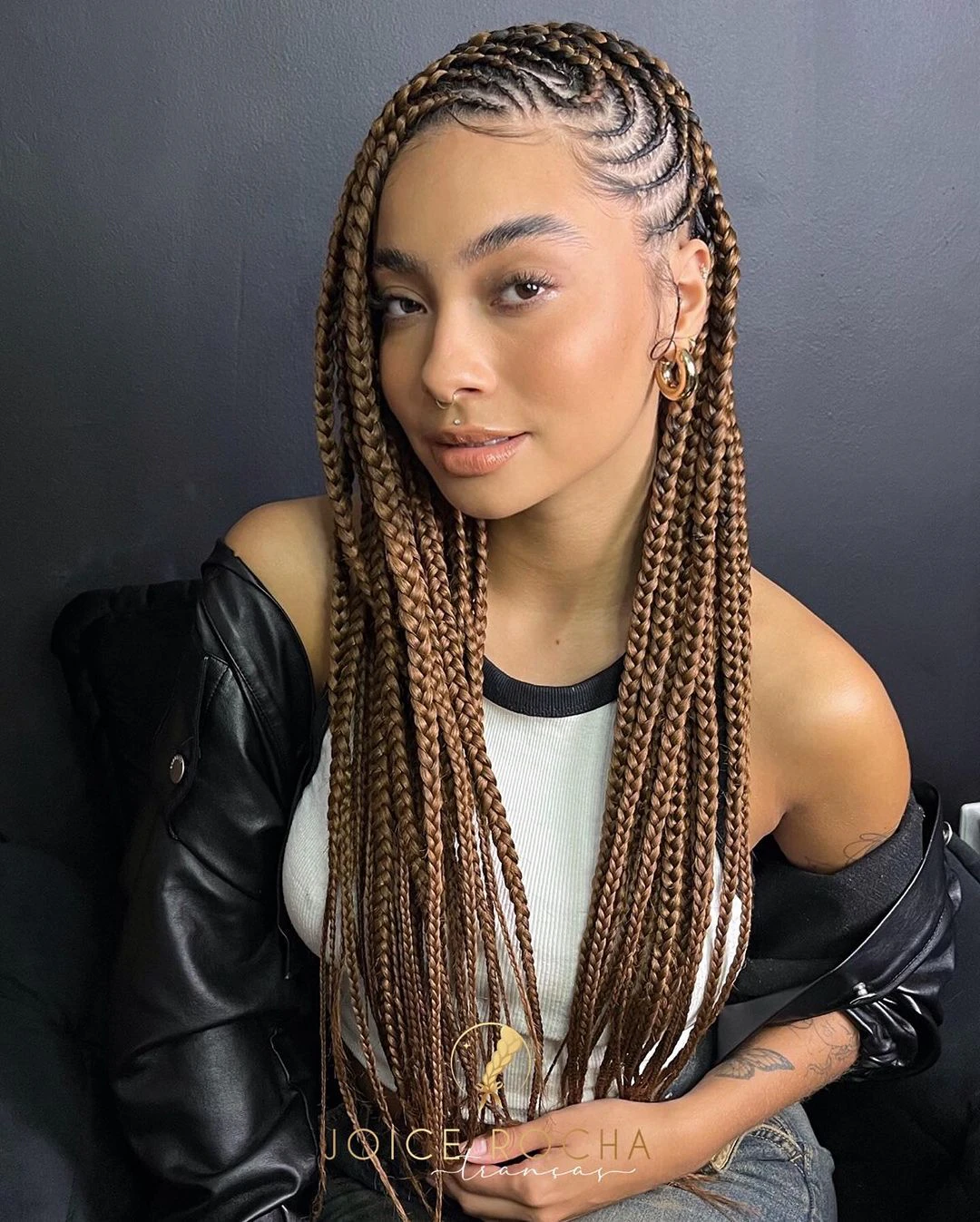
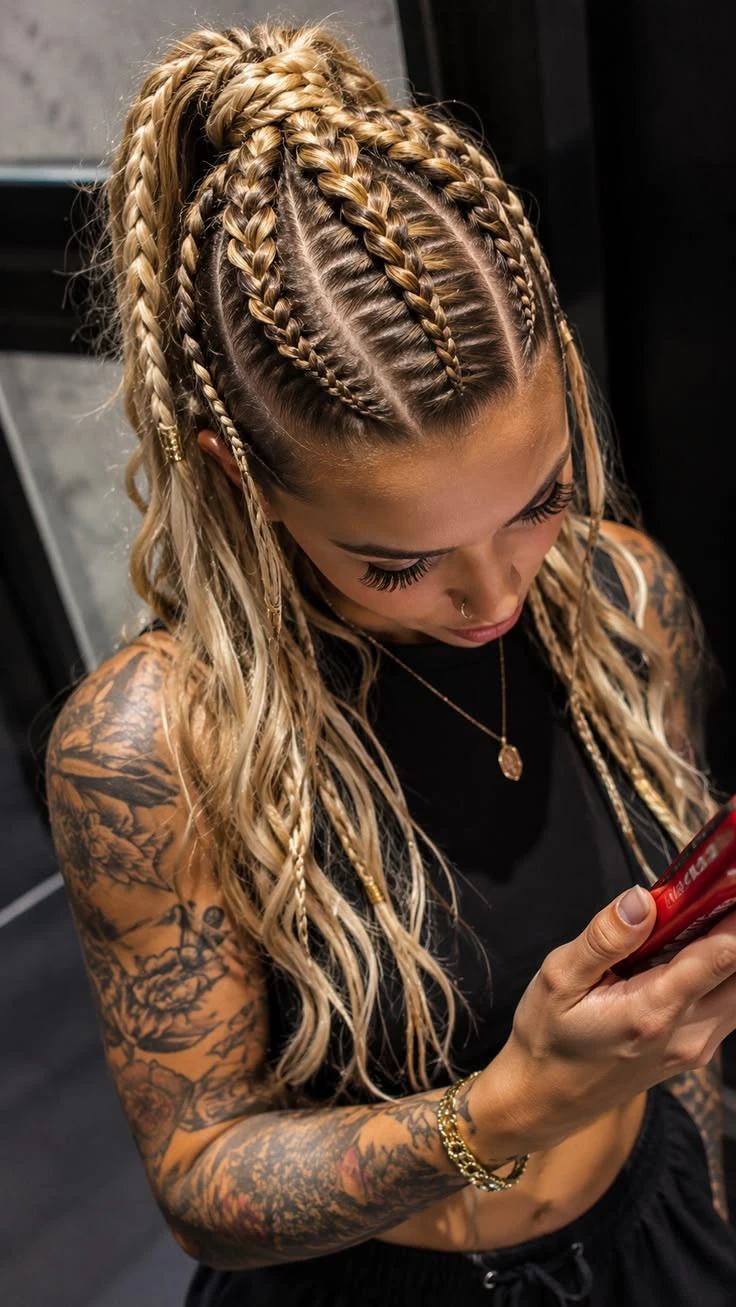
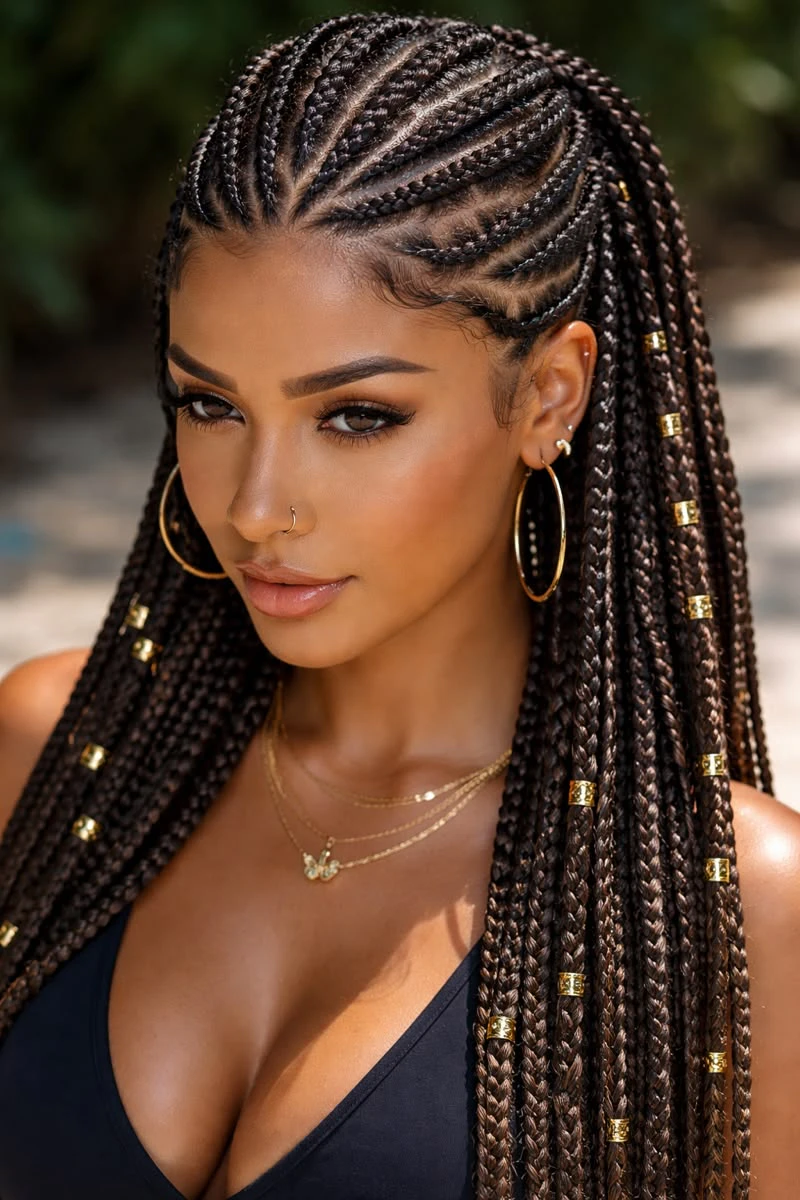
Styles influenced by cornrows have braids close to the head in tight, clean rows. The patterns might be as simple as straight lines going from front to back or geometric shapes, curves, and imaginative arrangements over the entire head.
Straight Back Rows
Straight-back cornrows provide a clean, ordered foundation. Their versatility means that they can be worn on their own or underneath ponytails, buns, and other styles. They are a viable option for everyday use due to their simple design.
Patterned Cornrows
Intricate designs are made with angled sections, rounded rows, and carefully planned spacing to create patterns along the scalp. Such a design elevates a hairdo to a true art form. A patterned cornrow style is one of the best ways to express yourself through your hair.
Since cornrow styles need a close-to-the-scalp approach (and some finesse), it’s typically best to have a professional install them, especially for more complicated styles.
Knotless Braids: Lighter and More Natural Finish
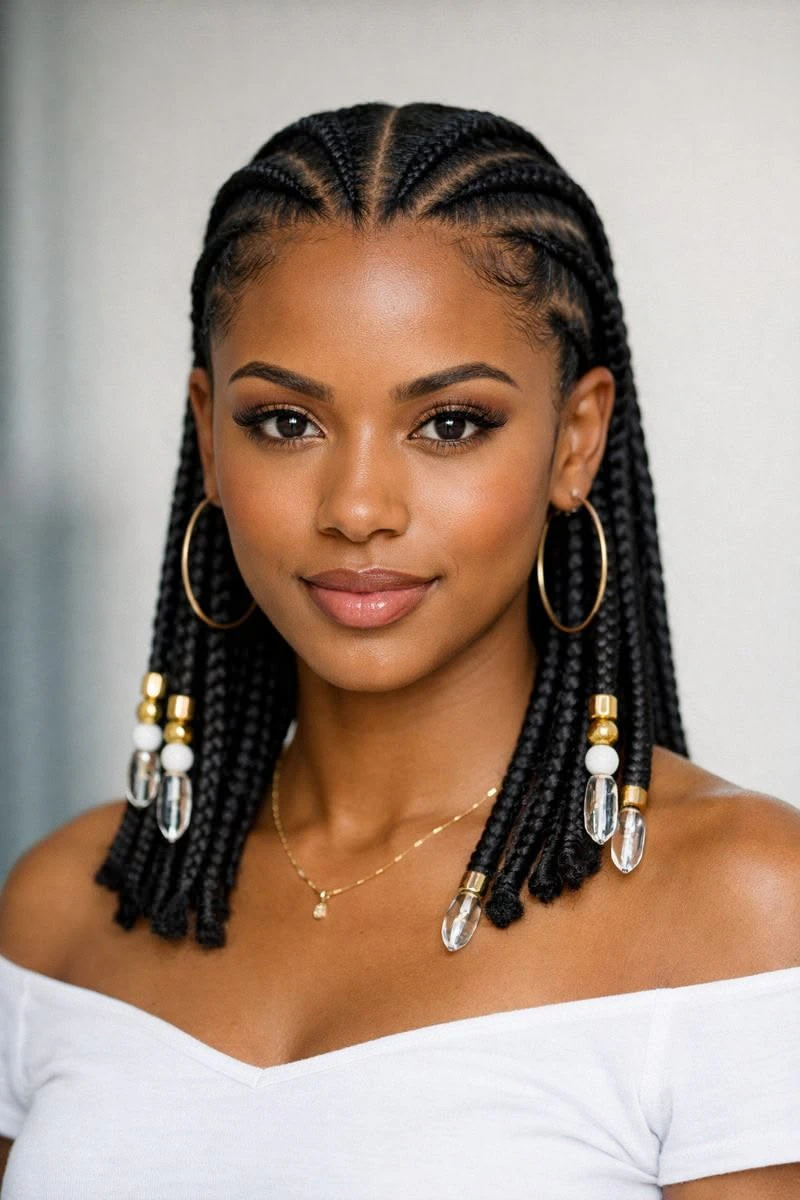
Over the past few years, knotless braids have become one of the most sought-after protective styles. Unlike typical box braids that start with a knot at the base, knotless braids begin with natural hair and add the extensions piece by piece as the braid progresses. The result is a flatter, more natural-looking root that moves more freely and feels more comfortable on the scalp.
Knotless Bob: A knotless bob ends at the chin or shoulder. It is one of the more manageable options, with the shorter length reducing overall weight. A middle part brings balance; a side part offers softness. Either way, the look is clean and modern without being overdone.
Long Knotless Braids
Knotless braids are very versatile for styling, especially the longer ones. They can be pulled up into high or low ponytails, wound into buns, or left completely down. However, longer extensions do add weight, so it’s important to discuss your ideal length with your stylist in advance to ensure the installation remains comfortable.
Braided Styles for Special Events
Braids can also suit formal events. The trick is to select a design that’s sophisticated yet still reflects your particular taste.
Braided Crown
The braided crown that surrounds the head like a halo adds a romantic and refined touch. Keep the braid sleek for a more polished look or loosen strands slightly for a softer, more casual look. Small accessories like pearl pins or metallic clips can provide an extra accent without overpowering the outfit.
Braided Updo
A braided updo typically combines several techniques. For instance, you can create a look that is both stable and lovely by forming two side braids and joining them into a low bun at the nape. Each side has braids framing the face, creating a beautiful contour for every face shape.
Everyday Braided Ponytail
A braided ponytail is the perfect mix of casual and sophisticated. Gather the hair into a ponytail at the height you desire and braid the length in whatever way comes most naturally to you. A neat high ponytail conveys confidence and a polished appearance. A low braided ponytail, on the other hand, feels relaxed and effortless. Both versions are completed by wrapping a little bit of hair around the base to cover the hair tie.
Braids for Short Hair
You can even braid short hair. A few inches in length may do wonders in creating accent braids, subtle side embellishments, or a partial braid to add interest to a bob or pixie cut.
Accent Braids
A small accent braid from the temple or hairline adds a delicate detail without changing the entire style. Tuck it behind the ear or secure it with a small pin. It’s subtle, but it’s intentional.
Braided Bob
You can also add short extensions for a braided bob that reaches chin level. You still have the protective benefits of braids, but the whole silhouette is compact and easy to manage.
Add Color To Your Braided Look
Color is one of the most effective ways to make a braid look like yours. Warm brown or caramel highlights give dimension while maintaining true-to-natural tones. Burgundy gives richness and depth. Blonde pieces show up, especially on darker natural hair.
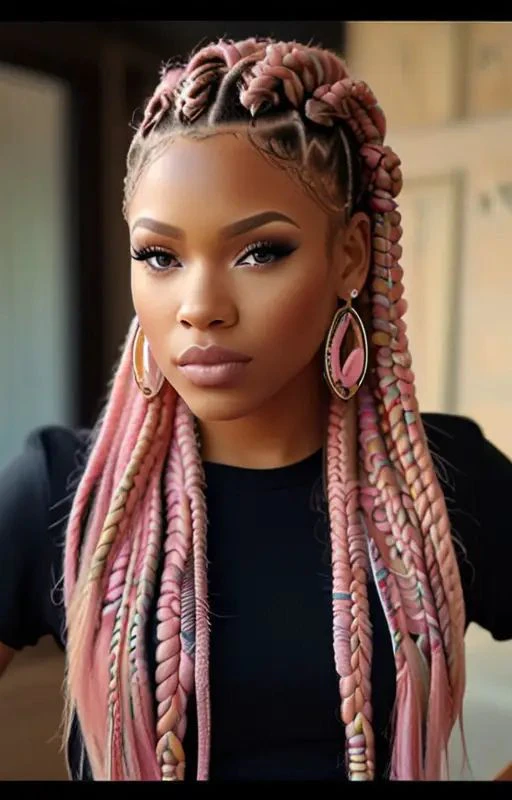
If you’re feeling more adventurous, colors such as pink, cobalt blue, or violet can give a classic style a splash of color and make it expressive and modern. Including two or three contrasting shades within the same style adds movement and dimension.
How to Make Braids Look and Feel Good
Maintenance is what distinguishes a well-maintained braid from one that’s painful or damaging to the hair underneath.
Scalp Cleanliness and Hydration
While the braids are in, keep the scalp clean. Use products that are light and won’t leave heavy residue. Furthermore, use a light leave-in product or oil on the scalp as needed, especially if you have dryness or itchiness.
Nighttime Protection
Wrap hair in a satin or silk scarf before bed. Or try sleeping on a satin pillowcase. Either way, you’re reducing friction on the braids, which helps keep the style looking good and keeps frizz to a minimum at the roots.
When to Remove the Style
Keeping braids styled for too long puts unnecessary stress on the hairline and the natural hair underneath. How long you can keep them in depends on the technique, your hair’s condition, and your stylist’s recommendation. If at any point the scalp starts to feel painful, tender, or irritated, take out the style instead of pushing through the discomfort.
What’s the Best Braid for Your Hair Type?
Different textures respond to different braiding techniques. Fine hair is better off with smaller, lighter braids that don’t put too much weight on individual strands. Thicker hair can take on larger, chunkier styles. Curly and coily textures are naturally suited to protective braiding, as the structure of the texture holds the braid in place without the need to pull it tight. For straight hair, smooth braid patterns tend to work well, but before you start, try a light texturizing product to help the sections stay in place.
What makes the most sense also depends on your lifestyle. If you work out often, try a secure style such as cornrows or a braided updo to keep everything in place without the need for readjustment. If you hate to get up early, a longer-lasting protective style is perfect—you can go days between restyling.
Putting It All Together
The best braided hairstyles offer a rare combination in hair care: they are both protective and beautiful. And whether you want to go for a loose classic braid for a chill day, a knotless bob for a tidy protective style, or a braided crown for a fancy occasion, the principles are the same. Choose the right style for your hair type. Keep the tension comfortable, and personalize it by choosing the length, color, or accessories that reflect your style.
Braids aren’t a trend. They are one category of styling that keeps getting bigger, evolving, and staying relevant across generations and hair types. The right braid for you is the one you feel most comfortable wearing.
Love a braid but want it to stay neat for days? Read our guide to braided hairstyles and how to make them last.