

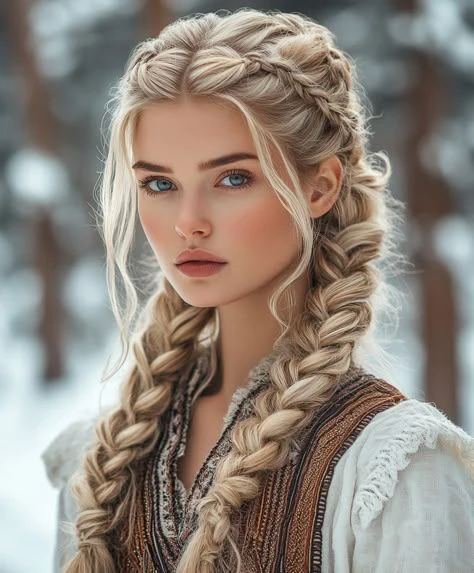
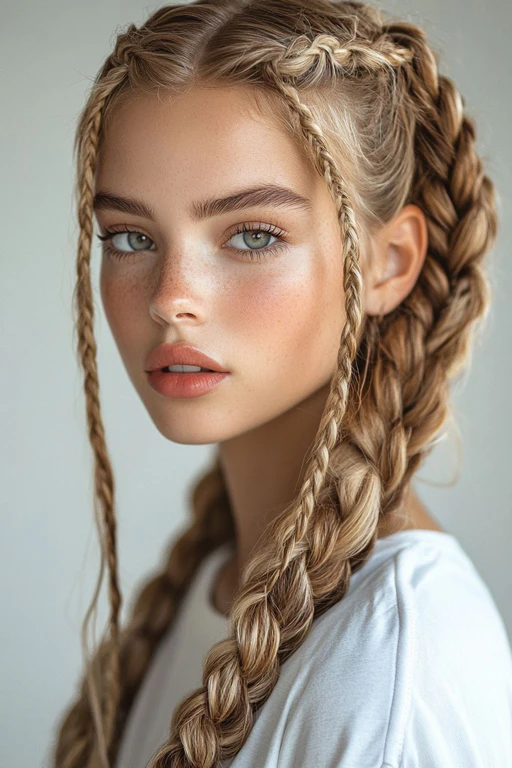
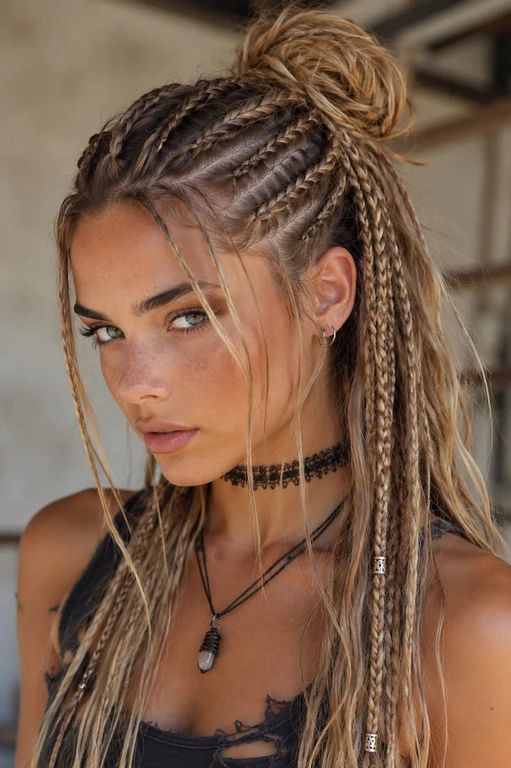

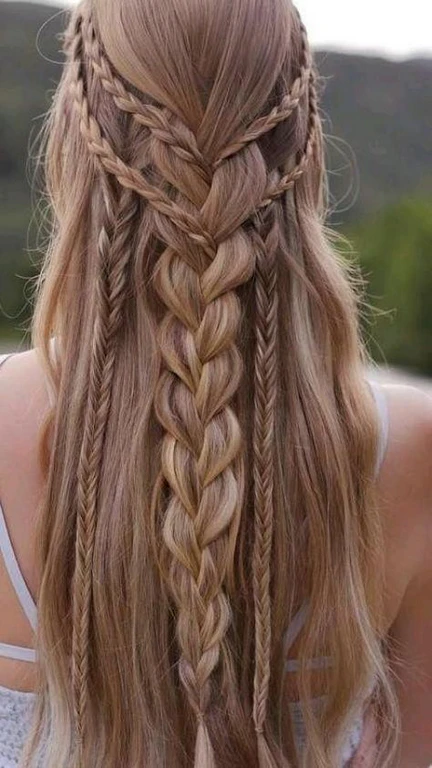
The Art of the Braid: Timeless Styles for Every Hair Type
Braids have never really gone out of style. From ancient civilizations to modern runways, braiding hair remains one of the most versatile techniques in beauty history. Today, it’s experiencing yet another surge in popularity.
Why does this technique endure? Below, we explore the styles, techniques, and tips that make braiding hair a skill worth learning.
A Brief History of Braiding Hair
Long before braiding hair became a beauty trend, it carried deep cultural meaning. Ancient Egyptian, African, and Indigenous communities used intricate braid patterns to signal status, age, or tribal identity.
Throughout the centuries, the technique traveled across continents and evolved. Eventually, it became a mainstream styling choice rather than a purely symbolic one.
Today, braiding hair fuses tradition with modern creativity. As a result, you’ll find everything from classic three-strand plaits to elaborate editorial designs.
Why Braiding Hair Suits Every Hair Type
One of the biggest myths about braids is that they only work on certain textures. In reality, braiding hair adapts beautifully to straight, wavy, curly, and coily strands alike.
Straight and Fine Hair
Fine, straight hair frequently struggles to hold volume on its own. However, braids add texture and dimension that last throughout the day. Dutch braids, in particular, create the illusion of thicker hair.
Curly and Kinky Hair
Curly and coily textures naturally lend themselves to detailed motifs. Cornrows, box braids, and twist-outs highlight natural curl definition. Protective braided styles also help retain moisture and reduce breakage over time.
Wavy and Medium-Density Hair
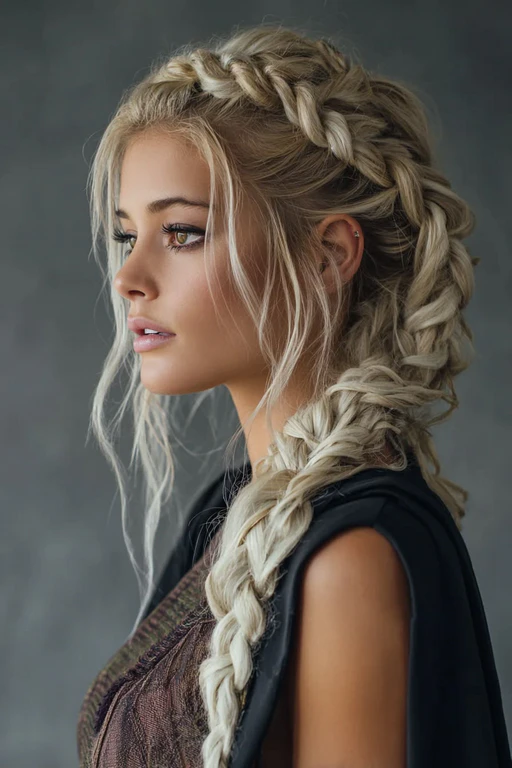
Wavy hair tends to hold braid patterns exceptionally well once released. Loose, undone braids create effortless beach waves. This texture works well for both tight and relaxed braiding hairstyles.
Popular Braiding Styles to Try This Year
With so many options available, choosing the right style can feel overwhelming. Still, a few standout looks have dominated salons and social feeds this year.
Classic Three-Strand Braid
This basic style never loses relevance. It’s simple, quick, and works for nearly any occasion. Beginners often start here before attempting more advanced techniques.
Dutch and French Braids
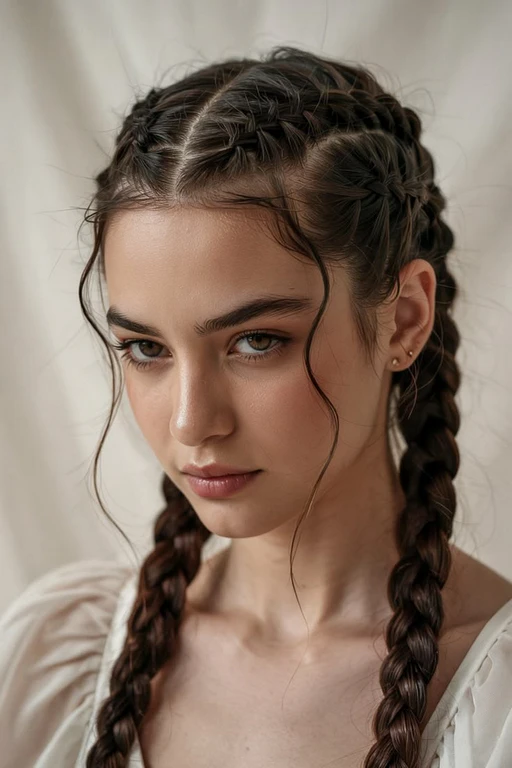
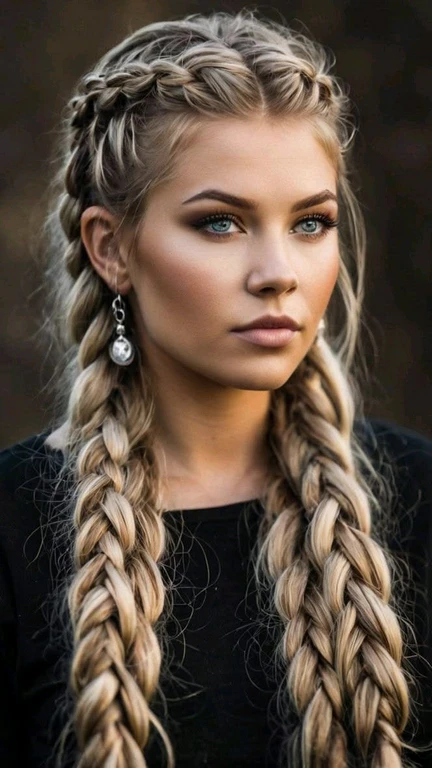
Both styles involve weaving strands under or over one another near the scalp. Dutch braids sit on top, creating a raised, three-dimensional look. French braids, meanwhile, lie flatter against the head.
Fishtail Braids
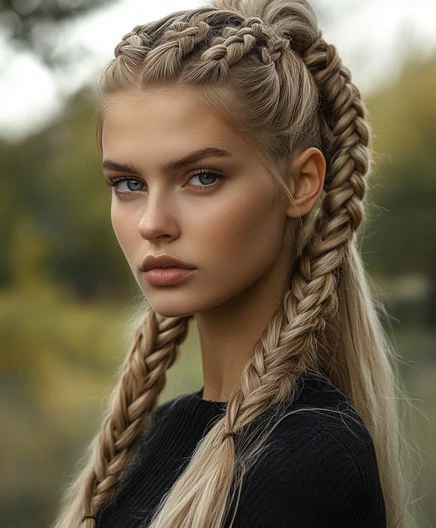
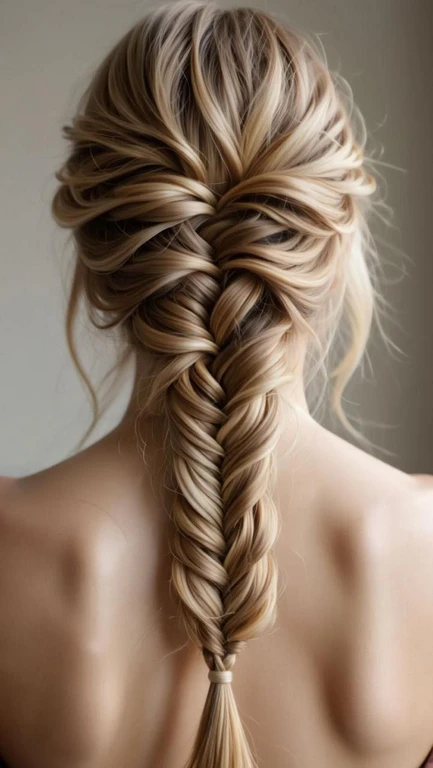
Fishtail braids use only two sections instead of three. Although the technique looks complicated, it becomes intuitive with practice. This style pairs especially well with medium to long hair.
Box Braids and Cornrows
These protective styles have deep cultural roots and remain widely requested. They also deliver practical benefits, since they require minimal daily maintenance. For a more profound look at the benefits of protective styling, see our guide to low-maintenance hairstyles.
How to Prepare Your Hair Before Braiding
Preparation plays a bigger role in the final result than most people expect. Skipping this step often leads to frizz or premature unraveling.
First, wash and thoroughly detangle your hair. Knots slow the braiding process and make it more uncomfortable. Next, apply a lightweight leave-in conditioner to add slip and manageability.
Additionally, you might want to blow-dry or stretch curly hair beforehand. This step helps stylists obtain cleaner, more even sections. According to the American Academy of Dermatology, avoiding excessively tight tension during braiding also protects the scalp from long-term damage.
Caring for Braided Styles Long-Term
Once your braids are complete, appropriate aftercare can significantly lengthen their lifespan. Neglecting this step can lead to dryness or scalp inflammation.
Wrap your hair with a silk or satin scarf before bed. This simple habit reduces friction and prevents frizz overnight. Furthermore, lightly moisturize your scalp every few days to keep the skin healthy underneath the hairstyle.
Avoid washing braided styles too frequently, as excess moisture can loosen the pattern. Instead, use a diluted dry shampoo or scalp refresher between washes. If you’re new to protective styling, our beginner’s guide to hair care routines covers additional maintenance tips.
Choosing the Right Braid for Your Lifestyle
Not every style suits every schedule. Busy mornings might call for something quick, while special occasions allow for more elaborate designs.
If you need a low-effort option, a simple side braid takes only minutes. In contrast, box braids or cornrows can last for weeks, making them a longer-lasting option. Ultimately, the best choice relies on your hair type, available time, and personal style preferences.
Braiding hair remains a timeless art form for good reason. It’s adaptable, protective, and endlessly creative across every texture.
The Art of the Braid: Timeless Styles for Every Hair Type
Braids have never really gone out of style. From ancient civilizations to modern runways, braiding hair remains one of the most versatile techniques in beauty history. Today, it’s experiencing yet another surge in popularity.
Why does this technique endure? Below, we explore the styles, techniques, and tips that make braiding hair a skill worth learning.
A Brief History of Braiding Hair
Long before braiding hair became a beauty trend, it carried deep cultural meaning. Ancient Egyptian, African, and Indigenous communities used intricate braid patterns to signal status, age, or tribal identity.
Throughout the centuries, the technique traveled across continents and evolved. Eventually, it became a mainstream styling choice rather than a purely symbolic one.
Today, braiding hair merges tradition with modern creativity. As a result, you’ll find everything from classic three-strand plaits to elaborate editorial designs.
Why Braiding Hair Suits Every Hair Type
One of the biggest myths about braids is that they only work on certain textures. In reality, braiding hair adapts beautifully to straight, wavy, curly, and coily strands alike.
Straight and Fine Hair
Fine, straight hair frequently struggles to hold volume on its own. However, braids add texture and dimension that last throughout the day. Dutch braids, in particular, create the illusion of thicker hair.
Curly and Kinky Hair
Curly and coily textures naturally lend themselves to intricate patterns. Cornrows, box braids, and twist-outs highlight natural curl definition. Moreover, protective braided styles help retain moisture and reduce breakage over time.
Wavy and Medium-Density Hair
Wavy hair tends to hold braid patterns exceptionally well once released. Loose, undone braids create effortless beach waves. This texture works well for both tight and relaxed braiding hairstyles.
Popular Braiding Styles to Try This Year
With so many options available, choosing the right style can feel overwhelming. Still, a few standout looks have dominated salons and social feeds this year.
Classic Three-Strand Braid
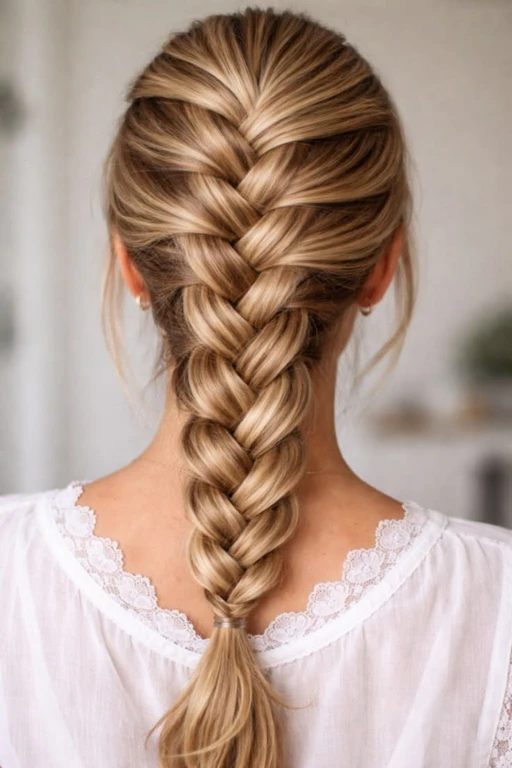
This basic style never loses relevance. It’s simple, quick, and works for nearly any occasion. Beginners often start here before attempting more advanced techniques.
Dutch and French Braids
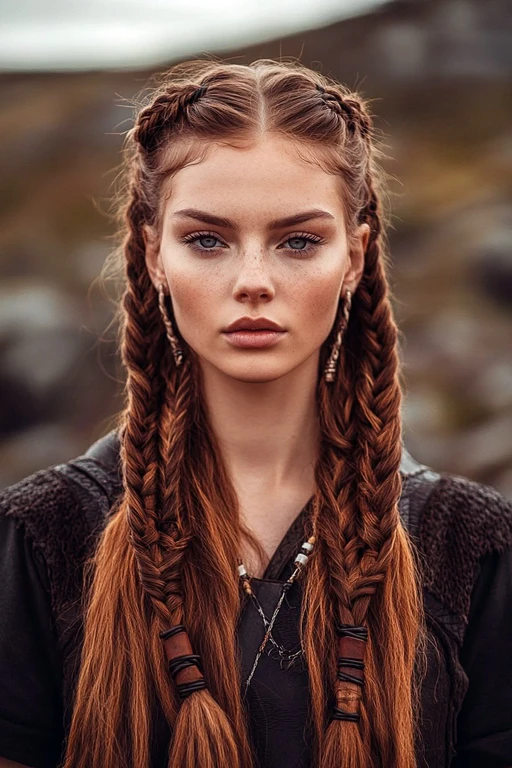
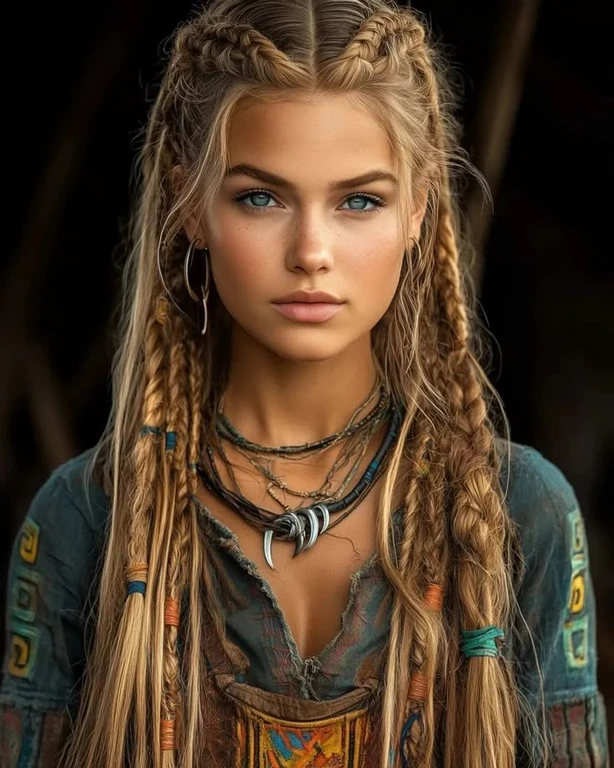
Both styles involve weaving strands under or over one another near the scalp. Dutch braids sit on top, creating a raised, three-dimensional look. French braids, meanwhile, lie flatter against the head.
Fishtail Braids
Fishtail braids use only two sections instead of three. Although the technique looks complicated, it becomes intuitive with practice. This style pairs especially well with medium to long hair.
Box Braids and Cornrows
These protective styles have deep cultural roots and remain widely requested. They also deliver practical benefits, since they require minimal daily maintenance. For a more profound look at the benefits of protective styling, see our guide to low-maintenance hairstyles.
How to Prepare Your Hair Before Braiding
Preparation plays a bigger role in the final result than most people expect. Skipping this step often leads to frizz or premature unraveling.
First, wash your hair and thoroughly detangle it. Knots slow the braiding process and make it more uncomfortable. Next, apply a lightweight leave-in conditioner to add slip and manageability.
Additionally, think about drying or stretching your curly hair beforehand. This step helps stylists produce cleaner, more even sections. According to the American Academy of Dermatology, avoiding excessively tight tension during braiding also protects the scalp from long-term damage.
Caring for Braided Styles Long-Term
Once your braids are complete, proper aftercare can significantly extend their lifespan. Neglecting this step can lead to dryness or scalp inflammation.
Wrap your hair with a silk or satin scarf before bed. This simple habit reduces friction and prevents frizz overnight. Furthermore, lightly moisturize your scalp every few days to keep the skin healthy underneath the hairstyle.
Avoid washing braided styles too frequently, as excess moisture can loosen the pattern. Instead, use a diluted dry shampoo or scalp refresher between washes. If you’re new to protective styling, our beginner’s guide to hair care routines covers additional maintenance tips.
Right Braid for Your Lifestyle
Not every style suits every schedule. Busy mornings might call for something quick, while special occasions allow for more elaborate designs.
If you need a low-effort option, a simple side braid takes only a few minutes to do. In contrast, box braids or cornrows can last for weeks, making them a longer-lasting option. a time. Ultimately, the best choice relies on your hair type, available time, and personal style preferences.
Final Thoughts
Braiding hair is a lasting art form for good reason. It’s adaptable, protective, and endlessly creative across every texture.