Fly Free: Why the Butterfly Cut Is This Year’s Most-Requested Layers
Scroll through any hairstyling feed this year, and you’ll notice a pattern. Soft, face-framing layers keep popping up everywhere. The trend has a name: the butterfly cut. Salons report it as one of their top requests, and stylists agree it isn’t slowing down anytime soon.
So, what makes this style so irresistible? Below, we break down everything you need to know before booking your next appointment.
What Is a Butterfly Cut, Exactly?
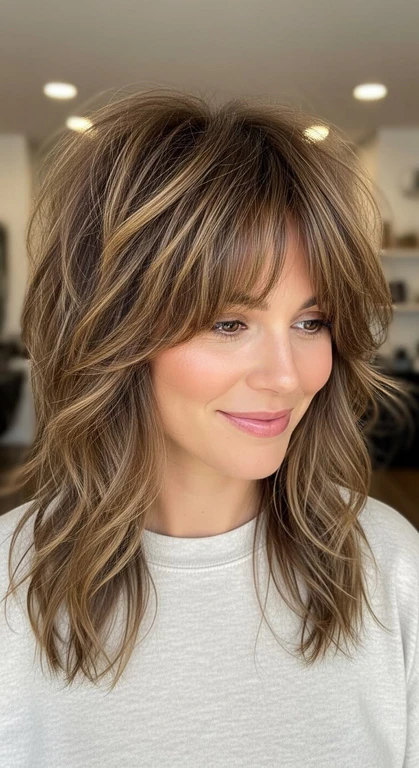
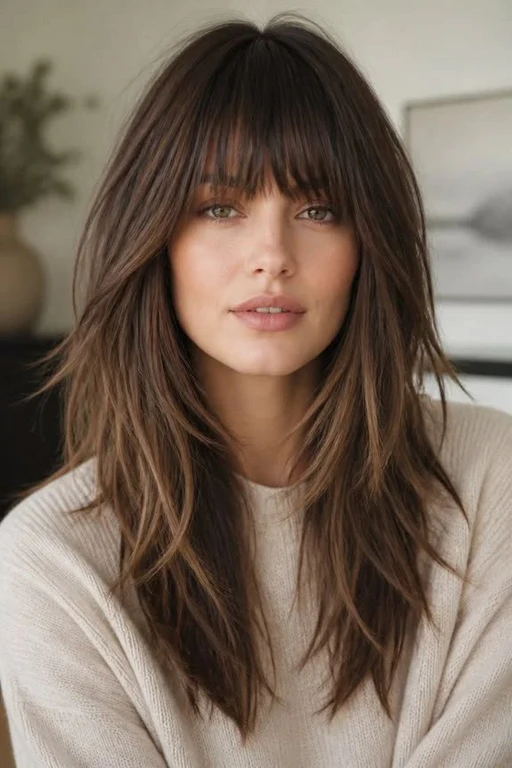
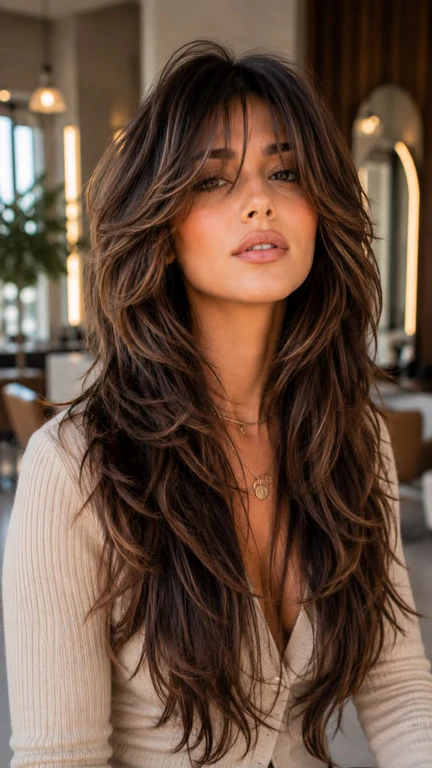
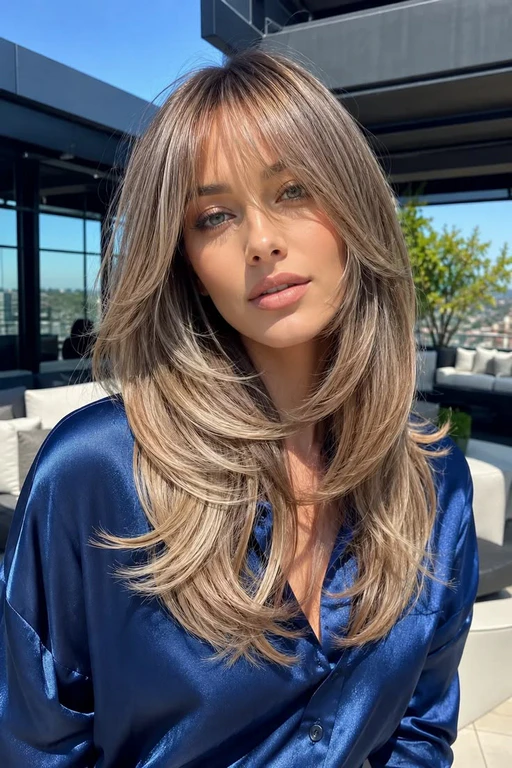
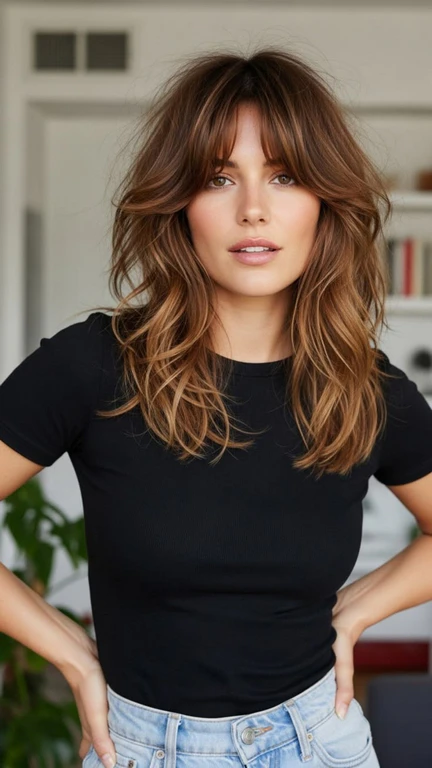
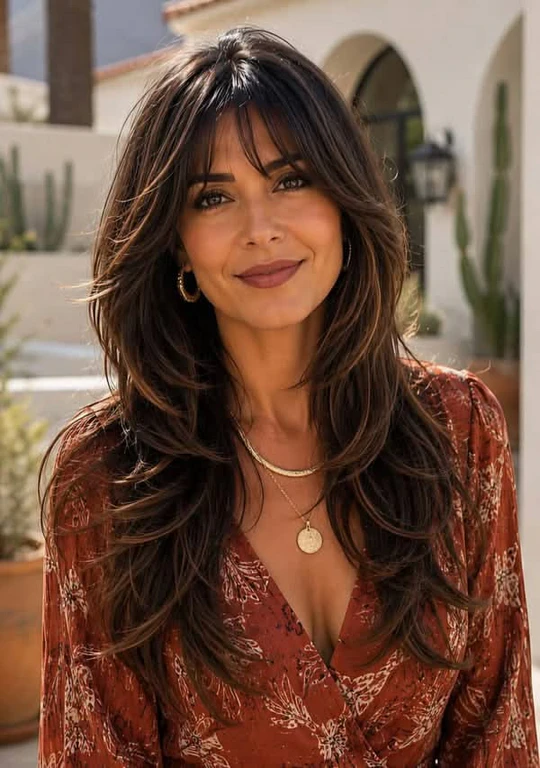
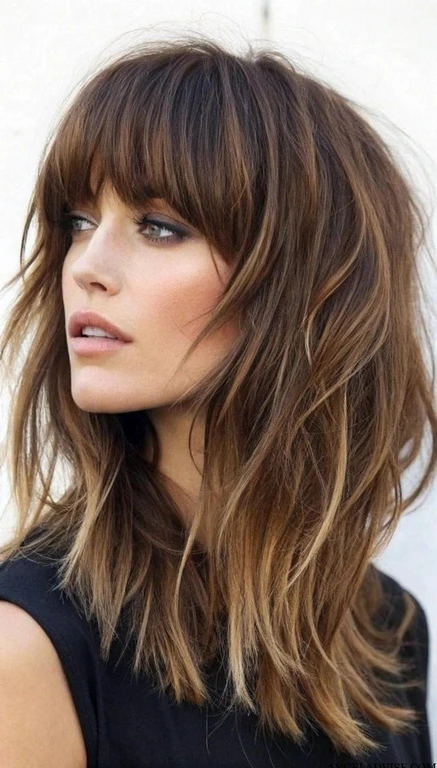
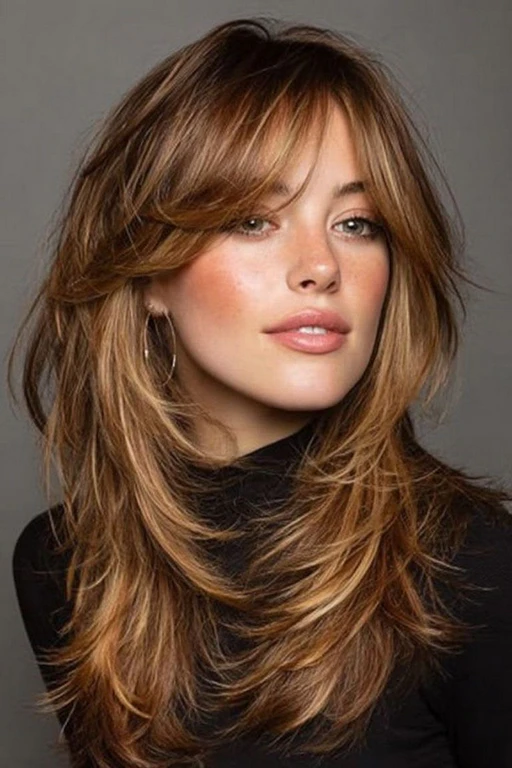
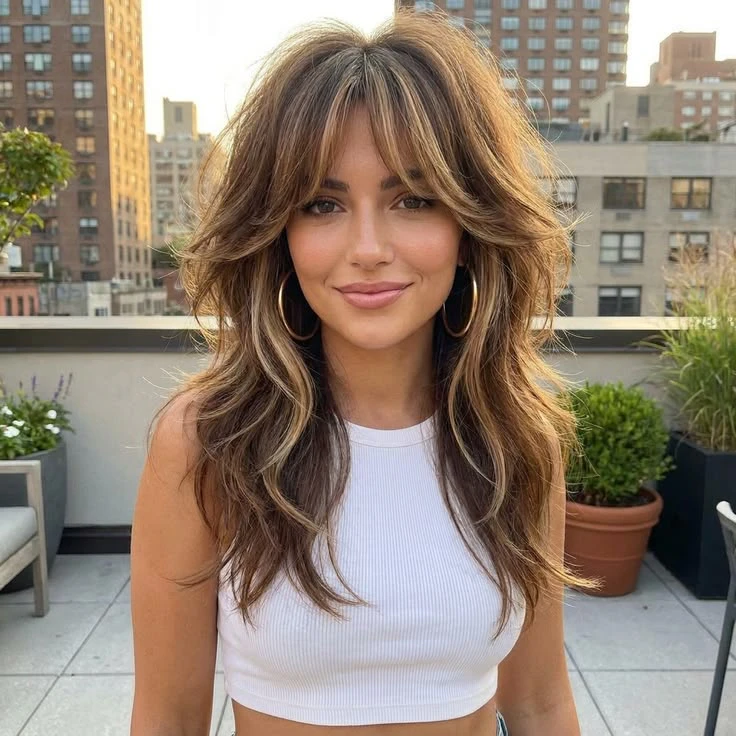
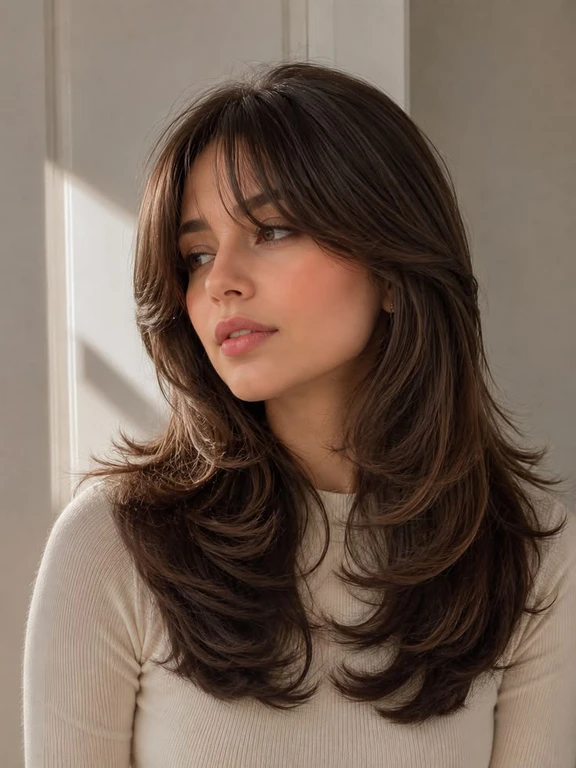
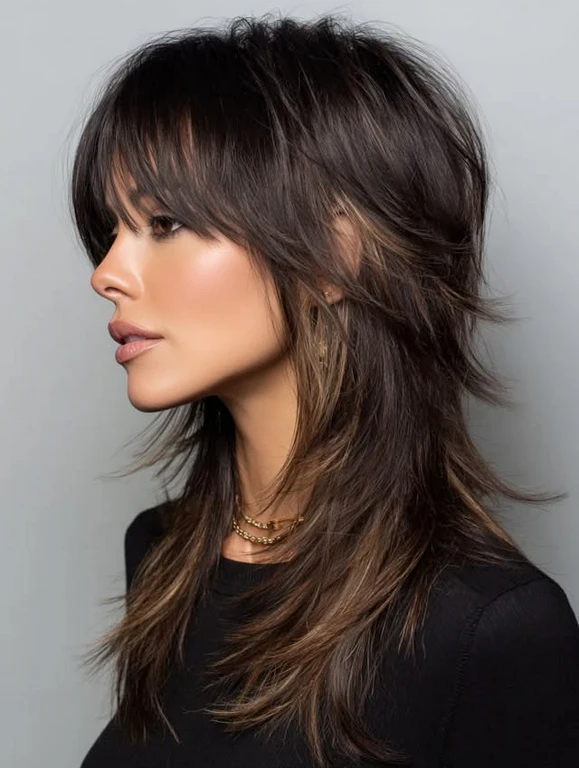
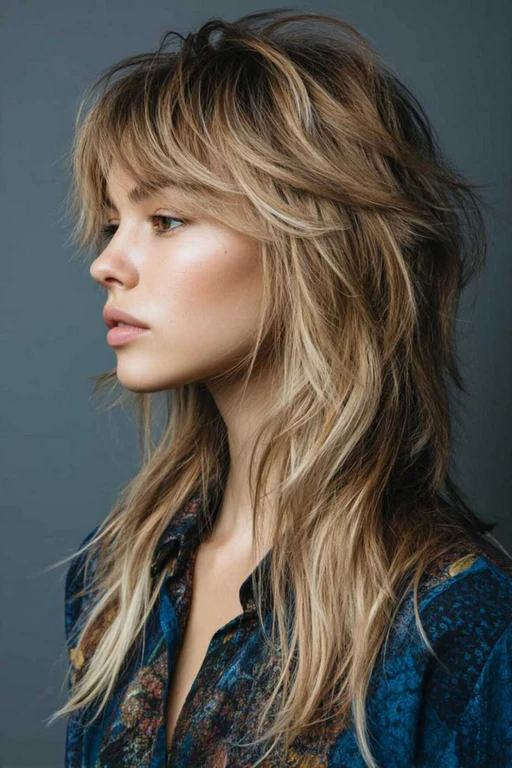
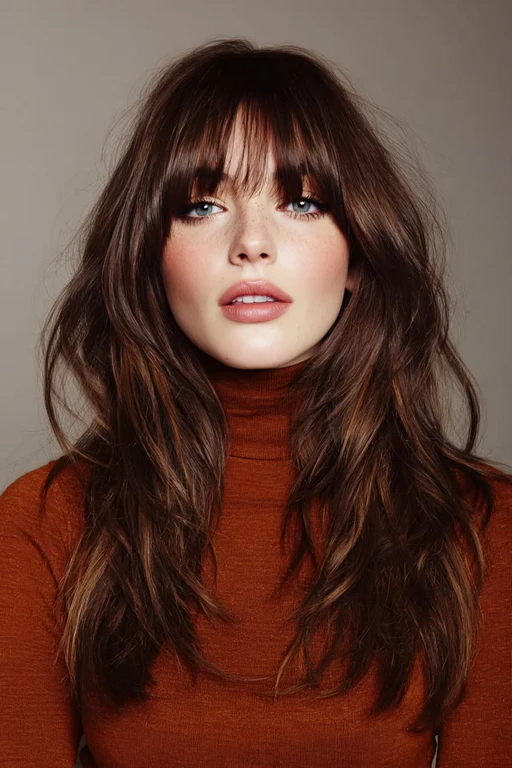
The butterfly cut is a layered haircut built around movement. Unlike blunt layers, this technique creates soft, wing-like pieces around the face. As a result, the hair appears to “flutter” when you move, hence the name.
Typically, the shortest layers sit near the crown. Meanwhile, longer pieces cascade down the sides and back. This contrast gives the style its signature volume and bounce.
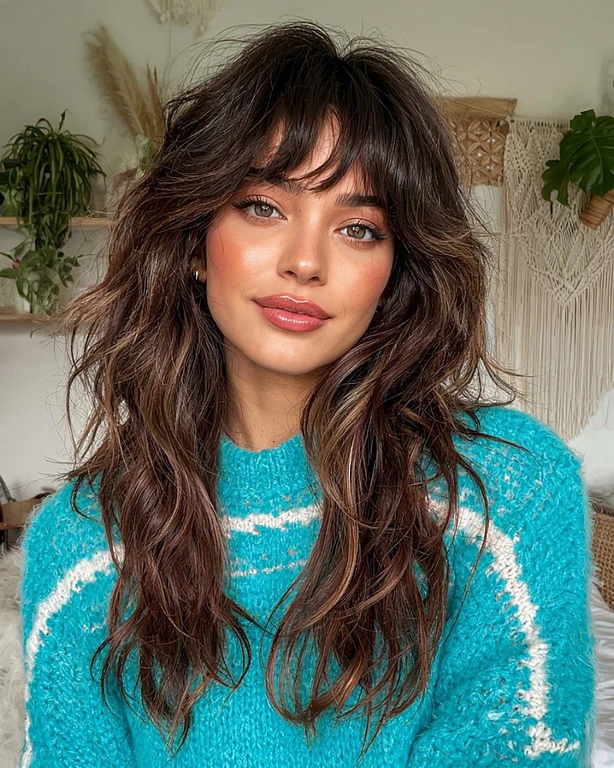
Additionally, the butterfly cut works on straight, wavy, and curly hair alike. That versatility is a big reason it has become such a popular request in salons this year.
Why the Butterfly Cut Is Trending Right Now
Trends often come back, and this one draws inspiration from ’90s and early 2000s shag styles. However, modern versions are softer and more wearable for everyday life.
Celebrities and influencers have likewise played a major role. Many have shown off the cut on social media, causing a wave of client requests. As a result, stylists have had to master the technique quickly to keep up with demand.
There’s also a practical appeal. The layered structure adds instant volume without daily heat styling. For people with fine or flat hair, that’s a genuine game-changer.
Who Suits a Butterfly Cut?
One of the biggest advantages of this style is its flexibility. Still, a few factors affect how it will look on you.
Face Shapes That Work Best
Round faces benefit from the elongating effect of face-framing layers. Square faces benefit from softened edges that balance sharper angles. Oval and heart-shaped faces, meanwhile, can wear almost any variation with ease.
If you have a longer face shape, ask your stylist to keep the shortest layers slightly lower. This small adjustment prevents the format from adding unwanted length.
Hair Textures and Lengths
Medium to long hair shows off the layering best, since there’s more length to create contrast. That said, shorter versions are gaining popularity too.
Curly and wavy hair naturally boosts the “flutter” effect, adding extra texture. Straight hair, on the other hand, tends to look sleeker and more polished. Either way, the cut adapts to your natural texture instead of fighting it.
How to Ask Your Stylist for a Butterfly Cut
Communication matters more than ever with a layered style like this. Before your appointment, gather a few reference photos that match your hair length and texture.
Next, be specific about how much volume you want near your face. Some clients prefer subtle layers, while others want a dramatic, voluminous finish. Either way, your stylist needs that information upfront.
Finally, mention your styling habits. If you rarely use heat tools, ask for layers that hold shape naturally. This ensures the butterfly cut fits your lifestyle, not just the latest trend photo. For more help on picking the right layers for your face shape, check out our complete guide to layered haircuts.
Styling Tips to Maintain the Look
A great cut is only half the equation. Proper styling keeps the layers looking fresh between salon visits.
Daily Styling
Start with a lightweight mousse on damp hair to boost root volume. Then, blow-dry using a curling brush to encourage the layers to curve outward.
If you prefer air-drying, a texturizing spray works wonders. It enhances natural waves without weighing hair down. Either method helps preserve that signature movement.
Product Recommendations
Look for products labeled “volumizing” or “texturizing,” since these support the cut’s structure. Avoid heavy oils near the roots, as they can flatten the layers.
According to Healthline’s guide on hair care basics, regular trims every six to eight weeks also help layered cuts hold their shape. Skipping trims can cause the ends to lose definition over time.
Butterfly Cut vs Other Layered Styles
It’s easy to confuse this trend with other layered looks, but key differences remain. Shag cuts, for example, tend to have choppier, more textured ends throughout. The butterfly cut, however, focuses on smoother, more blended transitions between layers.
Curtain bangs often pair well with this style, but they aren’t required. Many clients choose to skip bangs entirely and still achieve the same flowing effect.
Compared to one-length cuts, this style offers noticeably more movement and dimension. If you’re torn between options, our hairstylist-approved trend roundup breaks down several popular cuts side by side.
Final Thoughts
The butterfly cut has earned its spot as one of the year’s most requested styles for good reason. It flatters multiple face shapes, adapts to different textures, and requires minimal daily effort. Plus, it offers a fresh, modern take on a nostalgic silhouette.
If you’ve been considering a change, this might be the perfect moment to try it. Bring reference photos, communicate clearly with your stylist, and let those layers fly free.