
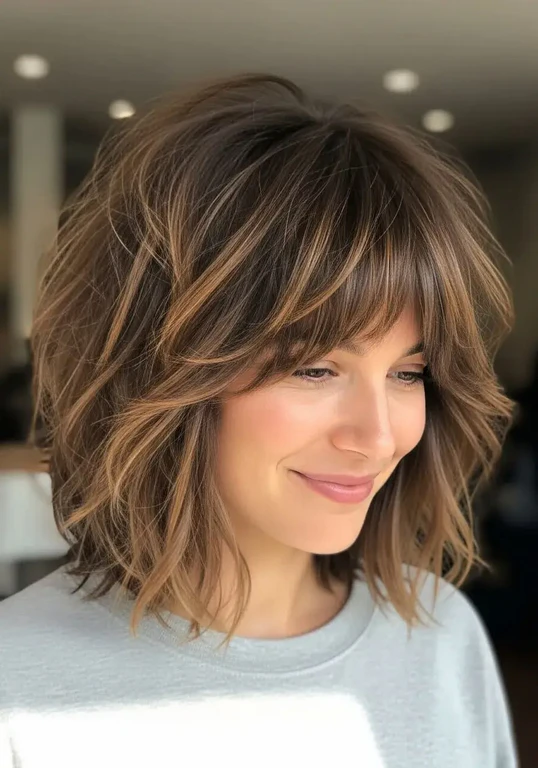
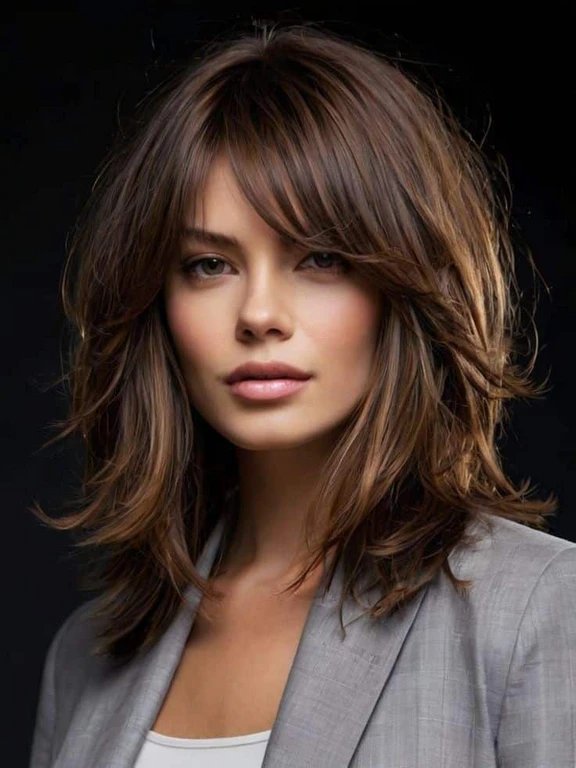
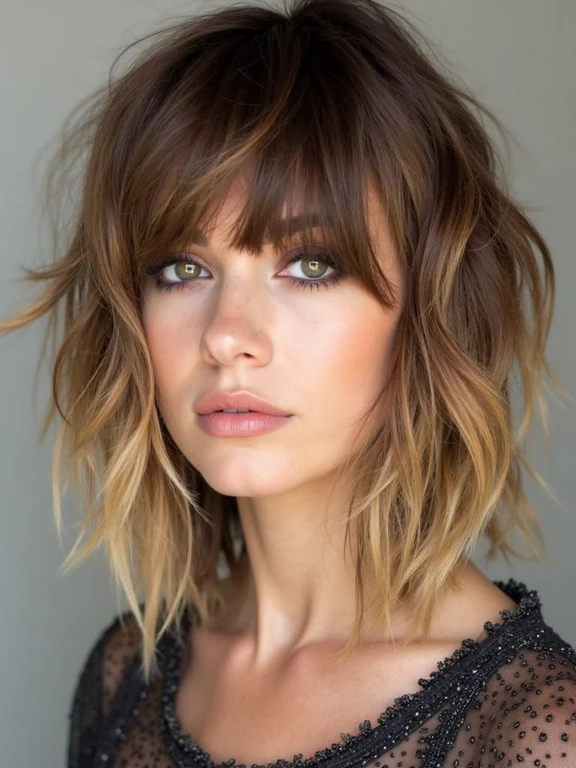
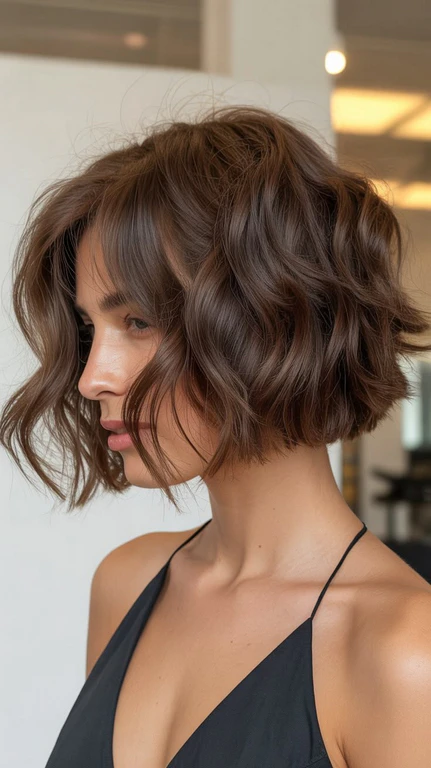


Hair Cutting Styles by Face Shape: Find Your Perfect Match
Choosing a new look can feel overwhelming. So many haircuts exist today, and not every one suits every face. Fortunately, there’s a simple trick: match the cut to your face shape.
In this guide, we’ll break down the best haircutting styles for every face shape. By the end, you’ll know exactly what to ask for at your next salon visit.
Beyond appearance, a well-matched cut also affects styling time. A shape that works with your natural texture usually needs less daily effort. So, choosing the right cut saves time later, too.
Why Face Shape Matters When Choosing a New Cut
First, let’s cover the basics. Your face shape determines which lines, layers, and lengths will flatter your features. For instance, some cuts soften pointed edges. Others add width to a narrow face. Meanwhile, the wrong cut can unintentionally emphasize the very features you’d rather downplay.
Therefore, identifying your face shape is the first real step. Common categories include oval, round, square, heart, and long. Once you know yours, choosing among the many available styles becomes far easier.
Beyond the mirror method, stylists often use additional cues. Cheekbone width, jaw angle, and forehead height are all important. Combined, these details refine a shape that a simple outline might miss.
How to Identify Your Face Shape
Before picking a style, please take a moment to determine your shape. Here’s a quick method.
Pull your hair back from your face.
Look in a mirror, or take a front-facing photo.
Trace the outline of your face on the mirror or photo.
Compare the outline to common shape categories: oval, round, square, heart, or long.
Once you’ve identified your shape, you’re ready to explore the right cut.
Best Cuts for Oval Faces
Oval faces are often considered the most versatile. As a result, nearly any style works well.
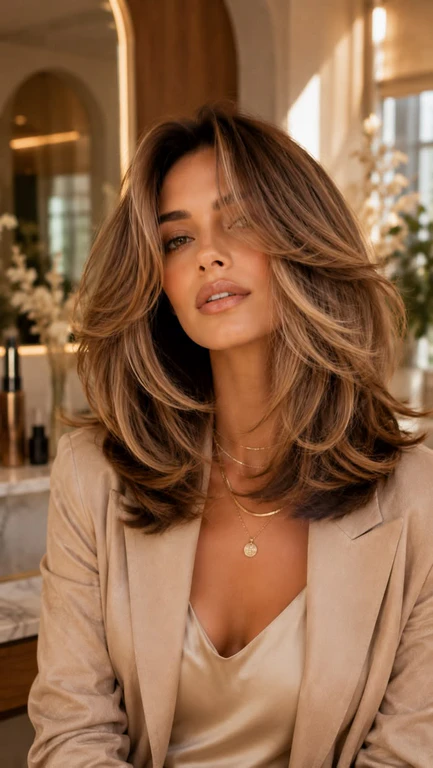
Long Layers
Long layers add movement without smothering balanced features. This look also suits both straight and wavy textures.
Blunt Bob
A blunt bob highlights an oval jawline beautifully. Plus, it’s low-maintenance, which makes it a common favorite among busy clients.
Overall, oval faces rarely need dramatic adjustments. Instead, the focus stays on improving natural balance rather than correcting proportions.
Best Cuts for Round Faces
Round faces benefit from shapes that add length and angles. The goal is to create the illusion of a longer face.
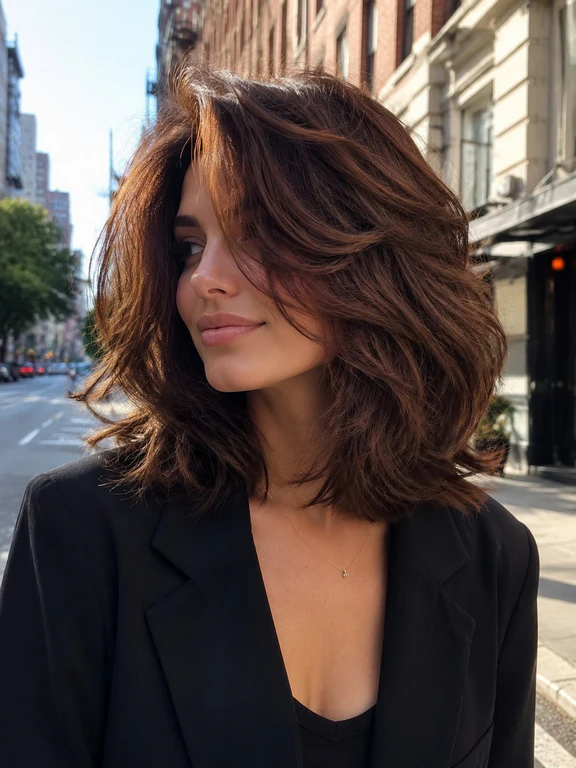
Long Layered Cuts
Long layers, especially ones that start below the chin, elongate the face. Consequently, this technique softens roundness without hiding your features.
Side-Swept Bangs
Side-swept bangs break up the width across the forehead. Meanwhile, they add asymmetry, which draws the eye diagonally rather than straight across.
Avoid blunt, chin-length cuts if roundness is a concern. Instead, ask your stylist for graduated layers that build length gradually downward.
Best Cuts for Square Faces
Square faces have strong, angular jawlines. Therefore, softer shapes tend to work best.
Soft Layers
Soft, rounded layers ease the sharpness of a square jaw. Additionally, waves add extra softness throughout.
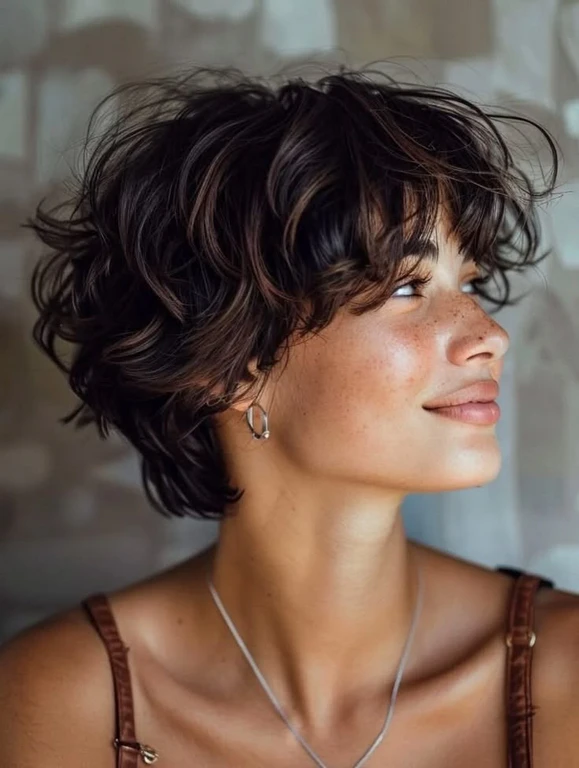
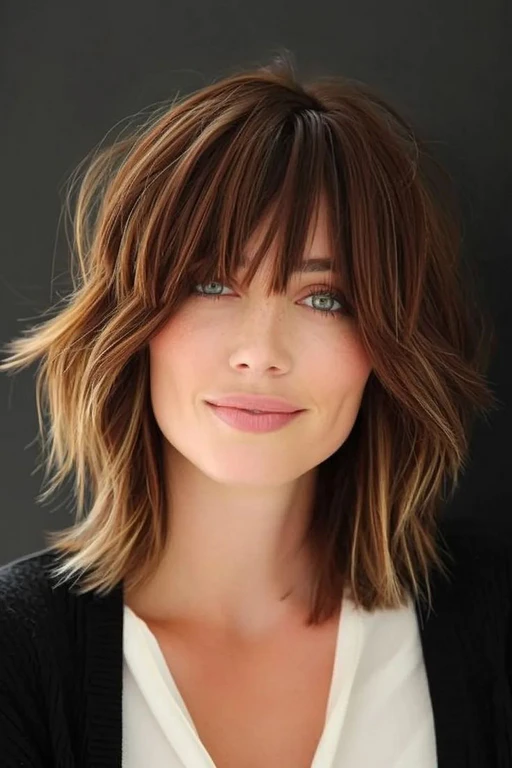
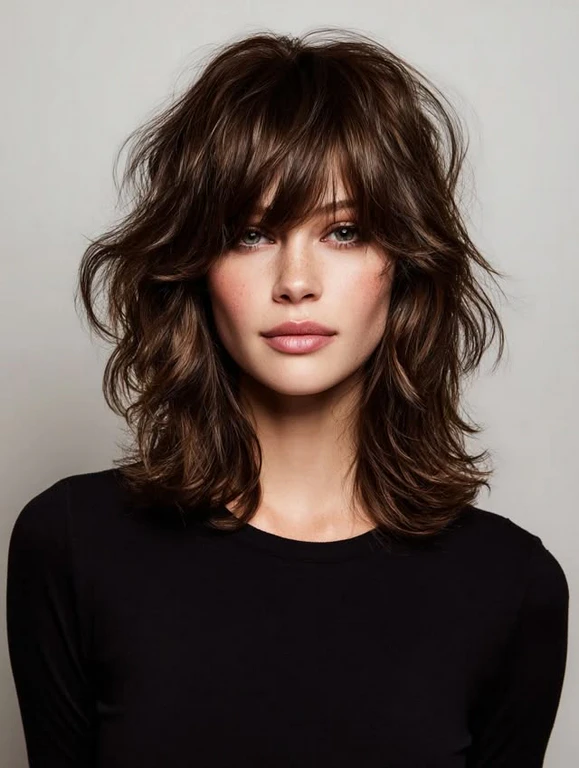
Textured Shag
A textured shag introduces movement and irregularity. As a result, defined edges appear less defined, creating a more balanced overall look.
Curls and waves naturally add the softness square faces benefit from. So, if your hair is already textured, ask your stylist to enhance rather than smooth it out.
Best Cuts for Heart-Shaped Faces
Heart-shaped faces are wider at the forehead and narrower at the chin. So, the goal is to balance proportions.
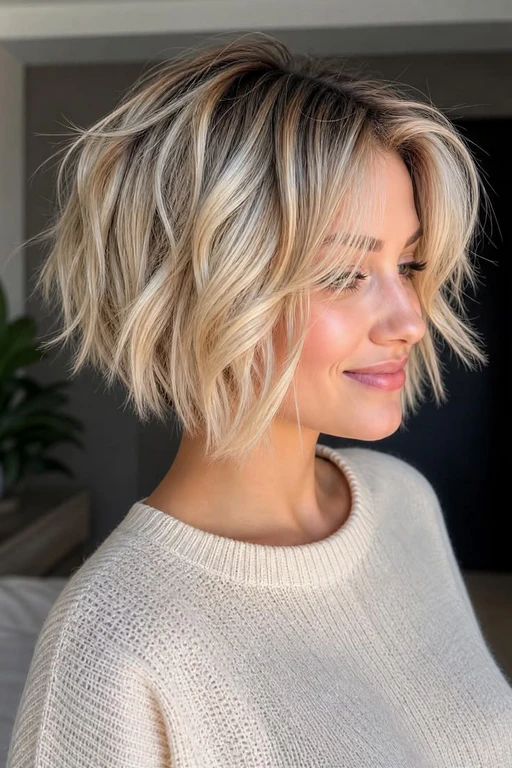
Chin-Length Bob
A chin-length bob adds width near the jaw. This helps balance a wider forehead and creates a more even silhouette.
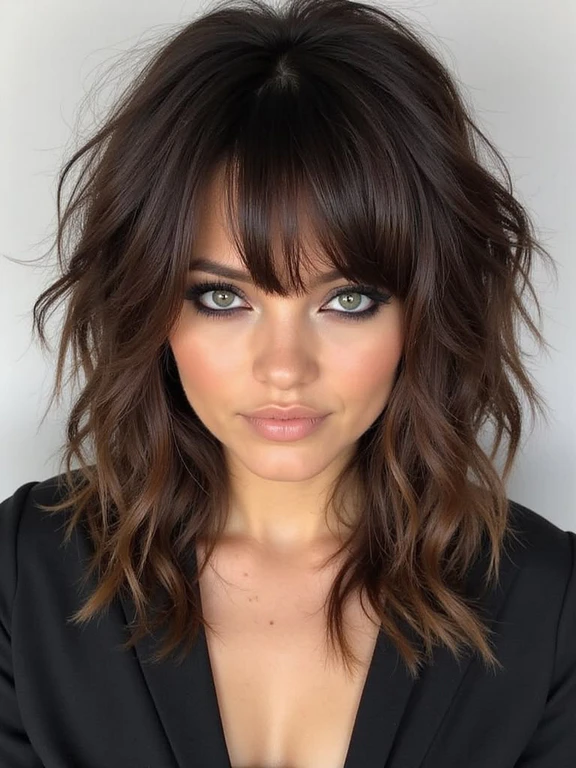
Wispy Bangs
Wispy, textured bangs soften a wide forehead. Furthermore, they draw attention downward, balancing the narrower chin below.
Volume near the jawline works especially well here. Meanwhile, avoid pulling hair back too tightly, since that can expose more forehead width than intended.
Best Cuts for Long Faces
Long faces benefit from width and horizontal lines. Otherwise, length can be exaggerated further.
Blunt Fringe
A blunt, full fringe shortens the face. Additionally, it adds visual weight to the upper third of the face.
Shoulder-Length Waves
Shoulder-length waves add width around the cheeks. Consequently, this hairstyle creates better overall balance across the face.
Long faces also do well with soft curls. Curls add horizontal width naturally, without calling for constant styling effort.
Cuts for Different Hair Textures
Face shape is only part of the equation. Texture matters too. So, here’s how to adjust expectations based on what you’re working with.
Straight Hair
Straight hair holds sharp lines well. As a result, blunt cuts and precise bobs tend to look crisp and intentional.
Wavy Hair
Wavy hair adds natural texture to layered looks. As a result, layers blend more seamlessly than they would on pin-straight strands.
Curly Hair
Curly hair shrinks after cutting, so length can be deceptive. Consequently, many stylists recommend cutting curls dry to see the true, settled shape first.
Frequently Asked Questions
How often should I get a new cut? Most people benefit from a trim every 6-8 weeks, though finer or curlier hair may need less frequent trims.
Can I change my face shape with a haircut? Not literally. However, the right lines and angles may visually balance proportions, creating a more pleasing overall look.
What if my face shape is a combination of two or more types? Many people fall between categories. In that case, borrow elements from both shapes and let your stylist guide final adjustments.
How to Communicate Your Chosen Style to Your Stylist
Once you’ve narrowed down your options, communication matters. Bring reference photos. Explain your hair type honestly, including texture and thickness. Also mention your daily styling routine, since different cuts require different levels of upkeep.
For more guidance, check out our complete guide to salon consultations before your next appointment.
Choosing a Stylist Who Understands Face Shapes
Not every salon visit ends with the results you expected. So, getting the right cut starts with choosing the right stylist.
Ask About Their Consultation Process
A thorough stylist asks questions before picking up scissors. They’ll typically discuss your face shape, hair history, and lifestyle. If a consultation feels rushed, treat it as a warning sign.
See Their Portfolio
Check out a stylist’s past work before booking. Seek out clients who have a similar facial shape to yours. This gives a realistic preview of how a cut would look on your features.
Speak Your Mind, Trust the Process
But once you’re in the chair, the communication continues. If you see something wrong in the middle of a cut call, it’s out early. Small tweaks are so much easier than repairing a finished style.
New Look
Even with the right face shape in mind, mistakes happen. Avoid these pitfalls.
Ignoring hair texture. A style that works on straight hair may behave differently on curls.
Copying celebrity photos exactly. Bone structure varies, so results will too.
Skipping maintenance conversations. Some cuts need frequent trims to hold their shape.
Choosing trends over fit. Not every viral look flatters every face shape.
New Cut
After your appointment, maintenance keeps it looking sharp. Trim it regularly, ideally every 6-8 weeks. Use products suited to your hair type. Furthermore, protect your ends from heat damage whenever possible.
For product recommendations, browse our hair care product reviews to find what fits your new look.
Hair Cutting Styles by Face Shape
Ultimately, the best haircutting styles are the ones customized to your unique features. Oval faces enjoy flexibility. Round faces benefit from length and angles. Square faces soften with layers. Heart-shaped faces balance with width near the jaw. Long faces gain from fringe and horizontal volume.
So, before your next salon visit, identify your face shape first. Then, choose a style that works with your features, not against them. With the right match, any of these options can become your new signature look.