

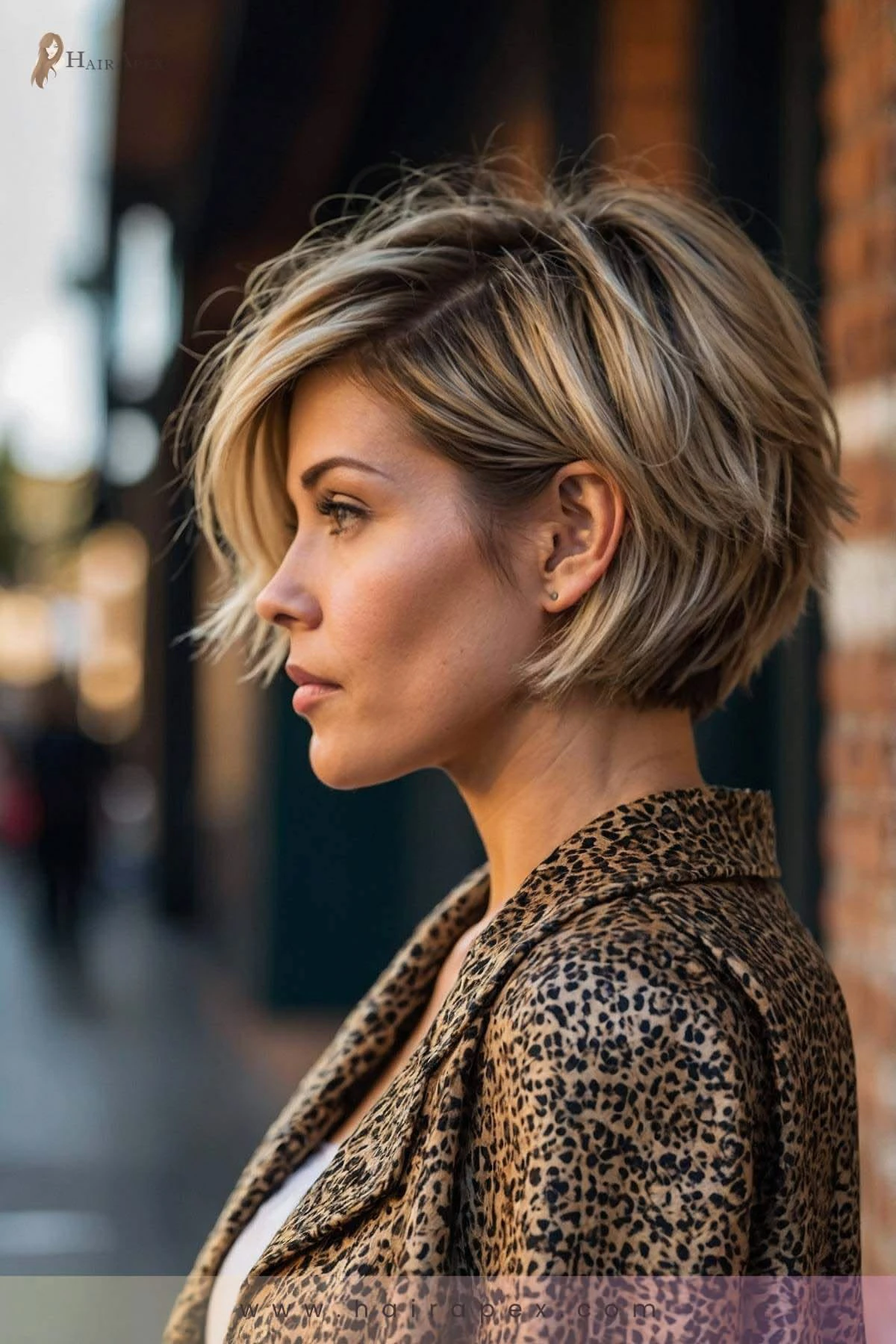
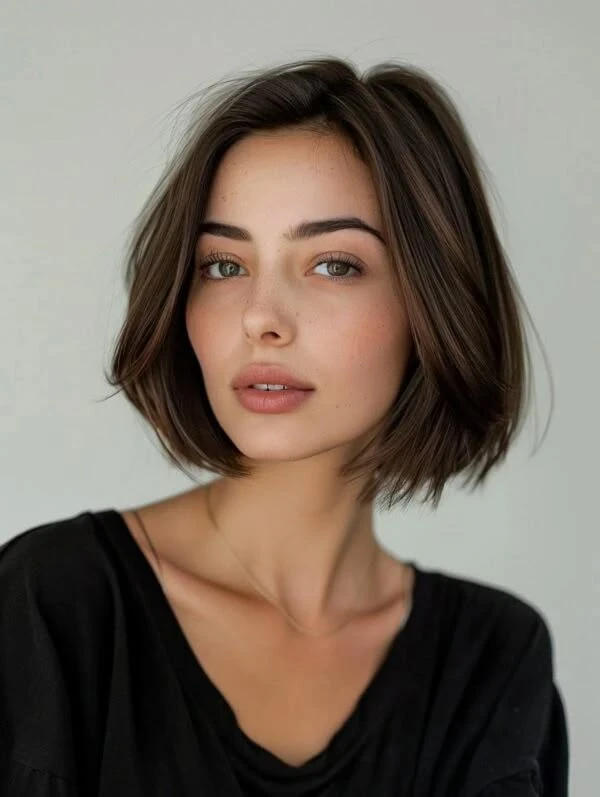
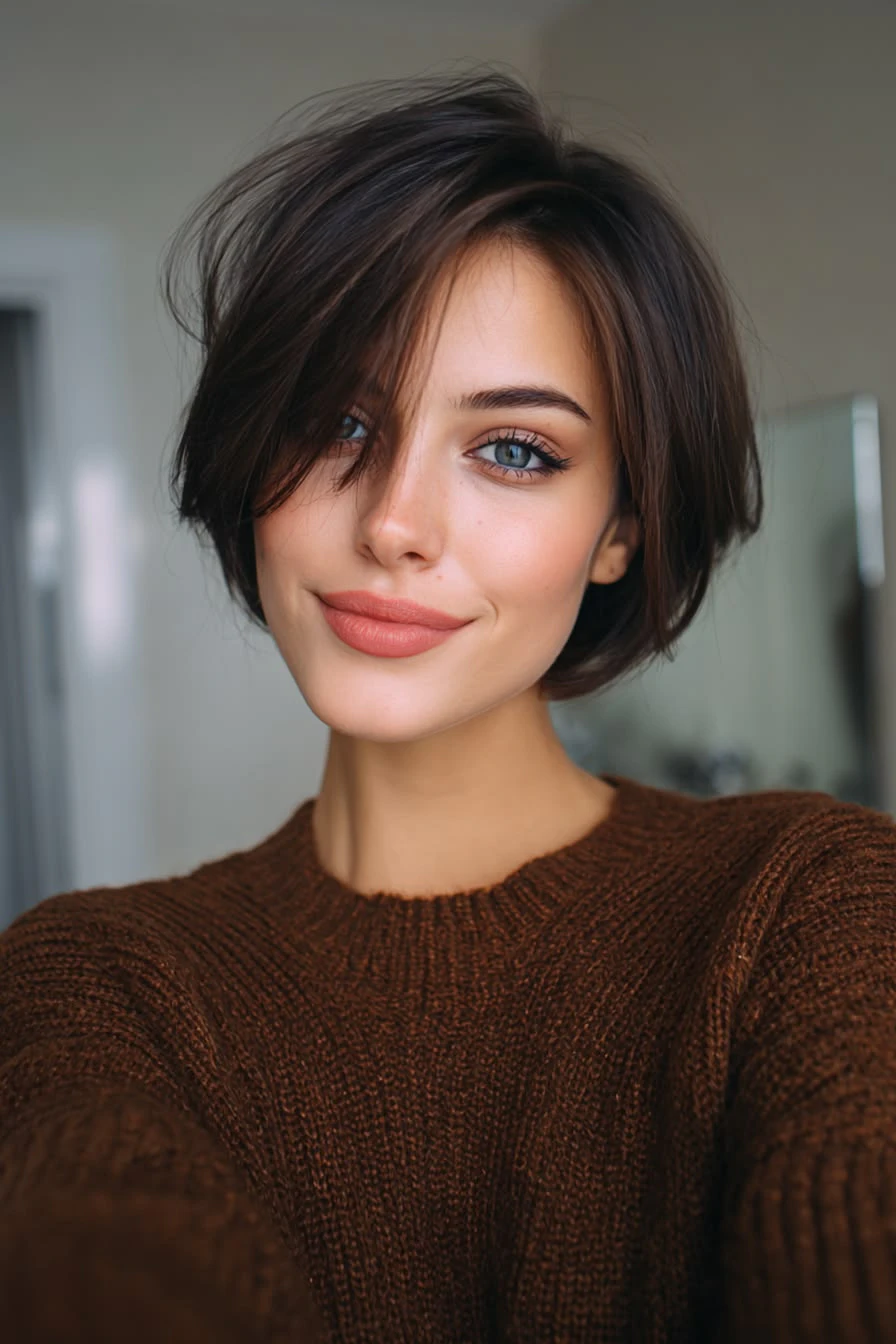
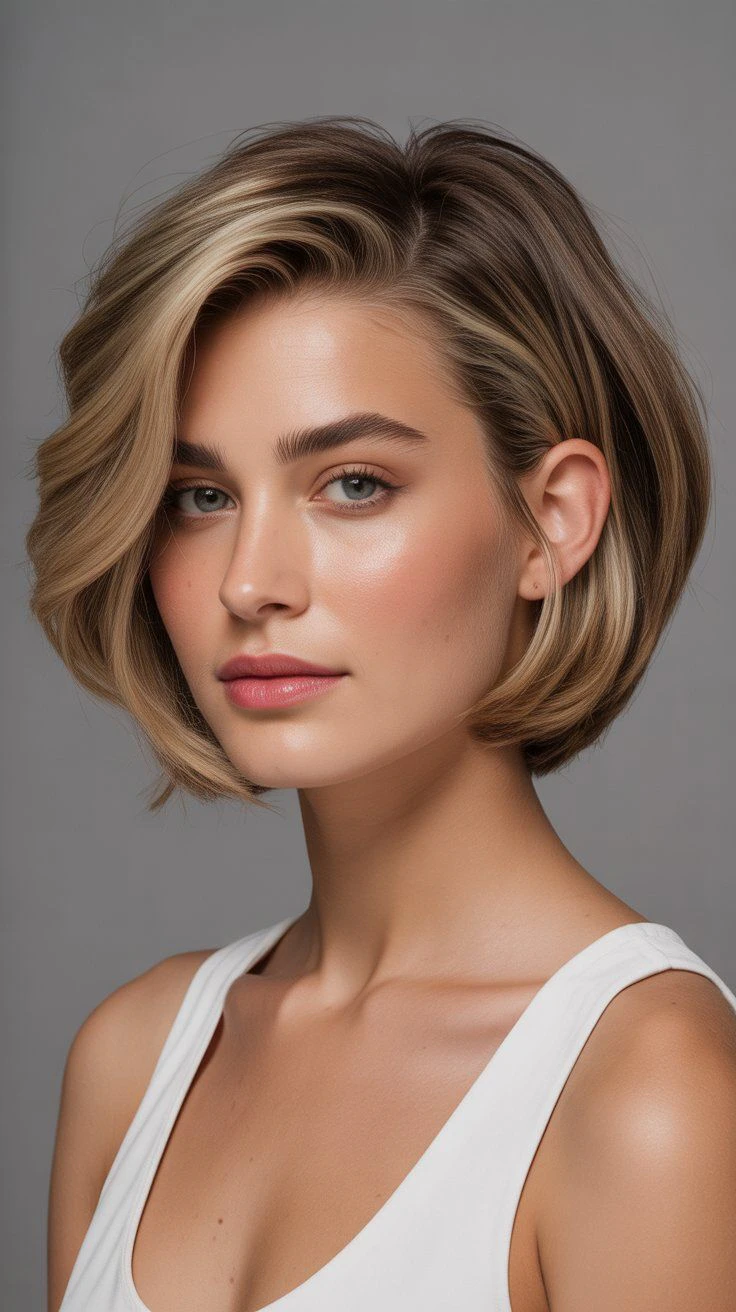
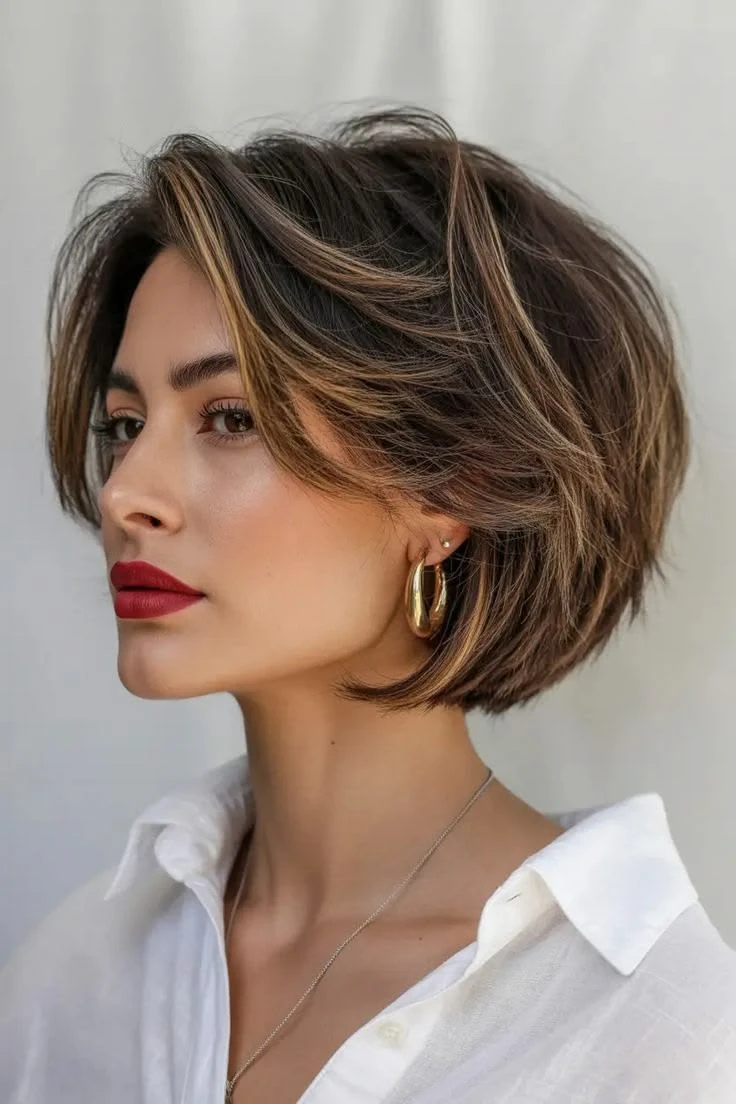
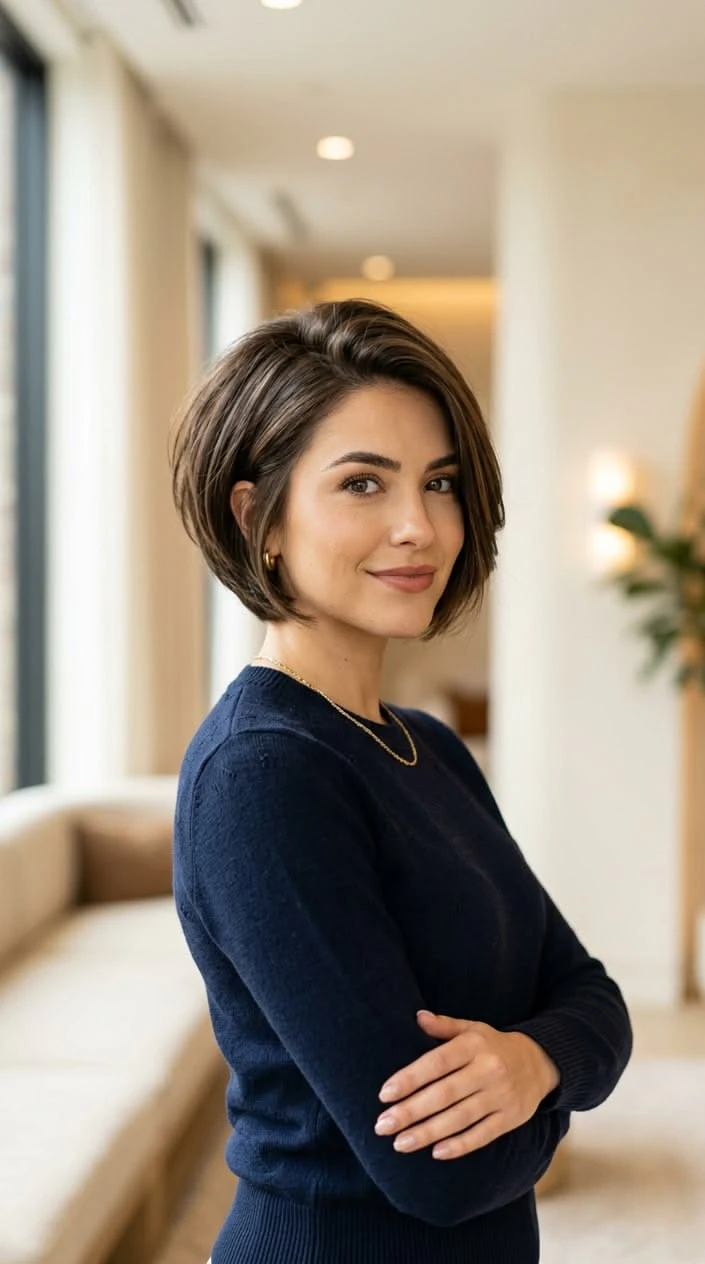
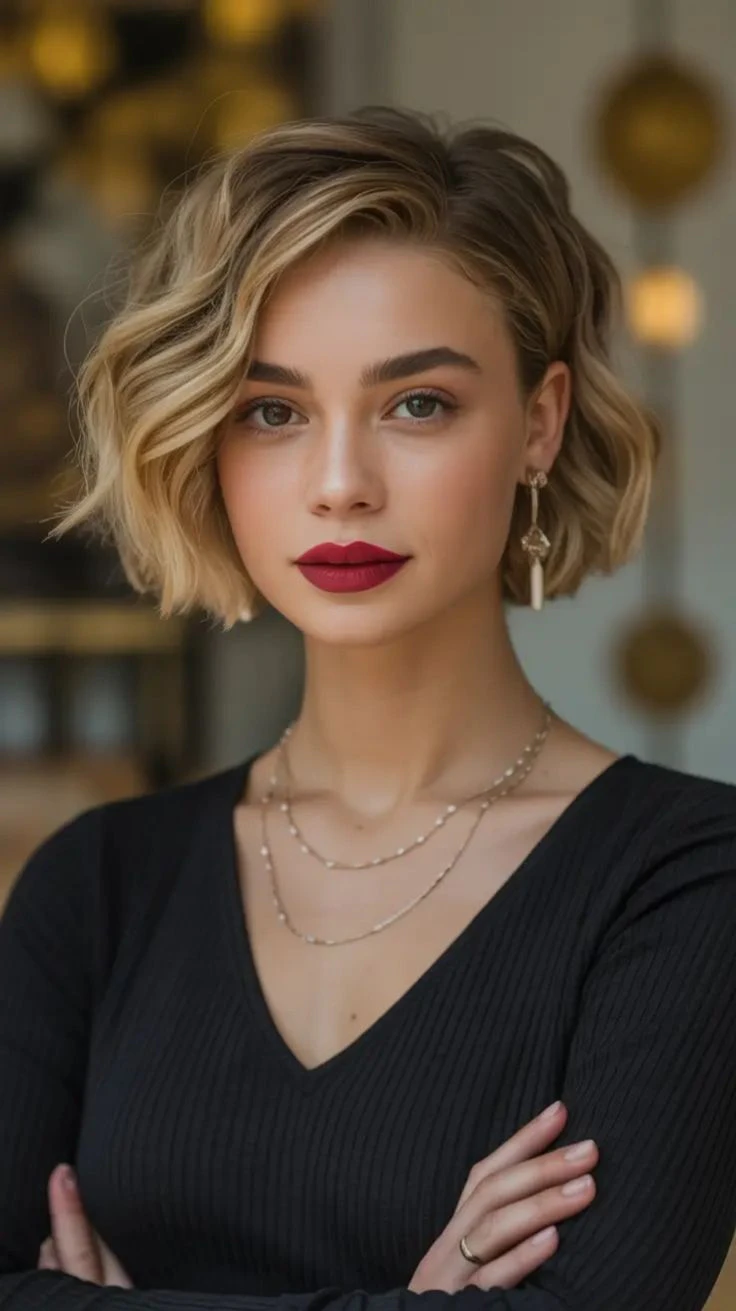
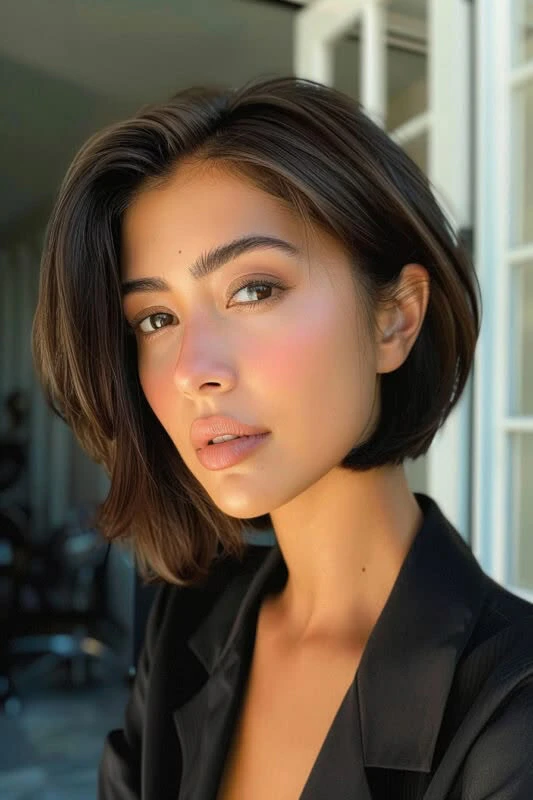
Getting a new haircut can be exciting, especially when you want a new look without sacrificing comfort or practicality. With so many styles out there, the bob is still a favorite because it’s so versatile. There’s a cut for just about everybody, from sharp, chin-length cuts to soft, shoulder-grazing styles.
However, finding the right bob involves more than choosing a beautiful reference photo. Your face shape, natural hair texture, and your preferred styling routine will all impact how a haircut looks and feels.
The good news is that you don’t need to adhere to strict beauty rules. But understanding how different lengths, layers, and shapes play with your features can help you make a more confident decision.
The bob cut that will suit your face shape best should complement your natural features and also reflect your personality. Whether you love a sleek finish or relaxed waves, the right mix can make everyday styling easier.
This complete guide covers flattering bob hairstyles for every face shape. It also explains how to select the ideal length, how to work with your hair texture, and how to maintain a beautiful haircut between salon visits.
How to Determine Your Face Shape Before Selecting a Bob
If you are trying shorter hairstyles, knowing your facial proportions will help. Although every face is unique, several general categories can help you recognize which haircut details might create your preferred appearance.
First, look at your forehead, cheekbones, jawline, and face length. Notice which areas appear widest and whether your jaw has soft curves or defined angles.
The oval face is longer than it is wide, but with soft balance in the features. A round face usually has full cheeks and a softly rounded jaw.
A square face has a forehead and lower face of about the same width, with a more prominent jaw. Heart-shaped faces have a wider upper section that narrows down to the chin.
Long faces have a more vertical proportion, but jawlines and cheekbones can vary quite a bit.
These descriptions are simply guidelines. Many people have characteristics from multiple categories. Therefore, personal preference should always influence the final decision.
Best Bob Hairstyles for Oval Faces
Oval faces offer considerable flexibility because their proportions work well with many haircut shapes. Consequently, you can experiment with different lengths, fringe styles, and finishes without needing to create a particular visual balance.
Chin-Length Bob: A classic chin-length bob will look elegant on an oval face. The clean outline makes the jawline pop but keeps the whole look in check.
For a more polished finish, wear the hair sleek with a center part. Alternatively, soft waves can bring movement and a more casual feel.
This haircut works especially well with soft, face-framing pieces, too. They soften without radically changing the original shape.
Blunt Bob With a Defined Edge
A blunt bob is strong around the perimeter and has very few visible layers. Therefore, it can give fine hair volume by creating the illusion of thicker ends.
This particular silhouette usually looks particularly appealing with straight and slightly wavy textures.
However, thick hair may benefit from discreet internal weight removal. This allows the haircut to retain its clean outline without becoming excessively heavy.
Best Bob Haircuts For Round Faces
Round faces are usually curved and soft with similar width and length measurements. If you prefer a more elongated appearance, certain bob variations can create that visual effect.
Long Bob With Subtle Layers
A long bob, commonly called a lob, is an excellent option for adding the impression of length.
Ideally the front sections should be able to fall below the chin, drawing the eye downward. The soft layers also help keep the haircut from looking too heavy around the cheeks.
Length between the collarbone and shoulders offers more flexibility. You can wear it straight, create loose waves, or pull back the front sections.
Side-Parted Asymmetrical Bob
An asymmetrical bob introduces a slight difference between the front and back lengths or between the two sides.
The less symmetrical shape creates an engaging visual counterpoint to the roundedness of facial features.
A deep side part creates a similar effect without a drastic haircut. Meanwhile, longer face-framing strands provide movement around the cheeks.
Need more inspiration? See our short hairstyle ideas to learn how to adapt each silhouette to your natural texture.
Best Bob Haircut for Square Face
Square faces usually have strong angles and a strong jaw. While structured haircuts can emphasize these features beautifully, softer shapes offer an alternative when you want a more relaxed appearance.
Layered Bob
A layered bob creates movement around the jaw and prevents the ends from forming an overly rigid horizontal line.
For a softer look, opt for a length that hits just below the jawline. Soft layers can then blend into the perimeter, creating a natural flow.
Furthermore, a slightly off-center part can add asymmetry without making the cut difficult to maintain.
Textured Bob With Loose Waves
Loose waves work particularly well when you want to contrast defined facial angles with softer movement.
You don’t want every wave to look exactly the same; the texture should look irregular and natural. This produces a modern finish that feels effortless.
A light styling cream can help separate the individual sections. But if you have fine hair, too much product can really kill the movement.
If you’re into understated styles, this variation is a lovely mix of structure and softness.
Best Bob Haircuts for Heart-Shaped Faces
A heart-shaped face is usually wider at the forehead and more narrow at the chin. Therefore, hairstyles that introduce movement around the jaw can create a pleasing sense of balance.
Chin-Length Bob With Soft Ends
The chin-length bob highlights the lower part of the face. Worn with gentle bends, it can also create the illusion of more volume around the jawline.
A softly graduated outline is another option. It allows the front sections to frame the chin while maintaining shape at the back.
Bob With Curtain Bangs
Curtain bangs are especially appealing when you want to frame the forehead without committing to a heavy fringe.
These bangs usually separate near the center and gradually become longer toward the temples. This makes them blend perfectly with the surrounding haircut.
They also give you styling flexibility. You can wear them softly over your forehead, or you can sweep them away from your face.
But fringe length should take your hair’s growth pattern into account. Cowlicks and natural waves can impact the way your bangs fall throughout the day.
Best Bob Hairstyles for Long Faces
Long faces often benefit from hairstyles that emphasize horizontal movement rather than additional vertical height.
Nevertheless, the goal is not to hide facial length. The right haircut can instead accentuate the cheekbones and produce a pleasing overall silhouette.
Wavy Bob With Side Volume
A wavy bob adds fullness around the sides of the face. As a result, it can create the impression of greater width.
Chin-length and medium-length versions are both worth considering, depending on your hair density.
For added dimension, ask for gentle layers that encourage movement around the cheekbones. If you’re naturally fine-haired, don’t remove too much weight.
French Bob with Soft Bangs
The French bob is often shorter (usually ending around the jaw) and can include a fringe.
Its compact shape highlights the eyes and cheekbones. Meanwhile, a soft fringe can visually shorten the forehead area.
This style can look particularly attractive with natural waves or a slightly undone finish.
How to Choose the Right Bob Length
Length plays an important role in how a bob frames the face. Even a small adjustment can noticeably change the finished appearance.
Jaw-Length Short Bob
A short bob creates a distinctive silhouette and highlights the neck, cheekbones, and jawline.
It is especially well-suited for people who like a definite haircut. But the smaller perimeter often requires more maintenance.
Chin-Length Bob
A chin-length bob is the classic combination of structure and softness.
Depending on the styling, it can look polished, playful, or understated. Moreover, it works with many different fringe options.
Shoulder-Length Bob
A shoulder-length bob is an excellent transition for anyone moving away from longer hair.
It holds on to more length so you have more styling options. You can wear it wavy, tuck the hair behind your ears, or pin sections back with clips.
It may also be more manageable if you prefer fewer salon trips.
Matching Your Bob With Your Natural Hair Texture
The most flattering shape is the one that will work with the natural behavior of your hair. Texture affects volume, movement, and the amount of styling required.
Bob Hairstyles for Straight Hair
Straight hair highlights precise outlines and smooth finishes.
Therefore, blunt bobs, angled cuts, and clean chin-length shapes are particularly effective.
Fine straight hair benefits from a solid perimeter, while dense straight hair may need some internal shaping for better movement.
Bob Hairstyles for Wavy Hair
Naturally wavy hair brings softness and dimension to a bob.
A lightly layered cut can encourage the wave pattern without creating unnecessary bulk. Plus, air-drying with a light styling product can cut down on the need for daily heat styling.
Bob Haircuts for Curly Hair
Curly hair needs special care because curls shrink when they dry.
This means that a bob cut to shoulder length when wet will probably sit much higher when dry.
A stylist who understands curly textures can account for shrinkage, curl density, and individual growth patterns.
Strategic layering also helps to distribute volume more evenly while maintaining the natural curl shape.
Bob Haircuts for Thick and Thin Hair
The density of the hair will influence the shape of a bob.
Thick hair works well with internal layers cut in strategic places to remove unwanted weight. But over-thinning can result in unwanted frizz or uneven ends.
Fine hair usually suits stronger outlines and limited layering. This helps preserve the appearance of fullness.
Ultimately, the ideal bob cut that best suits your face shape should also respect your hair density and natural movement.
How Bangs Can Transform Your Bob
Bangs can change the personality of a bob without requiring an entirely different haircut.
Curtain bangs create a soft frame around the eyes and cheekbones. Meanwhile, side-swept bangs add softness and asymmetry.
A full fringe makes a more daring statement and can visually lessen the look of a high forehead.
Or opt for some wispy bangs for a lighter look. They’re especially flattering if you want a subtle framing without covering a lot of your forehead.
Pick a fringe that works with your natural hairline and your routine. Bangs often require more frequent trimming than the rest of a bob.
Simple Styling Techniques for Everyday Wear
A beautiful bob should be practical enough to suit your lifestyle. Fortunately, small styling adjustments can produce noticeably different results.
If you want a sleek look, apply heat protectant before blow-drying. Direct the airflow downward and use a brush that suits your hair length.
For a softer finish, work a small amount of mousse through damp hair. Then bend the ends slightly to promote natural movement.
If you’re after defined waves, curl selected sections with a curling tool instead of curling every strand.
Changing your part can change the overall silhouette, too. A center part creates a balanced look, while a side part adds volume and movement.
You can also add a little variety with hair accessories. With minimal clips, decorative pins, and simple headbands, you can change up your hairstyle without the extra heat.
How to Keep Your Bob Healthy and Pretty
Regular maintenance keeps a bob in shape and the ends looking fresh.
Short, structured bobs might need a trim every four to six weeks or so. Meanwhile, longer or more textured versions can sometimes go six to ten weeks between appointments, depending on growth and the desired outline.
Gentle washing and conditioning are equally important. Choose products according to your scalp condition and hair texture rather than the haircut alone.
If you use heated tools often, use a good heat protectant and don’t overuse heat.
Furthermore, avoid overloading short hair with heavy oils or creams. Lightweight formulas can help to keep movement in fine strands.
How to Use Hair Color to Enhance a Bob Haircut
The hair color can affect the look of the layers, movement, and the outline of the haircut.
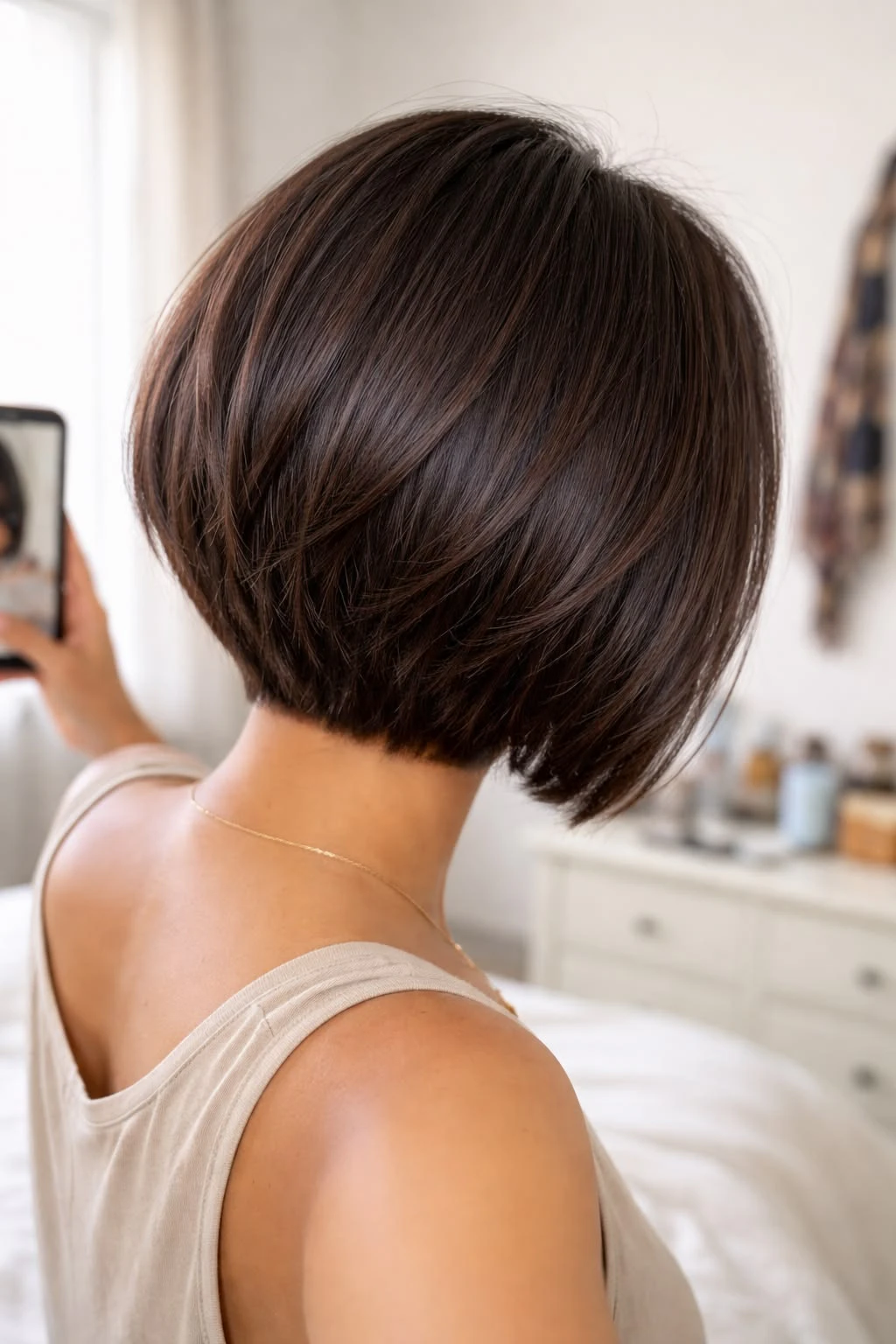
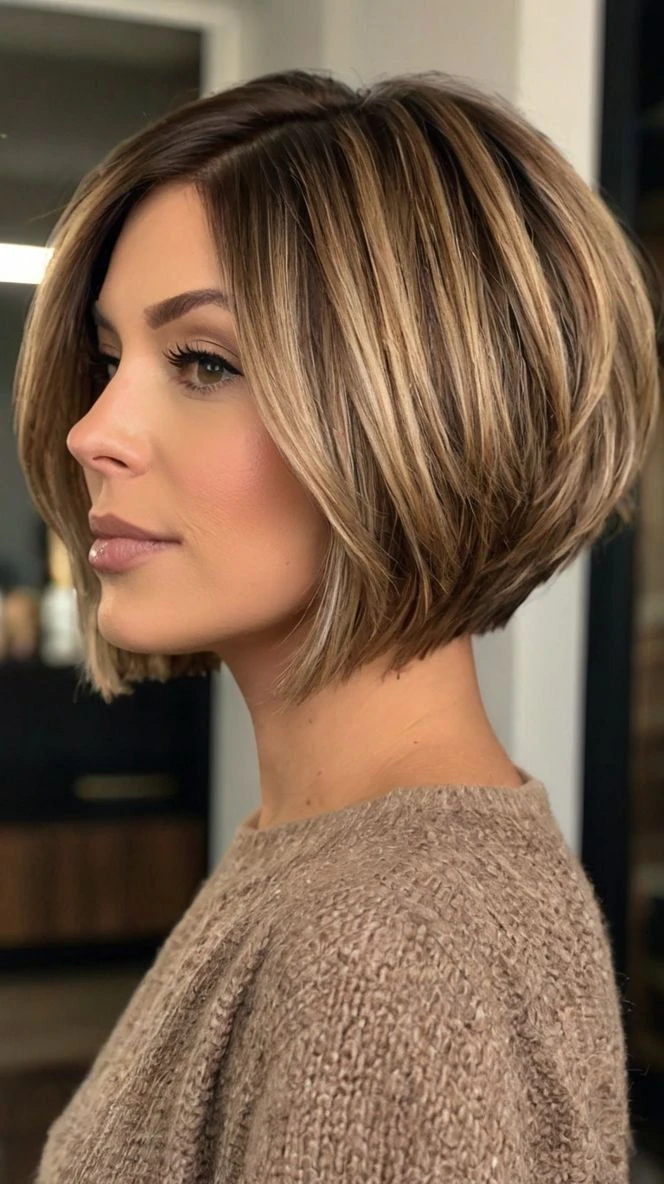
A deep, single-tone brunette looks refined, especially with a blunt bob. Conversely, subtle highlights can show texture and movement in layered styles.
Face-frame highlights accentuate the eyes and cheekbones. Or if you prefer a more subtle look, you could go for a blended balayage that doesn’t have a stark contrast between the roots and ends.
Select tones that complement your skin tone and your maintenance wishes for a modern yet natural appearance.
How to Choose the Right Bob for Your Lifestyle
Your daily routine matters as much as your facial features.
If you like to style your hair quickly in the morning, a longer textured bob might give you more flexibility than a sharply structured short cut.
Similarly, people who frequently exercise may appreciate enough length to secure the front sections away from the face.
Consider your willingness to use styling tools, maintain bangs, and schedule regular trims.
Come to your appointment with a few reference photos, preferably with the haircut from different angles. Then, discuss which details you like and how they might work with your natural texture.
Remember that reference photographs often show professionally styled hair. Your everyday result may differ, especially when you allow your natural texture to develop.
A bob that fits your lifestyle is often more enjoyable than a haircut that requires an impractical routine.
The best bob cut for your face shape is whatever bob cut you feel comfortable and confident in.
Classic, structured shapes work well for oval faces. Round faces can go for longer cuts with soft angles. Square faces benefit from textured layers, and heart-shaped faces often look especially flattering with movement to the chin.
Meanwhile, side volume, soft fringes, and compact silhouettes can balance long faces.
But facial proportions are not the only consideration in the decision. Texture, density, care requirements, and personal preference are just as important.
Your bob doesn’t have to be the trendiest version to be the most successful. The best one is the one that looks good in everyday life, feels natural to wear, and reflects your style.
A timeless bob can be made to feel like your own with a little bit of thought to length, layering, and styling.