

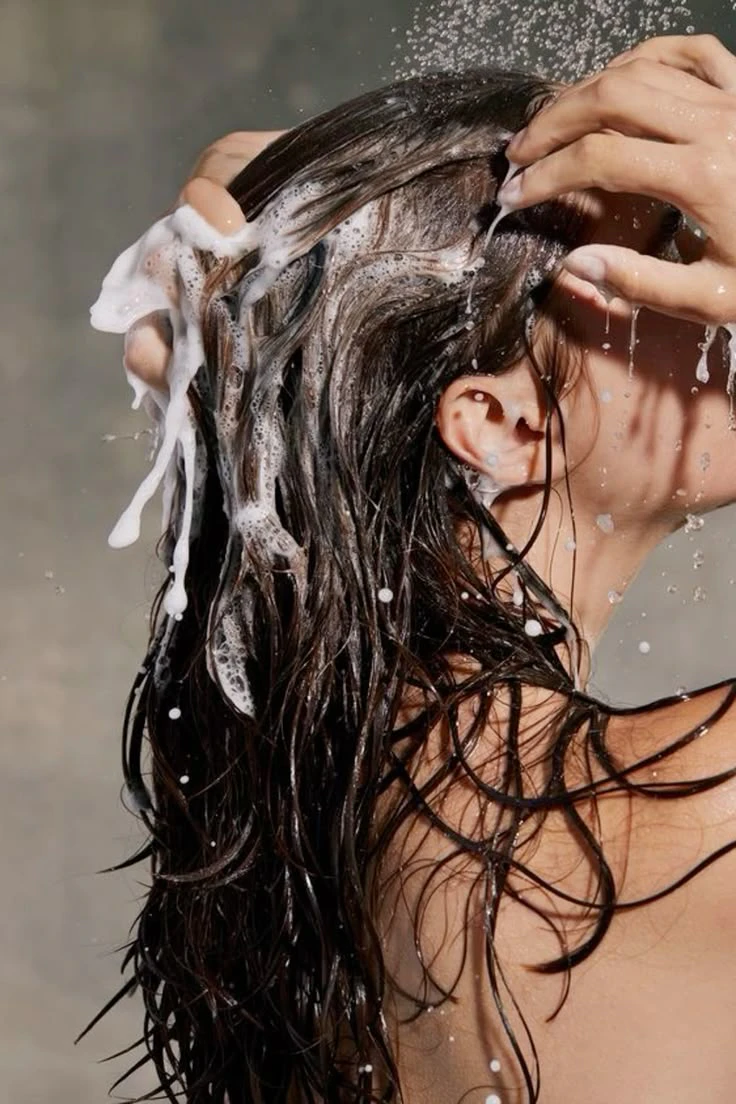




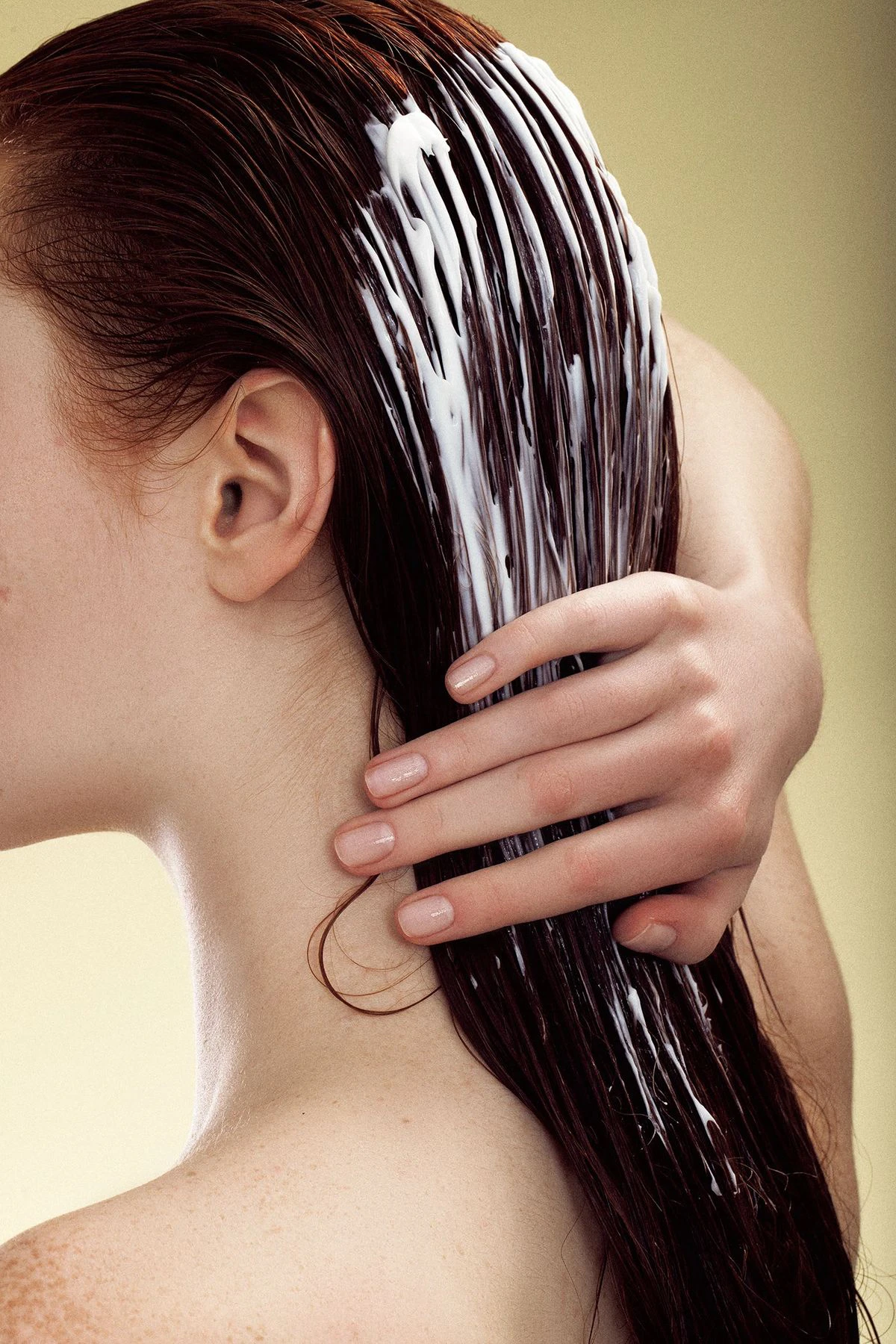
Keeping your hair clean is a key part of a healthy beauty routine. But surprisingly, it can be confusing to know how often you should wash your hair. Some people shampoo every morning; some wait several days between shampooings. Both of these can work, depending on what you need.
Your scalp makes natural oils that help protect your skin and condition your strands. Too much oil can leave your roots greasy, but washing too much can lead to dryness, especially if your hair is naturally curly or chemically treated.
So how often should you wash your hair? That all depends on your scalp health, hair texture, daily activities, and styling habits.
Instead of sticking to a rigid schedule, learn how your hair responds to cleansing. The right balance keeps to maintain comfort in your roots, manageability in your lengths, and a fresh appearance.
In this guide, we’ll look at the things that can influence how often you should wash your hair, the distinctions between different hair types, and some useful ways to establish a routine that works for you and your life.
Why Your Hair-Washing Routine Is Important
Healthy hair starts with a healthy scalp. Shampooing is easy, but how you do it affects your hair’s oiliness, moisture, and manageability.
Understanding Your Natural Scalp Oils
The scalp contains oil glands, which secrete an oily substance called sebum. Sebum helps lubricate the skin and also adds to the protective coating on your hair.
But oil production varies from person to person. Some people develop an oily scalp faster, depending on genetics, hormones, age, and environment.
Oil mixes with sweat, dead skin cells, and hair products to give your roots that flat, greasy look. Regular cleansing clears away any unwanted build-up.
But natural oils are not bad at all. Stripping these oils aggressively is not recommended because they play an important protective role.
Balancing Scalp and Hair Health
It may be right for people with oily scalps to shampoo frequently. But overusing some cleansing formulas can make dry or textured hair feel rough.
If you wait too long in between washes, however, oil and product residue will build up.
The goal is not to wash the least or the most. Instead, choose a routine that maintains a comfortable feeling on your scalp and doesn’t make your lengths overly dry.
Factors That Determine How Often You Should Wash Hair
Your ideal washing routine depends on a few things. Understanding them will help you develop a schedule that works.
Scalp Type and Oil Production
An oily scalp typically requires more frequent cleansing than a dry scalp.
If your roots are noticeably greasy within a day, daily or alternate-day washing might be appropriate. But if your scalp feels fine for a few days, maybe you don’t need to shampoo as often.
A dry scalp can be tight and uncomfortable. But a dry scalp doesn’t always mean you should wash less. Shampoo ingredients, skin conditions, and environmental factors can also play a role.
Hair Density and Texture
Sebum can travel down the hair shaft fairly easily, so with straight hair, it might be easier to see oil.
The flip side: Curly and tightly coiled textures can have drier lengths because natural oils don’t travel as easily along the curves.
Hair density also counts. Thick hair can sometimes conceal oily roots longer than fine hair.
But the scalp condition should be the primary consideration.
Lifestyle and Environmental Factors
Humidity, pollution, exercise, and styling products can all impact how often you need to wash.
For example, if you work out a lot, you may sweat a lot. The heat can sometimes make your scalp oilier more quickly.
But if you are in a cooler climate, then your hair might stay fresher for longer.
That means your routine might need to change with the seasons.
How Often Should You Wash Your Hair? Based on Your Hair Type
Different textures have different cleansing and conditioning needs. Although no universal schedule exists, the following guidelines offer a useful starting point.
Fine and Straight Hair
Fine, straight hair often becomes visibly oily sooner than thicker or curlier textures.
Because individual strands have a smaller diameter, even moderate oil accumulation can make the roots appear flat.
Therefore, some people with fine hair prefer washing daily or every other day.
But you don’t necessarily need to wash it every day. If your scalp feels comfortable and your hair holds its volume, you may be able to go longer.
Use light conditioning formulas and concentrate them on the ends. Also do not use heavy oils on the roots.
Wavy and Thick Hair
If you have thick or wavy hair, your style may last longer between washes.
For many with this texture, washing every two to four days is a sensible idea. Still, this is only a starting point.
If you work out often or apply a lot of styling product, frequent cleansing can be beneficial.
Mild conditioning can keep it soft and less tangled.
Curly and Coily Hair
Curly and coily textures often require particular attention to moisture retention.
Because the strands bend and twist, sebum does not distribute along the lengths as easily.
Thus, washing too often with a strong shampoo may increase the dryness and tangling.
Some people like to cleanse once a week, and some people need to wash more often for the sake of scalp comfort.
The ideal interval varies depending on oil production, product use, and curl characteristics.
Color-Treated & Chemically Treated Hair
Colored, bleached, or chemically treated hair may be more likely to dry out and break.
Therefore, gentle cleansing and proper conditioning are particularly important.
If you want to avoid color fading, washing less often can help. But you don’t have to leave your scalp unwashed to preserve color.
Instead, opt for a suitable shampoo, steer clear of scalding water, and minimize heat styling.
How Often Should You Wash Your Hair After Working Out?
Physical activity may influence the freshness of the scalp, particularly during workouts with excessive sweating.
But sweat alone isn’t always a reason to shampoo your hair from top to bottom.
Light Exercise, Little Sweating
Your scalp may still feel comfortable after light exercise.
In this case, letting your hair dry or giving it a quick rinse may be sufficient.
But check your roots.
If your scalp itches or gets greasy, you might want to wash it more often.
Heavy Sweating and Intense Exercise
Heavy sweating can leave moisture and salt on the scalp.
Sebum, sweat, and styling products can make hair feel uncomfortable or difficult to manage.
So washing after an intense workout can be beneficial.
If you’re exercising every day, look for a mild shampoo that can be used daily. Furthermore, use conditioner as per your hair needs.
The goal is to remove unwanted buildup without adding unnecessary dryness.
Signs That You’re Washing Your Hair Too Much
Your hair and scalp can offer helpful clues to whether you need to introduce some changes to your current routine.
Chronic Dryness and Split Ends
If your hair feels rough after every shampoo, it may need a gentler cleanse or more conditioning.
But dryness can be caused by many things, such as coloring, exposure to heat, and environmental conditions.
So don’t assume the washing frequency is to blame; look at your entire routine.
Tightness of Scalp After Shampooing
A tight, uncomfortable scalp after washing could be a sign of irritation or dryness.
Sometimes switching to a gentler shampoo can help.
Avoiding very hot water may also help decrease irritation.
If symptoms persist, seek medical advice.
More Tangles & Frizz
Dry lengths can be trickier to detangle.
This means you may notice more breakage or frizz when you brush your hair.
A gentle touch and a nourishing conditioner can help protect delicate strands.
Signs You Should Wash More Often
Washing too infrequently can also cause problems, especially with build-up of oil and styling products.
Oily Roots and Less Volume
Oily roots are one of the most obvious signs that cleansing is in order.
Sebum can accumulate and make fine hair feel heavy. Thicker textures, however, can hide oil for a longer time.
Instead of waiting for a specific day, watch how your scalp responds.
Scalp Irritation and Product Residue
Buildup can occur from styling creams, sprays, gels, and dry shampoos.
It can build up over time and leave your hair feeling coated or heavy.
Also, an itchy scalp can be a sign that your current routine isn’t meeting your needs.
How often you wash your hair may not be the cause of a red, flaky, or itchy scalp.
In these situations, a dermatologist can help identify the underlying issue.
How to Wash Your Hair Properly
Technique matters almost as much as frequency. Even a good shampoo can disappoint if you don’t use it properly.
Start with warm water.
First wet your scalp and hair.
Warm water is gentle on the skin and helps distribute the shampoo evenly.
Water that is too hot, however, can make dryness and irritation worse.
Focus Shampoo on the Scalp
Focus your shampooing on the roots, where oil and buildup tend to collect.
Then, massage gently with your fingertips.
Do not scratch too hard with your nails; it can irritate the skin.
For normal washing, the shampoo that runs through the lengths as you rinse is usually enough.
Condition the Lengths and Ends
The conditioner helps improve softness, manageability, and detangling.
If you have fine hair, use a light formula on the lower lengths.
Meanwhile, curly or chemically treated hair may benefit from richer conditioning.
How to Select the Right Shampoo For Your Scalp
Your shampoo should match the needs of your scalp and be right for the texture of your hair.
Shampoo for Oily Scalps
Light cleansing formulas can help clear excess sebum without leaving a heavy residue.
But stronger cleaning isn’t always better.
If tightness or irritation persists, switch to a gentler formula.
Shampoo for Dry Scalps
Dry hair usually responds well to mild cleansing and effective conditioning.
Look for formulas that are designed to help with softness and manageability.
Furthermore, don’t use more shampoo than you need to.
Shampoo for Color-Treated Hair
Products for chemically processed strands may be beneficial for color-treated hair.
They are generally designed to cleanse gently while preserving color.
Is Dry Shampoo Worth It?
Dry shampoo makes oily roots look better, at least for a while.
It generally works by absorbing some of the oil on the surface, which can help hair look cleaner and more voluminous.
However, it does not cleanse the scalp the same way as regular shampoo.
Therefore, it should be an addition to your wash routine, not a replacement for cleansing altogether.
Use a small amount, as directed for the product. Then spread it gently without over-rubbing.
Rinse the hair if the scalp feels coated or uncomfortable instead of adding more product on top.
Dry shampoo can be a wonderful help if you are traveling or have busy mornings. But regular cleaning of the scalp remains important.
How Weather and Seasons Affect Hair Washing
Your hair care needs can vary during the year.
Summer Hair Washing Habits
More sweating may occur at higher temperatures and with greater physical activity.
Therefore, some people like to wash their hair more often in the summer.
Humid weather also has an effect on the way hair looks and behaves, especially if it’s naturally wavy or curly.
But just because you sweat doesn’t mean that you need to shampoo every day.
Winter Hair Washing Techniques
Cold weather and indoor heating can dry out the skin.
In winter some people notice rougher lengths or a more sensitive scalp.
Therefore, gentler cleansing and additional conditioning may be useful.
But not every scalp changes the same way with the seasons.
You might want to adjust your routine to better match how your scalp feels right now instead of sticking to the calendar.
Washing Hair Habits For Healthy Looking Hair
Some simple tweaks can make your routine more pleasant and productive.
Avoid Excessive Shampoo
Using a large amount of shampoo does not necessarily produce cleaner hair.
Instead, use enough to cover the scalp effectively.
If your hair contains substantial styling residue, a second gentle cleanse may occasionally be useful.
Be Gentle When Detangling
Wet hair can be vulnerable to mechanical damage.
When detangling, be gentle and refrain from tugging through knots.
A wide-tooth comb or a good detangling brush can be especially useful, depending on your texture.
Curly hair often comes apart more easily when conditioner is used.
Avoid Excessive Heat Styling
Repeated exposure to high temperatures can lead to dryness and breakage.
Whenever you can, let your hair air-dry a little bit before you use heated tools on it.
Use heat protectant as needed and the lowest effective temperature.
Pay Attention to Scalp Comfort
A comfortable scalp is one of the important signs that your routine is working.
But you shouldn’t overlook ongoing irritation.
Some things, such as flaking, redness, or itching, may need a specific treatment and not just a change in your washing schedule.
How to Create Your Own Hair Washing Schedule
The first step in creating a practical schedule is to observe rather than adhere to strict rules.
First, consider how oily your scalp gets and how long it stays comfortable.
Then look to your natural texture. Oil may be more visible on straight hair, while curly textures may require more moisture.
Then take stock of your lifestyle. If you work out often, swim, or regularly use styling products, you may need to cleanse frequently.
Then make small changes.
For example, if your roots stay fresh for two days and get oily on the third, a wash every two or three days might be the right thing to do.
However, if your scalp feels uncomfortable before then, there is no benefit in forcing a longer interval.
If frequent shampooing leaves your lengths dry, consider gentler products and improved conditioning.
Consistency can help you understand what works. Nevertheless, flexibility remains important because your needs may change.
Is It Bad to Wash Your Hair Every Day?
Daily washing is not inherently harmful.
Daily washing could be beneficial for those who have an oily scalp, sweat a lot, or have a lot of buildup.
The shampoo, however, should suit your scalp, and your lengths should get enough conditioning.
Can I Reduce Oily Hair by Washing It Less?
Washing less often doesn’t reliably train the sebaceous glands to produce less oil.
The biological factors that affect the production of sebum include hormones and genetics.
So, not washing your hair as often may not change the rate at which your roots get greasy.
Should You Shampoo Your Hair Twice?
It isn’t always necessary to shampoo a second time.
But if your scalp is heavily coated with oil or styling products, it can be useful.
As a rule, one careful application will suffice for ordinary cleansing.
How often should you wash long hair?
The length of the hair does not determine how often it should be washed.
Washing frequency should be based on scalp oil production and comfort, not length.
Longer lengths may also require extra conditioning because the ends are older and more prone to damage.
How often should I wash my curly hair?
Some people with curly hair can wash it daily if they use the right products.
But frequent cleansing can leave naturally dry curls feeling coarse.
So choose a routine based on how your scalp feels, how much moisture you need, and the health of your strands.
Create a Hair Care Routine That Works for You
There is no strict guideline regarding the frequency of hair washing. It is important to know your hair’s needs.
Oily hair may require more frequent washing, whereas dry or tightly curled hair may require longer intervals between washes and more conditioning.
Exercise, weather, and hair coloring and styling products all affect your ideal schedule simultaneously.
The goal is to keep your scalp clean and comfortable and to protect the lengths from unnecessary dryness.
Observe changes in oiliness, texture, and manageability. Then gradually adjust your own routine, not someone else’s.
Healthy-looking hair is all about consistent and gentle care in the end. When your washing schedule aligns with your scalp and lifestyle, maintaining fresh roots and manageable strands is much easier.