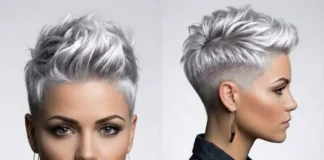

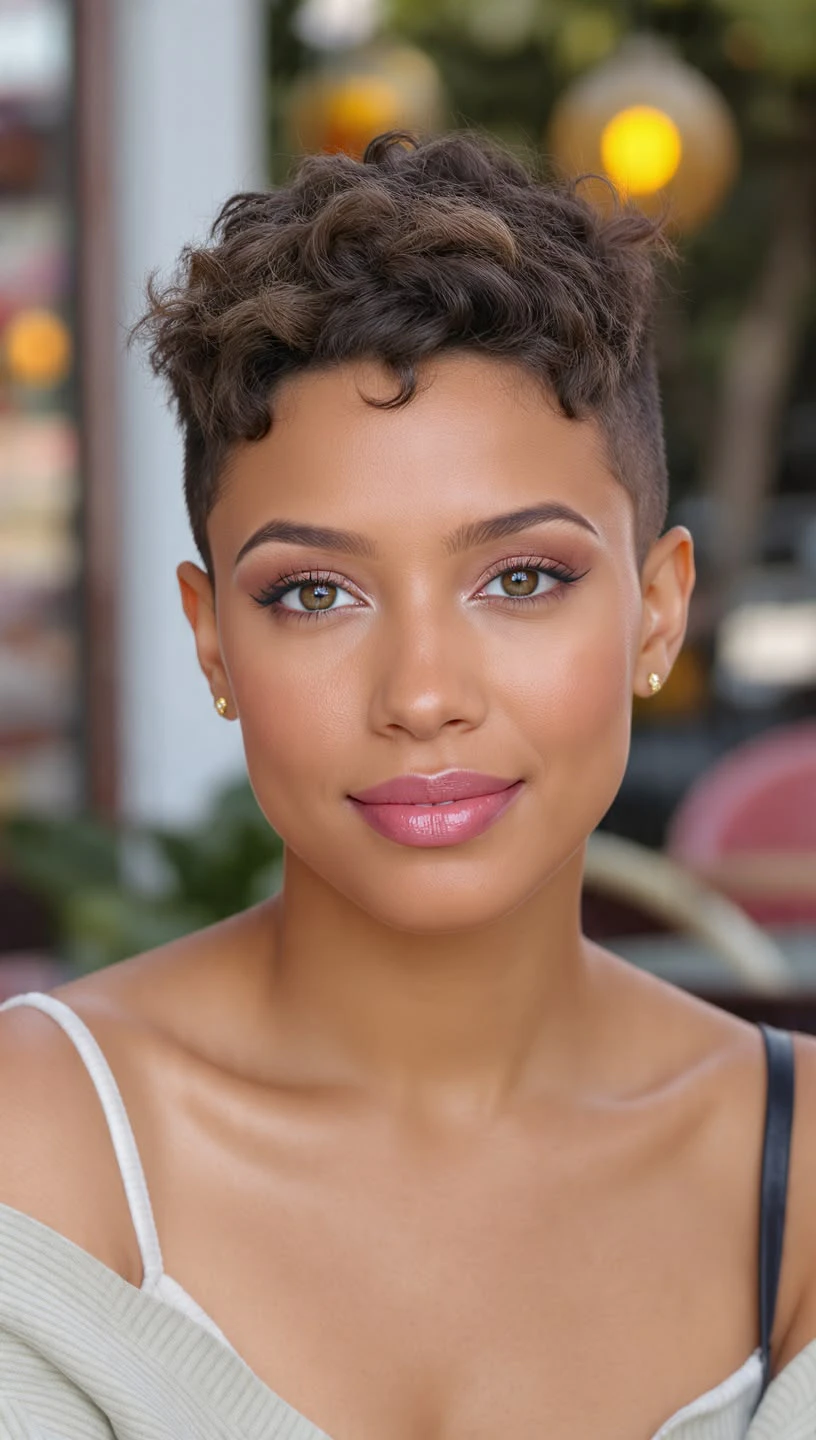
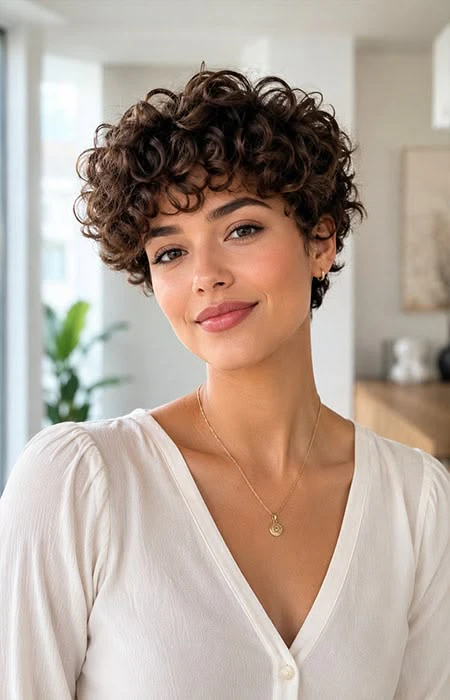
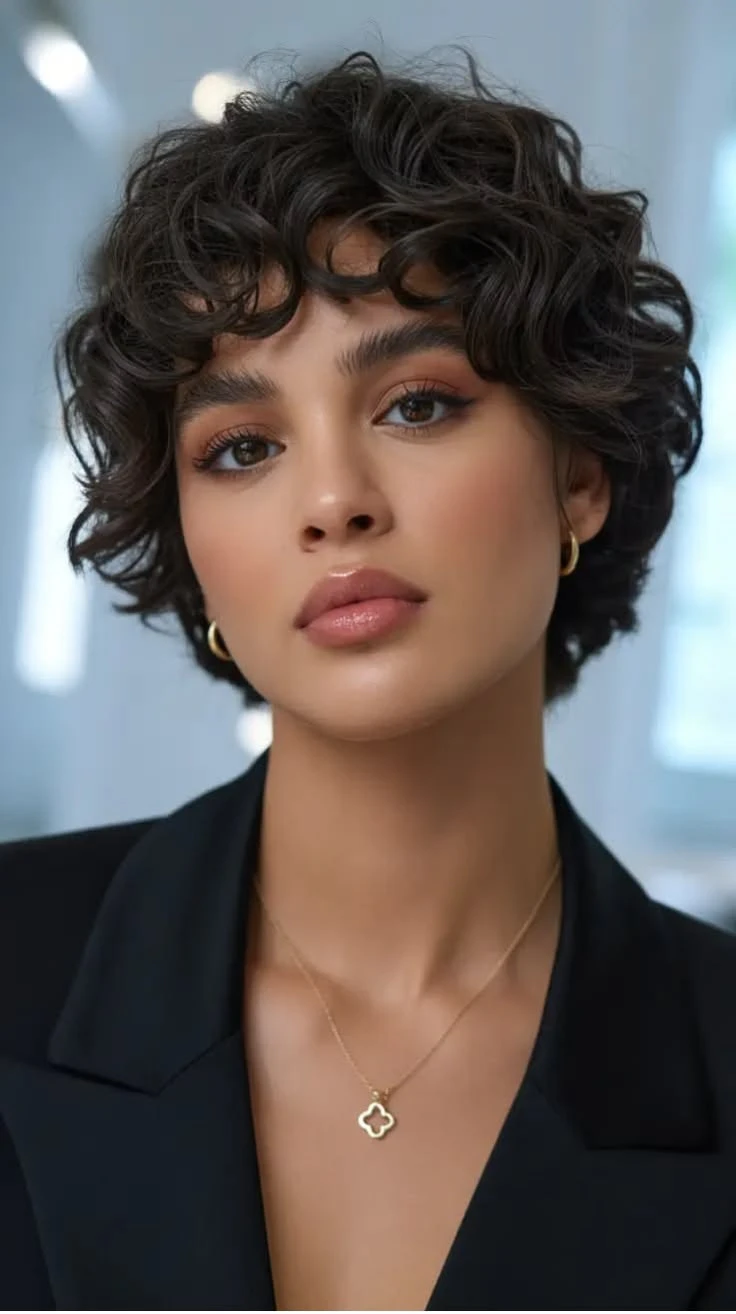
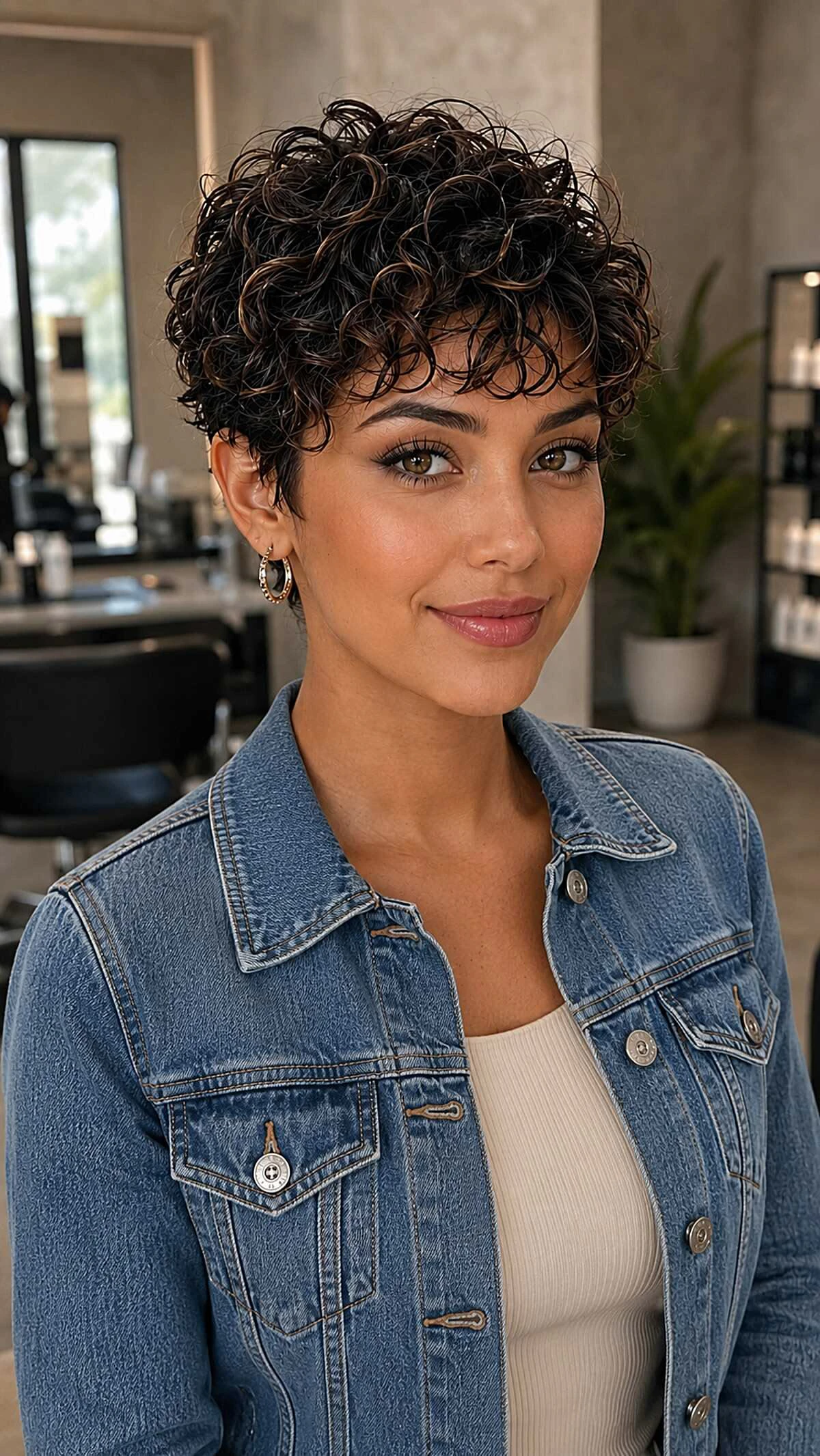
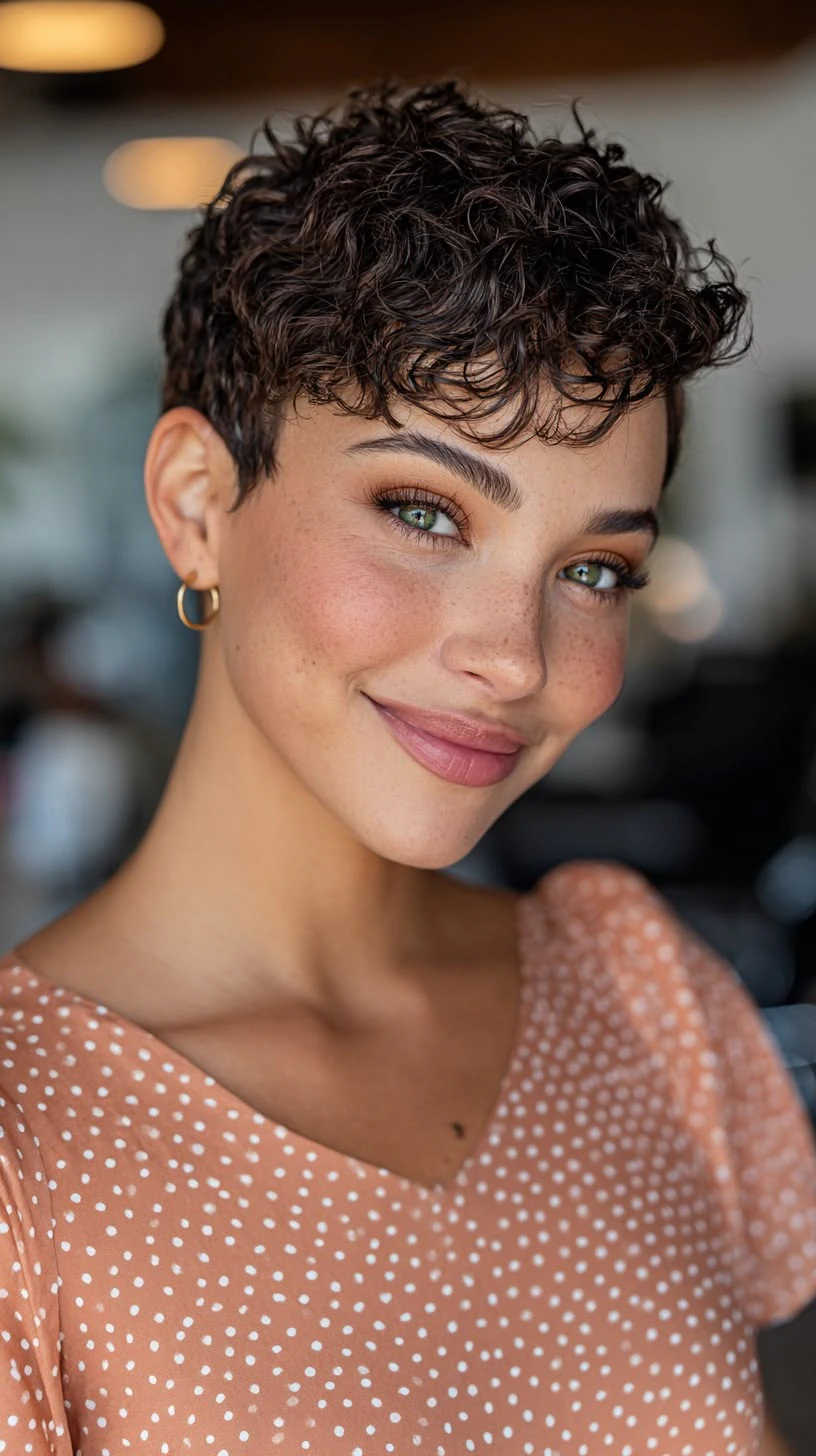
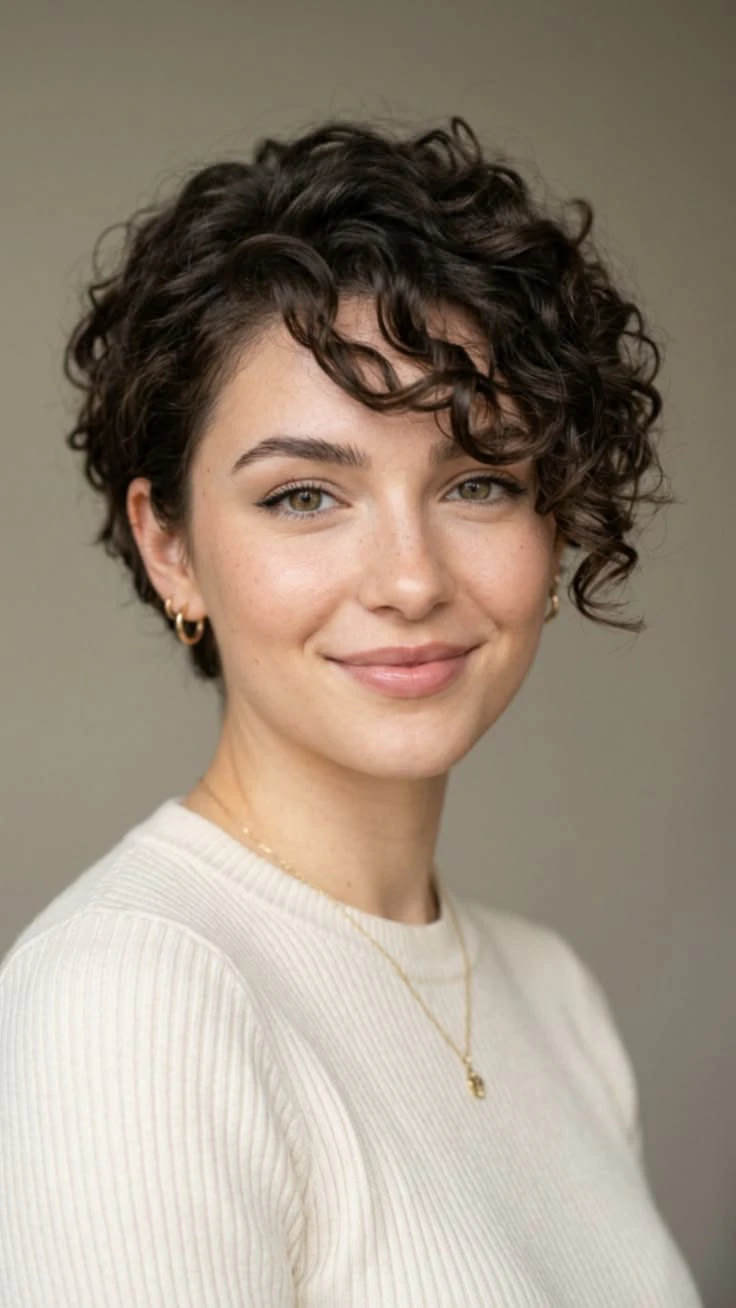
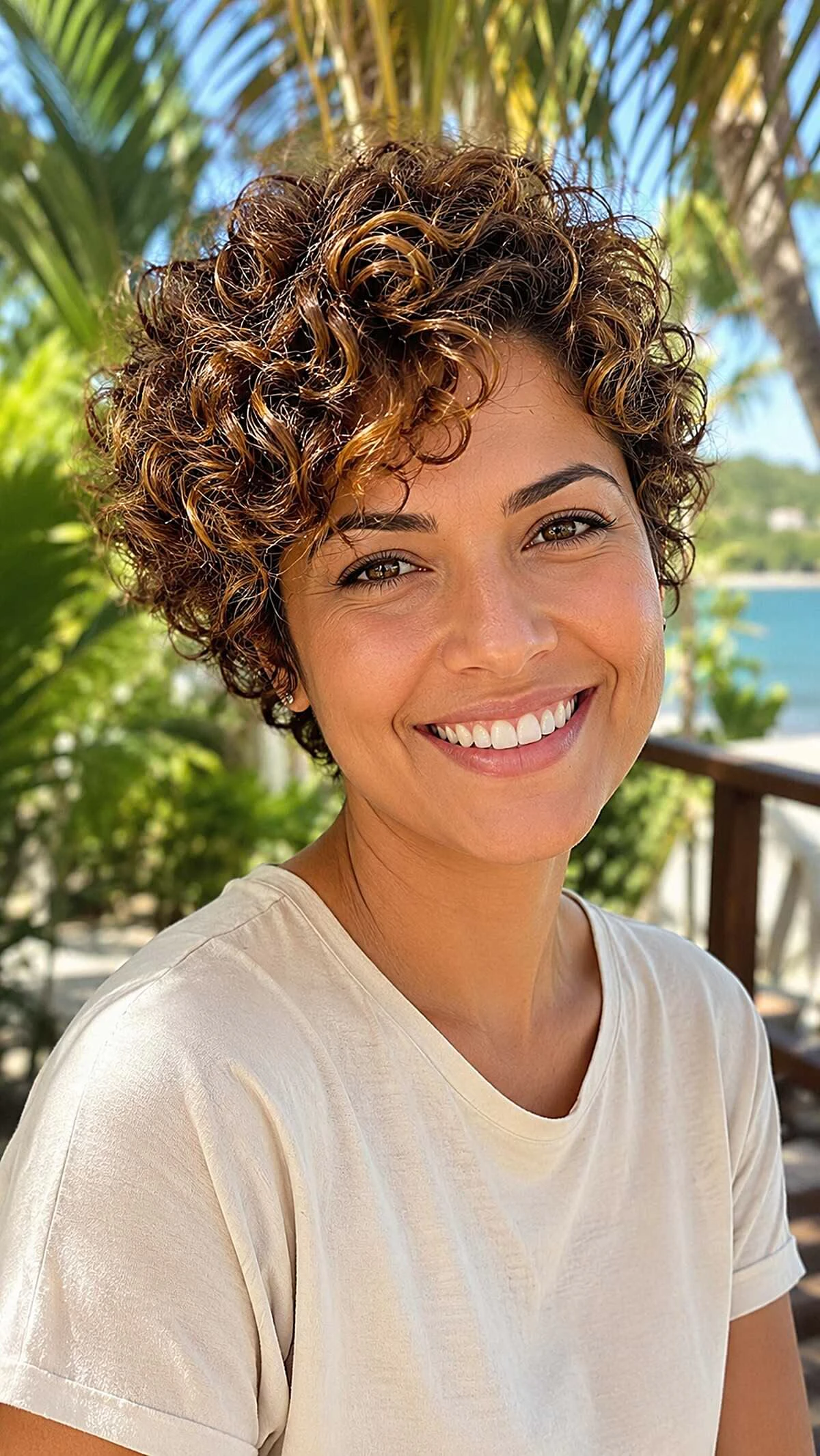
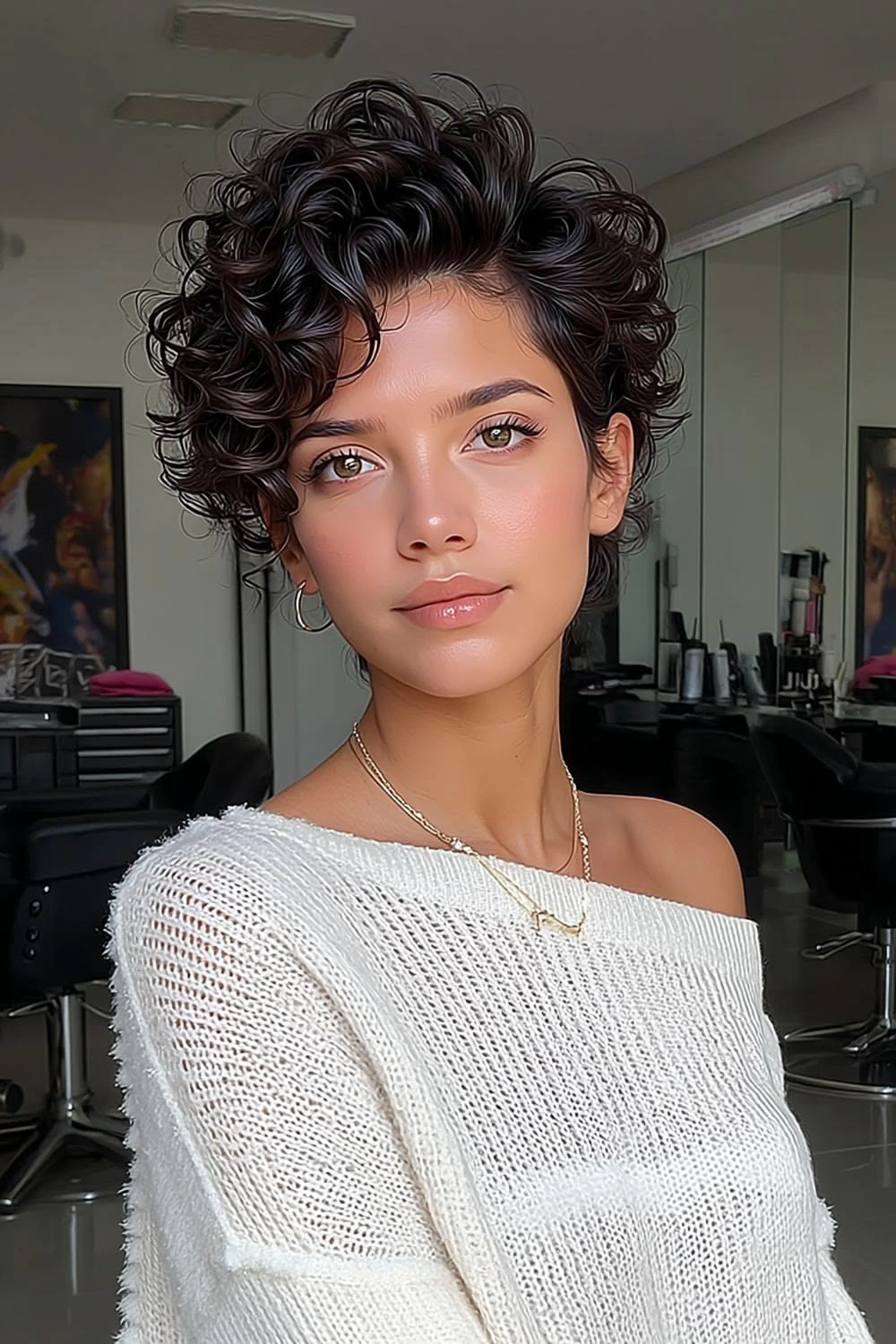
Short hairstyles for women with natural hair can accentuate the beauty of curls, coils, and natural volume while making everyday styling easier. A shorter hairstyle can pack in a lot of personality, from sculpted afros to playful pixie cuts. The trick to picking a shape is to work with your hair, not against its natural tendencies.
A fantastic short haircut should look attractive beyond the first day at the salon. It should also feel comfortable after washing, sleeping, exercising, and several weeks of growth. That means considering more than a reference photograph. Curl pattern, strand thickness, density, shrinkage, and maintenance habits all affect the finished result.
Fortunately, there is no single definition of beautiful natural hair. Some women prefer a closely cropped shape that highlights their facial features. Others enjoy a fuller silhouette with soft curls around the forehead. Both approaches can look equally polished.
This guide covers a wide range of haircut ideas, discusses how different textures respond to shorter lengths, and provides handy tips for caring for healthy, beautifully shaped natural hair.
Why Short Natural Hair Is Becoming a Timeless Choice
Short natural hairstyles have remained relevant because they combine individuality with practical styling options. Although fashion trends change, a well-shaped haircut rarely feels outdated.
One important advantage is greater control over the silhouette. Long curls can be stretched by weight. But shorter hair often keeps more of its natural spring.
So some curl types look fuller and more defined after a cut.
Short hair might also mean less time detangling. But it depends on density and texture. Very tight coils may still require careful sectioning even at shorter lengths.
Another advantage is its versatility. A few centimeters of additional length at the crown can transform a simple crop into an entirely different hairstyle.
Learn About Shrinkage Before You Go for a Haircut
When cutting curly or coily hair, you should take shrinkage into account. Wet strands shrink toward their natural shape while drying.
Consequently, hair that reaches the jaw when stretched may sit considerably higher once dry.
The amount of shrinkage varies between individuals. Even different sections of the same head can behave differently.
Therefore, the finished silhouette matters more than the length measured while the hair is wet.
For women with a lot of shrinkage, a dry haircut might provide a better idea of the final look. But the best way to cut depends on the hairstyle and the condition of the hair.
Tapered Haircuts To Bring Out Natural Texture
A tapered cut leaves the sides shorter and keeps more length at the crown. This technique creates contrast while still retaining the character of natural curls.
As the shape can be tailored, tapered cuts can be modified to suit various hair densities and personal preferences.
Classic Tapered Afro
The classic tapered afro features a rounded top and gradually shortened sides.
This style works particularly well with tightly coiled hair because the texture naturally supports volume.
Meanwhile, the shorter neckline gives the haircut a clean appearance.
For a softer finish, the transition between lengths can remain gradual. A sharper contrast creates a more dramatic effect.
High Top Taper
The high top taper adds noticeable height above the forehead while keeping the sides compact.
As a result, the hairstyle creates a strong vertical silhouette.
This shape can visually lengthen round faces. However, it also complements angular features when the top is carefully balanced.
Low Taper With Natural Curls
A low taper removes less hair around the sides and neckline.
Therefore, it offers a subtle alternative to more dramatic cropped styles.
The crown still has enough length to define the curl. The softer transition also makes it easier to grow out the haircut to a fuller shape.
Short Afro Haircuts With Natural Volume
Afro hairstyles celebrate the texture and volume of natural hair. If they’re a shorter length, they can look beautifully balanced without any fancy styling.
Mini-Afro
The mini afro keeps the hair close to the head but lets the natural pattern show.
Depending on your taste, the silhouette can be gently rounded or slightly squared.
Because the shape is compact, it can be a practical choice for women who prefer simple daily styling.
Rounded Afro
A rounded afro distributes volume evenly around the head.
However, achieving balance does not necessarily mean cutting every strand to the same length.
Different parts may shrink at different rates. So careful shaping results in a more uniform look once dried.
Short Afro With a Defined Side Part
A side part adds structure without sacrificing much length.
The part may be subtle or pronounced. In the meantime, the surrounding curls are as full and natural as ever.
This works especially well if you have enough length on top for the part to show.
Pixie Cuts for Curly and Coily Hair
Pixie cuts aren’t just for straight hair. Natural curls can be given a modern twist without compromising their softness.
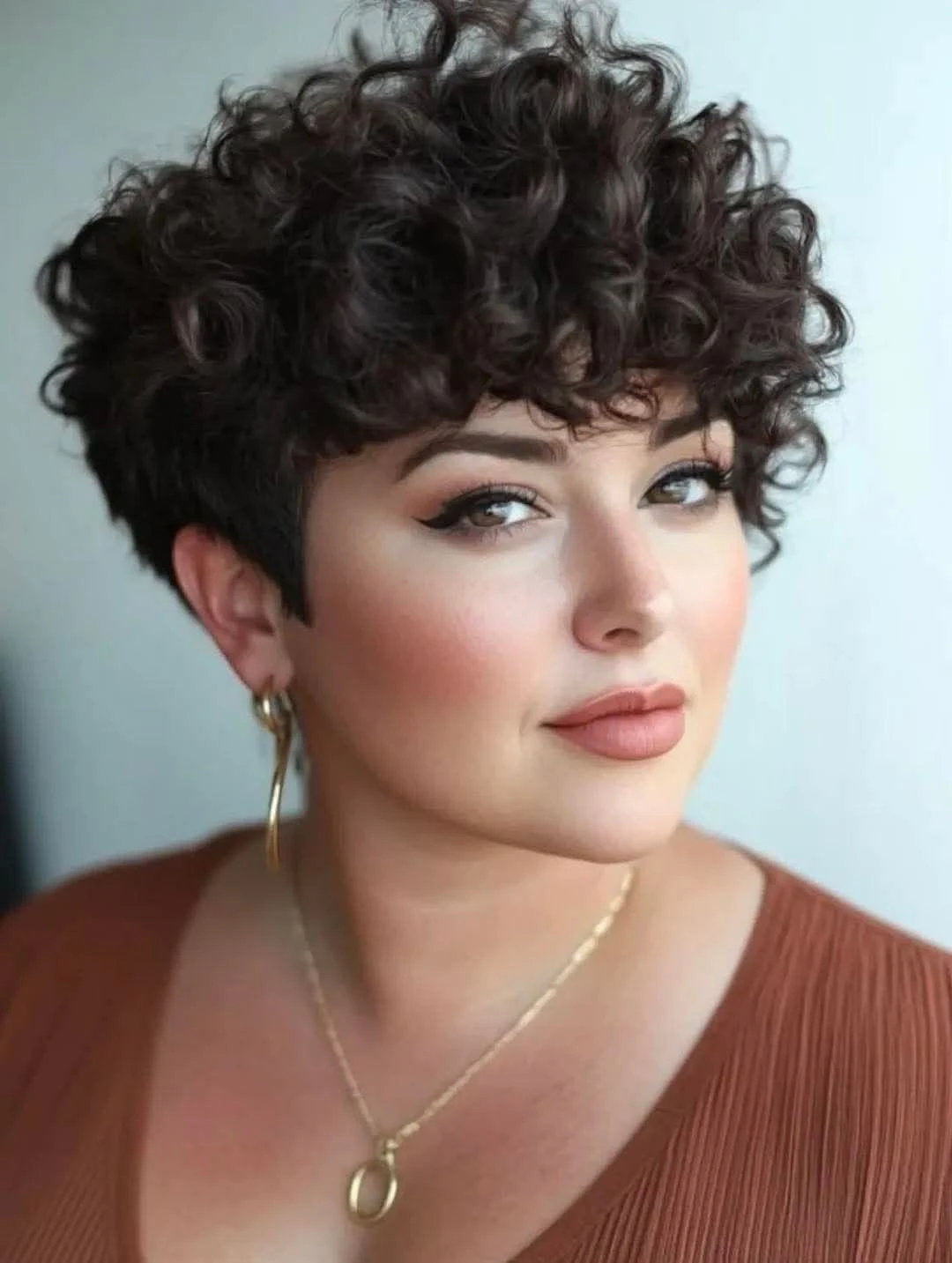
Longer Top Curly Pixie
This haircut leaves more length on the top of the head with shorter sides and back.
Longer curls can be allowed to fall softly over the forehead, creating movement around the face.
Furthermore, the difference in lengths makes the texture more evident.
Textured Pixie
A textured pixie uses well-placed layers to create a less uniform silhouette.
Individual curls fall in slightly different directions, instead of a perfectly rounded shape.
This results in a relaxed look while still having a purposeful structure.
Side-Swept Pixie
A side-swept pixie keeps one section longer than the other.
The additional length can frame the forehead or extend toward the temple.
This asymmetry introduces movement. Moreover, it allows the hairstyle to change appearance with a simple adjustment in curl direction.
Short Natural Bob Hairstyles With Soft Movement
Bobs provide more length than closely cropped hairstyles while remaining relatively easy to shape.
However, curly and coily bobs require particular attention to shrinkage.
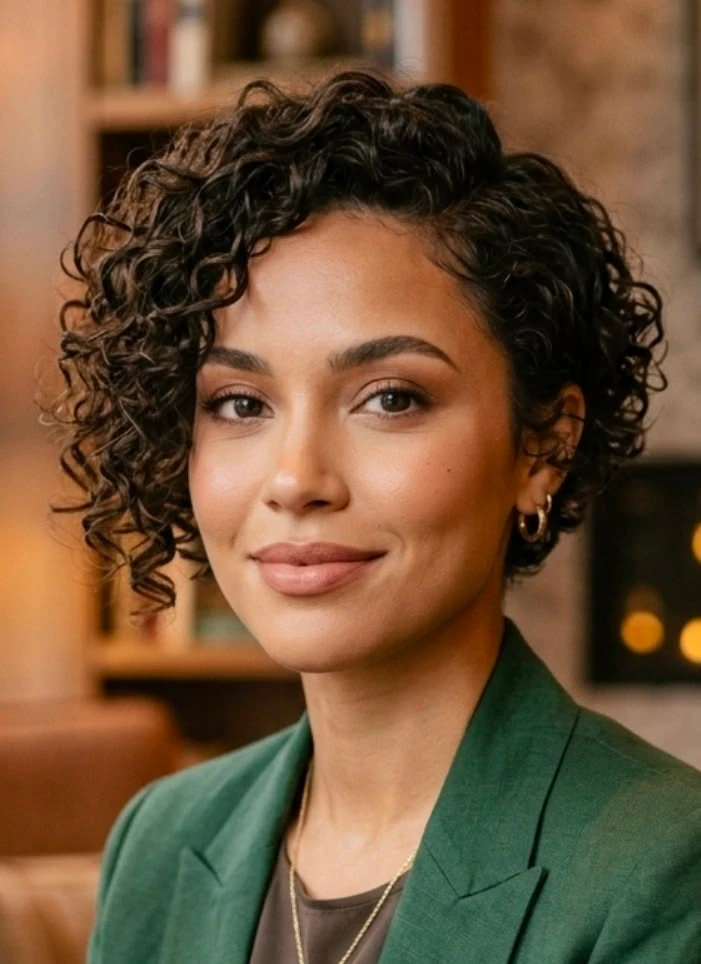
Layered Curly Bob
A layered curly bob distributes volume through the sides and crown.
Gentle layering can prevent the ends from becoming excessively heavy. Nevertheless, removing too much hair may reduce fullness.
Therefore, the layers should reflect both the curl pattern and density.
Jaw Length Natural Bob
A jaw-length bob frames the lower face with visible curls.
Because natural hair contracts as it dries, the cutting length may need to extend below the intended finished position.
Additionally, the shape can be adjusted with a slightly rounded or angled outline.
Rounded Coily Bob
A rounded coily bob creates fullness around the cheeks and jawline.
Tighter textures often produce a compact silhouette with impressive volume.
The natural coil structure of the hair can shape the cut, rather than pulling it to create a straight bob.
Short Haircuts for Women With Natural Hair Based on Face Shape
The shape of your face can influence how a hairstyle frames your features. But it should serve to inform decisions, not restrict them.
Asymmetrical pixies and high top tapers lengthen round faces. Shorter sides may also create an elongated look.
There are several silhouettes that are suitable for oval faces. Rounded afros, curly bobs, and tapered cuts can all work beautifully.
Square faces may also benefit from soft curls near the temples. These shapes create contrast with a defined jawline.
Volume around the cheeks or lower sides of the hairstyle can balance heart-shaped faces.
Personal preference still matters, though. A woman who enjoys geometric lines may prefer emphasizing her facial angles instead of softening them.
The most satisfying haircut reflects the appearance she wants to achieve.
How Hair Density Changes the Finished Shape
Curl pattern receives considerable attention, yet density plays an equally important role.
Hair density describes how many strands grow within a particular area of the scalp. It differs from strand thickness.
Even with short lengths, dense natural hair can have a lot of volume.
But too much bulk on the sides can change the desired silhouette. Strategic shaping can help distribute that volume.
Finer hair often looks better with fewer layers. Too many layers may make the ends appear thinner.
Fine strands can be more fragile and require careful handling, since repeated stress and friction can lead to breakage.
Understanding these differences makes haircut selection more realistic.
Best Short Haircuts for Various Curl Types
Natural hair can look and act very differently. Therefore, the same haircut may produce different results across textures.
Loose Curls
Loose curls generally have bounce, definition, and separation.
Layered bobs and longer pixies can enhance these characteristics.
However, an excess of short layers can create unwanted volume at the crown.
Tight Curls
Tighter curls create rounded silhouettes with clear definition.
Mini afros, tapered crops, and curly pixies are attractive choices.
Furthermore, shorter lengths can let the curls spring up without the weight of longer strands.
Coily Hair
Coily textures can hold up to compact shapes, sculpted afros, and geometric outlines.
Shrinkage can be considerable, so dry styling and careful planning of lengths are particularly useful.
But the classification of curl alone does not determine the proper haircut. Density, elasticity, and individual growth patterns also matter.
Creative Short Haircuts With Distinctive Details
Small changes can make a familiar haircut feel entirely different.
Short Curly Mohawk
A curly mohawk preserves additional length through the center of the head.
Meanwhile, the sides remain shorter, creating a noticeable contrast.
The central curls can be rounded, defined, or left slightly irregular for a softer appearance.
Temple Fade With Natural Curls
A temple fade gradually shortens the hair around the temples, creating a more defined look.
The remaining curls are full across the crown.
The fade is in a smaller area, so it adds definition without changing the whole hairstyle too much.
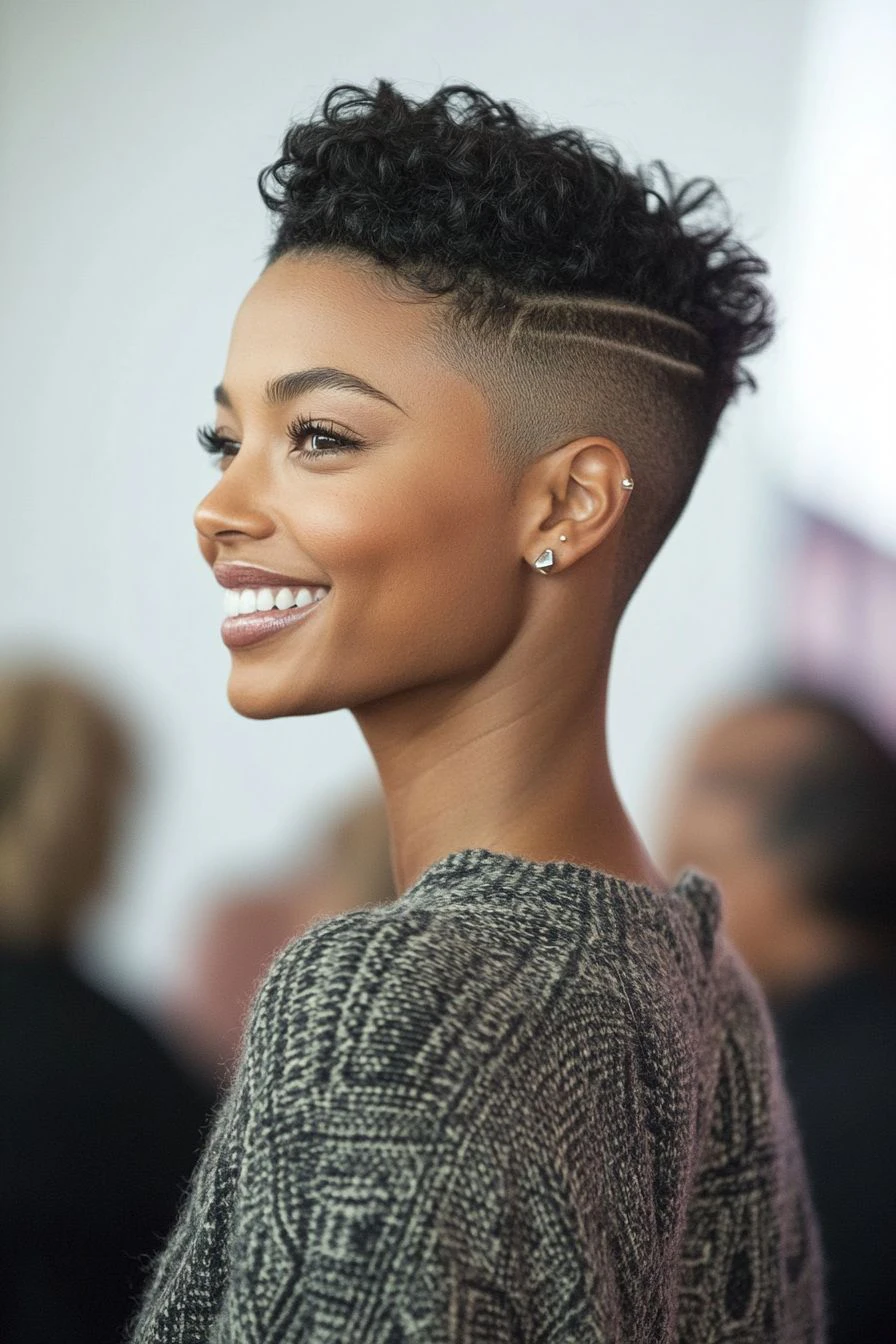
Shaved Stripes on Short Natural Hair
Shaved lines add interest to tapered hairstyles.
A single curve can create a subtle accent. Alternatively, geometric patterns produce a more expressive finish.
However, these details become less visible as the hair grows. Consequently, they require more frequent shaping than a simple rounded haircut.
Styling Short Natural Hair Without Excessive Manipulation
Healthy looking curls depend partly on how they are handled between wash days.
Fortunately, shorter hairstyles can respond well to gentle techniques.
Finger Coiling
Finger coiling helps encourage individual curls to form a defined pattern.
Start with damp, conditioned hair. Then, wrap small sections around a finger, following their natural direction.
Carefully release each section.
Although the process requires patience, the finished curls may remain defined for several days.
Twist Outs
Twist-outs create texture by allowing hair to dry in small twists.
Once completely dry, the twists can be separated gently.
The hair gains a more structured pattern and more volume as a result.
However, separating damp twists may increase frizz.
Wash and Go Styling
A wash and go emphasizes the existing curl pattern.
After washing, apply a leave-in conditioner and styling product to wet hair.
Then let the hair dry without too much touching.
Despite the simple name, some textures require more preparation than others.
Maintaining Moisture in Short Natural Hair
Short hair still needs consistent moisture and gentle care.
Because natural oils travel less easily along curved strands, curly and coily hair can become dry.
But how much moisture you need depends on the person.
A good cleansing routine removes buildup and keeps your scalp comfortable.
Protecting Natural Hair Overnight
Nighttime friction can disturb curl definition and contribute to tangling.
Therefore, a satin bonnet or smooth pillowcase may help preserve the hairstyle.
If the hair is long enough, loose twists can also limit tangling.
However, tight styles should be avoided because repeated tension may affect vulnerable areas around the hairline.
For related information, explore our natural hair care guide.
Adding Color to Short Natural Hairstyles
Color can emphasize texture and bring greater dimension to a short haircut.
Honey Blonde Waves
Honey blonde introduces warmth while highlighting individual curl formations.
The shade can appear particularly striking on tapered cuts with additional length at the crown.
But lightening treatments can increase dryness, so careful conditioning becomes especially important afterward.
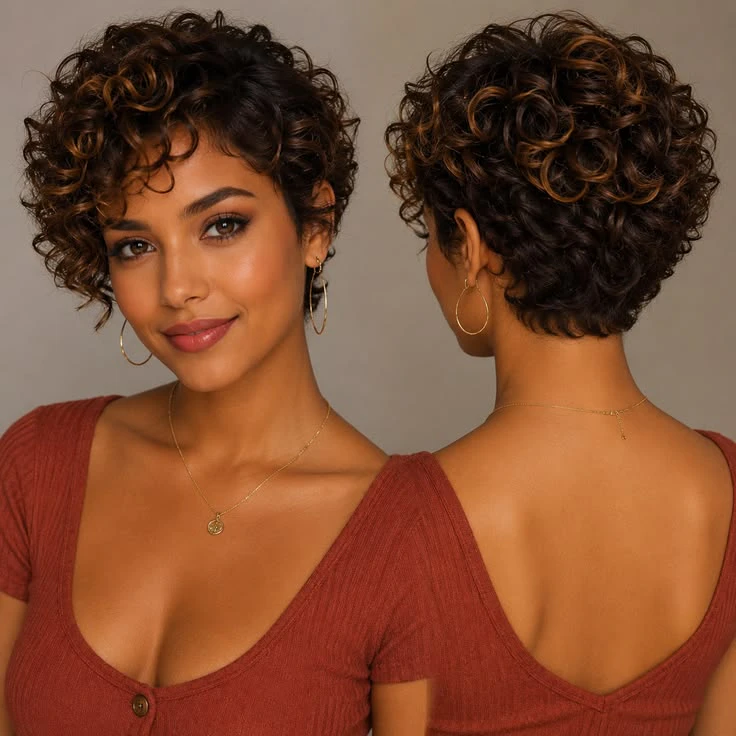
Copper Natural Hair
Copper lends a bold look to go with rounded afros and textured pixies.
The shade can be a muted auburn or a brighter orange.
Meanwhile, the end result depends on the original hair color and prior chemical treatments.
Burgundy Short Curls
Burgundy is a richer alternative to copper.
It provides contrast without looking too bright.
But keeping your hair colored requires a focus on strand health and moisture.
How Frequently Do You Cut Natural Hair?
The frequency of haircuts depends on the style and how quickly the silhouette changes.
Regular shaping may be necessary to keep contrast in sharp, tapered styles.
A rounded mini afro, meanwhile, can often grow longer without losing its character immediately.
Instead of following a set schedule, watch the ends and the silhouette.
If you notice constant tangling, uneven shaping, or visibly damaged ends, trimming may help.
However, frizz alone does not prove that the hair needs cutting.
Matching a Short Haircut to Your Daily Routine
A hairstyle should remain practical after the excitement of the initial haircut fades.
Women who exercise frequently may prefer compact cuts that allow straightforward cleansing and refreshing.
Meanwhile, those who enjoy changing their appearance may appreciate extra length at the crown.
A tapered afro offers opportunities to experiment with curl definition. A longer pixie can be styled toward different sides. Similarly, a curly bob allows greater movement around the face.
But highly structured cuts may require more maintenance.
Consider how much time you want to spend on your hair each morning before picking a hairstyle.
Furthermore, consider the appearance of the haircut weeks after it has been cut.
A shape that grows gracefully may be more satisfying than one that requires constant adjustments.
How to Find a Short Natural Hairstyle That Feels Like You
Short haircuts for women with natural hair offer so much more than a cropped silhouette. From rounded afros to textured pixies, each style establishes a different relationship between volume, movement, and facial features.
The best results come from knowing how natural hair behaves, rather than trying to achieve the same finish with every texture.
A well-formed haircut takes into account shrinkage, density, and curl formation. More importantly, it fits the wearer’s lifestyle and maintenance habits.
Some women feel most comfortable with a clean taper and defined neckline. Others prefer soft curls that move freely around the forehead. Neither choice is inherently better.
Natural hair also changes as it grows. A short pixie can turn into a rounded crop, and a mini afro can become a fuller silhouette.
These transitions allow you to explore different shapes without having to start again all the time.
Ultimately a great short haircut should feel like a natural extension of you at the end of the day. If the shape suits the texture and the upkeep looks feasible, a shorter style can provide you with lasting confidence, comfort, and personality.