
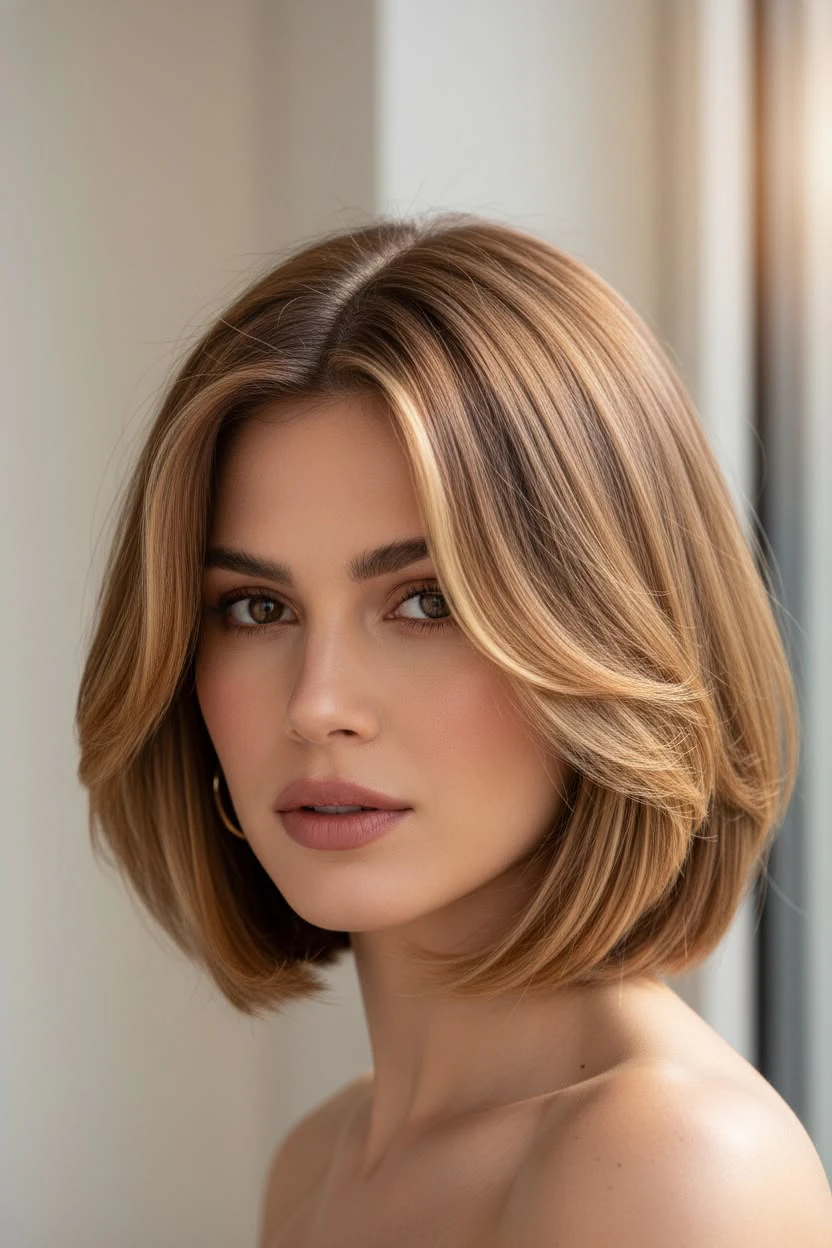
Summer 2026 Hair Color Trends
People clearly approach their hair differently in the summer. Strong winter hues feel less appealing, and softer highlights, warm reflections, and natural-looking colors are more desirable. Longer days affect the way hair looks as well. Sunlight brings out subtle undertones, emphasizes the golden strands, and shows off dimensional color.
For summer 2026, we’re seeing more individualized hues and less drastic changes. People are not just going for a color because it’s on-trend; they’re thinking about their skin tone, how dark their natural hair is, their lifestyle, and how much maintenance they want to do.
That has resulted in a broader range of summer hair colors. Rich brunettes sit alongside creamy blondes, while copper, caramel, and subtle reds offer warmth. Meanwhile, well-placed highlights add movement without a dramatic color change.
This guide covers both the shades and the practical considerations behind seasonal hair color choices.
Summer Hair Colors That Will Make You Stand Out
Summer hair color is not only about dazzling golden highlights. Those are still fashionable, but darker shades can feel just as fresh when the undertones are right.
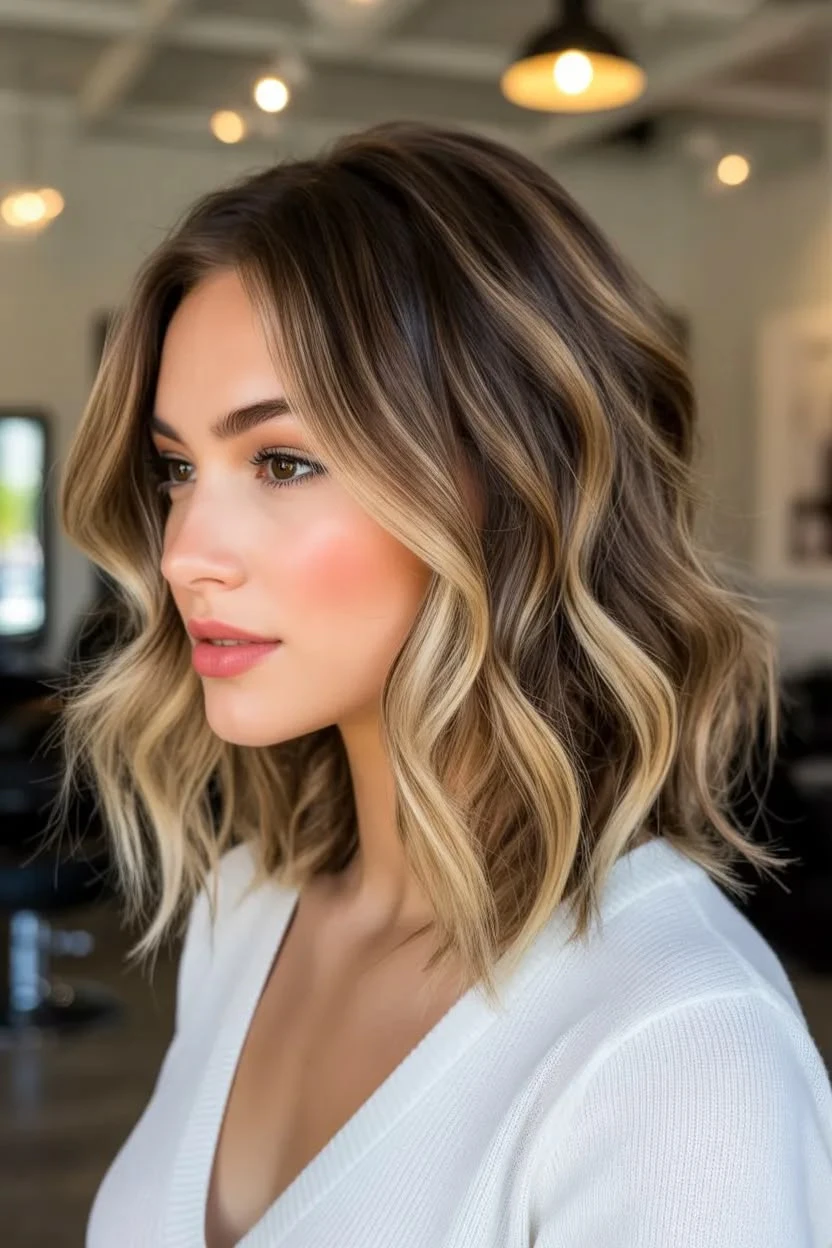
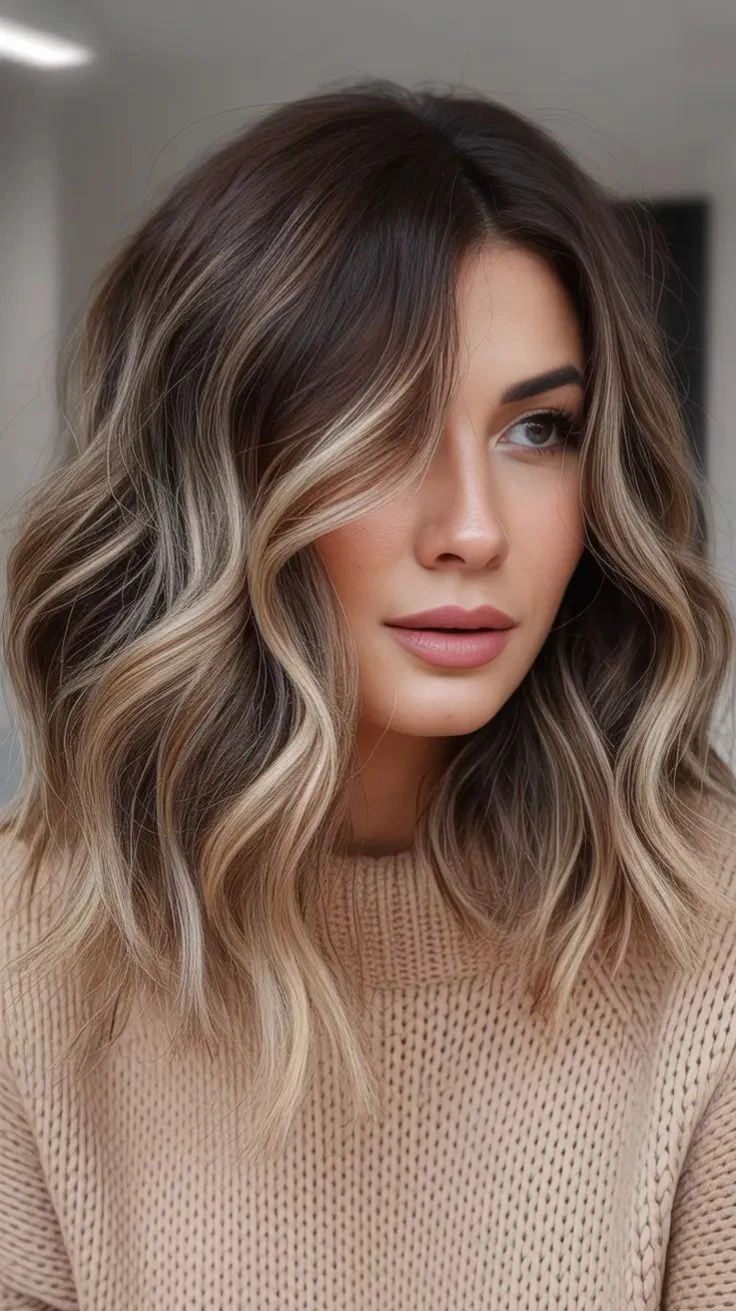
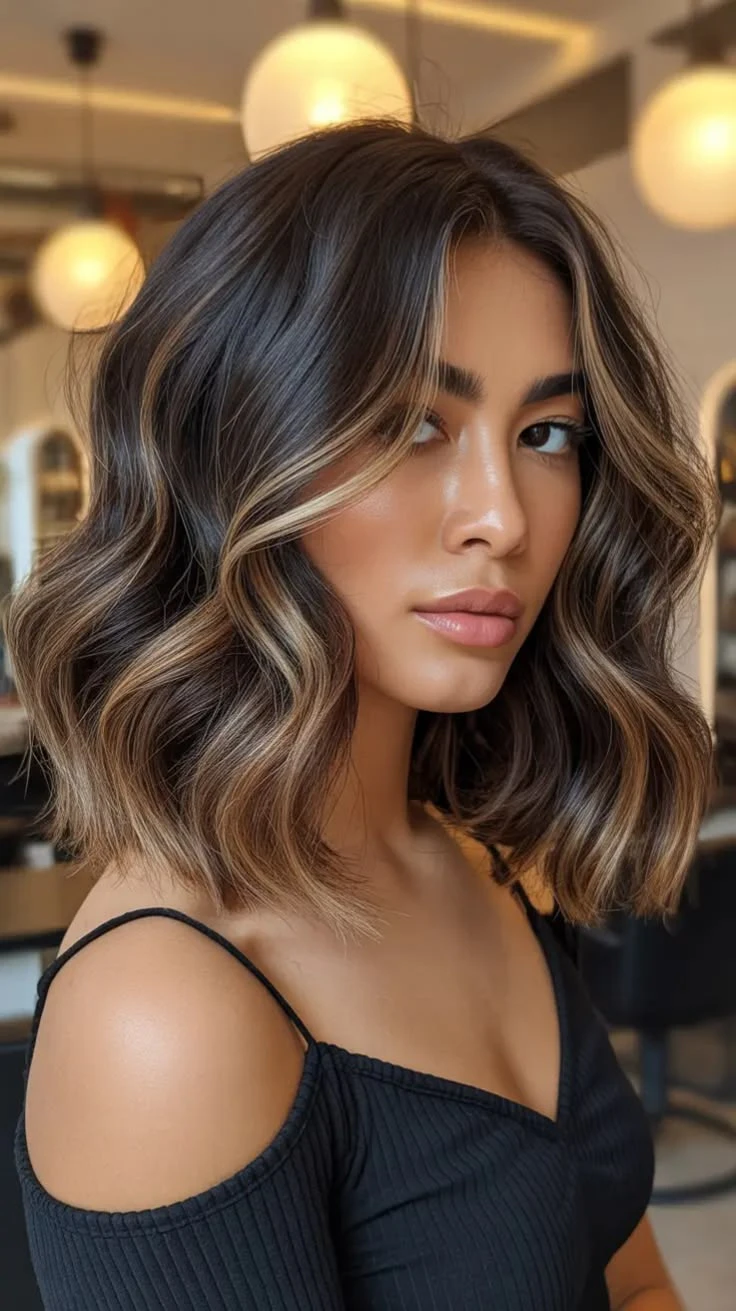
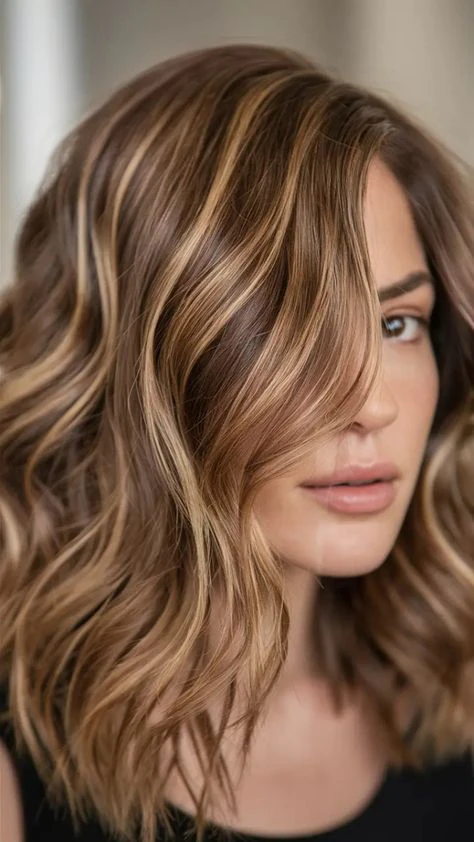
Picture a dark brunette with soft amber highlights that seem to sparkle in the sun. Similarly, a medium brown base with beige ribbons brings softness without losing depth.
The most beautiful colors have three characteristics in common. They suit the wearer’s coloring, are dimensional in appearance, and grow out nicely.
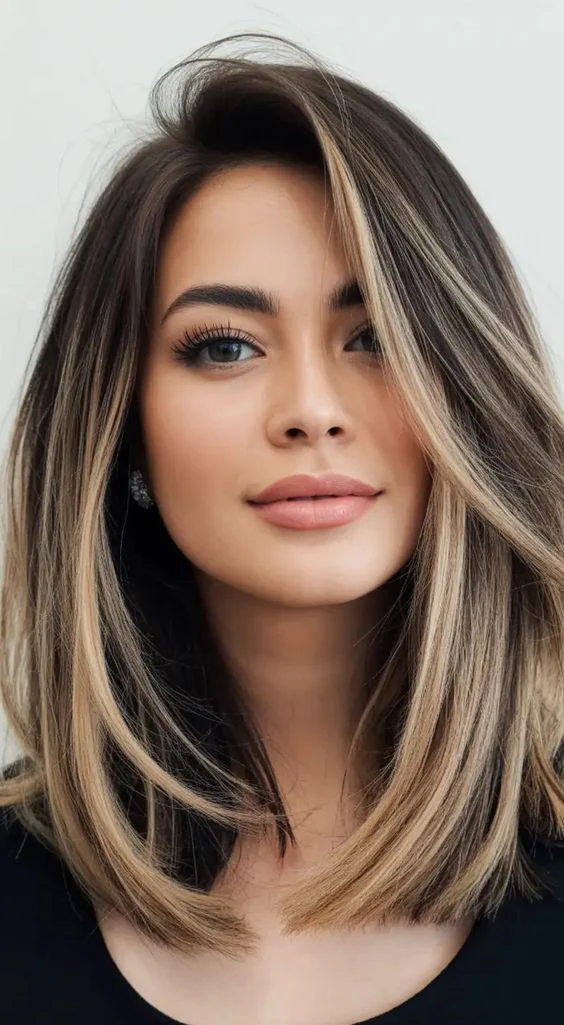
Stylists can now use modern coloring techniques to brighten the face area while leaving the roots darker. This gives the finished look a relaxed, not overly processed vibe.
Soft Summer Look with Creamy Blonde Hair
Creamy blonde is a perfectly balanced middle ground between icy platinum and very golden blonde. It combines beige, champagne, and light gold for a flawless finish.
Unlike very cool blonde shades, creamy blonde usually keeps a touch of warmth, so it looks softer against many skin tones.
This color is especially suitable for those with naturally dark or light blonde hair. Darker shades can be lifted gradually over several sessions, so you get a pale result while protecting the condition of your hair.
Why Creamy Blonde Looks Natural
Creamy blonde is so appealing because of its subtle tonal variations. The hair is not just light; it has slightly different tones, each reflecting light in its own way.
The darker roots can be merged into the lighter mid-lengths for extra depth. This approach also means that the regrowth is less obvious.
A neutral gloss also keeps excess yellow or uneven tones in check between appointments.
Honey Blonde
If you want warmth and not ash tones, honey blonde is still a solid option. Even if the base isn’t very fair, its golden nature will still brighten the hair.
The color varies from a light honey to a darker amber blonde. Therefore, it offers excellent adaptability across varied natural hair colors.
Honey blonde can be especially flattering on medium complexions. But those with fair or cool complexions may want to go for softer honey highlights instead of a full golden background.
Gold and brassy hair are not the same. Gold is a deliberate, balanced tone. Brassiness is the unwanted yellow or orange that appears when color fades or underlying warmth shows through.
That’s why it’s crucial to choose the perfect toner and provide proper color care.
Caramel Balayage
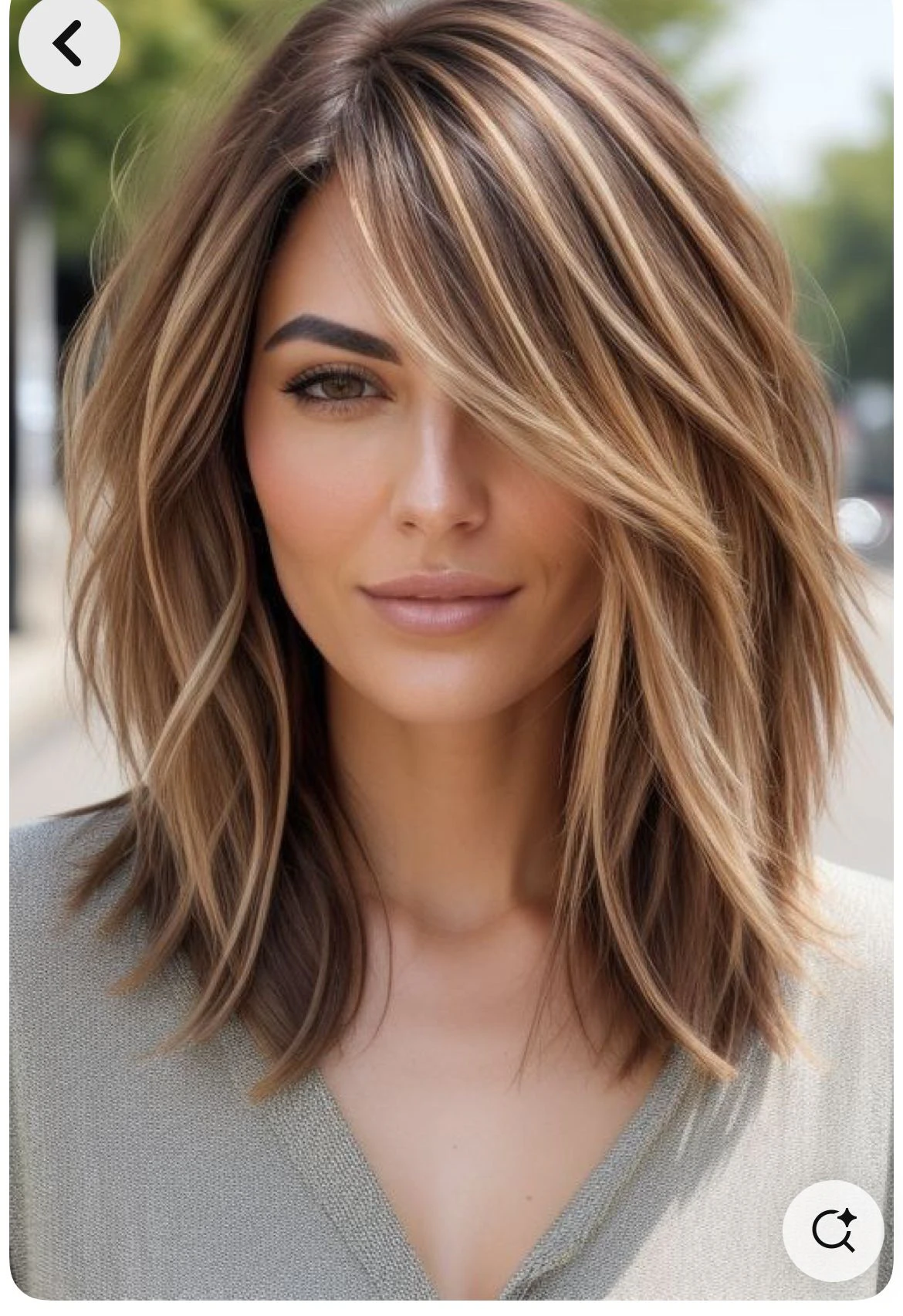
Caramel balayage is a hand-painted blend of warm brown and golden tones. It brightens the hair while keeping much of the natural base.
This technique is especially great for brunettes who want to see a transformation without the commitment of going all the way blonde.
The highlights are carefully placed so the final look is beautifully blended. When the roots start to grow out, the highlights will look soft and even.
Caramel Highlights
Caramel tones work especially well on the mid-lengths and ends of layered hair. When the hair moves, you see the lighter-colored hairs in between the darker ones.
You can also add brightness with face-framing pieces, but very light sections around the face can create too much contrast.
A more blended placement will look more natural and will require fewer correction appointments.
Rich Brunette Hair Summer Highlights
Dark brown hair doesn’t have to go much lighter to look sophisticated in summer. The right undertones, shine, and a little color variation create that expensive brunette look.
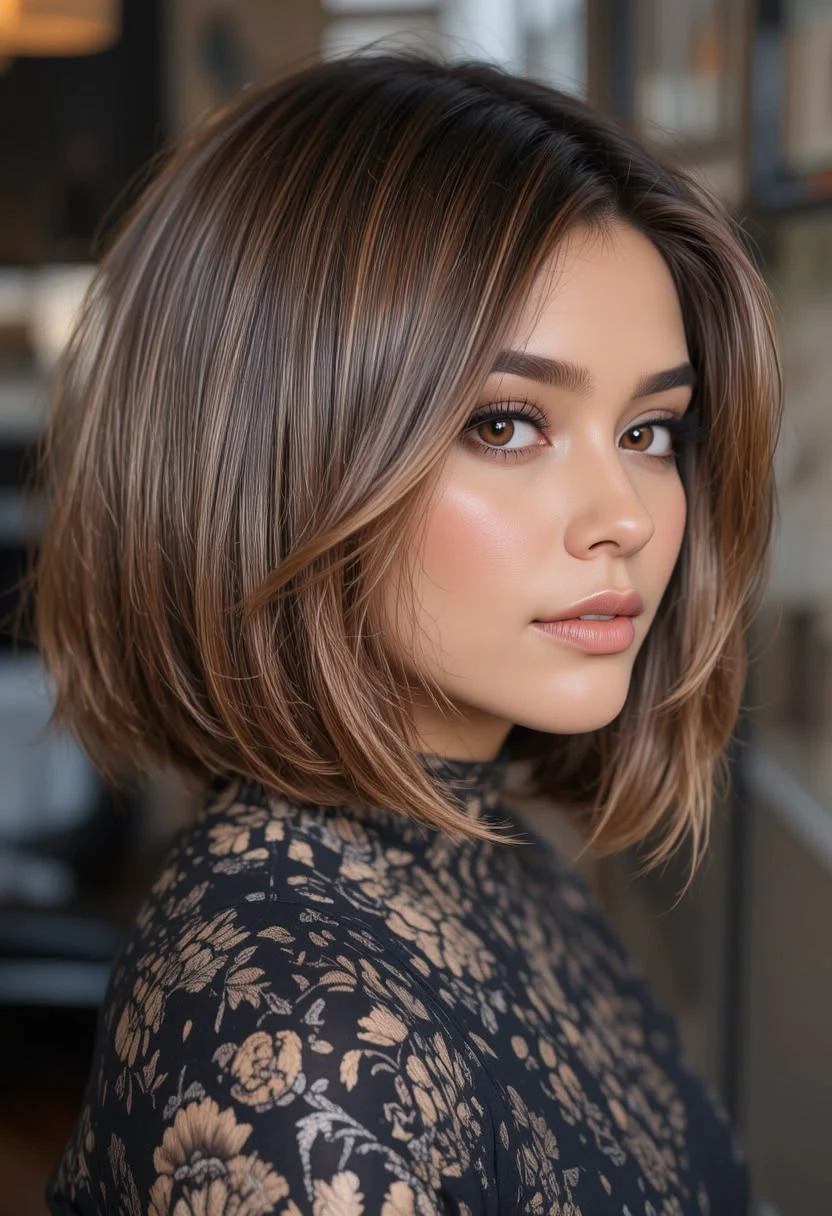
Instead of one flat brown color, colorists can mix chocolate, walnut, mocha, and soft caramel tints.
The result is a brunette with depth that looks natural in the light.
Chocolate Brown
Chocolate brown is a lovely canvas for delicate summer highlights. Fine ribbons of gold can be added for warmth and still keep the overall brunette character.
This combination is especially beautiful on medium or long hair, where there is more room for tonal variations to develop.
But the accents shouldn’t overshadow the base color. The richness of the look comes from the well-maintained dark base.
Gloss treatments can also enhance the appearance of shine, but they cannot permanently mend damaged hair fibers.
Natural Copper Hair Colors
Copper remains popular because it provides a unique look without the need for blonde highlights.
Summer 2026 hair color trends include softer copper shades, which mix orange, gold, and brown colors. These tones tend to look more wearable than really intense orange reds.
The lighter copper offers a subtle strawberry appearance; the darker copper provides a richer finish.
Soft Ginger Copper
Ginger copper has a soft orange warmth and natural richness. It can also be flattering on lighter complexions, particularly if the intensity is adjusted to the wearer’s coloring.
But the skin undertone should not be the only thing to consider. The end result is a mix of eye color, natural depth of hair, personal preference, and contrast.
Copper Brown Brunettes
Copper brown is a more subtle foray into red-hued hair. The brown base gives depth, and you can see copper highlights in the sunlight.
Color-preserving practices are especially helpful, because red and copper pigments are susceptible to fading through washing and exposure to the environment.
Cooler water and gentle washing can also help avoid any unnecessary loss of pigment.
Strawberry Blonde
Strawberry blonde is between golden blonde and pale copper. A measured amount of red warmth over a lighter base creates its characteristic look.
Depending on the formula and lighting, it might look peachy, golden, or gently pink.
If you are a natural blonde, you can achieve strawberry tones with a well-chosen color deposit. Darker hair typically needs to be lightened first before you can see the desired outcome.
A muted strawberry blonde often looks softer than a high-saturation peach shade, so it blends easily with natural makeup and casual summer styling.
But the color might fade to gold or blonde with time. Check the tone regularly to know when it needs refreshing.
Butter Blonde
Butter blonde is a warm, creamy yellow-gold. It retains warmth, unlike platinum blonde.
The color shows delicate golden reflections without a too-yellow finish.
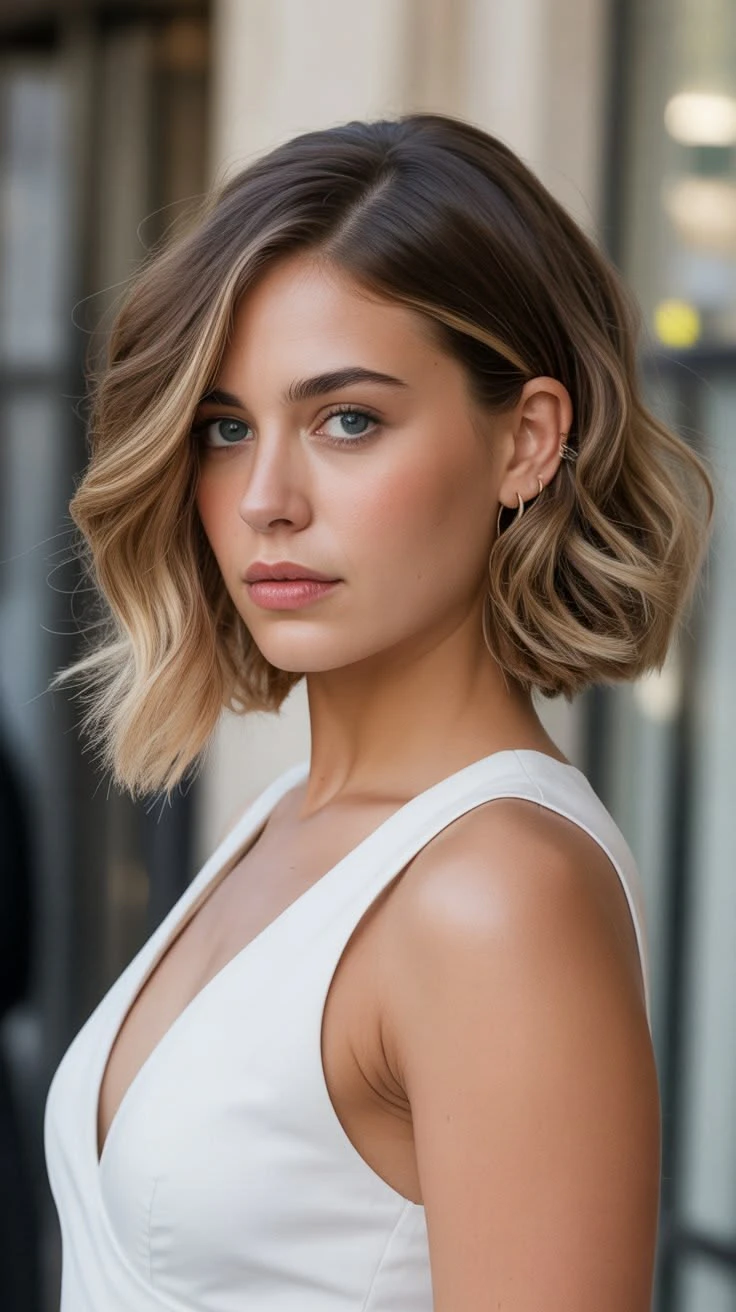
Butter-blonde can be very flattering when styled in loose waves, because movement shows the small contrasts between the highlights and the base.
However, obtaining this color requires careful management of the lightening stage. Hair that is still too orange won’t give the creamy result you want.
Getting a professional color analysis is a good idea, particularly if you have experienced inconsistent color results from past dye jobs.
Mushroom Brown
Some summer shades do not need to have golden warmth. For those who like muted, cool colors, there’s mushroom brown.
It blends taupe, ash brown, and muted beige in an understated way.
Mushroom brown has enough tonal variety to keep hair from looking flat, unlike very dark ash brown.
This tint might be appealing on natural medium brown hair. But as the color fades, you may need occasional toning to keep the cool undertones, as warmer underlying pigments can show through.
Cool colors can behave differently in indoor light than in direct sunlight. Looking at color references in different lighting situations can help you set realistic expectations.
Sun-Kissed Highlights Without a Total Color Change
Some summer makeovers are so simple they only require a bit of brightening.
Fine highlights can provide the appearance of hair being sun-bleached. Used wisely, they don’t replace color; they add to what’s already there.
This technique is especially great for people who love their own natural color but want to create more movement.
Babylights
Babylights are very fine highlights that are meant to create slight variations in tone.
The pieces are small enough that the finished color looks blended from afar, while up close, individual lighter strands add complexity and brightness.
Babylights can be performed on blonde, brunette, and some red hair bases. They can be placed and toned according to the contrast you want.
Face Framing Highlights
Highlights that frame the face concentrate on brightness around the front hairline.
They can make a hairdo lighter without having to dye the entire head.
But it matters where you put them. Very pale front pieces make a bold statement, while softer highlights will blend in more organically.
How to Choose a Summer Hair Color That Matches Your Skin Tone
Your skin tone is a helpful guide to choosing hair color, but there are no strict rules.
Honey, caramel, copper, and golden brown can look harmonious on warm complexions. Cooler complexions will look good in beige blonde, mushroom brown, and other neutral brunette tints.
Most people with neutral complexions can wear both warm and cool colors.
But contrast is as vital as undertone. If you have dark eyebrows and naturally dark hair, you might want to keep darker roots even if you go for lighter lengths.
Your personal style also affects the result. If you love a high-contrast makeup look, you might choose a more dramatic hair color. If your makeup is minimal, you may prefer smoother transitions.
The final hue should be judged against the face in natural daylight, not just from a single shot.
Easy Summer Hair Colors
A gorgeous shade may not suit every lifestyle. Regular swimming, travel, sun exposure, and limited salon visits can all shorten color life.
This is why low-maintenance color has been such a big factor.
Strong high-contrast hues are usually less forgiving of regrowth than rooted blonde, soft balayage, and brunette highlights.
A root shadow creates depth at the scalp, usually with a softer transition into lighter hair.
A root melt fuses darker roots into brighter lengths more seamlessly.
Both techniques can help soften a harsh regrowth line. But their maintenance needs vary based on the initial hue and the amount of contrast included.
Keeping Some Natural Color
Keeping part of the original hair color might also help with maintenance.
For example, a brunette can opt for caramel highlights around the face and throughout the ends, keeping a significant portion of the root area unaffected.
This creates a gentler transition as the hair grows.
It also reduces the amount of hair being lightened at each appointment.
Protecting Colored Hair From the Summer Sun
Summer weather can impact the appearance and quality of colored hair. Exposure to ultraviolet radiation, regular washing, salt water, and chlorine swimming pools can cause dryness or color changes.
Perfect protection from environmental damage is impossible, but proper maintenance can help preserve your color.
A hat with a broad brim is a physical barrier to direct sunlight. Some products developed for UV-exposed hair may also give further cosmetic protection; however, the efficiency varies.
After swimming, rinse your hair with clean water to help wash away some of the salt and pool chemicals.
You can limit the amount of pool water your hair absorbs by wetting it with clean water before getting into the pool.
However, this strategy will not fully eliminate exposure to chlorine or discoloration.
If you wash your hair frequently, some dyes, especially temporary and semi-permanent ones, will gradually fade.
So washing according to your scalp’s needs rather than habit may help preserve the color.
Use a conditioner formulated for color-treated hair, which will help with manageability and reduce friction when detangling.
Occasional conditioning masks can also temporarily boost smoothness and shine.
Summer Hair Color and Haircut
Hair color affects how a haircut looks, and vice versa. Even a well-crafted color can look flat when its placement doesn’t suit the cut.
In layered cuts, the different sections overlap, revealing many tones.
Blunt cuts, by contrast, accentuate the color surface as a whole and can make glossy solid colors particularly pop.
Balayaged Long Layers
Long layers let balayage transitions happen naturally.
Caramel or beige accents might follow the direction of the layers to create a sense of movement.
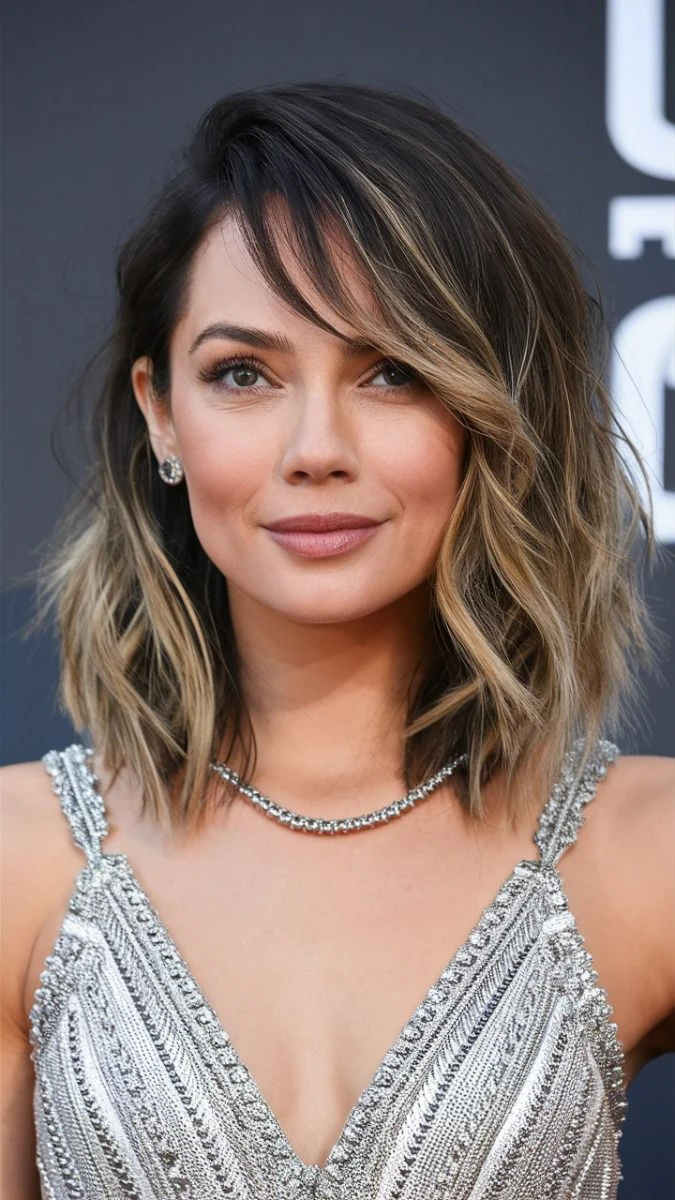
And delicate waves are ideal for showing off tonal contrasts that are more subtle when hair is worn fully straight.
Rich Color Bob Haircuts
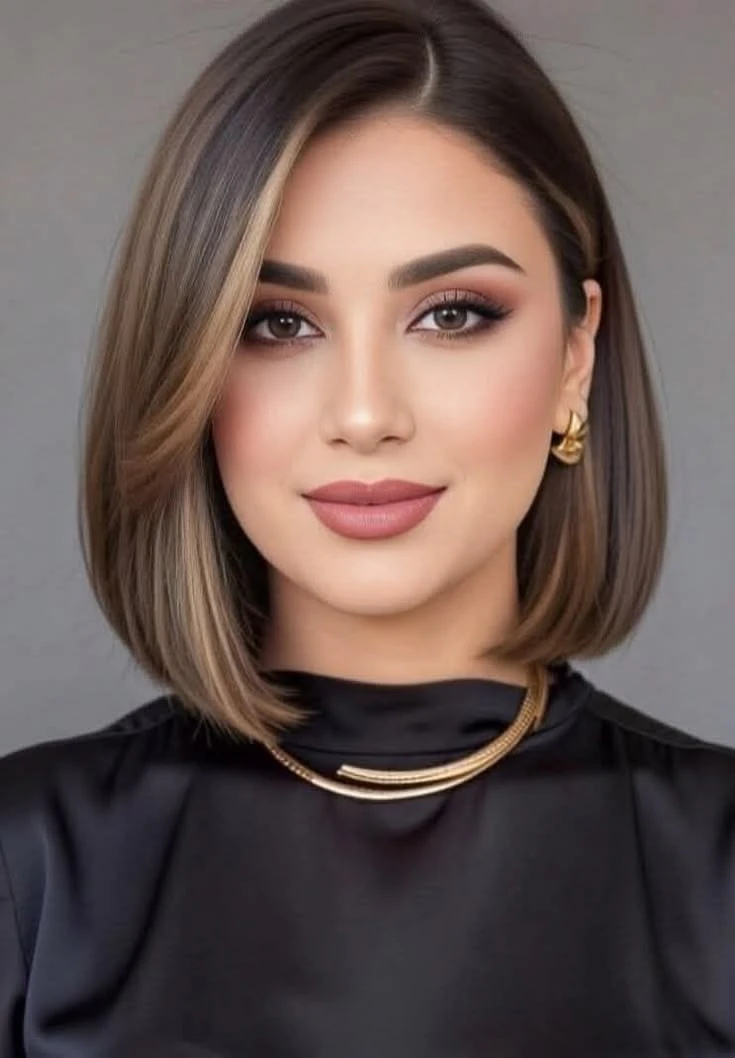
A chocolate brown, copper brown, or creamy blonde bob looks extremely sophisticated.
With shorter hair, you don’t have the length to grow out and ease into the change, so placement is key.
Fine highlights or a reflective gloss can enhance the cut without looking obvious.
Curtain Bangs + Face-Framing Color
Curtain bangs naturally highlight the eyes and cheekbones.
A few subtle accents around them can enhance that effect. But the color should fade into the surrounding hair, not just stop.
A more gradual transition also helps keep the overall look intact as the bangs get longer.
Summer Color Ideas by Hair Length
Short hair generally looks better when the color is concentrated. A pixie cut, for instance, looks beautiful with a warm copper finish or a few well-placed blonde highlights.
Medium-length hair offers a lot of options. Either solid hues or dimensional techniques can be used. Honey blonde, mushroom brown, and caramel balayage are all excellent options for shoulder-length styles.
Longer hair means a more gradual transition from dark roots to light ends.
But longer hair can have older, more porous ends. These areas may therefore respond differently to lightening and color.
When choosing a technique, a colorist must first consider the state of the hair, particularly if the lengths have been chemically treated numerous times.
How to Keep Your Color Shiny Between Appointments
How long color lasts depends on a few things, including the type of dye, the porosity of your hair, how often you wash your hair, and how exposed your hair is to the elements.
Permanent color can fade somewhat in tone, but the underlying pigment will be held. Semi-permanent color, however, does tend to wash out more significantly with repeated washing.
Some colors can be refreshed with glazes and toners, but the result depends on the formula and hair condition.
And let’s not forget heat styling. Too high heat can damage the hair cuticle and cause a lackluster appearance.
So, using a good heat protectant and avoiding excessive high heat can help you maintain a smoother finish.
Regular trims will cut off damaged ends but won’t fix the rest of the hair shaft. Combined with gentle detangling and conditioning, trims can improve the overall appearance of colored hair.
Choosing a Color That Will Still Look Great After Summer
If you consider the months ahead, seasonal color choices become more realistic.
Very light blondes may need regular toning and root touch-ups. In contrast, caramel balayage or a subtle brunette gloss could transition more seamlessly into fall.
The summer 2026 approach is about tones that look fantastic until your next salon visit.
For instance, honey blonde might progressively shift into a deeper golden shade. Dimensional brunette may only need a tonal refresh, whereas copper brown can be pushed toward chestnut.
Before you start coloring, it is worth evaluating how much contrast you feel comfortable with in the regrown hair and whether monthly maintenance sessions fit into your normal life.
Also, prior chemical treatments should influence your decision. Untreated hair may be easier to lighten than excessively bleached hair, which may require a more conservative method.
A realistic color plan protects the health of your hair and the look you want.
The Allure of Custom Summer Hair Color
The best summer color is one that represents your own personal qualities, not one that follows a rigid seasonal formula.
Creamy blonde lends softness; honey tones provide a golden glow. Chocolate brunette adds depth, and caramel balayage adds movement.
Sometimes a small tweak can be more attractive than a big shift.
Most of all, gorgeous summer hair is not about being as light as you can get. It’s about choosing a hue that suits the person, responds well to natural light, and stays enjoyable as the seasons change.