
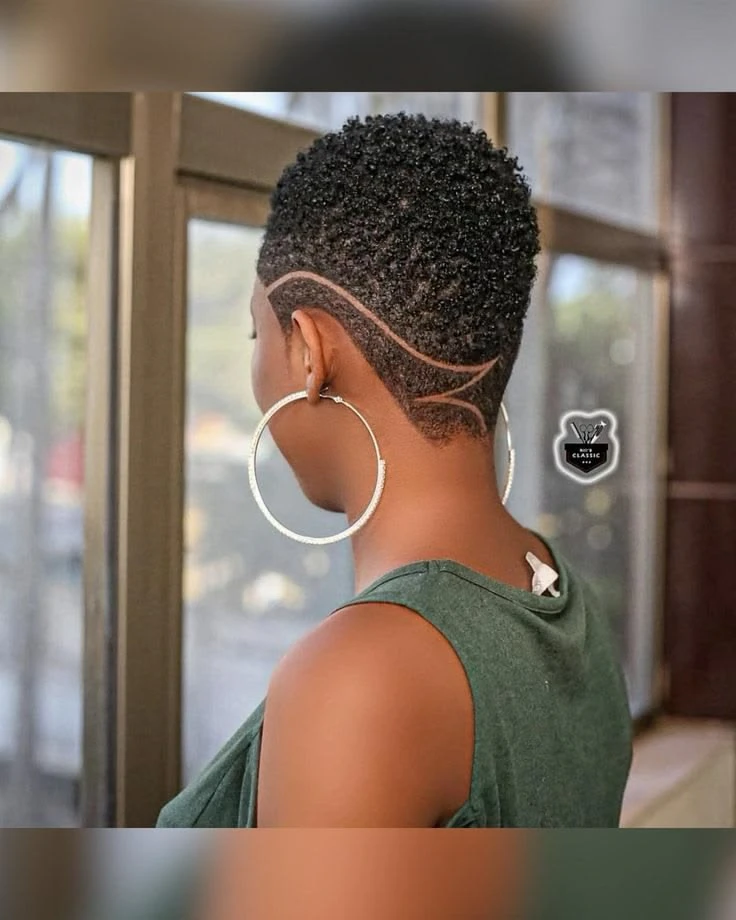
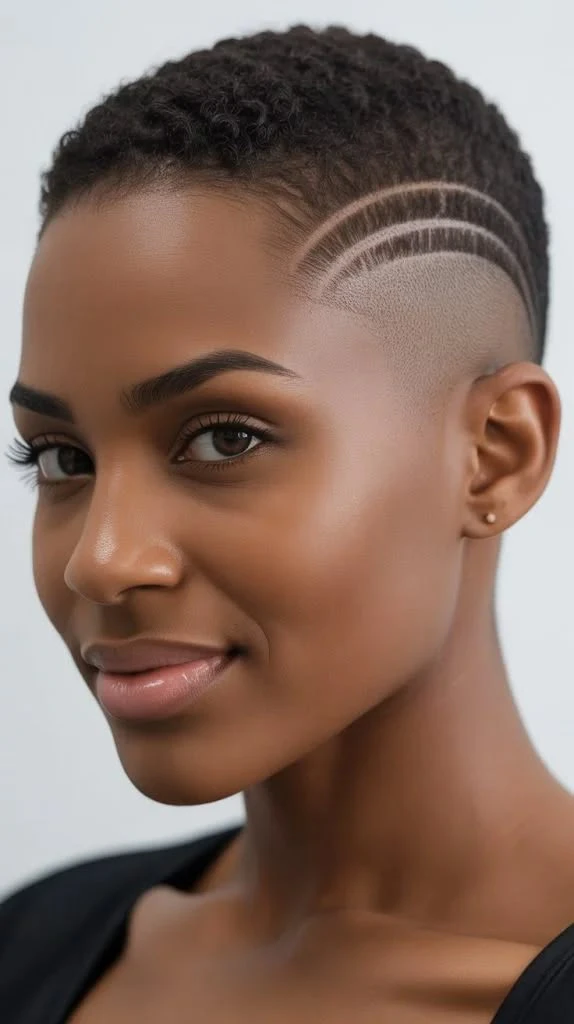
Short natural hair is one of the most expressive and versatile options for your look. It highlights features, embraces natural texture, and can make your daily life easier in ways that longer hairstyles rarely do. But choosing the right cut is more than just choosing a style that looks good on someone else. Natural hair has unique properties that influence how any haircut performs. Curl pattern, density, shrinkage, moisture needs, etc. all contribute to the look and feel of the finished product.
The best short natural hairstyles for Black women are the ones that work with your particular texture and not against it. This guide covers the most flattering options out there, how to match a cut to your curl pattern and face shape, and how to make a simple routine that ensures your natural hair looks its best every day.
Why You Should Opt for Short Natural Hair
Beyond esthetics, short natural hairstyles offer numerous advantages for Black women. Your curl pattern becomes the feature of the style, not something to work around, and there is less length to deal with. The natural curl, wave, or coil is front and center of the look, which means that the hair itself is doing most of the heavy lifting visually.
Plus, shorter cuts can reduce your daily styling time significantly. You usually need less product, less drying time, and less effort to maintain a defined shape. Additionally, a well-designed short cut creates a clean silhouette that longer, unshaped natural hair sometimes lacks. Tapered sides, rounded shapes, sharp edges, and textured tops all become possible when a skilled stylist shapes the cut specifically for your natural growth pattern.
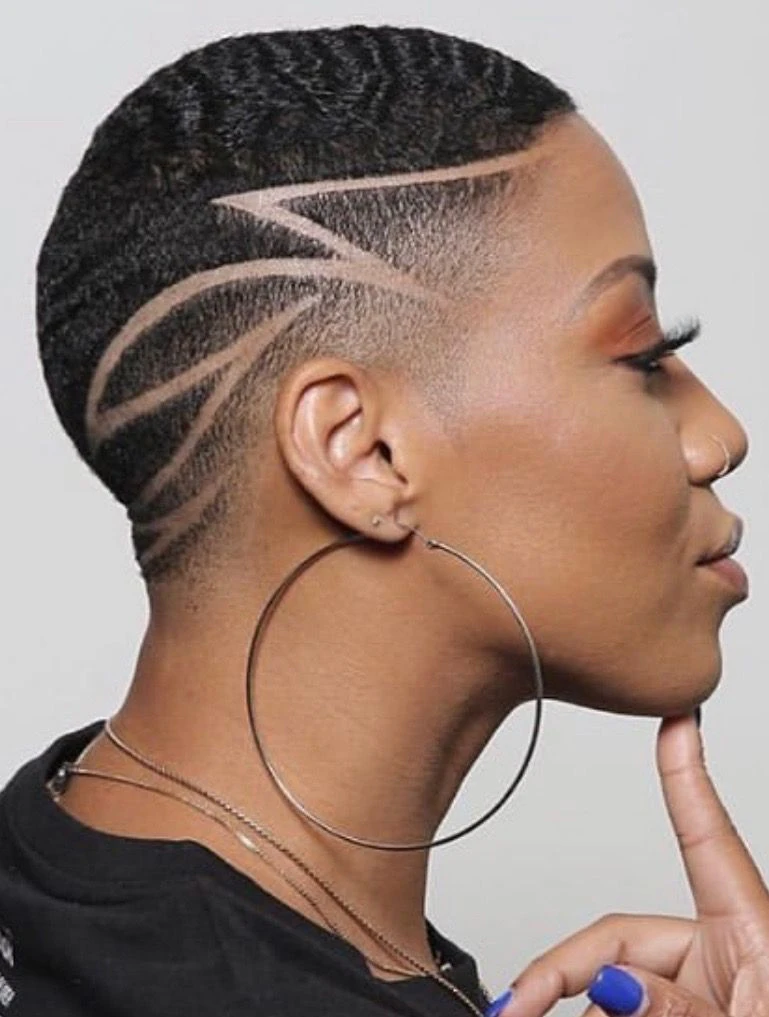
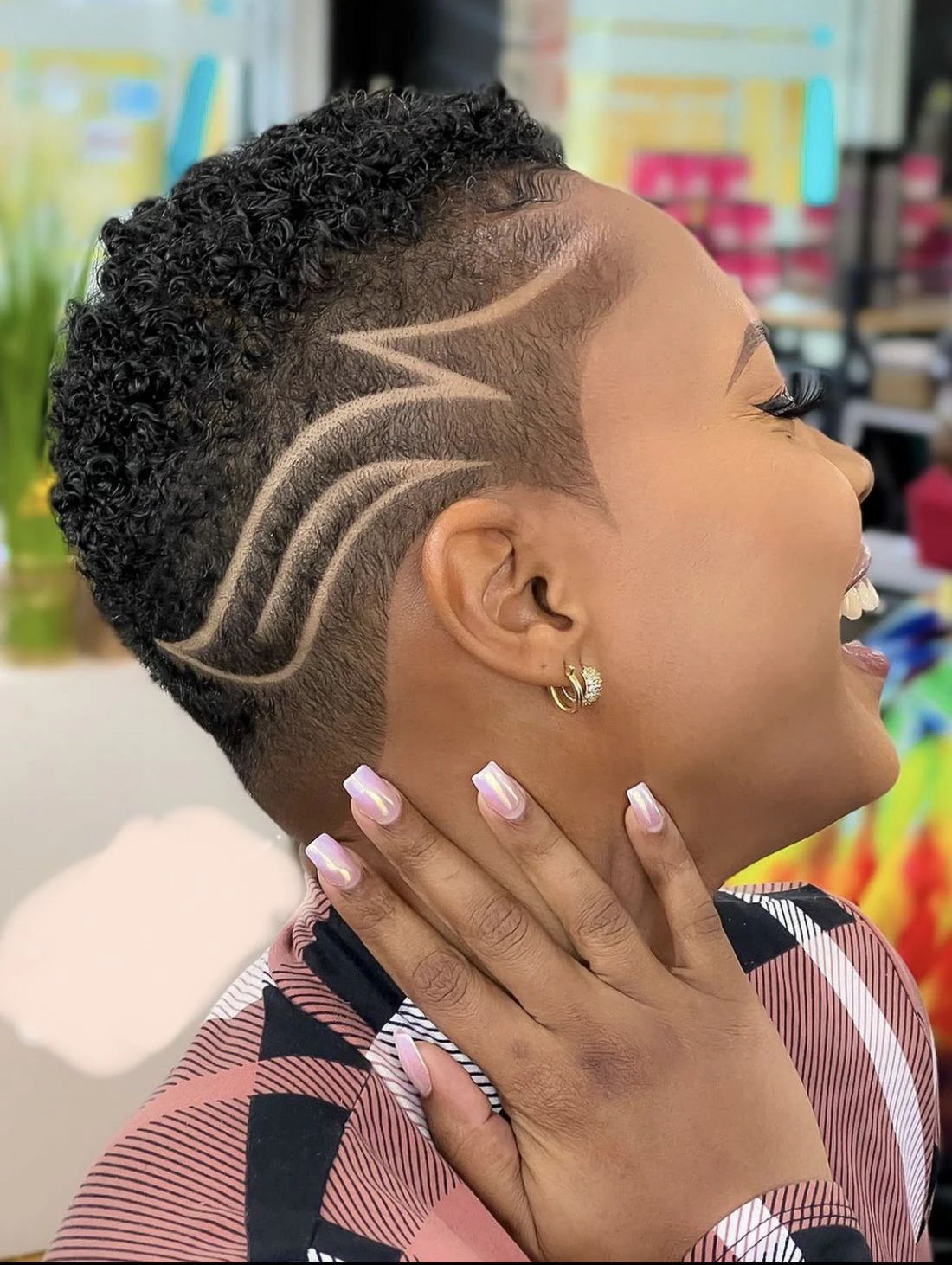
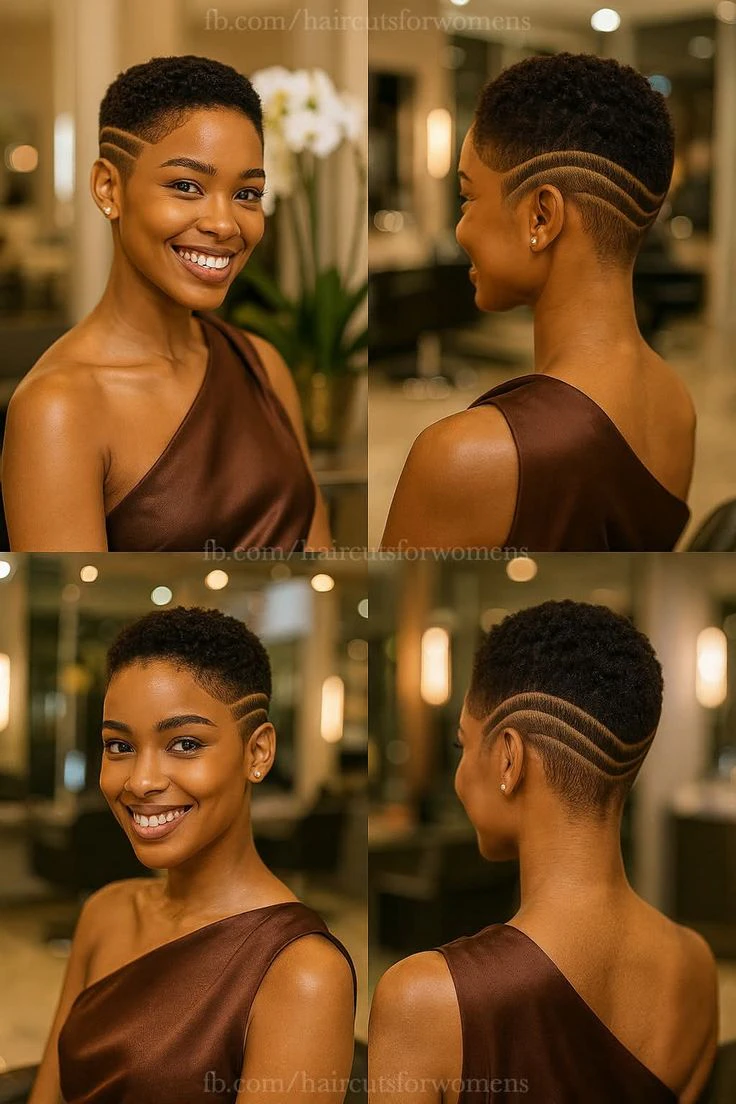
“Short” also does not mean “limited.” A side part, a shaved pattern, a subtle color, or a change in styling product can all create a noticeably different look from the same underlying cut. That flexibility is one of the reasons so many women find short natural styles genuinely satisfying to wear long-term.
The Most Flattering Short Natural Haircuts for Black Females
Tapered Natural Cut
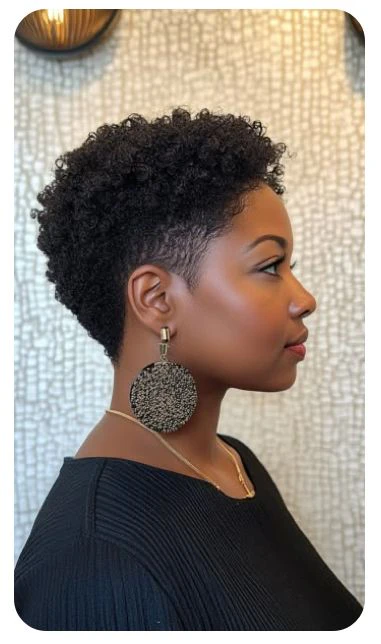
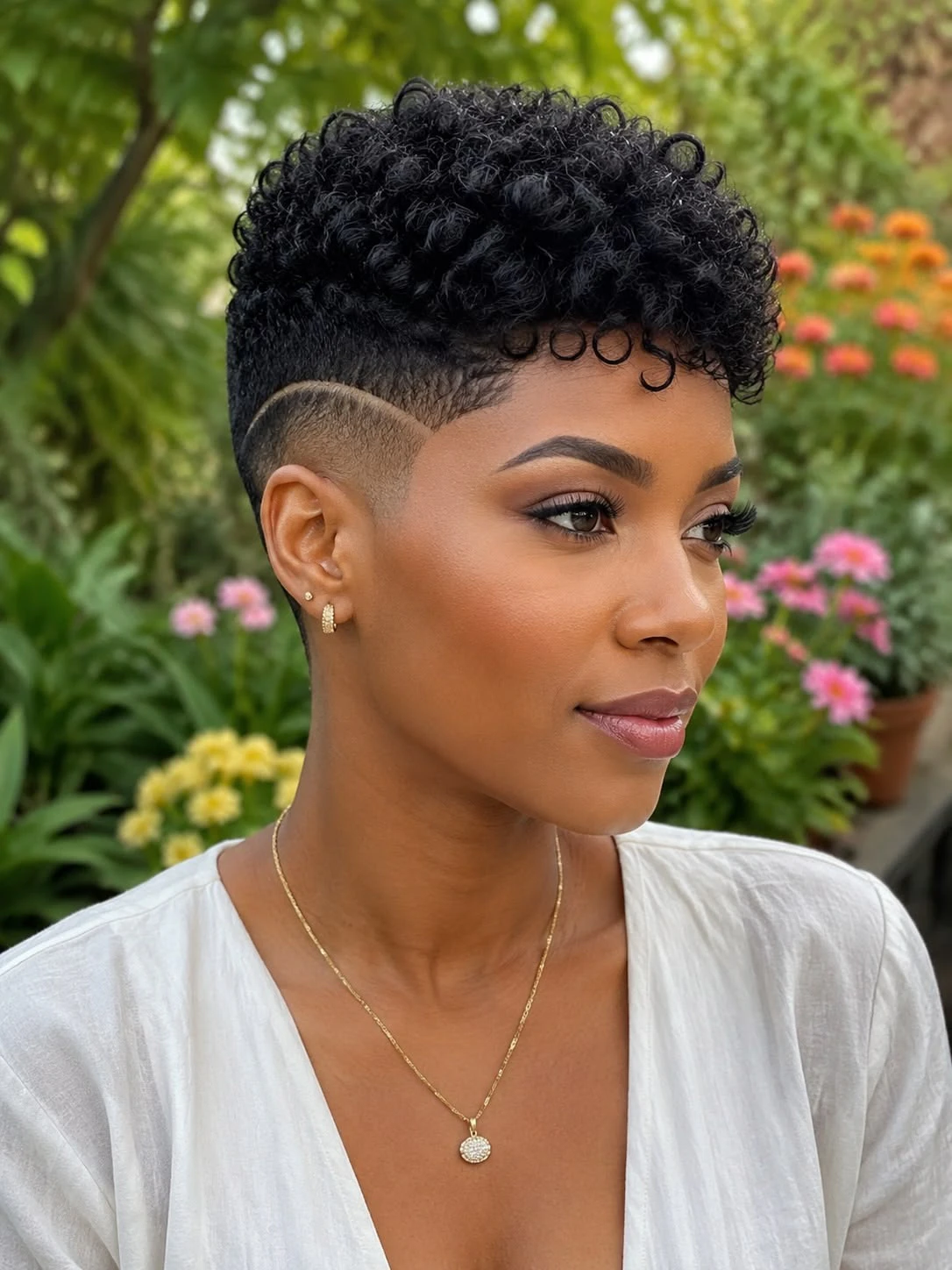
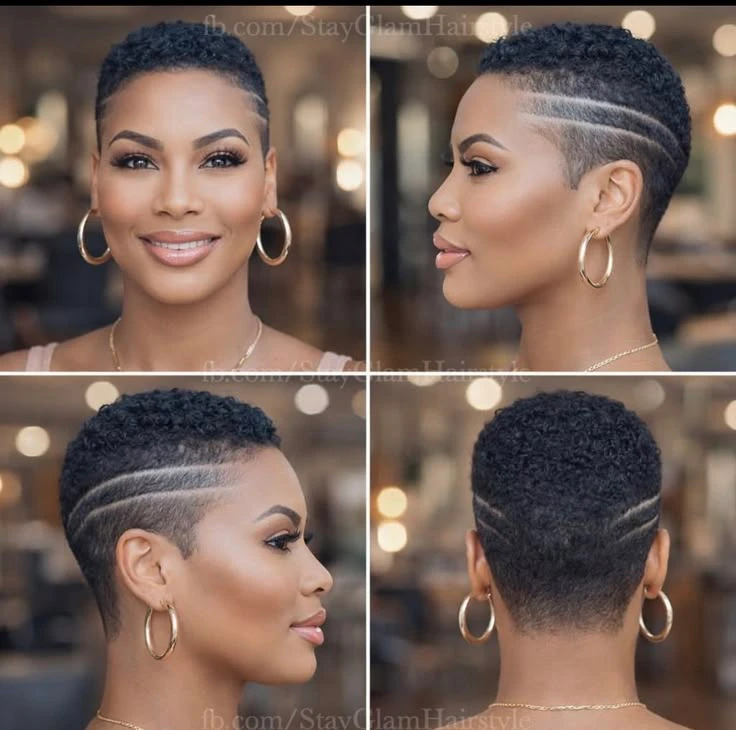
The tapered cut is one of the most adaptable options among all short natural haircuts for Black females. The sides and back are gradually shortened while the top retains more length. This contrast creates a defined shape and draws attention upward toward the top texture, which is typically the most visually captivating part of the cut.
The versatility of a tapered style is considerable. On one day, you can wear the top section with clearly defined coils. On another, you can style it more loosely for a softer, textured appearance. The cut works with either approach and doesn’t require any major changes to your routine. And a good taper will naturally complement your facial features, framing your face with a clean, intentional silhouette. Ask your stylist to customize the level of contrast based on your personal preference and how much maintenance you are willing to commit to.
Short Afro
A short afro is a timeless and boldly beautiful style. It celebrates natural volume and fullness without requiring the hair to conform to an externally imposed shape. Instead, the cut works with the natural expansion and curl pattern of the hair to create a rounded, balanced silhouette.
The shape itself is the most important element of a well-executed Afro. A carefully balanced outline looks polished and intentional rather than unfinished. Meanwhile, the texture inside the shape does exactly what natural hair does best. This style is also very low maintenance day-to-day, which makes it a great option for anyone who prefers a low-maintenance morning routine. The key to keeping a short afro is regular hydration and using gentle products that don’t disrupt the natural curl pattern.
Curly Crop
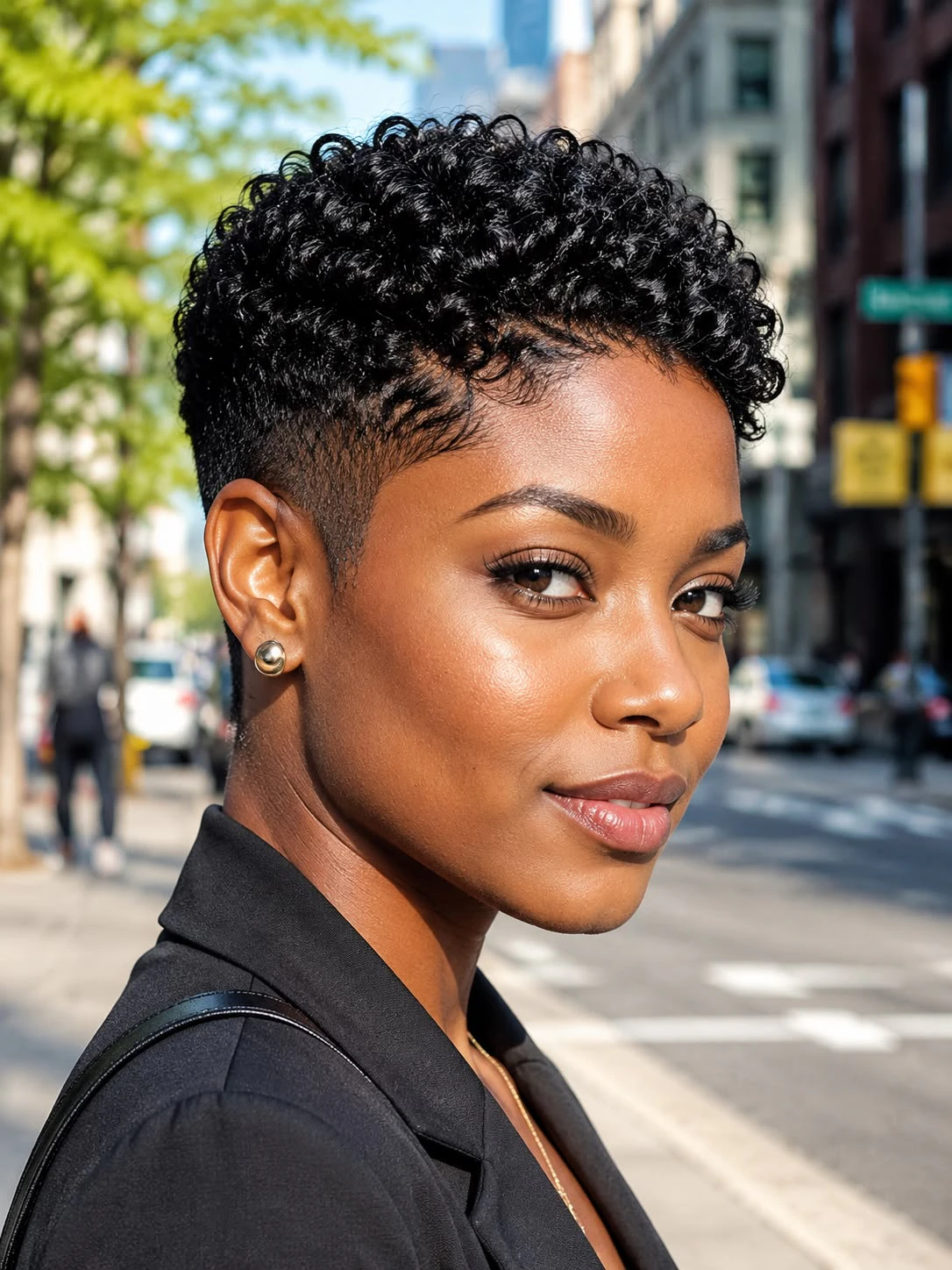
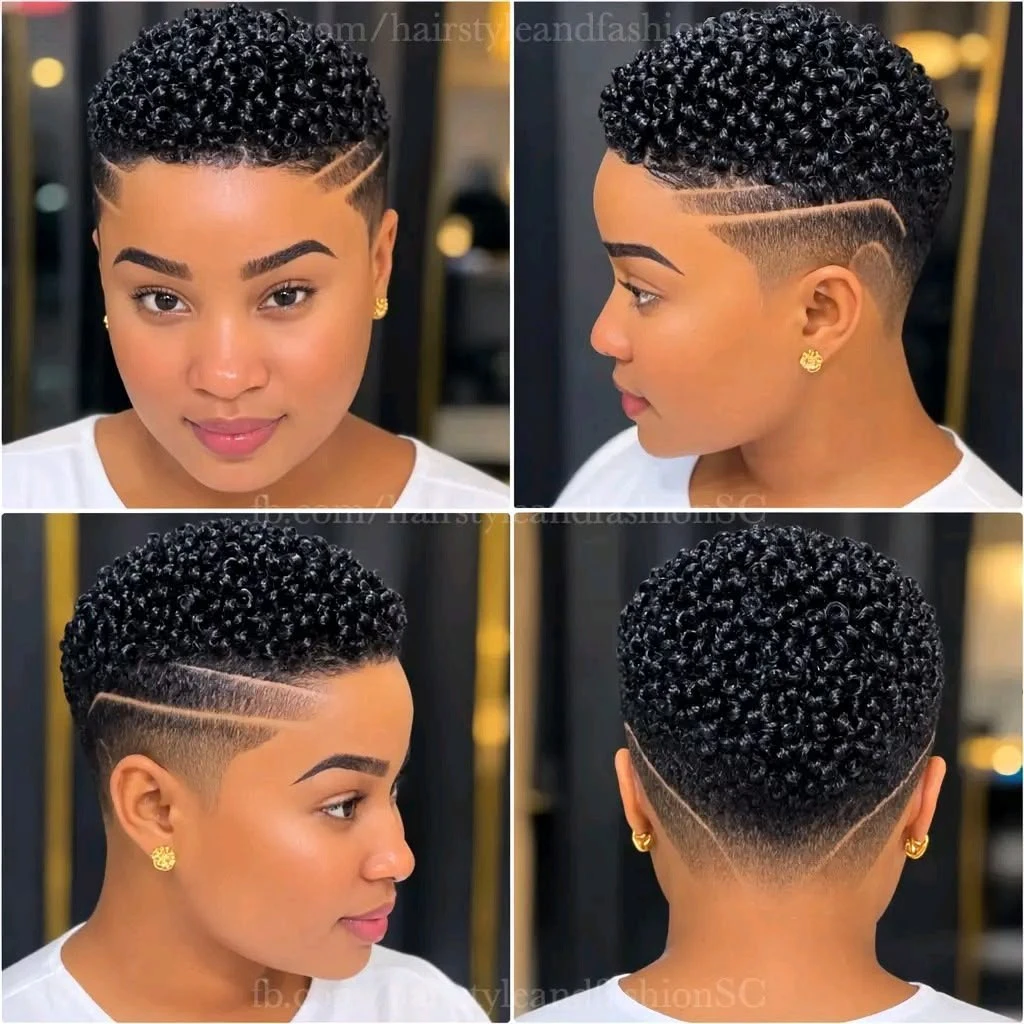
A short curly crop keeps the length relatively brief while keeping the texture fully visible and defined. This style works best when the curls are naturally clear and consistent, though proper hydration plays a large role in how the finished look comes together on any given day.
To style a curly crop effectively, apply a lightweight leave-in conditioner to damp hair. Then, apply a curl-enhancing product to the hair, working it through in small sections. The end result is a fresh, defined look that doesn’t take a lot of time or effort. Because the length is short, product application is quick, and the style typically sets well without needing a diffuser or extended drying time. For further styling ideas, explore our short hairstyle ideas.
Fade With Natural Texture
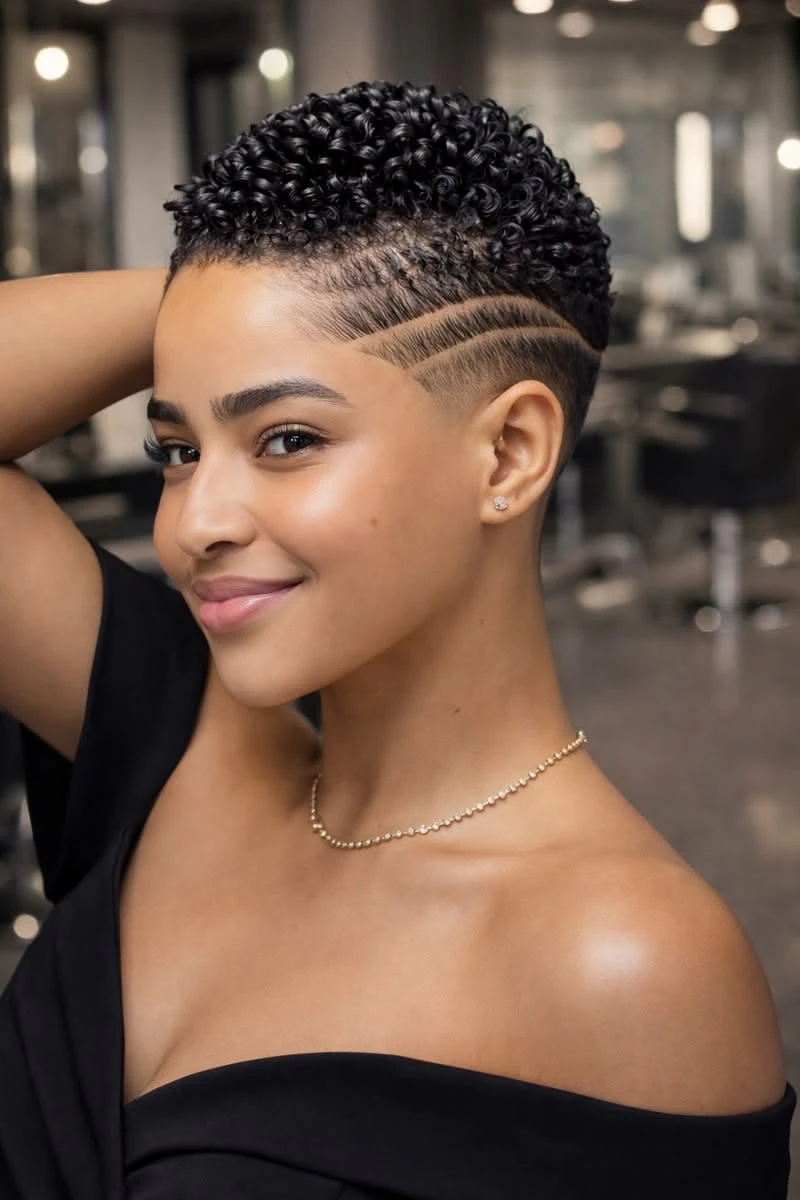
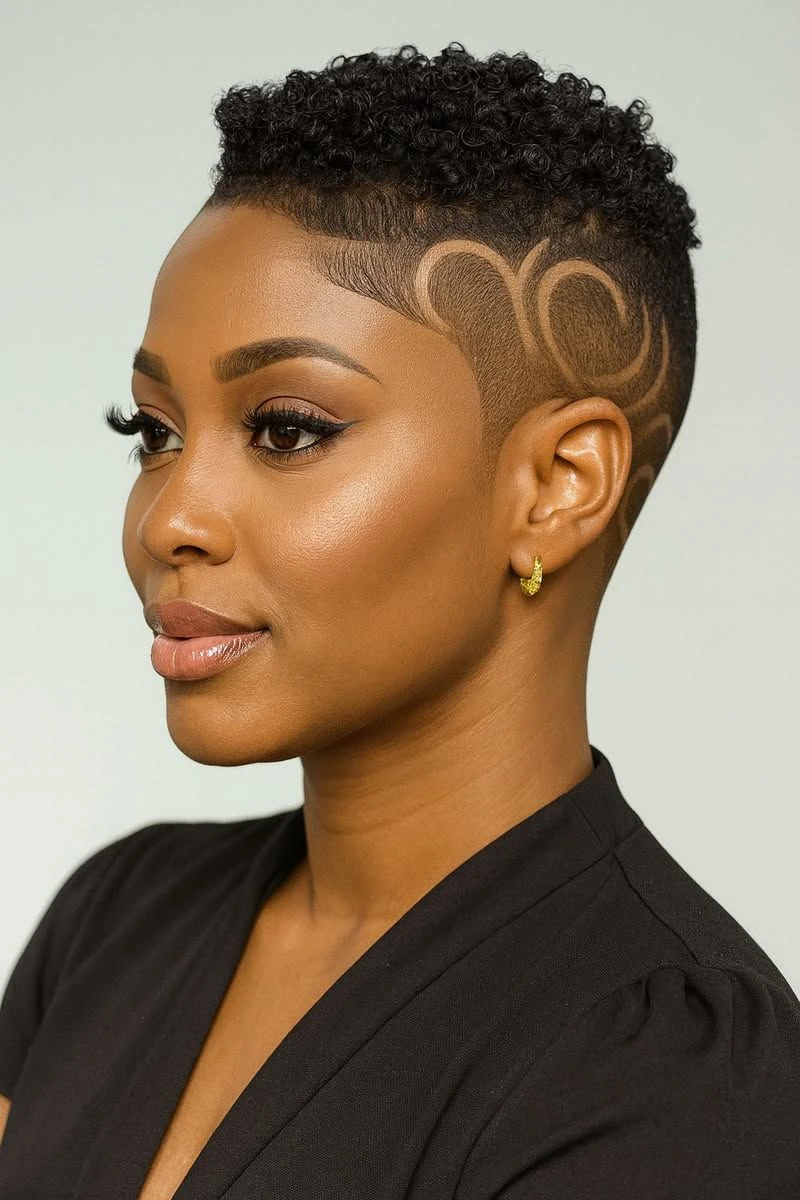
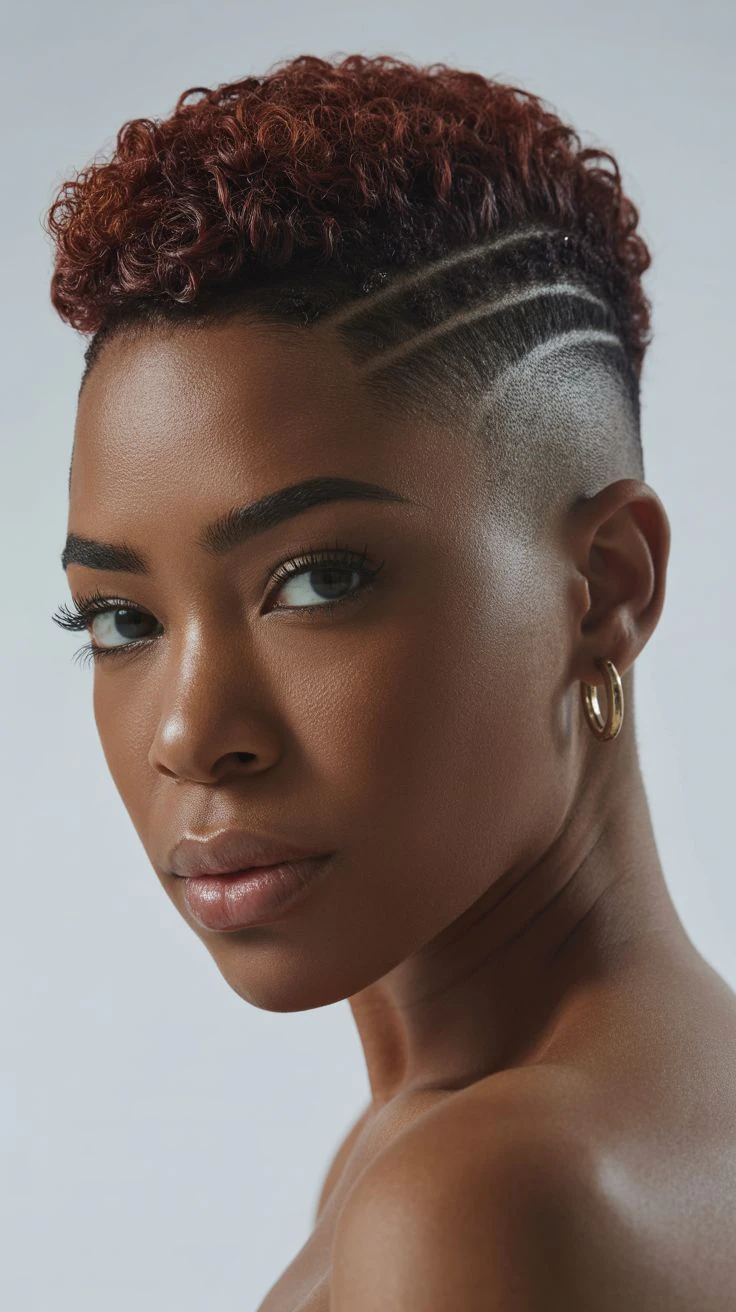
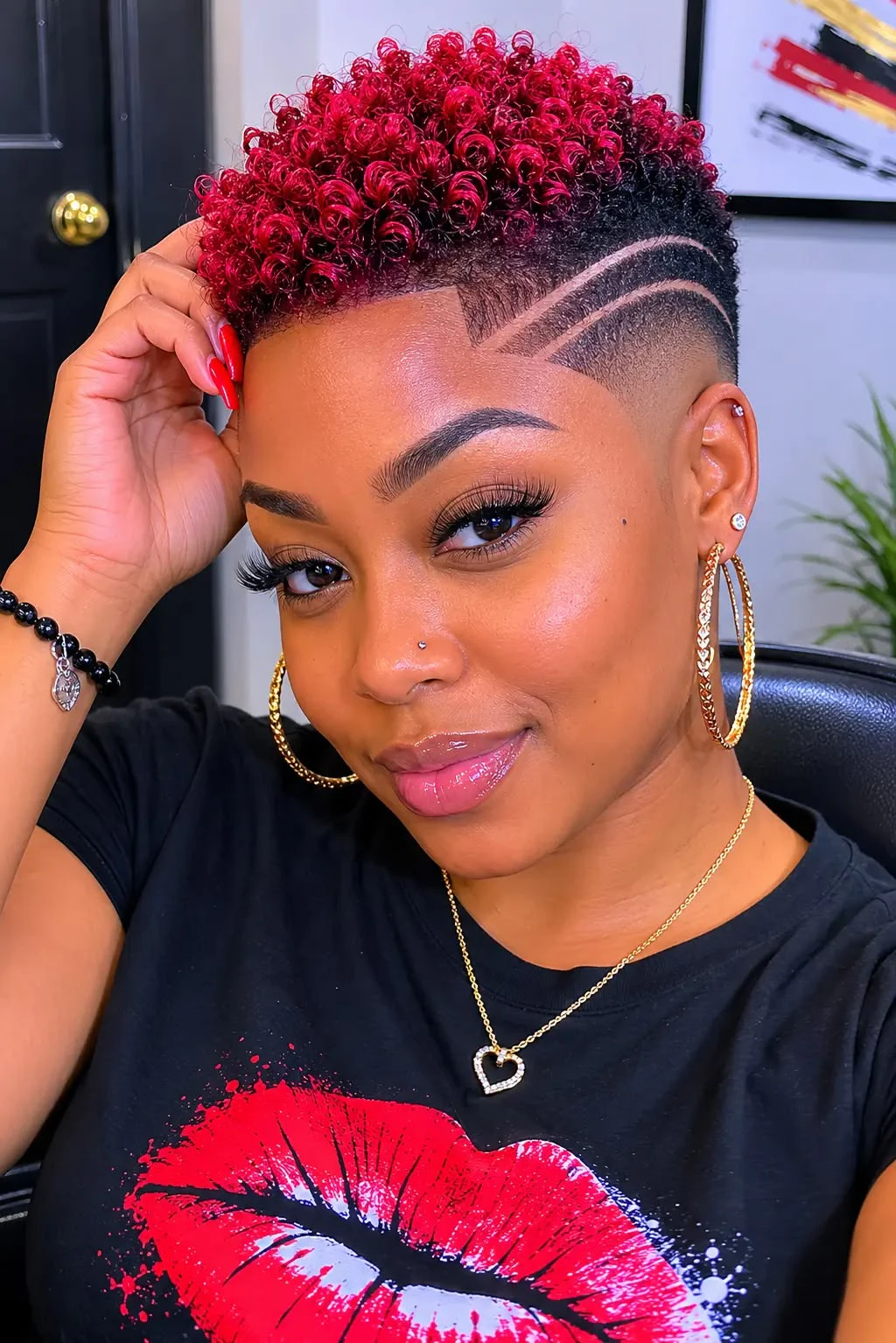
A fade creates a dramatic and modern contrast between the closely cropped sides and the natural texture on top. The sides taper down to very short or skin-level lengths, which makes the top curl pattern stand out strongly by comparison. The overall effect feels contemporary and sharp.
You can choose a soft fade that blends more gently or a high-contrast fade that makes a more dramatic visual difference. Either way, the top texture becomes the clear focal point of the style. Talk with your barber or stylist honestly about how much contrast feels right for your personal taste and how frequently you are willing to return for maintenance. Fades lose their sharpness as the hair grows, so they do require reasonably regular upkeep to stay looking intentional.
Finger-Coil Pixie
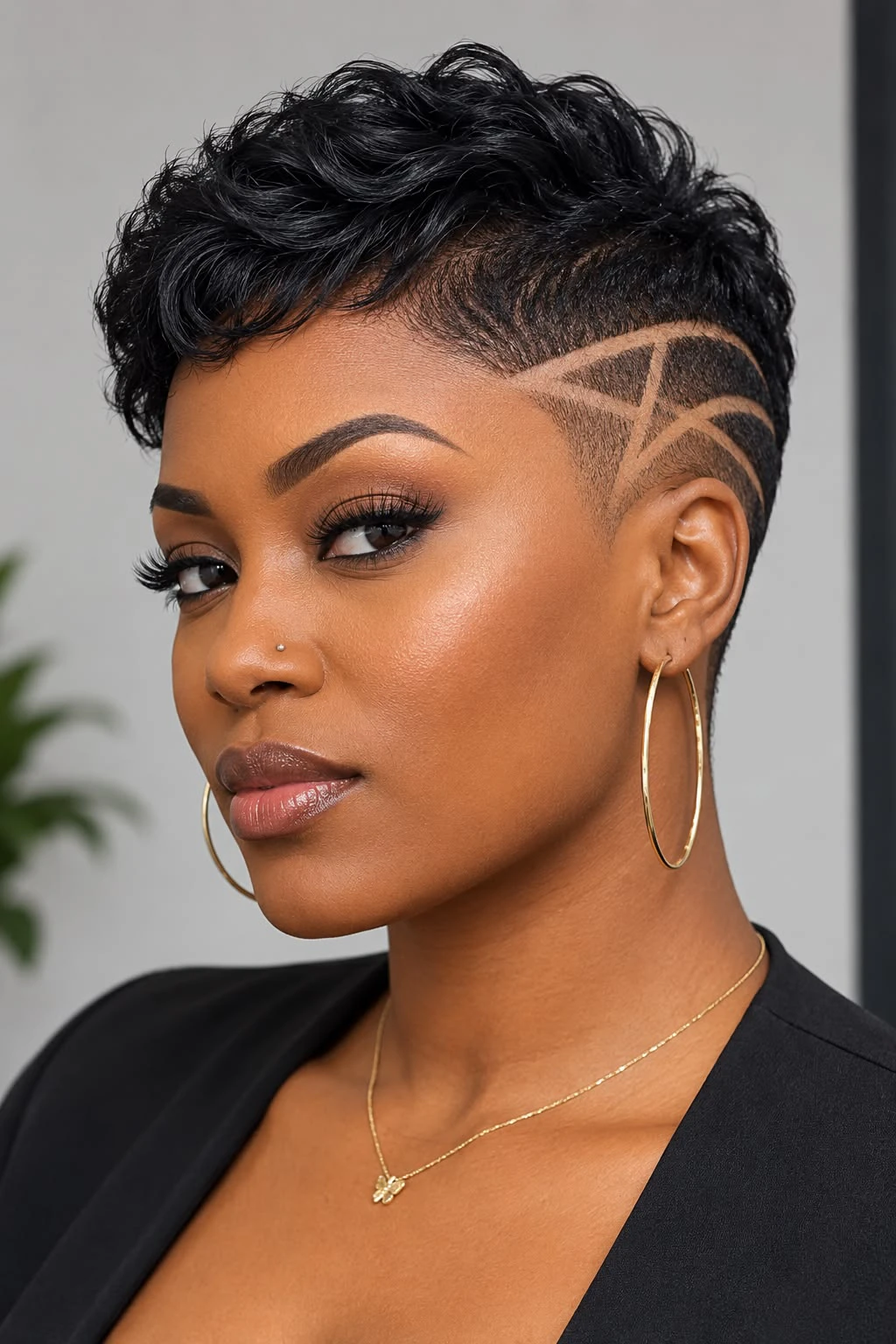
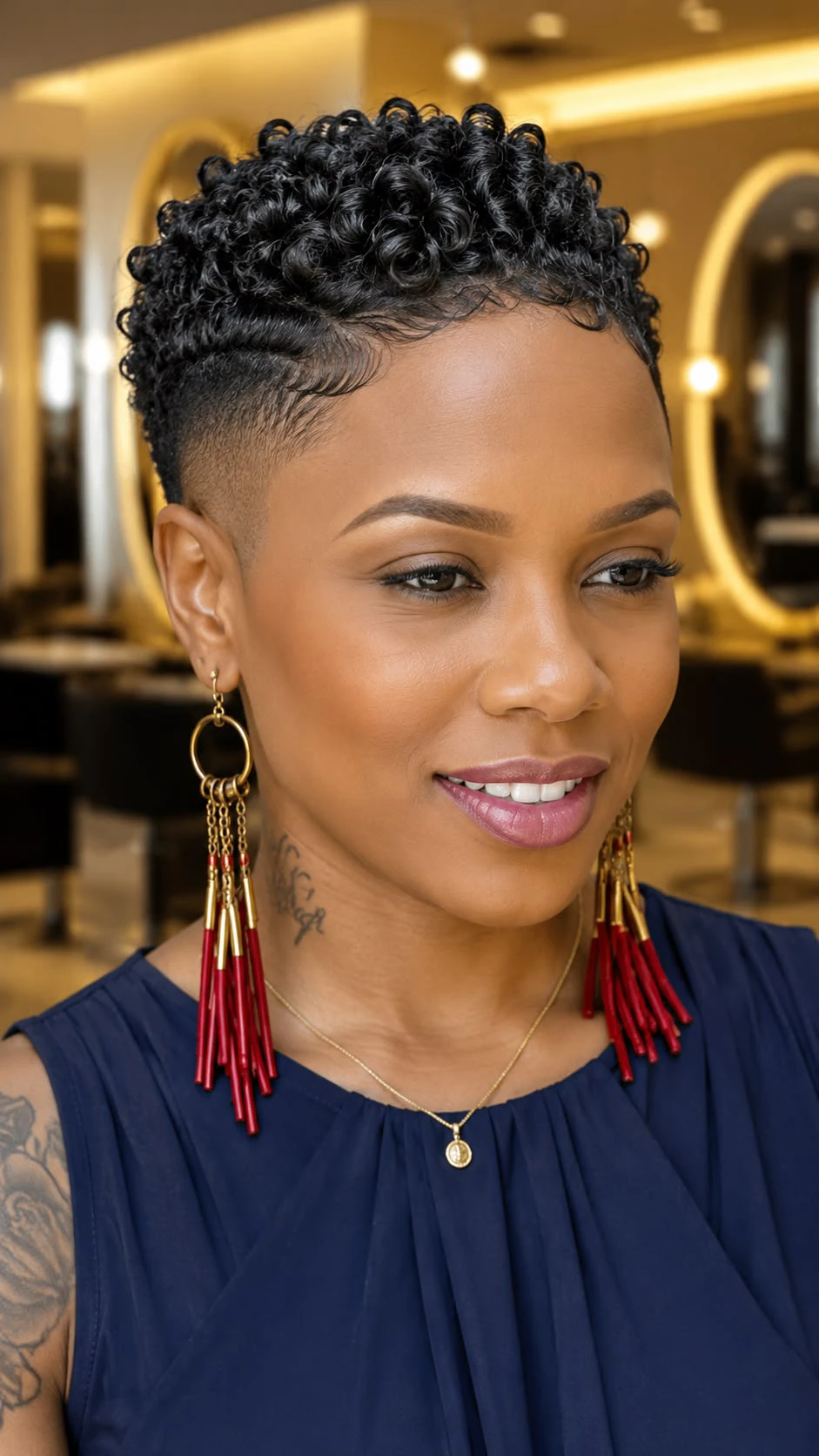
A short pixie with finger coils adds detail and texture to what might otherwise be a basic shape. The individual coils create definition and a distinctly feminine finish that works for both everyday wear and more formal occasions. This style also photographs beautifully because the defined coils catch light in a way that softer, looser textures do not.
To keep finger coils looking sharp, moisture is essential. Work through small sections with a coiling product while the hair is damp. Avoid handling the hair too much after the coils are set, as over-manipulation disrupts the definition and causes frizz. The style holds well for several days with minimal refreshing.
Matching Your Cut to Your Curl Pattern
Your curl pattern is one of the most important factors in determining which short natural haircuts for Black females will work best for you. However, curl type alone does not tell the whole story. Density, shrinkage, and porosity all contribute to how the final cut behaves.
Tighter Coils and Shrinkage
Tighter coil patterns shrink significantly when they dry. This means the finished cut may look considerably shorter than the wet length suggested. A stylist who understands natural hair will account for shrinkage during the cut and plan the length accordingly.
Because of shrinkage, tighter coils often look best in styles that embrace rather than resist the natural volume. Tapered cuts work particularly well here because they create a defined outline that holds its shape regardless of how much the coils shrink. Short afros are also an excellent choice for tighter textures, as the shrinkage contributes to the rounded fullness that defines the style.
Looser Curls and Wave Patterns
Looser curl patterns show more length and create a softer overall shape. A short curly cut on looser textures tends to look airy and effortless. Light layers can add movement and prevent the style from feeling too dense or heavy at the sides. Meanwhile, because looser curls shrink less dramatically, the wet and dry lengths are closer together, which makes it somewhat easier to predict the final result before you commit to a cut.
Mixed Textures
Many people have more than one curl type within the same head of hair. This variation is entirely normal, but it can make choosing a cut more complex. The good news is that a skilled stylist can work with different textures rather than trying to make them uniform. Before the cut, have an open and honest conversation. Let your stylist know how your hair behaves after washing and drying. Which parts tend to tighten, loosen, get denser, or get frizzier? This information gives your stylist what they need to create a cut that flatters all of your textures simultaneously.
Choosing a Cut for Your Face Shape
Face shape is a useful reference point when choosing between the best short natural haircuts for Black females, though it should always be considered alongside personal preference rather than as a strict rule.
Round Faces
A tapered style with additional height at the crown is particularly flattering for round faces. The extra height creates a vertical visual line that makes the face appear longer. Additionally, keeping the sides close and tidy prevents the cheeks from looking wider than they are. Styles that add volume outward at the sides, by contrast, can emphasize the roundness of the face.
Oval Faces
Oval faces are naturally balanced and suit a wide range of styles. A short afro, a pixie, a tapered cut, and a curly crop all work well with oval proportions. Because the face shape itself is already balanced, you have more freedom to experiment based on your personal taste and lifestyle. For more guidance, see our article on hairstyles for face shapes.
Square Faces
Square faces have strong, defined jawlines. Softer styles tend to create the most flattering balance. A textured top with defined curls adds movement that softens the angular quality of the jaw. A rounded shape in the overall cut can also help. Styles that bring texture and volume toward the sides of the lower face create a sense of softness around the jawline without hiding it entirely.
Heart-Shaped Faces
Heart-shaped faces are wider at the forehead and narrower at the chin. Styles that add some fullness near the jaw help balance the proportions. Here, a short afro with a rounded edge works well, as it distributes the volume evenly. Tapered styles, which are fuller on top and narrower at the temples, can also help create a more balanced overall look.
How to Moisturize Short Natural Hair
Healthy natural hair is all about moisture, regardless of the length. Regular moisturizing is necessary even for short hair to keep it soft, pliable, and defined. Natural hair without enough moisture becomes brittle, breaks easily, and is hard to style in a way that looks deliberate.
Begin with a gentle cleanser that won’t strip the scalp or hair of natural oils. Follow with a moisturizing conditioner from mid-lengths to ends. Rinse and, if needed, apply a leave-in conditioner for added hydration and a small amount of your favorite styling product.
Don’t overuse products. Lots of buildup makes hair feel heavy, and eventually you need a more aggressive cleanse to get it out. Use a bit of each product instead, and see how your hair has responded. Don’t try to make significant changes all at once, but make small adjustments to your routine based on what you see. For a complete overview, refer to our natural hair care guide.
Easy Maintenance Options and Trim Schedules
Some natural haircuts are more high-maintenance than others. To keep the contrast, a sharp fade or exact taper style needs to be touched up every three to four weeks. The outline blurs as the hair gets longer and the shape becomes less defined.
If you’re not into the salon life, opt for a short afro or a textured crop instead. These styles grow out more gradually and naturally, and they don’t lose their shape as quickly. The soft, rounded outline of an afro in particular remains recognizable and attractive for several weeks after a trim.
Think honestly about your schedule and how often you are genuinely willing to visit a stylist before choosing a cut. A style that looks sharp but requires upkeep you cannot commit to will ultimately create more frustration than satisfaction.
Styling Ideas to Keep Your Look Fresh
Short hair offers more styling variety than many people expect. Small changes to your routine can create noticeably different results from the same underlying cut.
For defined curls, apply a curl-enhancing product to damp hair in small sections and allow the hair to air-dry or finish with a diffuser on a low heat setting. Once dry, gently separate the curls with your fingertips rather than a comb for the most natural result.
A curl sponge creates small, uniform coils on very short natural hair with minimal effort. Use gentle circular motions and avoid rubbing too aggressively, as too much friction disrupts the curl pattern.
A simple side part changes the overall balance of the style immediately. It introduces asymmetry without requiring any change to the cut itself, and it works equally well with tapered cuts, afros, and curly crops.
Accessories such as headbands, decorative clips, and pins are also worth exploring. They can shift the entire feel of a short style quickly and without effort, which is genuinely useful on days when you want a change without committing to a new cut.
Color Considerations for Short Natural Hair
Color can add a striking new dimension to a short natural haircut. Because the hair is short and close to the face, even subtle color choices have a significant visual impact. Natural texture works well with warm tones like copper, honey, and caramel, as it adds brightness to the overall look. The deeper and darker tones produce a softer and more uniform appearance. If you’re going for a bolder statement, use a bright accent color on the top or front for a contrast that highlights the texture and shape of the cut.
However, colored hair requires additional moisture care. Chemical processes can affect the integrity of natural hair, particularly with tighter curl patterns. Before making any significant color change, speak with a professional about the current condition of your hair and what aftercare will be necessary. You can also explore our hair color inspiration for ideas that suit natural textures specifically.
Talking to Your Stylist Before the Cut
One of the most practical steps you can take before choosing from the best short natural haircuts for Black females is to have a thorough consultation with your stylist before the scissors come out. Bring several reference photos of styles that appeal to you. These images give your stylist a concrete sense of the direction you want, even if your hair behaves differently from the hair in the photos.
Describe your natural curl pattern, how your hair behaves after washing, how much shrinkage it has, and how much time you are genuinely willing to spend on styling each day. These details allow your stylist to recommend a cut that works specifically for your hair rather than a generic approximation of something you saw online.
Use reference photos as inspiration and a starting point for conversation rather than as an exact blueprint. The person in any photo has different density, curl shape, and growth patterns than you do. The best result comes from combining your vision with your stylist’s understanding of your specific hair.
Ultimately, the right short natural haircut is one that suits your texture, complements your face, fits your lifestyle, and makes you feel genuinely confident when you look in the mirror. That combination is different for every person, which is precisely why the consultation matters as much as the cut itself.
For more cut ideas, see our short haircuts for Black natural hair and our picks for low maintenance short natural haircuts.