



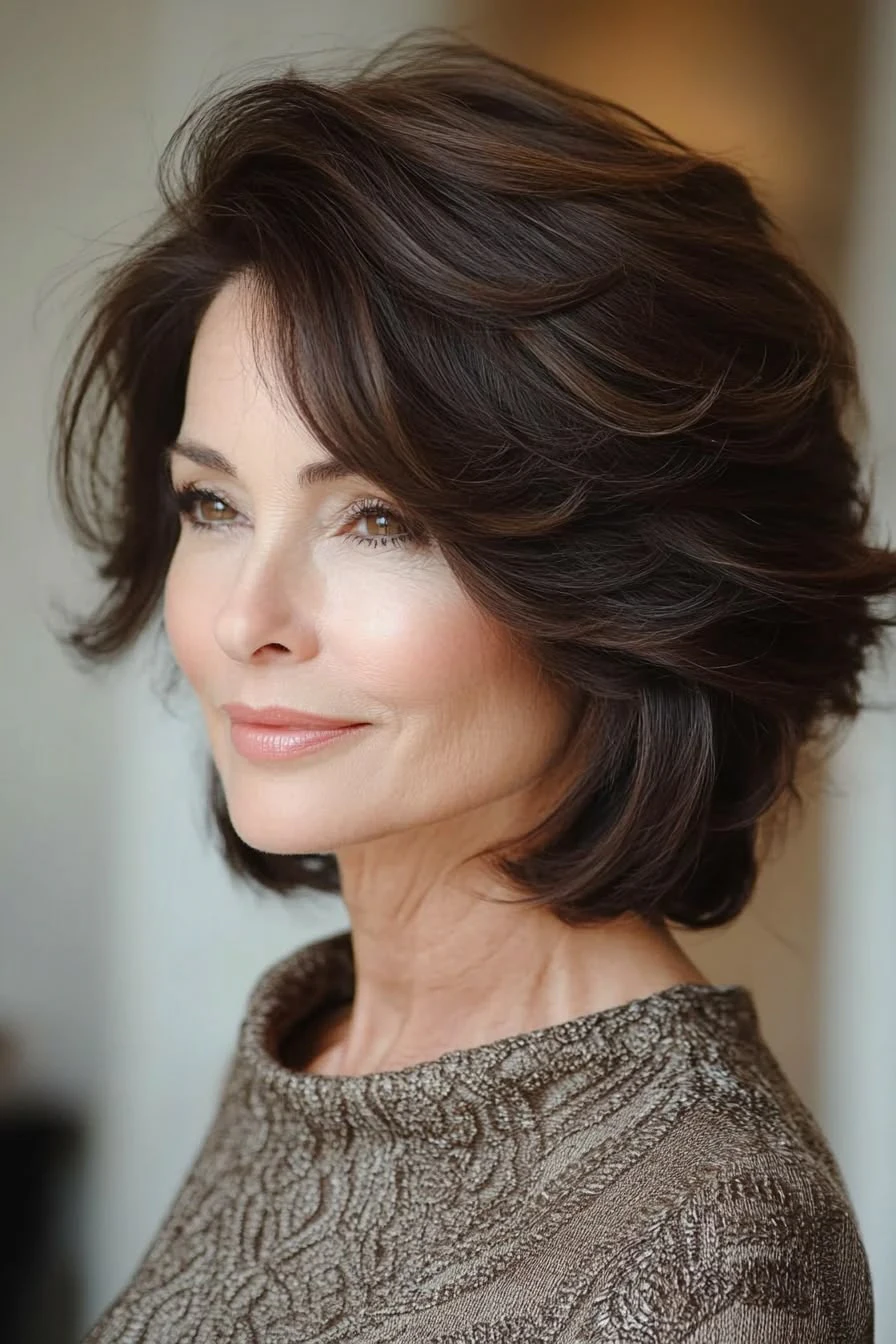
The Best Care for Thick Hair and Easy Haircuts
Thick hair is genuinely beautiful. It has a natural volume, strength, and presence that many spend years trying to create artificially. However, anyone who actually lives with thick hair knows that it comes with its own set of daily challenges. Washing takes longer. Drying takes even longer. Brushing out knots requires patience, and styling can feel like a full workout before the day has even started.
The good news is that the right approach makes a significant difference. Thick hair care needn’t be complicated or expensive. Instead, it’s about understanding your specific texture, selecting a haircut that works with your natural density, and establishing a regular daily routine that actually fits your lifestyle.
This guide covers everything you need to know, from which haircuts remove weight without sacrificing shape to which daily habits make thick hair genuinely easier to manage.
What Thick Hair Actually Means
Before choosing a routine or a cut, it helps to understand what thick hair really is. Thickness and density are related but not identical. Some people have many strands of fine hair packed closely together. Others have fewer strands, but each individual strand is wider and stronger. Both situations can produce what most people would describe as thick hair, but they respond differently to products and cutting techniques.
Thick hair can also be straight, wavy, curly, or coily. Each texture has slightly different needs. Thick straight hair, for example, often feels heavy at the roots and tends to lie flat in a way that emphasizes bulk. Thick curly hair, on the other hand, needs consistent moisture and careful detangling to prevent frizz and breakage.
Knowing your texture alongside your density is the starting point for everything else. Without that understanding, it is easy to use the wrong products or choose a cut that makes the situation worse rather than better.
Why Your Haircut Matters More Than You Think
Many people focus heavily on products and routines when they struggle with thick hair. However, the haircut itself is often the most important factor. A poorly chosen cut can make thick hair feel twice as heavy and twice as difficult to manage. The right cut, by contrast, can reduce styling time dramatically and make the hair feel lighter and more balanced throughout the day.
The goal is not to flatten or thin the hair indiscriminately. Instead, the aim is to remove weight from the right places while preserving the overall shape and natural movement. Thinning the entire head of hair at once often leads to uneven texture and a lack of structure. A skilled stylist will remove weight strategically, focusing on the areas where bulk accumulates most, typically the mid-lengths and the interior of the hair rather than the surface.
Additionally, the right cut can reduce how much heat and product you need each day. When the cut already has the shape built in, you spend less time fighting your hair into position every morning.
The Best Easy Haircuts for Thick Hair
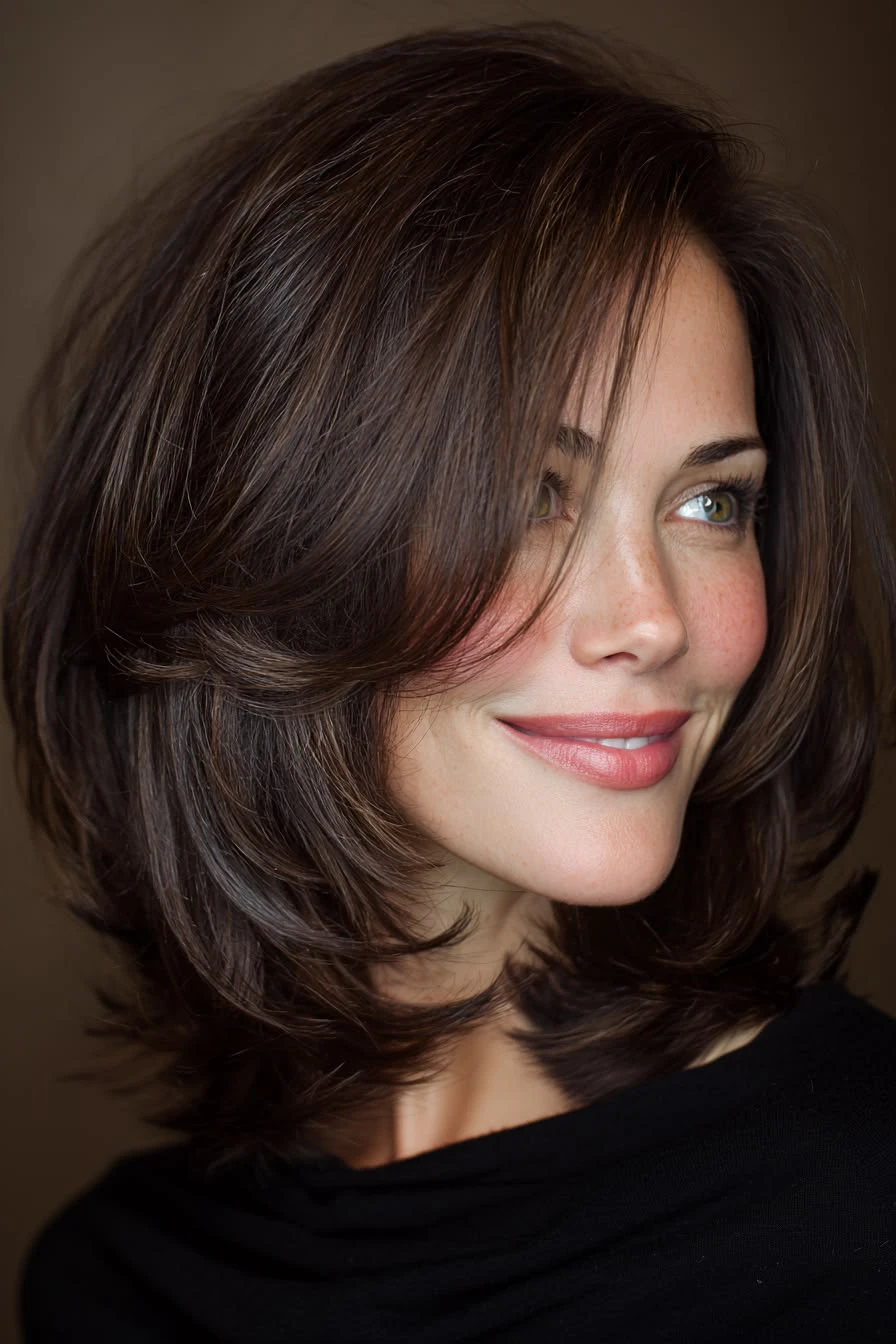
Long Layers
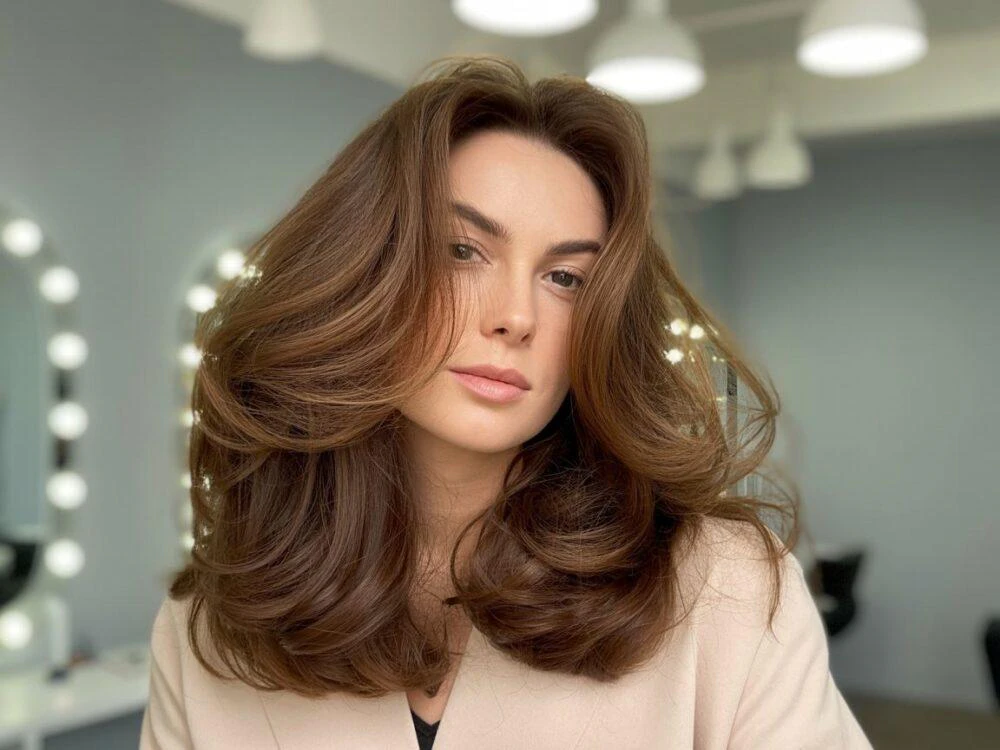
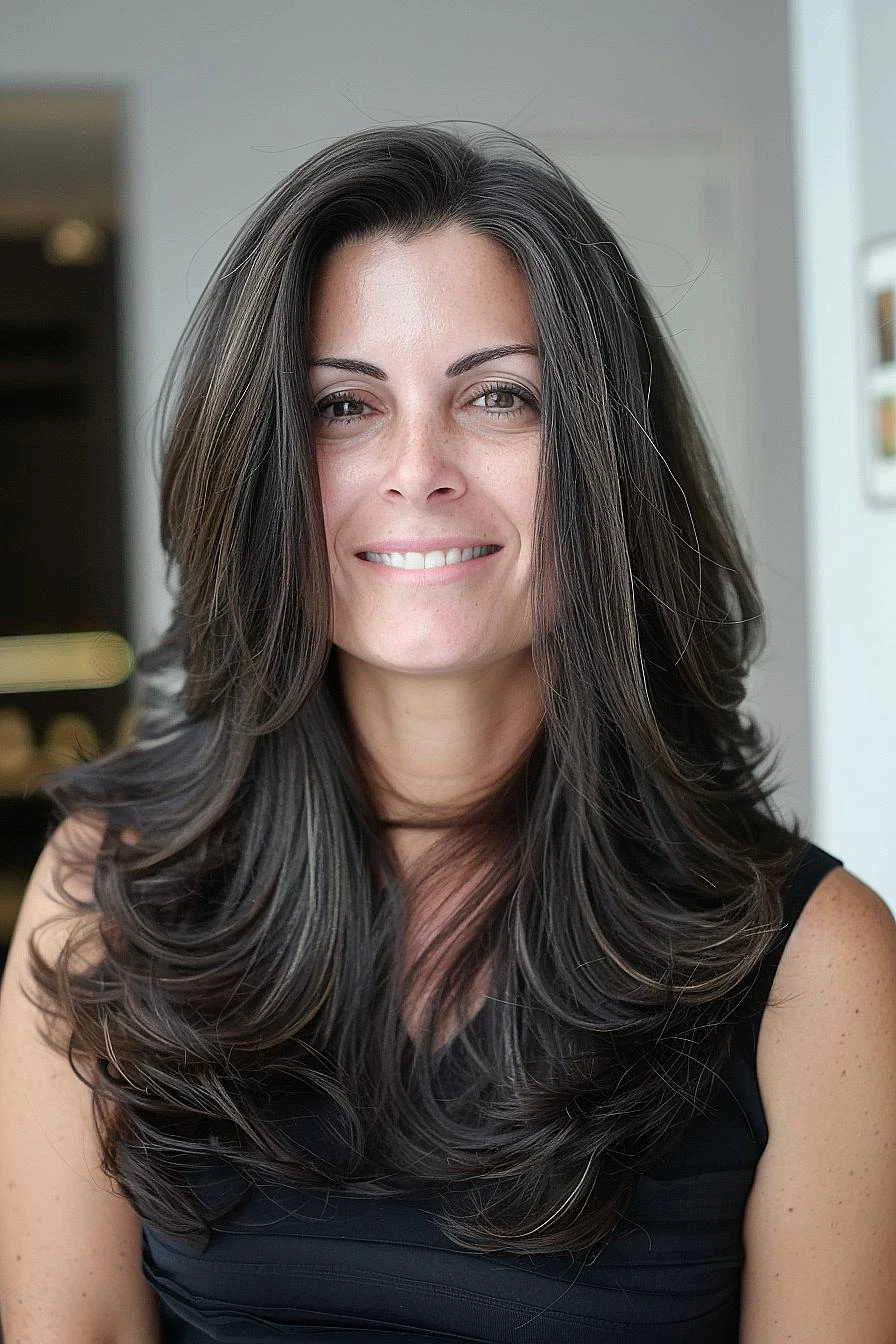
Long layers are one of the most effective and time-tested solutions for thick hair. They remove bulk gradually without significantly reducing the overall length, which makes them ideal for anyone who wants to keep their hair long but reduce its weight.
Layers give movement. This creates a natural separation of the hair and gives it a softer, more dynamic look instead of one heavy mass. For thick straight or wavy hair in particular, long layers can completely transform the daily styling experience. Brushing becomes easier, drying takes less time, and the finished result looks intentionally shaped rather than simply heavy.
The key is placement. Layers concentrated too high on the head can create unwanted volume at the crown. Layers placed thoughtfully through the mid-lengths and ends, however, reduce weight exactly where it tends to accumulate most.
Shoulder-Length Cut
A shoulder-length cut is an excellent middle ground for anyone who finds very long, thick hair unmanageable but is not ready for a dramatic change. At this length, the hair retains plenty of styling versatility while losing a significant amount of the weight that comes with longer lengths.
With subtle layers added throughout, a shoulder-length cut feels genuinely lighter than longer styles. Furthermore, this length works well whether you prefer to wear your hair straight, wavy, or pulled back. It is one of the most adaptable options available for the best care for thick hair combined with everyday practicality.
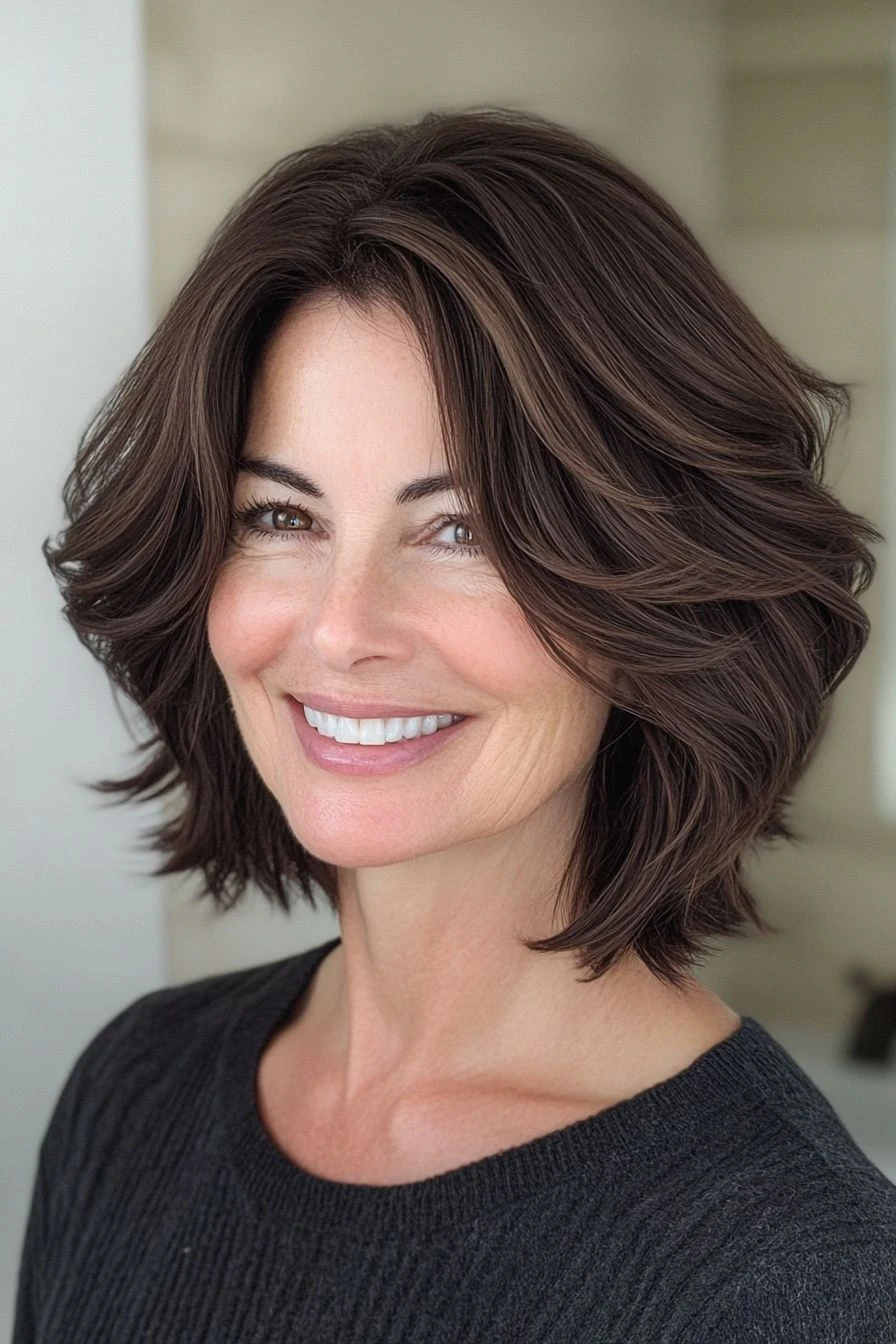
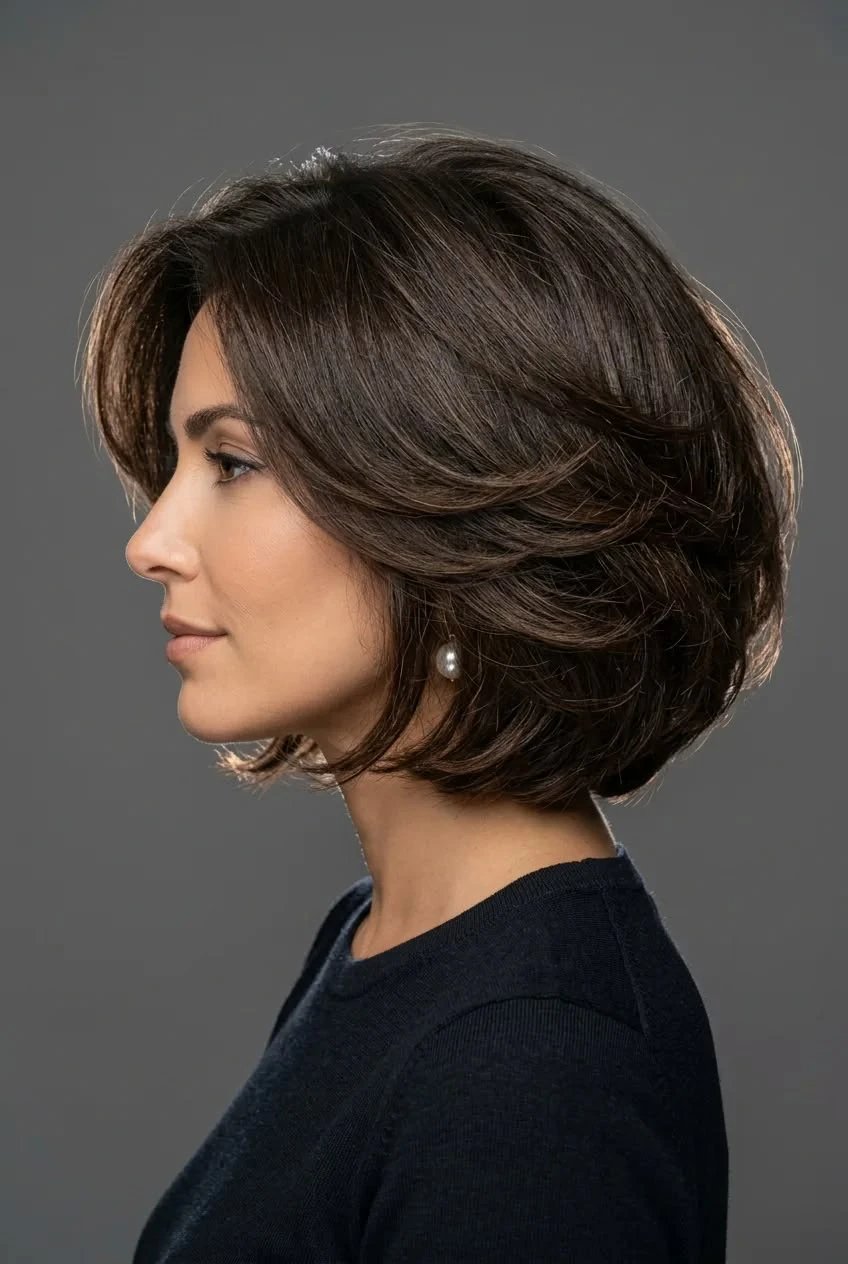
Long Bob
The long bob, commonly called a lob, sits just above or at the collarbone. It removes more length than a shoulder cut while still giving you enough hair to style in multiple ways. For straight or slightly wavy thick hair, a lob with soft layers is particularly effective at creating a clean, manageable shape without looking too thin or blunt.
A lob also works well as a transitional cut. If you are considering going shorter but want to ease into it gradually, a lob gives you a sense of how you feel about shorter lengths before committing to something more dramatic.
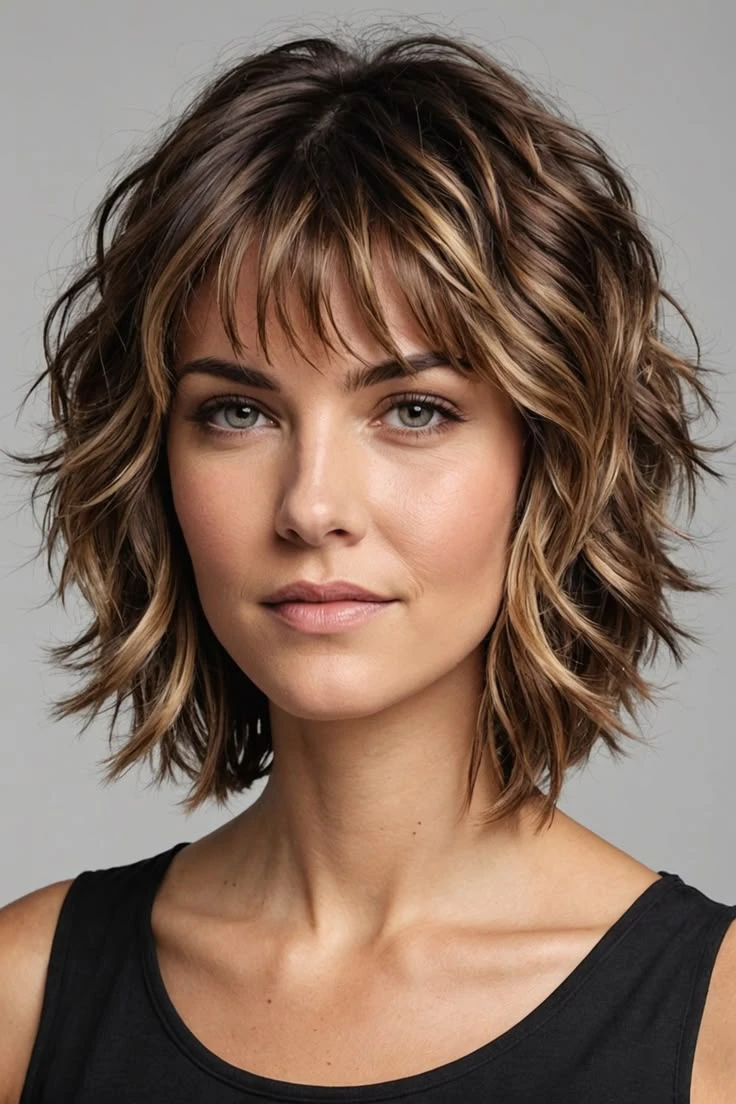
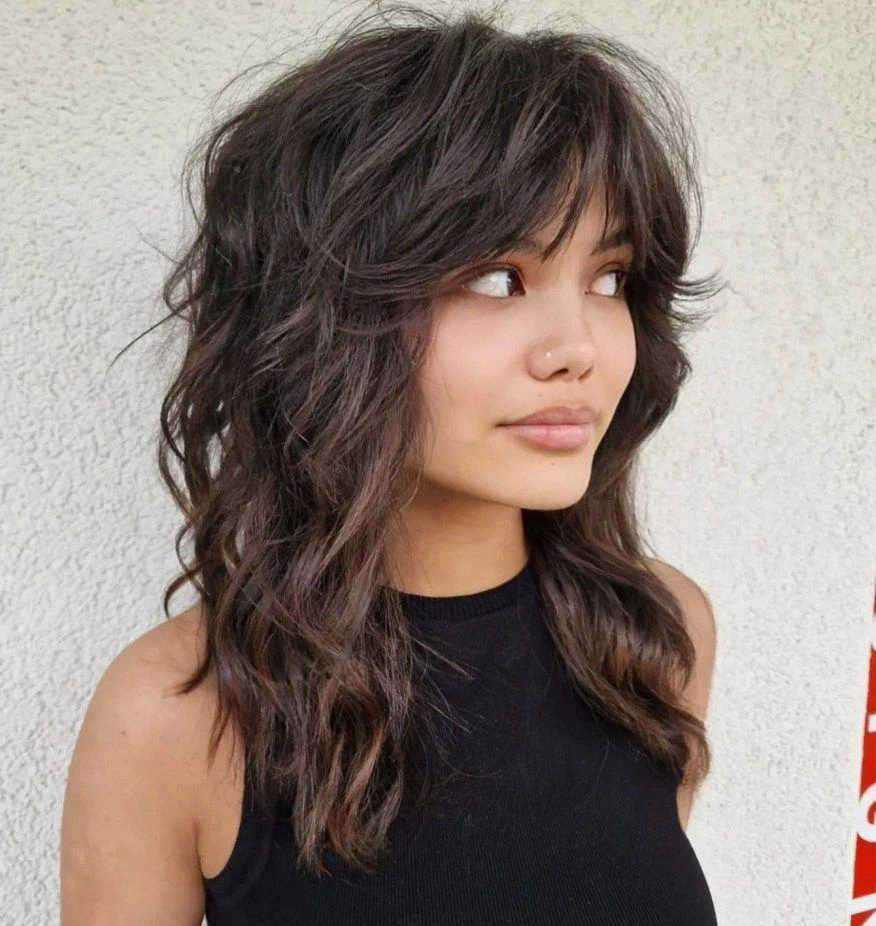
Layered Shag
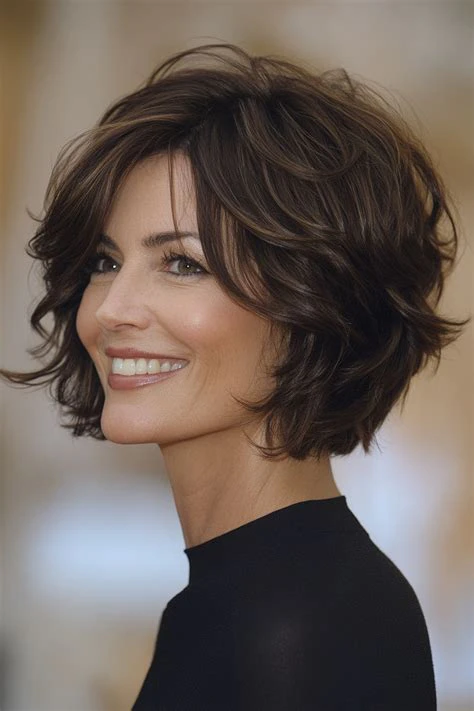
The shag cut has returned strongly recently, and it suits thick hair exceptionally well. The layers built into a shag distribute weight evenly throughout the hair, which reduces bulk at the sides and ends where it tends to feel heaviest.
However, the layering technique matters significantly with thick hair. Too many short layers in the wrong places can actually increase volume rather than reduce it. The layers need to be tailored to your specific texture and growth pattern, which is why communicating clearly with your stylist before the cut is so important. For more inspiration, visit our easy hairstyle ideas.
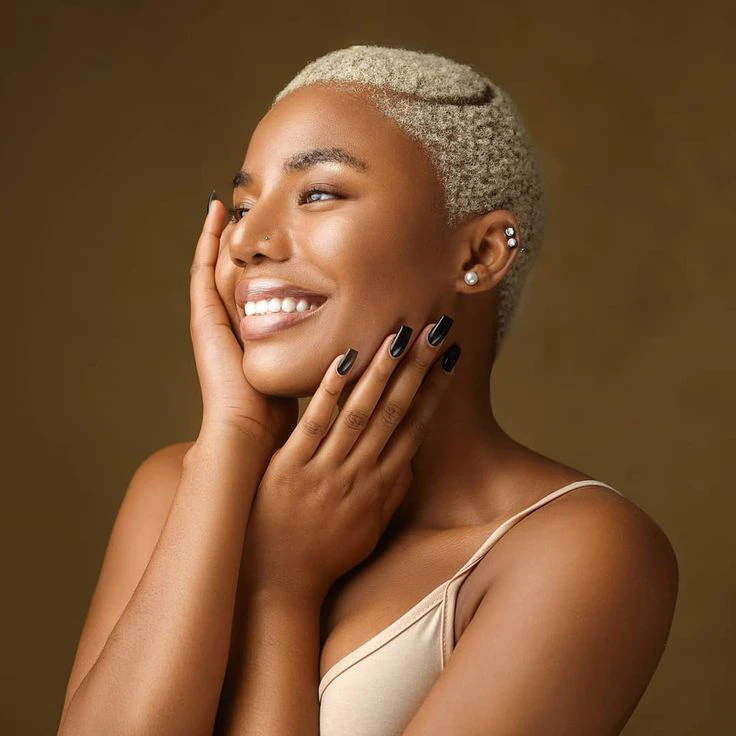
Textured Pixie
For anyone ready for a more significant change, a textured pixie cut removes the challenge of thick hair almost entirely. Short hair is far easier to wash, dry, and style than longer lengths. The texture built into a modern pixie prevents it from looking stiff or flat, and daily styling often requires nothing more than a small amount of styling cream worked through with the fingers.
A textured pixie also gives thick hair a chance to show its natural strength and shine without the weight dragging it down.
Daily Care Habits That Make a Real Difference
Washing Thick Hair Effectively
One of the most common difficulties with thick hair is getting shampoo to reach the scalp properly. When the hair is dense, it is easy to end up with clean outer layers but a scalp that has not been properly cleansed. To avoid this problem, divide your hair into sections before washing. Apply the shampoo directly to each section of the scalp and massage gently with fingertips. Then rinse well and continue to the next section.
Avoid scrubbing aggressively. Gentle, consistent massage is far more effective and causes less friction and breakage over time.
Conditioner is particularly important for thick hair, especially if it tends toward dryness or has any natural curl or wave to it. Apply conditioner primarily to the mid-lengths and ends rather than the roots, where it can contribute to buildup and a heavy feeling at the scalp.
Leave the conditioner on for the time indicated on the product instructions. Then rinse thoroughly. A good conditioner softens the hair significantly, which makes detangling much easier and reduces the pulling and breakage that often comes with brushing thick hair.
A wide-tooth comb is the most practical tool for detangling thick hair. Always start at the ends and work your way gradually toward the roots. Trying to drag a comb from root to tip through thick, knotted hair causes unnecessary breakage and discomfort.
If you encounter a stubborn knot, use your fingers to gently loosen it before introducing the comb. Forcing the comb through tight tangles does more harm than any benefit it creates. For thick curly or wavy hair, detangling while the conditioner is still in the hair often produces the best results.
Texture-Specific Care for Thick Hair
Thick straight hair tends to look shiny and full, but excess density can make it feel heavy and difficult to move. Start with a scalp-focused shampoo and a lightweight conditioner applied only to the lengths. Avoid heavy oils at the roots unless they are specifically formulated for scalp use.
Before blow-drying or straightening, apply a heat protectant throughout. Then style your hair in small sections instead of trying to dry your entire head at once. This approach produces a much smoother and faster result. A large round brush helps add slight movement at the ends without creating unnecessary volume. For more guidance, visit our full hair care routine.
Caring for Thick Wavy Hair
Thick wavy hair has beautiful natural movement, but it can become bulky or frizzy when it is dry or when the wrong products are used. Wash, apply a moisturizing conditioner and, while still wet, finish with a light styling cream or mousse.
Do not brush hair until it begins to dry. Instead, gently squeeze out excess water after washing and scrunch the styling product through the lengths. Then allow the hair to air-dry or use a diffuser on a low heat setting. Both methods preserve the wave pattern and reduce frizz without the heaviness that comes from blow-drying straight.
Thick curly hair requires consistent moisture above almost anything else. Curls can dry out quickly, particularly at the ends, which leads to frizz and breakage if not addressed regularly. Wash using a gentle cleansing routine and a moisturizing conditioner every wash day.
When detangling, work through the hair in sections, starting at the ends. Don’t touch your hair too much in between wash days; too much touching messes up the curl pattern and creates more frizz. A leave-in conditioner provides long-lasting moisture between washes, while a curl cream or light gel defines the curl pattern without stiffness. For a more detailed routine, visit our curly hair care guide.
The Only Products You Need
The best care for thick hair does not require a large collection of products. In fact, using too many products at once is one of the most common reasons thick hair feels heavy and unmanageable. A handful of well-chosen products used consistently outperforms a large and varied collection every time.
A moisturizing shampoo cleans the scalp without stripping natural oils. A quality conditioner softens the lengths and makes detangling easier. A lightweight leave-in conditioner hydrates dry ends without buildup. For styling, a light cream or mousse generally works better than a heavier product that can make thick hair look even more weighed down.
If you use heat tools often, a heat protectant spray is a must. It prevents long-term structural damage and keeps the hair looking healthy and shiny in the long run. A clarifying shampoo used once in a while can reset the scalp and lengths without disturbing your normal care habits if you’re suffering from product buildup even with a simple routine.
Establishing a Routine That Actually Works
When it comes to the best care for thick hair, consistency is more important than perfection. A simple routine followed reliably every week produces better results than an elaborate routine used inconsistently.
Wash your hair as often as your scalp genuinely needs it rather than on a fixed schedule that may not suit your texture. Condition the lengths on each wash day. Detangle gently with a wide-tooth comb. Apply your chosen leave-in or styling product while the hair is still damp. Then let it air-dry or blow-dry on a low heat setting, depending on your preference and time available.
A quick spritz of water and a small amount of styling product usually revives the shape between washes. Washed hair feeling heavy? Try less product. If it feels dry, reassess your conditioning routine and try adding a leave-in treatment.
For those with long, thick hair, a loose gather of hair before sleep can prevent friction and tangles overnight. Furthermore, a smooth pillowcase material helps a lot, as it creates less friction against the hair shaft than standard cotton.
Getting the Best Results From Your Stylist
Clear communication with your stylist is one of the most underrated aspects of managing thick hair effectively. Before your appointment, think about how much time you are willing to spend styling each morning. Consider how often you are prepared to return for trims. And consider the textures and lengths that you can realistically manage on a daily basis, rather than just the styles that appear attractive in photographs.
When you arrive, bring reference images if you have them. Tell your stylist specifically that you want a cut that works with your natural texture and suits your daily routine. Ask them to focus on removing weight from the interior of the hair rather than thinning the surface, which can affect the overall shape.
A good stylist will assess your dry texture as well as your wet length before making any decisions. Thick curly hair in particular behaves very differently when dry compared to when wet, so a stylist who evaluates both will produce a far more accurate and flattering result.
Ultimately, thick hair is an asset. With the right haircut and a consistent daily routine, it can feel lighter, look more defined, and take significantly less effort to manage than most people with thick hair currently experience. The foundation is simply knowing your texture, choosing a cut that respects it, and building habits that support rather than fight your natural hair.