
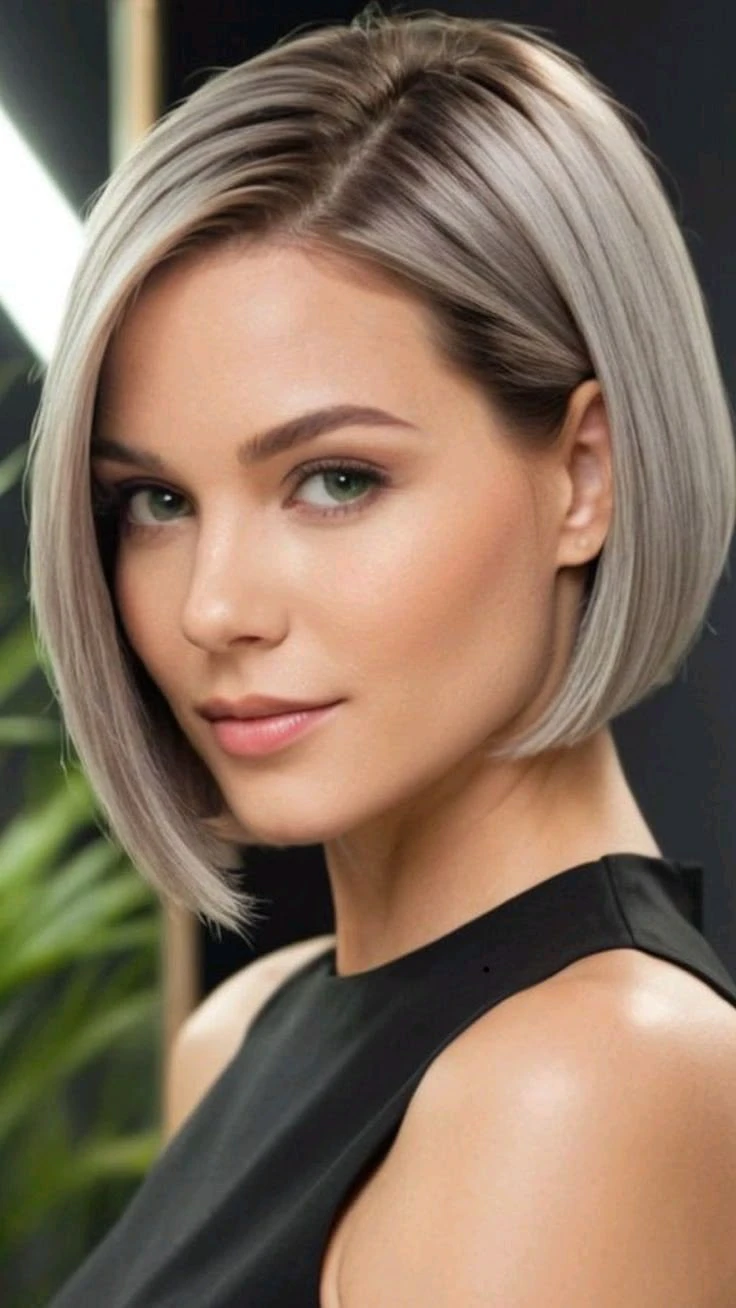
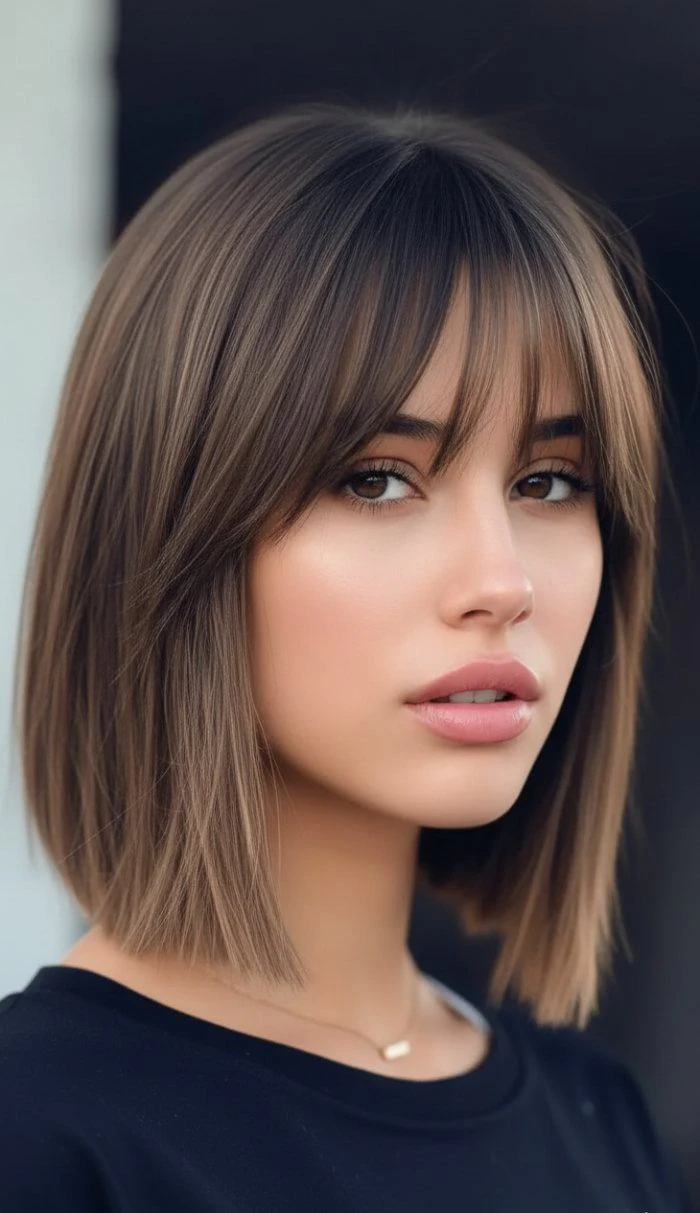
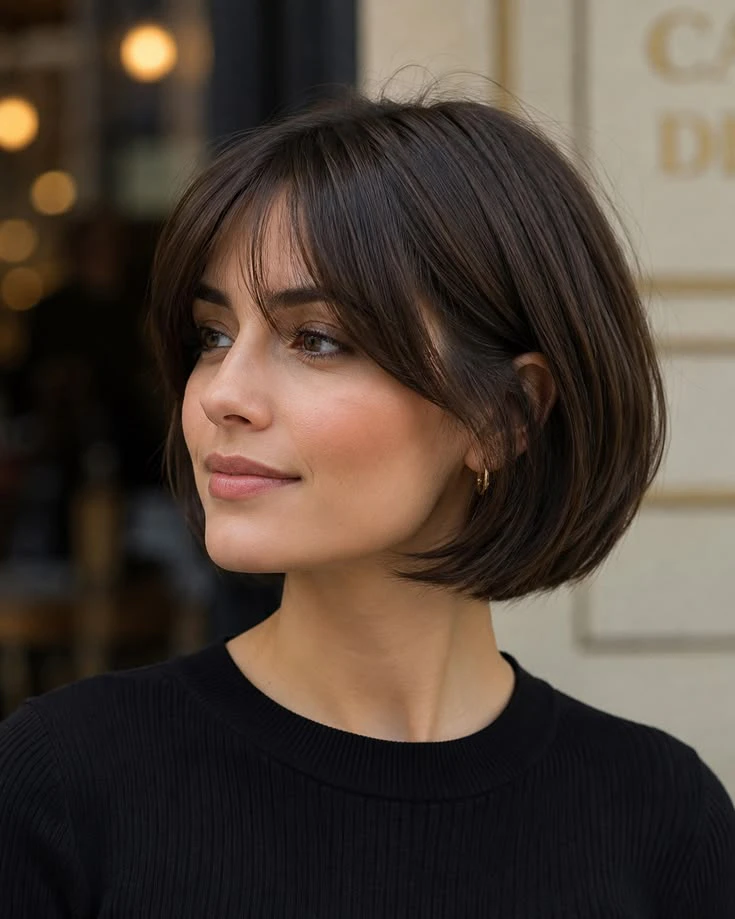
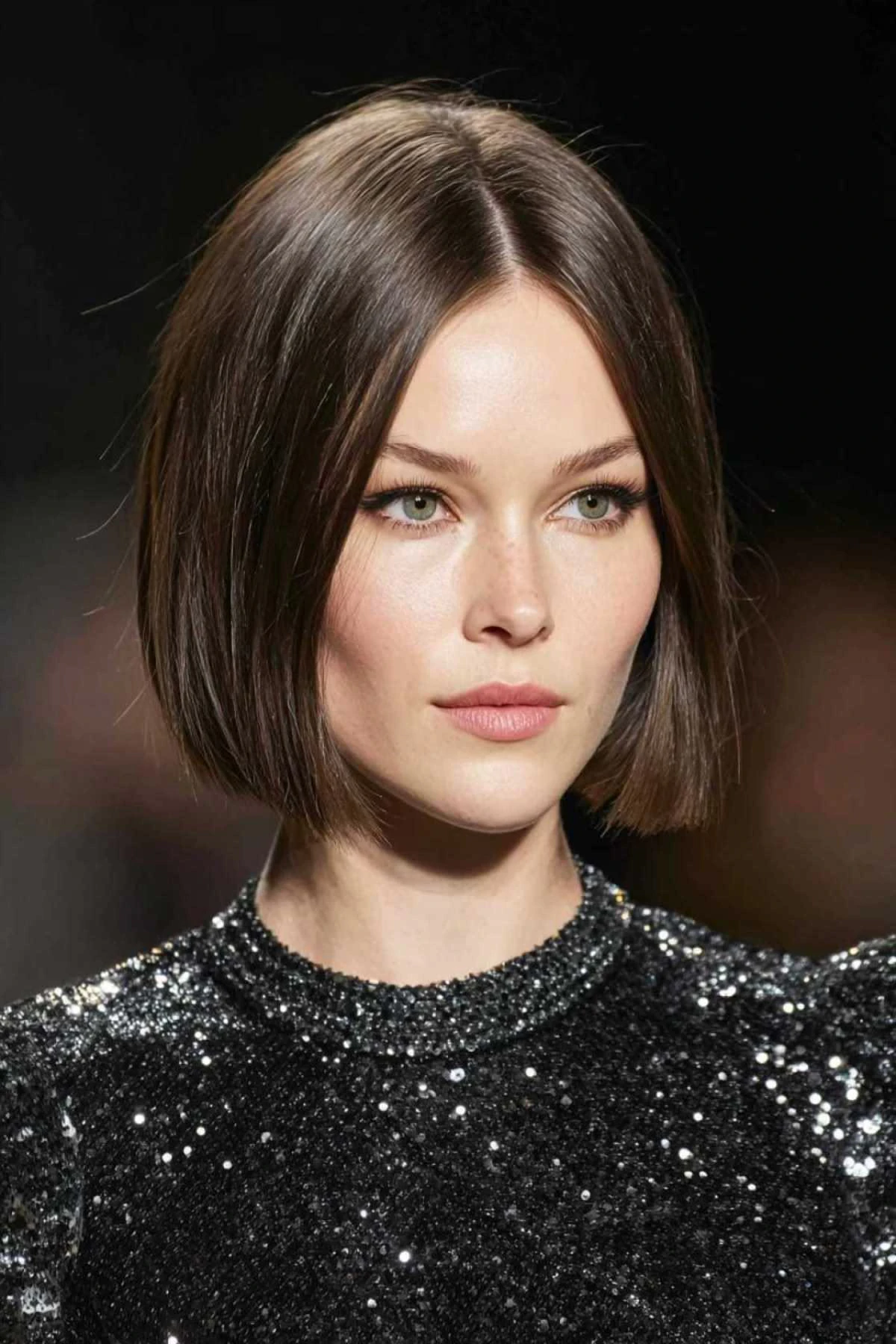

Fine, straight hair often carries an undeserved reputation. Many individuals believe that fine, straight hair cannot be styled or appear full. The truth, however, is different. The right cut can give fine, straight hair a polished, bouncy, and personality-filled appearance. Short haircuts for fine, straight hair are designed to work with your natural texture, not against it. These haircuts lift the roots and reduce weight, creating movement in areas where flat hair would otherwise remain lifeless.
Here we guide you through the best styles on offer, explain why each works, and give you practical advice to keep your look going at home.
Why Fine, Straight Hair Behaves Differently
Before you pick a cut, it helps to know what makes fine hair special. Each strand has a smaller diameter than average, so the hair falls flat on the scalp, rather than lifting naturally. The straight texture reinforces this behavior because there are no bends or waves to generate space between strands.
This is why fine straight hair often looks flat by lunchtime, especially if you don’t have the correct cut or product routine. Heavy cuts will pull the hair down even further. Long styles often reveal the lack of density. Short haircuts, however, take that weight off so the remaining hair can spring up with greater structure.
Short cuts naturally add the illusion of thickness by distributing hair more evenly over a limited area. That is why many people with fine hair look best when their hair is short.
How to Choose the Best Short Haircut
Not all short cuts translate well for fine straight hair. The idea is to choose styles that provide the illusion of density, encourage movement, and shape your hair without relying on volume products alone. Blunt ends, layers, and a planned spread of lengths all help.
The shape of your face also matters. Cuts with height at the crown help balance round features. An oval face can pull off nearly any short hairstyle. Longer side pieces that reach the jawline will soften square faces. If you have a heart-shaped face, go for a chin-length cut to balance a wider forehead. Before making a big change, especially if you are new to short hair, it is usually a good idea to see a competent stylist.
The Classic Bob: Dependable and Full
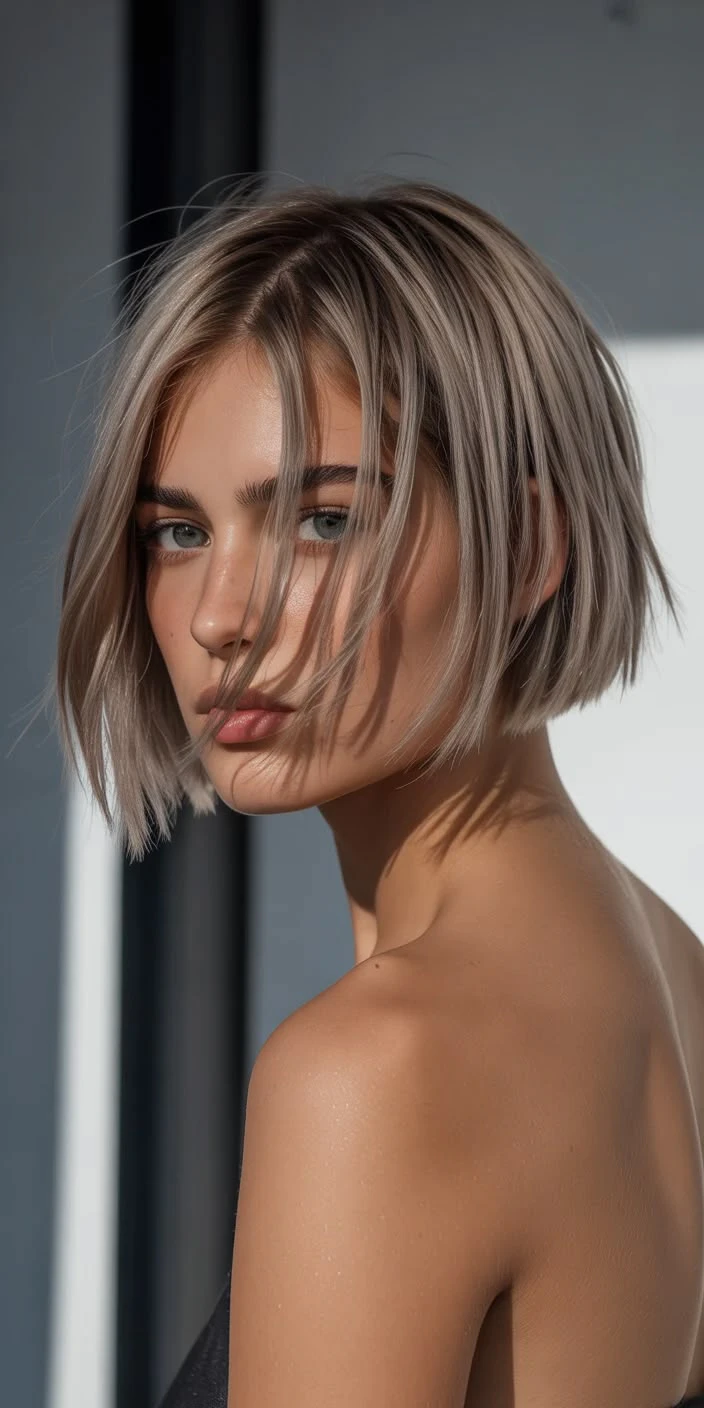
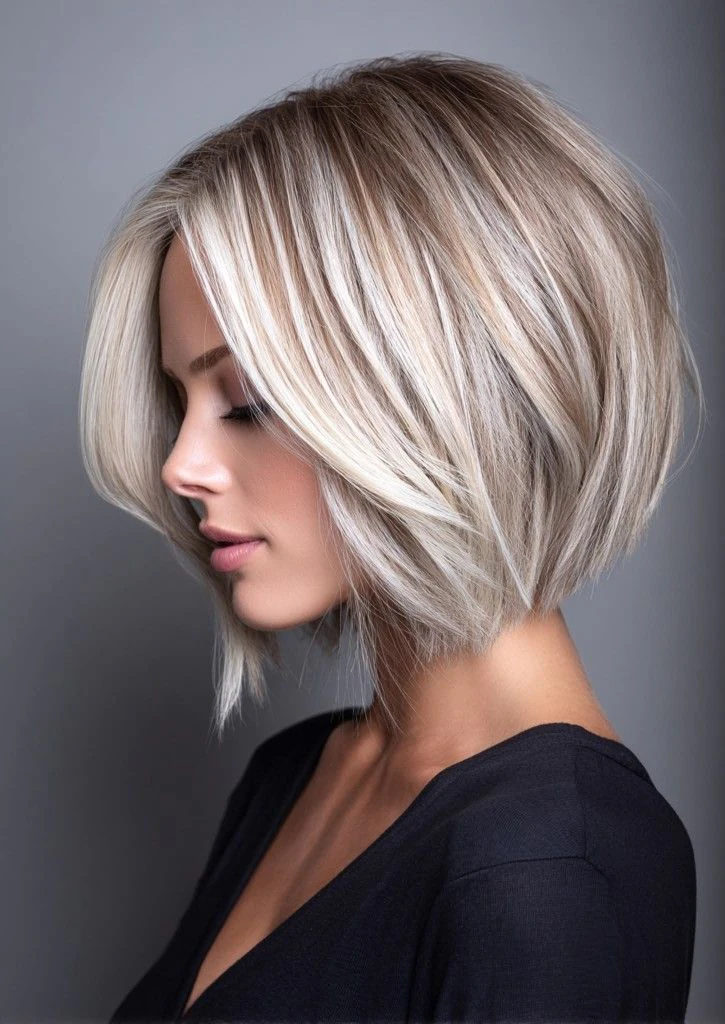
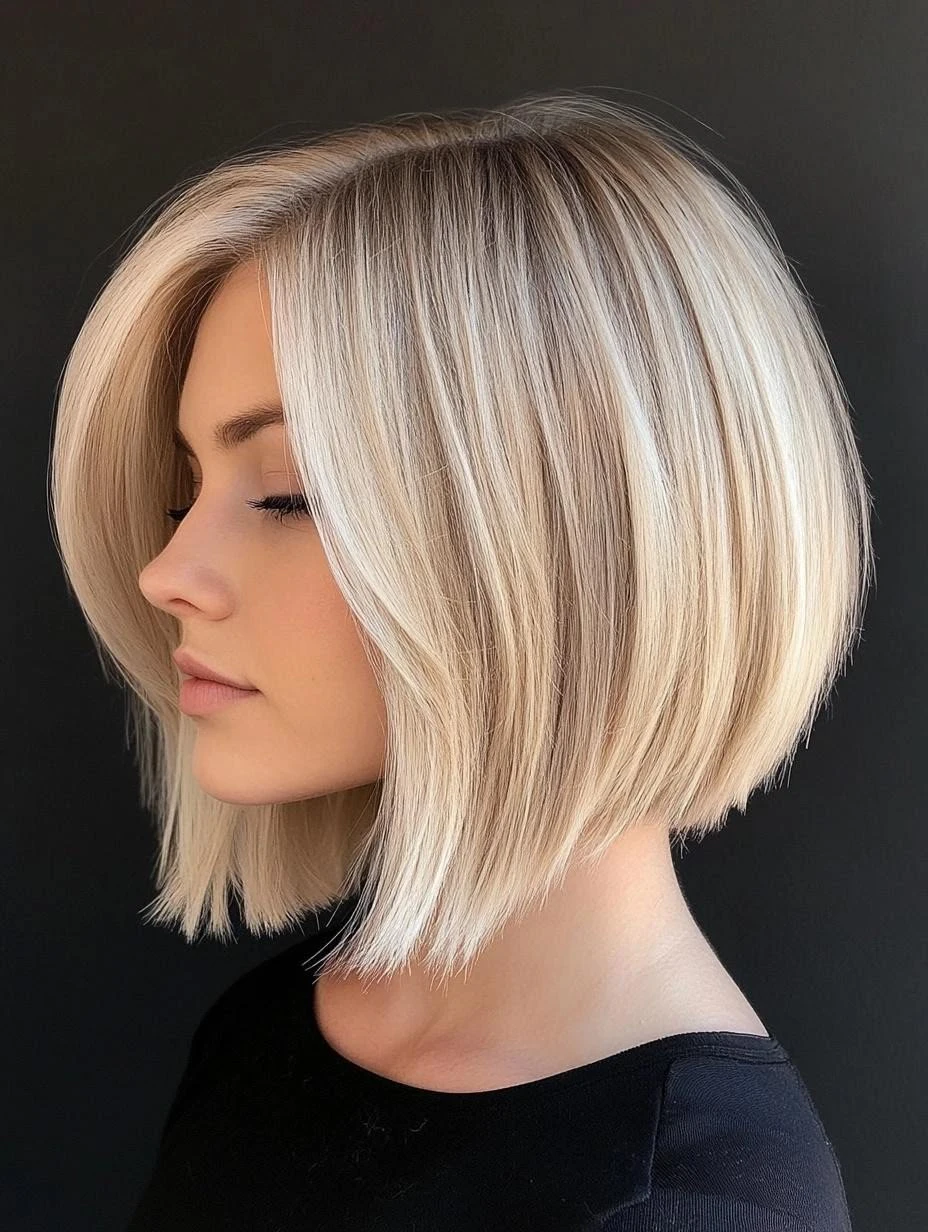
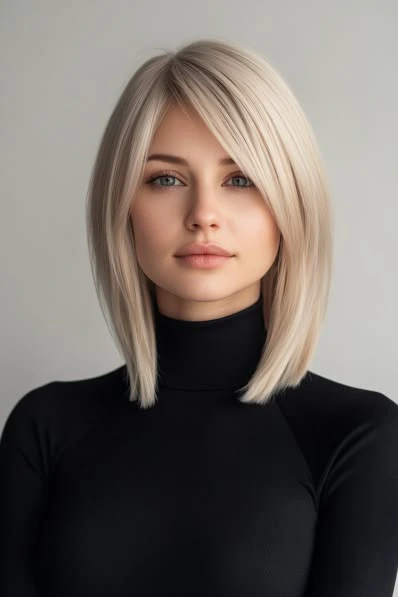
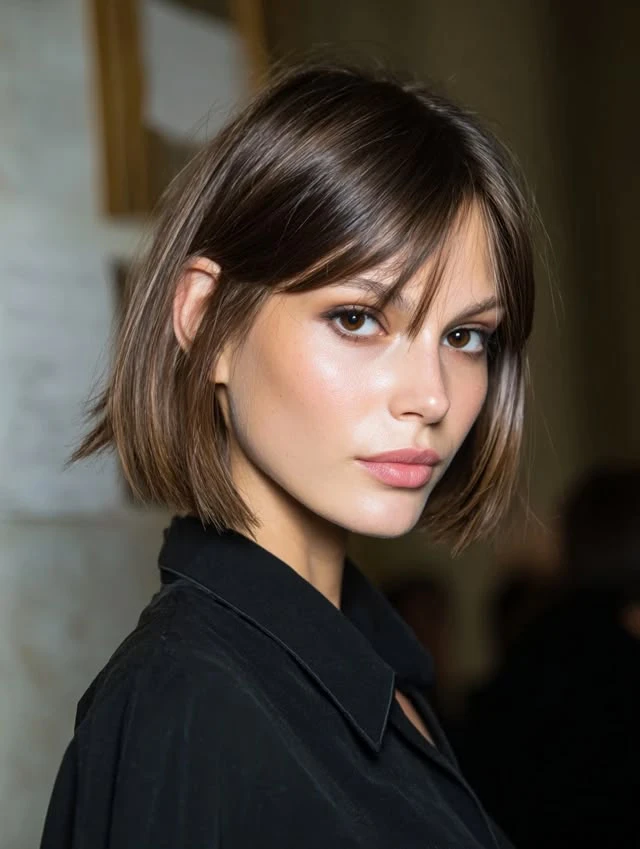
The classic bob is one of the most reliable short haircuts to try for fine, straight hair. It usually falls at the chin or just above the shoulders. Cutting the ends blunt makes the hair appear thicker than it is. That one approach helps a lot with fine hair.
A slightly tilted variation, with the back shorter than the front, adds even more dimension. The angle makes it look like there’s movement even when the hair is perfectly straight. If you wish to update the look, a center or deep side part can completely change the whole vibe of the cut.
Giving a Classic Bob a New Look
Begin with a volumizing mousse on damp roots before blow-drying. Lift at the roots with a round brush while you are drying your hair and encourage the ends to turn under just a little. A deep side part instantly adds volume on the heavier side. Finish with a light-hold spray to set the style without weighing hair down.
The Pixie Cut
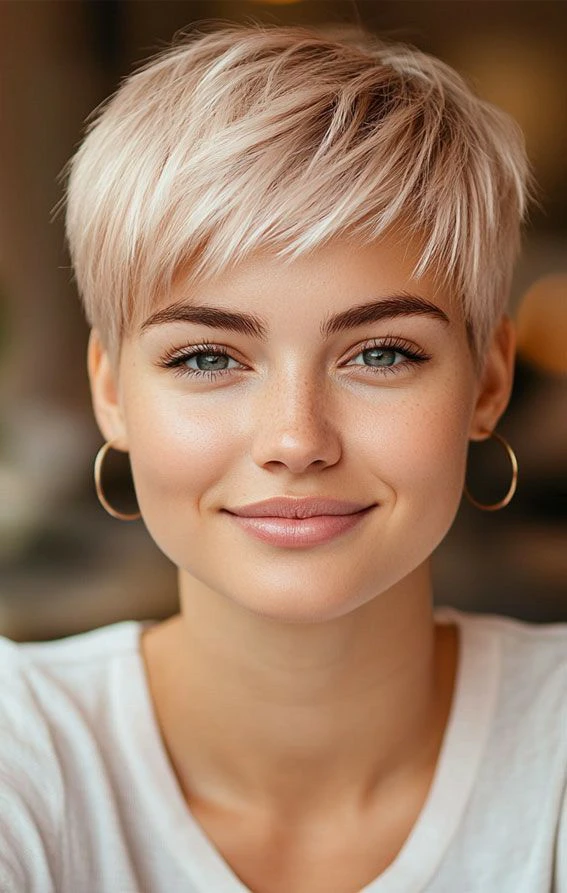
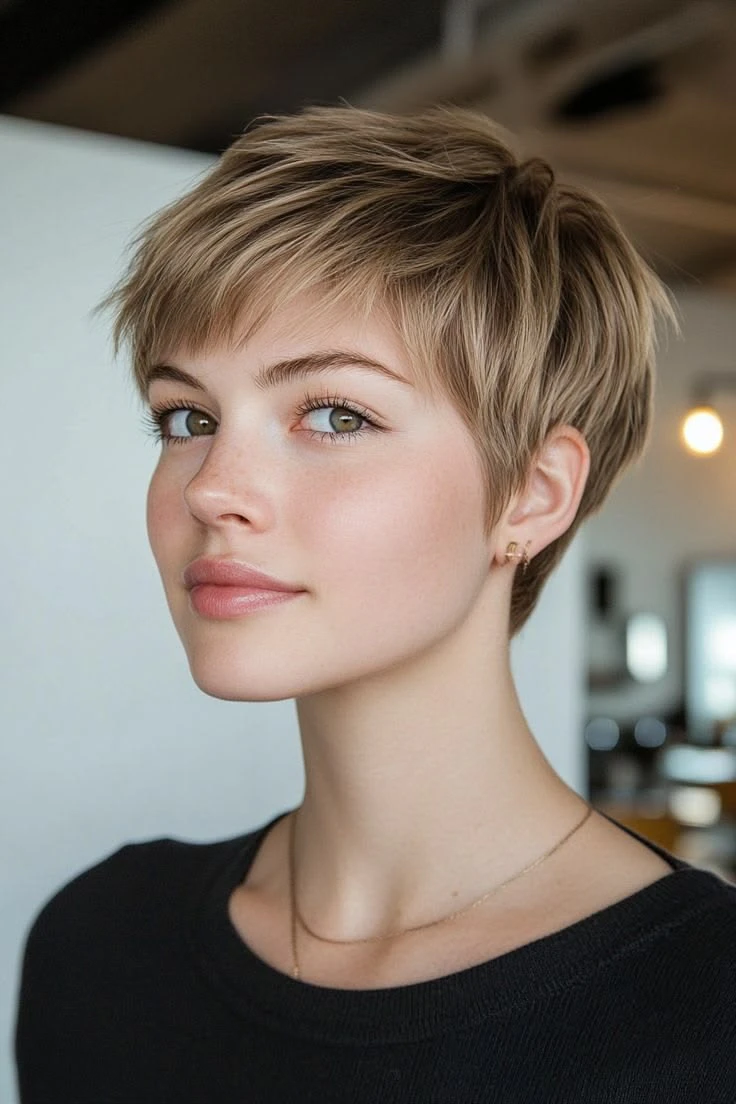
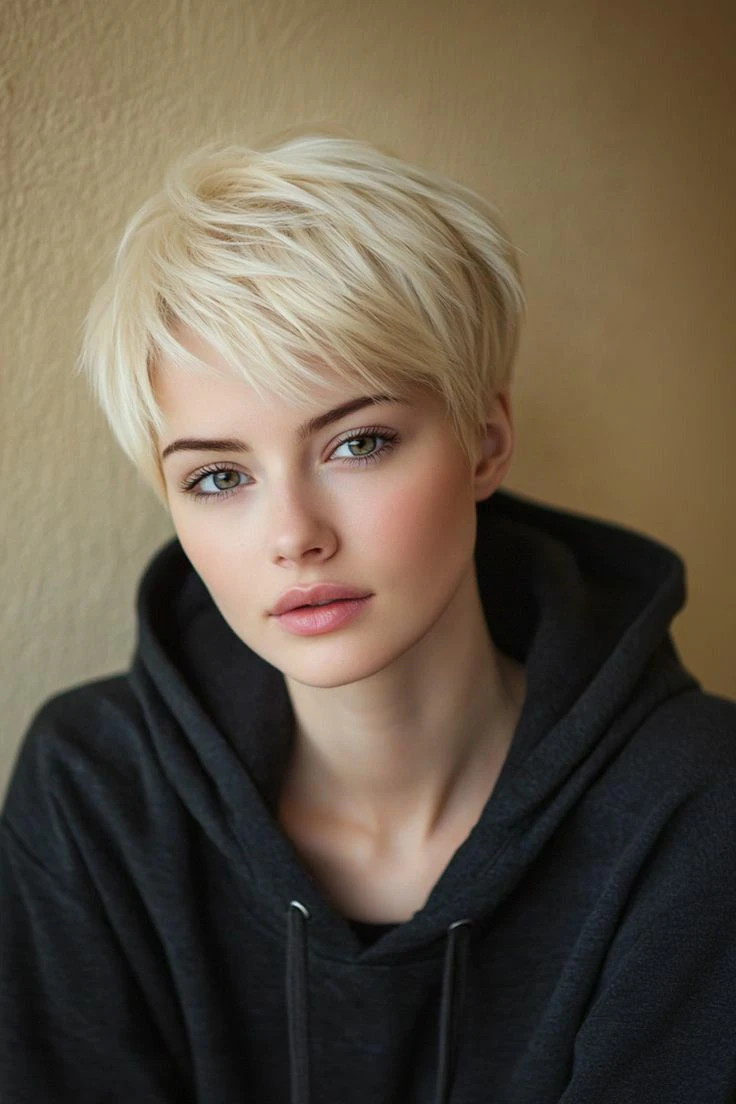
If you have fine straight hair, the pixie cut is a bold choice. This is a short, close-to-the-scalp cut with textured layers throughout. Because there is so little length, the hair cannot fall flat like it does when long. Instead, it sits with the natural lift and shows off the hair’s natural shine.
This cut is particularly flattering for fine hair, since the layers provide movement without the need for heavy product. The pixie cut is easier to maintain for many people than longer styles. The morning routine is minimized, and the look stays neat for longer during the day.
How to Style a Pixie
To define a pixie, all you need is a dash of texturizing paste. Work it through the top and sides using your fingers instead of a brush. The result is a natural, slightly tousled finish, not a stiff one. Finish with a light mist of hairspray for extra grip. Use a fine-tooth comb and pomade to slick it all down for a cleaner look.
The Shaggy Crop: Loose and Texture-Focused
For a more laid-back style, the shaggy crop is a good choice. Uneven layers are cut all over the head for movement and structure. The layers divide and overlap, instead of falling in one flat sheet, which makes fine hair look much thicker.
The shaggy crop is especially beneficial for those who prefer a style that doesn’t require much upkeep. It has a naturally undone finish, so it looks appealing when you skip the flat iron here and there. It’s not going to ruin the appearance. In fact, it typically benefits from a little texture.
How to Keep a Shaggy Crop Fresh
The layers define this cut, so regular trims are vital. Try to see your hairdresser every six to eight weeks to maintain the form. Between appointments, a little sea salt spray adds texture and keeps the layers distinct. Apply it to dry or slightly damp hair, scrunch, and let it set.
The Blunt Lob: Versatile and Chic
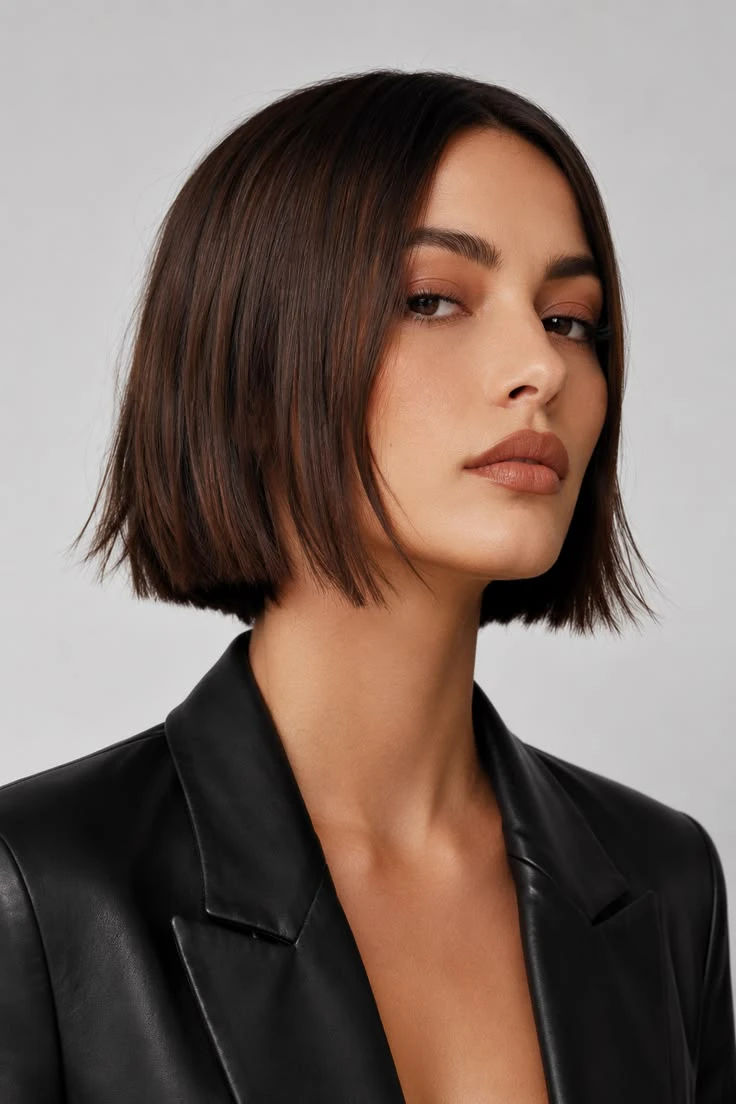
The lob, or long bob, rests at or just above the collarbone. One of the best short hairstyles for fine straight hair is the blunt cut variant of this style because the ends trimmed straight across offer the strongest sense of thickness. There are no tapering ends, which helps to avoid emphasizing the fineness of the hair. Instead, the whole perimeter of the hair looks equally thick.
The blunt lob is also really versatile. It looks sharp worn straight and styled sleek. It also works well with soft waves made with a large barrel curling iron. This makes it a great option for those who want to vary their look according to the occasion.
Lob Styling Details
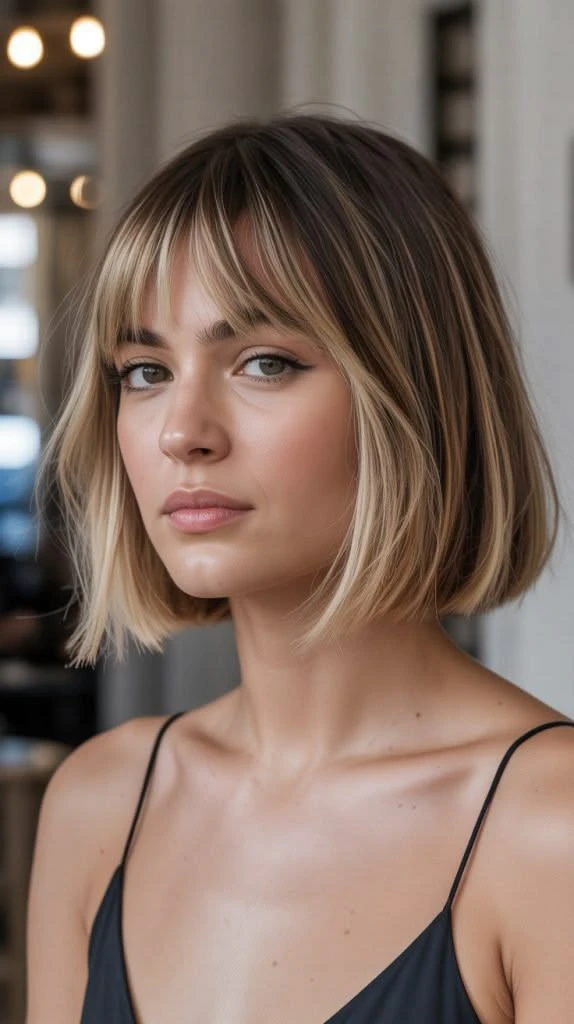
Curtain bangs are a trending addition to the lob. They gently frame the face and provide additional dimension. A side part and behind-the-ear tuck produce a pleasing asymmetry that adds interest without having to go for a drastic cut. For a healthy, glossy glow, work a shine serum into the mid-lengths and ends.
The Asymmetrical Cut: Dynamic and Structured
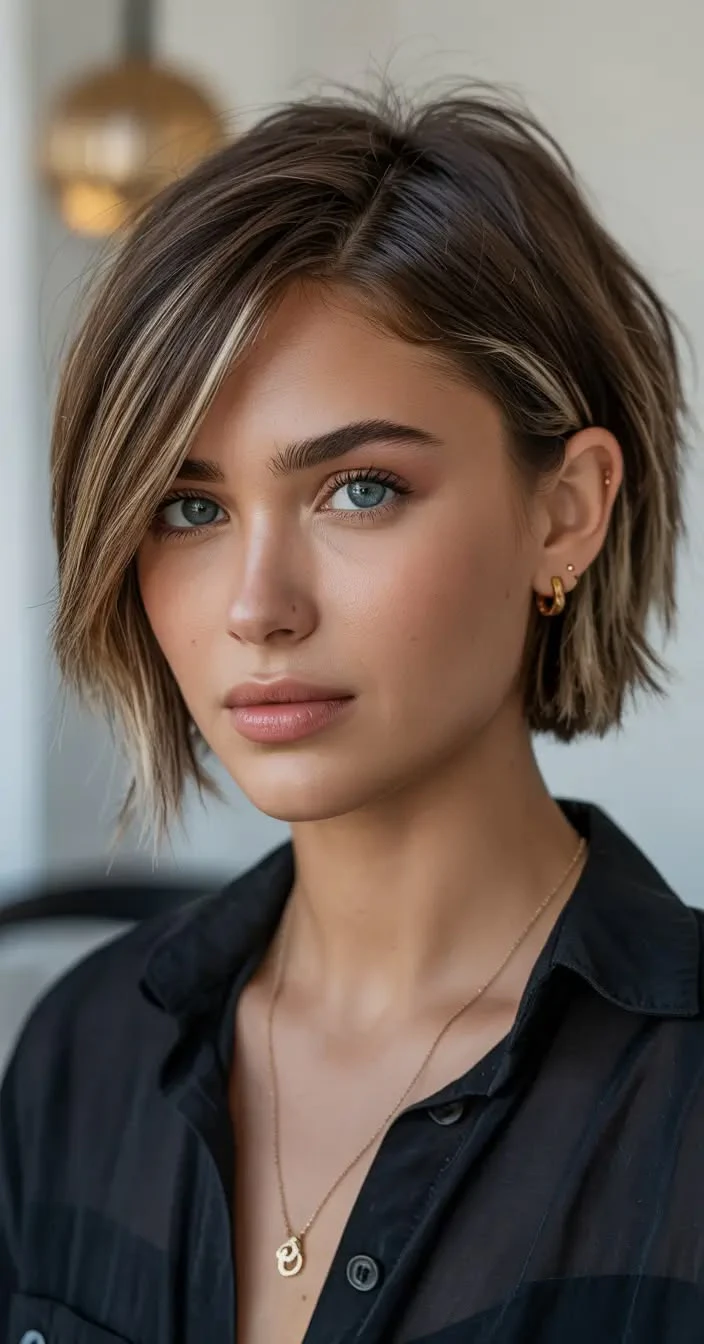
The asymmetrical cut is defined by the different lengths on either side of the head. One side is cut short while the other side sweeps longer toward the jaw or neck. This contrast produces an instant sense of movement and visual appeal. This is especially beneficial for fine straight hair since the various lengths break up the flat look that can often happen when you cut all the hair the same length.
The asymmetrical shape also pulls the eye to the jaw, which is often a flattering focal point. Straight hair suits the clean lines of this style, since the precision of the cut is more obvious than it would be on wavy or curly textures.
How Layers and Texture Help Fine Straight Hair
No matter which style you choose, layers and texture are essential for fine, straight hair. Layers take the bulk out of certain parts so the hair doesn’t sit as one flat blob. Instead, the pieces break up and create the optical impression of fullness.
Feathered layers are excellent because they spread the weight of the hair equally across the length. Choppy layers lend a more playful edge and are especially beneficial in pixie cuts and shaggy crops. Razor-cut layers look softer than scissor-cut layers and are worth asking for at the salon if you want a more blended look.
Layered versions of the bob are also worth exploring. The layered bob is a combination of the structure of the basic bob and the movement of internal layers. This combination is frequently the most pleasing choice for fine, straight hair since it keeps density around the edges while letting the top layers move freely.
Products That Truly Help Fine Straight Hair
A good product routine can really make a difference for fine, straight hair. However, it’s important to choose products that create volume without residue, since fine hair is quickly weighed down by heavy products.
Volumizing mousse is one of the best tools out there. Apply it to damp roots before blow-drying, and it will lift the hair at the base as it dries. Texturizing sprays are excellent for dry or styled hair, as they add hold and separation without stickiness. Dry shampoo is a great choice between washes, absorbing excess oil while giving texture and volume at the roots.
Avoid thick creams and heavy oils altogether. These products are suited for coarse or dry hair types and will weigh down fine straight hair almost instantly.
Damage-Free Heat Styling
Fine straight hair is more susceptible to heat damage than thicker hair types. The strands are thinner, which means they heat up faster and reach their damage threshold at a lower temperature. So if you use the same heat settings that work for thick hair, you might seriously damage fine strands over time.
Always spray on a heat protectant before using any hot tools. Set your blow dryer, flat iron, or curling tool to a lower temperature than you think you need. For blow-drying, use a round brush, lifting sections at the roots to bring volume into the style. When flat ironing, move the tool softly and steadily instead of pushing it hard. For soft waves, use a large barrel iron (not a small one) and wrap small sections of hair around it, as large waves look more natural on fine hair.
Maintenance Habits for a Sharp Cut
A good haircut can quickly lose its edge if it is not properly maintained. Thin, straight hair needs trimming more often than thicker hair, since split ends and fraying are more visible at the ends. Trim thin, straight hair every four to six weeks. A clean perimeter helps bobs and lobs look their best. Without frequent trims, these cuts lose their shape and look uneven.
To minimize breakage, use a wide-tooth comb on wet hair (not a brush) between salon visits. A silk pillowcase minimizes the friction you encounter while sleeping, which helps to avoid the frizz and breakage that might happen on a cotton surface. These small habits work together to keep your hair in excellent condition and increase the life of your haircut.
Accessorizing Your Short Cut
The right accessories can enhance short haircuts for fine, straight hair. Pair a classic bob with simple barrettes for a polished, deliberate look. Thin headbands keep hair off the face for casual days without bulk. A side-swept pixie or lob with a hairpin makes for an instant evening transformation.
Choosing the Right Cut for Your Lifestyle
Your lifestyle is as important as your face shape when choosing a cut. If mornings are tight and your calendar is packed, the pixie cut or shaggy crop will serve you well, as both look appealing with minimal styling. The blunt lob or classic bob provides you with more versatility if you like to spend time on your hair and switch between smooth and wavy. When you’re looking for something that makes a visual statement but doesn’t require daily dramatic effort, the asymmetrical cut is a strong alternative.
The ideal short haircuts for fine straight hair are those that suit not just your physical traits but also the life you actually live. A technically excellent cut that takes forty minutes to style every morning is not likely to remain your favorite for long.
Salon Communication Tips
A good cut is the result of a clear discussion with your stylist. Before your appointment, gather a few reference photos that illustrate the shape and texture you’re aiming for. Let your hairdresser know that you have fine, straight hair, and they will modify their approach accordingly. Ask them about layer placement, how they plan to cut the ends, and if razor work is appropriate for your hair type.
The short haircuts that work well for fine straight hair are best when your stylist knows exactly how your hair behaves. Tell your stylist how your hair generally falls, where it tends to go flat, and how much time you are genuinely willing to spend on styling.
Will a short cut add body to my hair?
Yes, in most cases. Short haircuts lift the weight that pulls down fine hair and spread the hair out across a smaller area, making it look thicker.
How often should short, fine hair be trimmed?
Stylists recommend a trim every four to six weeks to maintain the shape and keep the ends clean and healthy.
Can I get bangs with fine straight hair?
Wispy bangs and curtain bangs are both excellent for delicate straight hair. Heavy, full bangs can fall flat, so a lighter version often suits the hair type better.
What do I do if my hair looks flat by noon?
A simple spritz of texturizing spray or dry shampoo at the roots can revive the style. Alternatively, flipping your part to the other side can provide a quick lift.
How can I stop my fine hair from looking greasy?
Wash regularly, use dry shampoo in between, and don’t apply any product directly to the roots unless it’s specifically made for root application like mousse or a volumizing spray.