
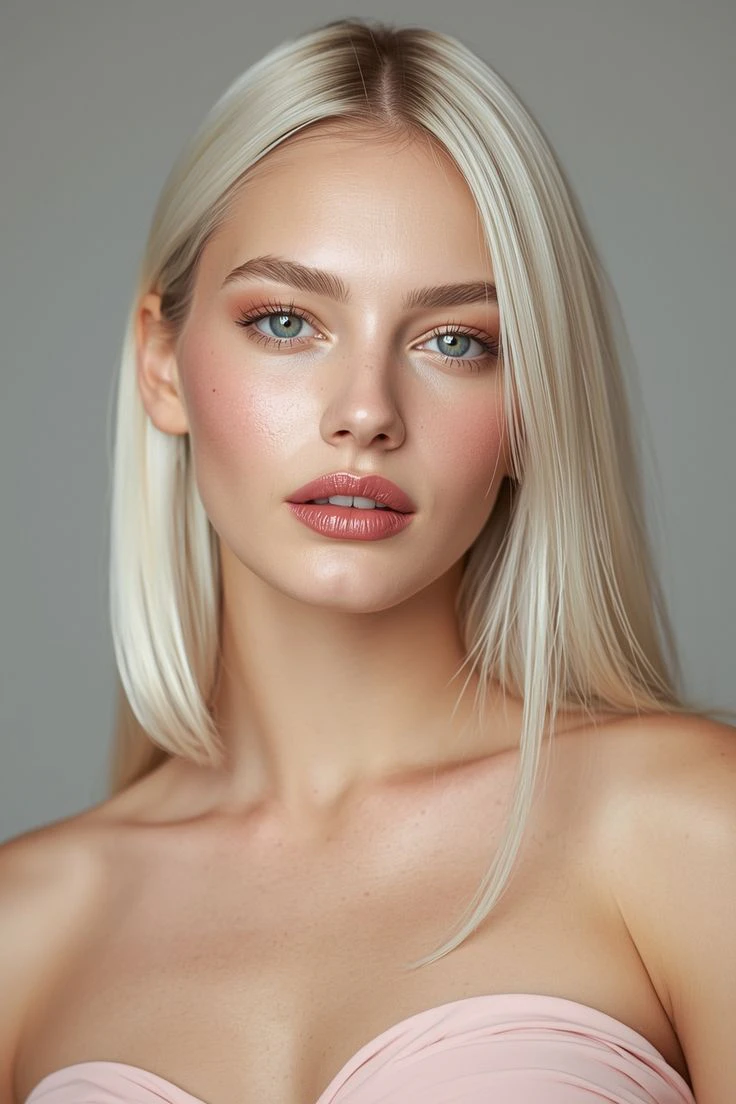
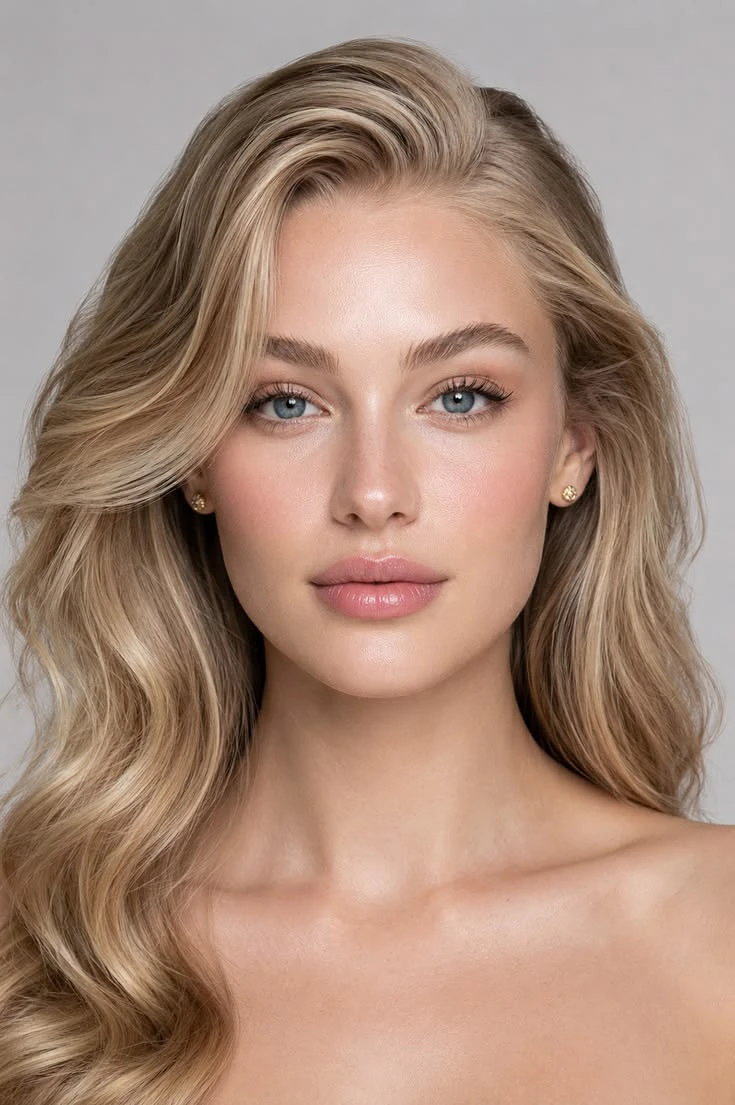
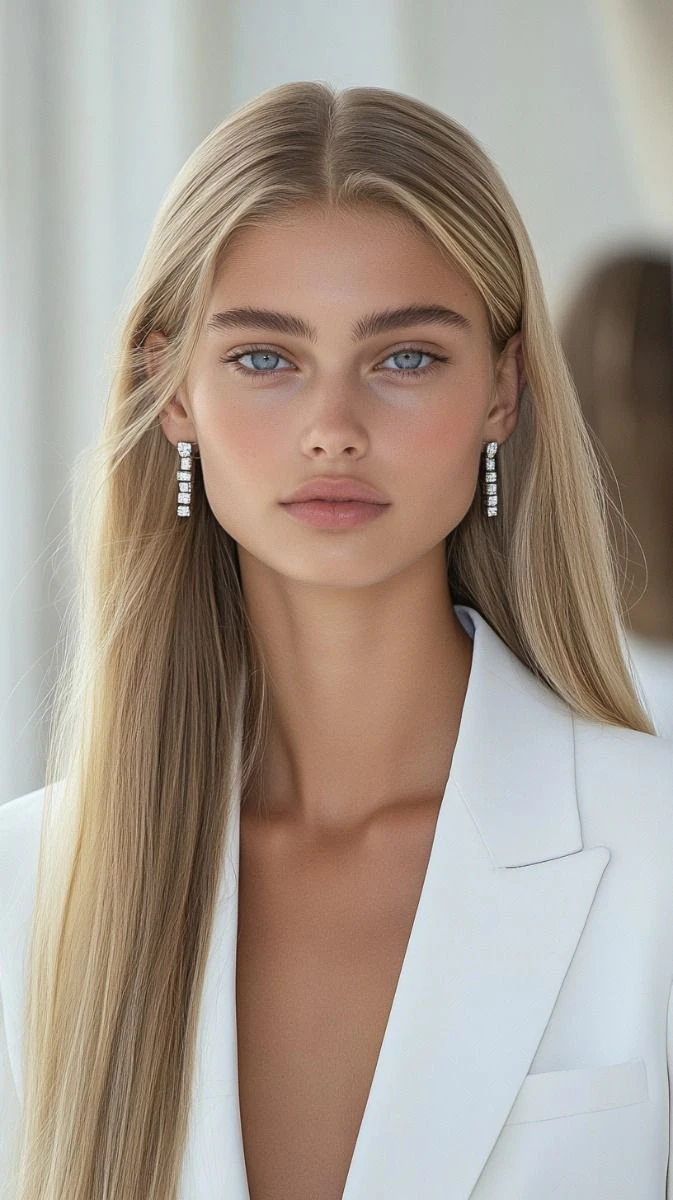
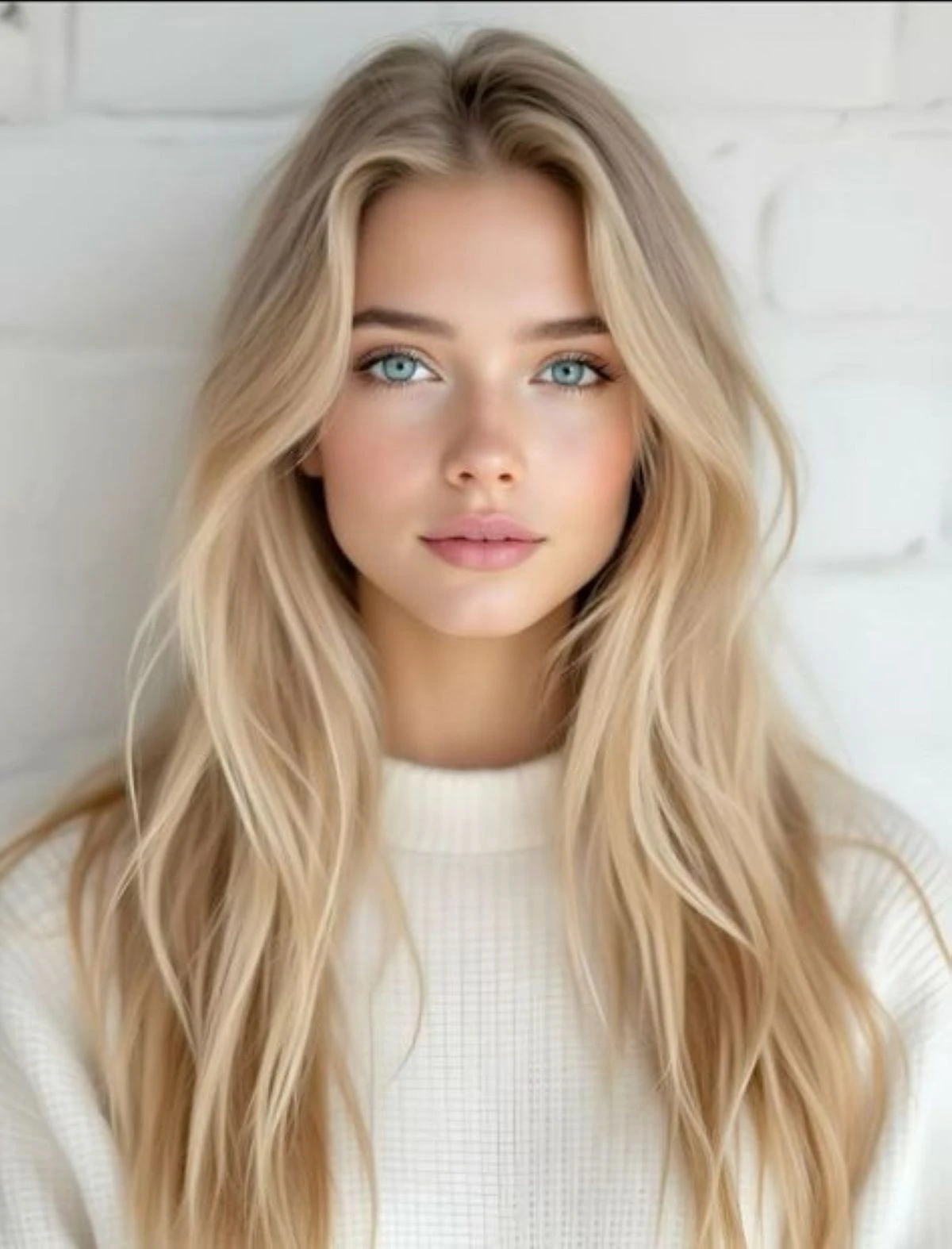
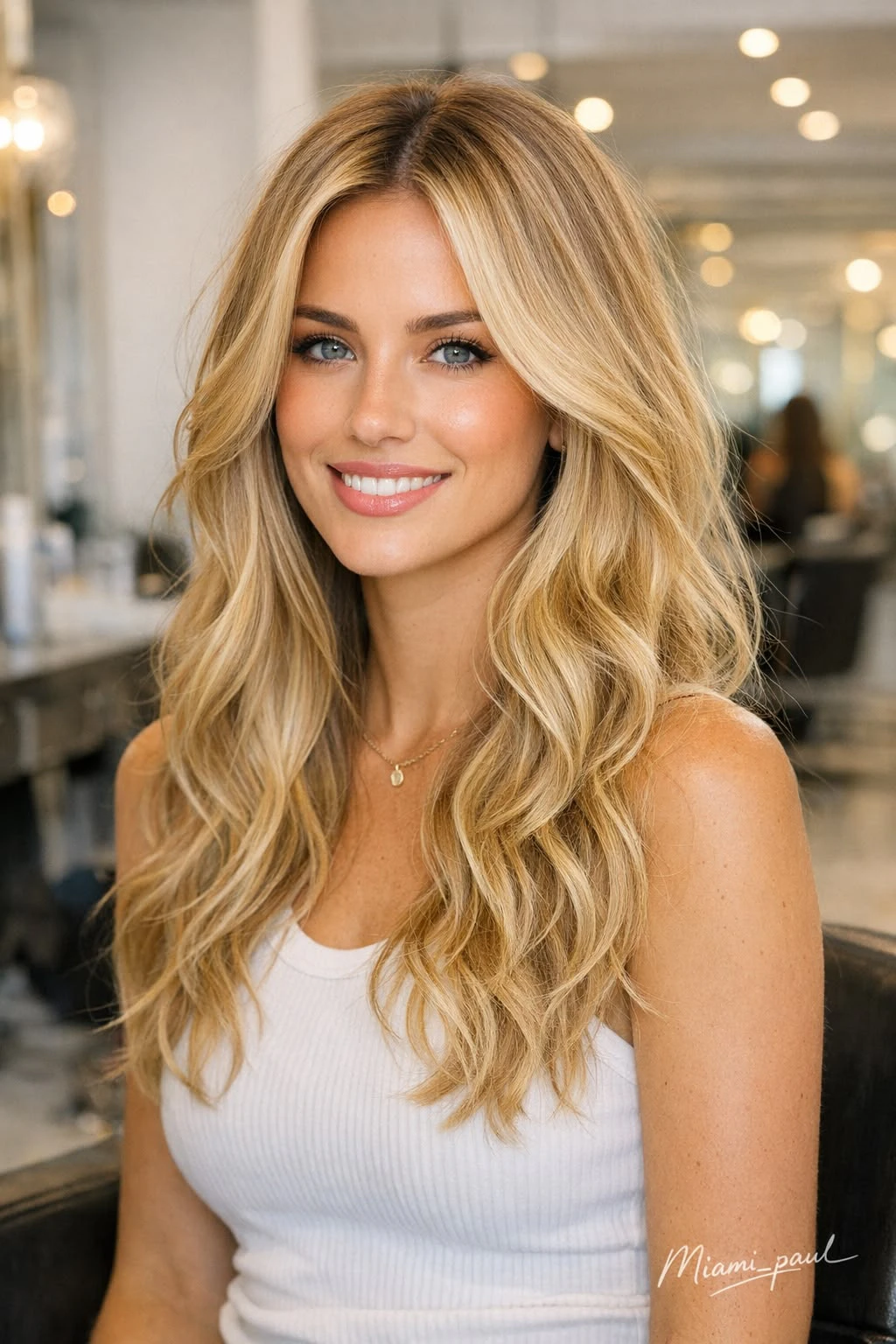
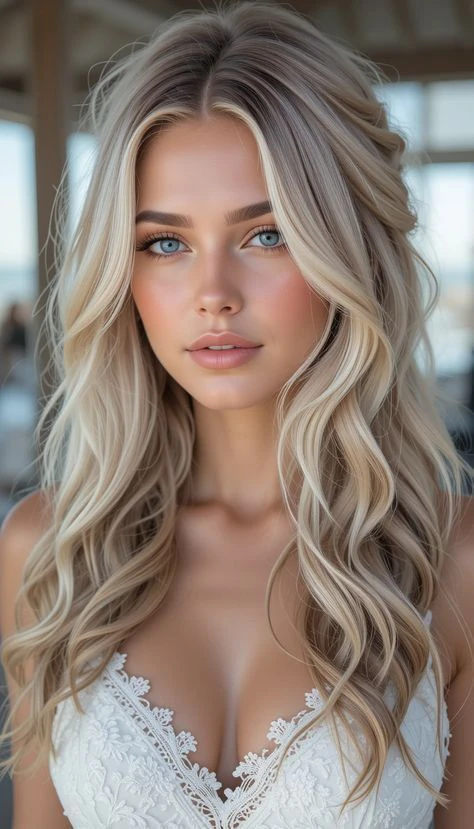
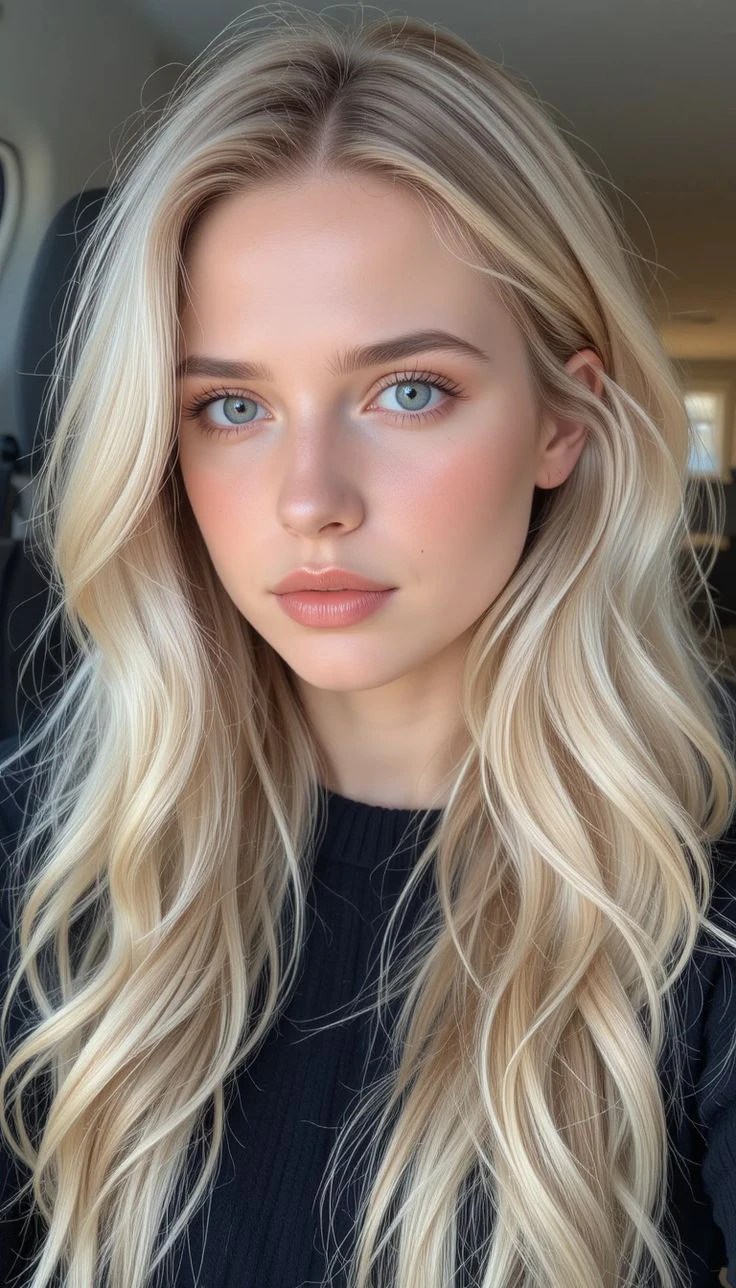

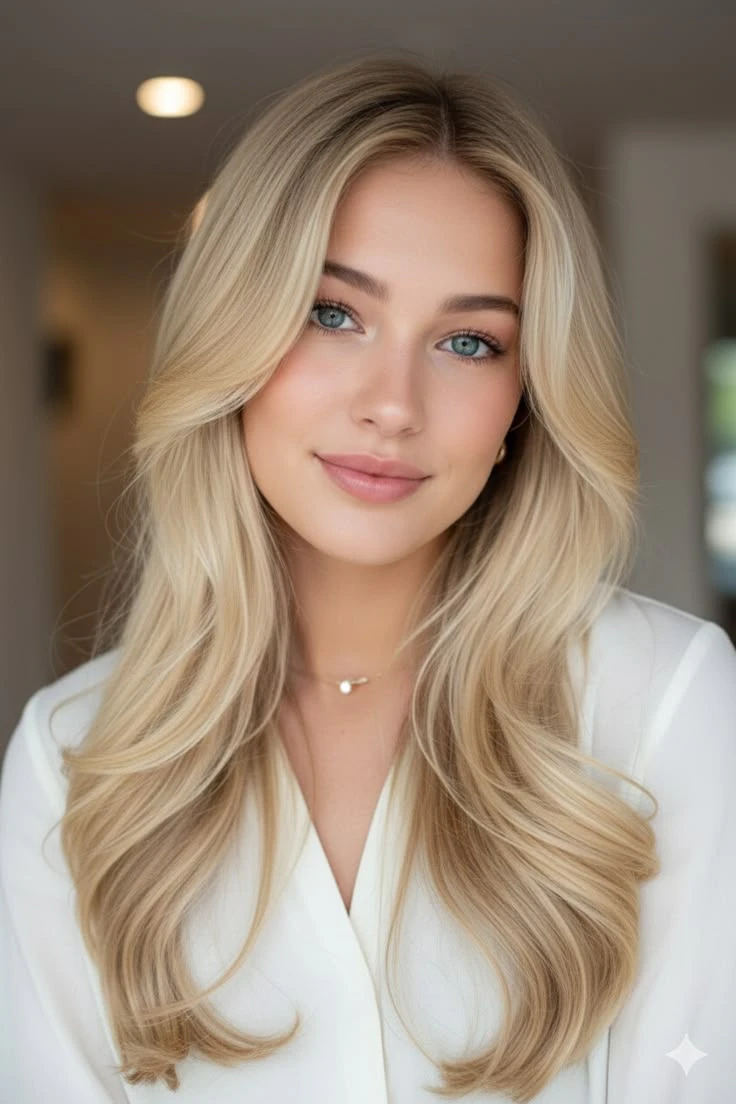
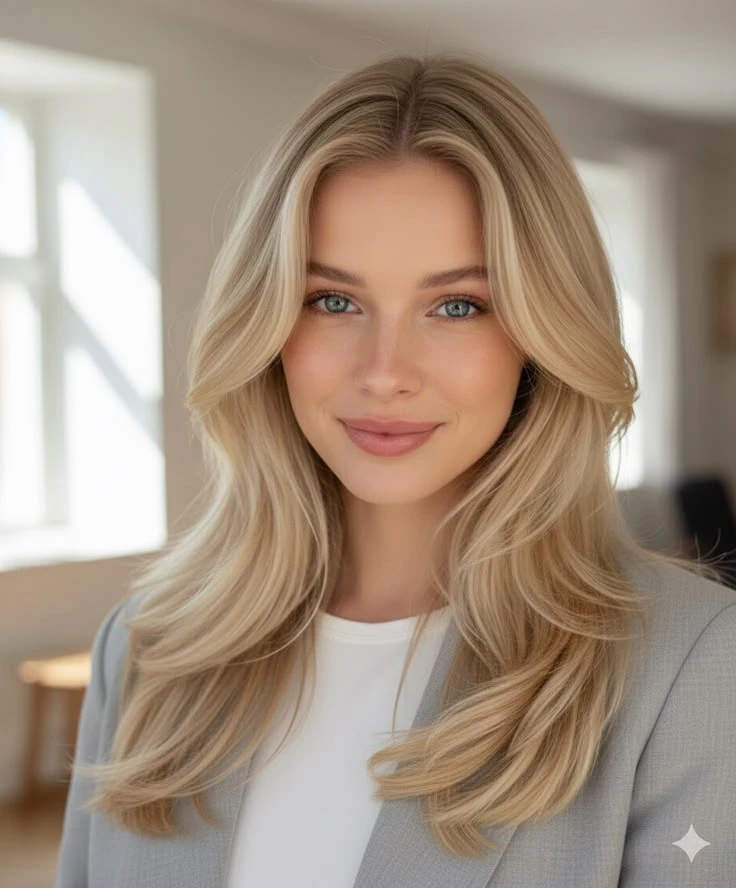
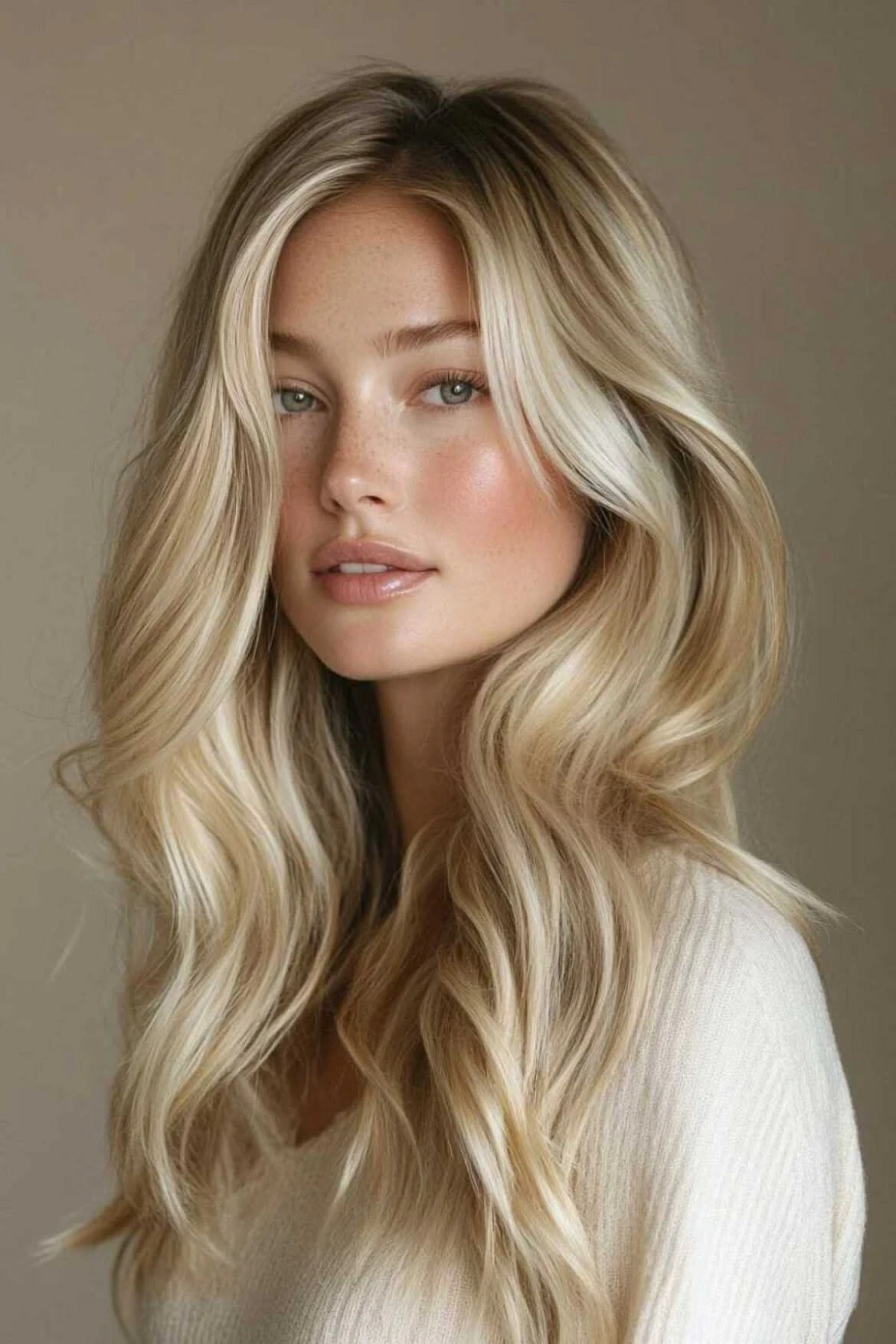
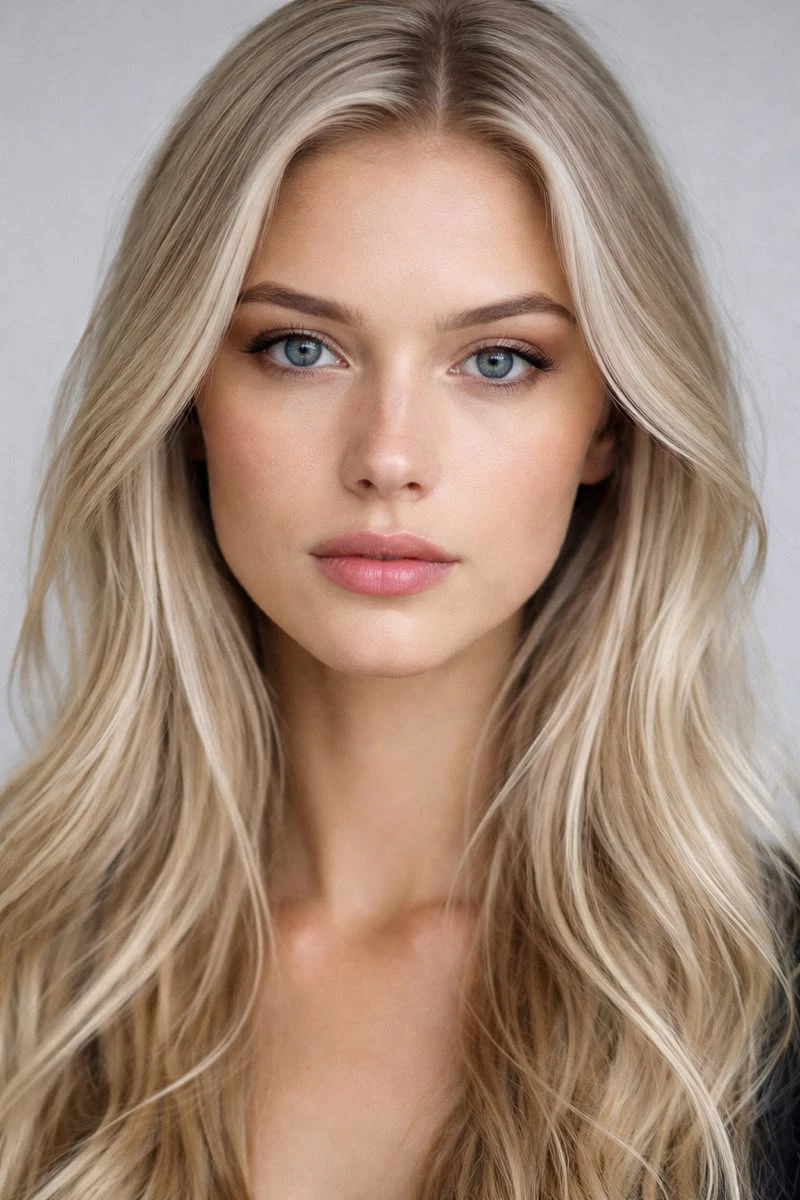
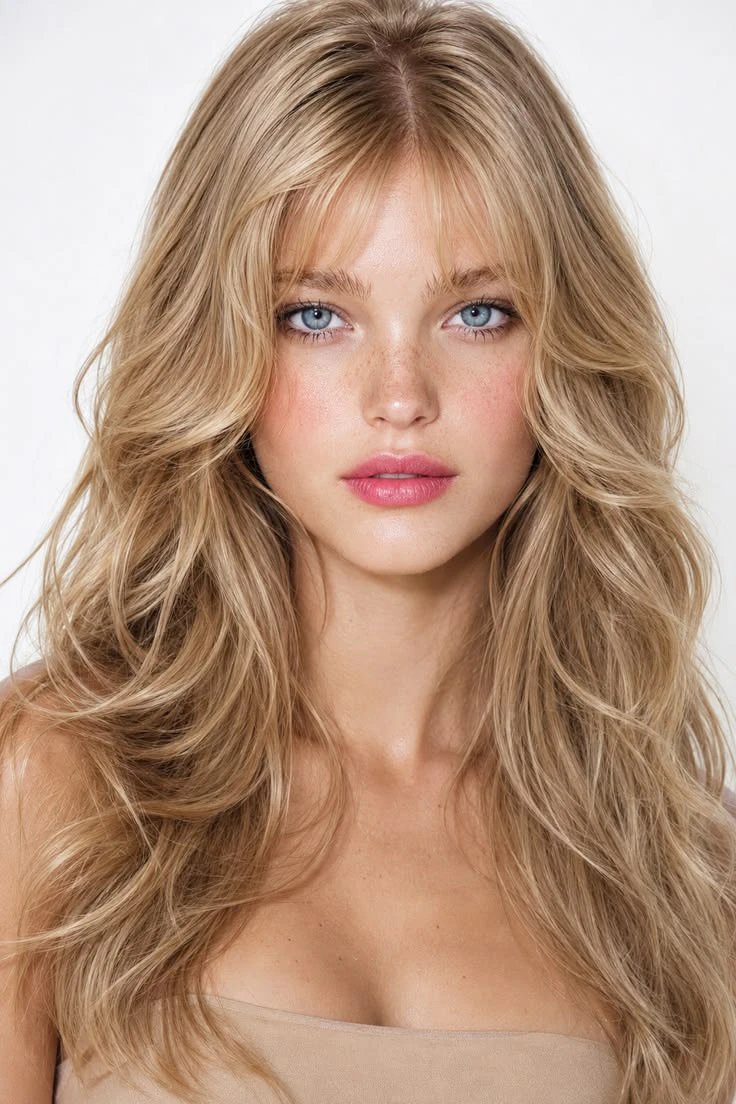
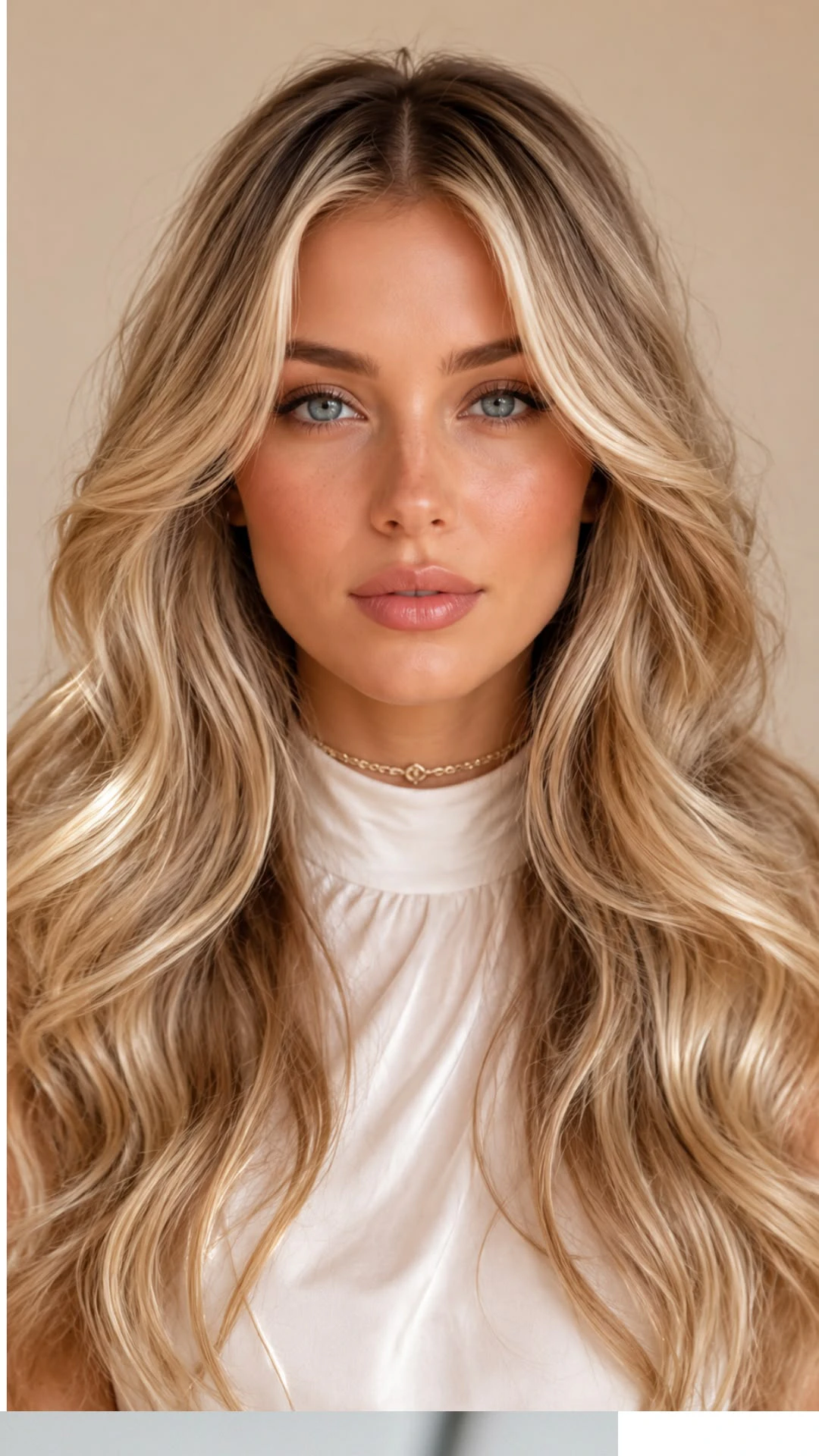
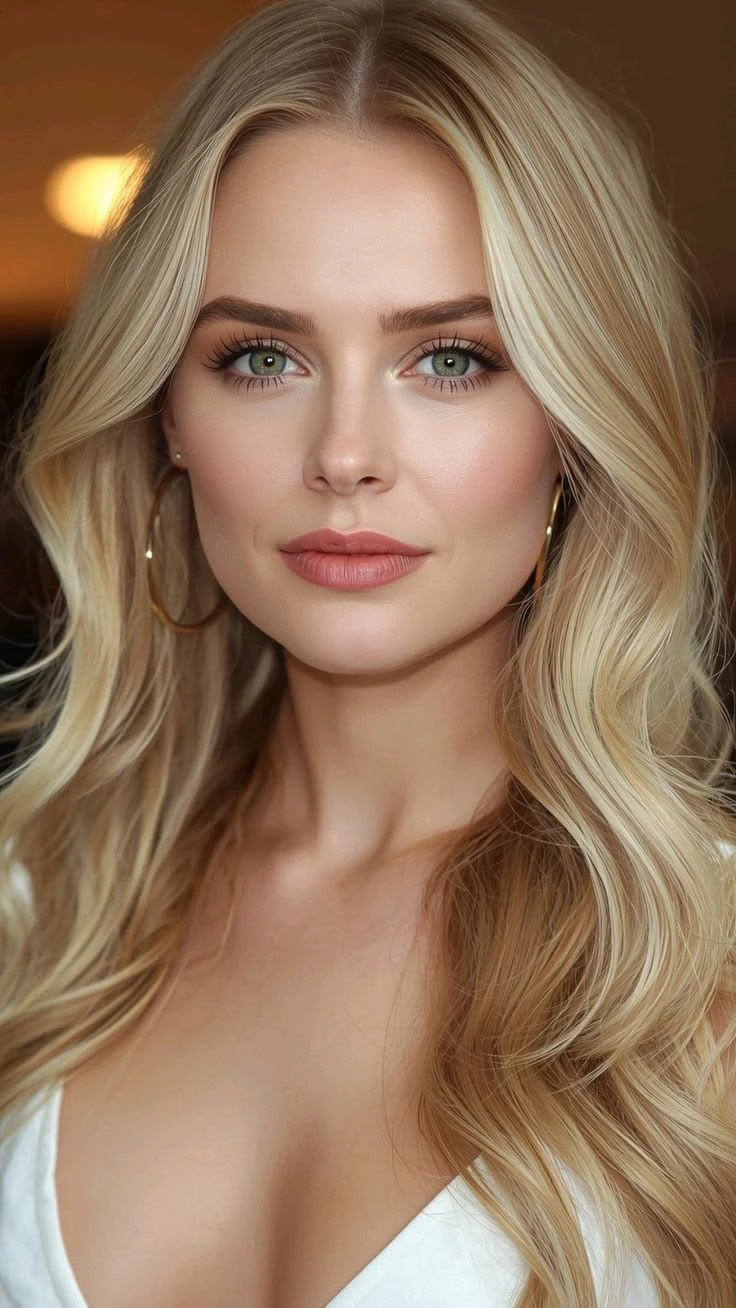
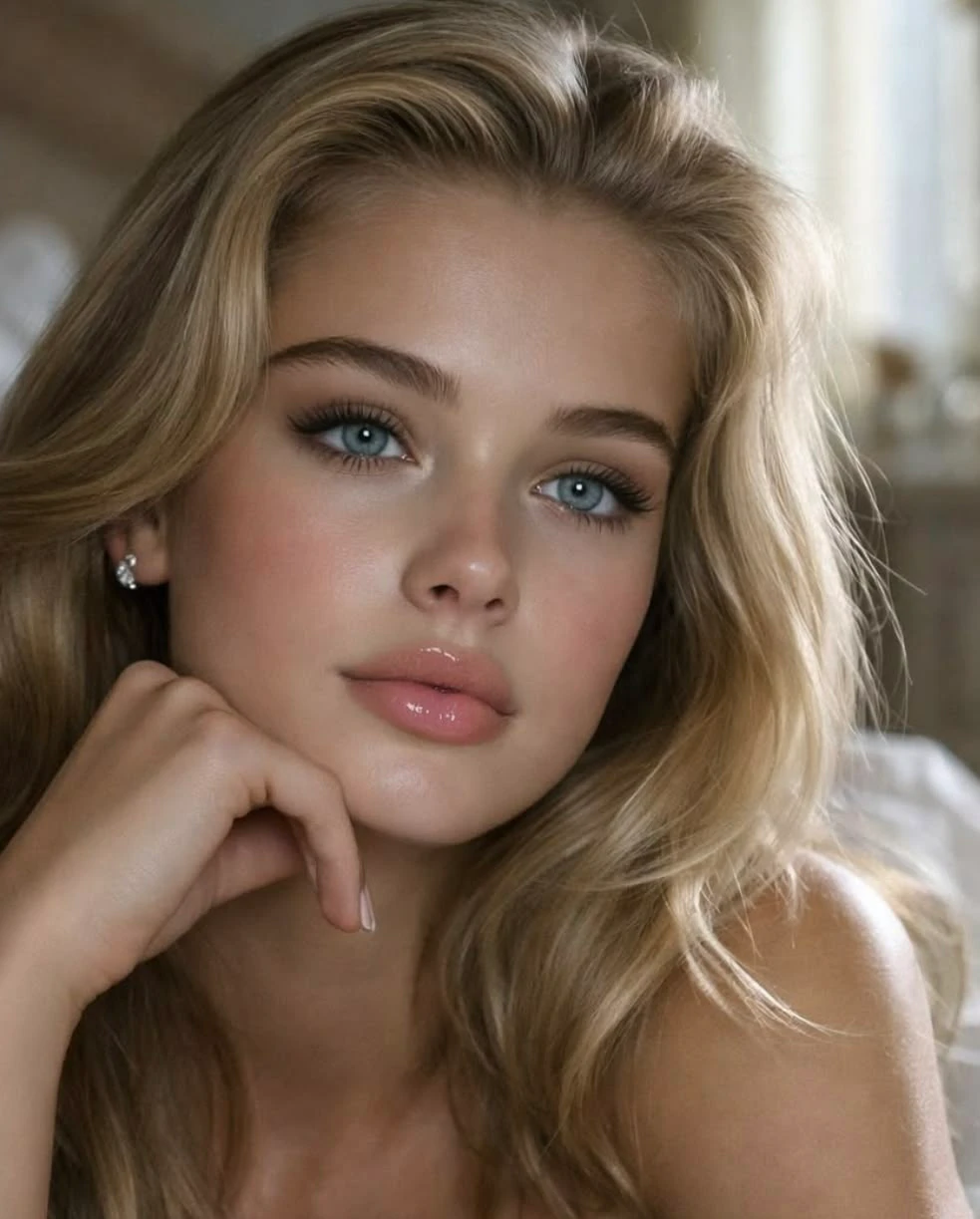
Blue eyes and blonde hair are probably among the most eye-catching combinations of physical features. The pairing is rare worldwide, yet it carries great cultural significance. This combination has impacted beauty ideals for millennia, from ancient myth to today’s fashion runways. In this guide we will look at the biology of these traits, their cultural history, and an honest assessment of how they affect society now. Blonde hair and blue eyes—whether you were born with them or simply find them attractive—are more complex than they appear.
The Genetics Behind Blonde Hair and Blue Eyes
Melanin is the secret behind both characteristics. It’s the pigment that gives your hair, skin, and eyes their color. The less melanin the body produces, the lighter the result tends to be. Both traits are linked to lower melanin production, but the genes involved are a bit different.
Hair Color and the MC1R Gene
The MC1R gene is the main determinant of hair color, with some contribution from a handful of additional genes. Variants of MC1R lead to less of the dark brown or black pigment, eumelanin. This results in more of the lighter yellowish pigment, pheomelanin. The result is platinum, ash-blonde, or golden hair. Since many genes interact in this process, two dark-haired parents can still carry the recessive variants and pass them on to a child who turns out to be blonde.
Eye color works differently. OCA2 and HERC2 control how much melanin is delivered to the iris. Blue eyes aren’t blue. They have so little melanin in the iris that the light scatters in a certain way that makes them appear blue. In fact, the color is a structural effect and not a true blue pigment. Interestingly, research conducted over the last 20 years suggests that all blue-eyed people on the planet probably share a single common ancestor. A mutation in the HERC2 gene sometime between 6,000 and 10,000 years ago is believed to have caused the trait to arise in the first place.
How Common Is It to Have Blue Eyes and Blonde Hair?
Both traits are rare in themselves. Only about 2 percent of the world’s people are natural blondes. Blue eyes are more common, occurring in about 8 to 10 percent of the world’s population, although they are still in the minority. The numbers get even lower when you look for the combination of both features in the same person. The pairing is most widespread in Northern and Eastern Europe, especially in Finland, Sweden, Norway, Estonia, and Iceland, where centuries of relatively isolated demographic history meant that these recessive traits were more common. Blonde hair and blue eyes in combination are extremely unusual outside of Europe; however, genetic diversity can create them anywhere in the world.
Historical Roots of This Beauty Ideal
The attraction of blonde hair and blue eyes is not a new phenomenon. It goes back thousands of years to mythology, religion, and art.
Ancient Greek, Roman, and Norse Mythology
Light hair and pale eyes were qualities given to gods and idealized heroes in ancient Greece and Rome. Artists painted figures like Aphrodite with golden hair. The link between light color and divinity gave those qualities a symbolic weight that persisted well into later eras. Similarly, Norse mythology praised fair-haired, blue-eyed heroes as mighty and noble. This cultural link between appearance and power or virtue led to the belief that these physical characteristics were important in ways beyond appearance.
Blonde Hair and Blue Eyes in Renaissance Art
Renaissance painters made a conscious decision about how to depict saints, angels, and figures of virtue. Religious art often depicted bright blue eyes and golden hair. Artists like Botticelli famously used such traits to indicate purity and divine blessing in their figures. These artistic norms spread throughout Europe and became part of the Western cultural memory. Even today, the visual shorthand of golden hair and blue eyes still carries echoes of these historical connotations, although the meanings have changed significantly over the years.
The Impact of Literature on Perception
Writers have, throughout history, reinforced what painters established. Blonde hair and blue eyes in characters were often associated with innocence, good disposition, or moral rectitude. The motif was replicated in fairy tales, novels, and later movies. Think of classic stereotypes, like the golden-haired princess and the pure-hearted heroine. These repeated characterizations are not neutral. They slowly hardened into cultural preconceptions that still determine how people see and describe appearance today.
Blonde Hair and Blue Eyes in Media and Fashion Today
Western media is notable for the sheer volume of blonde hair and blue eyes. For a long time, cinema, television, advertising, and fashion have overrepresented these features compared to the actual population.
The Blonde Archetype in Hollywood
Stars such as Marilyn Monroe, Grace Kelly, and Veronica Lake have contributed to a certain aesthetic ideal since the golden age of Hollywood. Glamour, refinement, and desirability were associated with pale eyes and platinum and honey-blonde hair. Studios, advertising, and the press developed this image meticulously. It did not simply reflect society. It helped define society’s sense of beauty. The pattern persists decades later. Stars like Margot Robbie and Sydney Sweeney carry a similar visual currency in today’s entertainment, while Chris Hemsworth and Cody Simpson represent the male version of this stereotype.
Beauty Ideals in Advertising: Brands have long associated blonde hair and blue eyes with aspirational lives. You see them in luxury skin care and car ads at a rate considerably beyond their actual numbers. This disproportionate representation sends subtle messages about what beauty looks like and whose appearance is the default or preferred. Luckily, many corporations are starting to make a real effort to diversify their advertisements. It’s a slow but visible change and part of larger conversations about representation in media.
Stereotypes and Their Real Effects
The cultural idealization of blonde hair and blue eyes has a negative aspect. Jokes, ads, and off-the-cuff remarks have perpetuated stereotypes about blondes, particularly blonde women, for generations. The stereotype that being blonde means you are less intelligent or superficial is incredibly unjust and completely unfounded. That said, there are genuine impacts of these prejudices. Social psychology research shows that assumptions based on appearances affect hiring, social relationships, and even legal results. All of us, blonde-haired and blue-eyed or not, need to acknowledge that there are preconceptions regarding blonde hair and blue eyes and actively fight against them.
Where Blonde Hair and Blue Eyes Are Most Common
Geography has a significant impact on the distribution of these features. Both qualities are most prevalent in Eastern and Northern Europe. Countries such as Finland, Estonia, Sweden, and Norway report that a considerable proportion of their local population carries these qualities. This phenomenon is in part a consequence of population history, in part an evolutionary consequence of low UV-light conditions, and in part the way recessive genes tend to persist when they are frequent in a smaller, less genetically mixed group. As global movement and intercultural relationships increase, these features are becoming more widespread but less concentrated in any one area.
Care Tips for Blonde Hair and Blue Eyes
Whether your characteristics are natural or enhanced, there are certain care considerations for each that are worth knowing.
How to Keep Blonde Hair Healthy
Lighter hair, especially blonde hair, has less protective melanin. This makes it more vulnerable to damage from UV exposure, chlorine, and heat styling. Blonde hair needs a kind of maintenance that darker shades don’t require as much. Purple or violet shampoos are designed to get rid of any brassiness that can show up in lighter hair, especially after sun exposure or washing your hair a lot. Weekly deep conditioning treatments help keep hair smooth and prevent breakage. Heat protectant products are a must before you use any hot tools. Furthermore, wearing a hat or using UV-protecting hair products when you are out in the sun for long periods makes a real difference to both color longevity and general hair health.
Caring for Blue Eyes in Daily Life
With less melanin in the iris, blue eyes are often more sensitive to bright light and UV radiation. Wearing quality UV-protected eyewear is more than a fashion statement; it is a smart health move that helps reduce your long-term risk of eye strain and UV damage. Photochromic lenses that darken when exposed to sunshine are a handy choice for everyday wear.
How to Get the Look If You Weren’t Born With It
Not everyone who loves this combination was born with it, and that is absolutely okay. Modern beauty options offer several reliable solutions.
Hair Color Ideas for Going Blonde
There are many blonde techniques available at professional hair salons today. Full bleaching is effective for dramatic changes but calls for careful processing to avoid damage. Balayage gives a natural sun-kissed look, with gradual lightening around the face and at the ends. Highlights add dimension without completely changing the base color. For most people with dark hair, going blonde is a process that involves several sessions and ongoing toning upkeep to get a clean, even look. Rather than trying to do a full-on bleach at home, you’re always going to have better—and safer—results when you see a professional colorist.
Getting Blue Eyes With Lenses
Colored contact lenses are a safe, temporary way to change eye color, including blue. They are available with or without vision correction. But it is essential to buy contact lenses from a registered optometrist or eye care specialist. Unregulated, off-the-shelf lenses sold without an eye examination can cause serious eye injury. In addition, you should always practice proper hygiene when handling contacts, whether they correct your vision or simply change your look.
The Psychological Experience of Having These Traits
Being blonde and blue-eyed is not one shared experience. Everyone’s experiences are different, influenced by their culture, context, and personality.
Social Attention, a Double-Edged Sword: Social psychology research has indicated that people make rapid judgments based on looks. Blonde hair and blue eyes could suggest approachability or femininity in some Western cultural contexts. But these same assumptions can quickly become limiting. Some people with these traits say they’ve been pigeonholed or reduced to their looks. Others describe a confidence that comes from favorable social feedback. Neither feeling is universal, and self-worth that depends solely on appearance is inevitably fragile. Real confidence is based on character, talents, and values, not coloration.
Identity Beyond Appearance
There is real merit in appreciating physical variation without elevating one set of qualities above another. From a scientific, historical, and cultural perspective, blonde hair and blue eyes are interesting. They are, however, not objectively better than brown eyes, dark hair, or any other combination. Today’s most relevant beauty debates are moving away from hierarchies of appearance to celebrate the whole spectrum of human uniqueness. Supporting this change in media, advertising, and everyday discussion creates a healthier cultural environment for all of us.
A Wider View on Beauty and Diversity
Blonde hair and blue eyes will probably always have some degree of cultural attraction. That is partly due to their rarity. Their deep roots in Western mythology and art reinforce this attraction. But the conversation about these features is shifting. Beauty media is becoming more open to a wider range of appearances, backgrounds, and attributes. This is not a threat to the appreciation of any particular look. It is an expansion of what is celebrated and visible. Every hair color, eye color, skin tone, and facial structure has its own history, its own cultural context, and its beauty. Blonde hair and blue eyes are an intriguing chapter in that bigger story, but not the complete book.
Whether you are naturally blonde and blue-eyed, blonde and blue-eyed through color and lenses, or simply fascinated by them from afar, finding out what they really mean, genetically, historically, and socially, adds far more depth to the subject than simple admiration ever could.