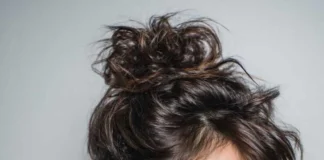

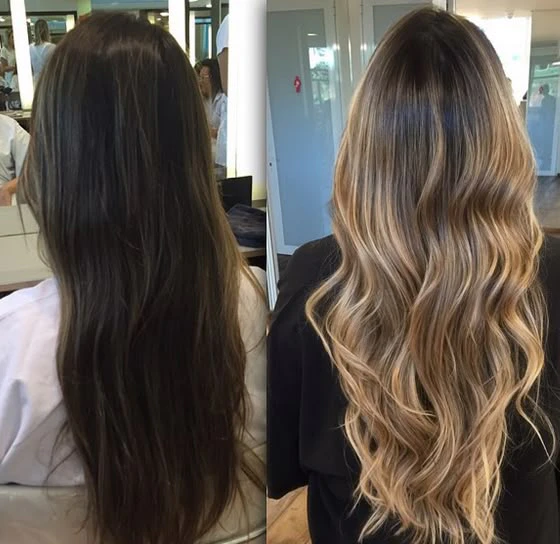
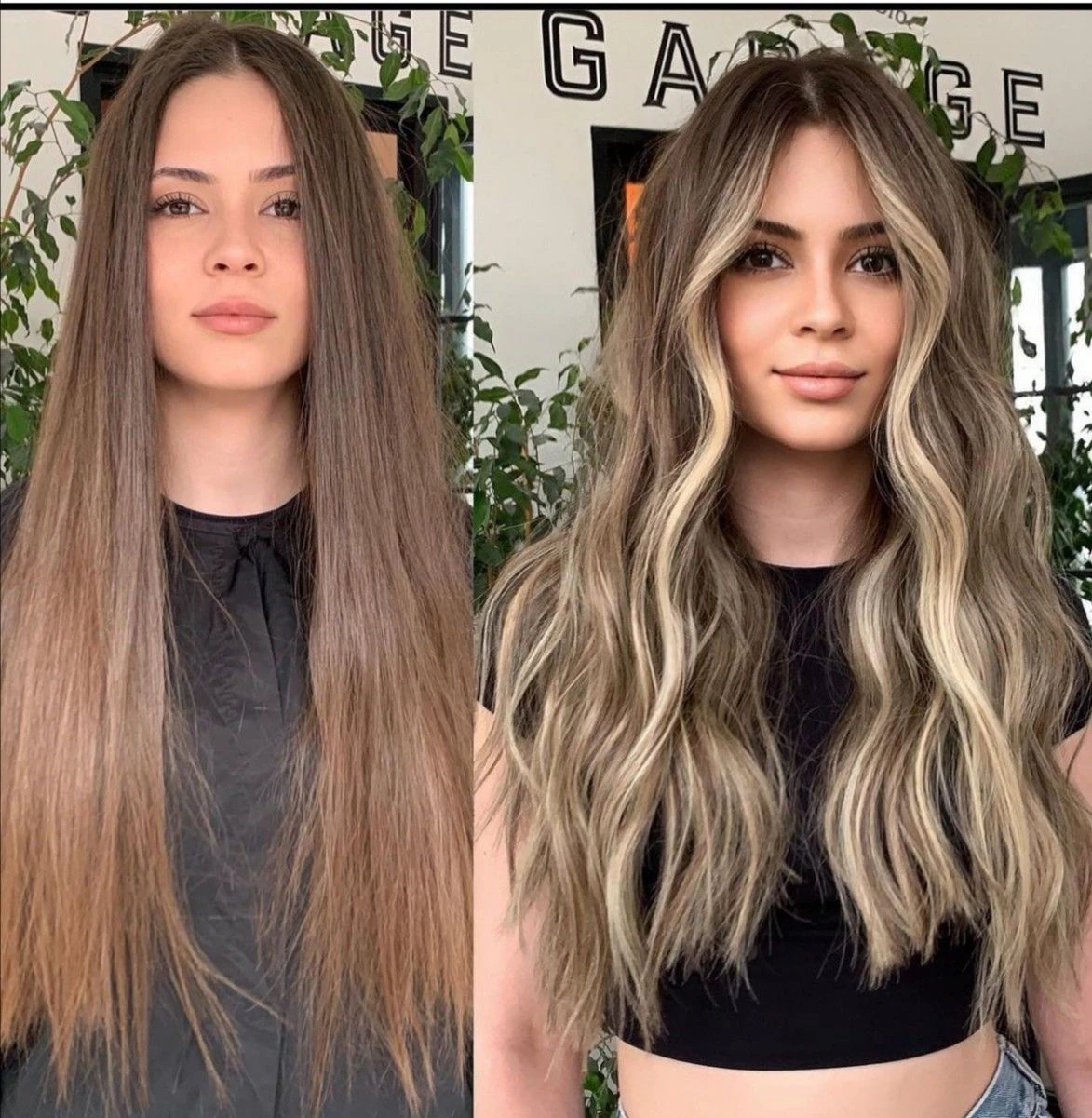
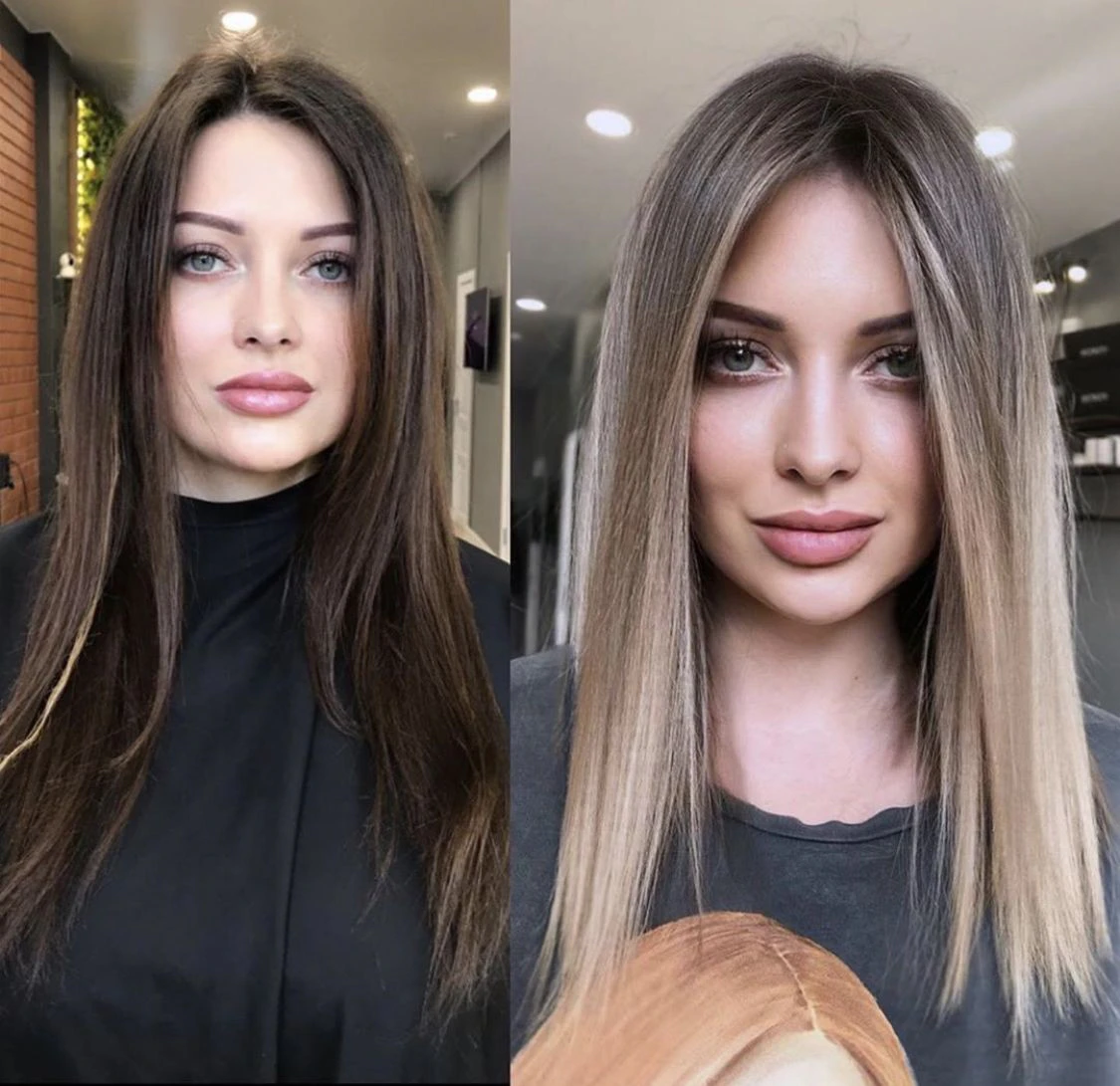

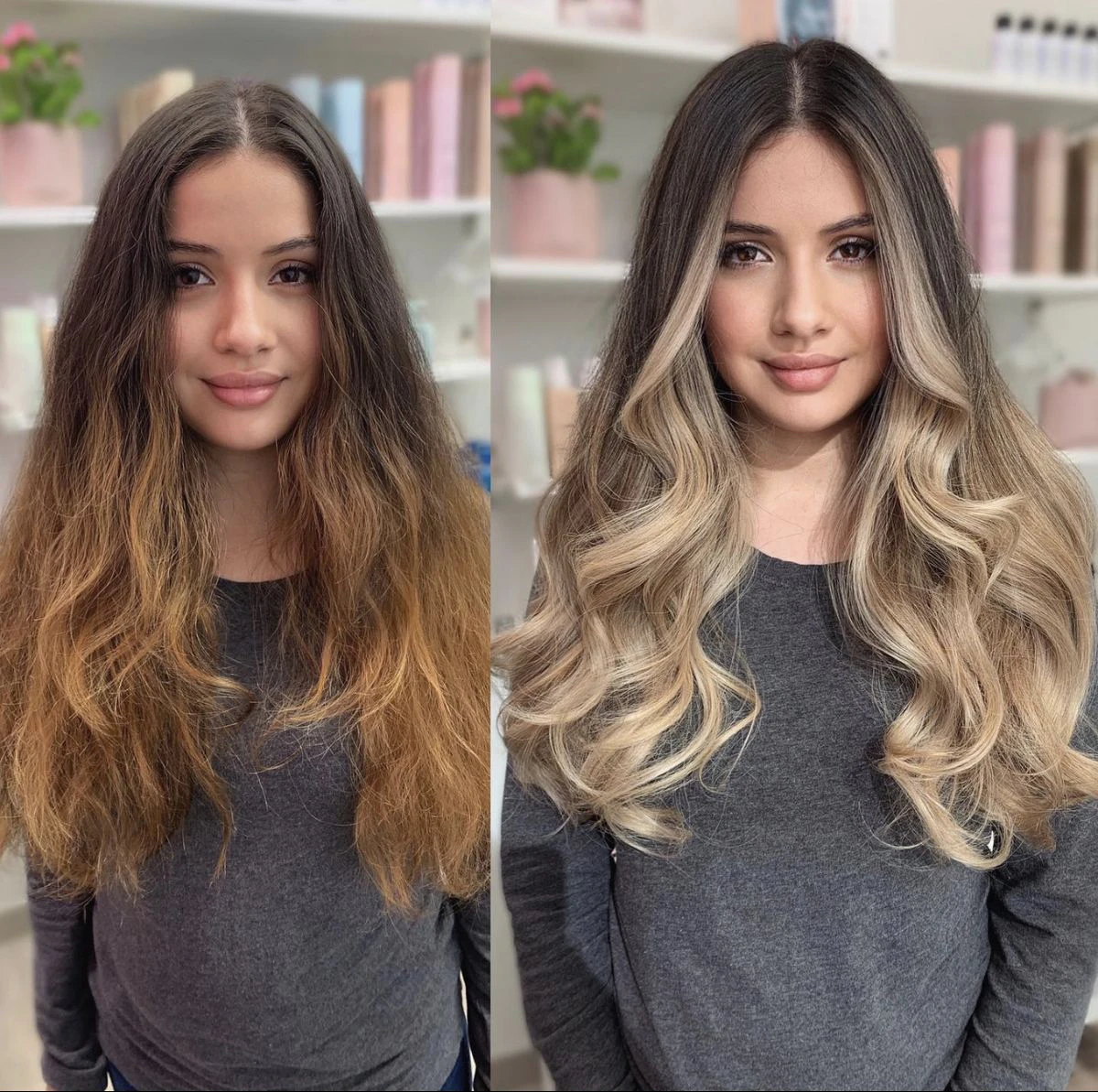
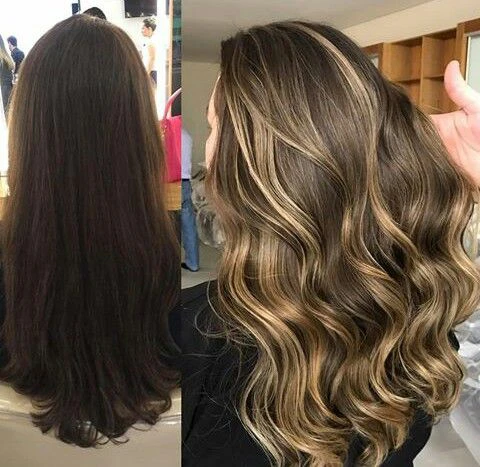

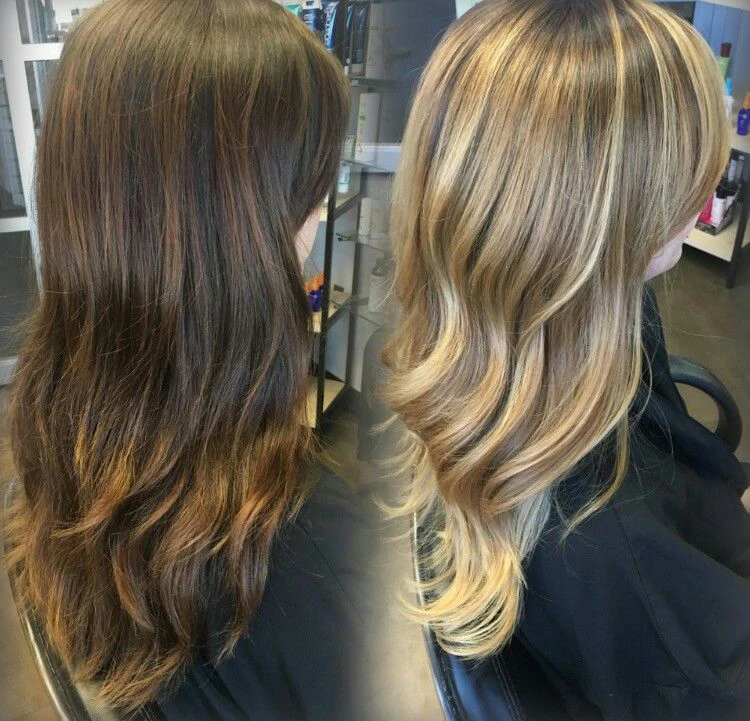
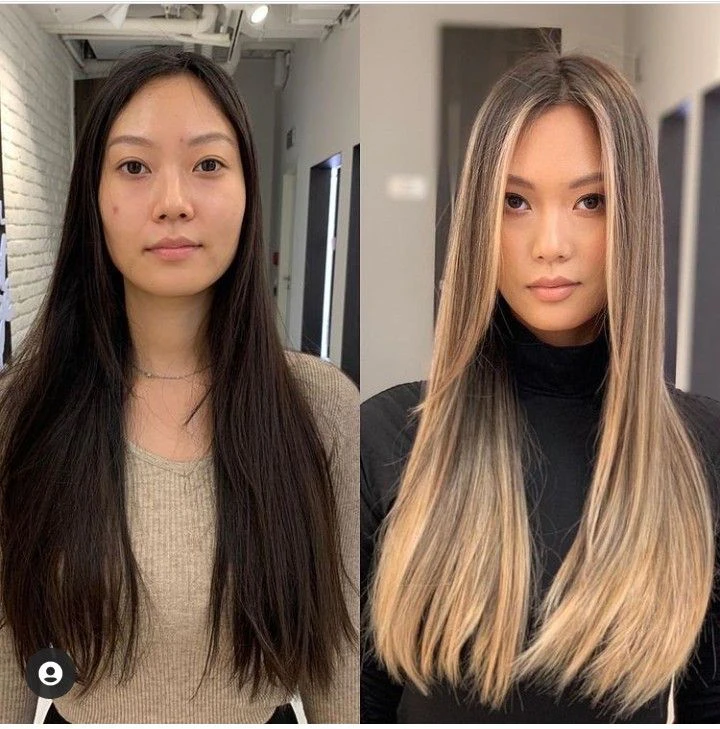
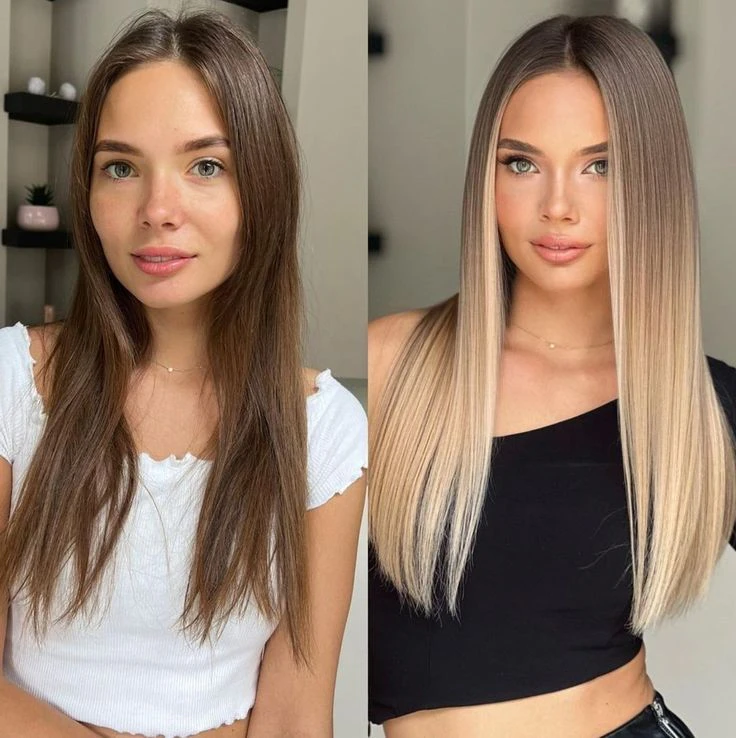
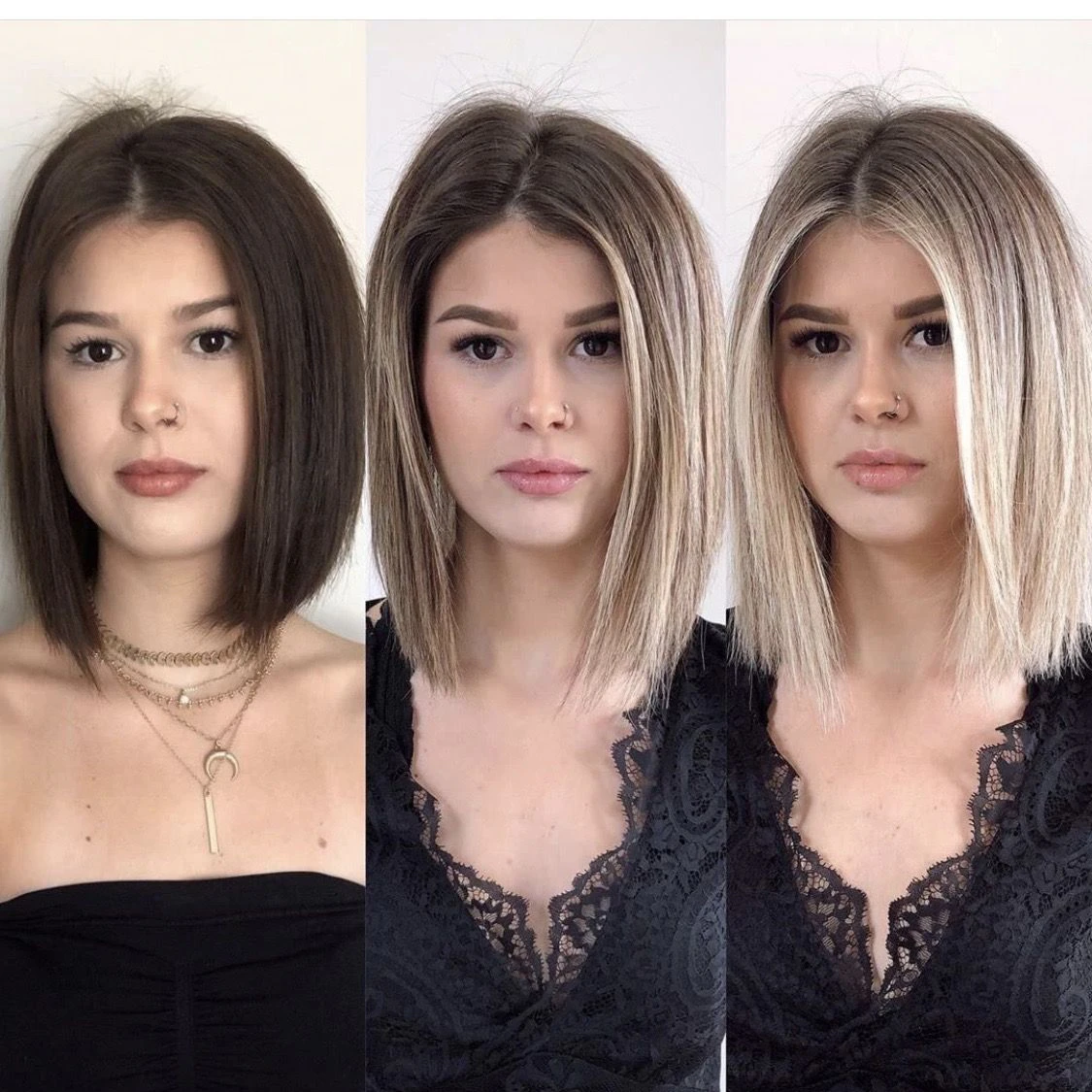
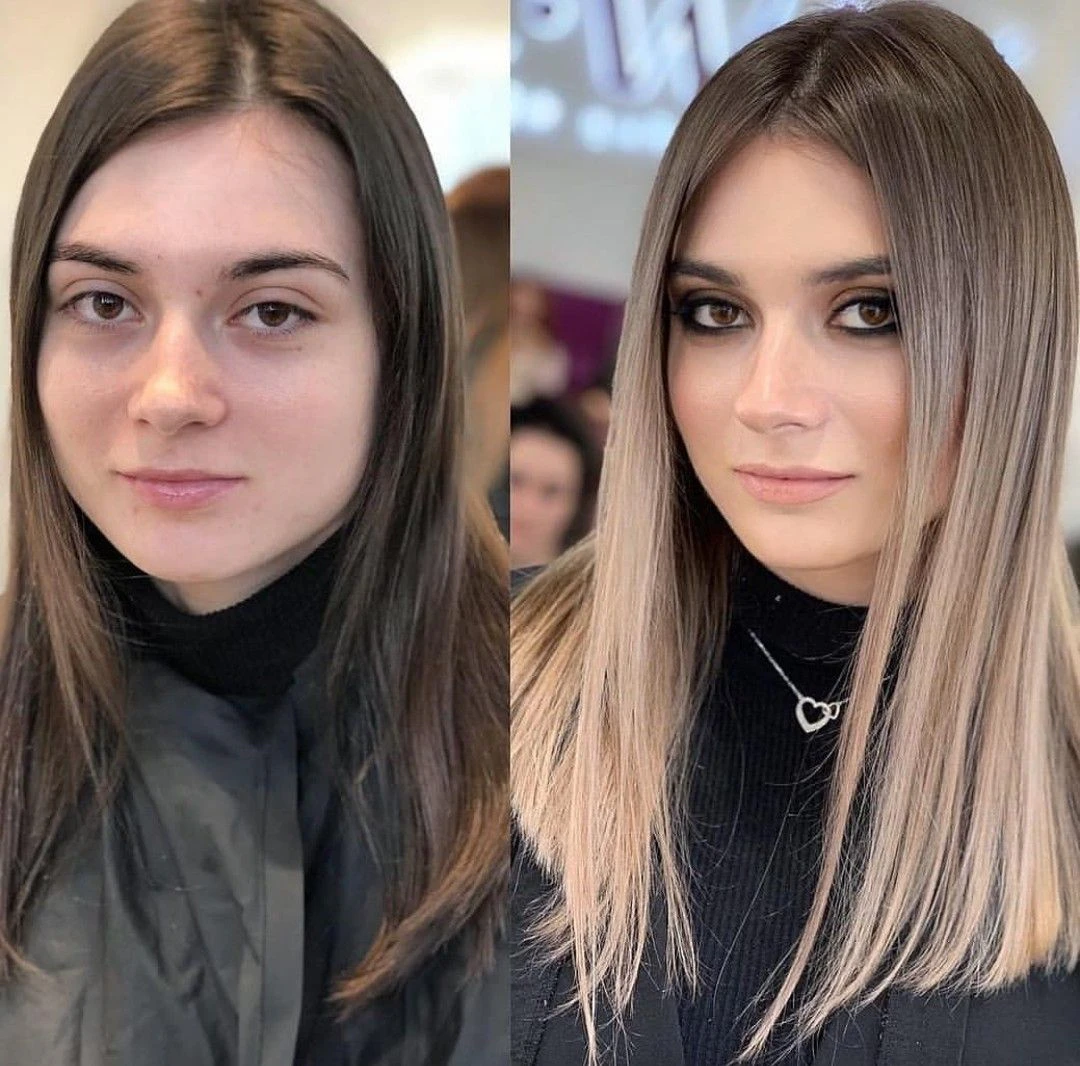
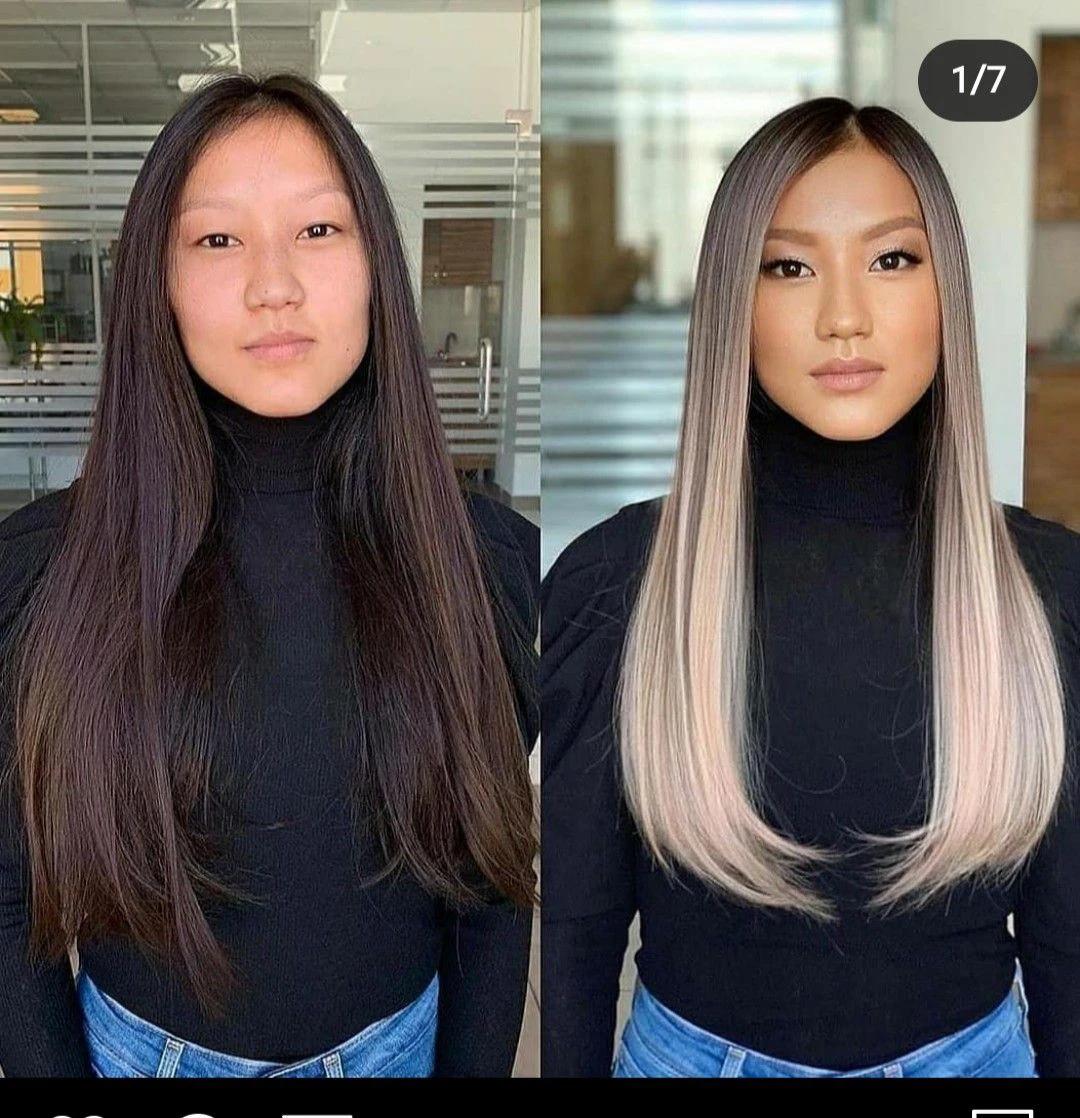
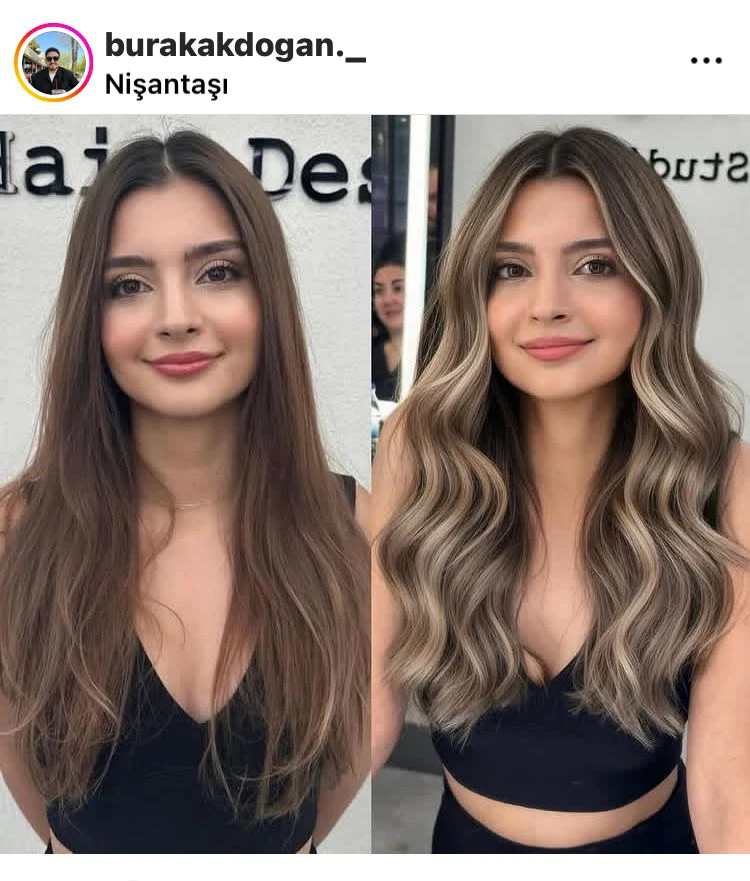
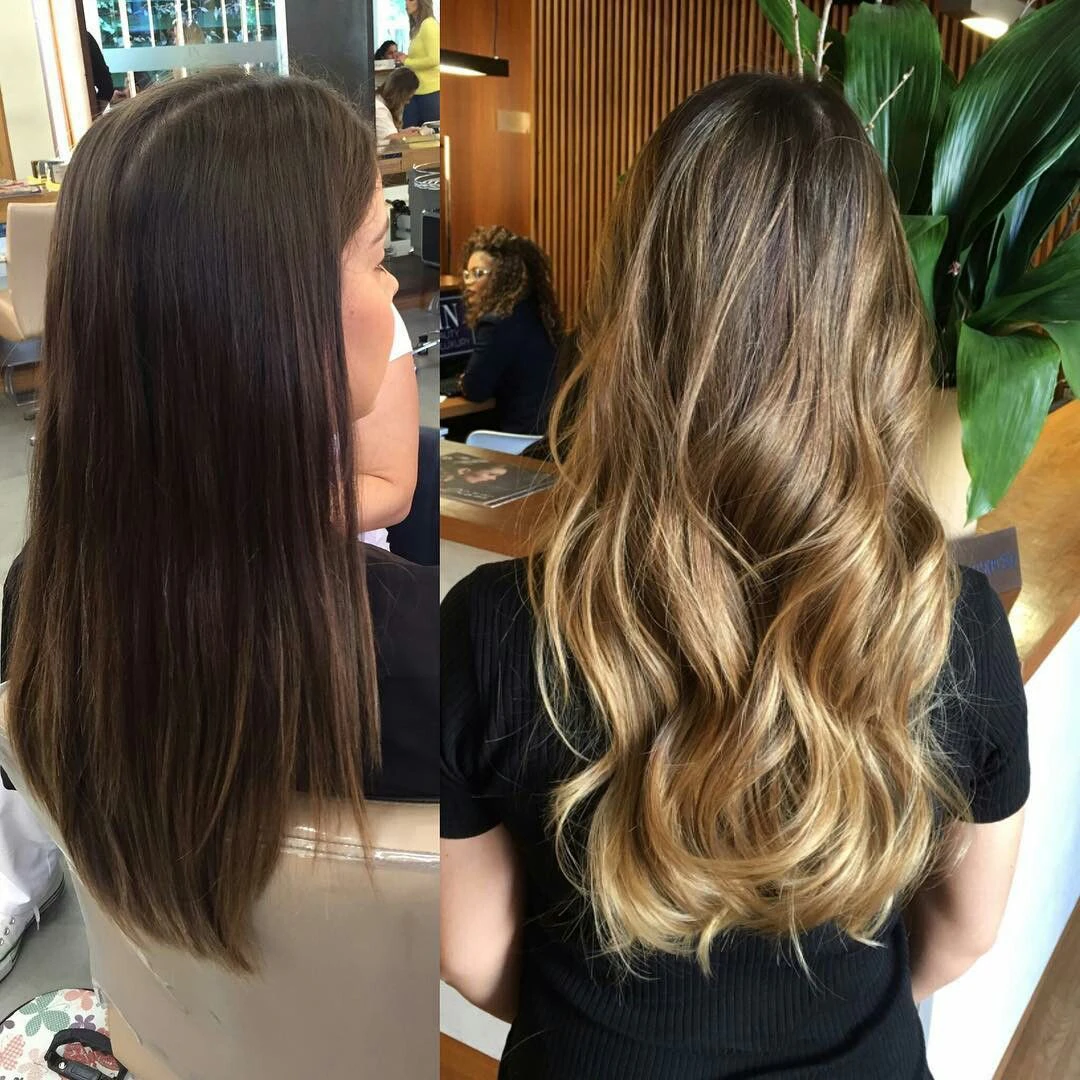
One of the most drastic hair transformations you can do is go from brunette to blonde. It takes patience, the right technique, and a sincere commitment to aftercare. Whether you’re considering a subtle shift to honey tones or dreaming of going full platinum, knowing what the process really entails can make all the difference. This guide will walk you through everything you need to know before you sit down in that salon chair.
Why Going From Brunette to Blonde Takes More Than One Visit
Many people think they will go into a salon with dark brown hair and walk out platinum. In reality, it rarely works that way. Dark hair has a lot of red and orange pigment in it. Those pigments don’t go away after one round of bleach. Instead, the hair slowly moves through a series of color stages that the hair goes through as the lightener breaks down the natural melanin.
Rushing this process can seriously damage the structure of the hair. The bonds along the strand can break, causing breakage and an uneven outcome. That’s why most experienced colorists schedule the transformation over two or even three separate sessions. Each one gets your hair closer to the target shade while giving strands time to recover between treatments.
Know Your Hair First
Before applying any lightener, it helps to know what you are starting with. There are two main factors that will determine how your hair reacts to bleach: porosity and color history.
Porosity describes how well your hair takes in moisture. Hair that is highly porous will lift quickly but can also dry and damage more easily. Low porosity hair will take longer to process. Neither is better, but knowing your hair type helps you and your stylist set realistic expectations.
Prior chemical treatments are equally important. If you’ve used box dye on your ends in the past, they will react differently than your roots. Dye-layered hair lifts unevenly, so it’s crucial to be completely honest with your stylist. Tell them everything, even the small things.
How to Select the Perfect Shade for Your Skin
One of the best things you can do when going from brunette to blonde is to choose a blonde shade that really works with your complexion. A tone that’s off can wash you out or make your skin look uneven, while the right tone creates a natural harmony that feels effortless.
Warm skin tones generally complement golden blonde, honey, caramel, and butterscotch shades. These tones reflect warmth back onto the skin and create a sun-kissed look. Cool skin tones, however, go beautifully with icy platinum, ash blonde, pearl, and champagne hues. Neutral undertones have the most flexibility and tend to do well with beige blondes, wheat tones, or soft strawberry shades.
If you’re not sure of your undertones, look at the veins on your wrist in natural light. Blue or purple veins typically indicate cool undertones; green veins indicate warm undertones. A combination of both cool and warm undertones indicates a neutral undertone.
How Dark Hair Is Lifted: What You’ll See in the Process
Whenever brown hair is lightened, the same set of color changes occurs. Knowing these stages helps you understand where your hair is in the process and why your colorist may stop at a certain point.
The first stage is dark brown or black. As the lightener begins working, it goes from reddish-brown to red, then to red-orange. From there it becomes orange, then yellow-orange, and finally pale yellow. The lighter the yellow, the closer you are to a workable base for toning blondes.
All these stages have to be respected. If you skip ahead or process too aggressively, you damage the hair beyond the point that conditioning treatments can repair. A skilled colorist can lift the hair gradually without compromising its integrity.
How Toner Works and Why It Matters
A common misconception is that bleach alone creates the final blonde. Bleach actually only removes pigment. The base left after lifting is usually brassy, yellow, or uneven. Toner transforms that raw, lifted base into the polished blonde you actually want.
Toner applies small amounts of color to the lifted hair to neutralize unwanted warmth or add a specific tone. An ash toner cools brassiness. A pearl toner adds softness. A golden toner purposely warms things up. Your colorist then blends a custom formula based on your desired shade.
As well as correcting the color, toner also smooths the cuticle. Bleaching tends to roughen and open the cuticle. A good toner treatment will help to seal it in, restoring shine and reducing tangling.
Session One: Laying the Foundation
In a brunette-to-blonde transformation, the first salon visit is all about stripping as much of the dark pigment out of the strands as possible while keeping the hair healthy overall. It’s not about getting to the end result; it’s about safe, significant progress.
Usually, the stylist will start with a consultation and strand test. This shows how your hair reacts to the lightener and shows how much it will lift. From there, they apply lightener in sections, working through the hair methodically.
In this phase, many colorists now recommend using bond-building treatments like Olaplex or similar products. These products help protect the disulfide bonds that bleach targets. Using one during lightening reduces breakage significantly.
After lifting, a warm toner, usually caramel or dark blonde, is applied to balance the exposed warmth without over-cooling hair that is not yet pale enough for ash tones. You walk out of this session looking like a warm honey brunette or light brown, not a finished blonde. That is intentional. Allow your hair and scalp to rest before the next chemical service.
Session Two: Lifting Further
After three to four weeks you return for the second session. Your hair has grown back, and the colorist can see what the first lightening revealed. They then go back in with the lightener, focusing on any remaining dark spots and blending in the previously lightened ends.
Mixing of the roots is an important part of this session. The aim is to avoid harsh lines at the hairline or at the part. The finished color looks natural and dimensional, with a smooth gradient from the roots down.
The hair is lifted to the desired level (usually pale or medium yellow), and the final toner is applied. This is where the color really comes to life. The toner delivers the result you want—icy platinum, warm golden blonde, soft ash, or buttery champagne.
Some people need a third session to reach a very pale base, especially if they started with very dark hair or had a heavy previous color. Patience here is not just waiting. It is protection.
How to Build an Effective Aftercare Routine
Your hair needs more than the regimen you used before going from brunette to blonde. Lightening changes the protein structure of the strand, leaving it more porous, which makes it more prone to moisture loss. Aftercare is not optional. That’s what keeps your blonde looking healthy and feeling strong.
Protein treatments can be used to restore internal structure. A bond-repair mask or protein treatment, used weekly, will reinforce the strand and reduce fragility. Too much protein without enough moisture leads to brittleness, so balance is key.
Use deep conditioning masks twice a week for the first month after lightening, then at least once a week. Look for masks containing ingredients like shea butter, argan oil, or hyaluronic acid. These provide the kind of deep moisture that lightened hair can’t hold on to quite as easily by itself.
Heat styling is more damaging on bleached hair. If you do use tools, always spray on a heat protectant first. Keeping settings at a moderate temperature instead of the maximum also makes a noticeable difference over time.
Keeping Brass Off Between Visits to the Salon
One of the most common worries when going blonde is how quickly the brassiness comes back. Tap water, sun, and heat all create oxidation, which brings warm tones back into lightened hair. Fortunately, this is one of the easier problems to manage at home.
The most common solution is purple shampoo. Its violet pigment counteracts yellow and gold tones to keep blonde hair bright and cool. Once or twice a week is typically sufficient. It can turn a little lavender if left on too long, so follow the timing guidelines.
If your tap water contains a lot of minerals, think about installing a shower filter; mineral deposits can build up on the strand, which can make the color look more dull and warmer. A filter reduces that build-up and keeps the blonde looking cleaner in between toning sessions.
Long-Term Maintenance and Root Control
Staying fully blonde after a brunette-to-blonde transformation is a commitment. Most people need to get root touch-ups every four to six weeks to maintain the consistency of the color as their natural dark hair grows out.
If you find yourself bleaching too often, there are gentler maintenance options worth discussing with your colorist. The shadow root method intentionally leaves a soft line of darker color at the base that grows out naturally and reduces the number of times you need to go back in. A blended base balayage does something similar, creating a lived-in look that ages gracefully without any harsh lines showing.
If you get the technique right, you can often reduce the frequency of full lightening sessions. Before your first appointment, ask your colorist to explain a regimen that will work with your lifestyle and color goals down the road.
Brunette to Blonde FAQ
Can you go from dark hair to blonde in one day? It will depend on where you start from and the condition of your hair. Sometimes short or virgin hair can be lifted a lot in one session. But, in general, colorists across the board say don’t rush it. The goal is blonde hair that holds up, and that is almost always multiple sessions.
Does bleaching change hair texture permanently? In practice, yes. Bleached hair is more porous, and therefore it absorbs humidity differently. Sometimes straight hair can get a little wavy. Curly hair may lose some definition without consistent moisture. Both can be managed with the right products, but the change is real and worth preparing for.
How to protect hair when bleaching? Ask for a bond-building treatment with your bleach during your brunette-to-blonde service. Do not heat style in between appointments. Wash with a gentle, sulfate-free shampoo and let the hair air dry whenever possible in the days after each appointment during the recovery window.
A successful brunette-to-blonde makeover can really change your whole look and how you feel about your style. If you talk openly with your colorist, select shades that match your natural skin tone, and create a routine that nourishes your lightened strands, you will end up with a look that is bright, strong, and well worth the journey. For more professional color guidance, Modern Salon has detailed advice from experts, and science-backed support throughout your color journey comes from bond-building treatments from brands like Olaplex.