
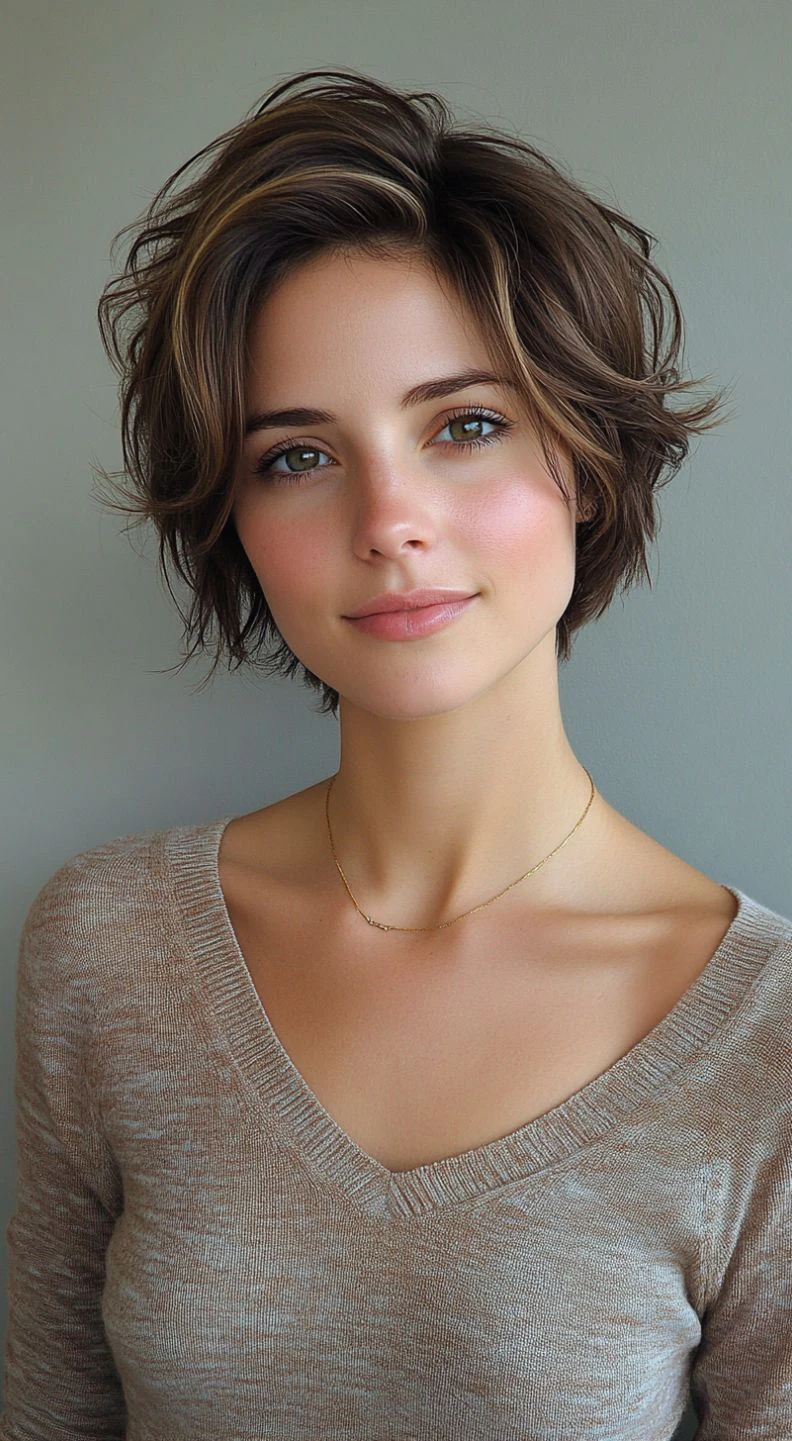
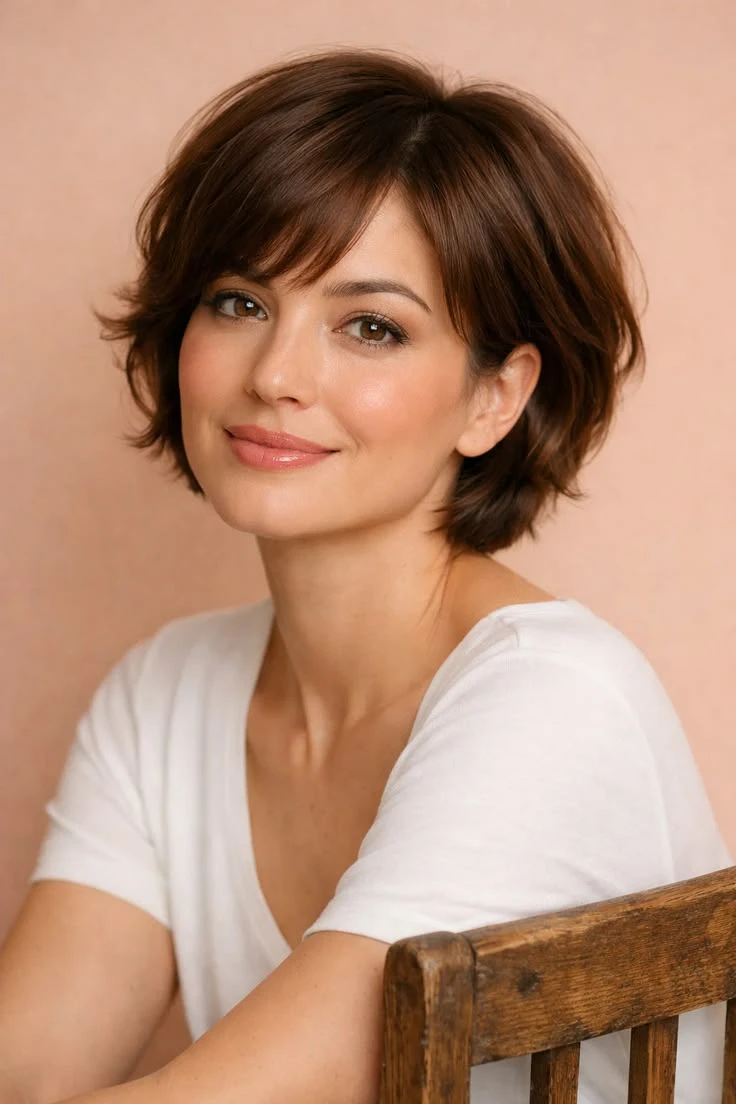
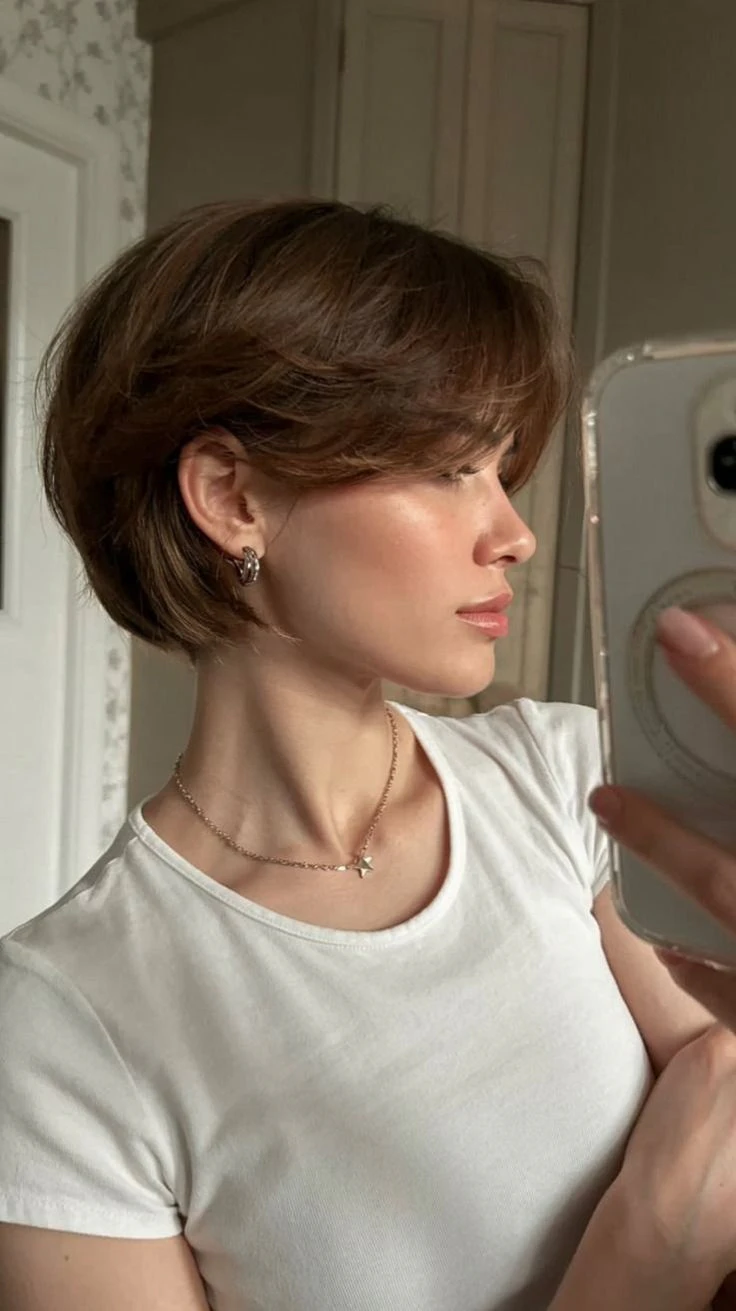
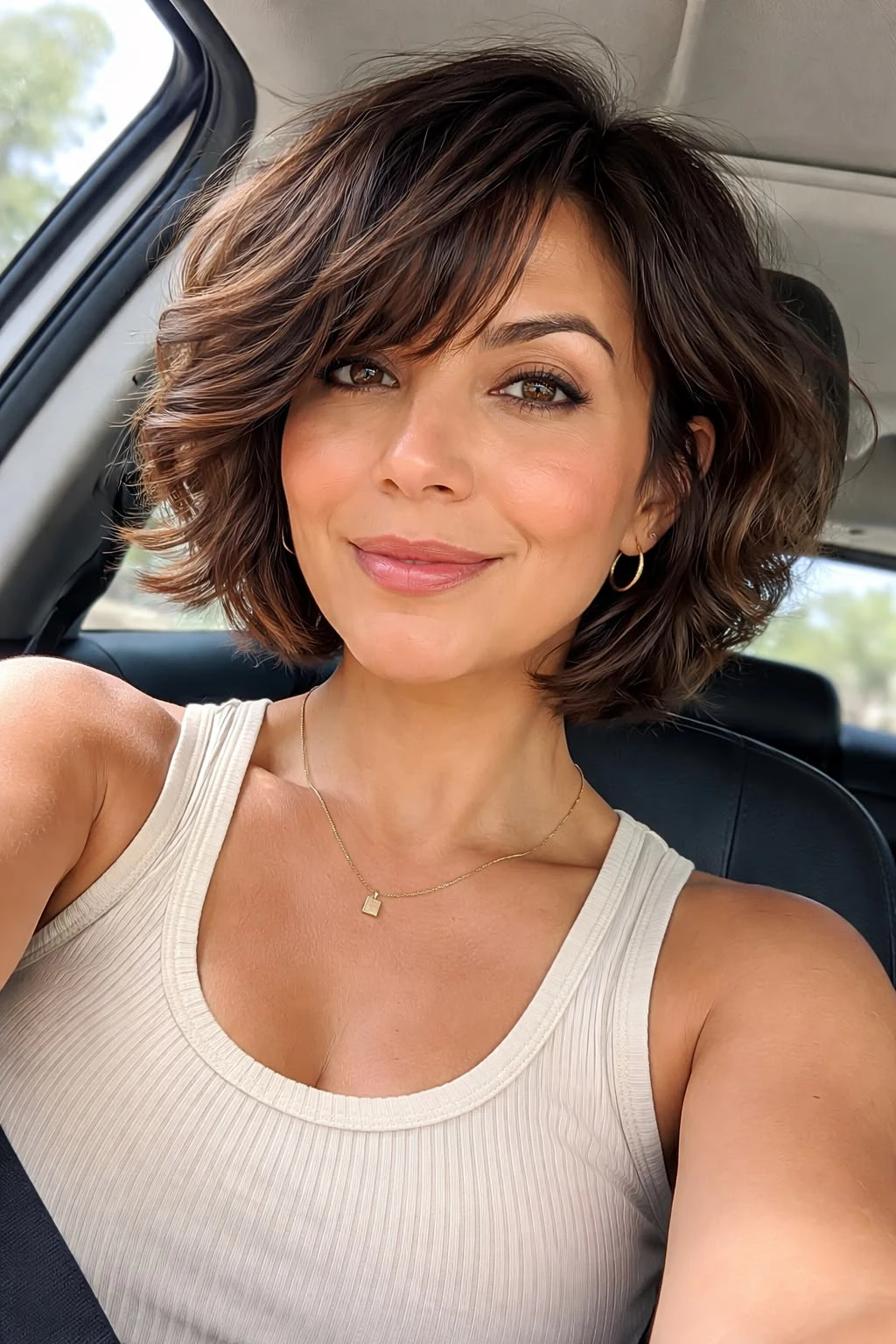
Cute Short Haircuts
There is something genuinely exciting about cutting your hair short for the first time. The decision feels bold, and the results are often far more flattering than people expect. Cute short haircuts have moved well beyond simple practicality. Today they are a symbol of confidence, creativity, and a feeling of personal style. If you’re thinking about a drastic change or just want to update your current style, short hair has more options than most realize.
This guide covers the most popular styles, how to choose the best one for your face and texture, and how to care for it at home and in the salon.
Why Are Cute Short Haircuts So Popular?
In the beauty world, short hair has been one of the most consistent trends for years now. Celebrities, influencers, and everyday women alike have embraced shorter lengths, resulting in a wider variety of styles to choose from.
But the appeal of cute short haircuts is more than just fashion. Short styles are much easier to manage. They require less product, dry faster, and often take fewer minutes to style each morning. For anyone juggling a busy schedule, that kind of simplicity is a real advantage.
Short hair is also surprisingly versatile. It can be worn sleek and polished for a professional setting or tousled and textured for a more relaxed weekend look. With very little effort, you can wear the same cut for many occasions.
Low Maintenance, Long-Term Savings
Another very practical reason to try a stylish short haircut is that it reduces daily effort. Washing and conditioning short hair doesn’t take nearly as long as it does to maintain long hair. And you will use fewer products, so your monthly hair care expense will be noticeably less.
Short cuts do require more frequent trims, usually every four to six weeks, to maintain their shape and to keep the style looking intentional. However, each salon visit is usually quicker and sometimes less expensive than a full-length haircut with additional treatments. Over time, the overall cost and effort balance out very favorably.
The Most Flattering Short Styles Available Today
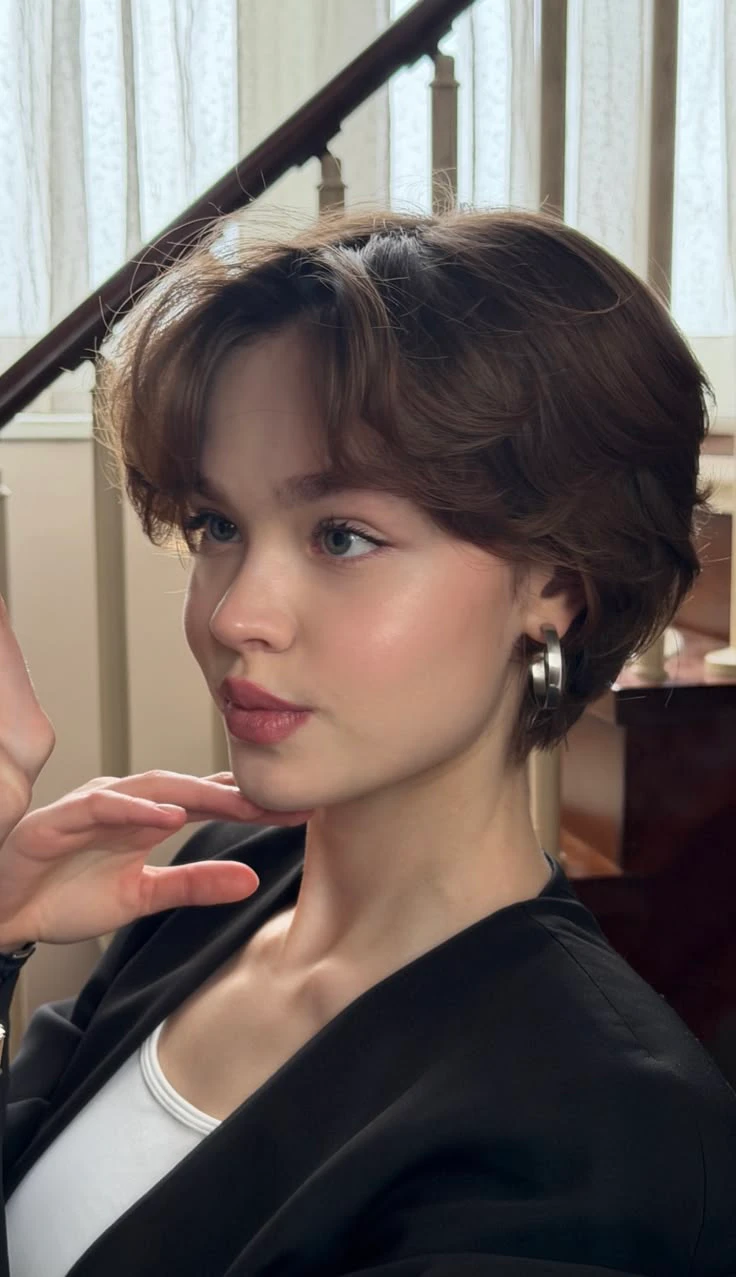
The Pixie Cut
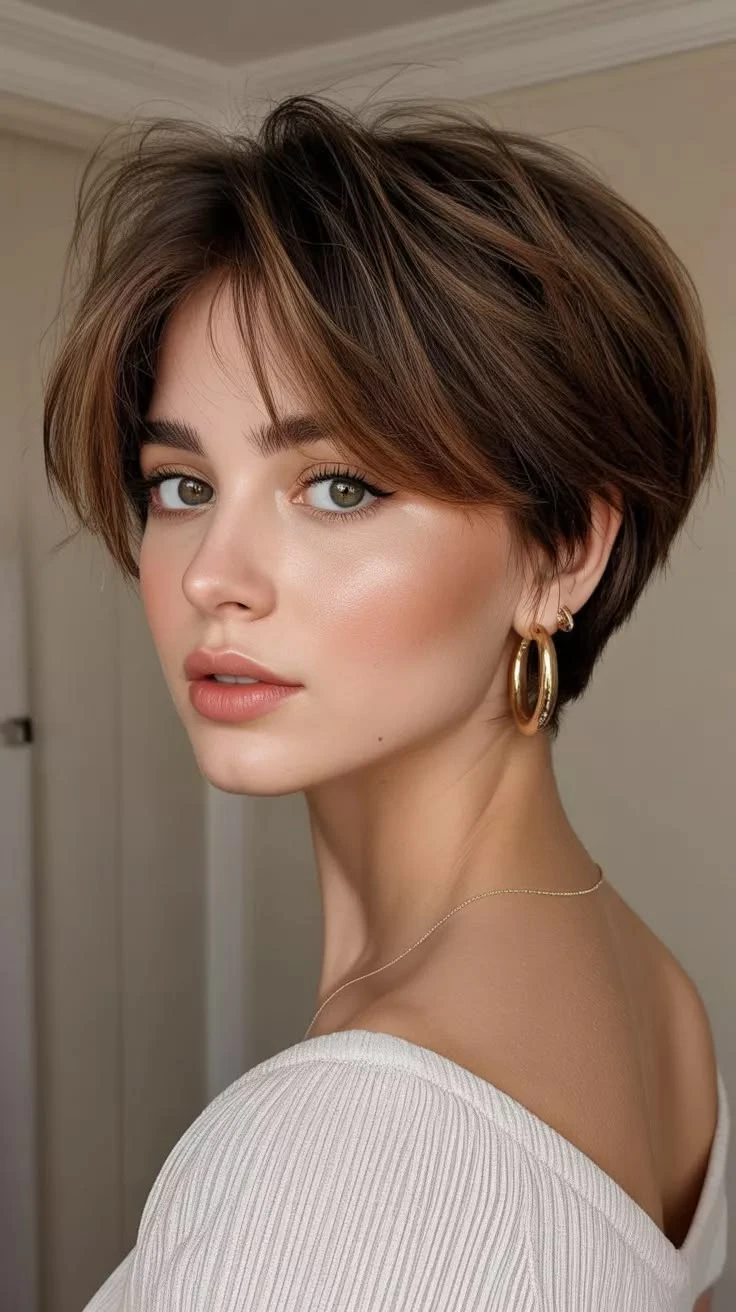
The pixie cut is one of the most enduring options in the world of adorable short haircuts. It works across a wide range of face shapes and hair textures. Moreover, it requires very little daily effort to maintain once you find the right variation for your features.
Modern pixie cuts differ from older versions in one important way. Today’s pixies tend to have more texture and dimension built into the cut itself. Rather than lying flat, the hair has movement and shape. This makes the style feel current and fresh rather than dated.
To style a pixie, apply a small amount of wax or pomade to damp hair and work it through with your fingers. Lift the crown slightly for volume. Then smooth the sides for a cleaner finish. The whole process takes only a few minutes.
Ask your stylist about customizing the pixie length at the nape, around the ears, and on top. These small adjustments make a significant difference in how the final result flatters your specific features.
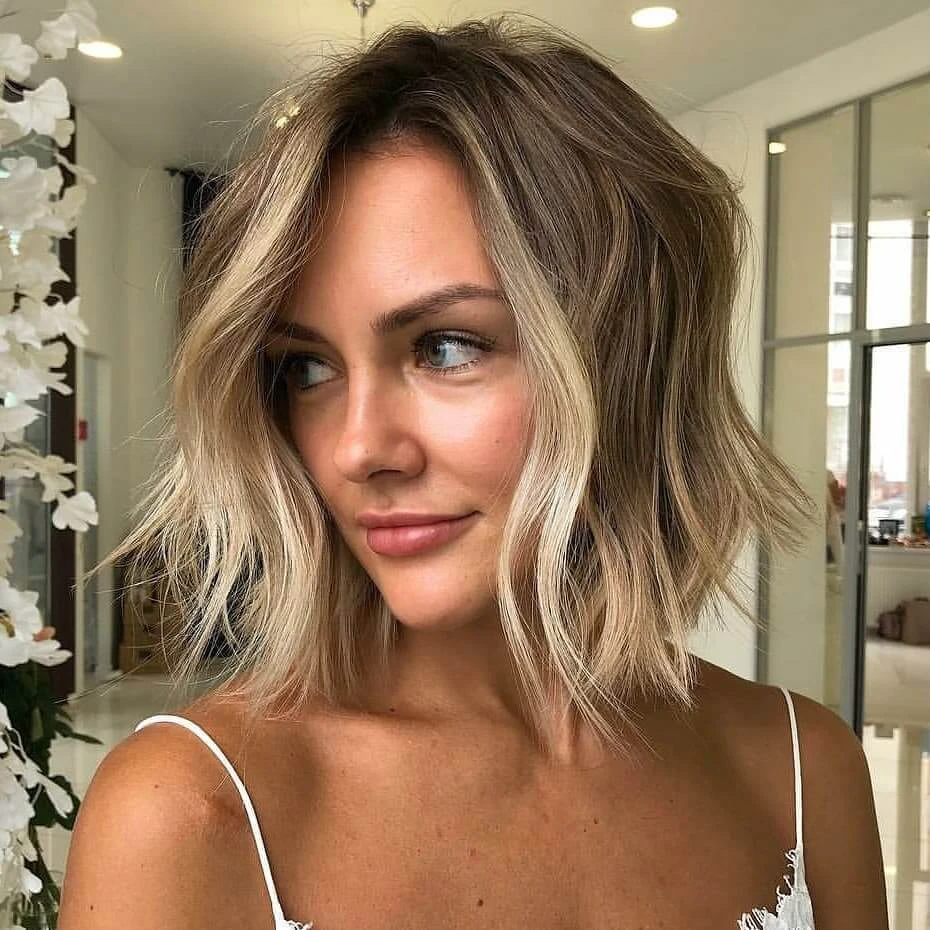
The Bob Cut
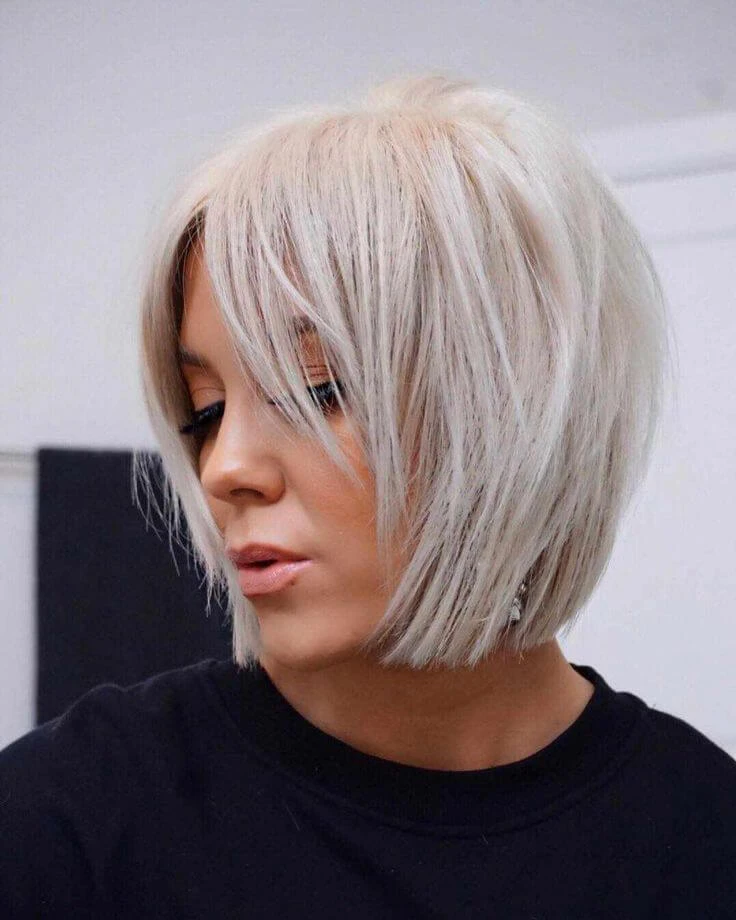
Bob haircuts have remained consistently popular for decades, and for good reason. They work for nearly every face shape and look fabulous with various styling options on different days.
Short bobs are usually chin length or a little higher. The length shapes the face nicely and gives a clean, purposeful silhouette. You can wear a sleek and straight bob with a flat iron or add soft waves for a more relaxed look. Textured bobs, achieved with a diffuser or salt spray, give a modern, slightly undone effect that feels very current.
Additionally, bobs are one of the easiest adorable short hairstyles to grow out gracefully if you decide you want more length later. The transition from a short bob to a longer style is usually smoother than growing out a pixie.
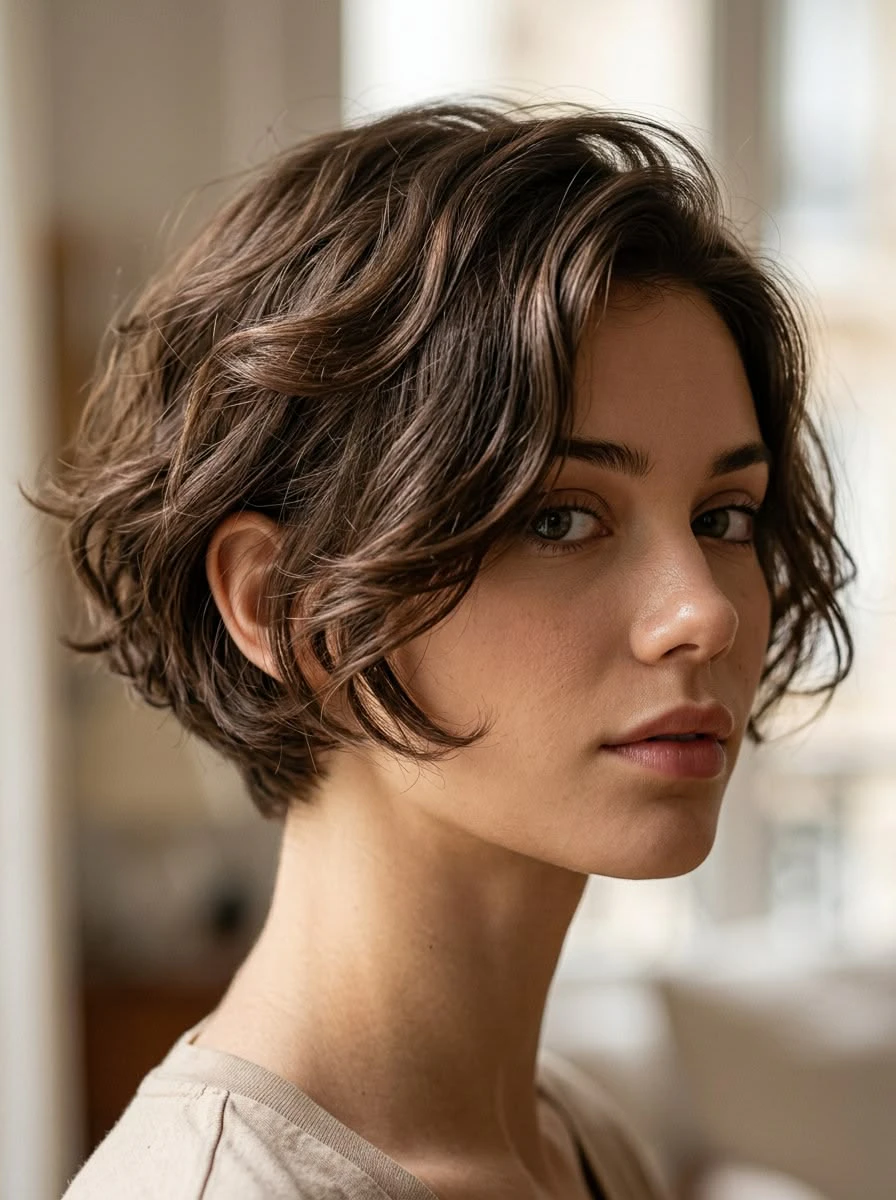
The Shag Cut
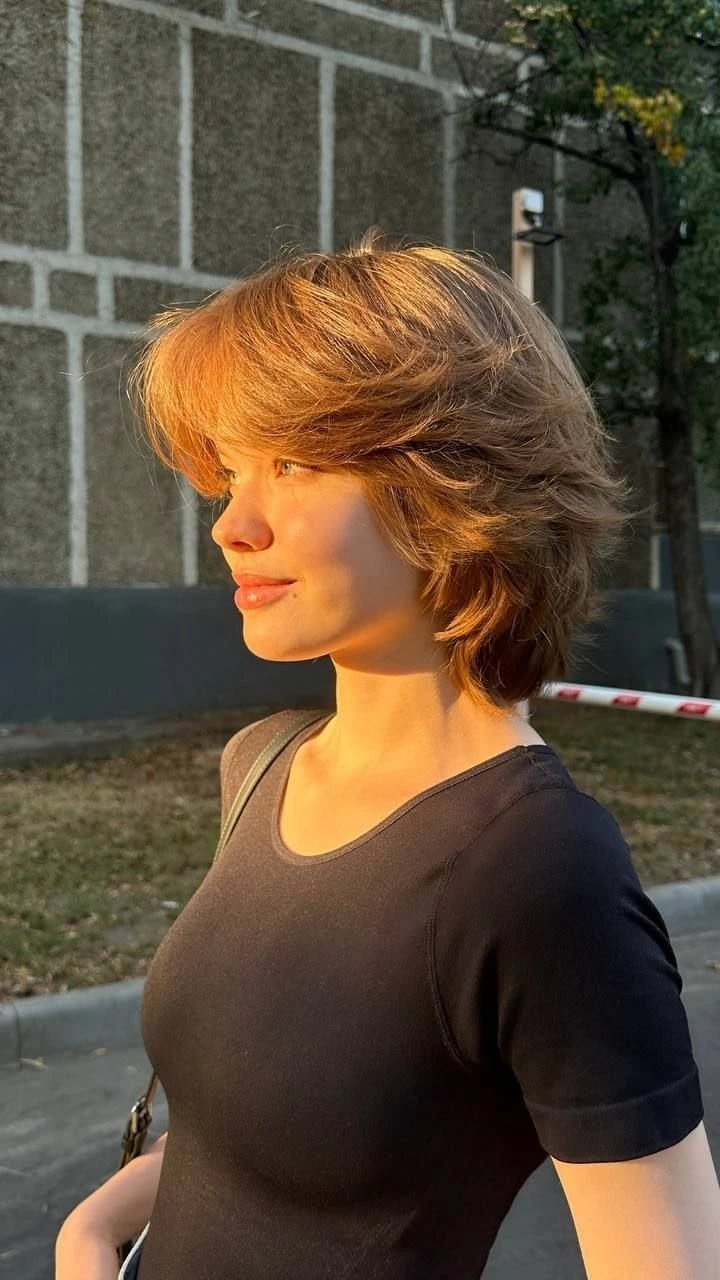
The shag has experienced a genuine revival recently, and it continues to look fresh on a wide range of women. This layered style works particularly well for fine or thin hair because it adds visible fullness without relying on heavy products.
Modern shag cuts are more refined than the original 1970s versions. The layers tend to be less extreme, and the overall shape is more controlled. However, movement remains the defining characteristic of the shag. The layers create a natural bounce and flow that makes the hair look lively even on low-effort days.
For styling, apply a lightweight mousse or texturizing spray to damp hair. Then blow-dry upside down to build the body at the roots. The result is a relaxed, full style that looks effortless rather than overdone.
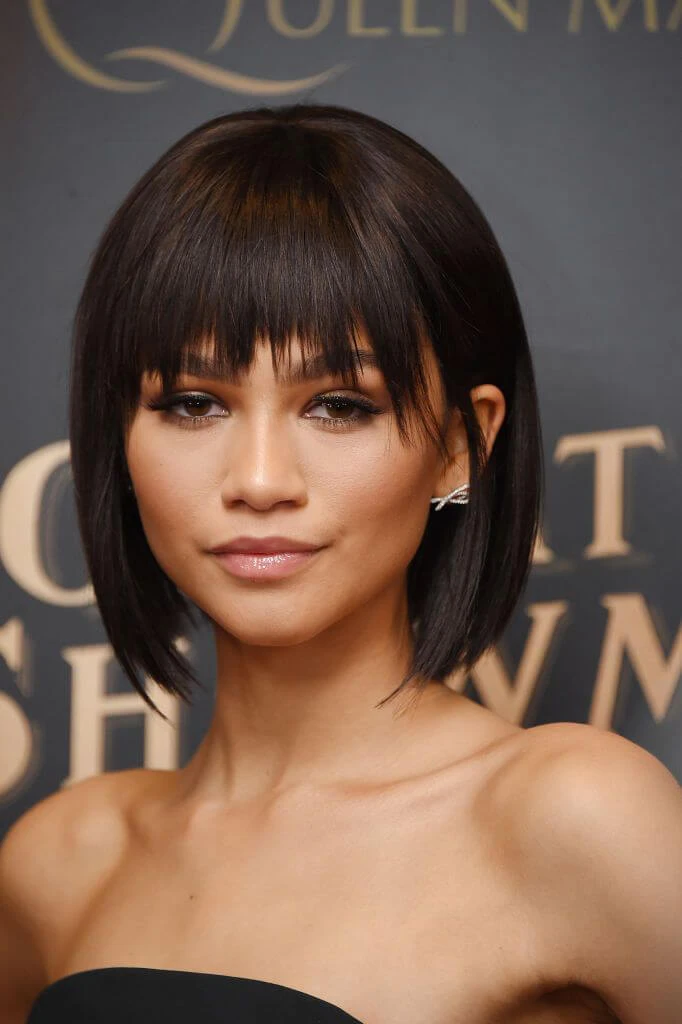
The Blunt Cut
A blunt cut is the right choice when you want a style that makes a strong visual statement. A blunt bob or blunt pixie has straight, clean edges that give a sharp, intentional look that immediately stands out.
This style works especially well on straight hair, as the clean lines are most prominent. But blunt cuts can also look striking on wavy hair with the right products and a successful blowout technique. With this style, regular trims every four to five weeks are especially important, to keep the ends crisp and the shape precise.
Choosing the Right Style for Your Face Shape
Before committing to any of the adorable short haircuts above, it helps to consider your face shape. Different styles balance different features in different ways. Taking a few minutes to think about your face shape before your appointment can make a meaningful difference in how satisfied you feel with the result.
Round Faces
Round faces benefit most from styles that add height and vertical emphasis. A pixie cut with volume at the crown is an excellent option. Tapered cuts that are shorter at the sides and longer on top also work well. Meanwhile, it is generally better to avoid cuts that add too much width at the cheekbones, as such styles can emphasize the roundness further.
Square Faces
Square faces have strong, angular jawlines. Softer styles tend to balance these angles most effectively. Textured bobs and shag cuts with movement are especially appealing because they add softness without losing structure. Choppy layers add further texture and prevent the overall look from feeling too rigid.
Long Faces
Long faces benefit from styles that add width rather than height. Shorter cuts with volume at the sides help balance the proportions. Bangs are also very effective for long faces because they visually shorten the forehead. Blunt cuts with horizontal emphasis tend to work well here.
Heart-Shaped Faces
Heart-shaped faces are wider at the forehead and narrower at the chin. The most flattering styles for this shape add volume near the jaw. Layered bobs that flare slightly outward at the bottom are a strong choice. Side-swept styles also work well because they soften the forehead without drawing attention to it.
Matching Your Cut to Your Hair Texture
Your natural hair texture matters just as much as your face shape when choosing between adorable short haircuts. A style that looks stunning on straight hair may behave very differently on curly hair, so it is worth having an honest conversation with your stylist about what your hair actually does on its own.
Straight Hair
Straight hair is ideal for cuts that showcase clean lines. Blunt bobs and sleek pixies look particularly sharp on straight textures. Angular and structured cuts also translate well because the hair lies flat and predictably. Styling is generally straightforward and takes minimal time.
Wavy Hair
Wavy hair pairs naturally with textured cuts like the shag or a choppy bob. These styles work with the hair’s natural movement rather than against it. Layers add further definition to the wave pattern. Furthermore, air-drying is often an option with these styles, which reduces heat damage over time.
Curly Hair
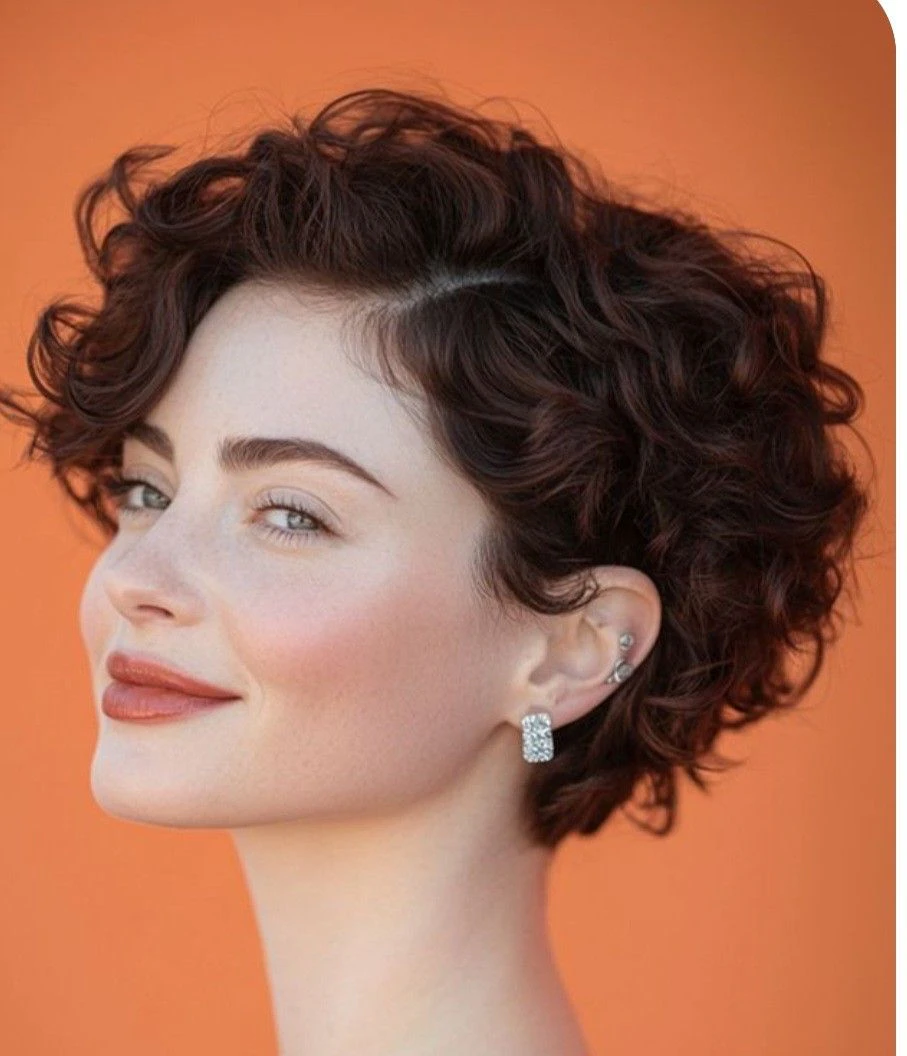
Curly hair suits textured short cuts very well. Pixies and tapered styles both complement curls by giving them a defined shape to work within. The curls naturally fill the style beautifully without the need for extra products. However, it is essential to work with a stylist who understands how curls shrink when dry. The wet and dry lengths can differ significantly, so planning ahead matters. For more information, visit our curly hair care guide.
Best Products for Short Hair
Good products make a noticeable difference in how any short haircut performs day to day. Starting with a quality shampoo and conditioner suited to your hair type gives you a strong foundation. Everything else builds on that base.
Pixies and blunt cuts can be styled with a strong-hold wax or pomade to achieve the exact shape you want. A light texturizing spray gives shags and bobs grip and dimension without weighing hair down. Dry shampoo is perfect for between wash days to soak up the oil at the roots and refresh the overall look.
If you use heat tools often, always spray on a heat protection spray first. This will prevent long-term damage and keep the hair shiny and healthy instead of dull and brittle.
Styling Techniques Worth Knowing
Styling short hair well comes down to a few consistent habits rather than a complicated routine.
For a pixie, apply product to damp hair and blow-dry with your fingers, directing the hair upward at the crown and smoothing it at the sides. The process takes roughly five minutes once you are comfortable with it.
For a bob, a paddle brush and a medium-heat blow-dryer give a smooth, polished finish. Alternatively, wrapping small sections around a large-barrel curling iron adds soft movement without looking overly styled.
For a shag, blow-drying upside down builds the natural body that makes this cut look its best. Apply a mousse or light spray before drying and then shake the layers into place once the hair is fully dry.
Color Ideas That Complement Short Hair
Color can significantly enhance the overall effect of a short haircut. Because the hair is closer to the face, the right shade creates a brightness and freshness that longer styles sometimes lack.
Warm brunette tones suit most skin colors and photograph particularly well. They also improve the texture and movement that modern short cuts emphasize. If you want a bolder look, balayage and highlights create dimension by breaking up solid color with lighter sections. This technique looks especially natural on bobs and shags where the layers already create movement.
Pastel shades have been popular for several years now and continue to attract attention. Soft pinks, blues, and lavenders look striking on short, chic cuts. They are also easier to maintain on shorter hair because regrowth is less obvious and touch-ups are quicker.
Face-framing highlights, sometimes called money pieces, are a more subtle option. They illuminate the areas around your face without changing your whole color. This is a good option if you’re looking to spice things up a bit but aren’t ready to make a big commitment. For more inspiration, see our hair color ideas.
How to Speak to Your Stylist
The key to getting the most out of any salon appointment is straightforward communication. Bring reference photos of adorable short hairstyles that you like. These pictures give your stylist an actual starting point and minimize the chances of any miscommunication.
Be specific about your daily routine. Tell your stylist how much time you’re willing to spend styling each morning, whether you want to air-dry or use heat tools, and how often you plan to return for trims. This helps them shape the cut to your real life rather than an idealized version of it.
Furthermore, trust your stylist’s professional opinion. Your hair texture, density, and growth patterns are visible to them in a way no photo can fully capture. A good stylist will take your reference images seriously and be honest about what will work best for your specific hair type.
Your Next Step Toward a Shorter Style
Cute short haircuts are genuinely one of the most rewarding changes you can make to your appearance. They are practical, stylish, and far more adaptable than many people expect before making the switch. Whether you gravitate toward the clean boldness of a pixie, the classic versatility of a bob, the effortless movement of a shag, or the sharp elegance of a blunt cut, there is a short style that suits your face, texture, and personality.
The best approach is to gather a few images you love, book a consultation with a skilled stylist, and have an open conversation about what is realistic for your hair. From there, the decision becomes much easier. Short hair changes quickly with trims, so you can always refine the style over the first few appointments until it feels exactly right.