


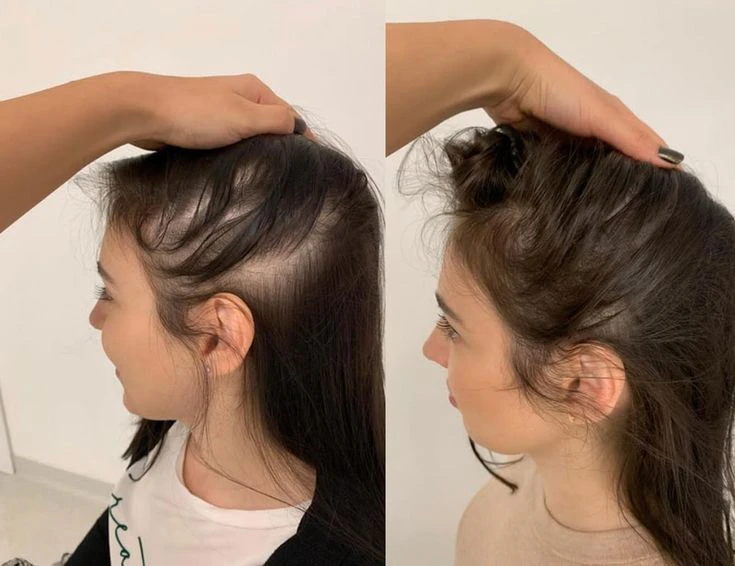
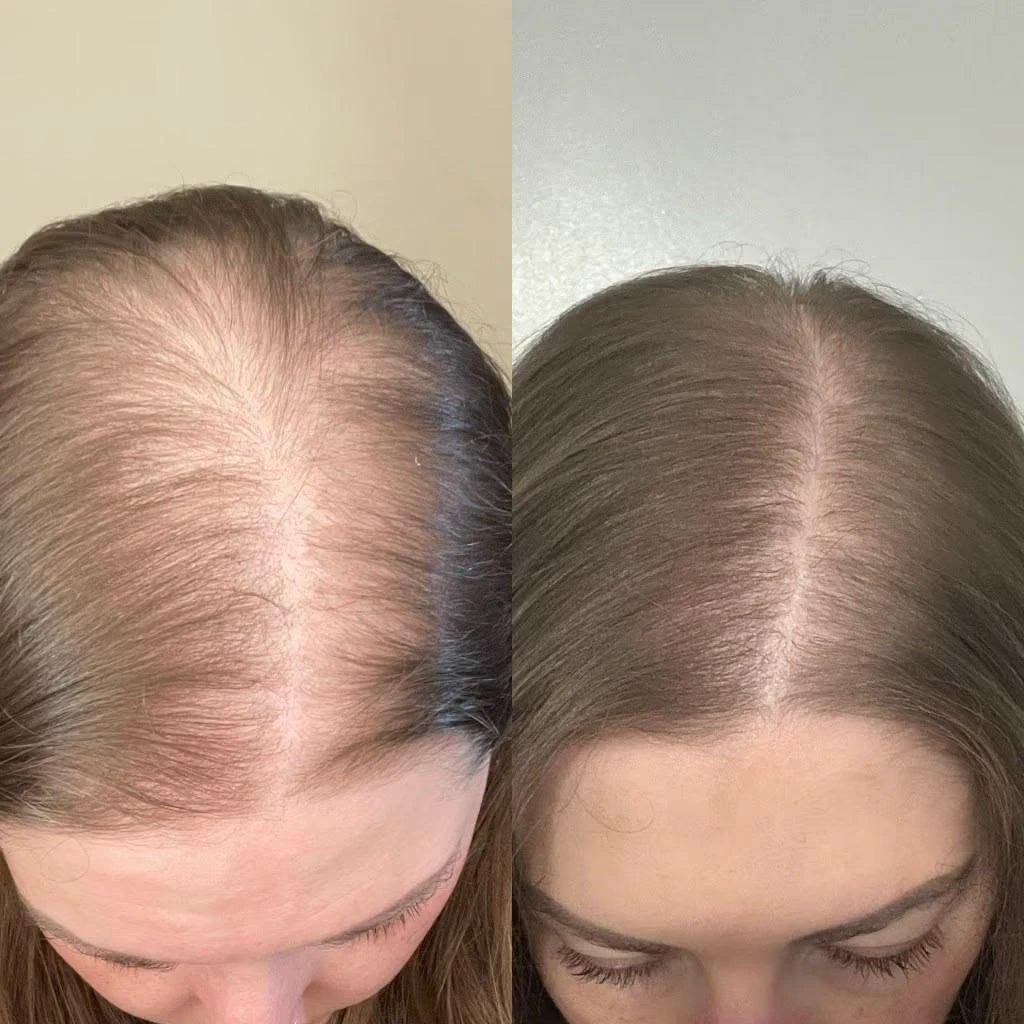
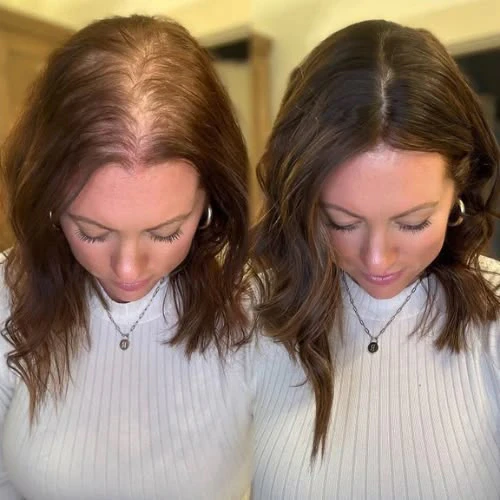
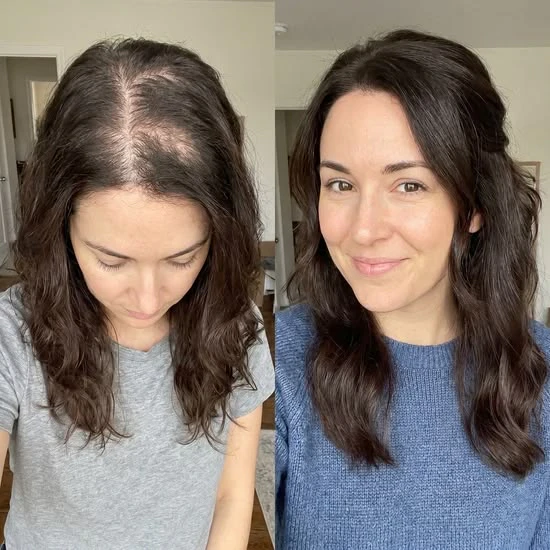
One of the most common hair concerns women have is thinning at the crown, but it’s rarely discussed openly. It usually begins quietly. First, you see more scalp under the bathroom light. Then, you might see a photo taken from above that reveals a spot you didn’t expect. The excellent news is that a smart haircut, a few styling habits, and the right color can significantly improve the appearance of that area, even if the hair underneath is thinner. In this guide, you will discover practical hair loss hairstyles for thinning hair on the crown, as well as tips actually used by stylists and colorists for their clients. We’ll also talk about products, scalp care, and daily habits that support fuller-looking hair over time.
What Does Crown Thinning Look Like?
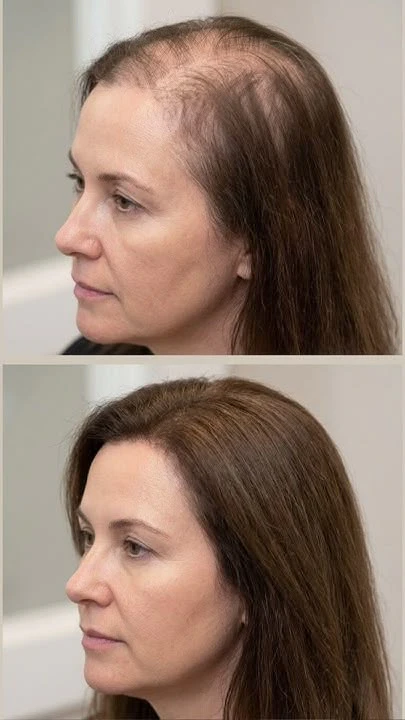
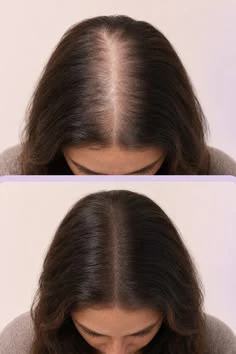
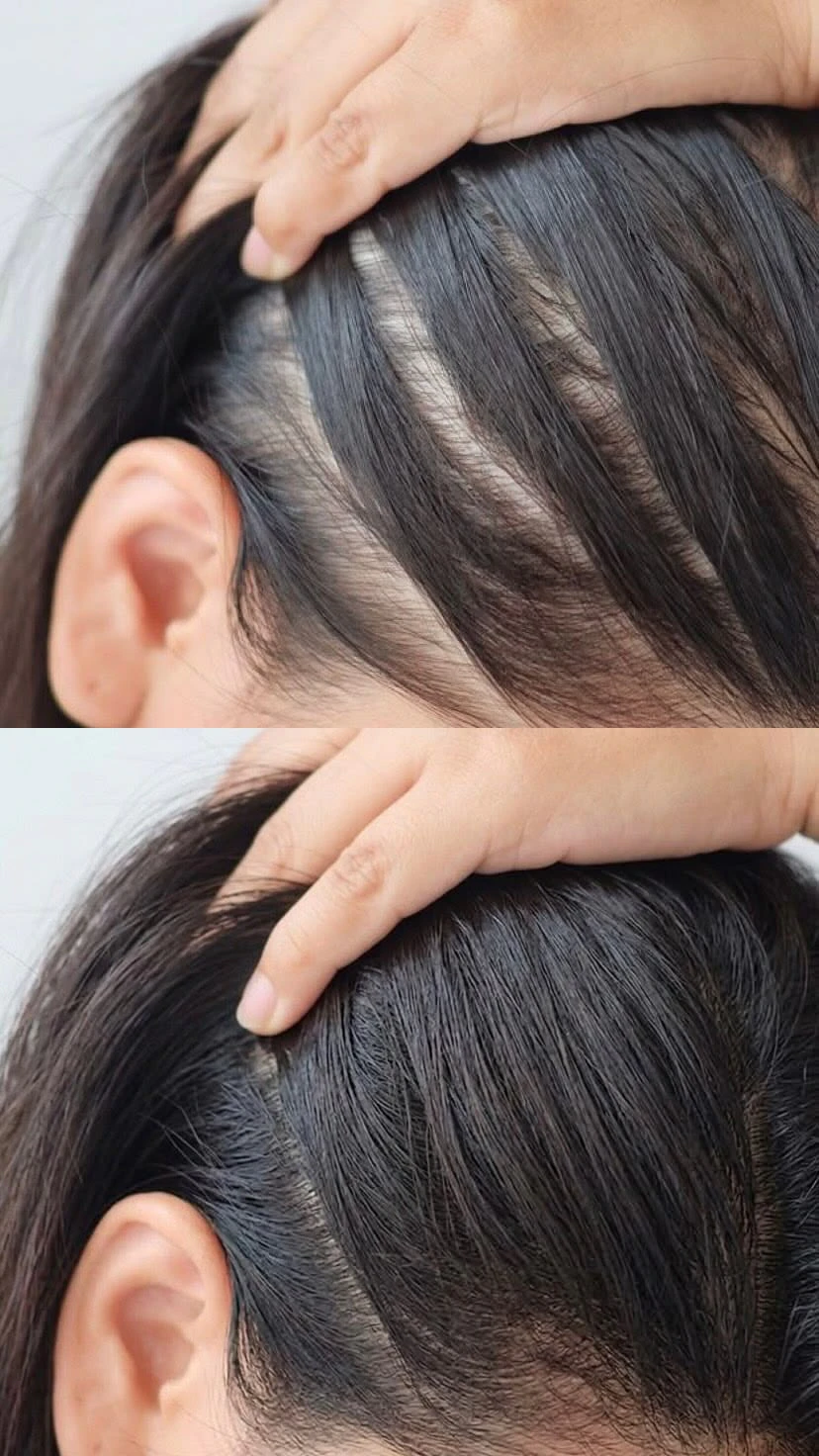
Crown thinning generally progresses slowly. As a result, many women don’t notice it until the part begins to widen or the scalp shows through at the top of the head. Often, the hair around the area still feels normal, so the change can be confusing at first. In most cases, the strands at the crown become finer and shorter. Consequently, they no longer cover the scalp as they once did. Dermatologists often describe this pattern as a widening part with the front hairline largely preserved.
Furthermore, crown thinning looks different on every head. Someone with thick, wavy hair can hide early changes for years. Someone with fine, straight hair, in contrast, may notice the scalp much sooner. No single cut works for everyone, which is why a personal approach always yields better results.
Common Causes to Know About
Before settling on a new style, it is helpful to understand what might be behind the change. Androgenetic alopecia, or female pattern hair loss, is the most common cause and is often inherited. But it is not the only one. Hormonal changes after pregnancy, for example, or during menopause, can affect hair density. Similarly, thyroid problems, low iron levels, and periods of intense stress can lead to sudden shedding. Years of tight ponytails and buns can also pull at the hair, weakening it. If you experience rapid thinning along with itching, redness, or patches, visiting a dermatologist is a wise first step. A useful starting point for learning about hair loss types and treatments is the American Academy of Dermatology’s clear overview.
How the Right Cut Influences What People See
A haircut doesn’t grow any new hair. But it can definitely change the distribution of volume around the head. If the shape is right, the hair looks full to the eye even if the crown is thinner underneath. In contrast, a poor cut can leave you with a flat top and draw attention right to the sparse area. Light is also a big factor here. On flat, heavy hair, light reflects off the scalp. Texture and layers break that reflection up, so the area appears denser. That’s why the cuts below are all about movement, height, and careful layers rather than length.
Best Haircuts for a Thinning Crown
Each of the following cuts interacts with crown thinning slightly differently. Before you choose one, consider your hair texture, your day-to-day routine, and how much time you want to spend styling.
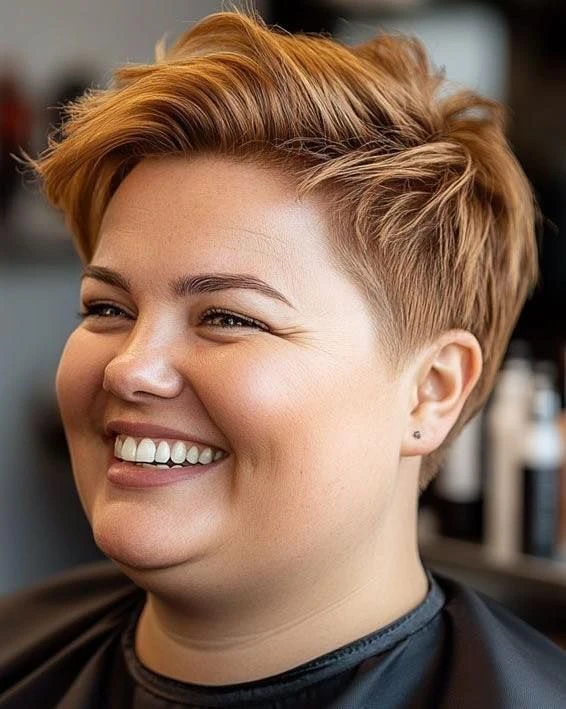
Textured Pixie
A textured pixie is one of the most effective cuts to choose if you have a thin crown. The hair is cut short all over, so there is no added weight to pull it flat against the scalp. Furthermore, choppy layers at the top lift easily and scatter light. This makes the crown look busy and full, rather than sparse. This cut is also quick to dry and needs very little product, making it perfect for busy mornings.
Layered Bob With Volume at the Crown
If you want a little more length, a layered bob is a wonderful choice. The important thing is where the layers start. Ideally, your stylist should start them a little higher up on the head so the top section can stand away from the scalp. This technique ensures that fullness is created at the crown rather than accumulating at the ends. A chin-length or jaw-length bob is usually the best choice, as longer bobs can start to pull the top down.
Side-Swept Crop
Changing the part can sometimes make a significant difference. A side-swept crop moves the part away from the center of the crown. As a result, the hair falls diagonally across the head instead of splitting straight down the middle. A slight shift hides a widening part better than most people think. Furthermore, a soft fringe brushed to one side provides extra coverage at the front.
Shag
The shag hairstyle has made a significant resurgence and is particularly effective for individuals with thinning hair. Its piecey layers add texture from roots to tips. This way, sparse areas blend into the rest of the hair instead of sticking out. Furthermore, the shag is meant to be undone, so it gets away with imperfect styling. And it’s really flattering on wavy or curly hair.
Lob for the Length
Not everyone wants to go short, and that is okay; a collarbone-length lob is a good compromise. But it needs internal layers and light texturizing to stay buoyant. Otherwise, the length may flatten the top. Ask your stylist to remove weight from the lower layers. At the same time, leave the top layers longer for coverage.
Crown-Volume Styling Methods
Even the best cut needs a little help at home. Fortunately, the techniques below are simple to learn and only take a few extra minutes each day.
Root Lift Before Blow-Dry
Begin with damp hair and apply a light root-lifting mousse to the crown area. Next, dry the hair upward and against its natural direction with a round brush. Finally, use a blast of cool air to set the shape. This simple sequence gives the roots much longer-lasting support than air-drying alone.
Velcro Rollers and Flip-Drying
Velcro rollers are a salon trick as old as the hills, but they still work beautifully. After blow-drying, put two or three large rollers in the crown and leave them in while you do your makeup. The lift stays in place for hours once removed. Alternatively, try flip-drying. Just bend over and dry your hair upside down until it’s almost dry. Then flip your head back and smooth only the top layer.
Soft Backcombing for Occasions
Light backcombing gives you instant height for parties or photos. Take a small section at the crown, hold it up straight, and with a fine comb gently push the hair toward the scalp. Then smooth the surface layer over it so the texture is not visible. Save this technique for special occasions; backcombing on a daily basis can cause breakage.
Move Your Part
Wearing the same style for years trains the hair to go in one direction. Over time, that line can appear more exposed and wider. Instead, on days when you want more coverage, try moving your part to the side or using a zig-zag part. Simply shifting the part makes the scalp look far less obvious.
Color Tricks to Make the Scalp Less Visible
Color is sometimes neglected, but it can be as powerful as the cut. Many of the best hairstyles for thinning hair on the crown combine a pleasing shape with smart color placement.
Highlights and Lowlights
Fine highlights at the crown add dimension. The eye moves over the mixture of light and dark tones, focusing less on the scalp below. A few lowlights also help keep the color from looking flat. Ask your colorist for soft, blended placement, not chunky stripes.
Shadow Rooting
A root shadow is a slightly darker tone at the roots of the hair. It helps to create depth where thinning is most visible. This works best on blonde or light brown hair, because the contrast between pale hair and the scalp tends to make thinning more noticeable.
Reducing Scalp Contrast
With more advanced thinning, the main goal is to reduce contrast. Some colorists, for example, use toners that move the hair closer to the natural scalp tone. Tinted root powders and keratin hair fibers can also be applied at home in seconds. They grab onto the existing strands and fill in the visible gaps. They also come off easily, so there’s no long-term commitment.
Product Selection That Won’t Weigh Hair Down
If you have thinning hair, product choice is more important than with any other hair type. Heavy creams, oils, and rich conditioners coat the strands and squash the volume you worked so hard to create. So look for shampoos that add volume and lightweight conditioners made for fine hair.
Only apply conditioner to the mid-lengths and ends of your hair, avoiding the crown area. You can also try a thickening serum or root spray to give a little body to each strand throughout the day. Another handy tool is dry shampoo. A light mist at the roots provides grip and texture, even on clean hair. Consequently, styles last longer in shape. If you’re after a more complete routine to pair with these products, our full hair care and styling guide goes through washing, drying, and heat protection step-by-step.
Scalp Health, Nutrition, and Medical Options
Styling shapes how your hair looks today. But how it looks months from now depends on the health of the scalp. A well-rounded diet rich in protein, iron, zinc, and vitamin D promotes normal hair growth. At the same time, crash diets can trigger hair shedding a few months later, so steady eating habits are worth protecting. A gentle scalp massage for a few minutes each day can help you relax and keep the scalp clean and comfortable.
Also keep in mind that an exposed scalp can burn in the strong sun. In summer, a hat or scalp sunscreen spray will shield the skin on the crown. Topical minoxidil is one of the most researched treatments for female pattern hair loss. However, it will take a few months to see results, and those results vary from person to person. The US National Library of Medicine’s MedlinePlus provides reliable information on hair loss and its treatment options. A dermatologist can confirm the cause and recommend a plan that is appropriate for your health history.
Everyday Habits That Make Thinning Look Worse
Some habits might seem harmless but slowly undo the work of a beneficial cut. First, if you grow your hair too long, the extra weight flattens the crown. Second, tight elastics and high ponytails put a constant strain on delicate strands. Opt for soft scrunchies or claw clips and wear your hair down when possible. Daily flat ironing at high temperatures destroys the hair shaft over time. So turn down the heat, always use a heat protectant, and give your hair a few heat-free days each week. Finally, rough brushing of wet hair can snap fine strands. A wide-tooth comb is a much gentler option after washing.
Maintenance Between Visits to the Salon
The shape is crucial in a volume cut. When the layers start to grow out, that shape begins to fall. That’s normal, which is why stylists recommend a trim every four to six weeks for short styles and every eight weeks for bobs and lobs. Take a photo of your crown in natural light once a month between visits. This habit will help you keep a calm perspective on changes instead of worrying every time you look in the mirror. Plus, those pictures give your stylist and doctor useful information during appointments. For more styling ideas between cuts, check out our guide to volumizing styles for fine hair.
How to Find a Stylist for Fine Hair
Not all stylists are trained to cut for density issues. So take your time and choose wisely. Ask friends with fine hair for referrals and browse portfolios of before and after photographs of similar cases. Be honest in the consultation about what’s bothering you the most. For instance, you might mention whether you are more concerned about the widening part or the flat top. A good stylist will ask about your routine, look at your growth pattern, and tell you why a certain cut will work for you. If they hurry or suggest a trend without checking your crown first, it’s okay to keep looking.
Deciding on Your Next Move
Crown thinning is demoralizing. But you have more control over how it looks than you might think. A textured pixie, a lifted bob, or a soft shag can add volume where you need it. Likewise, intelligent color placement and light products make the scalp much less visible. When you combine these hairstyles for thinning hair on the crown with healthy habits and medical advice where needed, the results can be striking. So book a consultation, bring some reference photos, and treat your next cut as a fresh start, not a fix.