



The Ultimate Guide to Long Hair: Growth, Care & Styling Tips
Achieving and maintaining beautiful long hair is more than just letting it grow. Rather, it requires dedication, knowledge, and the right approach. Understanding the science behind hair growth also helps you make informed decisions. Many people also struggle with common myths that keep them from reaching their goals. This thorough guide will equip you with everything you need for long, healthy, and stunning hair.
Whether you’re starting your growth path or maintaining existing length, these research-backed strategies work. Additionally, we’ll debunk common misconceptions along the way. Your long-hair aspirations are entirely achievable with proper care.
Understanding Hair Growth: The Foundation of Long Hair
How Hair Actually Grows
Hair growth begins beneath the scalp. Specifically, hair follicles continuously produce new cells. These cells also push upward, forming the hair shaft you see. Understanding this process helps you support growth effectively.
On average, hair grows about half an inch per month. That’s roughly six inches per year. However, growth rates vary based on genetics, health, and care practices. Optimizing these factors can significantly speed up your results.
The Hair Growth Process Explained
Hair goes through three distinct phases. First, there’s the anagen phase—active growth lasting 2-7 years. Subsequently, the catagen phase begins and lasts for 2-3 weeks. Finally, the telogen phase is a resting phase that lasts 2-4 months before shedding starts.
Understanding this cycle matters because it explains shedding. Furthermore, most people lose 50-100 hairs daily—that’s completely normal. Supporting your hair through all phases optimizes growth and retention.
Nourishing Your Long Hair From Within
Vital Nutrients for Hair Health
Healthy long hair starts internally. Specifically, nutrition directly affects growth rate and quality. Deficiencies can show up as weak, brittle, or slow-growing hair.
Protein forms the building block of hair. Amino acids also help repair damage and strengthen strands. Furthermore, aim for adequate protein at every meal.
Biotin supports keratin production. Moreover, studies show biotin supplementation improves hair quality. Additionally, food sources include eggs, almonds, and salmon.
Iron prevents hair loss and promotes growth. Furthermore, iron deficiency causes telogen effluvium—excessive shedding. As a result, adequate iron intake is important for maintaining length.
Zinc regulates hair growth cycles. Moreover, deficiency significantly disturbs these cycles. Oysters, beef, and pumpkin seeds also provide zinc.
Omega-3 fatty acids reduce inflammation and nourish follicles. These healthy fats also improve scalp circulation. Indeed, salmon, walnuts, and flaxseeds are excellent sources.
Building a Hair-Healthy Diet
Developing a supportive nutrition plan is simple. First, include protein at each meal. In addition, colorful vegetables should be included for their vitamins and minerals. Healthy fats are also important for nourishing your scalp. Finally, stay hydrated—water supports every cellular function.
Scalp Care: The Secret to Thriving Hair
Why Scalp Wellness Matters
Your scalp is the foundation for long hair growth. A healthy scalp also means healthy hair follicles. Furthermore, many people neglect this crucial area entirely.
Scalp issues like dryness, oiliness, and flaking disrupt growth. Additionally, buildup prevents nutrients from reaching follicles. As a result, prioritizing scalp care speeds up your long-hair journey.
Scalp Care Routine
Massage your scalp on a regular basis. In particular, spend 5 minutes a day doing gentle circular motions. In addition, such activity promotes blood flow to the follicles. Better circulation also brings in nutrients.
Select the proper shampoo. Choose sulfate-free products that won’t strip natural oils. Harsh shampoos damage and weaken hair. Importantly, your scalp needs protecting.
Exfoliate once a month. A little gentle exfoliation also helps remove buildup and dead skin. In addition, such practice prevents clogged follicles. Using a scalp scrub or brush is also very effective.
Be wise, condition-wise. But do not put conditioner on your scalp. In particular, pay attention to the mid-lengths and ends. Additionally, it prevents the buildup of excess oil.
Long Hair Care Essentials
Protecting Your Length Daily
If your hair is long, you have to protect it. Furthermore, long strands are older and more fragile. You also need to incorporate intentional daily protection strategies.
Lessen heat damage. Always use heat protectant products before styling. Furthermore, keep blow dryer temperatures moderate. Let your hair air dry whenever possible to keep it healthy.
Lightly brush. Besides, use a wide-tooth comb on wet hair. And besides, rough brushing easily breaks wet hair. Start at the ends and move upward.
Don’t wear tight hairstyles. Traction alopecia is caused by the constant pulling of hair. This persistent condition causes damage to hair follicles in particular. Therefore, vary your hairstyles regularly.
Sleep Strategies for Long Hair
Sleep position affects hair health significantly. Cotton pillowcases, in particular, cause friction and breakage. Moreover, silk pillowcases reduce this damage considerably.
Switch to silk pillowcases. This simple change prevents friction damage. Additionally, your skin benefits too.
Use protective hairstyles. Loose braids or buns also help prevent tangling. Furthermore, this technique reduces breakage overnight.
Avoid sleeping on wet hair. However, the process causes excessive friction and damage. Wet hair is also much more fragile.
Professional Hair Care Treatments
Deep Conditioning Strategies
Deep conditioning treatments restore moisture and strength. They’re also important for maintaining long-hair health. Weekly treatments also help prevent buildup and damage.
Protein treatments rebuild damaged areas. Additionally, these penetrate deeply into the hair shaft. They’re also particularly beneficial after heat styling.
Moisture masks hydrate dry strands. Moreover, they lock in essential moisture. Apply them weekly for best results.
Oil treatments nourish from the outside. Coconut, argan, and jojoba oils work especially well. Furthermore, these protect against damage during styling.
Professional Salon Treatments
Regular professional care keeps your long hair looking its best. Moreover, experts identify problems before they worsen. Professional treatments also deliver stronger results than home care alone.
Keratin treatments strengthen and smooth. Additionally, they reduce frizz significantly. Furthermore, these results can last for 8 to 12 weeks.
Olaplex or bonding treatments repair severe damage. Moreover, these molecular treatments rebuild damaged bonds. Additionally, they’re worth the investment for damaged hair.
Styling Your Long Hair Perfectly
Everyday Styling Methods
Creating beautiful styles doesn’t require damaging heat. Many heatless options are also available. These also help preserve your length as it grows.
Braided hairstyles look elegant and protect hair. Additionally, braids avoid tangling and breakage. They also work for various occasions.
Texture products create waves without heat. Moreover, texturizing sprays add dimension and volume. These products also work overnight, giving you effortless waves.
Blowout techniques require proper tools. Specifically, use a quality blow dryer with ionic technology. Ionic dryers also reduce frizz and damage.
Curling alternatives include flexi-rods or roller sets. Moreover, these create waves without heat. Additionally, results last for days.
Styling
Choosing quality products protects your investment. Moreover, cheap products often contain damaging chemicals. Spending on quality saves money long-term.
Leave-in conditioners provide ongoing protection. Additionally, they add shine and smoothness. Furthermore, apply the product to the mid-lengths and ends.
Serums smooth frizz and add shine. They also protect against environmental damage. Additionally, a little goes a long way.
Heat protectants create a barrier against heat damage. Apply them before hot styling. Additionally, these reduce damage by up to 50%.
Lightweight oils provide moisture without heaviness. Moreover, they work for all hair types. To avoid greasiness, use them moderately.
Hair
Understanding damage types helps you prevent them. Moreover, different damage requires different solutions. Proper identification also results in better outcomes.
Split ends occur when the hair shaft separates. If left untreated, they travel upward. Furthermore, regular trims prevent this spread.
Breakage occurs due to internal weakness. It can also indicate a lack of moisture or protein. Additionally, adjust your routine accordingly.
Frizz results from moisture imbalance. Furthermore, it’s particularly problematic in humid environments. Humidity-control products also help significantly.
Trim every 6-8 weeks. Moreover, the procedure removes damaged ends before they worsen. It also helps keep your hair healthy and in shape. Furthermore, ask your stylist for minimal trims.
Balance moisture and protein. Too much of either can cause problems. Moreover, alternate treatments monthly. Additionally, assess your hair’s needs regularly.
Minimize chemical treatments. However, if you color your hair, use quality products. To prevent damage from buildup, wait between treatments. Additionally, semi-permanent options damage less.
Styling Tips for Different Long Hair Textures
Straight Hair Care
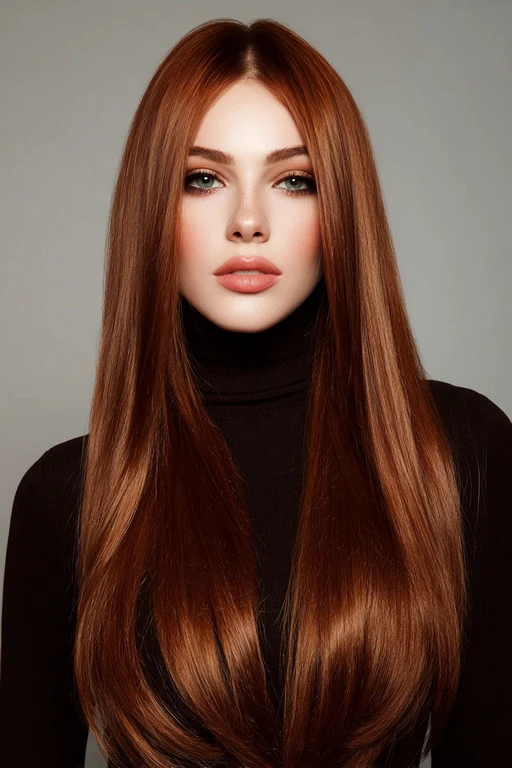
Straight hair requires volume maintenance. Moreover, it can look flat without proper care. Furthermore, strategic styling creates dimension.
Add texture products. Additionally, these create visual thickness. Furthermore, they prevent a flat appearance.
Layer your cut strategically. Moreover, layers add movement naturally. Additionally, they frame the face beautifully.
Wavy Hair
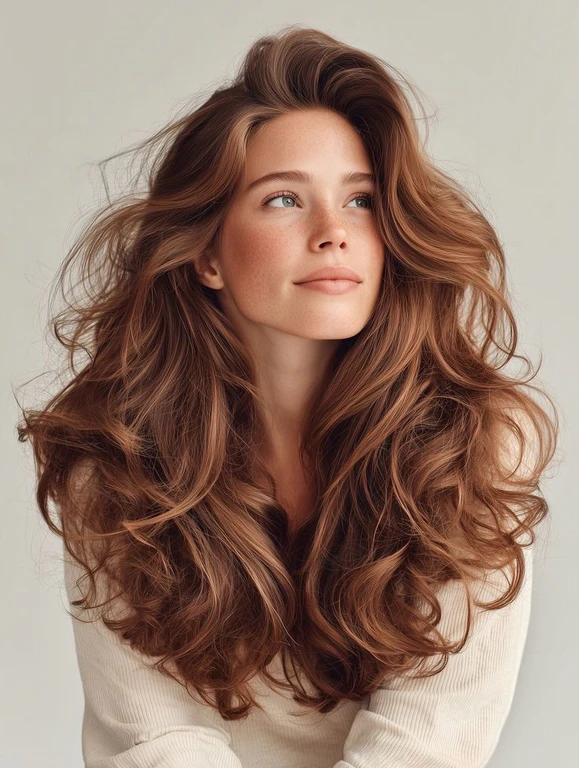
Wavy hair needs moisture retention. Moreover, waves enhance length beautifully. Proper technique additionally emphasizes natural texture.
Use curl-enhancing creams. Additionally, these define waves naturally. Furthermore, they reduce frizz significantly.
Diffuse dry instead of blow-dry. Moreover, this method preserves the wave pattern. Additionally, it reduces damage considerably.
Curly Hair Methods
Long curly hair needs intensive moisture. Moreover, curls are naturally drier than straight hair. Furthermore, specialized care makes all the difference.
Deep condition weekly. Additionally, curls demand more moisture. Such care helps prevent dryness and frizz.
Use the plopping method. Moreover, this technique absorbs water gently. Additionally, it prevents frizz significantly.
Long Hair
Hair thinning worries many people trying to grow length. Numerous factors can cause this issue. Solutions vary by the underlying cause.
Increase scalp massage time. Additionally, this technique stimulates follicles. It can also reverse minor thinning.
Add volumizing products. Moreover, these create a thickness illusion. Furthermore, they work immediately.
Consult a dermatologist. However, persistent thinning needs professional assessment. Medical conditions also require proper treatment.
Long hair tangles more frequently. Knots can also cause breakage if mishandled. Furthermore, prevention strategies work best.
Detangle when wet and conditioned. Additionally, conditioner provides slip for combs. This technique also significantly reduces breakage.
Use wide-tooth combs only. Moreover, fine-tooth combs pull and break. Furthermore, be gentle throughout the process.
Avoid friction. Additionally, wear your hair down when possible. Furthermore, this technique reduces tangle formation.
Your Long Hair Timeline and Expectations
Understanding timelines prevents discouragement. Moreover, long hair takes time. Furthermore, patience is essential.
Growing from shoulder-length to mid-back takes about 2-3 years. Waist-length takes about 4-5 years. These timelines assume consistent care and minimal trimming.
Taking monthly photos documents your journey. Moreover, progress isn’t always visible day to day. Furthermore, photos provide motivation.
Document hair health too. Also note changes in thickness, shine, and breakage. This also helps you identify what’s working.
Your Long Hair Transformation Awaits
Achieving beautiful long hair requires commitment, knowledge, and patience. Now you have a complete roadmap for success. These research-backed strategies deliver results when you follow them consistently.
Remember, healthy growth starts internally. Additionally, nourish your body through proper nutrition. In addition, thoughtful daily practices will help protect your hair. As a result, your long-hair goals are completely achievable.
Start executing these strategies today. Moreover, consistency matters more than perfection. Furthermore, celebrate minor victories along the way. Finally, you’ll achieve the long, beautiful hair you’ve always wanted.
Ready to begin your journey? Start with scalp wellness and nutrition. Furthermore, start protective styling practices right away. Furthermore, track your progress monthly. Remember, patience and consistency are your best friends on this journey.