





Great hair starts with knowing what your hair needs, applying the right styling tricks, and following a regular maintenance program. Things like texture, thickness, and growth patterns are all yours from birth, but your everyday habits have a lot to do with the way your hair looks and feels overall. What you put on your hair, the heat of your styling tools, and how you treat it when wet all affect its strength and health.
People wear certain hairstyles often without thinking of the long-term effects of their habits. However, you don’t need expensive products or fancy treatments to have beautiful hair. There are simple things you can do to lock in moisture, minimize breakage, and boost shine naturally.
Healthy hair styling and care is about protecting your hair while keeping it looking good and manageable. Knowing your hair type will help you make small changes in your daily habits and create a hair care routine that keeps your hair healthy and manageable over time.
Know Your Hair Type and What It Needs
You need to know your natural texture to decide on a hair care routine. Different hair types have different characteristics, and so they may respond differently to different cleansing, conditioning, and styling methods.
In straight hair, natural oils can usually travel more easily down the hair shaft. You might end up with oily roots and relatively dry ends. Lightweight conditioners help keep the hair soft without weighing it down.
If you have wavy hair, you’ll generally want to keep it moisturized and style it gently. Excessive brushing can damage the natural pattern, so it is advisable to use a wide-toothed comb on wet hair to prevent frizz and keep it in place.
Due to the bend, the natural oils from the scalp don’t move down the hair shaft as easily, so curly and coily hair needs more moisture. That’s why gentle cleansing, regular conditioning, and careful detangling are all the more important.
The density of the hair also matters. If you have thicker strands, more nourishing formulas may be better, but the weight of heavier creams can drag down finer strands. Thick hair can also take more time to wash, dry, and detangle.
You also have porosity to consider. It describes how easily hair absorbs and releases moisture. If your hair is highly porous—particularly if it has been chemically treated or regularly heat styled—moisture loss can be a concern. Lower porosity hair may take longer to become fully saturated with water.
Don’t just follow every popular hair trend blindly, but see how your hair reacts to different routines. This helps you choose the right techniques instead of unnecessary products.
Setting Up a Consistent Hair Washing Routine
Cleansing removes excess oil, sweat, environmental debris, and styling product. But washing your hair too often or using the wrong shampoo can leave your hair feeling dry or irritated.
How often you should wash your hair depends on personal preference, your scalp condition, your activity level, and your hair texture. For instance, an oily scalp might require more frequent washing than a dry scalp. Meanwhile, textured hair may benefit from a less frequent cleansing schedule when the scalp remains comfortable and clean.
Don’t fall for hair growth or shine claims; instead, choose a shampoo that suits your scalp, and apply it mainly to the scalp. Massage gently with fingertips. Avoid scratching with your nails, which can irritate the skin.
As the shampoo rinses away, the water naturally carries some cleansing product through the lengths of the hair. Consequently, vigorous rubbing of the ends is usually unnecessary.
Water temperature also deserves attention. Very hot water may increase dryness and irritation for some people. Rinse well with comfortably warm water to get all the residue off.
Conditioning is equally important. If you are looking to add some softness to the mid-lengths and ends, focus the conditioner there. Leave the product on for the recommended amount of time and then rinse off.
And when circumstances change, adjust your routine. Hot weather, regular physical activity, swimming, and seasonal dryness may affect how often you shampoo your hair.
If your scalp continues to itch, hurt, flake abnormally, or feel irritated, it may be a wise idea to seek advice from a qualified healthcare professional rather than trying out different cosmetic products over and over again.
How to Protect and Dry Your Hair
Wet hair is more prone to stretching and mechanical damage, so be gentle with it.
After washing, don’t wring the hair tightly or rub it hard with a towel. Instead, blot the hair with a soft towel to soak up the excess water. For some hair types a smooth microfiber towel or a soft cotton t-shirt can help reduce friction.
Then work out tangles gently. Start from the ends and work up in small sections. This technique helps to prevent knots from tightening and reduces the force at the roots.
Lots of curly and textured hair types do well with a wide-toothed comb. But the best way to detangle depends on the state and structure of the hair. Some hair types are easier to detangle when damp and conditioned, while others are better off being handled gently when semi-dry.
Air drying avoids heat exposure. But leaving the scalp and hair wet for too long can be uncomfortable, especially if you have thick hair. One approach is to let some of the moisture evaporate naturally, then use a dryer at a low or medium setting.
Keep the dryer moving so the heat does not concentrate in one area. Maintain a reasonable distance between the nozzle and the hair.
These small adjustments can make the drying process a little more gentle while helping to maintain the strands’ natural look.
Choose Heat Styling Techniques Wisely
Heat styling can create smooth finishes, define curls, and add volume. But repeated exposure to high heat can lead to damage to the hair’s outer protective layer and cause dryness, roughness, and breakage.
Therefore, healthy hair styling and care techniques should concentrate on controlled heat instead of styling frequently at maximum temperature.
If you are using a straightener or curling iron, do not use it on wet hair unless it is specifically designed for that purpose. Allow the hair to dry partially before using. Most conventional hot styling tools should only be used on completely dry strands.
Apply a suitable heat protectant according to its instructions. Such products can help reduce some heat-related damage but will not eliminate the risks of excessive temperature or repeated exposure.
Select the lowest temperature at which you obtain the desired result. Fine or fragile hair, or hair that has been bleached or chemically treated may need special care. In contrast, thicker strands may need different settings, but higher temperatures should not automatically be considered better.
Whenever possible, create the hairstyle with fewer passes. Repeatedly running a straightener over the same section increases cumulative heat exposure.
Curling irons should also be used carefully. Never hold a section of hair against the hot surface for too long. Be careful when using hot tools to prevent burns on your skin and scalp.
Alternate heat-styled looks with natural ones. Braids, loose buns, and overnight curls are a way to add variety without having to style at high temperatures every day.
The aim is not to get rid of styling entirely. Instead, it’s about using heat so that the look you want doesn’t come at the expense of your hair’s condition.
Making Hairstyles That Don’t Break Hair
A hairstyle should complement your looks without exerting undue stress on hair and scalp. Long-term use of tight ponytails, stiff braids, or heavy extensions can create constant tension.
If you pull too hard, over time this practice can lead to breakage and traction alopecia. Traction alopecia is hair loss from repeated tension on the hair follicles. Early warning signs can include tenderness, small bumps, broken hairs, and thinning at the hairline.
Start with hairstyles that are comfortable to help reduce these risks. If a style is painful, or if it feels like it’s constantly pulling, loosen or remove it.
Tight elastic bands can be harsher on hair than soft fabric hair ties. Likewise, changing the position of a ponytail can avoid consistent strain in the same spot.
When doing braids, don’t pull them too tight around the edges and temples. Extensions should not be so heavy that they are constantly pulling on the natural hair.
Practical options are loose buns, ponytails with a relaxed hold, and loosely tied braids. Taking breaks from demanding styles also gives you a chance to spot dryness or breakage.
Night-time care is also important. With long hair down, tossing and turning can cause tangles, especially in curly or textured hair. Loose braids or relaxed protective hairstyles can reduce friction.
A smooth pillowcase can help reduce friction, but everyone is different. Don’t tie your hair too tightly at night, regardless of the material.
Ultimately, it is more important to maintain a healthy scalp and protect the hairline than to keep a hairstyle exactly in place all day.
How to Keep Hair Moisturized and Naturally Shiny
Water is a key component in hair flexibility and manageability. If you’re working with overly dry strands, they can feel rough, tangle easily, and snap when you brush.
Conditioners deposit conditioning ingredients on the hair’s surface to help improve softness. Depending on the formula, they may also reduce friction and make detangling easier.
Leave-in conditioners can help with added manageability between washes. But the use of these depends on hair textures and the amount of product used. Fine hair may call for a lighter formula, while thick or very textured hair might handle a richer product.
Hair oils can also smooth your hair and reduce friction. But oil is not going to replace water-based conditioning, and you won’t always get better results with large quantities of it.
Use oils sparingly, focusing on the lengths and ends. Don’t just automatically coat the entire scalp. If the product makes the hair greasy or difficult to wash, use less of it, or stop using it.
Deep conditioning treatments can be useful when hair is especially dry or unmanageable. Follow the instructions for the product and don’t assume that leaving a treatment on longer will always make it work better.
Chemical processing is another important factor. Bleaching, coloring, relaxing, and permanent waving can alter hair structure. This means that chemically treated hair may need more careful treatment and more regular conditioning.
If you color your hair often, allow it enough time between demanding treatments, if possible. Combining several chemical processes without considering the condition of the strands increases the risk of damage.
Healthy shine isn’t just about adding oil. It also depends on the condition of the hair surface the distribution of natural oils, and the friction created during styling.
So a balanced routine is about keeping the hair flexible, reducing damage, and not overloading it with too many products.
Scalp Care and Its Effects on the Look of Your Hair
Hair care begins with the scalp, where the hair follicles are located. A healthy, well-maintained scalp provides the best environment for normal hair growth.
Regular cleaning helps to eliminate excess sebum, sweat, dead skin cells, and residue of styling products. But harsh scrubbing and frequent use of irritating products may interfere with the natural protective barrier of the scalp.
When washing, massage the scalp gently without pulling on the roots or pressing too hard. Scalp massage may be relaxing, but it should not be promoted as a sure way to increase hair density.
The choice of product is also worth attention. Certain ingredients such as fragrances or preservatives may cause irritation in some individuals. If you experience redness, itching, or discomfort after using a new product, discontinue use and watch for improvement in the symptoms.
Do not apply heavy styling products to your scalp unless they are designed for that purpose. Any accumulation can make hair feel greasy and make washing more difficult.
Pay attention to flaking, too. A variety of factors can cause dry scalp, dandruff, and inflammatory skin conditions. If the symptoms persist, it might be a good idea to get a professional evaluation rather than to keep trying cosmetic treatments.
Also, remember that some daily shedding is a natural part of the hair growth cycle. Visible patches or sudden shedding or progressive thinning may be a sign of an underlying issue that needs medical attention.
Good scalp care involves gentle cleansing, the right products, and being aware of changes that aren’t normal for you.
Lifestyle and Hair Health
A hair care routine extends beyond the bathroom. Nutrition, sleep, stress management, and general health can all play a role in the condition of growing hair.
Hair is made primarily of a protein called keratin. Getting enough protein in your diet helps maintain normal hair growth. Eat eggs, fish, beans, lentils, dairy products, and nuts and other foods high in protein.
Iron, zinc, and various vitamins also are important for normal body functions that affect hair growth. But taking supplements when you don’t need them isn’t automatically helpful.
Too much of some nutrients can be harmful, and some supplements can interact with medications. If you believe you may be deficient in a nutrient, check with a licensed health care professional before you begin taking supplements.
Staying hydrated is also beneficial for your overall health. Plenty of fluids help your body function normally, but simply drinking extra water will not repair damaged hair shafts.
In addition, stress management and quality sleep are good for overall health. Sometimes increased hair shedding can occur after a major physical or emotional stress. But many other possible causes of shedding and persistent changes should not be assumed to be stress.
Smoking, certain drugs, health conditions, and hormonal changes can also affect the amount of hair that grows or its density.
Furthermore, steer clear of fad diets that eliminate major food groups without a justifiable health concern. Nutritional deficiencies are more likely when food intake is inadequate or unbalanced.
A routine works best when external care and good general health support each other. Cosmetic techniques can make existing strands look better but won’t solve every cause of hair loss or slow growth.
Seasonal and Environmental Hair Care
Environmental factors can affect hair texture and behavior. Cold weather, indoor heating, strong sunlight, wind, and swimming can all influence the amount of moisture retained in the hair and the amount of friction it experiences.
The dry air inside can make the hair feel less manageable in the winter months. You can keep it soft by consistently using conditioner and minimizing unnecessary heat exposure.
Certain hair types get frizzier in humid weather because the hair is responding to the humidity in the air around it. Lighter-weight styling products can help you gain better control, but again the results will depend on your hair’s texture and the formulation.
The sun can also impact the hair shaft, especially when the hair is color-treated. A hat is a practical way of reducing direct exposure. Hair products that are labeled for ultraviolet protection may provide an additional level of protection when used as directed.
Swimming brings other considerations. Chlorinated water can dry out your hair, while saltwater can make it rough and tangled.
Wetting your hair with clean water before swimming may help reduce the absorption of pool or seawater. A quality swimming cap can provide an extra layer of protection.
Rinse the hair well after swimming. Follow up with a mild cleansing routine and conditioner if required.
Wind can contribute to tangling, especially with long or textured hair. So a loose braid or other comfortable protective style may be helpful during outdoor activities.
It’s about adjusting your routine to the environment and not expecting that there’s one way of doing things that will work in all seasons.
How to Create a Useful Weekly Hair Care Schedule
A good routine should be easy enough to stick to regularly. Complicated schedules are hard to follow, so a few well-chosen habits are often more sustainable.
Start by identifying your top concerns. These issues could be oily roots, dry ends, tangling, heat damage, frizz, or scalp sensitivity. Then choose practices that meet those needs.
On washing days, cleanse the scalp according to its condition and apply conditioner wherever it is needed. Detangle carefully and use a gentle drying method.
Refresh your hairstyle in between washes, without automatically adding more products. A little bit of the right leave-in conditioner can improve manageability if the ends feel dry.
Reserve high heat styling for when it is really needed. In addition, inspect your hair regularly for split ends, unusual breakage, and changes in texture.
Trimming damaged ends can improve the appearance of the hairstyle and reduce the tendency of existing splits to travel farther up the shaft. However, trimming does not change the rate at which hair grows from the scalp.
A weekly conditioning treatment may be appropriate for some hair types, while others may need only their regular conditioner. Let the condition of your hair guide this decision rather than following a rigid schedule.
Finally, watch for changes over several weeks. Hair does not respond to every adjustment immediately, and daily fluctuations in texture are normal.
For more information about common hair and scalp concerns, consult the American Academy of Dermatology.
How to Choose Products Without Overcomplicating Your Routine
Hair care marketing often encourages people to purchase multiple products for separate concerns. However, a large collection of products does not necessarily produce healthier hair.
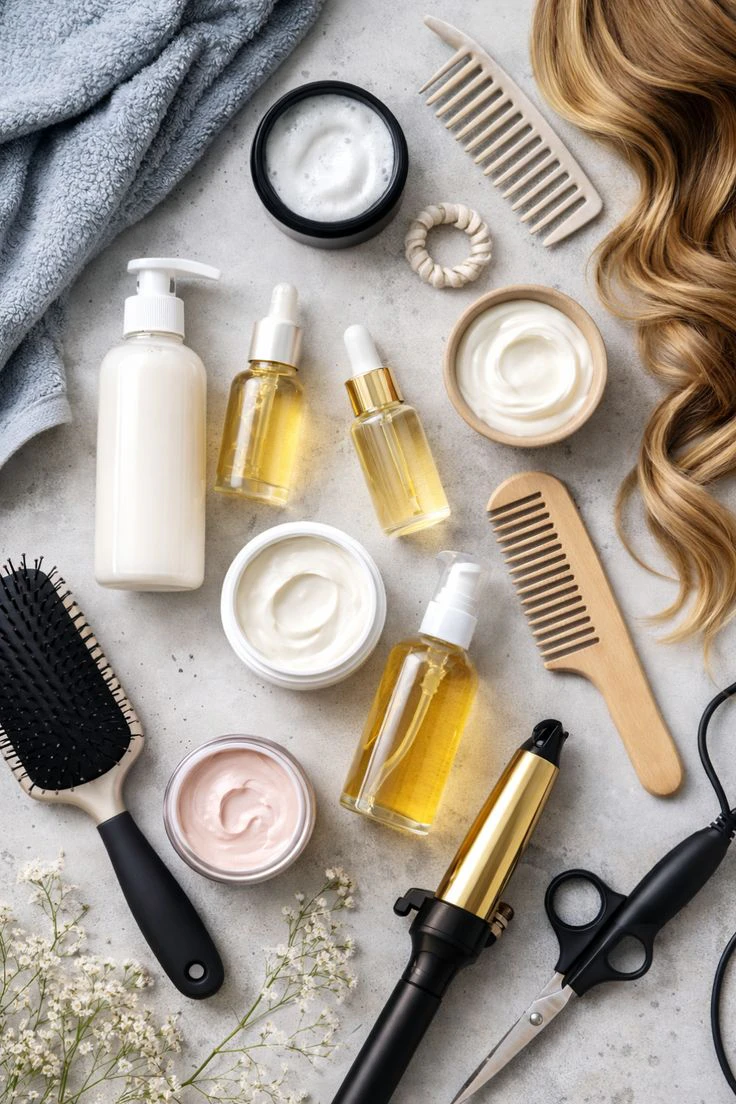
Start with the basics. For many people, a good shampoo, a good conditioner, and a heat protectant if needed are all they need. Add other products only when they serve a clear purpose.
For example, a leave-in conditioner can help with stubborn tangles, and a styling cream can help your curls look better defined. A light serum can help reduce friction and create a smoother finish.
Read the product directions and see how your hair reacts. If a formula consistently irritates, clumps, or feels unpleasant, it might not be the right formula for you.
Don’t assume that natural ingredients are always harmless or synthetic ingredients are inherently dangerous. Safety and efficacy will vary with the individual ingredient, concentration, formulation, and manner of use.
Similarly, the most expensive products can’t be expected to outperform cheaper options. The best choice is the one that fits comfortably with your needs and routine.
Be particularly skeptical of claims about hair growth. Products that add shine and reduce breakage can help hair hold length, but that’s not the same thing as stimulating new growth at the follicles.
Cosmetic products should not replace professional evaluation if you notice sudden hair loss or a persistent change in density.
The best product strategy is one of selectivity, not excess. By knowing the contents of each item, you can avoid overspending and keep your strategy more consistent.
The best hair comes from small, repeated decisions, not dramatic treatments. Gentle cleansing, proper conditioning, careful detangling, and thoughtful styling all help make things look smoother and more manageable.
The healthiest way to style and care for hair is a customized strategy. Straight, wavy, curly, and coily hair may each require a different approach. Likewise, scalp condition, chemical treatments, lifestyle, and environmental exposure can all shape the best routine.
Heat protectants, comfortable hairstyles, and consistent moisture levels will help prevent damage. Nutritional balance and scalp health are also important for your overall well-being.
There is not one size-fits-all routine. Instead, pay attention to how your hair reacts, make small adjustments, and choose simple routines to maintain.
Ultimately, healthy-looking hair isn’t about following every trend. It’s learning what your hair is and how to care for it and using techniques and tools that work with its natural tendencies over time.