

How to Stop Hair Loss: A Science-Backed Guide to Regrowth
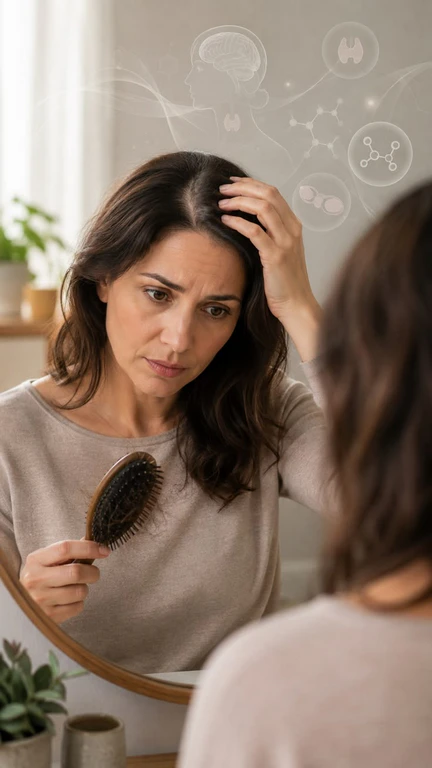
Noticing more hair in your brush lately? You’re not alone. Millions of people deal with hair loss at some point in their lives. Fortunately, understanding the cause is the initial step toward a real solution.
In this guide, we’ll walk through what triggers thinning hair and what actually helps. By the end, you’ll have a clear, evidence-based plan to follow.
Understanding Why Thinning Happens
Before jumping to solutions, it helps to understand the root cause. Hair grows in cycles: a growth phase, a resting phase, and a shedding phase. Normally, this cycle stays balanced.
However, several elements can upset it. Genetics play a major role. Hormonal shifts matter too. Stress, diet, and some medical conditions can also throw the cycle off balance.
Genetic Thinning
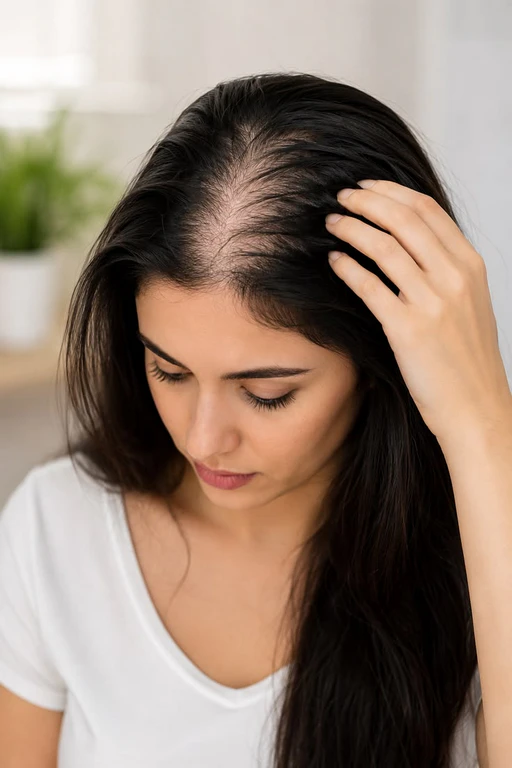
Androgenetic alopecia, often called pattern baldness, is the most common cause. It’s hereditary, meaning it often runs in families. Typically, it shows up as gradual thinning at the crown or hairline.
Genetics also determines how sensitive follicles are to certain hormones. Over time, sensitive follicles gradually shrink, producing thinner, shorter strands with each cycle.
Hormonal Changes
Hormones affect hair growth significantly. Pregnancy, menopause, and thyroid imbalances might all trigger noticeable shedding. Often, this type of loss is temporary once hormone levels stabilize.
Stress-Induced Shedding
Physical or emotional stress can push hair follicles into the shedding phase early. This condition, known as telogen effluvium, usually resolves within several months once the stressor passes.
Nutritional Deficiencies
Low iron, vitamin D, or protein intake can weaken hair over time. As a result, a poor diet may contribute to thinning, even when other factors are well managed.
Medical Conditions and Medications
Specific autoimmune conditions, like alopecia areata, cause patchy shedding. Additionally, some medications list thinning as a side effect, so reviewing prescriptions with a doctor can help identify contributing factors.
How to Stop Hair Loss with Proven Treatments
Once you understand the cause, focused therapies become far more effective.
Topical Minoxidil
Minoxidil is one of the most researched over-the-counter options. Apply it directly to the scalp; it extends the hair growth phase. Results typically take several months to appear.
Prescription Options
For some causes, a doctor may recommend prescription treatments. These vary by cause, so a proper diagnosis matters before starting any regimen.
Low-Level Laser Therapy
Laser devices, including combs and caps, stimulate hair follicles using light energy. While research is ongoing, some studies suggest modest improvements in density over time.
For a deeper breakdown of treatment options, check out our guide to hair regrowth treatments before choosing a product.
Platelet-Rich Plasma (PRP)
PRP therapy involves injecting concentrated platelets from your own blood into the scalp. Some clinical studies show promising results, though costs and availability vary by provider.
Natural Approaches to Thinning Hair
Alongside medical treatments, several natural strategies may support healthier hair.
Scalp Massage
Massaging the scalp increases blood flow to hair follicles. Some small studies suggest this may support thicker-looking hair over time, especially when combined with other treatments.
Essential Oils
Rosemary oil, in particular, has attracted attention for its possible benefits. Early research suggests it may perform comparably to minoxidil in some cases, though larger studies are still needed.
Nutritional Modifications
Eating a well-balanced diet rich in protein, iron, and omega-3 fatty acids supports healthy follicles. Therefore, tackling nutritional gaps can complement other treatment approaches.
Supplements
Biotin, zinc, and collagen supplements are popular choices. However, they mainly help when an actual deficiency exists. Otherwise, benefits are often limited.
Lifestyle Habits That Support Hair Health
Beyond treatments, daily habits also play a meaningful role.
Manage Stress Levels
Since stress can trigger shedding, healthy coping strategies matter; exercise, sleep, and mindfulness practices can help regulate stress hormones over time.
Avoid Tight Hairstyles
Constant tension from tight ponytails or braids can cause traction alopecia. Over time, this type of damage may become permanent if the pattern continues unchecked.
Limit Heat and Chemical Damage
Excessive heat styling and harsh chemical treatments weaken hair shafts. As a result, breakage can look like hair loss even when follicles remain healthy.
Prioritize Sleep
Quality sleep supports hormone balance and cell repair. As a result, steady sleep patterns may indirectly support healthier growth cycles over time.
Building a Hair Care Routine That Promotes Growth
Your daily routine matters just as much as any single treatment.
Choose Gentle Products
Sulfate-free shampoos and lightweight conditioners help maintain scalp wellness. Harsh formulas, meanwhile, can strip natural oils and irritate sensitive scalps.
Be Gentle When Styling
Avoid aggressive brushing, especially on wet hair. Instead, use a wide-tooth comb and work through tangles slowly, starting from the ends.
Stay Consistent
Most treatments take months of consistent use before you see results. So, patience and consistency matter more than switching products frequently.
For more on developing a supportive routine, browse our complete hair care routine guide for step-by-step tips.
When to See a Doctor
Sometimes, professional guidance is necessary. If shedding is sudden, patchy, or accompanied by scalp pain, a dermatologist can help identify the cause.
Blood tests can also rule out underlying disorders such as thyroid issues or iron deficiency. Early diagnosis often leads to increasingly effective, targeted treatment.
Common Myths About Thinning Hair
False information spreads quickly on this topic. Let’s clear up a few common myths.
Wearing hats causes thinning. Evidence doesn’t support this; hats don’t suffocate follicles.
Frequent haircuts make hair grow faster. Trimming affects ends, not the growth rate at the root.
Only men experience significant shedding. Women experience it too, often with different patterns.
Thinning always means baldness is inevitable. Many causes are temporary and reversible with the right approach.
Establishing Realistic Expectations
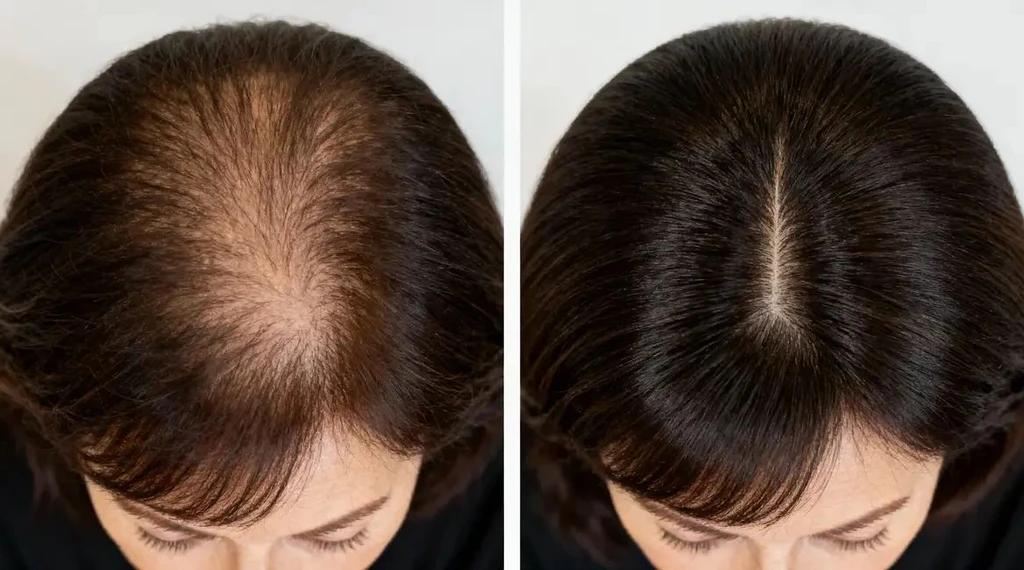
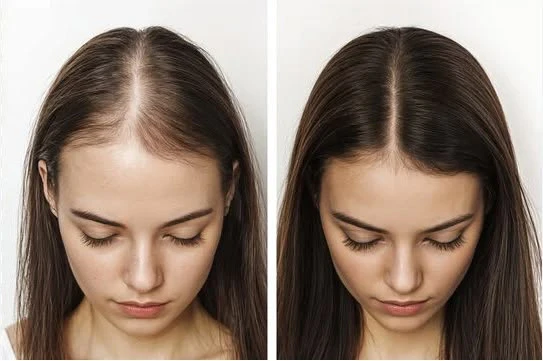
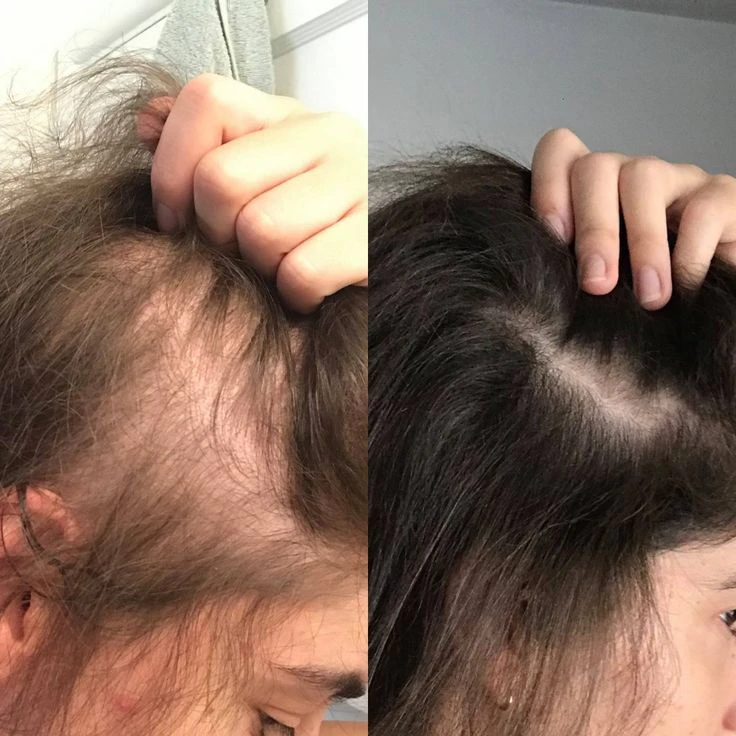
Hair growth requires time. Most treatments take three to six months to show noticeable results. Therefore, observing progress with photos can help you notice gradual changes you might otherwise miss.
Additionally, results vary from person to person. Genetics, consistency, and the underlying cause all influence how well any given treatment works.
Comparing Popular Treatment Options
With so many options available, comparing them side by side helps clarify what fits your situation.
Cost and Availability
Over-the-counter treatments like minoxidil are widely available and relatively affordable. Prescription options and in-office procedures, meanwhile, typically cost more and require ongoing appointments.
Time to See Results
Most treatments take at least three months before you see any visible change. Full results often take six months to a year, depending on the method and consistency of use.
Long-Term Commitment
Many treatments require continuous use to maintain results. Stopping treatment often means gradually returning to the existing thinning pattern over time.
Uplifting Mental Wellbeing During Thinning
Thinning hair can affect confidence and self-image. So, tackling the emotional side matters just as much as the physical treatment plan.
Talk About It
Opening up to friends, family, or a therapist can ease the emotional pressure. Many people feel isolated dealing with this issue alone, even though it’s incredibly common.
Explore Styling Options
Temporary solutions like volumizing products, strategic haircuts, or scalp-concealing powders may boost confidence while longer-term treatments take effect.
Consider Support Communities
Online and in-person support groups connect people confronting similar experiences. Sharing tips and help can make the procedure feel less overwhelming.
Final Thoughts on Regrowth and Recovery
Ultimately, addressing hair loss starts with identifying the cause. From there, focused treatments, supportive habits, and patience make the biggest difference.
So, start with a proper diagnosis if shedding feels unusual. Then, build a routine around proven treatments. With time, most people see meaningful progress in both hair density and overall scalp wellness.