


There isn’t a universally applicable routine for healthy-looking hair. Different hair types need different things. Your hair shape, density, texture, and styling habits also have a hand in how you design your routine.
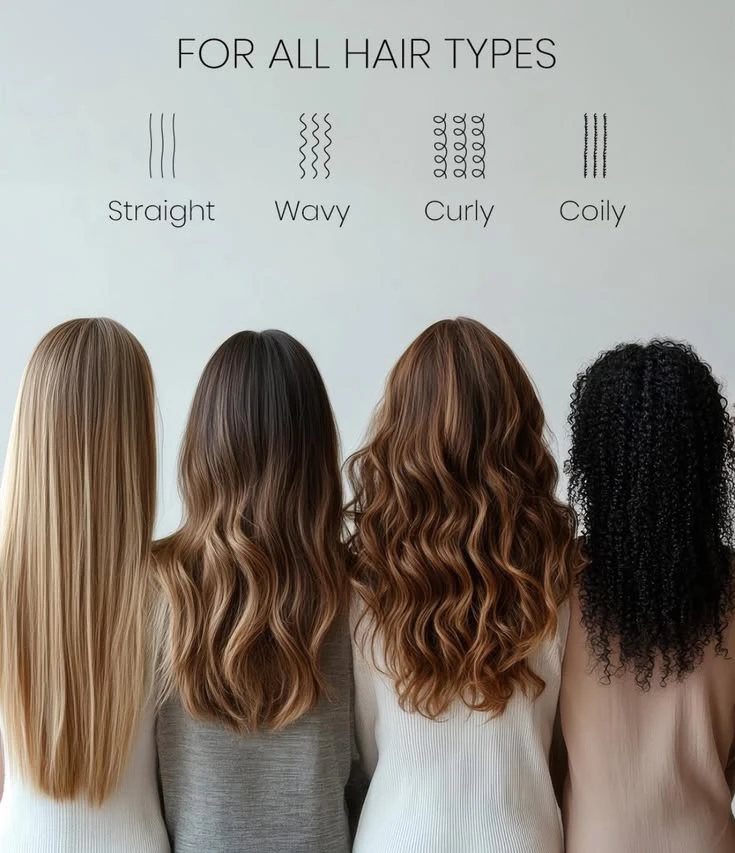
Straight hair might need lightweight products. For wavy hair, it’s often helpful to have flexible control over moisture and texture. Curly and kinky hair needs to be handled with care and kept properly hydrated.
Hair shape counts too. A blunt cut and a layered haircut behave very differently, and short hair may need different styling methods than long hair.
So a good routine should consider both your hair’s condition and your haircut’s style. Don’t follow every trend; focus on what your hair actually needs.
In this guide, we show you how to care for your hair based on its type and shape. You’ll learn to adapt cleansing, conditioning, styling, and maintenance to different hair characteristics.
Why Hair Type Is Important in Your Hair Care Routine
Your hair type will determine how moisture, oil, and product behave on your hair. For example, natural oils tend to travel more easily along straight hair from the scalp to the ends.
Curly hair is different. The bends can make it difficult for the natural oils to travel down the strands. Thus, even if the scalp feels comfortable, the lengths can become dry.
Thick hair might take more time to wash and dry, while heavy products can easily weigh fine hair down.
So choose products that match your hair’s specific needs. Keep in mind that hair type can change. How hair behaves can be influenced by chemical treatments, heat styling, weather, and age.
How to Look After Straight Hair
In general, straight hair is smooth, shiny, and reflective. But oil can become obvious quickly because it travels easily along the hair shaft.
Select Lightweight Products
Begin with a shampoo that refreshes without leaving the scalp feeling uncomfortable. Then apply a light conditioner to the lengths of your hair. Avoid using rich oils and creams directly on the roots unless they are suitable for your scalp. Use less styling product, too. Too much product can make straight hair look flat or greasy.
How to Guard Straight Hair Against Heat
Straight hair is often styled with hot blow dryers or flat irons. But repeated heat exposure can damage your hair. So, always apply a heat protectant before using hot tools. Keep the temperature moderate and do not pass over the same section repeatedly.
How to Care for Wavy Hair
Wavy hair is a texture in between straight and curly. It can look delightfully textured. But waves can also go frizzy or lose their shape.
Keep Moisture in Balance
Use a moisturizing conditioner that won’t weigh hair down. Then smooth on a lightweight styling cream or mousse. After washing, gently squeeze out excess water, apply your product, and scrunch the hair up to encourage the natural wave pattern. When hair is dry, rather than brushing over and over, try using your fingers or a wide-tooth comb when appropriate.
Natural Texture Enhancement
Air drying helps preserve the waves, or you can use a diffuser on low. Furthermore, don’t touch the hair too much as it dries. Excessive handling can break up the wave pattern and cause frizz.
How to Look After Curly Hair
Curly hair needs extra moisture and gentle care. Natural bends can make the lengths more prone to dryness.
Use Gentle Cleansing
Pick a cleanser that matches your scalp and curl type. Wash based on your scalp’s needs, not the clock. Next, work a generous amount of conditioner through the lengths. Leave it on for the time recommended on the label. Then detangle carefully, starting at the ends and moving up to the roots.
Define Curls Without Overloading
Wash and apply a leave-in conditioner if needed. Then use a curl cream or gel to define the pattern and gently scrunch. Then let your hair air dry or use a diffuser to dry it. Don’t brush aggressively when the hair is dry. Instead, use your fingers to gently separate the curls.
How Your Hair Shape Affects Your Routine
Hair texture is only part of the story. Your haircut could also change your daily routine. A blunt cut behaves differently from a heavily layered cut, and a pixie needs different upkeep than long hair. So your routine should be based on both texture and shape.
Blunt Haircuts
Blunt cuts have sharp, strong edges, so they look their best when the ends are smooth and healthy. Apply conditioner on the ends. If you straighten your hair often, avoid excessive heat. Regular trimming keeps the outline tidy.
Layered Haircuts
Layers create movement and dimension, but they may react differently to the humidity and styling products. Use lightweight products if possible. Then, style the layers to match your natural texture. If your hair is wavy or curly, scrunching will bring out the layers. If you have straight hair, a round brush can add some controlled movement.
Short Hair Cuts
Short hair is easy to care for. It will need regular trims, however, to keep its shape. Use a small amount of styling product. Too much can make short hair look heavy. Furthermore, pay attention to the scalp as it becomes more visible with shorter cuts.
Caring for Fine Hair
Fine hair tends to get weighed down easily. Hence, the product selection is especially important. Use a light shampoo and conditioner. Use conditioner mostly on the ends. Avoid using too many heavy styling products. Instead, pick one product that targets your biggest concern. Use a lightweight mousse or root-lifting product for volume. Then gently blow-dry, lifting at the roots, but avoid high heat. Fine strands are more vulnerable to styling damage.
Thick Hair Care
Thick hair usually takes more time and product to get it evenly distributed. But more product is not always the answer. During the wash, first divide hair into sections. This helps get the shampoo onto the scalp. Then work the conditioner through the lengths. Carefully detangle from the ends up to the roots. Use styling products strategically. A light cream can help control frizz without too much weight. Plus, a well-chosen haircut can make thick hair easier to manage.
Caring for Dry Hair
Dry hair needs more moisture and less stress. First, avoid very hot water. Instead, wash with lukewarm water. Finish with a hydrating conditioner. A leave-in conditioner helps when needed. And limit your heat styling. Use heat protectors before styling with hot tools. And don’t rub with the towel aggressively. Squeeze out excess water gently instead of wringing. Over time, these small changes can make the hair feel softer and more manageable.
Hair Care for Oily Scalp
Just because your scalp is oily doesn’t mean all your hair is oily. Your roots could be oily and the ends dry. So, focus the shampoo on your scalp. Let the rinse cleanse the lengths without aggressive scrubbing. Then, mainly condition the mid-lengths and ends. Don’t use heavy oils on the roots unless they suit your specific needs. If you have a chronic itchy, irritated, or uncomfortable scalp, you might want to see a dermatologist.
How Often Should You Wash Your Hair Based on Your Hair Type?
The frequency of washing should be based on your scalp and hair type, not a universal schedule. Fine, straight hair may look oily quicker. So some people with this texture prefer to wash more often. Less frequent cleansing may be needed for curly or very dry hair. However, scalp comfort still matters. Exercise also influences your schedule. If you sweat a lot, you may need to cleanse more often. Styling products can also leave buildup, so adjust your routine when your product use changes.
How to Build a Simple Weekly Hair Routine
A practical routine need not be complicated. Deciding how often to wash your scalp is a sensible place to start. Then choose shampoo and conditioner that fit your needs. On wash days, gently cleanse the scalp. Rinse and condition. Then carefully comb out. Finish with your favorite leave-in or styling product for textured hair. Then, whenever possible, let your hair air dry.
Instead of restyling your hair every day, refresh it. Furthermore, if your hair feels particularly dry, consider a more intensive conditioning treatment. Lastly, every few weeks, review your routine. If your hair feels heavy, use less product. If it looks dry, add some more moisture to it.
Common Hair Care Mistakes
Some habits can make it harder to handle your hair. Luckily they’re easy to replace. First, don’t overuse the products. More product doesn’t necessarily mean better results. Second, don’t brush too hard. Start detangling at the ends and work your way up. Third, don’t use too much heat. When using hot tools, always use a suitable heat protectant. Also, keep up with regular trims. Damaged ends can detract from the overall polished look of the style. Finally, look out for your scalp. If you have persistent irritation or unusual changes, consult a professional.
Proper hair care begins with knowing your own hair. Texture, density, shape, length, and scalp state are all factors in the ideal routine. Generally, straight hair responds well to lightweight products. Wavy hair needs balance. Curly textures tend to require extra moisture and a light touch.
Meanwhile, your haircut can impact your styling and hair care. Blunt cuts require smooth, healthy-looking ends. Layers need movement, and short hair may need more frequent trims.
Because hair care depends on shape, type, and individual needs, there is no universal routine. Instead, watch your hair’s reaction. Introduce products gradually. Keep away from undue heat and strain. Most importantly, pick a routine you can stick to regularly.
By taking the right steps to care for, style, and maintain your hair, you can turn your natural hair traits from a problem into an asset.