

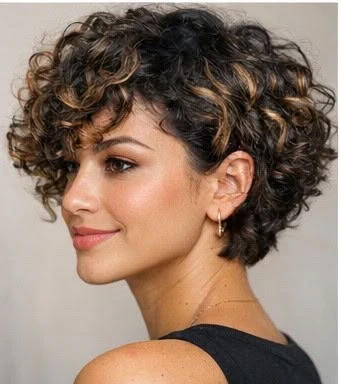
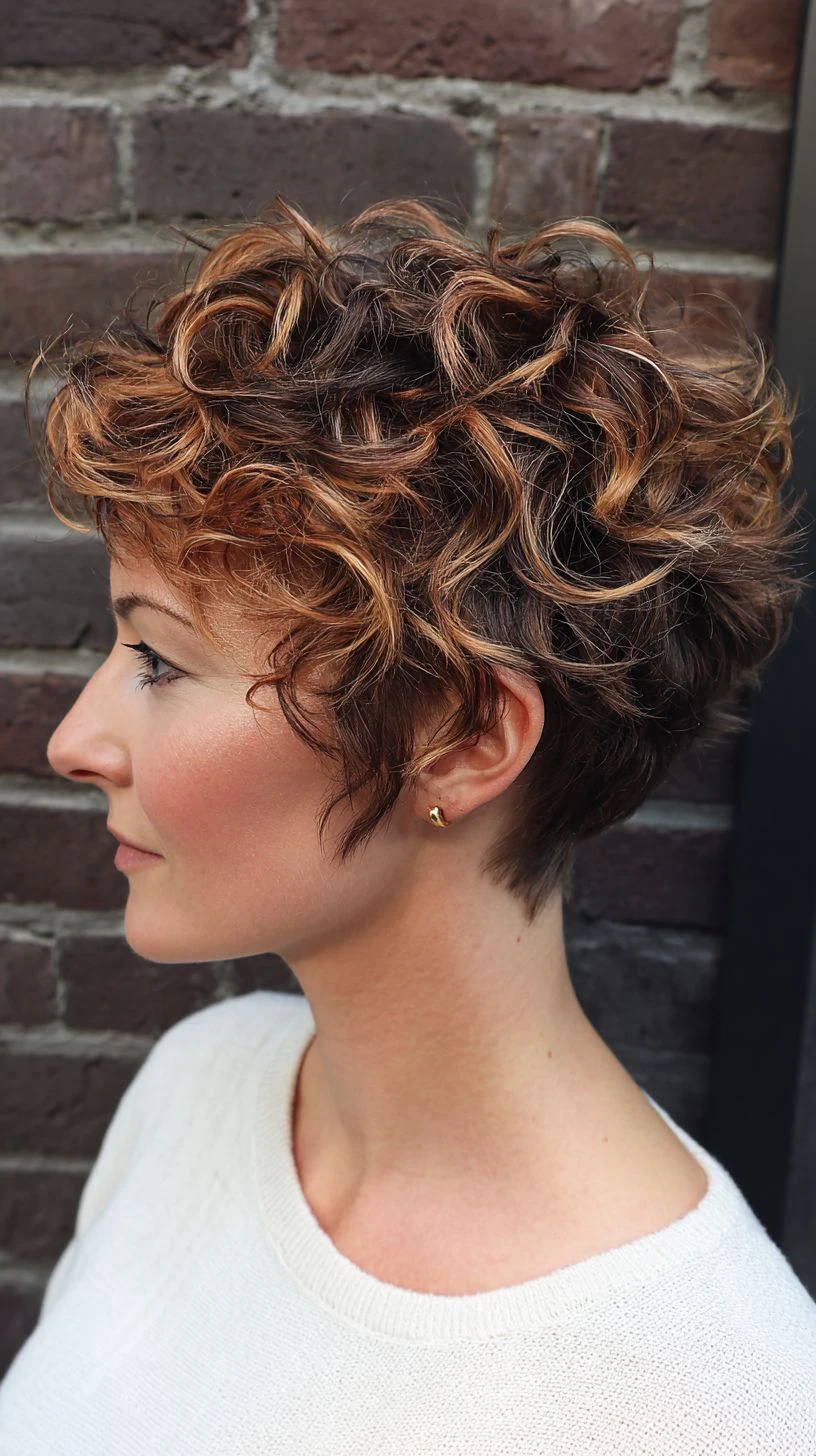


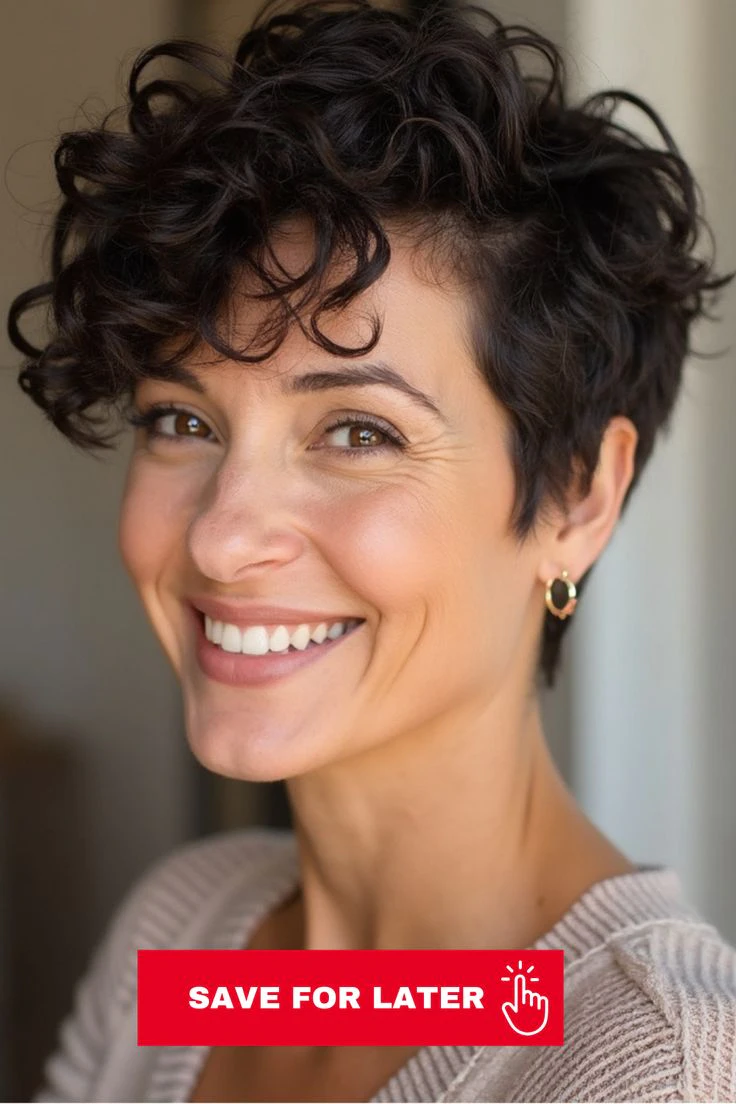
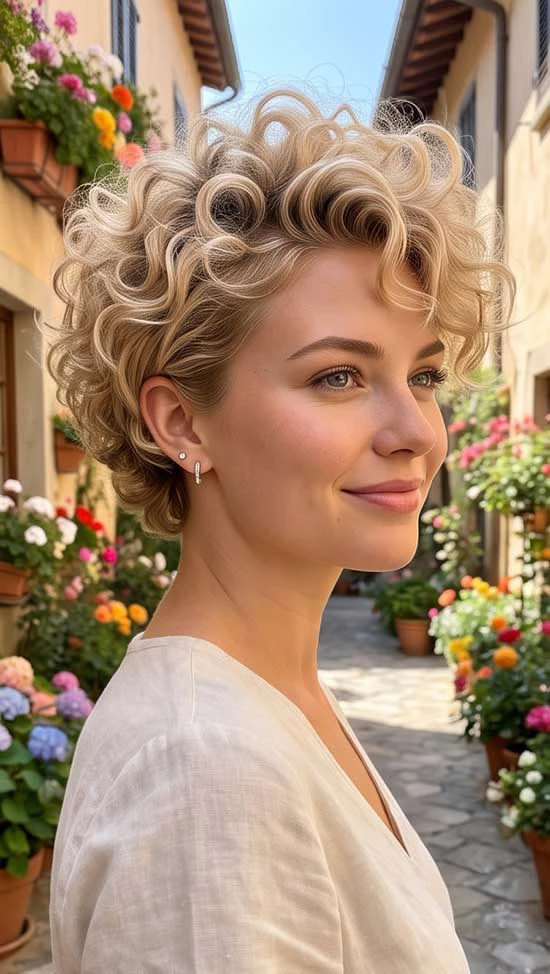
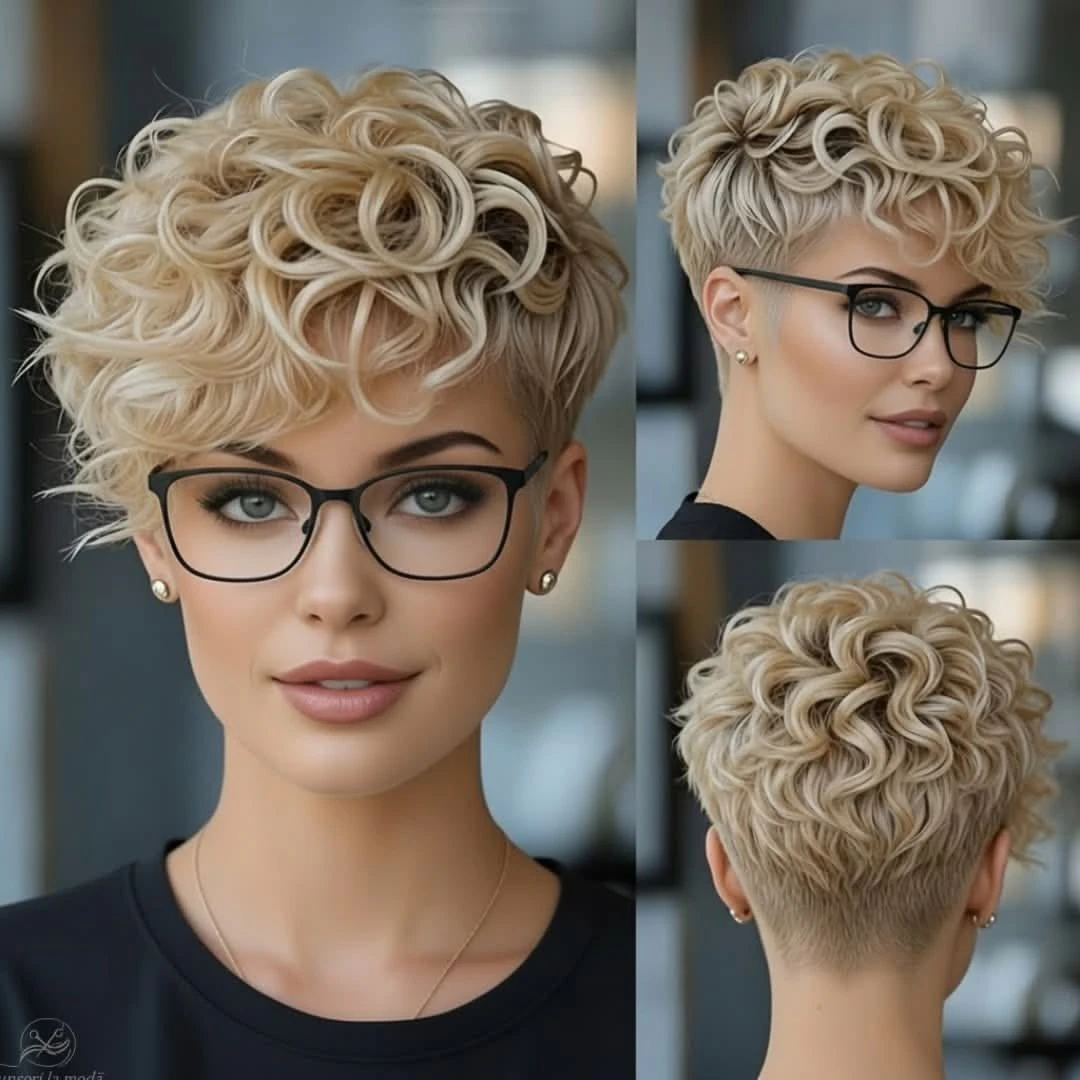

Short wavy hair is one of the most manageable textures to have. It is somewhere in between straight and curly, which means it can go from casual to professional with minimal effort. But learning how to style short wavy hair the proper way can make a significant difference. Without the right method, waves might go flat, get frizzy, or just not cooperate in the morning.
The good news is you don’t need a complicated routine. Once you understand your natural texture and pick the right products, it gets much faster. Plus, a good haircut establishes the framework for everything else.
This tutorial has everything you need to get reliable results without spending too much time in front of the mirror, from choosing your cut to refreshing waves the next morning.
Why Short Wavy Hair Is Fantastic
Short hair changes the way waves behave. Shorter lengths have less weight dragging the hair down. This brings out even faint wave patterns and makes them more pronounced. This is why many women with fine or low-density hair discover that going shorter really enhances their natural texture.
And short hair dries quicker. That means less time with a diffuser and more versatility in your morning routine.
But short wavy hair has its own set of issues. The wave pattern can be different over the head. Tightness may vary from area to area. Plus, the roots might lie flat while the ends get overly textured. Knowing these tendencies makes them easier to handle.
First, Pick the Right Haircut
Before buying products, ask yourself if your haircut is really working for your waves.
The Layered Cut
One of the best solutions for short wavy hair is layers. They remove weight so that each wave can form freely. Light to medium layers usually work best. But if your hair is already fine, don’t go for really short or jagged layers. If you remove too much from that texture, it can make the ends look wispy.
Cleverly placed layers help balance thick hair better and reduce some of the weight without sacrificing structure.
The Blunt Bob
A blunt cut keeps the ends even and creates a strong, clean shape. It gives the illusion of thickness, which is ideal for fine wavy hair. The shape is already there, so you need very little styling to make it look deliberate.
To achieve a trendy, low-effort look, pair a blunt bob with loose natural waves.
The Classic Wavy Bob
A chin-length or just above-the-shoulder bob is one of the most loved shapes for wavy hair. It is short enough to show the wave pattern well yet long enough to allow some movement. A middle part creates symmetry, whereas a side part creates volume and asymmetry.
Wet Styling Tips for Short Wavy Hair: The best time to make your waves is right after you wash your hair, while it’s still damp.
Start by lightly squeezing out any excess water. If you rub your hair with a standard towel, it causes friction and leads to more frizz. Instead, use a microfiber towel or a soft cotton T shirt. These materials absorb water without roughening the hair cuticle.
Choosing Your Styling Product: Next, add a light styling product. The right answer depends on what your hair needs most.
Mousse is great for adding volume. It softly coats the hair and leaves it weightless. If you want definition and moisture, curl cream is better. There’s also a light gel option that gives you a better grip, which is excellent if your waves tend to fall out during the day.
Use just a little bit. Start with less than you think you need, then increase if required. Too much product almost always flattens the result.
How to Use the Product Correctly
Work the product evenly through damp hair. Then scrunch sections toward the scalp. This motion supports the natural formation of the wave pattern.
Once styled, leave it to dry without touching. One of the biggest reasons for frizzy waves is touching them too much while they are drying.
Diffuser for Better Results
A diffuser attachment on your hair dryer can really help define your waves without ruining the texture.
Place product-coated sections of damp hair into the diffuser bowl. Hold it still near your head and move gently from one area to the next, using low to medium heat.
When the hair is around 80 percent dry, switch to cool air if you have it. Let the rest of the moisture evaporate naturally.
The trick is patience. Going too fast with the diffuser will ruin the wave and make it frizzy.
How to Make Natural Beach Waves on Short Hair
Beach waves are laid back, a little undone, and look fantastic on short hair.
Start with damp hair and work in a small amount of mousse or texture cream. Divide your hair into several sections. Then loosely twist each section, alternating the direction of the twist for each section. This variation makes the result look natural rather than uniform.
Wait until the hair is completely dry to unravel twists. Do not brush them out when dry; instead, use your fingertips to separate the sections. Finally, if you want more separation, add a small mist of texture spray.
For this style, maintaining loose roots is essential. Excessive crown volume can give the style an exaggerated appearance. Focus on movement through the mid-lengths and ends.
How to Add Volume When Your Roots Are Flat
One of the most frustrating problems with short wavy hair is flat roots. Fortunately, a few specific techniques that can address the issue without compromising the rest of your style.
Apply a little volumizing mousse directly to the roots before blow-drying. Instead of a brush, use your fingertips to raise the roots as you blow-dry.
Or you might also tilt your head forward a little when using the diffuser. This tilt allows the roots to get more air and provides natural lift.
Once your hair is dry, lift the roots lightly with your fingertips instead of brushing. Brushing disperses the waves and creates frizz, undoing all of the volume work.
Switching up your part while your hair is still damp helps, too. Begin in the middle and work toward one side as the hair dries. The roots shift direction and gain more lift than they would otherwise.
How to Style Short Wavy Hair Without Heat
Heat can help, but it is not always required. By using heat less often, over time you can maintain your waves and make them appear healthier.
For a no-heat method, after washing, work a lightweight styling cream through damp hair. Then section the hair and twist it loosely. Secure ends with little soft clips, if necessary. Air-dry the hair thoroughly at room temperature.
When dry, undo each twist and gently pull apart the waves with your fingertips.
Or you can loosely braid damp hair before going to bed. The hair is dry by morning with a lovely wave pattern already in place. However, don’t go to bed with overly wet hair, since this can cause uneven texture and irritation to the scalp.
Styling for Special Occasions
Short waves can definitely look dressy. The trick is to add polish and not lose the original texture.
For events, pull back one side section and work a lightweight cream through the mid-lengths and ends. Set the shape with a diffuser. Once dry, use a little serum to smooth the outer layer of the style.
Even a simple hair piece can transform the overall look. A structural clip or a metallic barrette close to the temple adds polish, not fuss.
For a little more glitz, gently curl a few sections with a curling wand. Let the curls be loose and open. It gives you that delicate, layered texture that looks purposeful, not overdone.
Resetting Your Waves the Next Day
You don’t have to shampoo your hair every day to get excellent waves.
Lightly spritz your hair with water to reactivate the product left in it. Then scrunch any out-of-shape sections back into place. Instead of restyling the whole head, just apply a little bit of curl cream to certain spots.
If the roots are flat, spray a little dry shampoo directly onto the scalp. It absorbs any oily residue overnight and adds lift to boot.
Refresh and let hair air-dry. This simple routine takes only a few minutes and will add an extra day or two to the life of your style.
Best Products for Short Wavy Hair
With the right products, styling short wavy hair is much easier, but you don’t need to use many at once.
Mousse is the most versatile choice. It adds volume, supports wave definition, and doesn’t cause heavy buildup. Curl cream is ideal for hydration and definition, so it’s especially excellent for dry or coarse waves. Light gel is excellent for long-lasting hold. Texture spray works well for separation and beach-inspired finishes. A lightweight serum can smooth the top layer and reduce frizz without weighing down the style.
Choose one or two products to focus on that will help you achieve your primary goal for the day. Usually, if you put too many formulas together, you get stiff or weighted-down results.
Night Habits to Keep Your Waves Looking Good
What you do at night really impacts how your hair looks in the morning.
If you can, sleep on a satin or silk pillowcase. These materials are less harsh to hair than cotton to help preserve the wave pattern and decrease frizz.
If your hair is long enough, loosely gather it at the top of your head with a soft scrunchie before bed. Avoid tight elastics or ties with metal parts. They can cause creasing and breakage where they hold the hair.
Less friction overnight means less restyling in the morning.
Your hair type influences how you should approach styling.
Styling methods don’t work the same for every wave type.
Fine wavy hair responds better to lighter products. Heavy creams or thick gels can make it look limp, not defined. Mousse and light sprays are generally a better place to start.
Thick, wavy hair often needs extra moisture to keep its texture under control. A richer curl cream through the mid-lengths and ends can help define each wave without stiffness.
Dry, coarse waves benefit from a leave-in conditioner before any styling product. This adds softness and makes the texture easier to work with.
Low-density hair requires volume most of all. Usually the best combo is mousse at the roots and a light-hold product at the ends.
Knowing your hair type will help you tailor the general techniques to a routine that works for you.
Putting It All Together
Styling short wavy hair is really about observation. You observe what your hair does naturally and work with those tendencies, not against them.
Start with a cut that works with your waves. Then create a simple product routine based on your hair’s primary needs. Add volume where it is lacking, encourage definition in flat areas, and reduce frizz without disturbing the texture.
Don’t brush dry waves, keep heat at a medium setting, and let your hair set after styling. And refresh, not restyle, whenever possible.
If you have the right base, short wavy hair is one of the easiest and most versatile textures to work with. Your natural wave pattern is already doing much of the work. All you have to do is support it.