




Is Long or Short Hair Better for Plus Sizes?
A fresh haircut can change the way your face is framed, the way your clothes go together, and how long you take to get ready. But body size alone doesn’t tell you what length to choose. Even if two people are wearing the same-size clothes, their hair textures, facial features, and styling preferences will be entirely different.
So, is long hair or short hair better for plus sizes? Neither length automatically wins. A short hairstyle can emphasize your eyes and the neckline you like. Long hair, in contrast, allows for movement, variety in styling, and the convenience of tying it all back.
If you think about your texture, the shape of your face, your daily routine, and your maintenance preferences, then the decision becomes much clearer. You can focus on the haircut you want to wear instead of following rules about what your body supposedly needs.
Plus size does not mean you have a round face. Your face could be oval, angular, long, heart-shaped, or a mix of features. So saying a certain haircut is good for any bigger body type ignores the details that make us each unique.
Even the shape of your face is merely a starting point. The appearance of a cut depends on the position of the cheekbones, the height of the forehead, the hairline, and personal taste.
For example, you may love to show off a strong jawline with a short bob. Or maybe you like longer layers because you enjoy movement around your shoulders. Both options work without having to create a slimmer look.
Beyond Length, Haircut Shape Matters
Two chin-length cuts can look entirely different. An angled bob with longer front sections looks very different from a rounded bob. Similarly, long hair with a thick perimeter looks different from long hair with heavily layered ends.
Asking only about length misses much of the decision-making process. Think about where you want volume, how you want the ends to lie, and if you like a crisp outline or a softer finish. These details explain why you prefer a certain haircut. They also help when comparing inspiration photos.
When to Consider Choosing Short Hair
You Like Showing Your Neckline
Short hair can show more of your neck and shoulders. If you are a fan of statement earrings, open collars, or clothing with interesting necklines, a short hairstyle could work well for you.
However, visibility should be a preference, not a requirement. You don’t need to expose or conceal any feature to justify a haircut. Think of your favorite photos of yourself. If you like your hair pulled back or tucked behind your ears, a shorter cut might suit your style. You can enjoy that same openness without pinning your hair back every morning.
You Like Less Hair Around Your Shoulders
When it’s hot, when you’re working out, or when you’ve got a busy office day, long hair around your neck can be inconvenient. A shorter cut means less hair on your neck, though the result still depends on your hair’s shape and density.
Short hair isn’t always the easier option, though. A cropped fringe may need daily attention. A neat bob can lose its shape as it grows out. So consider whether you want less hair or simply less styling effort. If you want a quick morning routine, choose a short shape that works with your natural texture rather than one you have to reshape every day.
Short Haircut Options
Pixie Cuts
A pixie can highlight the eyes, eyebrows, and cheekbones. However, the term covers many different cuts. Some have tiny sides; others have a bit of softness around the ears and a longer fringe.
First, decide how much of your hairline you want exposed. Then decide whether you prefer a compact shape or more movement through the top. Pay attention to cowlicks, especially around the crown and forehead. If your hair naturally lifts where you want a smooth fringe, seek inspiration photos that work with a similar growth pattern.
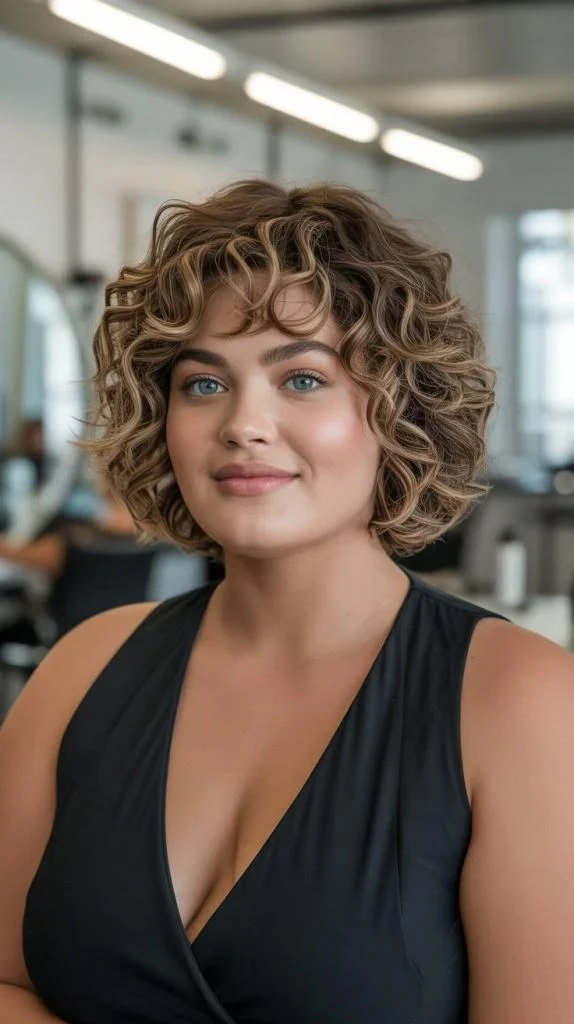
Bob Cuts
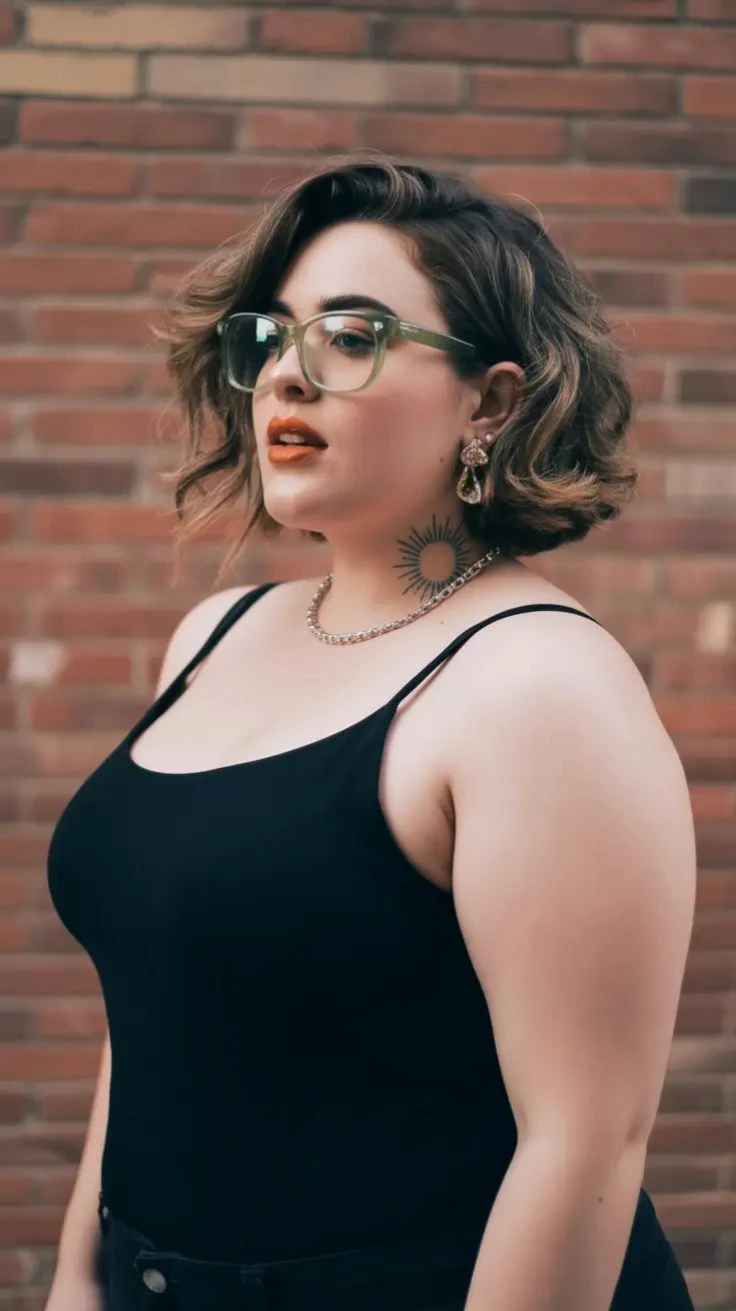
A bob may end at the jaw, below the cheekbones, or closer to the shoulders. Each position changes the overall outline, so small differences matter.
For example, a jaw-length cut offers strong definition. A slightly longer bob allows you more flexibility to tuck the front behind your ears. Both are worth trying depending on the effect you prefer.
When Long Hair Works Better
You Rely on Updos and Tied-Back Styles
Long hair offers practical flexibility. If you regularly wear ponytails, braids, buns, or updos, keeping your length might be easier than a shorter cut that can’t be tied back.
Notice how often you rely on that option before cutting off length. Perhaps you tie your hair up when cooking, exercising, or working. Also note that short front layers can slip out of a ponytail even when the back is long. So layer length matters just as much as overall length.
You Prefer Movement and Flow
Long hair can offer a flowing outline that many people enjoy. However, length alone doesn’t create movement. Density and perimeter weight affect how hair falls, so heavy one-length hair moves quite differently from lighter, layered hair.
Many layers are not always the answer, either. If your ends are already thin, removing more hair could reduce the volume you love. Decide whether you want mobility, weight, or something in between before making your choice.
Long Hairstyle Options
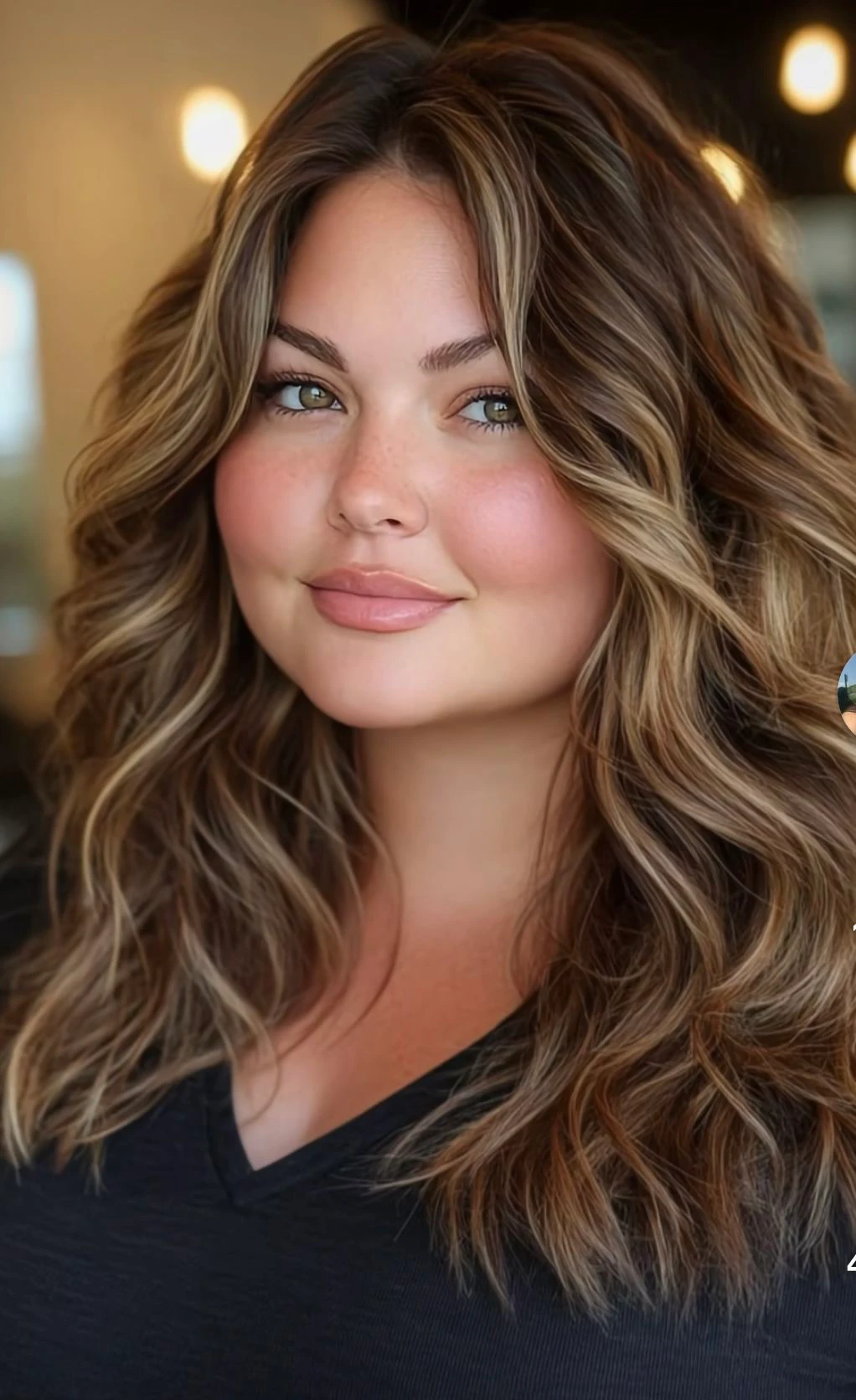
Long layers can create change while maintaining length. How dramatic the result feels depends on how short the shortest layer is. If you want a subtle change, longer layers give you movement without adding shorter pieces around your face. A stronger layering approach will create a different overall shape and may require adjusted styling habits.
If your hair is finer, pay attention to the ends. A fuller perimeter may look better than extensive layering. Denser hair can handle more variation without looking sparse.
Face-Framing Pieces
Face-framing sections can begin around the cheekbones, jaw, or further down the lengths. Shorter pieces can fall forward when you lean over. Longer pieces tend to blend more easily with the rest of your hair. Choose their starting point with your daily routine in mind.
Also consider how those sections behave without styling. A front piece in an inspiration photo may have been shaped specifically for the shot. If you don’t style your hair regularly, references showing natural fall will be more useful.
A Shoulder-Length Cut as a Middle Option
The question of whether long or short hair is better for plus sizes can make the choice seem like two extremes. A shoulder-length cut can offer a combination of both.
It provides face-framing flexibility while reducing some length. It also lets you experience shorter hair before committing to a much shorter cut. Keep in mind that ends that touch your shoulders tend to flip outward. You might enjoy that movement, or a slightly different length might give you the finish you prefer.
How Hair Texture Affects Your Choice
Strand thickness and overall density are not the same. You can have fine strands with substantial density. When thinking about length, consider the fullness of your ends and how your roots behave.
A shorter cut can make fine hair look fuller. If your hair has enough density, a longer cut can still work well. The American Academy of Dermatology recommends hair care based on hair type, which provides a useful foundation for making decisions about length and maintenance.
Curly Hair
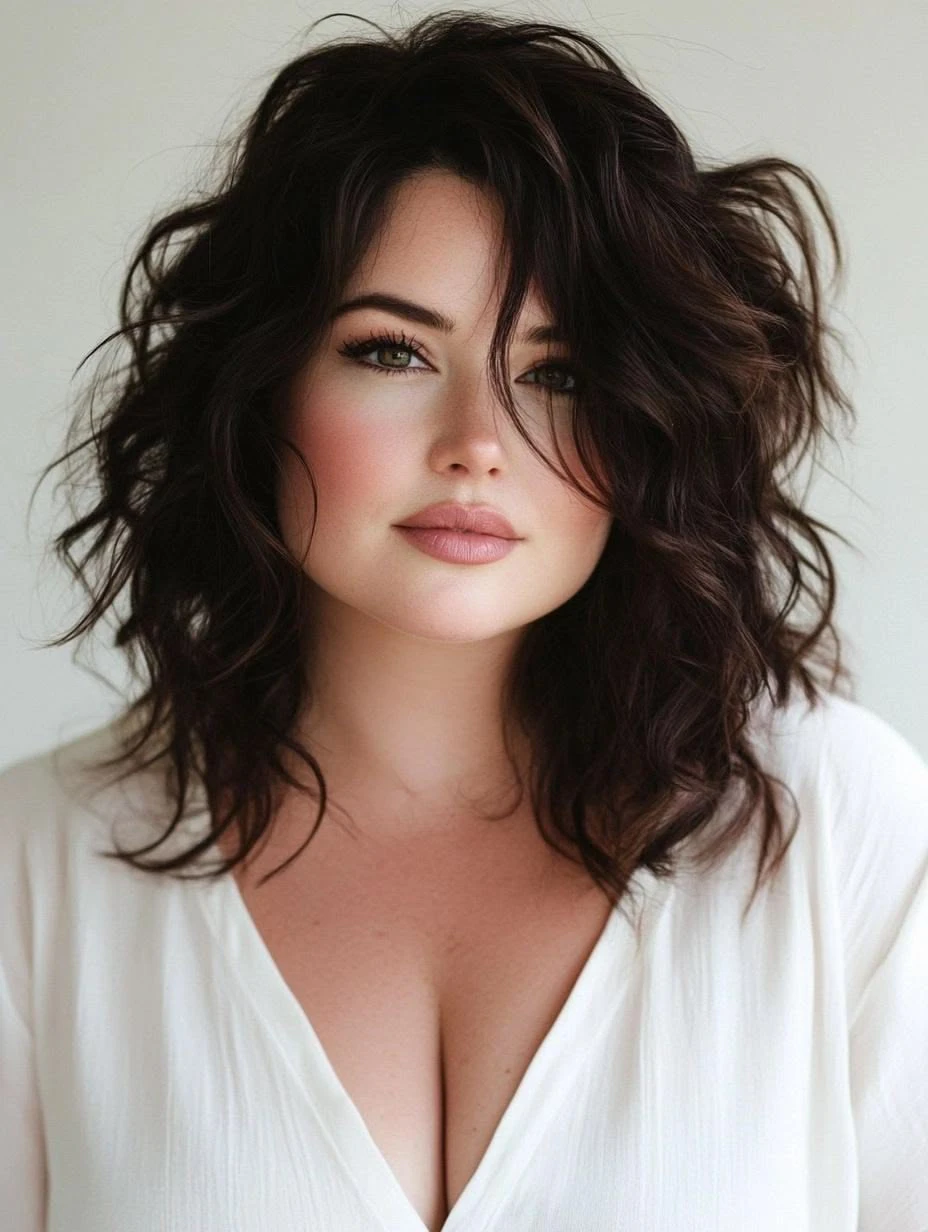
Curly hair may look much shorter when dry than when stretched. Judge your intended length in the state you normally wear it. Also compare inspiration photos carefully—a cut shown on loose waves can look entirely different on tighter curls.
Shortening curly hair can also change where volume sits. That shift may be exactly what you want, but it’s worth thinking through before your appointment. Advice for curls is often about narrowing the face, but you might want to highlight your cheeks, show off your jaw, or simply enjoy a rounder shape. There’s no need to rule out a bob because its longest point falls near your cheeks.
Partings and Fringes
A fringe can change the look of a familiar haircut without altering the overall length. The result depends on your hairline’s growth pattern, your willingness to style it daily, and how practical it is for your routine.
Longer fringes offer flexibility. Shorter ones create a more defined outline. Neither is specific to any body size. Partings also influence how hair falls around your face. Try a potential haircut with the parting you actually wear. If your reference photo uses a deep side part and you prefer a center part, the result may feel quite different.
Practical Longevity of Your Haircut
A haircut should work beyond the day it’s freshly styled. Think about rushed mornings, humid weather, workouts, and the days between shampoos.
Shorter cuts may dry faster but often need more frequent trims to maintain their shape. Long hair takes more time to wash and dry but can be managed easily when tied back. Compare both against your actual routine rather than assuming one is always simpler. The better choice is the one whose demands you feel comfortable repeating over time.
Using Inspiration Photos Effectively
When possible, choose photos that show the front, side, and back of a cut. Then look for examples with hair similar in texture and density to yours. Notice whether the style looks flexible or requires volume at the roots. These details affect what you’re actually seeing.
It also helps to identify what specifically appeals to you in each photo. You might like the fringe in one image and the length in another. Separating those preferences makes the decision clearer. Otherwise, a shiny finish or a flattering color can distract from the actual cut.
You don’t need delicate features to wear a pixie. You don’t need long hair to balance a larger body. Both ideas place unnecessary limits on a personal choice.
The best haircut is one that fits your texture, works with your routine, and reflects how you like to present yourself. If a dramatic change feels uncertain, an intermediate length can give you useful experience before going further. Pick a length that makes sense for you and your hair in your day-to-day life, whether that’s long or short.