






Short Wavy Haircuts for Women
Natural waves can be unpredictable from day to day. Some mornings they fall into place like a puzzle; other days they seem to fight every move you make. But the right cut can entirely change that relationship. A well-planned short wavy haircut works with your hair texture rather than against it, allowing you to spend less time styling and more time enjoying your hair’s appearance. In this guide, we’ll show you the best cuts for wavy hair, the techniques skilled stylists use, and the daily habits that will keep your waves soft, defined, and full of movement.
Why Short Lengths Are Perfect for Wavy Hair
Wavy hair generally has more body than straight hair, and shorter lengths let that natural movement show. Long hair, however, is weighty. That weight drags waves down, and the pattern frequently stretches into slack, flat bends close to the roots.
Remove some of that length, and the waves bounce back. In fact, many women are surprised to find that their hair is wavier than they thought once the extra weight is gone. This is why a short wavy haircut often reveals texture that was hidden for years.
And there’s a practical side too. Shorter hair dries faster, uses less product, and rarely requires heat tools. As a result, your morning routine is simplified without looking any less polished.
The Best Short Haircuts for Wavy Hair
Not all short cuts treat waves well. Some shapes add bulk in places you don’t want it; some make the ends look thin. Here are haircut styles that are always flattering for wavy hair.
The Wavy Bob Haircut
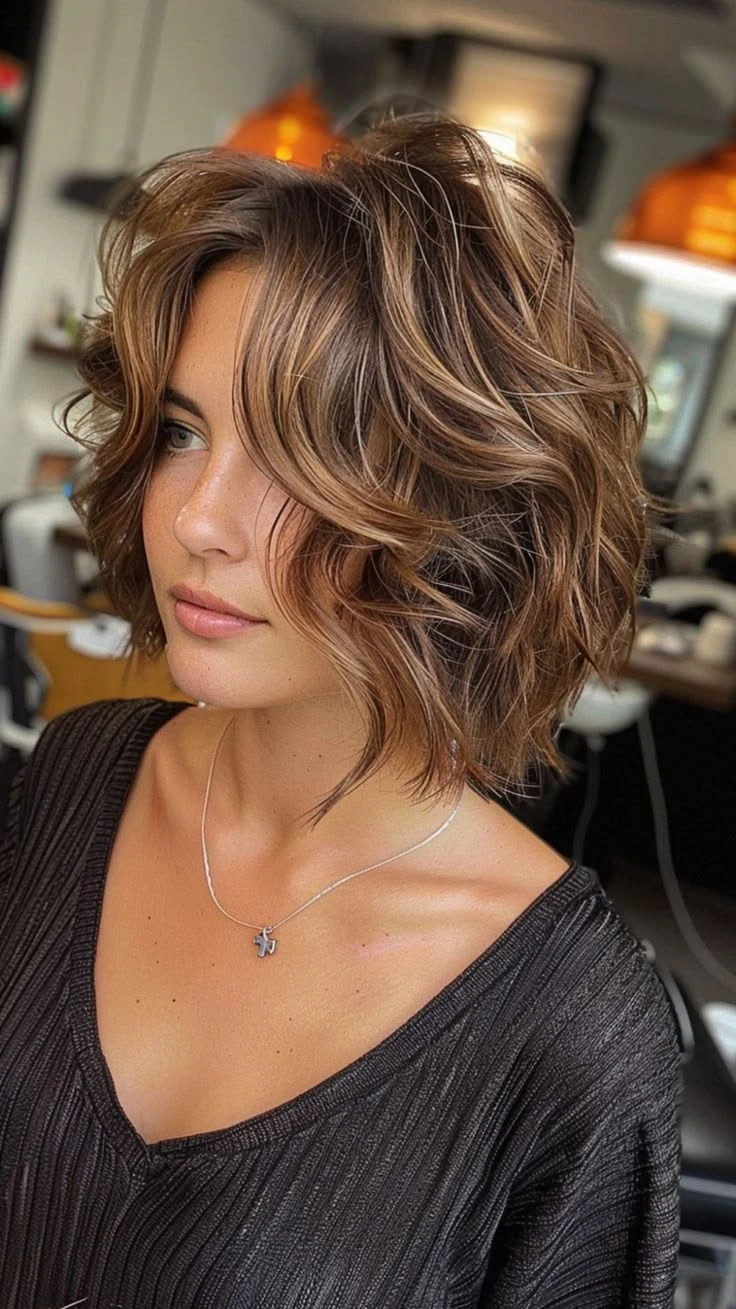
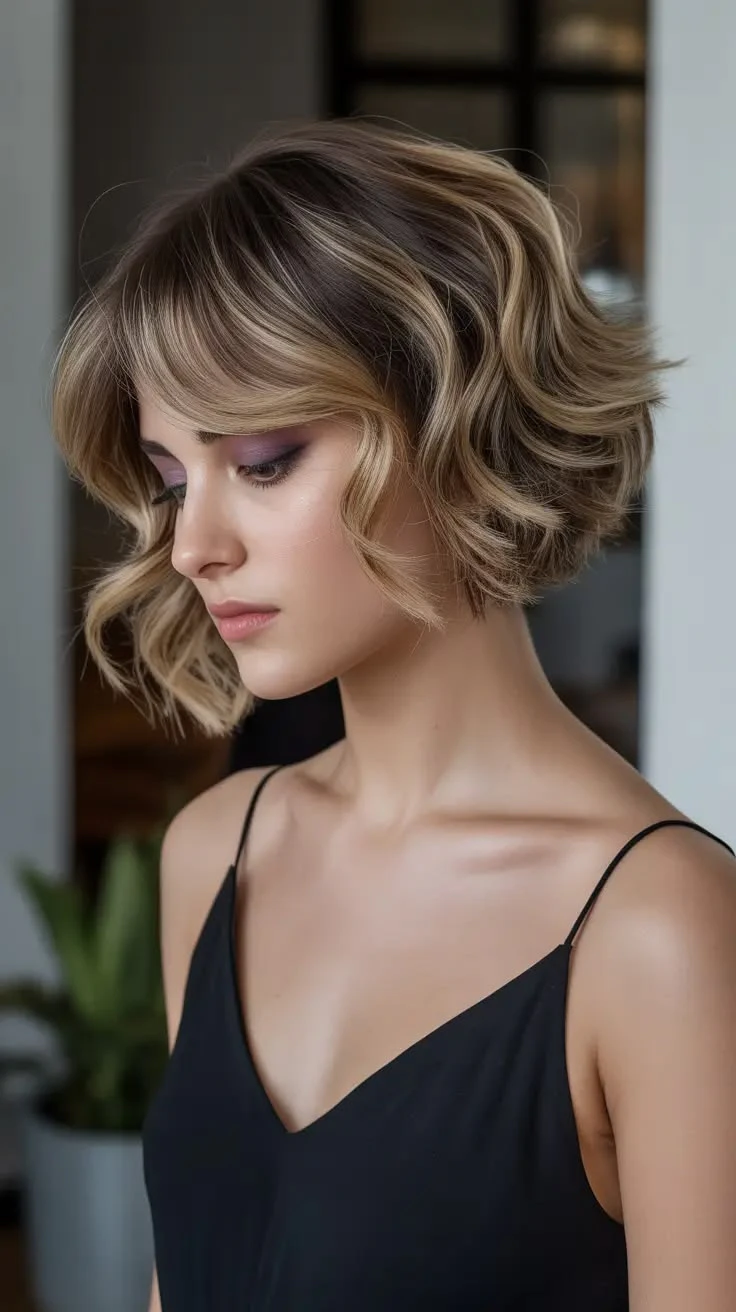
The wavy bob is still a salon favorite, and for good reason. It typically falls between the chin and the shoulders. That length lets waves flow freely, but the overall shape still looks neat and deliberate.
Plus, this bob looks good on almost every face shape. To stop it from looking heavy, ask your stylist to put light layers through the mid-lengths. These layers encourage the natural separation of the waves so the cut is never triangular at the bottom.
The Textured Pixie
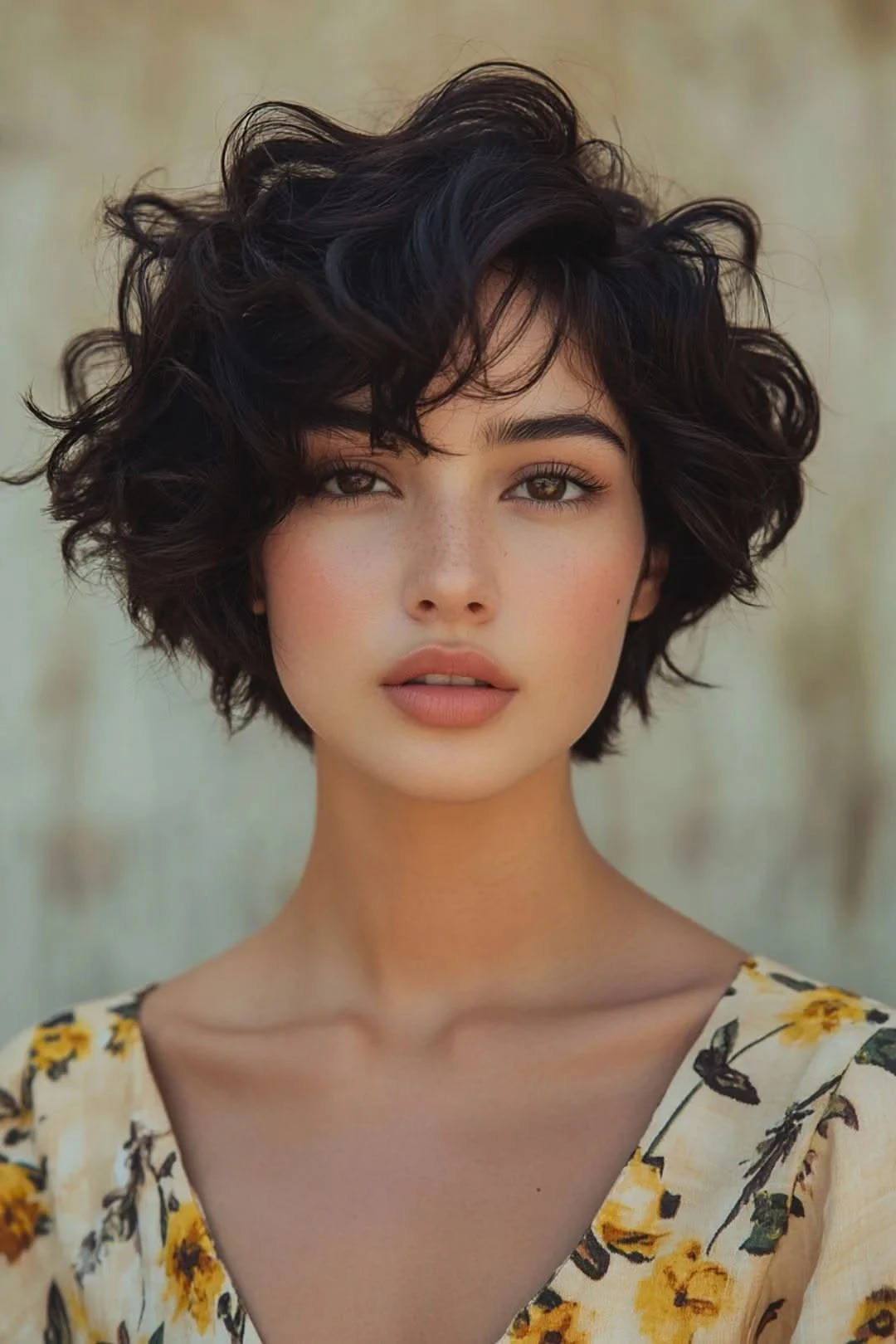
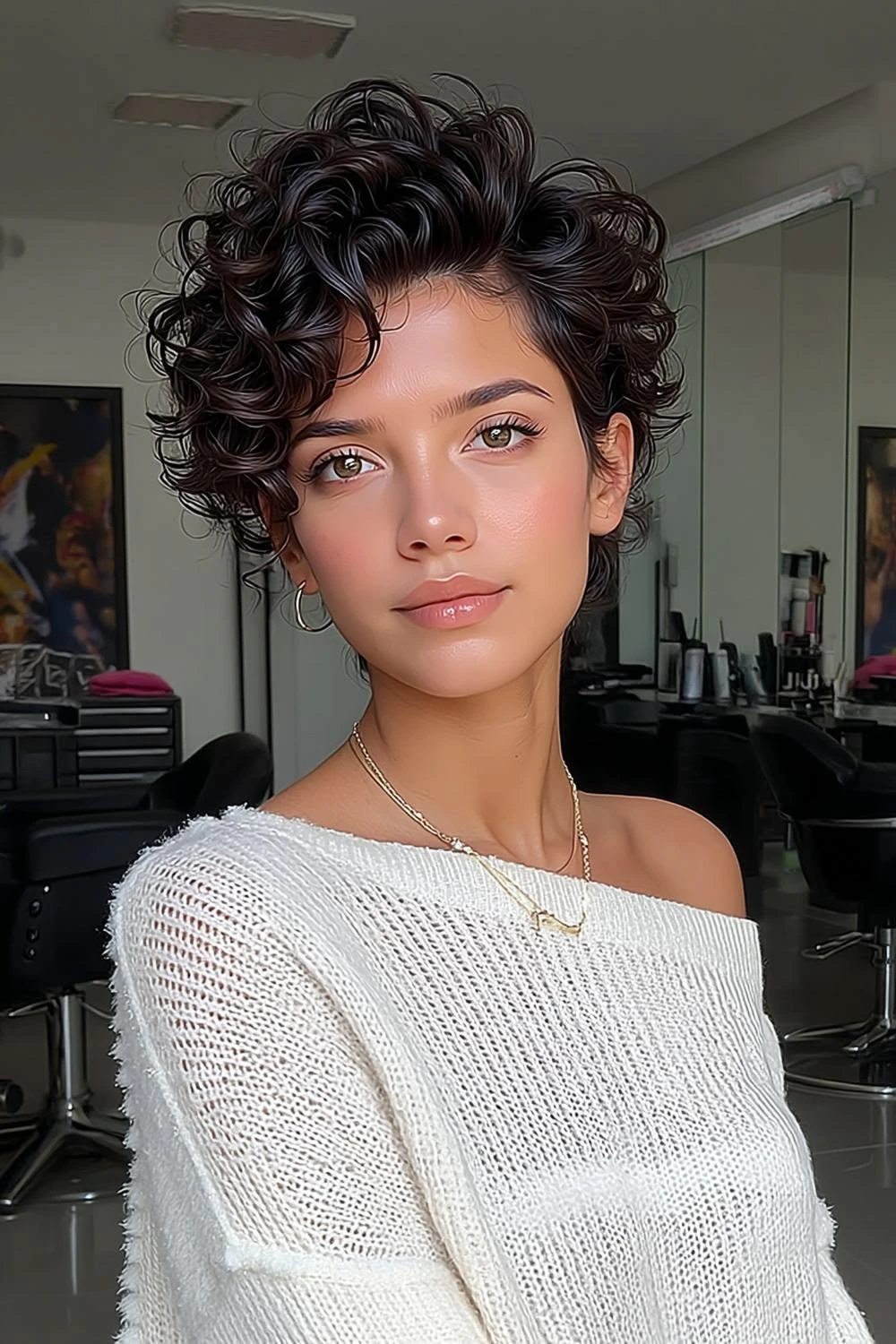
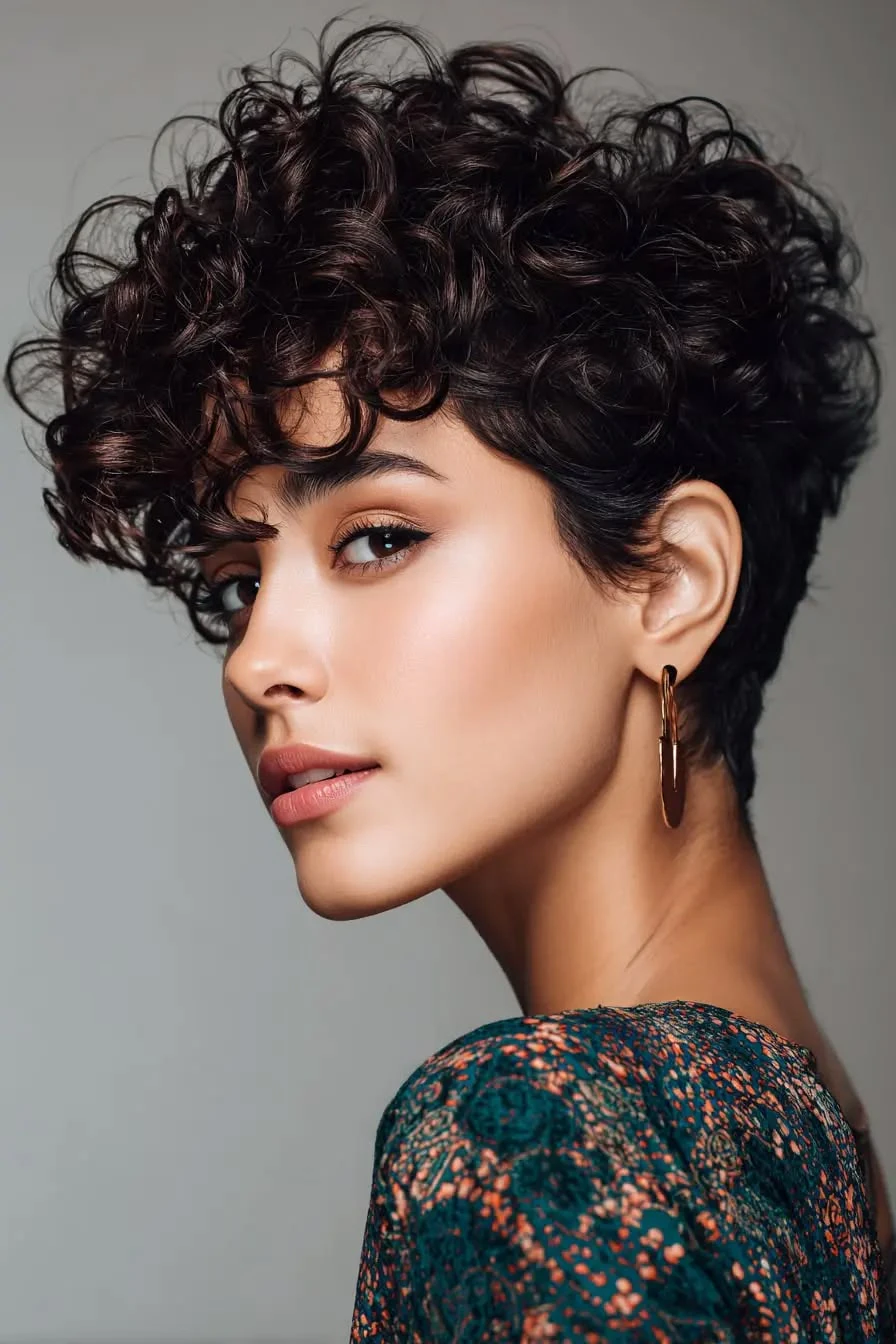
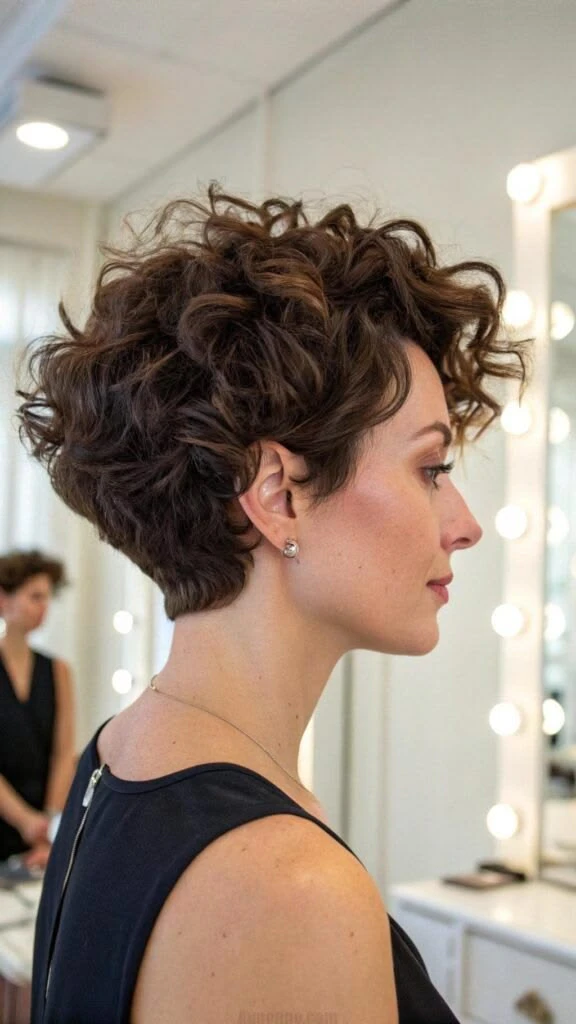
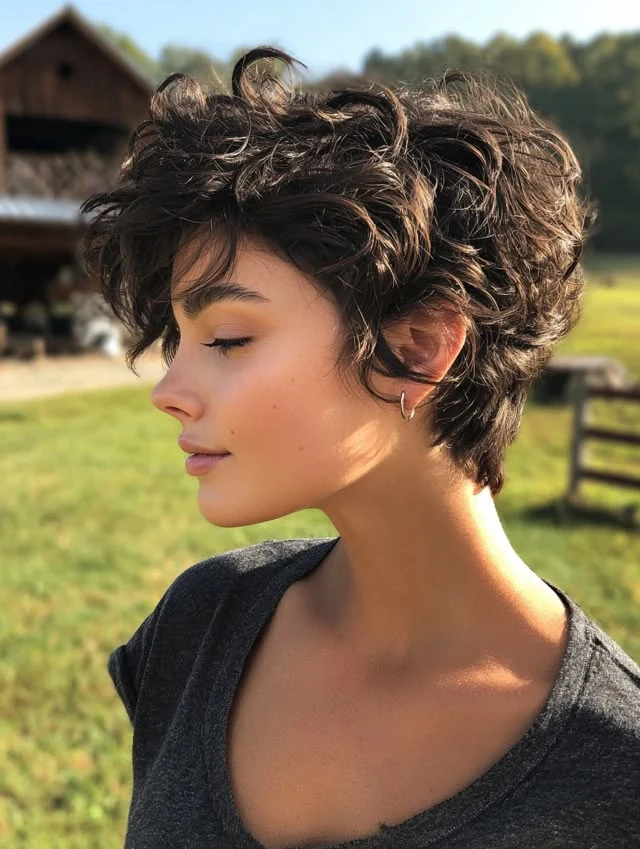
A pixie cut offers an entirely different approach to styling waves. All the hair is short, so the texture reads as small, piecey bends, not long, flowing ripples. The finished look is tousled and relaxed, and it takes very little effort.
This is the ideal cut for a bold look. Plus, it’s one of the lowest-maintenance options out there, because a little cream and a quick scrunch are often all you need.
The Modern Shag
The shag is seeing a massive resurgence, particularly for those with wavy hair. It’s about choppy layers and soft pieces to frame the face—not sleek, uniform cuts. The waves contribute to that layered structure, which is why so many shags look done after simple air-drying.
Plus, the shag grows out gracefully. An extra few weeks between appointments rarely ruins the shape, because the layers are already uneven by design.
The Curly Crop
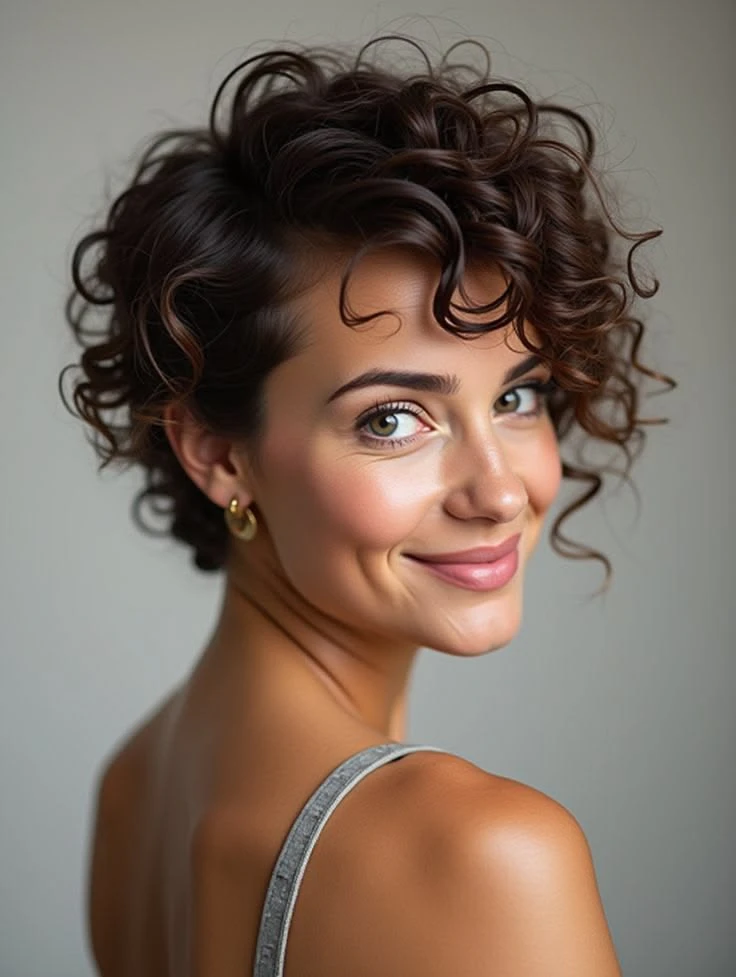
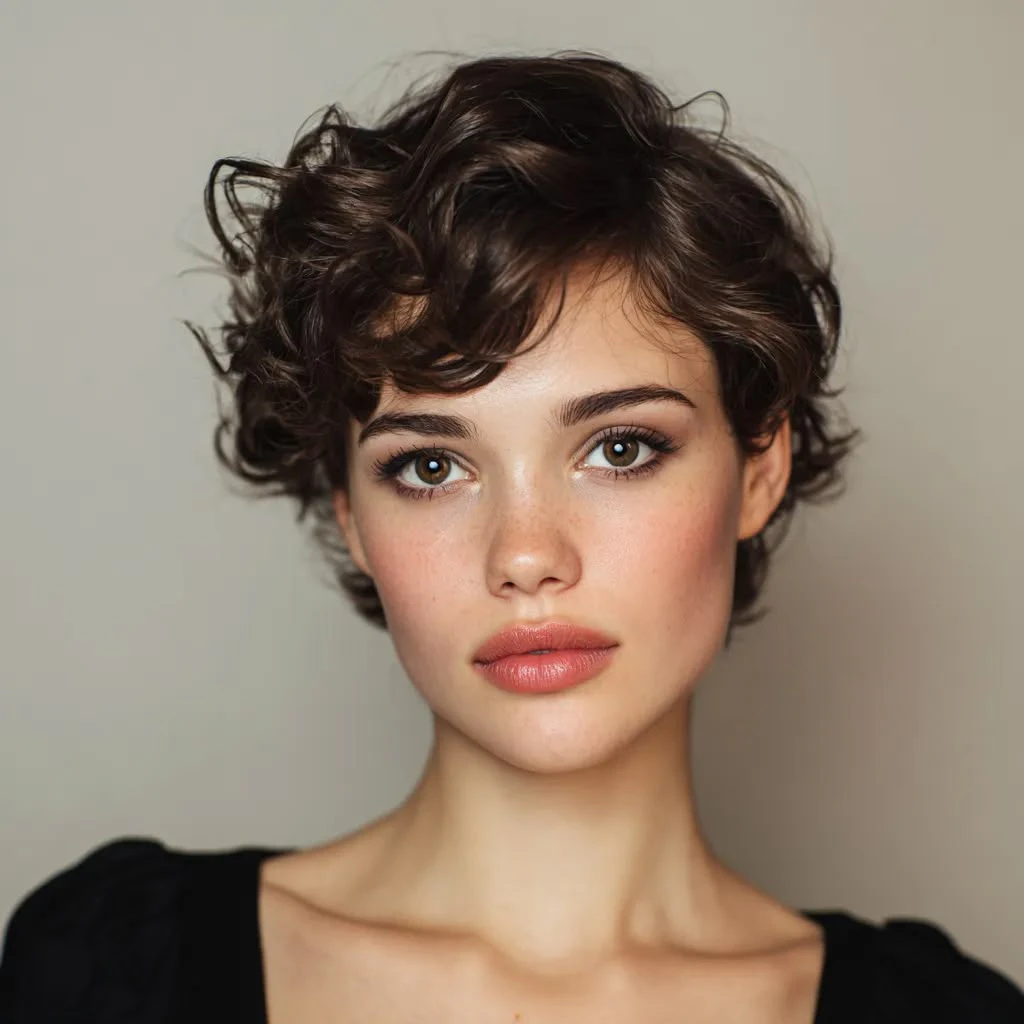
If your waves trend toward tighter, more defined bends, a curly crop might be a good option. The cut follows the natural pattern of each section, rather than forcing the hair into a straight line. So the shape is designed around the way your hair actually works. As a result, styling becomes almost automatic. When the crop is cut correctly, the hair usually falls into place on its own.
Layered Lobs
A lob, or long bob, adds a bit more length but maintains the light, lively waves. It normally falls just above or at the collarbone. Strategic layers create volume and shape, striking a perfect balance between softness and structure.
The lob is ideal for women who are finally saying goodbye to long hair. It feels like a real change, but it’s not so drastic that you regret it.
How to Choose a Short Wavy Haircut for Your Face Shape
Your face shape is an important factor in choosing the right short wavy haircut. Personal style matters most, but a few general guidelines can help you narrow your options before your appointment.
Round and Square Faces
Round faces generally look best with cuts that add height at the crown. A textured pixie with volume on top, for example, can help lengthen the overall look of the face. Similarly, a side part creates asymmetry and adds a flattering angle.
Square faces, however, look best with softer shapes. A layered wavy bob would work well here, as movement around the jawline helps to soften strong angles. Steer clear of blunt lines that end right at the jawline; they can highlight width.
Oval and Heart-Shaped Faces
An oval face can handle almost any wavy cut. However, a shag or a lob tends to flatter balanced features more effectively.
Heart-shaped faces tend to look best with chin-length or slightly longer cuts. The added volume around the jaw helps balance out a wider forehead and a narrower chin. Soft curtain bangs also help reduce the width at the top of the face.
Cutting Techniques That Enhance Your Wave Pattern
The wrong cutting method can ruin even the best style idea. That’s why it helps to know the techniques stylists use on textured hair. Knowing these terms also makes your consultation a lot easier.
Dry Cutting
Most experienced stylists prefer to cut wavy hair when it’s dry. This way, they can see precisely where each wave breaks and how high it springs. As a result, the final shape is more accurate and much more predictable.
Wet cutting isn’t always wrong, but it requires an estimate of how much the hair will shrink, and that estimate can easily be off by an inch or more.
Point Cutting
Point cutting means cutting into the ends at an angle instead of straight across. The ends soften and become a little uneven, so the waves mesh more seamlessly. The result is a cut that looks natural and lived-in, not sharp and boxy.
Layering for Movement
Strategic layering reduces bulk where waves tend to stack. It also provides movement to sections that would otherwise be flat. When done correctly, layers maintain the texture from root to tip, so hair never feels heavy.
How to Style Your Short Wavy Hair Every Day
Once you have the right cut, a simple routine keeps it at its best. The good news is that short wavy hair seldom requires complicated steps.
First, after washing your hair, apply a curl-defining cream or light mousse to damp hair. At this stage, the wave pattern is still forming, so the product helps it set properly. Then gently scrunch your hair with your hands, working up toward the scalp.
Next, allow your hair to air-dry. Too much touching will break up the wave clumps and invite frizz. Likewise, do not brush your hair when it is dry. Instead, use your fingers to gently pull apart any areas that need shaping.
On the second or third day, a light misting of water or texturizing spray will bring the waves back to life. That way, you can often skip a full wash and restyle without losing definition.
Products and Tools That Help Define Waves
The right products significantly enhance the daily performance of a short haircut. In general, lighter formulas are better than heavy ones, as short hair shows weight very quickly.
For example, a lightweight leave-in conditioner controls frizz and keeps waves soft. Meanwhile, a curl-boosting mousse adds definition without squashing the pattern. If your hair is fine, start with very little and only build up if needed.
Tools are also important. A diffuser attachment spreads the airflow gently so the waves dry evenly without being blown apart. If you want to air-dry, in contrast, swap your regular towel for a microfiber towel or an old cotton shirt. Both of them help reduce friction and, therefore, cut down on frizz. For a more comprehensive routine that works with any wavy cut, check out our full hair care and styling guide.
Add Color for a New Dimension
Color can make waves even more dynamic. Soft highlights, for instance, catch the light every time the hair moves. Similarly, balayage creates a sun-kissed effect that blends naturally with textured styles and grows out without harsh lines.
For darker hair, subtle babylights work for everyday wear without frequent touch-ups. The goal is to highlight the shape of the waves, not drown them in a flat single color.
That said, color can contribute to dryness. So if you’re lightening your hair, be sure to add a moisturizing treatment to your weekly routine.
Trims and Upkeep Between Salon Visits
Short hair requires more frequent trimming than long hair. A visit every six to eight weeks usually keeps the shape crisp. The ends become undefined without regular trims, and the overall outline can start looking shapeless.
A deep conditioning treatment is highly beneficial between appointments. Wavy hair is generally drier than straight hair, so a weekly mask keeps it soft, and the wave pattern stays defined. Furthermore, sleeping on a silk or satin pillowcase helps cut down on overnight frizz, which in turn means less restyling in the morning.
Also worth mentioning is scalp care. A healthy scalp leads to stronger, shinier hair. The American Academy of Dermatology offers trusted tips on gentle washing and hair care.
Short Wavy Style Accessories
Short wavy hair is more versatile than many women realize. For example, thin headbands add a playful touch to pixies and crops. For dinner or a wedding, dainty pins can turn a simple bob into a polished look.
Silk scarves are another simple choice, particularly in colder months. They can be tied like a band or loosely wrapped to add color and pattern while protecting the style from wind. Thanks to this versatility, one cut can easily go from casual to formal.
Habits Holding Short Waves Back
A few common habits quietly work against wavy hair. Fortunately, most of them are pretty straightforward to fix once you see them.
The most common one is cutting wet hair without accounting for shrinkage. Hair that seems chin-length when wet may spring up to cheek level when it dries. That’s why a stylist who is skilled in dry cutting is the more reliable choice.
Another issue is using too much product. Heavy gels and thick oils can weigh down the waves and flatten the roots. Instead, choose light formulas and apply them sparingly.
Finally, too much brushing messes up the wave pattern, leading to frizz. Finger styling, on the other hand, keeps the wave clumps together and the texture defined.
Transitioning From Long Hair
Transitioning from long to short hair can be a significant change. Many women find a gradual approach easier. You might start with a lob, for example, and go shorter in the following months when you feel comfortable.
Schedule a consultation with your stylist before making a commitment. In that conversation, talk candidly about your wave pattern, face shape, and how much time you want to spend styling each morning. Bring a few reference photos as well. Pictures help bridge the gap between what you imagine and what your stylist understands.
Most importantly, keep in mind your waves may behave differently after the cut. Wash your hair a few times and let it settle; often the pattern will show up better once the old weight is gone.
Pick Your Next Cut With Confidence
Choosing short wavy haircuts shouldn’t be overwhelming. Whether you want to wear a wavy bob, a textured pixie, or a relaxed shag, there’s a shape that matches your texture, your face, and your lifestyle. With a skilled cut, a simple styling routine, and consistent trims, short wavy hair can be polished and straightforward to manage on a day-to-day basis.
So if you’ve been thinking about a change, now may be the time to talk to a stylist who understands texture. The best cut is the one that lets your natural waves do most of the work.