
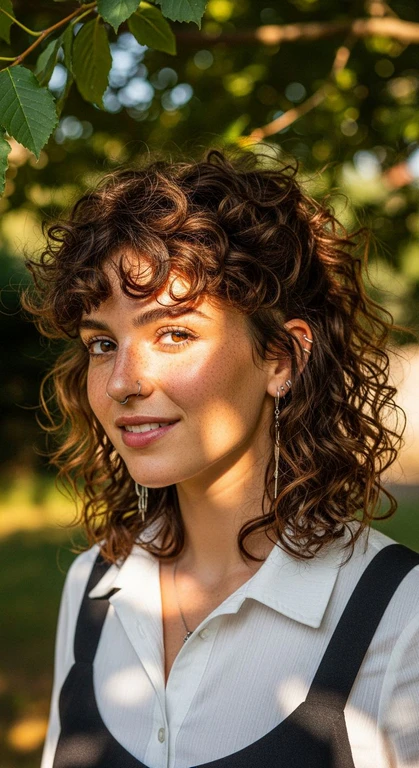
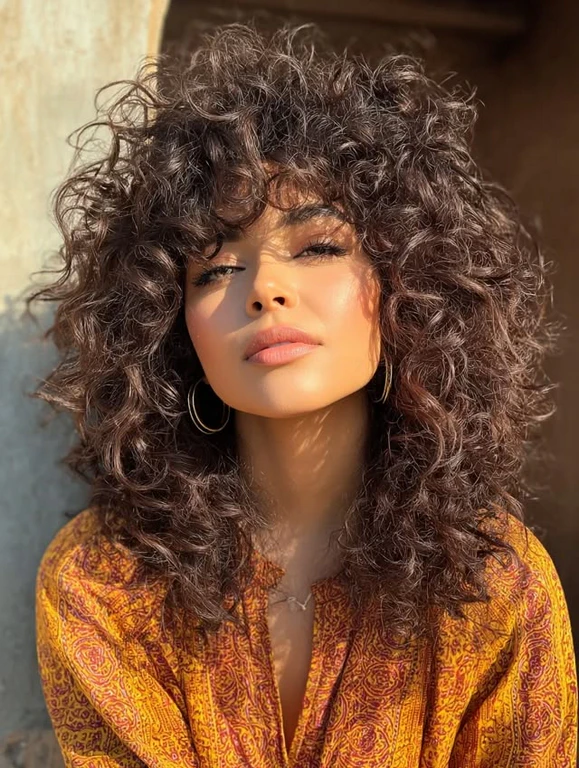
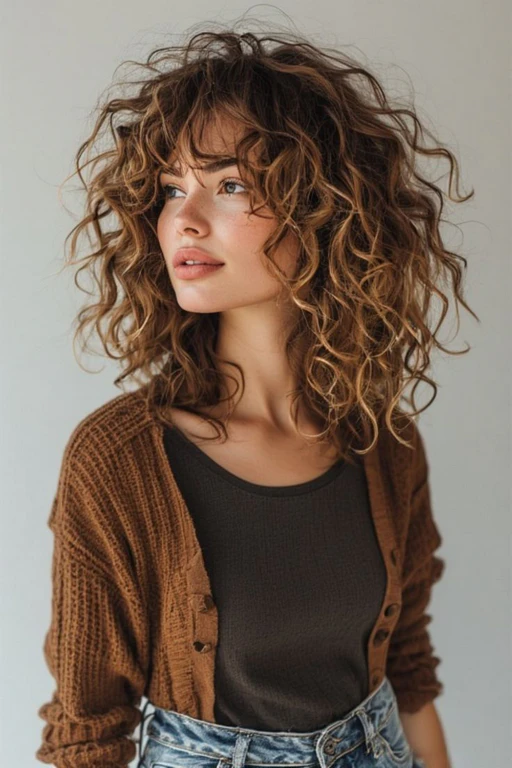
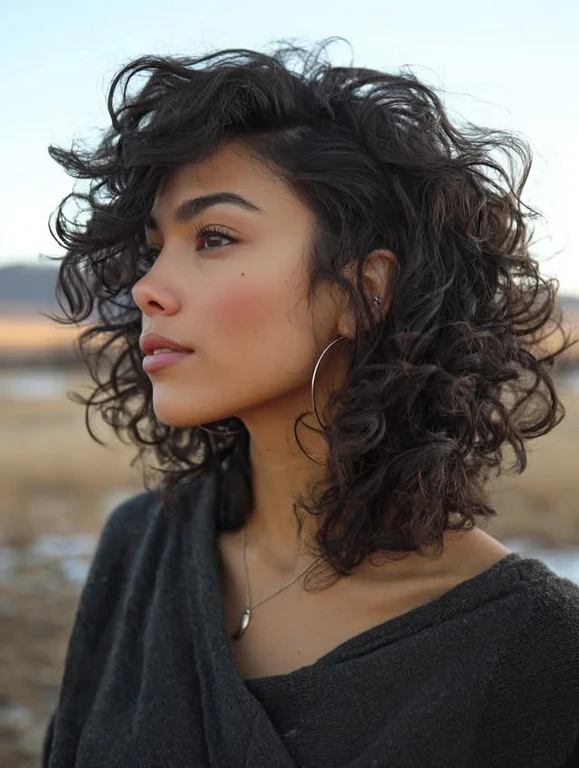

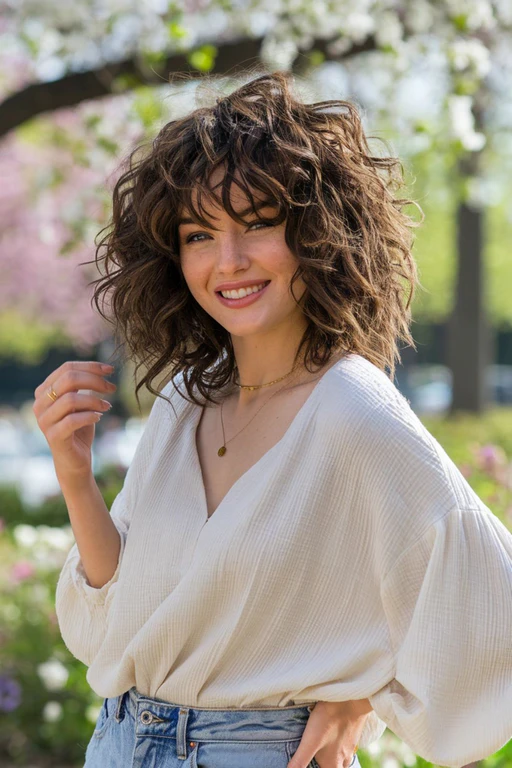
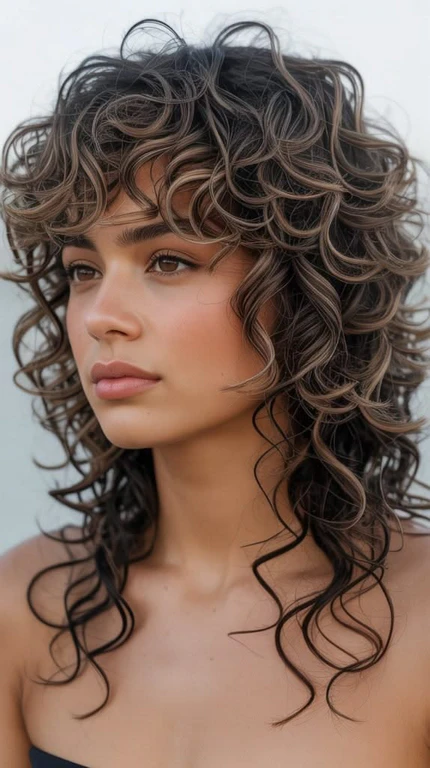
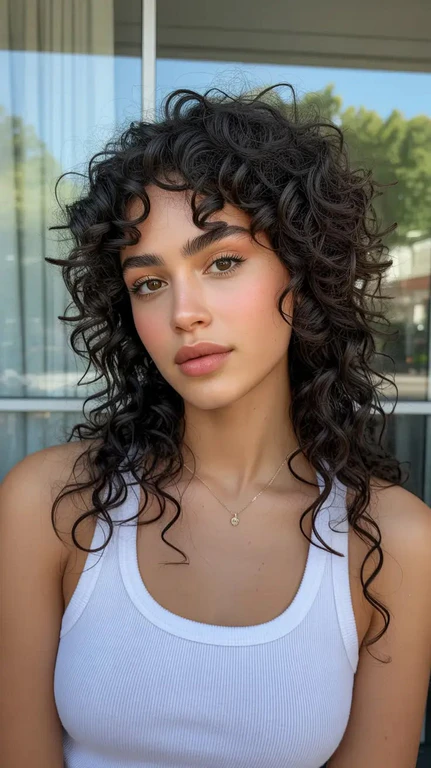
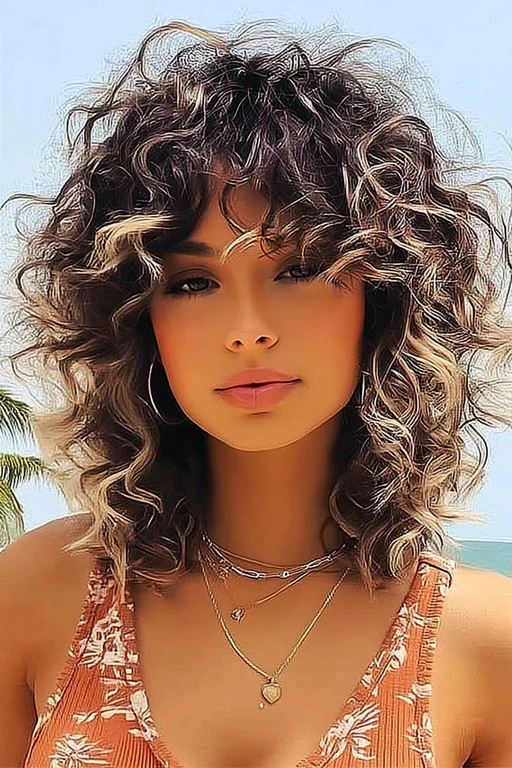
Curly hair deserves a haircut that really works with it. For years, many curly-haired people struggled to find styles that embraced their natural pattern. Fortunately, that has changed. Stylists today are designing cuts specifically for curls, waves, and coils. This has led to more people looking for curly haircut models that embrace texture rather than fight it.
In this guide, we’ll look at the best curly haircut models for 2026. There are options for every curl type, face shape, and daily routine. Whether you like low maintenance or high definition, there’s a style here for you.
Why Curly Hair Needs a Different Cutting Technique
Straight hair techniques rarely tame curls. Curls shrink when dry and hang differently than straight hair. Therefore, a universal approach often gives disappointing results. A regular cut can actually diminish the volume and character of curls rather than enhance them.
Without the proper attention to curl behavior, the result is often a shapeless triangle or a flat, lifeless look. Neither of those options shows how beautiful natural texture can be. So before you book your next appointment, it helps to understand why curl-specific cutting is important.
How Curl-Specific Techniques Made All the Difference
Techniques that involve cutting curls in their natural state, such as dry cutting, let stylists see how each individual curl is behaving before cutting any length. This means fewer surprises and better shape retention after the appointment. As a result, more salons now offer dedicated curl-specific services, and many stylists have taken additional certifications to better serve textured clients.
In particular, dry cutting has changed the industry. Because the curl is in its natural state during the cut, the stylist is working with actual curl clumps instead of guessing how the hair will fall. As a result, the final shape looks intentional, not accidental.
Another technique to know about is the DevaCut, which is a curl-by-curl technique where each strand is cut individually. Because it follows the individual pattern of each curl, it creates a very personalized shape. It works especially well on tight, springy coils that tend to misbehave when wet.
Know Your Curl Pattern Before You Book
Knowing your curl pattern is the first step to a successful result. Then you can choose the best models of curly haircuts for your texture. Otherwise, even a good stylist may have a hard time predicting how your hair will fall.
Wavy hair is part of the loose-wave family and tends to thrive with long cuts and defined layers. If your curly hair has a defined S-shape, bobs, shags, and layered long styles work well. Tapered cuts, defined pixies, and shape-forward layering, in contrast, look stunning on coily or kinky hair. Knowing where your hair falls on that spectrum gives you and your stylist a better place to start.
Best Curly Haircuts and Styles to Try Today
Here are the most popular hairstyles for curly and wavy hair in 2026. There isn’t one right answer, because each choice works for a different lifestyle and hair type. Think instead about what works for your lifestyle, your texture, and your style.
The Curly Bob
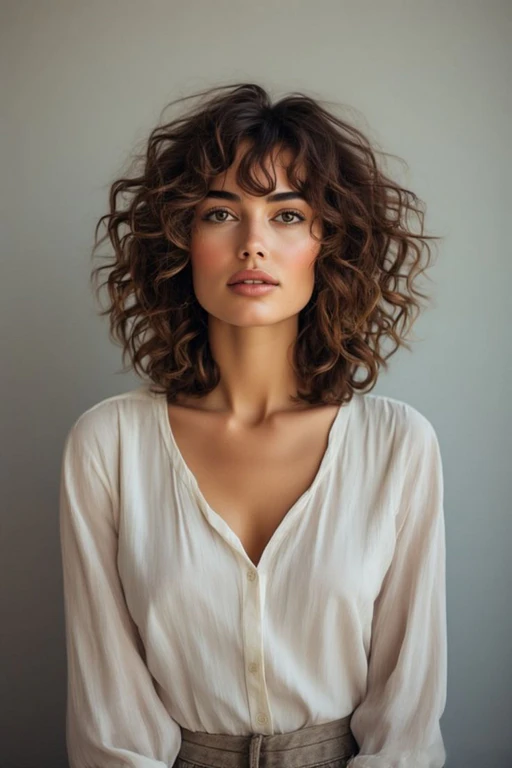
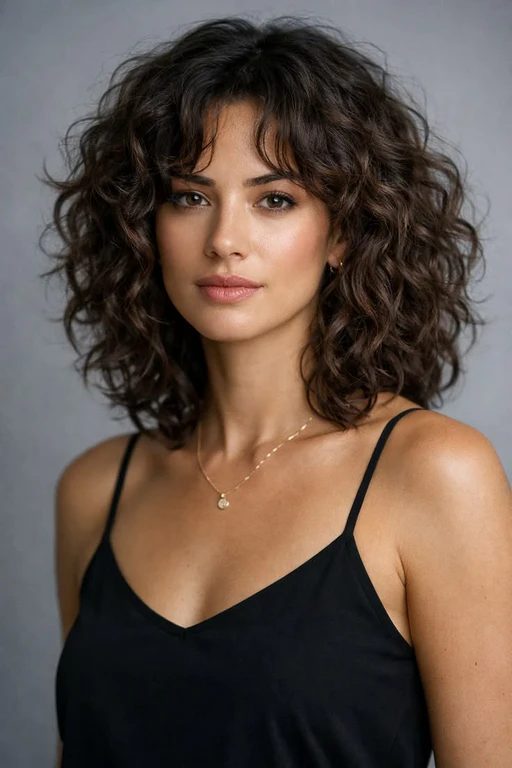
The curly bob is one of the most requested styles of curly haircuts this year. The curly bob is short, springy, and easy to manage. It sits right above or at the shoulders, keeping curls bouncy and full of natural movement. It also works great on both thick and fine curl types.
Many love this cut because of its simplicity. Sometimes you just need a little morning refresh to look put together. This is why this style is so popular with busy professionals and parents. The trick is how the stylist removes the weight of the underlayer so the top curls can bounce freely and not look boxy.
Curly Shag Layers
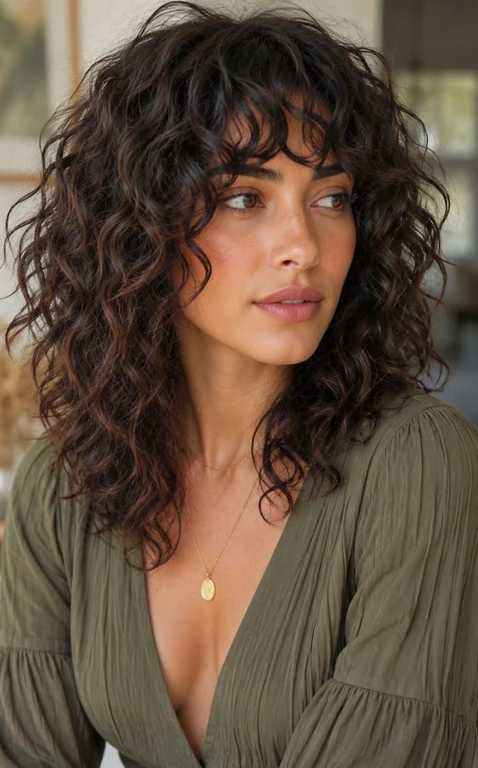
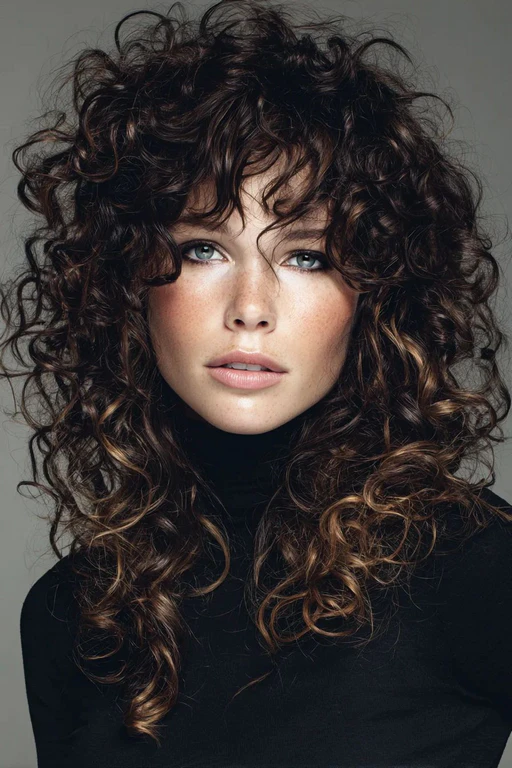
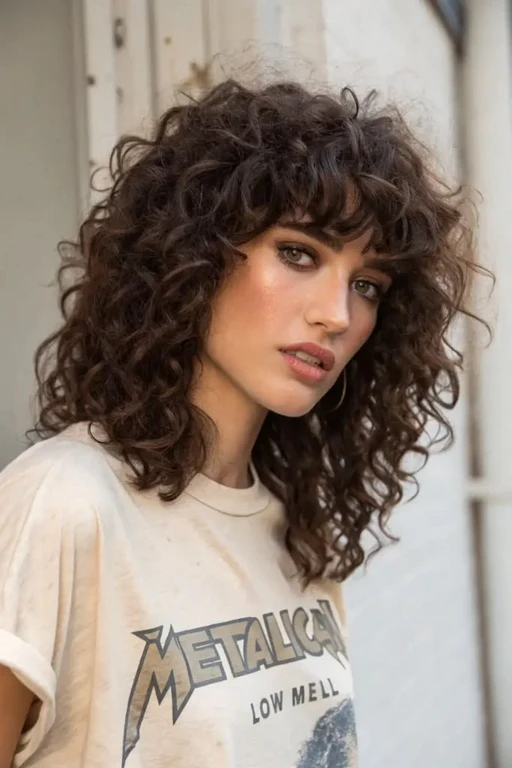
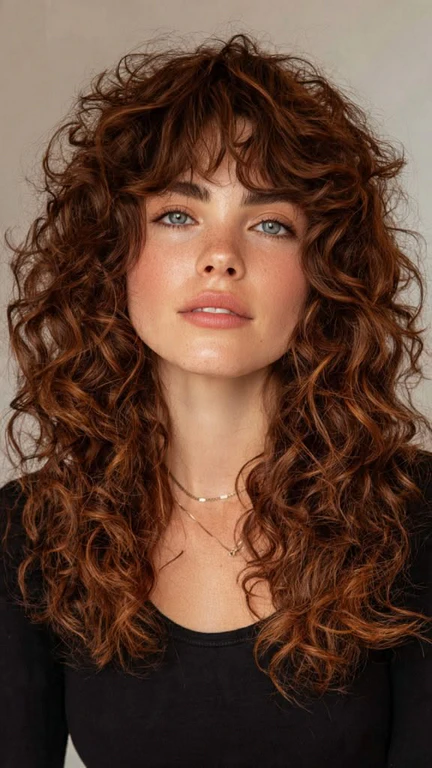
The shag puts texture and volume front and center in a look that feels effortless and modern. Layers are cut throughout the crown and ends to separate the curls. So this cut avoids the heavy triangle silhouette that so many curly styles suffer from.
This option is best for medium to long hair. It also looks fabulous with curtain bangs for extra face-framing detail. Plus, the shag is excellent for all types of curl, as the layering can be tailored to the density and coil pattern of each person’s hair.
The Curly Pixie
If you want a bold change, the curly pixie is a striking option. Shorter cuts can frame your face and highlight your facial features in a way that longer cuts rarely do. And this style requires minimal product and even less time to style, making it a practical choice for everyday life.
But this style does require precision. Not every stylist has experience working with tight curl patterns at short lengths. So, be sure to research your stylist’s portfolio carefully before booking. Look for clients who have a similar curl type and density, as their examples will best show what to expect.
Long, Layered Curls
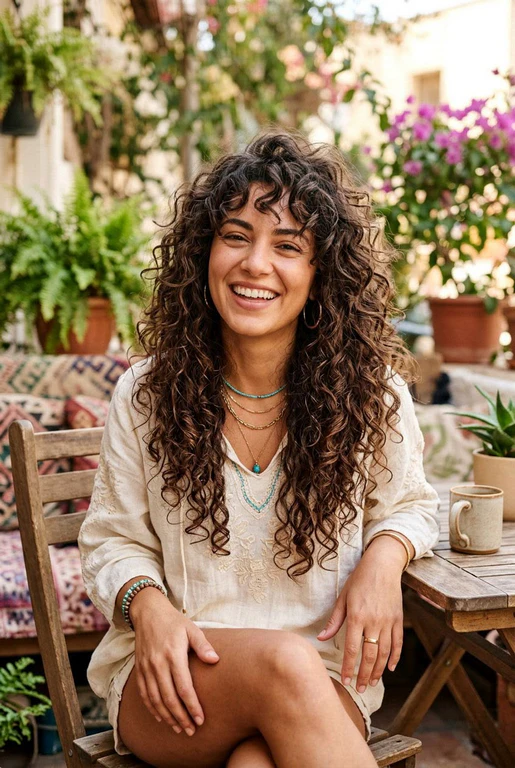
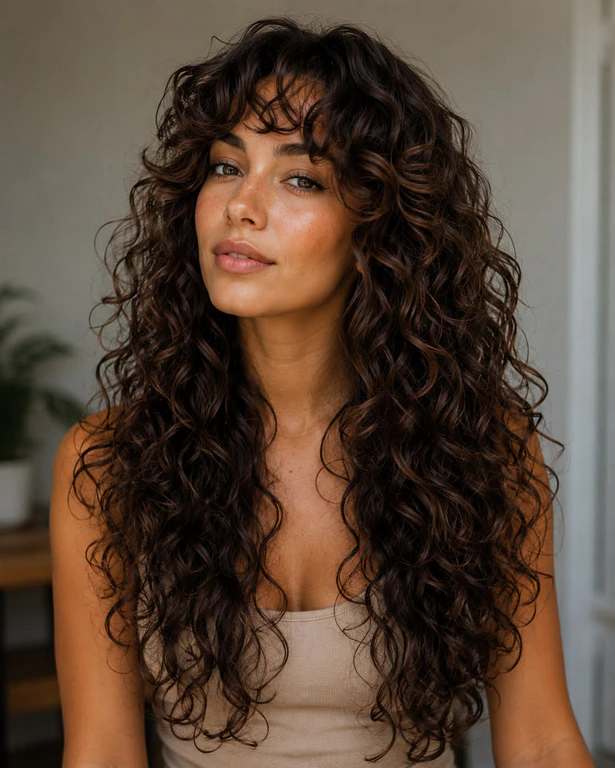
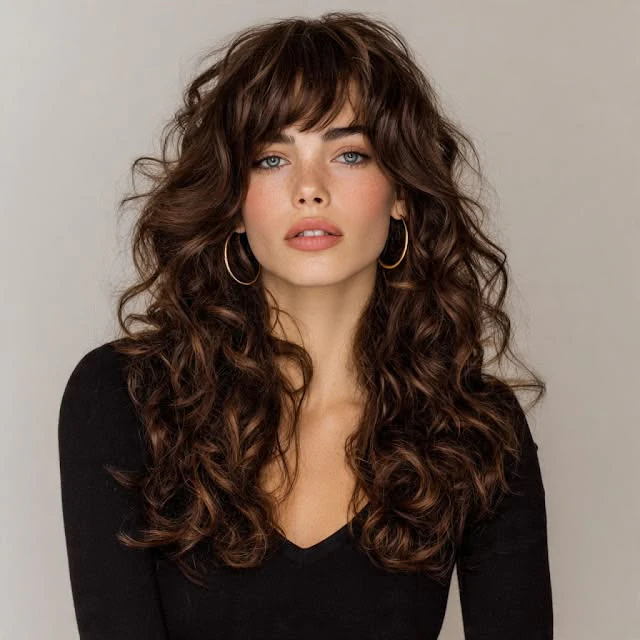
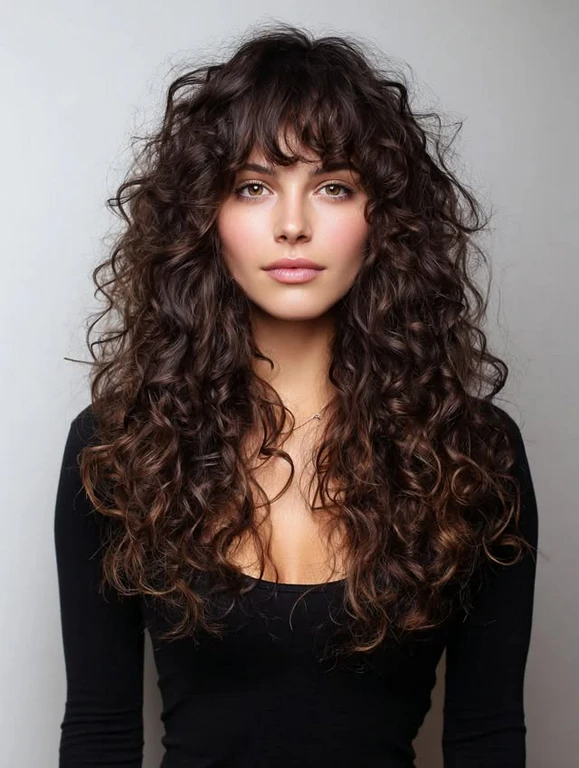
Long curly hair doesn’t mean heavy or shapeless. Strategic layering, in contrast, cuts away bulk but keeps length. Meanwhile, the curls are defined from root to tip, giving the overall look a polished, intentional quality.
This cut is very versatile, and it looks excellent on most faces. You can wear it curly, straighten it for a different look, or pull it back into a half-up style for added variety. Long layered curls also photograph well, which is one of the reasons this style is so consistently popular on social media.
Curly Fringe Cut
Bangs and curls may appear challenging to combine, but there is a reason why curly bangs are currently in vogue. Most curl-savvy stylists now prefer curved, face-framing pieces that fall naturally around the forehead instead of a blunt fringe.
This technique gets rid of that poofy, unpredictable look straight-cut bangs can have on textured hair. Rather, the curls fall naturally around the face to create a soft frame that feels intentional. This style is ideal for those with defined spring curls who are looking to add personality to their look without going for a full-length change.
How to Choose the Perfect Curly Haircut Model for Your Face Shape
The shape of the face plays a major role in how a cut looks once styled. Fortunately, curls are generally more forgiving than straight styles because their natural movement helps balance out most face shapes.
Haircuts That Fit Your Face Shape
Adding height and length usually benefits round faces. Long layers elongate the overall silhouette. Soft, rounded layers work well to soften strong jawlines for square faces. Oval faces, however, can rock just about every model of curly haircut, from short pixies to long layered styles.
Heart-shaped faces usually look better with volume at the chin, not at the crown. For instance, a curly bob or a shag with curtain bangs directs the eye downward and creates a more balanced look. Meanwhile, diamond faces suit cuts with width at the jaw and softness at the forehead.
Bring reference photos to your consultation before you commit to a style. This will help your stylist understand your vision and recommend changes that are suitable for your unique texture and face shape. Plus it gives you both a common frame of reference, so you don’t have to guess.
Hair Type and Cut Compatibility
Not all curls are the same, and cut compatibility is largely determined by your specific pattern. Longer layered cuts usually suit wavy hair to enhance natural movement without adding too much volume. Bobs, shags, and layered long styles are great for S-shaped curls because the cuts help with definition while not squashing the curl.
Tightly coiled or kinky hair is perfect for tapered cuts, defined pixies, and shape-forward layering that works with, rather than against, the natural curl formation. Knowing your hair category can help you communicate effectively with your stylist and set realistic expectations before you get in the chair.
For a full breakdown of cutting techniques by texture, see our related article on curl-specific cutting methods and what to ask your stylist.
Maintenance Tips for Curly Haircut Models
Having a wonderful cut is only half the battle. Good maintenance will keep your style looking fresh between visits to the salon and keep your curls healthy enough to hold shape.
Start with the Right Products
Curly hair must be kept consistently moisturized to define it. Sulfate-free cleansers and rich conditioners help maintain curl patterns and shine. Just steer clear of heavy silicones, which can build up over time and weigh curls down significantly.
Leave-in conditioners and curl creams lock moisture into soaking-wet hair before it has a chance to evaporate during the drying process. Furthermore, when the hair begins to dry, a light gel or mousse can help set the curl pattern in place, cutting down on frizz and adding definition.
Regular Trims for Shape
Curls can hide damage well, but split ends do affect shape down the line. So trim every eight to twelve weeks to keep your cut looking deliberate and not overgrown. Regular trims also encourage healthy growth, as split ends can move up the shaft if they aren’t taken care of in a timely manner.
Nighttime Hair Care Tips for Curly Hair
A silk or satin pillowcase cuts down on friction when you sleep. This simple change reduces frizz and preserves curl definition overnight with no need for extra product. Or, a loose pineapple ponytail right at the top of the head prevents curl clumps from getting squished overnight.
Diffuse Your Hair Dry
Diffusing on low heat helps define natural curl clumps and reduce frizz compared to air-drying alone. Begin by placing the diffuser close to the roots for added volume, and then cup the ends to define them. Furthermore, don’t touch your curls until they are completely dry, as any contact while they are still damp greatly increases frizz.
How to Choose the Best Stylist for Curly Hair Cuts
Some salons lack expertise with textured hair. So finding a stylist who knows curls is as important as choosing the right cut. A talented stylist with little experience in curls often applies straight-hair logic to textured clients, which rarely produces the results they’re looking for.
How to Choose a Stylist
Look for salons that advertise curl certifications, dry-cutting techniques, or dedicated curly hair services. Another useful insight into a stylist’s real experience level is to read reviews from other curly-haired clients. Plus, it’s perfectly fine to ask for a portfolio before booking, and a confident stylist will be happy to answer the question.
Look for curl certifications from places like the DevaCurl Academy or the Ouidad Academy to see if a stylist has taken the time to learn texture-specific techniques. Certification doesn’t guarantee you a perfect cut, but it does show a commitment that sets those stylists apart from generalists.
Learn more by reading our full guide on How to Choose a Salon for Texture-Specific Services. You’ll find practical questions to ask during a consultation and red flags to look for before committing.
Tools You Should Splurge On for Styling
In addition to a stylish cut, the right tools can significantly impact the daily behavior of your curls. Use a wide-tooth comb to detangle wet, conditioned hair without disrupting the curl pattern. Use a microfiber towel or a soft cotton T-shirt to absorb the excess water without the abrasive action of a rough terrycloth towel.
A high-quality diffuser attachment for your blow dryer is also one of the most practical purchases a curly-haired person can make. Not all diffusers are created equal, so look for one with fingers long enough to get to the roots without squashing the overall volume. With the right tools and the right technique, your curly haircut will look professionally maintained every single day.
Putting It All Together
Curly hair is about versatility, expression, and character. But the right cut will enhance those qualities, rather than obscure them. Today’s curly haircut styles range from bobs to shags to pixies offering a truly diverse range of options for every texture, face shape, and lifestyle.
The best option depends on your curl pattern, how much time you want to spend on daily styling, and what shape feels most like you. During your consultation, take time to discuss your goals openly. Share photos, be honest about your routine, and ask your stylist questions about the techniques they plan to use.
Your natural texture can look its best with the right stylist and cut. For more inspiration, refer to our related article about layered haircut models that move easily. Or check trending haircut models by face shape to keep building your personalized hair plan.