

80s Hairstyles: The Iconic Styles That Defined A Decade
The 1980s brought the world more than fluorescent leg warmers and synth-pop. Above all, that decade gave us a hair revolution. Bold, theatrical, and intentionally unapologetic, 80s hairstyles mirrored a generation that refused to be invisible. Whether you lived through the era or discovered it through cinema and music, those legendary looks still influence today’s trends in surprisingly powerful ways.
Today, stylists and fashion editors draw inspiration directly from the 1980s. So if you’re wondering why certain cuts and textures keep popping up on runways and magazine spreads, the explanation often starts with this remarkable decade.
Why 80s Hair Was So Different
Before diving into individual trends, we should examine what drove 80s hairstyles to such extremes. Personal expression defined the decade, serving as a form of rebellion. MTV brought music videos into living rooms, and immediately, rock singers and pop legends became the most influential hair models the world had ever seen.
At the same time, product innovation soared. Mousse, gel, and aerosol hairspray became bathroom staples. Suddenly, individuals could achieve the kind of structural volume that previously required a team of professionals. Height and texture became the visual language of the period. Hair wasn’t simply dressed anymore—people built it.
Social movements also played a role. As women entered the workforce in greater numbers, they embraced power dressing as a visual statement, and big hair formed a core part of that image. Confidence spoke loudly. Boldness signaled ambition. Every strand carried a message.
The Perm: Volume as an Art
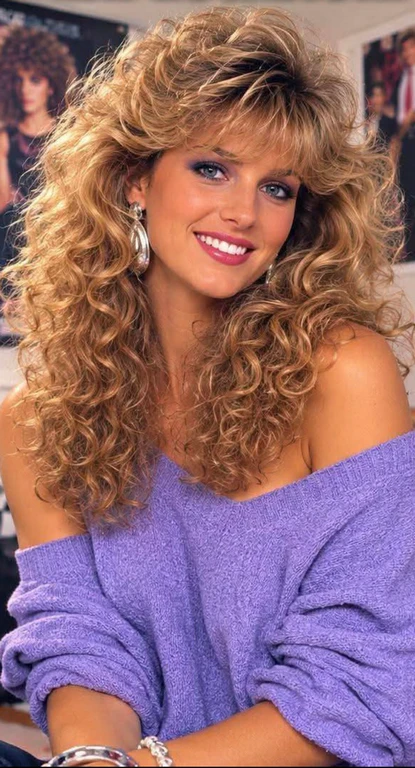
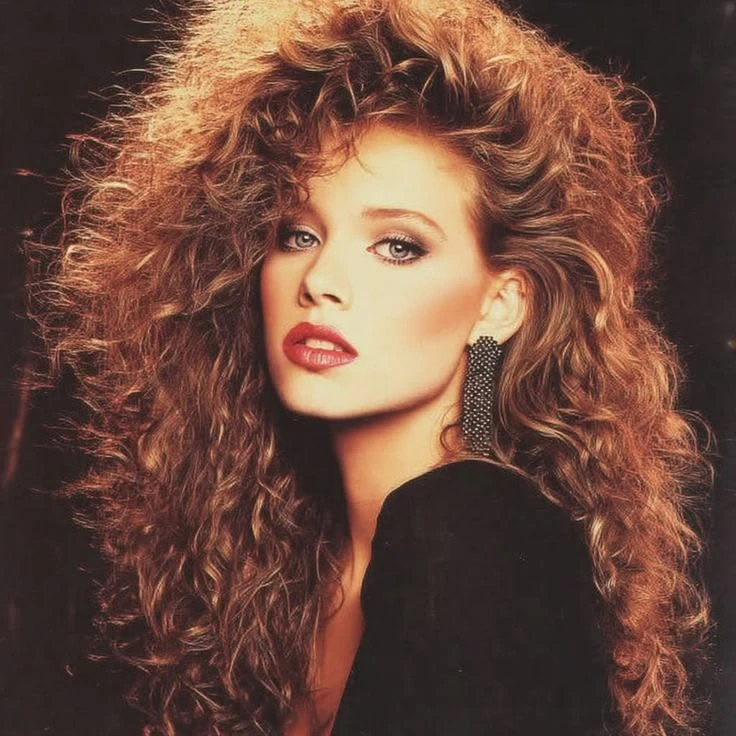
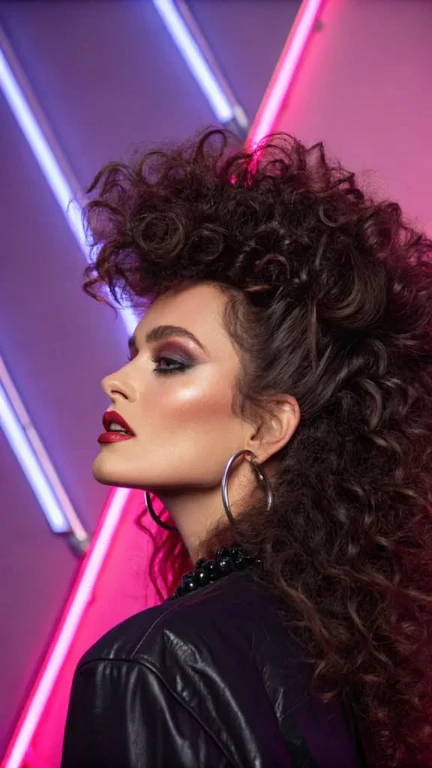
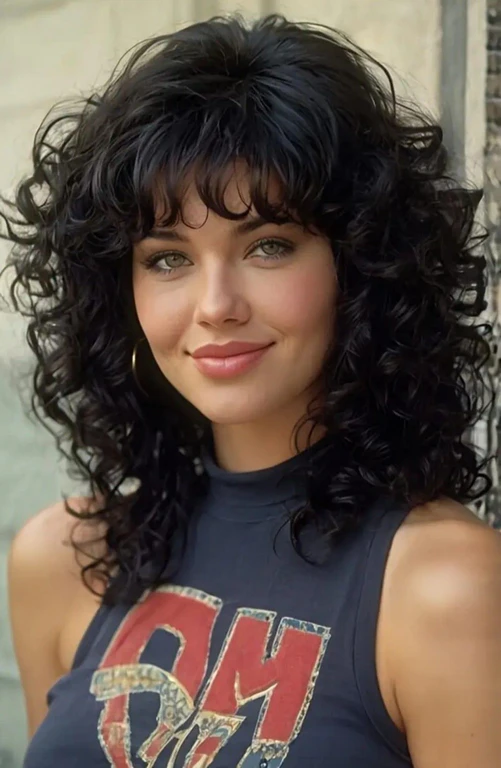
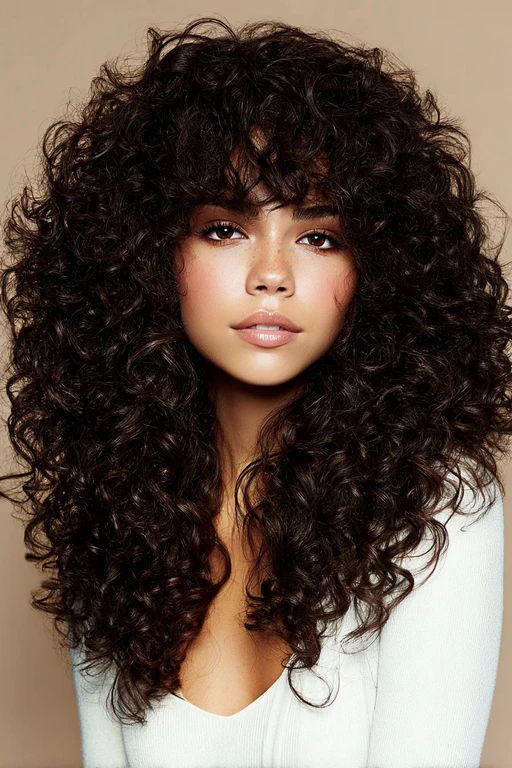
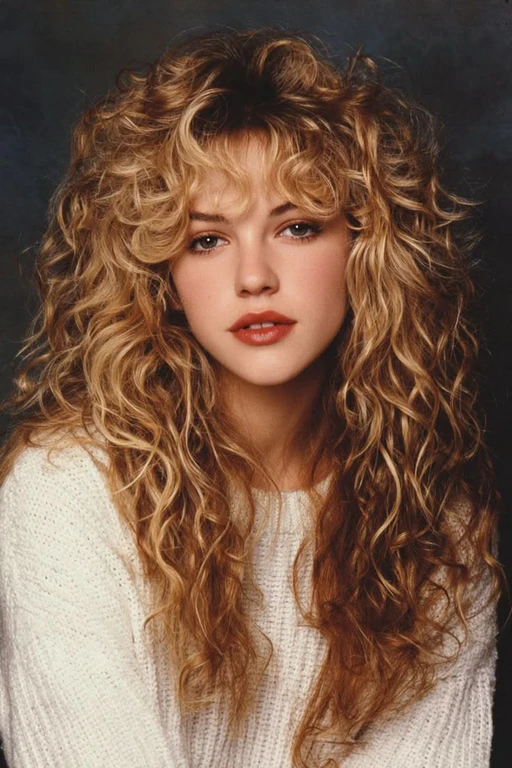
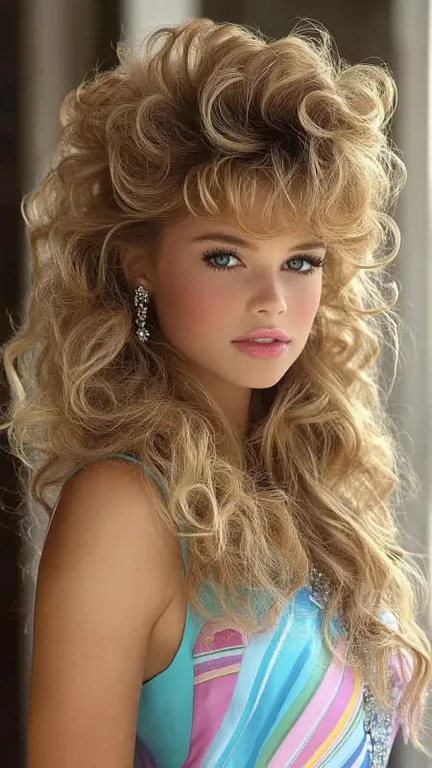
No conversation about 80s hairstyles is complete without mentioning the perm. This chemical treatment turned straight or flat hair into cascading waves and ringlets, quickly becoming one of the most requested salon services of the decade. From soft romantic curls to tight corkscrews, perms offered a permanent answer to the era’s fascination with texture.
Big, voluminous curls prompted millions to follow in the footsteps of celebrities like Cher and Diana Ross. But perms weren’t just for long hair. Short perms gave women with cropped cuts bounce and vigor. Men also experimented with permed styles that broke established gender conventions in hair.
Maintaining a perm required special shampoos and deep conditioning treatments. Yet the results were so spectacular that millions considered the upkeep well worth it. Today, modern perms have staged a strong comeback, though stylists generally make them softer and more controlled than their 1980s counterparts.
Big Hair and the Science of Backcombing
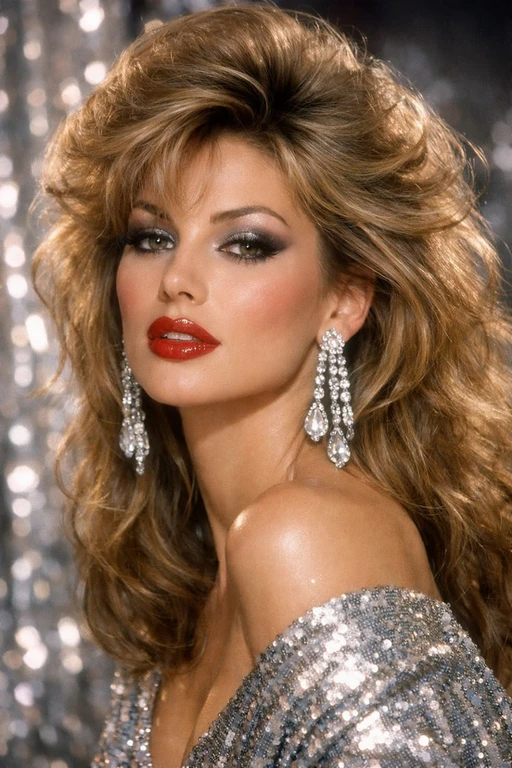
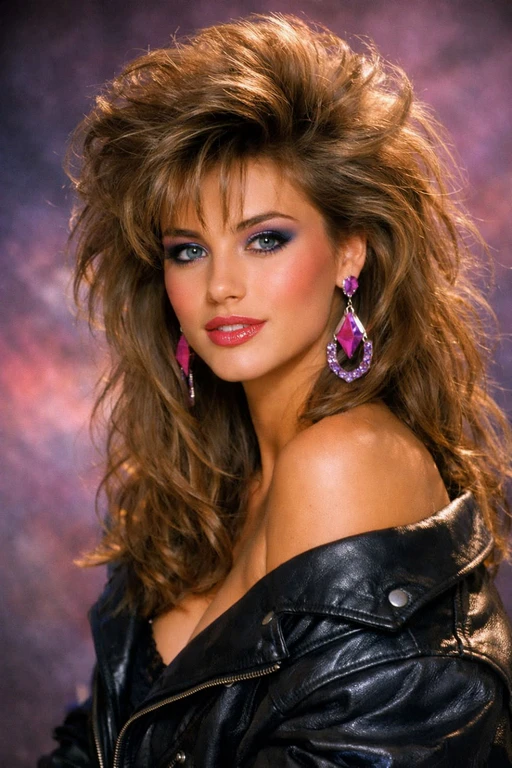
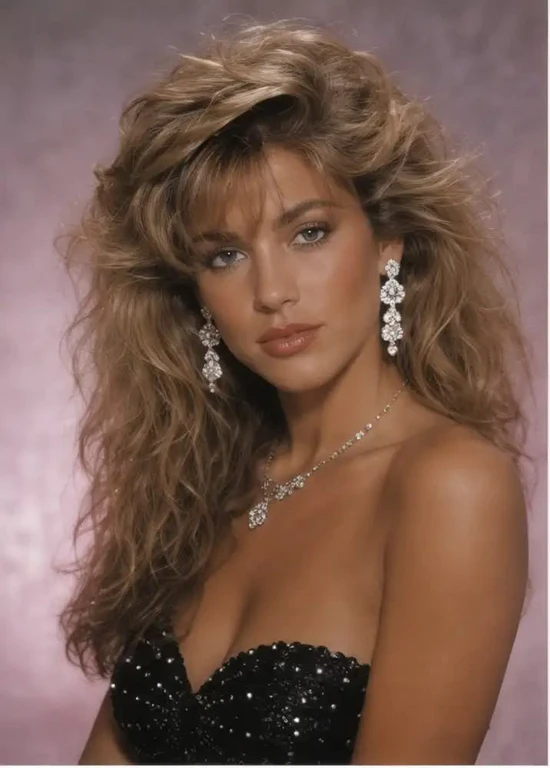
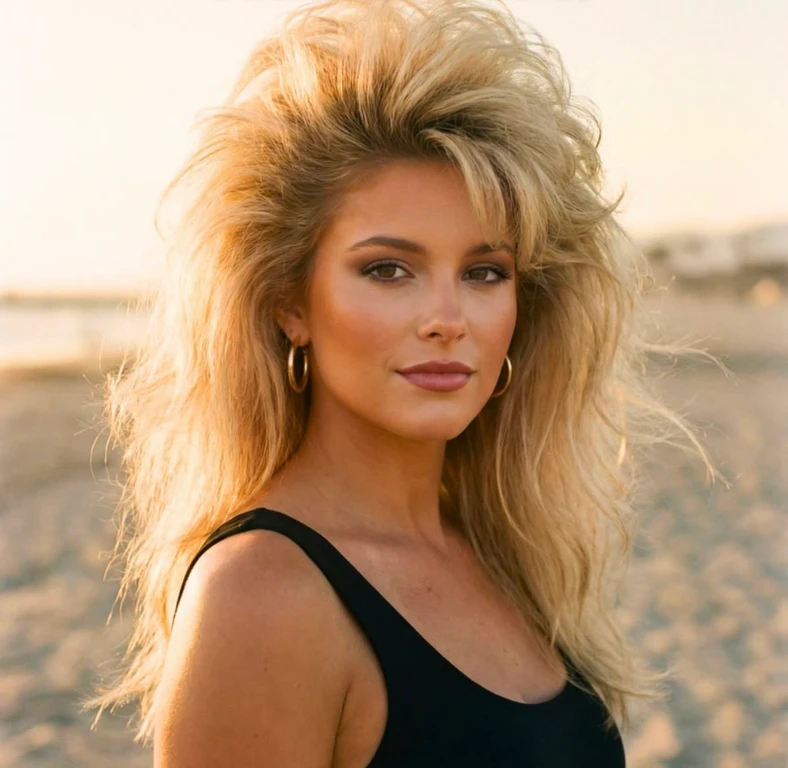
While perms added texture, teasing added height—and in the 80s, elevation was everything. This technique involved backcombing sections of hair from root to mid-shaft, creating a base of tangled volume that stylists could then sculpt and lock in place with hairspray. The result was hair that appeared to defy gravity altogether.
Big hair became the signature of the decade’s rock and metal scene. Bands like Bon Jovi, Mötley Crüe, and Poison built entire visual identities around the concept of high volume. But the trend extended far beyond heavy metal. Soap opera characters sported perfectly teased hair. Pop artists performed in enormous styles. Office workers arrived at boardroom meetings with deliberately designed crown height.
The secret to truly great big hair was layering. Without layers, the weight of the hair would simply flatten the volume. Stylists therefore worked with heavily layered cuts, allowing sections to lift freely. Combined with teasing and strong-hold products, the effect could last an entire day.
The Mullet: Business in Front, Party in the Back
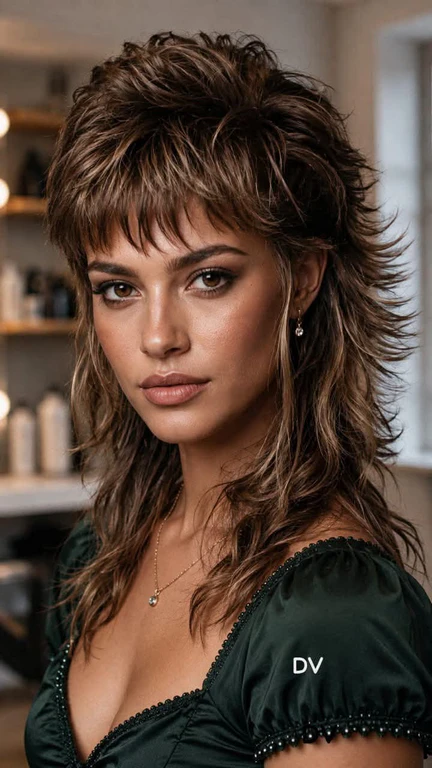
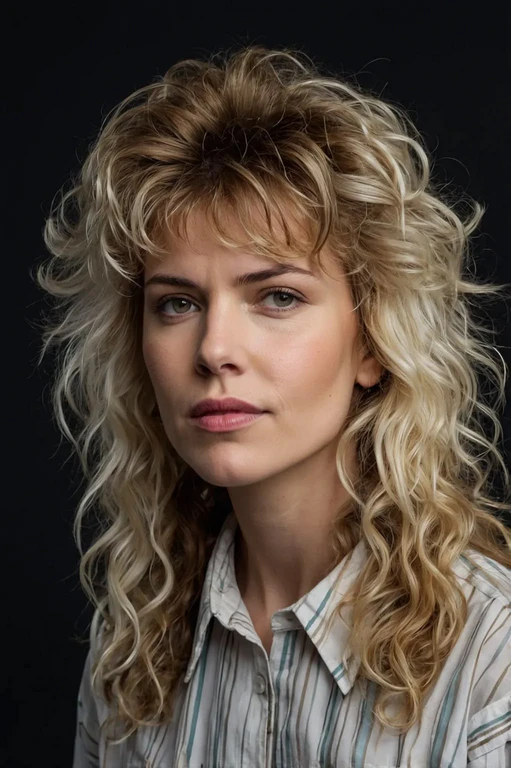
Few haircuts carry as much cultural significance as the mullet. Short on the front and sides but substantially longer in the back, it became one of the most identifiable 80s hairstyles across every demographic. Athletes wore it. Country musicians adopted it. Action-film stars made it look effortlessly cool.
The phrase “business in the front, party in the back” captured the mullet’s dual personality. At least in principle, practical logic drove the design. The shorter front kept hair away from the face during work or sports. The longer back also expressed a sense of freedom and individuality. Together, the contrasting lengths created a silhouette that felt both functional and expressive.
Today, the mullet is staging one of fashion’s most vivacious comebacks. Newer versions soften the difference between the front and back, often incorporating textured layers and looser growth patterns. At their core, though, these modern takes remain firmly rooted in 1980s architecture.
Crimped Hair: Texture Through Heat
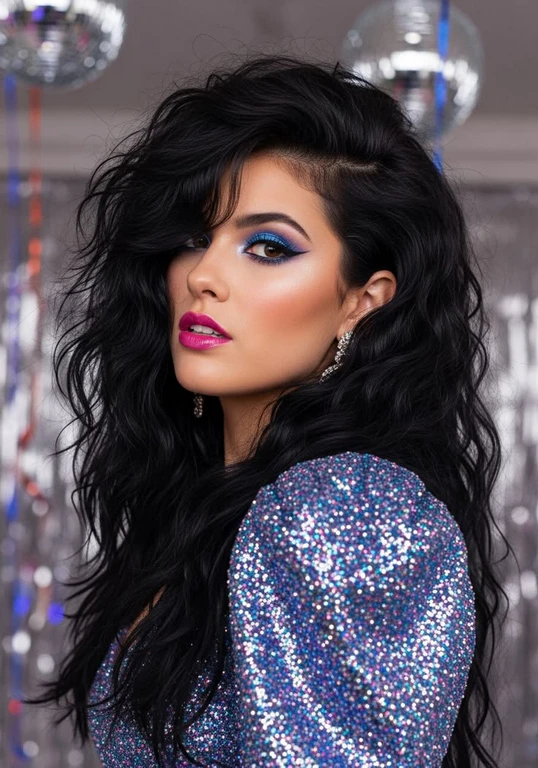
Crimping irons surged in popularity during the 1980s as another way to create dramatic texture without a chemical process. The tool pressed a unique zigzag pattern along the hair shaft, producing a wavy or crinkled texture that caught light brilliantly and added striking visual character.
People of all hair lengths and types wore crimped styles. Some chose to crimp only specific sections—the ends or an accent layer—while others went root to tip for maximum impact. Since the method required no chemical treatment, it served as a temporary alternative to perms and allowed for daily changes.
Today, crimping has returned to high-fashion runways and editorial photoshoots as a deliberate throwback. Modern stylists tend to favor a wider crimper, producing a softer and less uniform wave pattern that feels current rather than purely nostalgic.
Feathered Hair: When Softness Meets Structure
While much of the decade celebrated tremendous volume and sharp structure, feathered hair offered a gentler alternative that remained equally fashionable throughout the late 1970s and 1980s. The technique involved blow-drying sections away from the face and brushing them outward, so wings of hair swept gently to each side.
Farrah Fawcett’s iconic feathered look had enormous influence, motivating millions of women to recreate those face-framing layers. The feathery effect worked best on layered cuts, since each layer could lift and sweep outward for greater depth and movement.
Even today, feathered layers rank among the most requested salon services. Modern blow-dry tools and heat protectants deliver the same flattering face-framing results, but without the heavy product use that the original 1980s method demanded.
The Power Bob: Structure Meets Authority
Not everyone in the 1980s gravitated toward the most extreme looks. Many of the decade’s most enduring styles rested on crisp, structured cuts that communicated precision and authority. The power bob stood as a statement of professional confidence, and businesswomen and celebrities alike wore it proudly.
These bobs often featured blunt ends, sometimes curving under at the jaw, and stylists paired them with strong side or center partings. Root volume prevented the style from appearing flat, while the overall design remained controlled and intentional. The goal was a look that conveyed discipline without sacrificing personality.
The 1980s power bob helped establish the bob as a timeless cut rather than a strictly vintage style. Its influence shows clearly in the sleek bobs that continue to dominate modern fashion seasons. Explore how this silhouette has evolved in our guide to trendy bob hairstyles every woman will love this year.
Accessories to Complete the Look
Anyone recreating 80s hairstyles must understand that accessories were non-negotiable. Scrunchies, banana clips, wide headbands, and oversized hair bows weren’t optional finishing touches—they were structural elements. A high ponytail without a scrunchie simply wasn’t an authentic ’80s ponytail. A half-up style missing a ribbon bow lacked its punctuation mark.
Clips allowed women to construct intricate upsweeps without professional help. Oversized barrettes added a flash of color or metallic sheen to otherwise simple ensembles. Wide fabric headbands pulled hair back dramatically, often framing voluminous styles in a bold, graphic way.
Scrunchies in particular have made a massive comeback. Rather than reading as outdated, they now earn appreciation as practical and attractive accessories. For further inspiration, check out our accessories and hair styling guide to see how modern pieces complement current hairstyles.
How to Blend 80s Elements With a Modern Look
You don’t need a time machine or a wall of aerosol cans to revive 80s haircuts. The most successful contemporary interpretations borrow selectively from the decade’s distinctive elements rather than recreating them wholesale.
For volume lovers, a round brush and blow dryer deliver excellent root lift before finishing with a light-hold spray. This approach creates the lifting action without the stiff, product-heavy feel. Diffusers and curl creams help achieve that bouncy, permed texture while working with hair’s natural wave or curl pattern.
If the mullet or shag appeals to you, today’s versions work best with soft, blended layers rather than sharp contrasts in length. Ask your stylist for a wolf cut or a modern shag—both trace their roots directly to 1980s inspiration.
Crimping and feathering work especially well today as accent techniques, applied to specific sections rather than the whole head. A crimped underlayer beneath sleek top layers creates an intriguing texture contrast without overwhelming the overall look.
For even more retro-inspired cuts in a modern context, Byrdie’s extensive guide to retro hairstyles offers additional inspiration and professional guidance.
Why 80s Hairstyles Still Matter
Trends move in cycles, but the 1980s return with unusual consistency. Nostalgia explains part of that pull. Another part comes from the sheer creativity of the decade—technically ambitious styling that pushed boundaries in ways that still feel thrilling today.
More importantly, 80s hairstyles carried attitude. They were never meant to whisper. Every style demanded attention and rewarded courage. In an era where blending in often feels easier, the urge to stand out visually carries real appeal.
Whether you commit to a full revival or simply borrow one element, the hair legacy of that decade offers something enduring. Volume, texture, structure, and personality defined every style of that era. Those same qualities make hair memorable now—which is ultimately why 80s hairstyles remain one of the most searched and celebrated aesthetics in modern beauty.