
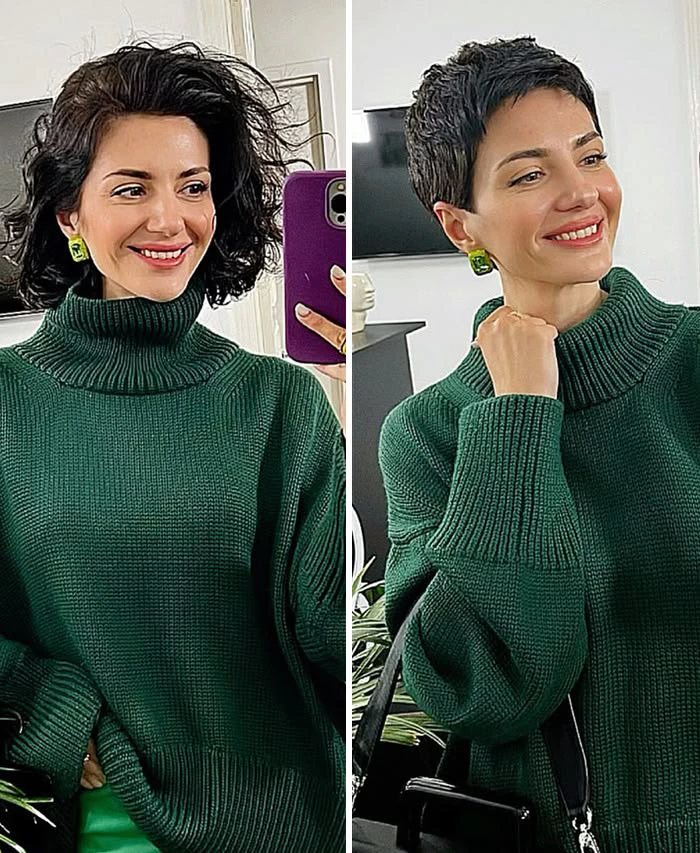
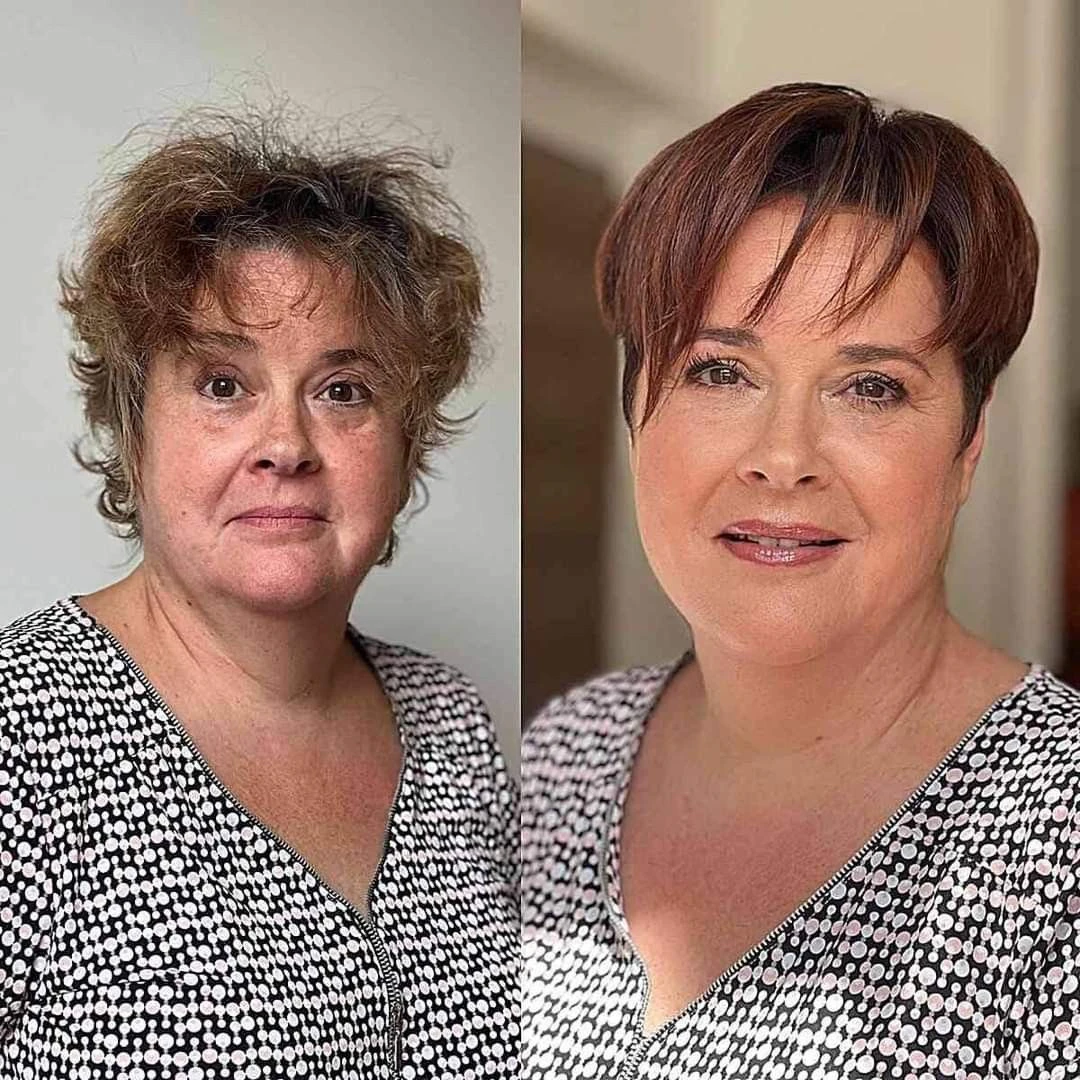
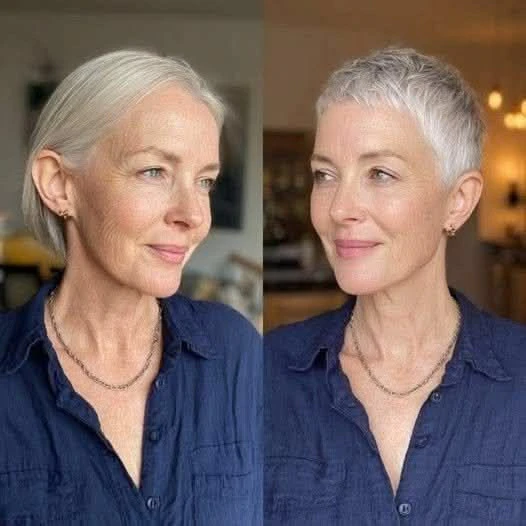
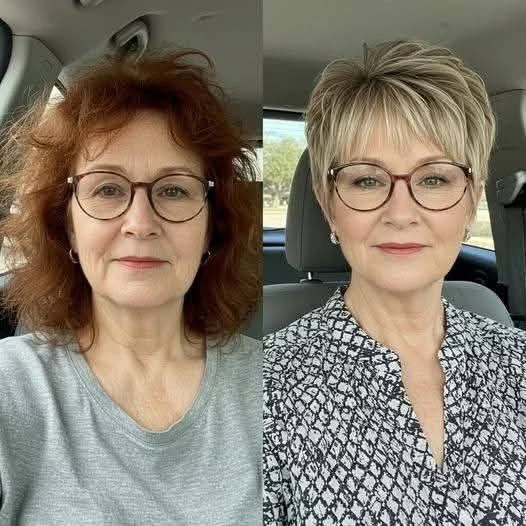
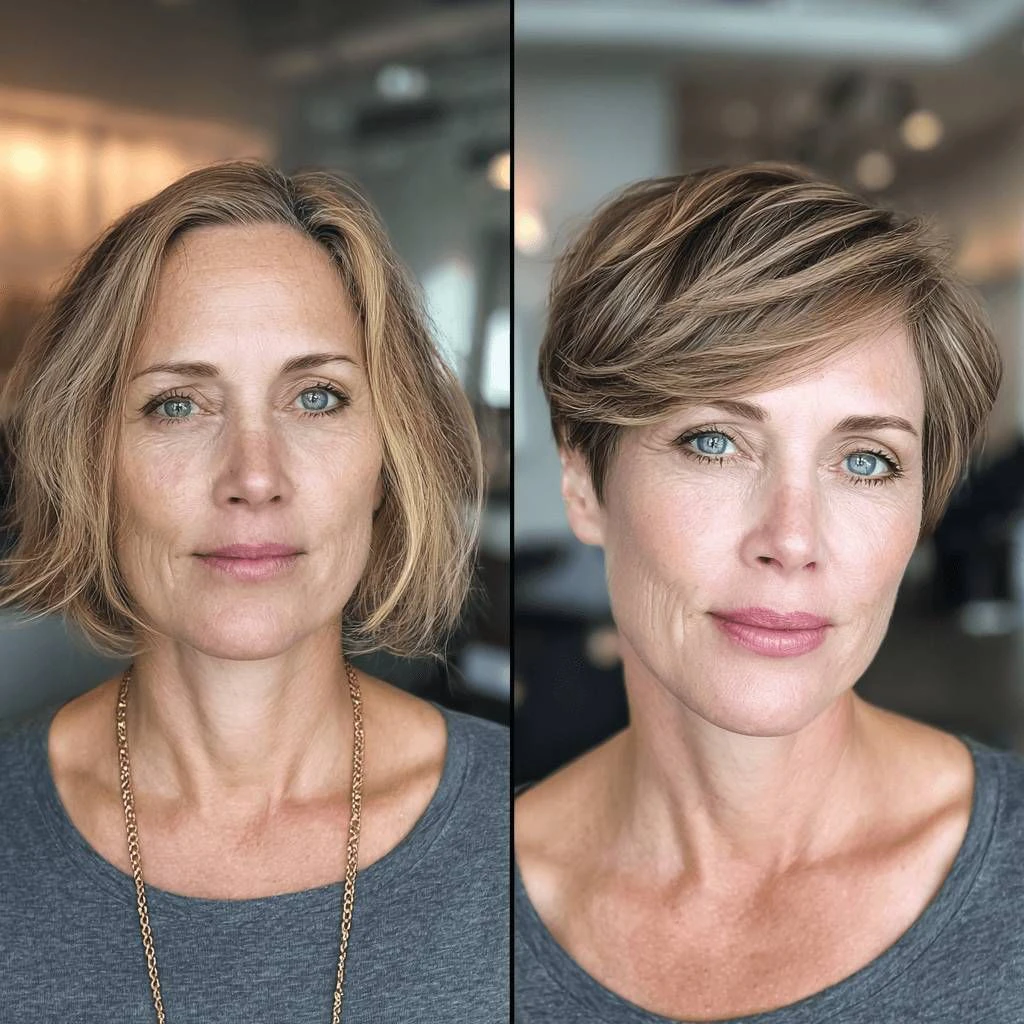
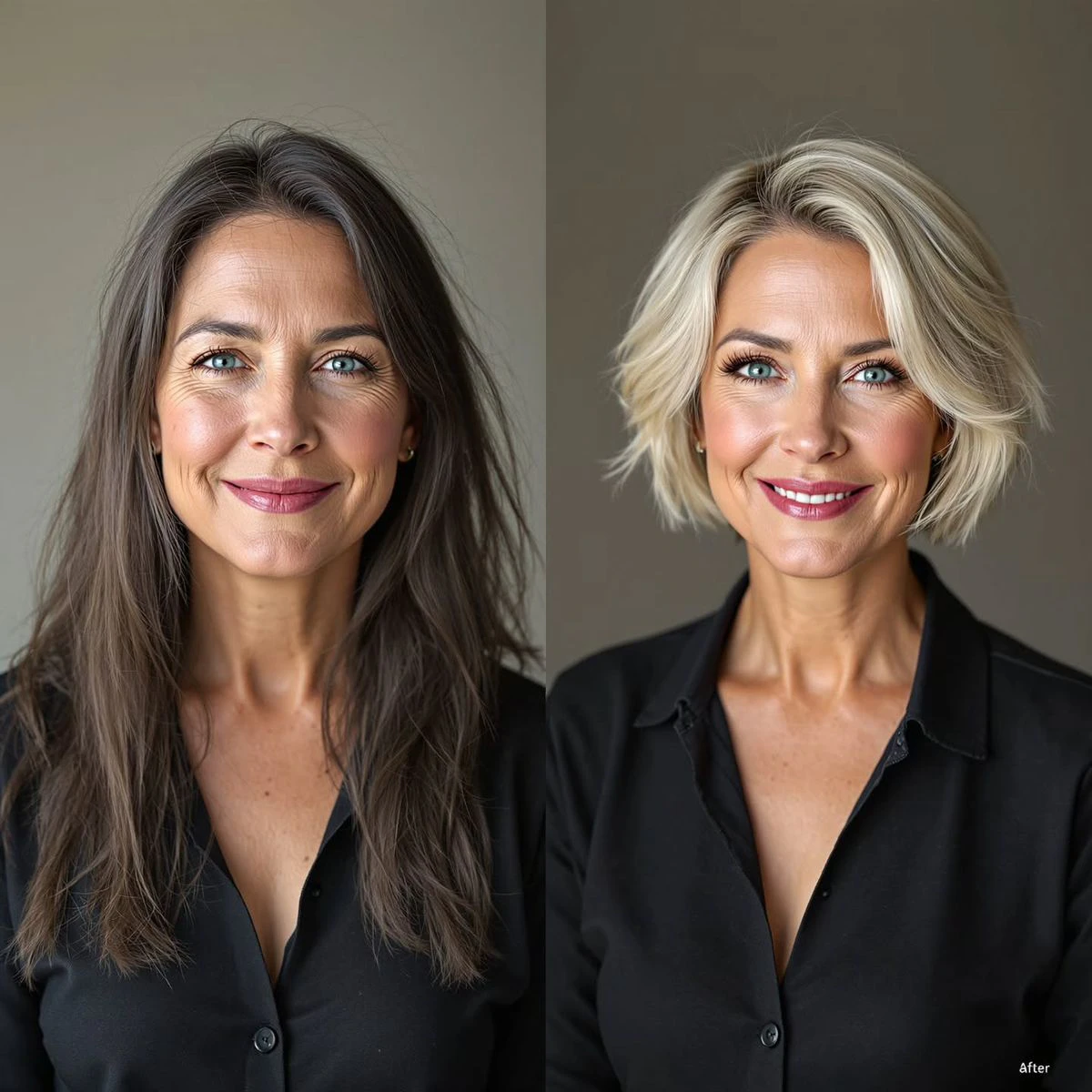
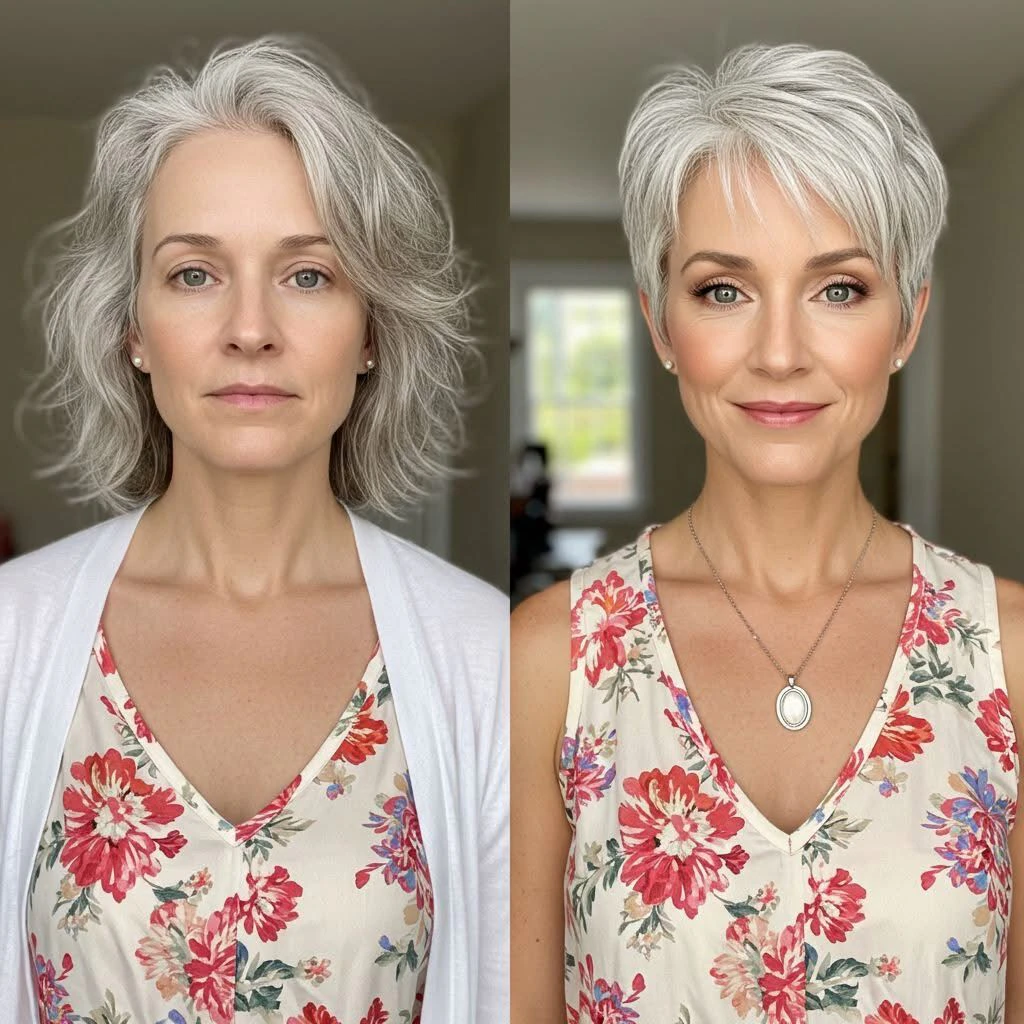
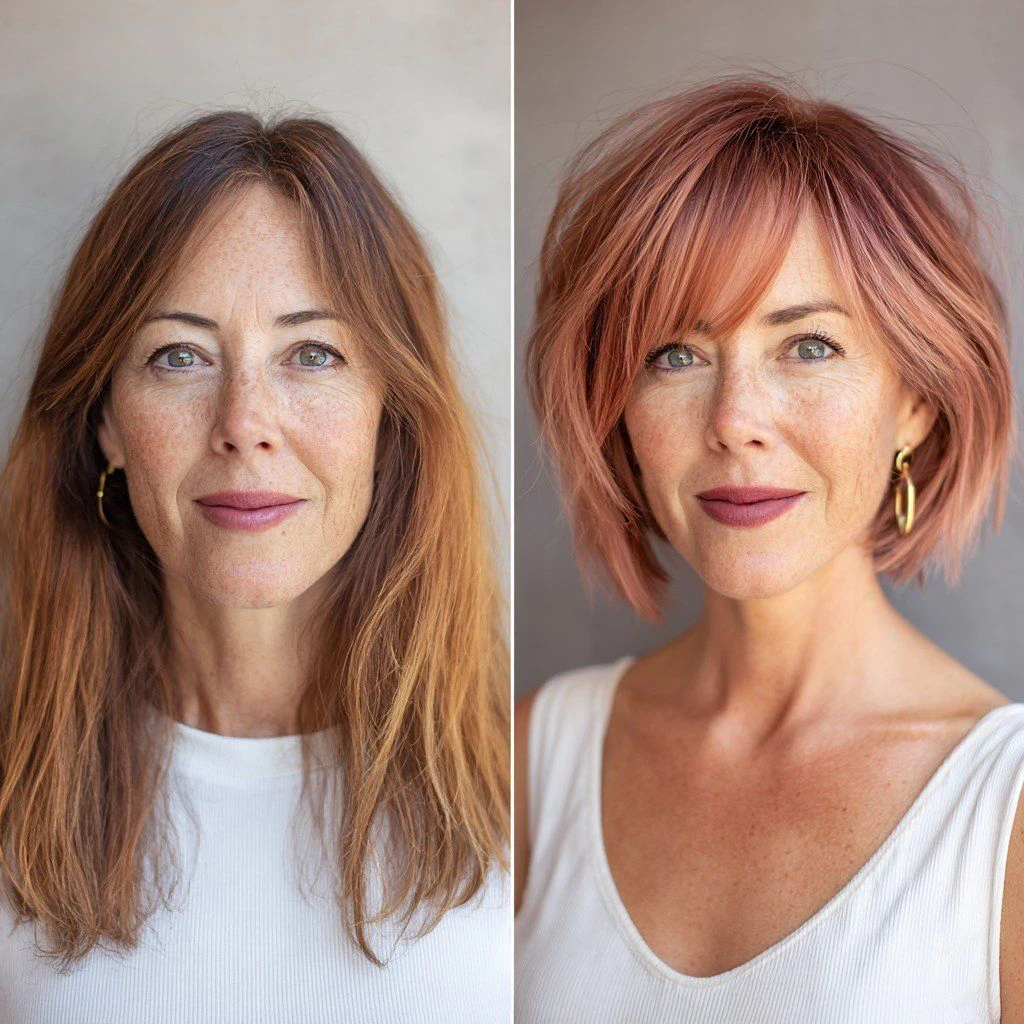
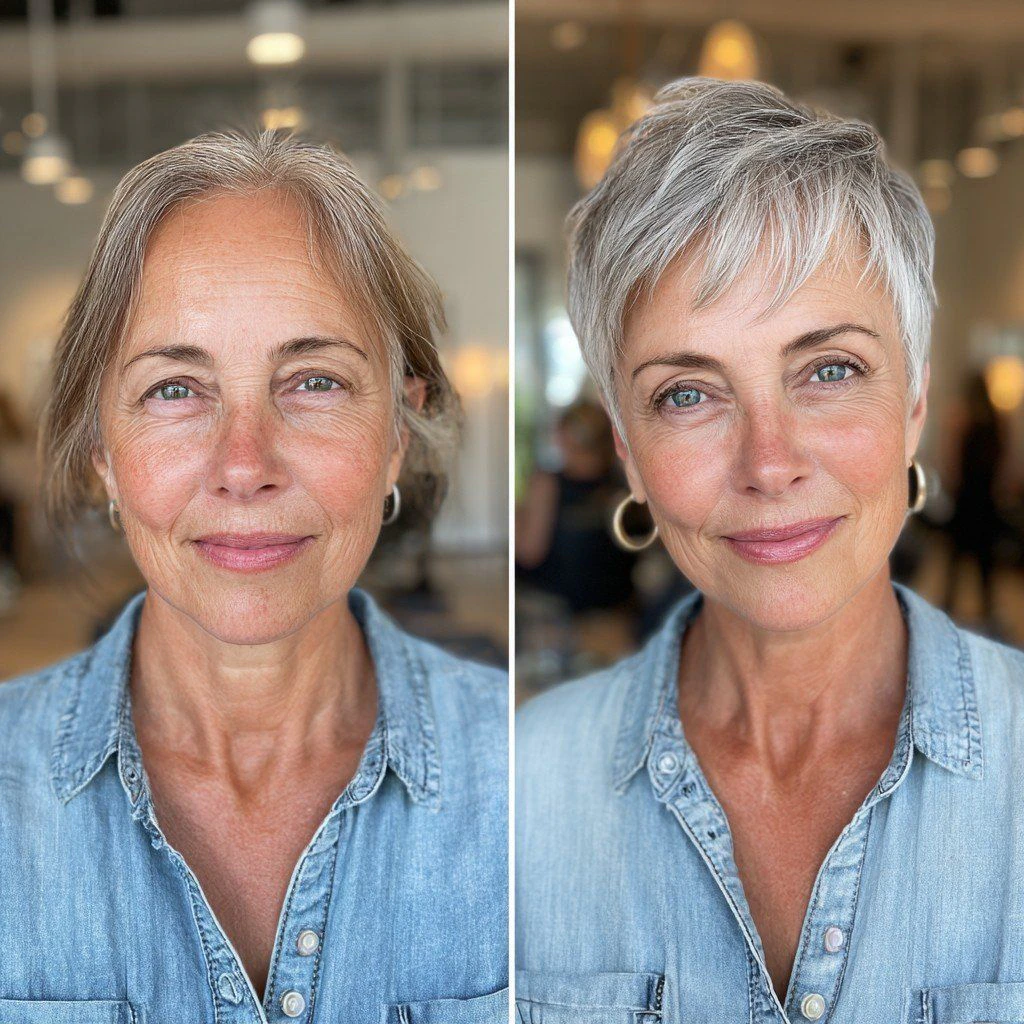
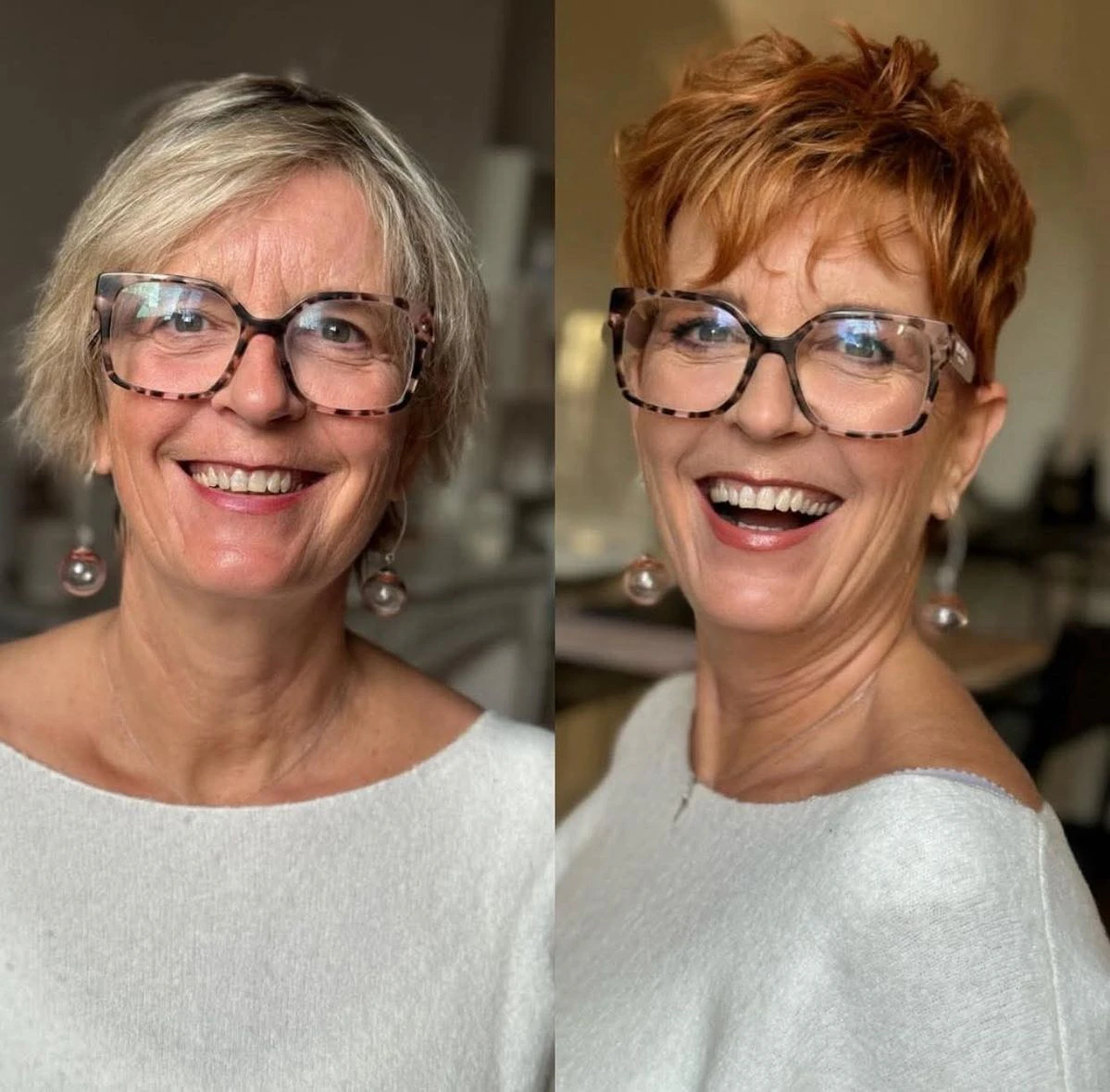
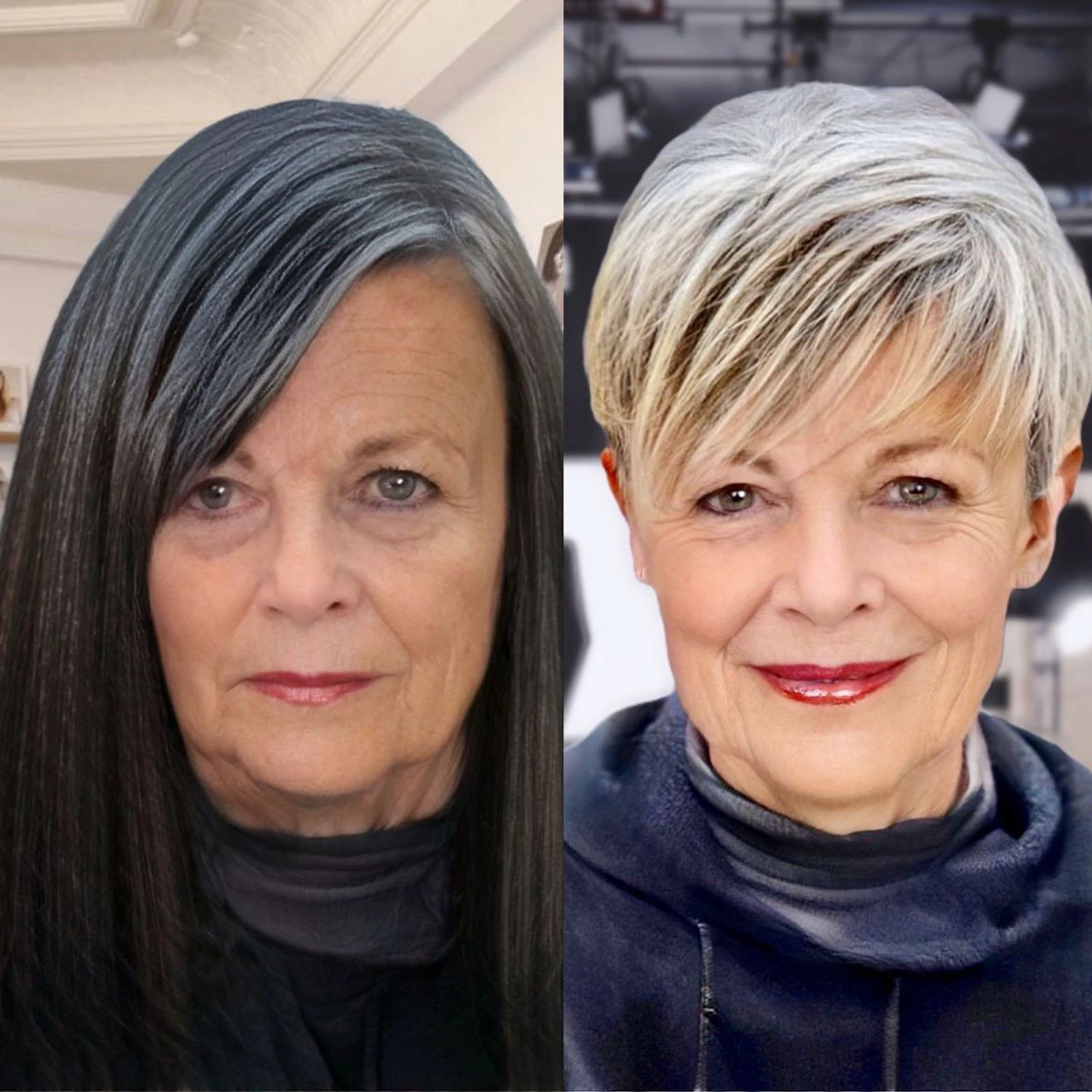
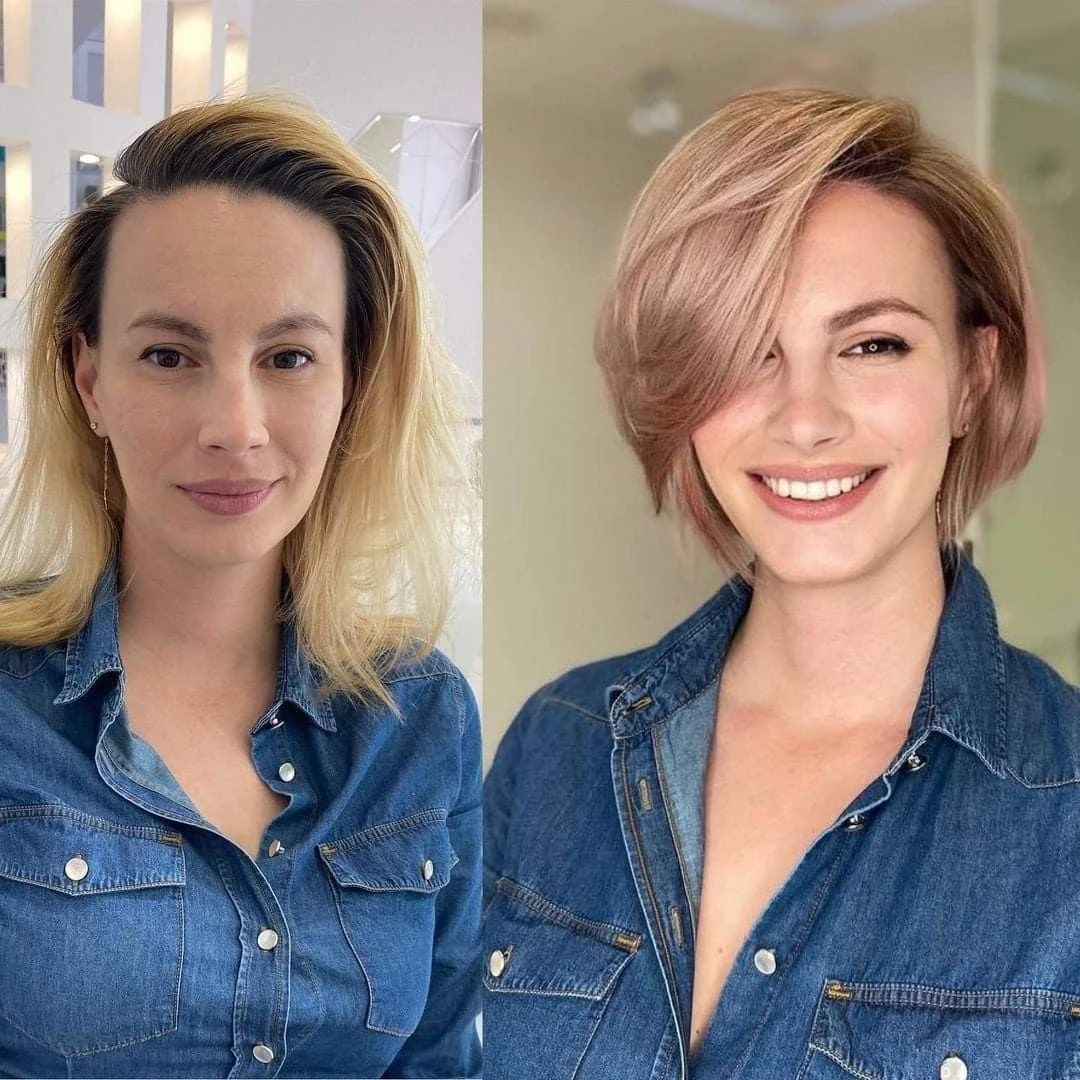
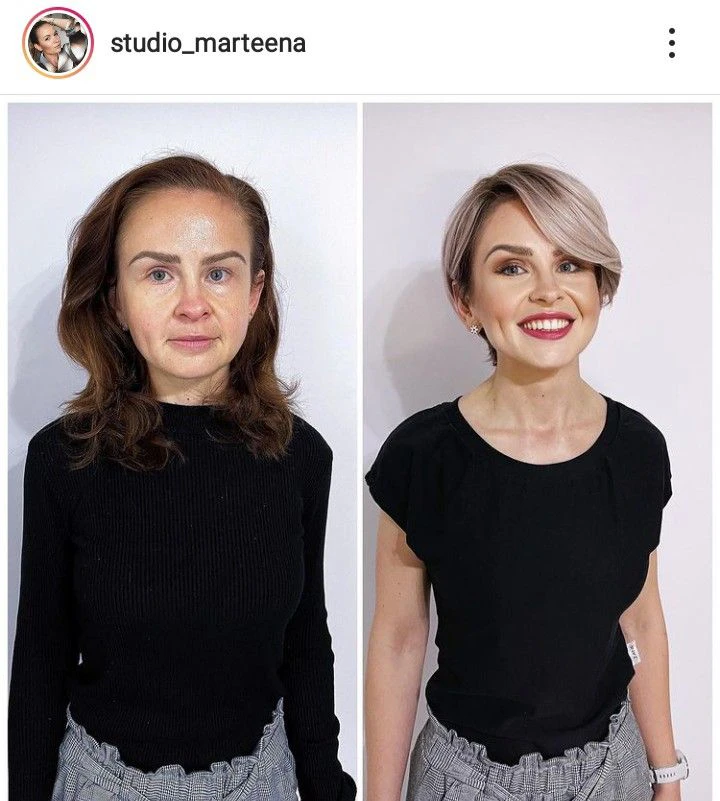
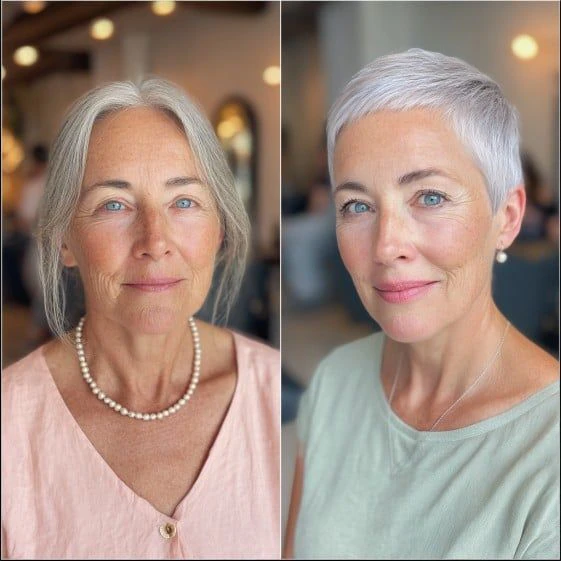
Cutting long hair short is rarely just about style. For many women, it signifies a major shift. Some women make the decision impulsively, while others contemplate it for years before scheduling the appointment. Either way, the moment the first long section hits the floor usually stays in their memory. Women who cut their hair short often say the change felt lighter in more than one way. Here’s a look at why women do it, what cuts are worth considering, and how to get through the weeks afterward. You’ll also find product, trim, and color advice to keep that effortlessly chic look.
The Personal Meaning of Short Hair
Hair has a lot of significance. Long hair has for generations been linked to ideas of beauty and femininity. Therefore, having it cut can feel like deviating from a narrative you did not select. That’s why so many women describe the decision as an emotional one, not just a practical one.
Often, it comes at the same time as bigger life events. A woman might go short after completing a degree, leaving a job, ending a relationship, or hitting a certain age. Thus, something already happening inside mirrors the external change. Not every short cut has a deep story behind it, of course. Sometimes people just get bored with the same look. But even a random selection can bring about a surprising sense of ownership. Many women say they feel more like themselves without the weight of long hair.
Why Women Like Shorter Haircuts
One of the most common reasons women choose shorter haircuts is the simplicity they offer. If you have long hair, it can be surprising how long it takes to wash, dry, detangle, and style. A short cut, however, only takes a few minutes in the morning. That means many women find their routines become calmer and more predictable. Over the course of a week, the time saved adds up. Furthermore, short hair dries quickly after a swim or gym session, which is important for busy people. For busy people juggling work, family, and everything in between, the freedom of short hair is difficult to ignore.
Following the Lead of Natural Texture
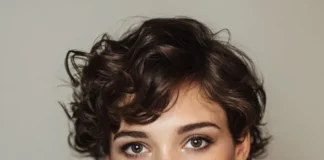
Some women cut their hair short to finally see what their natural hair can do. The weight of long hair can flatten it, destroying curls and waves. But the moment you chop off that length, the pattern often snaps back with more shape and bounce. For this reason, short cuts can be a way to work with your hair instead of fighting it every day. You get to flaunt texture instead of smoothing or concealing it. Many women with curly hair say their first short haircut taught them more about their hair than years of styling.
A Sign of a New Chapter
A dramatic haircut is immediately noticeable to others. This means it can be a clear signal that something is different. Women reach for the scissors at times like moving to a new city, starting a business, or hitting a milestone birthday. Some individuals also opt for a short cut to mark their recovery after a challenging period. It is rapid, it is visible, and it is the complete choice of the person who has made it. That combination makes it feel more significant.
Healthier Hair After Damage or Thinning
Practical reasons matter, too. Years of bleaching, heat styling, or chemical treatments can leave ends dry and brittle. In these cases, cutting off most of the length removes the weakest hair all at once. The same is true for women with thinning hair, who often find that shorter hairstyles look fuller. A skilled stylist can make the cut look like a deliberate choice rather than a correction. So what starts out as a necessity often becomes a style that the person really likes.
Short Haircuts to Try
The Pixie
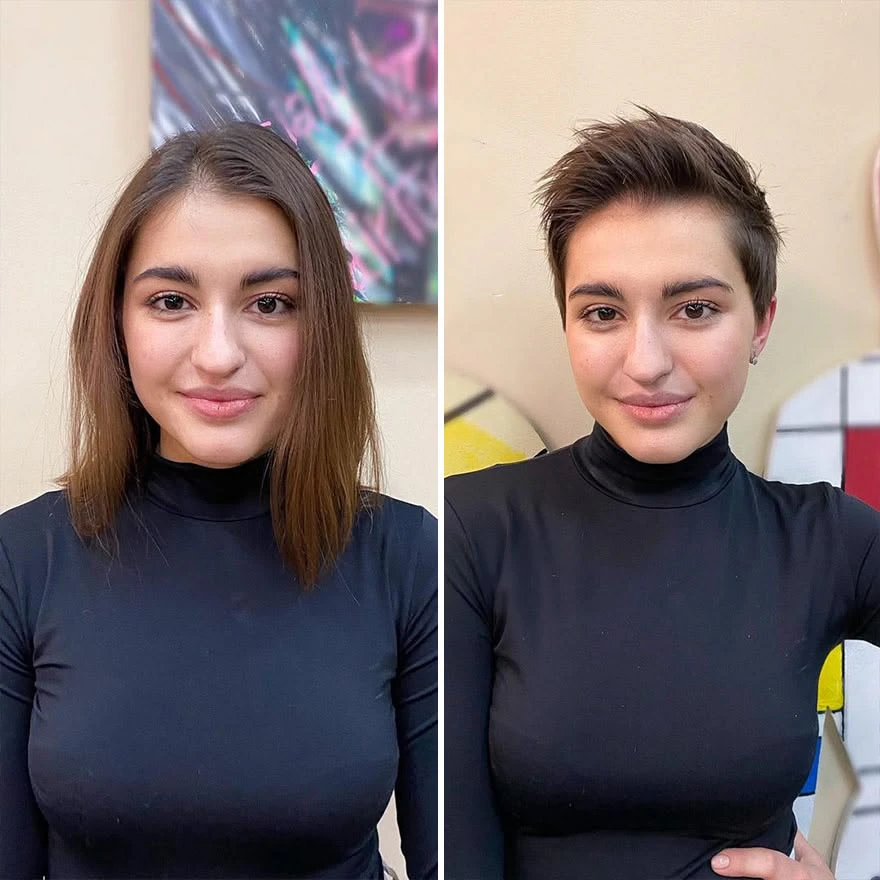
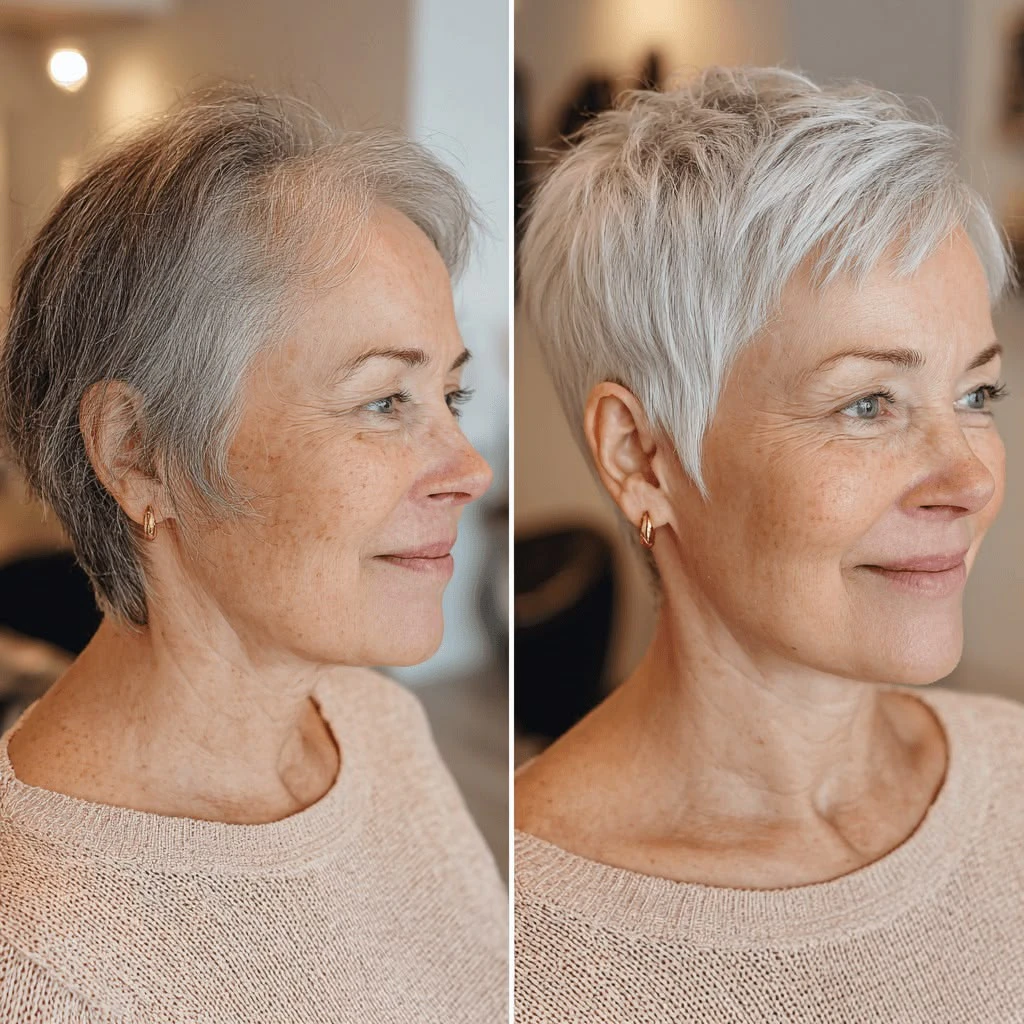
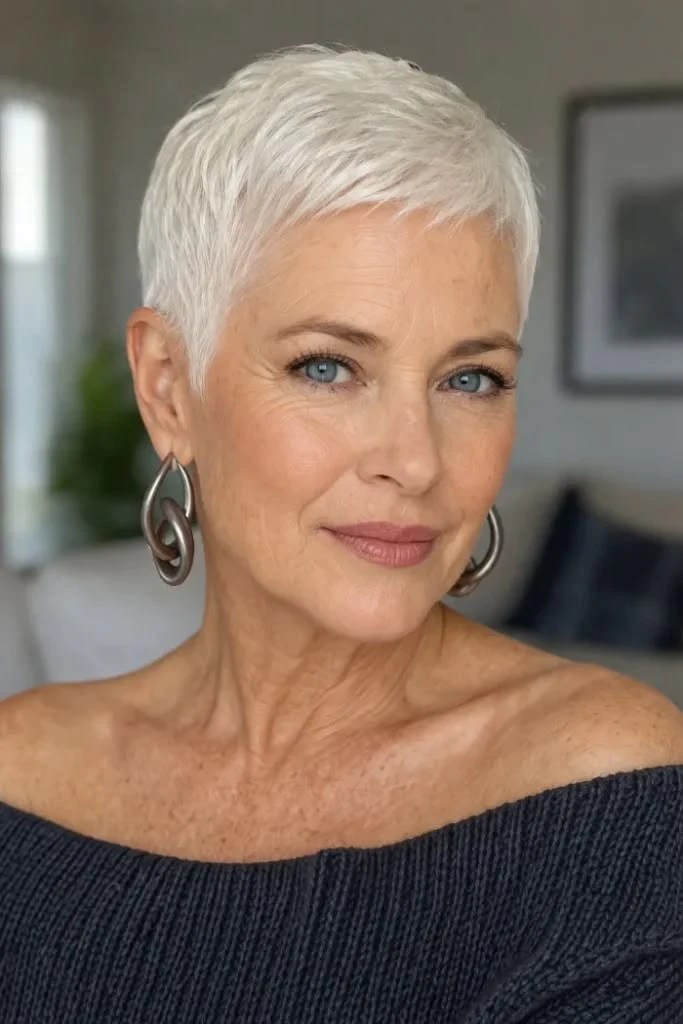
The pixie remains the most recognizable short hairstyle for women. It’s shorter on the sides and back and a bit longer on top. Fashion history has closely associated it with women who courageously cut their hair short, partly because it leaves little space to hide. Even so, the pixie of today is not one thing. It can be soft and feathery, sleek and shiny, or messy and textured. Plus, you can adjust the length up top to fit different face shapes. This is the flexibility that makes the pixie work for a much wider range of women than you’d think.
Bob with Texture
If you want something a little less extreme, a textured bob is a good place to start. It’s usually somewhere between your ear and jaw. Layers create movement so the cut doesn’t look heavy or blunt. At the same time, it has enough length to tuck behind the ears or pin back. For that reason, many women wear it as a bridge between long hair and a much shorter style. It also grows out well, alleviating some of the pressure.
The Buzz Cut
The buzz cut is the most dramatic. Hair is cut close to the scalp, often one guard length all over. This draws attention to the face and the shape of the head and neck. There’s no styling, no hiding. That’s why so many women find it so freeing. Recently, the buzz cut has been a popular option for women craving a clean reset. And it’s a practical choice for those in hot climates or with active lifestyles.
The Shag
A cropped shag is a short-length shag with choppy, uneven layers. The result is a bit undone and relaxed. Plus, the layers give movement so the hair never looks flat. This cut is excellent for wavy hair, but straight hair can also be styled with it by using a little texture spray. It’s just right for women who want a bit of personality but don’t want to work at it every day.
How to Choose a Cut That Fits Your Face and Hair
Face Shape
A short cut does depend on the shape of your face. Round faces often look wonderful with height on top, like a pixie with volume at the crown. This elongates and balances fuller cheeks. Square faces generally look best with softer layers that soften a strong jawline. Oval faces generally are the most versatile and can rock just about any short style. Heart-shaped faces tend to suit styles with a bit of width around the jaw, like a bob. If you’re not sure, we’ve got a guide on how to choose a hairstyle for your face shape that goes into more detail.
Hair Type
Texture matters just as much. Sleek, precise shapes are more likely to suit straight hair, as clean lines remain visible. Curly and wavy hair, though, looks best in piecey cuts, allowing the natural pattern to show through. Fine hair is best with layers that give the illusion of more volume. Thick hair, however, may require some weight taken out so the cut does not puff out. A stylist should always think about texture before picking up the scissors.
Fear of Going Short
Going short is a very common worry. For many women, the main concerns are regret and the fear of appearing less feminine. These worries are understandable, especially after years of long hair. But the reality for women who dare to go short is almost always the opposite. Many say they feel more confident, more noticed, and more at ease in their skin. And the hair grows back. A short cut is a decision, not a lifetime commitment.
Going Gradually
If a big chop feels too much, go gradual. Start with a shoulder-length or lob cut. Change to a bob in a few weeks. Then if you want more, go for a pixie. This gives you time to adjust emotionally. It also shows you how your hair behaves at each length. So the last step is rarely scary, usually exciting.
Finding the Right Stylist
Short cuts leave little room for error. Every angle and little length difference changes the whole shape. That’s why it’s worth looking for a stylist who has real experience with short hair. Look at their portfolio and see if they have short styles similar to what you want. Bring reference photos to the consultation and be honest about how much time you spend on your hair. Furthermore, ask how the cut will grow out. A skilled stylist will tailor the shape to your face, texture, and lifestyle.
How to Style Short Hair at Home
A few simple habits after the cut will make you feel positive about it. First of all, learn to do styling with your fingers. Work a small amount of product through damp or dry hair with your fingertips for quick texture. Then, practice a quick blow-dry. In a few minutes you can add volume on top by lifting the roots with a small round brush.
Also, allow yourself some flexibility. For short hair, it all depends on the position of the part and the shape of the front. You can, for example, brush it aside for a softer look or push it back for something sharper. A little texturizing spray can also take a neat style to a more relaxed one. The best time to experiment is the first few weeks when everything is new anyway. Eventually you’ll find two or three looks that work most days.
Products That Perform Well on Short Hair
Long hair needs heavier products than short hair. Heavy creams and oils tend to flatten short strands and make them appear greasy. Instead, a light texturizing paste will define pieces without stiffness. Furthermore, a volumizing mousse applied to damp roots before blow-drying gives lift that lasts all day.
For curly and coily hair, a curl-defining cream helps to hold the pattern and reduce frizz. Meanwhile, dry shampoo works for almost any short style. Short hair is often washed less often, so it refreshes the roots between wash days. Use small quantities above all. With short hair, a little product goes a long way, and too much is obvious right away. See our full hair care and styling guide for more ideas on building a long-term, healthy hair routine.
Trims, Color, and Continual Care
How Often to Get a Trim
Short hair requires more frequent trims than long hair. Even a little growth can change the shape. A trim every four to six weeks usually keeps the lines sharp. You can lose the shape of the cut pretty fast if you miss appointments, and it can start to look shapeless. That’s why it’s a good idea to book your next appointment before you leave the salon. Regular deep conditioning will also make short hair feel soft, especially if you are transitioning away from dyed or chemically treated hair.
Adding Color
Color can bring a short cut to life. Soft highlights, for example, add dimension and make texture easier to read in a pixie or bob. Or a daring all-over color can make a buzz cut or cropped shag even more of a statement. Since short hair is trimmed often, trying out color is a low-risk option. If it doesn’t turn out as you hoped, it will be cut away within a few months. But use gentle products to protect your scalp and hair.
Common Mistakes: One is choosing a style from a photo without considering the face shape or texture. A cut that looks right on one person can sit very differently on another. Another misconception is that short hair requires no maintenance. In reality, it needs less daily styling but more frequent trims. Finally, using the same heavy products you used on long hair tends to weigh the new cut down. Usually the issue is fixed right away by switching to lighter formulas.
Getting Used to Your Short Cut
After a big change, you may not recognize yourself in the mirror right away. The new reflection can feel strange for a couple of days. This is a normal reaction, so don’t judge the cut too soon. Most women report their confidence gradually builds over the first two or three weeks. Slowly, your short hair begins to feel like yours rather than new.
Talking to others who have made the same change can help, too. Friends, coworkers, and online communities often share style tricks and honest experiences. Plus, following short-haired stylists and creators can give you some new ideas. Seeing short styles every day will make your own look more natural.
Does Short Hair Work For You?
Ultimately, going short is a personal choice, and there is no one answer. Some women love it from the first day; others need a few weeks to get used to it. Either way, the decision often teaches you something about confidence and self-image. Women who dare to have short hair tend to find that their look has a lot less to do with length than they thought. With the right products, a thoughtful stylist, and a little patience, a short cut can be one of the best changes you make. So if it keeps coming back to you, it might be worth getting that consultation booked.