







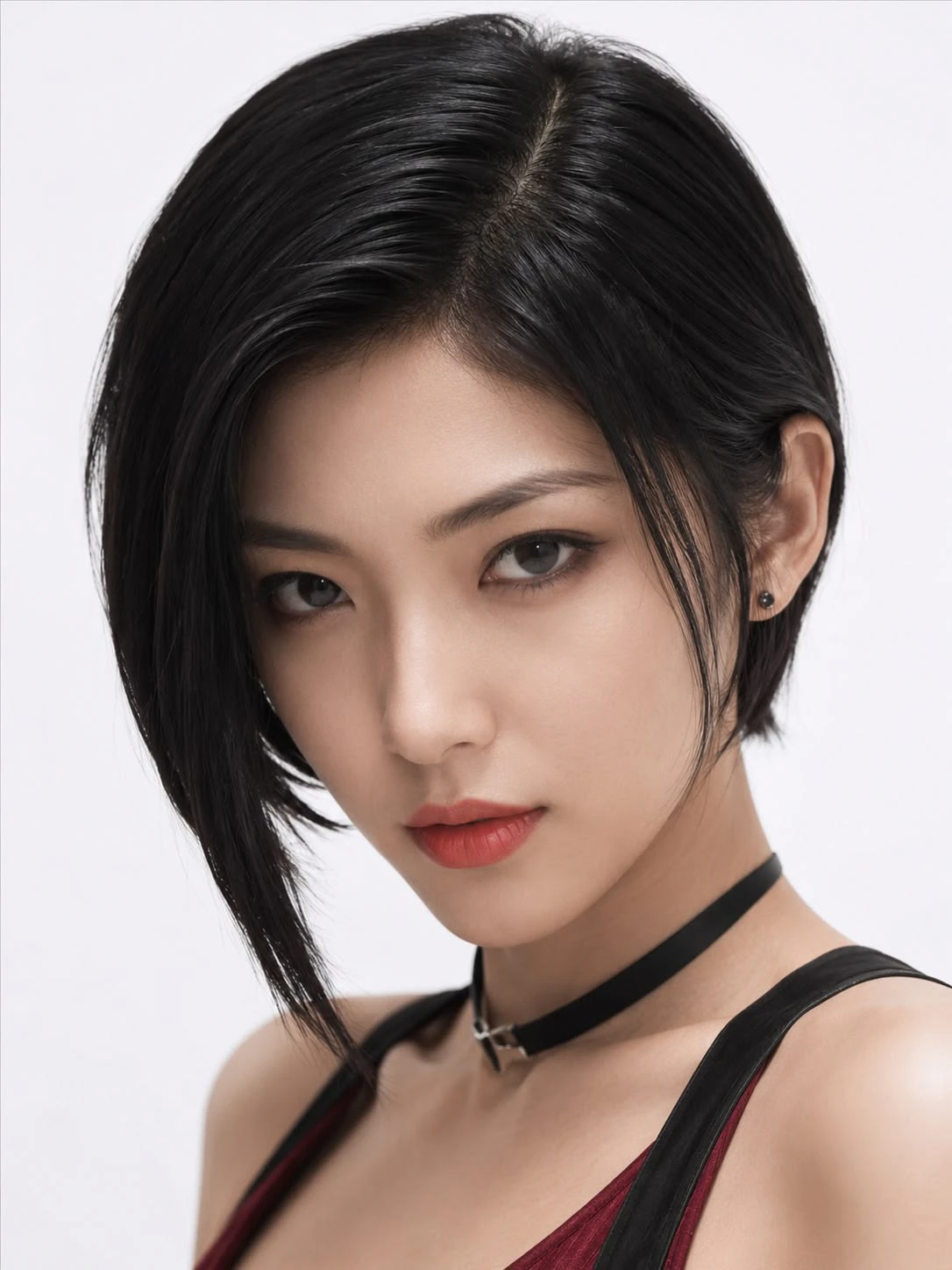

Japan has been setting trends in hair for decades. Salons in Tokyo and Osaka frequently set the standard for soft, precise layering, influencing what clients in London, New York, and Istanbul will be requesting a year later. But its appeal goes beyond trends. Japanese cutting is disciplined, balanced, and quietly attentive to details. Here, we take a look at the best Japanese haircuts, how they are achieved, and how to find one that suits your face, hair type, and everyday routine. Along the way, you’ll also learn how to keep each cut looking sharp in between appointments.
The Uniqueness of Japanese Hair Cutting
Japanese salon culture is built on extensive training. Many salons have assistants who spend years washing hair, practicing on mannequins, and assisting senior stylists before they cut clients on their own. Precision becomes instinctive. The lines are clean, the layers are balanced, and the cut usually grows out evenly.
Japanese stylists also think in terms of shape and structure. Many of them describe a cut the way an architect describes a building. They consider weight, volume, and how the hair moves with the head. This is why a high-quality Japanese cut generally appears polished, even on days you barely do anything to it.
Another important quality is restraint. Stylists aren’t trying to create drama for the sake of drama; instead, their goal is a harmonious look that complements the person wearing it. So two clients asking for the same cut might leave with slightly different versions.
Iconic Cuts From Japanese Salons
You’ll find styles from classic to modern. Some have histories stretching back centuries; others grew out of street style and social media.
The Hime Cut
Hime is the Japanese word for princess, and the name is fitting. The style features long, straight hair, blunt bangs, and face-framing side panels that reach the cheeks. Its origins date back to the Heian period, when noblewomen would have their side locks cut for a coming-of-age ceremony. The look can be seen today in fashion editorials, anime, and alternative street style. However, the hime cut is demanding. It’s a wonderful choice for straight, healthy hair, as it’s based on clean, uniform lines. This is why people with frizzy or wavy hair often pair it with thermal straightening.
The Blunt Bob
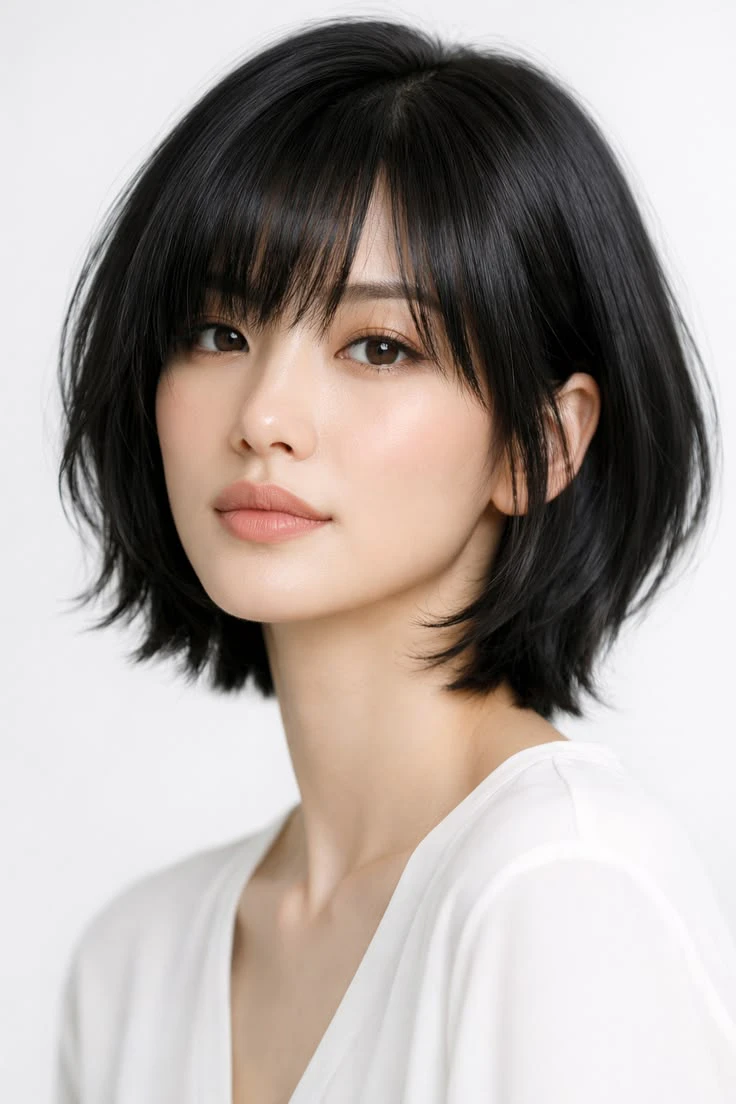
The blunt bob is arguably the best example of Japanese precision. All the strands end at the same line, creating a sharp graphic shape. Most versions fall somewhere between the jaw and collarbone. Many Japanese stylists also cut a slight inward curve at the ends so the bob tucks nicely under the chin.
This style needs little daily maintenance once it’s well cut. That said, it shows every uneven line, so a skilled hand matters.
The Japanese Textured Shag
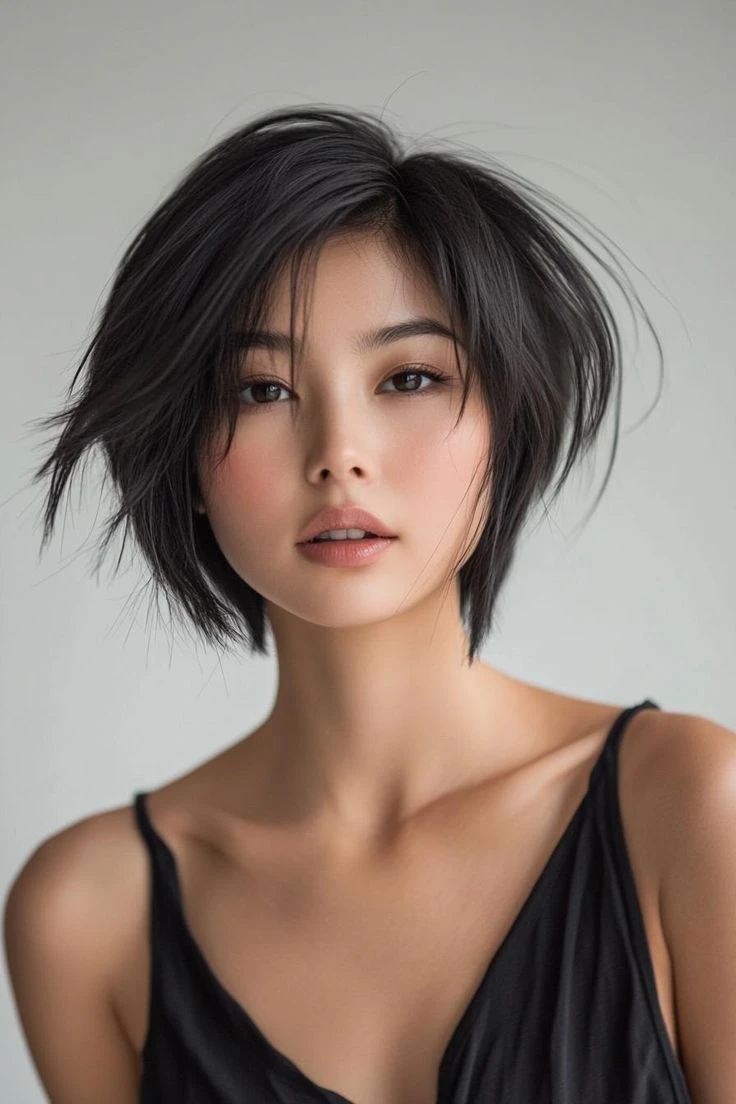
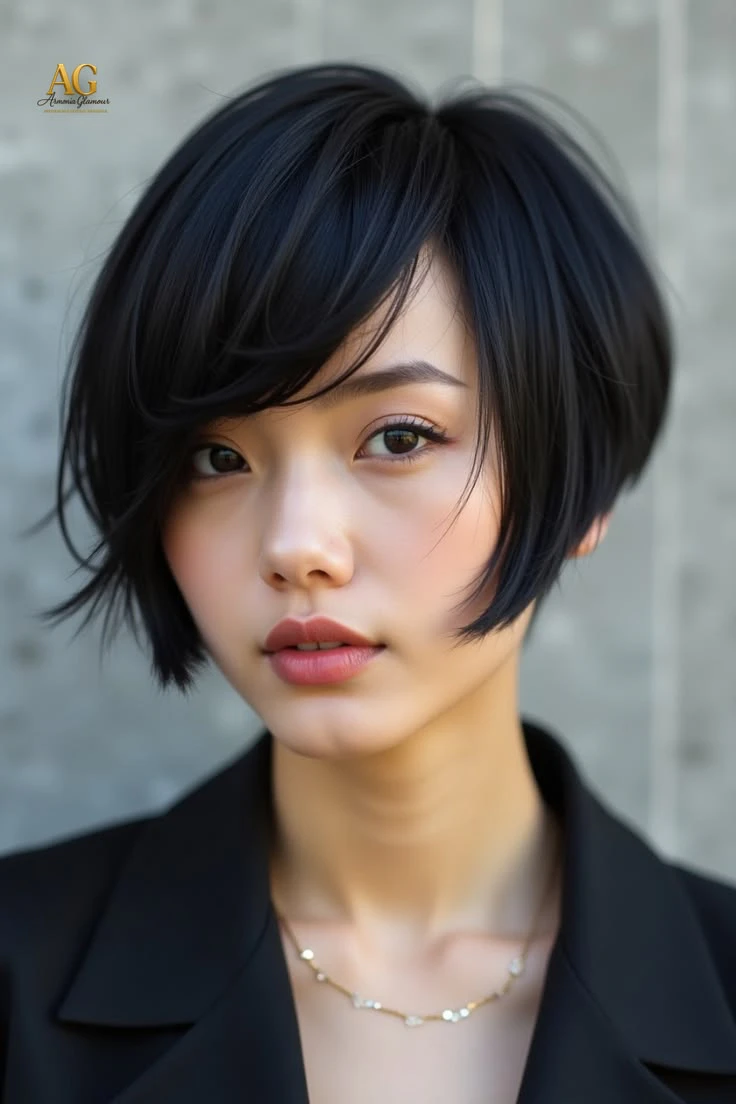
The shag is often associated with Western rock culture. But the Japanese version reads lighter and softer. Stylists usually create this look using a razor and carefully executed point cutting. This creates an airy, piecey look in the layers, rather than a heavy or choppy one.
This cut works well for straight and slightly wavy hair. Furthermore, it grows out nicely, making it a good choice for people who go to the salon less often.
The Two-Block Cut
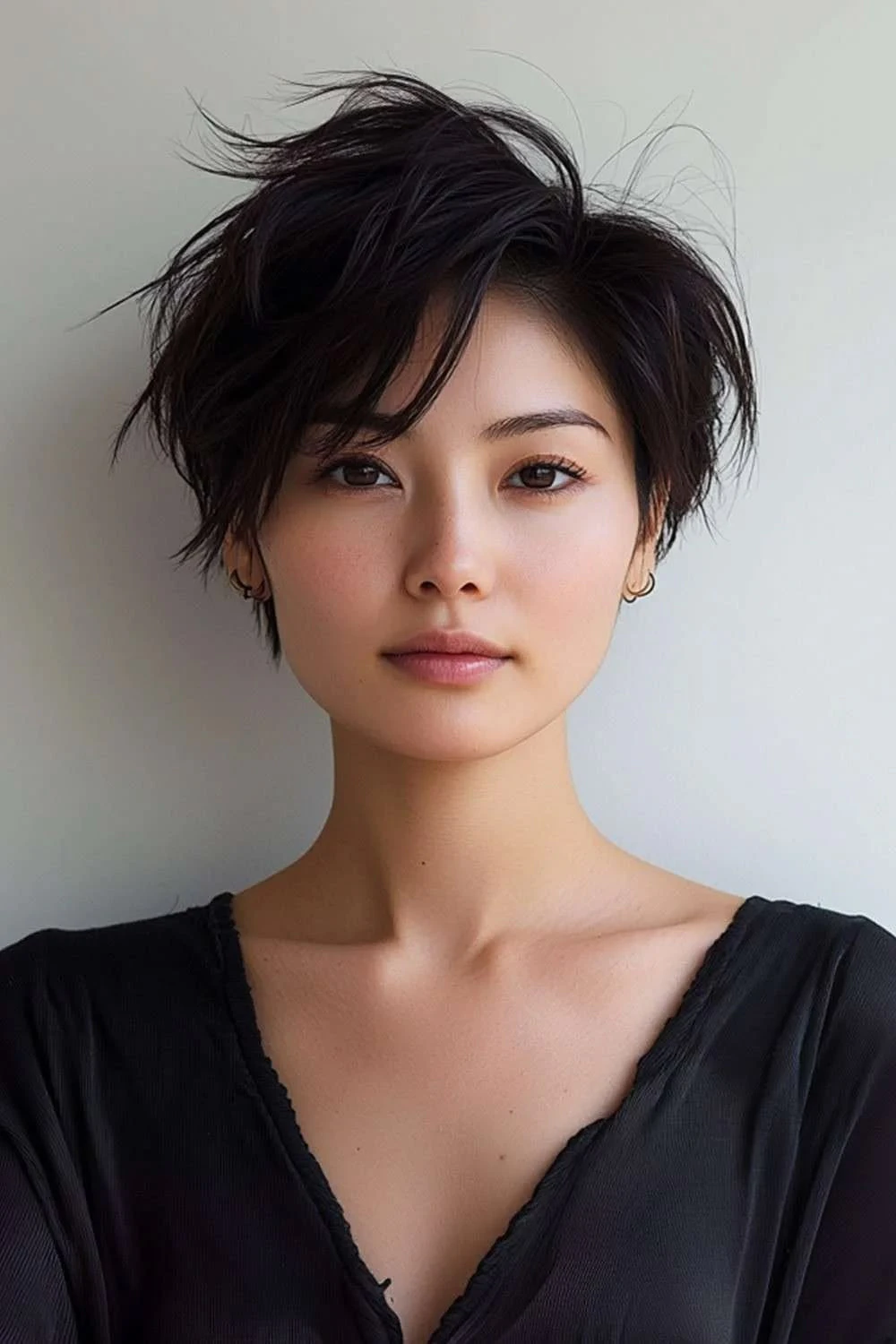
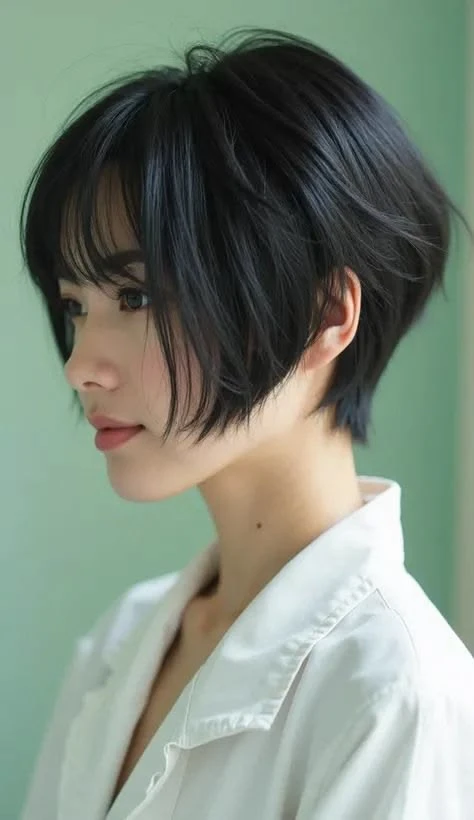
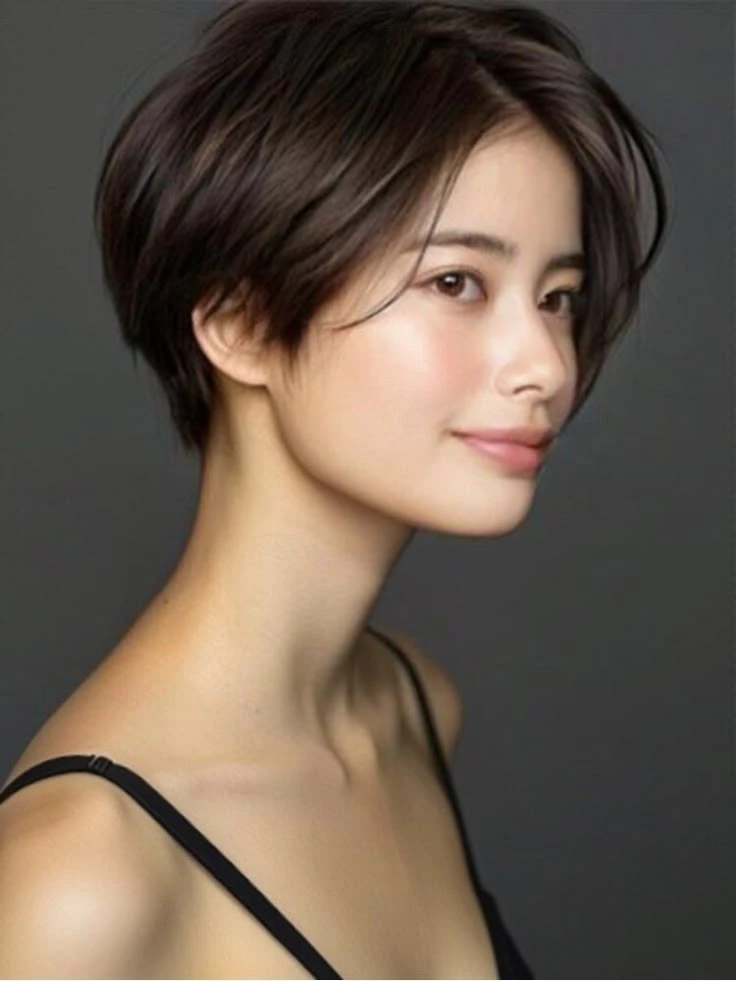
The two-block cut leaves the top long, but the sides and back are cut very short. Usually, there is no fade between the two sections. Instead, the top just falls over the shorter hair below. This contrast provides volume and a clean outline.
This style has become popular in Japanese and Korean street fashion, and it is very flexible. With light texture, the top can be parted, pushed back, or worn falling forward.
The Wolf Cut
The wolf cut combines shag layers with the longer back of a mullet. The shape looks wild but controlled, with the layers short around the crown but longer at the nape. It became very popular in 2020 and 2021, largely thanks to short video platforms.
However, a wolf cut depends heavily on texture. Fine, straight hair may need a light perm or regular styling to maintain its shape.
The Mash Cut
The mash cut, also known as the mushroom cut, is a staple in Japanese men’s salons. It features heavy bangs and soft layers that hug the contour of the head. Unlike the old bowl cuts, the modern version is thinned out inside so it moves naturally. Today, people of all genders wear it as a neat, low-effort choice.
Techniques Behind the Most Remarkable Japanese Haircuts
A cut is only as good as its execution. Japanese stylists rely on a set of key techniques, and each of them affects the result in a certain way.
Dry Cut
Many Japanese stylists finish the cut, or even do the whole cut, on dry hair. Wet hair elongates and obscures natural movement. Dry hair, however, shows how it will fall. This allows the stylist to refine lines more precisely and remove bulk.
Razor Work
A razor removes weight gradually rather than in blunt chunks. This is why razor cutting creates soft ends and allows for gentle movement. However, razor cutting isn’t right for every texture. Very curly or fragile hair can fray, so a skilled stylist will check for these issues before starting.
Point Cutting and Slide Cutting
Point cutting is a technique of cutting into the ends at an angle rather than straight across. This softens harsh lines and gives dimension. Slide cutting involves gliding open scissors along a section to thin it out. Both techniques are common in shags, wolf cuts, and textured bobs.
Digital Perms and Thermal Straightening
Many of these looks are paired with one of two chemical services. First, thermal straightening, sometimes called Japanese straightening, is a permanent treatment that restructures the hair so that it stays sleek. It’s a favorite among clients who want a hime cut or a glassy blunt bob. But it is a powerful process. As such, it should only be performed by trained professionals and never on heavily bleached hair.
Second, the digital perm uses heated rods to curl hair into soft, loose waves. The curls look best when dry, unlike older perms. So, it’s ideal for shags and wolf cuts on straight hair.
Finding the Right Cut for Your Face Shape
Your face shape can help you find the style that suits you best. For example, angular lines or height tend to work well for round faces. A blunt bob just below the jaw or a two-block cut with volume on top can help lengthen the face.
Square faces, however, look best with softer layers. A textured shag breaks up a strong jawline and adds movement. If you have a long face, bangs are a wonderful option, as they shorten the look. Both the mash cut and the hime cut work well here.
The most flexible is the oval face. In fact, almost any style works for it. Heart-shaped faces, meanwhile, are balanced by pieces that frame the face around the chin. For example, a hime cut’s side panels add width where it’s needed.
Texture and Lifestyle Considerations
Face shape is only part of the picture. The texture of the hair is important too. Too many layers can flatten fine hair, while blunt lines often work well. Thick hair, however, often needs to be thinned from within, or a bob or mash cut can look heavy.
Lifestyle is just as important. A sleek hime cut can be frustrating if you don’t use heat tools often. In that case, a shag or wolf cut that works with natural movement is a better fit. Likewise, if you work out every day and tie your hair back, a super short two-block cut can feel limiting.
How to Style Each Look at Home
Once you have the cut, you bring it to life by styling it daily. For sleek styles like the hime cut or blunt bob, start with a thorough blow-dry with a paddle brush. Then, follow with a flat iron, working in small sections. Always begin with a heat protectant.
Work differently for textured styles like the wolf cut and shag. First, spritz damp hair with a light texturizing spray. Next, rough-dry with your fingers, not a brush. Finally, twist a few pieces around the face for definition.
Two-block cuts and mash cuts are even less work. A little matte paste or light wax adds separation. Furthermore, a quick blast in the direction you want the hair to lie will help the shape stay all day. For more hair routines, see our full hair care and styling guide.
Products That Support These Styles
The right products make the difference. A smoothing serum tames frizz and adds shine to sleek cuts. But use it sparingly, as too much will make fine hair greasy. Texturizing paste or sea salt spray, in contrast, is excellent for layered looks.
If you straighten or blow-dry often, a heat protectant is a must. Plus, a weekly hair mask replenishes moisture lost to styling. If you’ve had a chemical service, choose a sulfate-free shampoo to help extend the results.
Japanese Haircuts and Color Trends
Color is often used to support rather than compete with the cut in Japanese salons. For example, soft natural tones go well with the hime cut and blunt bob. These styles rely on clean lines, so one rich color keeps the shape sharp.
Textured cuts, however, thrive on dimension. In a shag or wolf cut, subtle highlights or a soft balayage show off the layers. Inner color is also a popular trend in Japan. Here, only the layer underneath is painted a bright or pastel color. This means that the color is visible when you move or tie your hair up, but the top is still natural. This approach works well for individuals in environments with a strict dress code.
Maintaining Your Cut Between Appointments
Precision cuts quickly lose shape. That’s why most stylists recommend a trim every four to six weeks. Blunt bobs and two-block cuts often need attention closer to four weeks. Shags and wolf cuts, on the other hand, can often last six to eight weeks, as soft layers grow out more naturally.
Even more frequent care is required for bangs. Many salons offer quick fringe trims in between full appointments. Meanwhile, at home, you should sleep on a silk or satin pillowcase. This helps reduce friction and frizz, especially with sleek cuts.
Why Some Cuts Don’t Go As Planned
Some people avoid Japanese haircuts because they worry about maintenance. But most disappointing results stem from a few predictable mistakes. One is ignoring texture. For example, a sharp hime cut on naturally curly hair will require straightening daily, which few people expect.
Another problem is skipping heat protection. Sleek styles often need to be flat-ironed a lot. This can lead to breakage and split ends. The American Academy of Dermatology has practical advice for how to reduce damage from styling.
Finally, some clients choose a stylist who is not trained in precision cutting. The cuts depend on precise technique, so experience really does count. Always check a stylist’s portfolio before you book.
How to Prepare for Your Salon Consultation
A good consultation is the basis of success. First, bring some reference photos, preferably front, side, and back. Then share how much time you typically spend on your hair each morning. Be honest, because this affects the advice you get.
Also ask about how the cut will grow out in the next two months. A good stylist will tell you when to return and where the weight will pile up. If you’re considering a perm or straightening, ask if it’s better to do it before or after the cut.
Choose Your Next Look with Confidence
The best Japanese haircuts follow a clear philosophy. They value balance, accuracy, and a shape that fits the person. Whether you’re attracted to the bold symmetry of a hime cut, the clean lines of a blunt bob, or the movement of a wolf cut, there’s a style to suit your face and your routine.
So start by being honest about your texture and your daily habits. Then find a stylist trained in precision cutting. Finally, keep up with regular trims. That way, the most fabulous Japanese haircuts can go beyond a trend and become a signature that you love every day.