





Latest Trend: Short Haircuts 2026
Short hair is having a serious moment. In 2026, cutting your hair is no longer about playing it safe. It’s more of a statement of embracing texture and wearing your personality on your head. Short haircuts in 2026 are the latest trend, and there is something really exciting for every face shape, hair type, and lifestyle. Whether you are thinking about your first big chop or are a lifetime devotee of short hair looking for a fresh angle, this guide is for you.
This guide walks you through the cuts dominating salon chairs worldwide. Moreover, it explains why each style works, who it suits best, and how to keep it between appointments. By the end, you’ll know what to do with your hair—and feel confident booking that appointment.
Why Short Hair Will Dominate in 2026
You can’t ignore the cultural shift toward low-maintenance, high-impact style. Something changed dramatically after years of long, heavily layered blowouts dominating social media. Stylists began to see many more clients asking for shorter cuts. And so the runways came. Designers at major fashion weeks in Paris, Milan, and New York featured models with precisely cut bobs and sharply tapered necklines.
The Practical Case for Going Short
Beyond aesthetics, a practical element is driving this trend. People are becoming more aware of how much time, product, and money long hair consumes. Short cuts tend to use less product, to dry faster, and to look polished with minimal effort. Plus, with more interest in sustainable beauty, people are rethinking how much shampoo, conditioner, and heat styling their routine really uses.
Basically, the latest trend, short haircuts in 2026, is not just about looking appealing. They are about feeling genuinely in control of your appearance.
The Textured Pixie: Still the Icon, Now More Refined
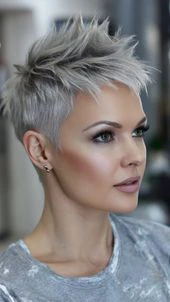
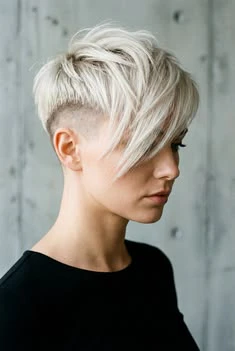
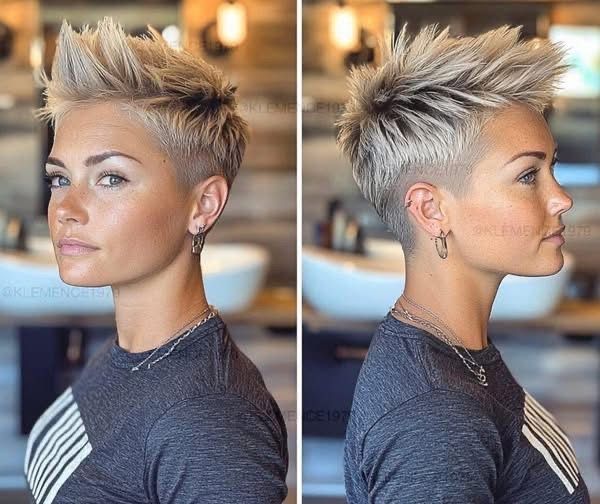
The pixie cut has never really left. But it’s evolved into something far more subtle by 2026. Rather than the sleek, combed-back version that defined earlier decades, today’s pixie is all about visible texture. Think choppy layers, lived-in movement, and a neckline that is tapered but not aggressively so.
Stylists are increasingly working with the hair’s natural texture instead of fighting against it. Wavy hair, for instance, produces a pixie with beautiful organic movement that requires almost no product to look intentional. Straight hair, on the other hand, benefits from a point-cut technique that adds dimension without bulk.
Who is the Textured Pixie for?
This style is best suited to oval, heart, and diamond-shaped faces. It accentuates the cheekbones and makes the eyes stand out! The pixie is also a real game-changer for people with fine hair, as the layered cut gives the illusion of fullness that longer styles can’t offer on thin strands.
Not wanting a short cut? Try a longer pixie, sometimes called a pixie lob. This variation takes a lot off the back while leaving some length around the ears and top.
This is a lovely style for oval, heart-shaped, and diamond face shapes. It emphasizes the cheekbones and shapes the eyes in a flattering way. The pixie is also a good choice for people with fine hair, as the layers create the illusion of volume that you can’t get with longer hairstyles.
If you have been on the fence, consider starting with a longer pixie—sometimes called a pixie lob. This option keeps some length around the ears and top while still dramatically shortening the back.
Pixie Styling: Keep It Simple
Daily maintenance is refreshingly straightforward. A small amount of texturizing paste worked through damp hair is often all you need. Air drying enhances the natural movement, while a quick blast with a diffuser adds volume on flatter days. Trims every four to six weeks to keep the shape intentional.
The Blunt Bob: Straight Lines Are Back
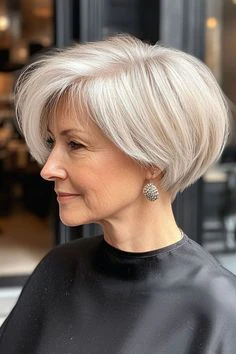
The blunt bob quietly returned in late 2025. By 2026, it has fully reclaimed its status as one of the most sophisticated cuts a person can wear. Unlike the layered, bouncy bobs of the early 2000s, the blunt bob is defined by a single, clean horizontal cut at the ends. There are no wispy layers, no face-framing pieces—just a precise line that communicates confidence.
Length varies considerably. Some clients are opting for a jaw-length blunt bob that creates a strong geometric silhouette. Others prefer a slightly longer version that grazes the collarbone. Both work beautifully, but the ends must remain uncompromisingly straight to preserve the cut’s character.
Styling the Blunt Bob at Home
Maintaining the blunt bob’s signature look at home is simpler than most people expect. A round brush and a medium-heat blow dryer are your two best tools. Work in sections, rolling the ends slightly inward or outward depending on whether you prefer a tucked-under finish or a slight flip. A light serum applied before drying adds shine without weighing the hair down.
Air drying also works exceptionally well with this cut. If your hair has a slight natural wave, the resulting texture adds character to the blunt shape without undermining its structure.
The Shaggy Bob
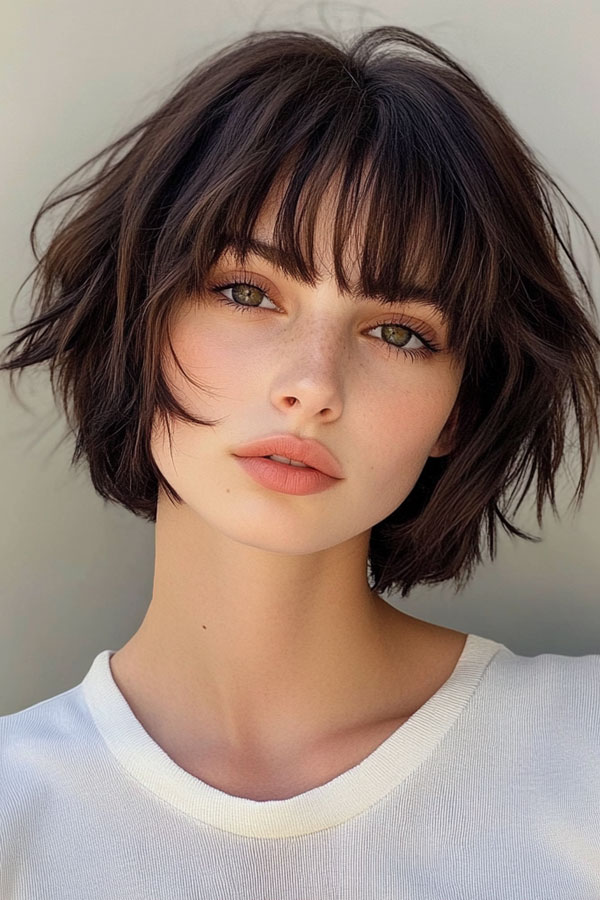
For those who love the idea of short hair but find the blunt bob a little too precise, the shaggy bob is the answer. This cut incorporates heavy layering, curtain bangs, and a deliberately undone finish. The result looks equally at home at a coffee shop or an art gallery opening.
The shaggy bob is inspired by 1970s rock and roll vibes but has been updated with fresh proportions that read modern rather than costume-y. It works with almost all hair textures. Curly hair provides you a shaggy bob with sensational volume and bounce. “Straight hair has a coolly untidy vibe that clients often respond to right away. Removing weight from the layers allows coily hair to express its natural curl pattern without the added weight.
Bangs or No Bangs: Making the Decision
Curtain bangs have become synonymous with the shaggy bob, but they are entirely optional. If you have a smaller forehead or prefer to keep your face fully open, ask your stylist for soft face-framing layers instead. These accomplish a similar softening effect without requiring a commitment to daily bath maintenance. But if you’re down for bangs, curtain bangs 2026 have evolved slightly—they’re a little bit shorter and wispier than the past years, which makes them feel fresh rather than dated.
The Micro Bob: Bold and Unapologetic
If you are prepared to embrace a shorter style than ever before, the micro bob is the haircut that will undoubtedly attract attention—in the most positive way. Cut anywhere from the earlobe to just below the jaw, it sits higher than a traditional bob and delivers most impact.
Two Ways to Wear the Micro Bob
In 2026, this style is moving in two distinct directions. The first is sleek and architectural, with a glossy finish and no visible texture whatsoever. The second opts for a tousled, textured finish that takes the edge off the inherent crispness of the cut. Both ways are equally valid. It depends a lot on your personal style and how much time you are willing to spend on daily styling.
Micro bobs look particularly striking in bold colors. Platinum blonde, rich chocolate, and deep burgundy all look particularly striking photographed against the clean silhouette of the cut. If you’ve been thinking about changing your color and cut, this appointment is the perfect time to do both.
French Bob
The French bob has been circulating in trend conversations for a few years. In 2026, however, it has fully crossed over from niche interest to mainstream appeal. Characterized by its chin-length cut, blunt or very slightly textured ends, and signature full fringe, the French bob has an effortless quality that is notoriously difficult to define but instantly recognizable.
The best thing about it is its versatility, but only within a narrow range. The fringe can be blunt and heavy or softer and side-swept. It may come dead to the chin or an inch or two below. The small variations allow for a great deal of personalization without altering the identity of the cut itself.
The French Bob and Face Shape
The French bob is most flattering on oval and oblong faces. The full fringe helps to shorten the look of a long face, while the chin-length cut adds width at the jawline. That said, skilled stylists can customize the cut for round or square face shapes by varying the density of the fringe and the overall length. If you have a round face, then a slightly longer French bob with a softer fringe will generally suit you better than the heaviest, most classic version.
The Tapered Cut: A Celebration of Natural Texture
The tapered haircut is a must-mention among the latest trendy short haircuts in 2026. It is designed specifically to celebrate, not suppress, natural hair texture. Part: The tapered cut is especially popular among those with coily and kinked hair textures. The look features a short or faded side and back, with significantly more length and volume on top.
Why the Tapered Cut Is Catching Fire
It makes a pleasing contrast between accuracy and fullness. The tapering shape draws the eye up, elongating the face and resulting in a graceful outline. Additionally, the style requires much less manipulation than stretched or heat-styled options, which translates to healthier hair over time.
In 2026, many clients are asking for a defined shape-up on the hairline with their taper. This clean, geometric line adds a graphic quality to the overall look. That single detail elevates the cut from simply neat to genuinely architectural.
How to Talk to Your Stylist About These Cuts
Knowing the name of a cut is just the beginning. When you sit in the chair, your stylist needs certain information to give you the result you really want. So, before your appointment, consider gathering a few reference images that demonstrate the texture, length, and finish you want. Bring in one or more pictures of someone with a hair texture similar to yours.
Be ready to be honest about your daily routine. Let your stylist know from the beginning if you spend less than ten minutes on your hair most mornings. Some cuts look wonderful but require constant work to maintain their shape. A skilled stylist will find the version of a trend that works for your real life, not just the one that looks best on a magazine cover.
Ask About the Grow-Out Period
All short cuts grow differently. Some, like the blunt bob, grow out well with not much awkwardness in between. Others, like the pixie, have stages that require regular trims every four to six weeks to maintain an intentional look. It’s much more satisfying when the overall experience is unfathomable from the start, so you understand what you’re committing to.
The right products can really make a difference in the appearance of those cuts from day to day. For textured styles, a light curl cream or texturizing spray will add definition without the crunch. A smoothing serum and fine-tooth comb are essential for achieving the polished finish that sleeker styles like the blunt bob or micro bob require.
Heat Protection and Dry Shampoo
No matter what your hair cut or texture is, heat protectant is a must. Even low-heat styling, like using a diffuser on a medium heat setting, will cause cumulative damage over time. Using a good heat protectant on damp hair before any heat is applied will greatly extend the life and health of your cut.
Dry shampoo is also a popular choice for people with short hair. Short hair tends to look flat or greasy faster than longer styles because it has less weight to distribute scalp oils. Day two or three, a light application at the roots will help extend the life of your style significantly.
What is the easiest short haircut to maintain in 2026?
The blunt bob and the tapered cut are both low maintenance. The blunt bob grows out neatly and only needs to be trimmed every eight to 10 weeks. You can keep the tapered cut, especially on natural textures, maintained at home between salon visits using clippers.
Are short cuts especially effective for thick hair?
Often thick hair has to be cut short, as the weight is taken out, and it makes it so much easier to manage. Thick textures work well with the shaggy bob and tapered cut because layering or tapering removes the bulk without sacrificing shape.
How do I know if I’d look good in a pixie cut?
The pixie cut is most flattering for oval, heart, and diamond-shaped faces. But a skilled stylist can tweak the cut, adjusting the length around the ears, adding layers on top, or changing the neckline to make it work for a wider range of face shapes. It is always worth getting advice before you commit yourself to anything.
Are Short Haircuts Formal and Professional for Events?
Yes, that’s for sure. The blunt bob, French bob, and micro bob all photograph as exceptionally polished and are widely accepted in professional environments. The key is care—a well-trimmed short cut looks more professional than a long style that has grown shapeless.
How often do I need to trim a short haircut?
Most short cuts require a trim every four to eight weeks to keep up their intended shape. Longer short styles, like the collarbone-length blunt bob, can stretch to ten weeks. Very short cuts, like the pixie or micro bob, typically need attention every four to six weeks.
For a wider look at what is trending, see our full list of short hairstyles for women in 2026.