
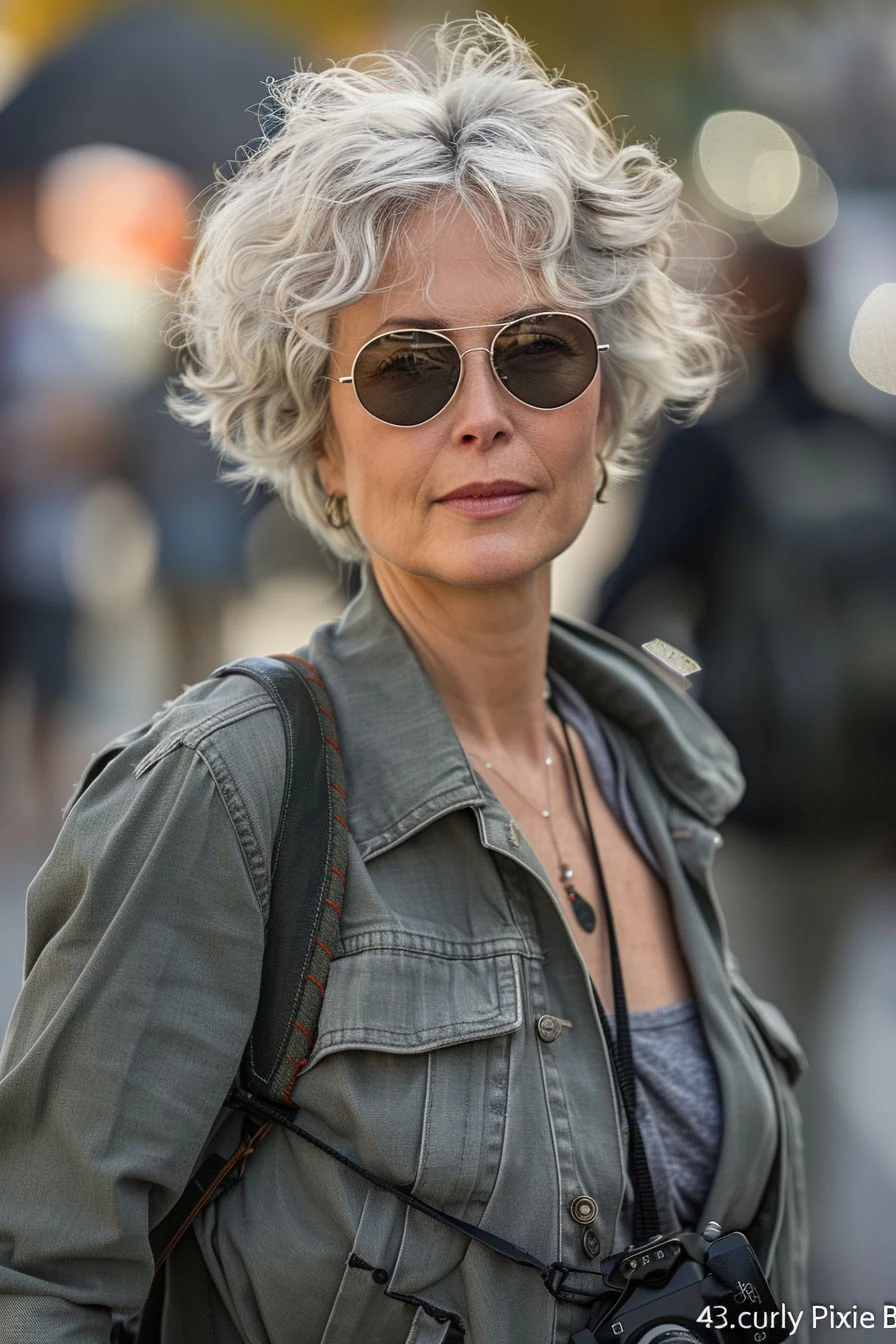
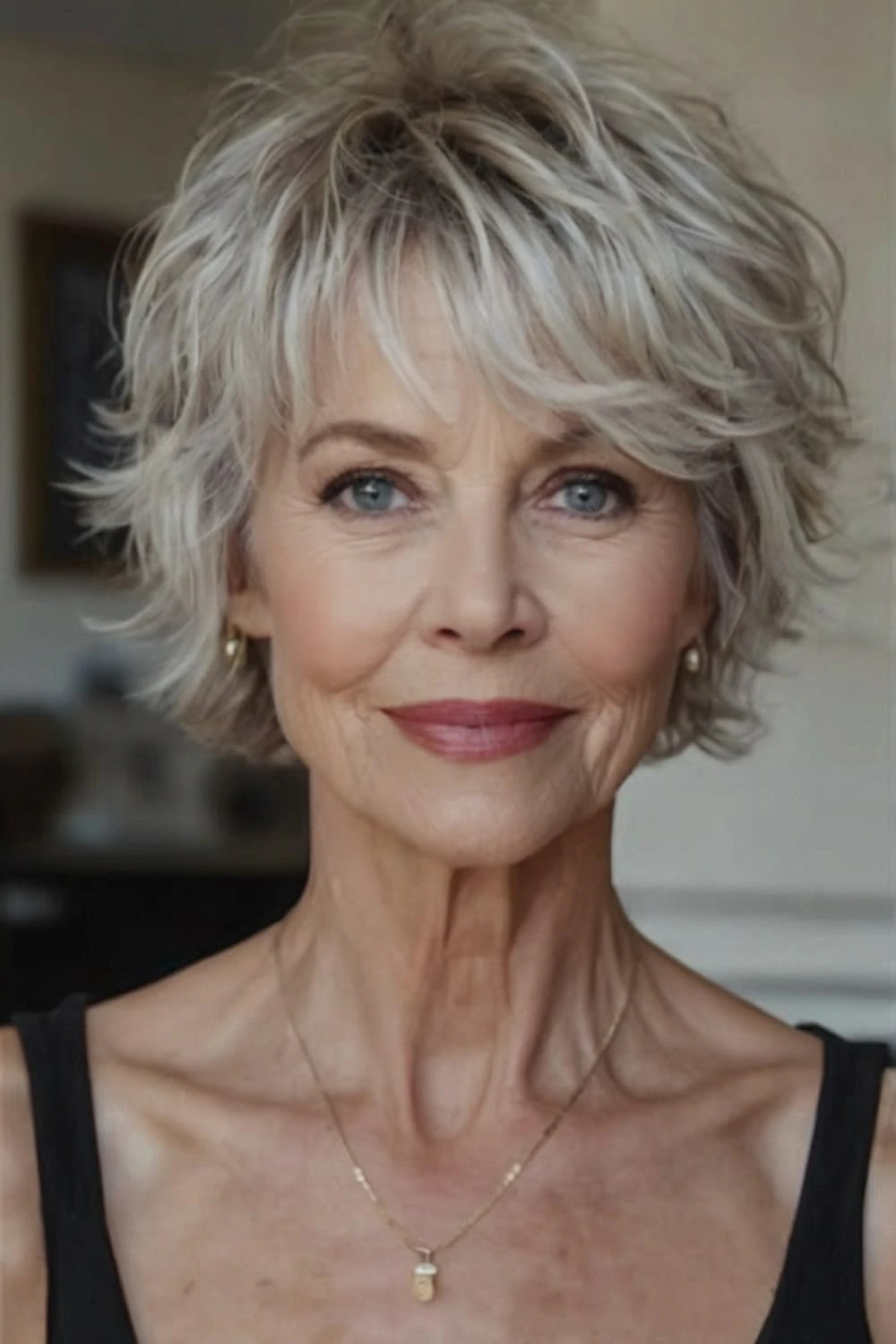
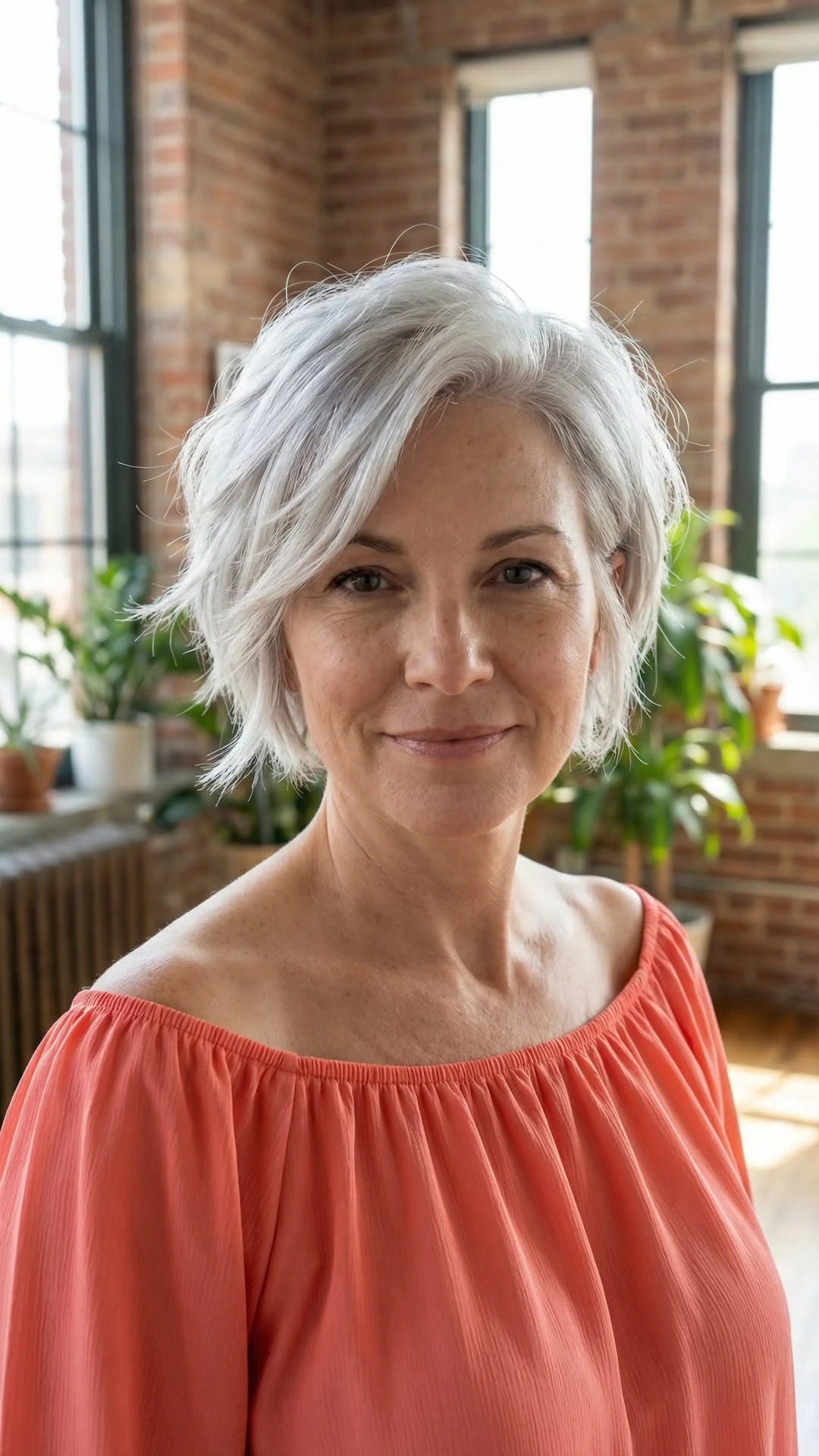




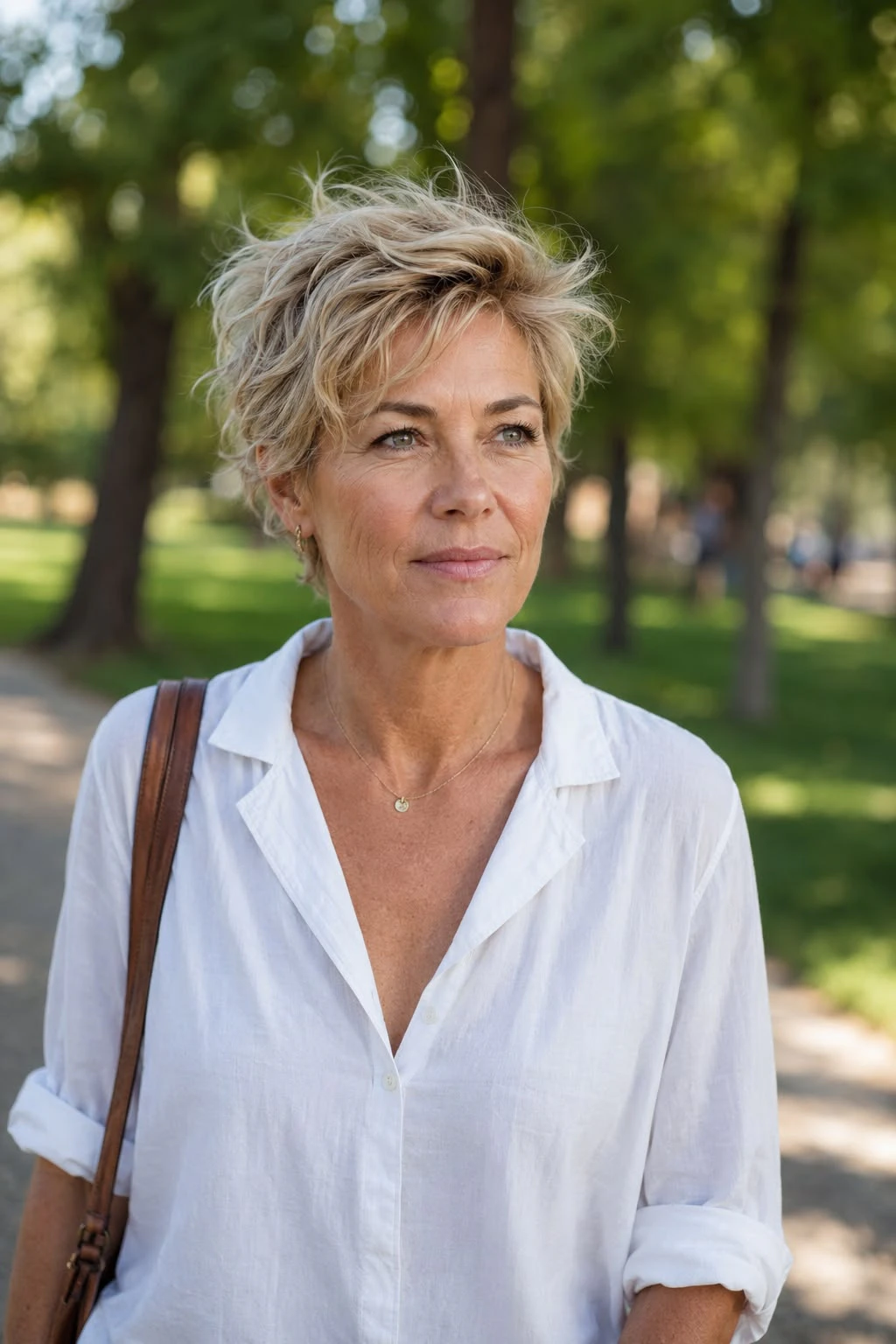
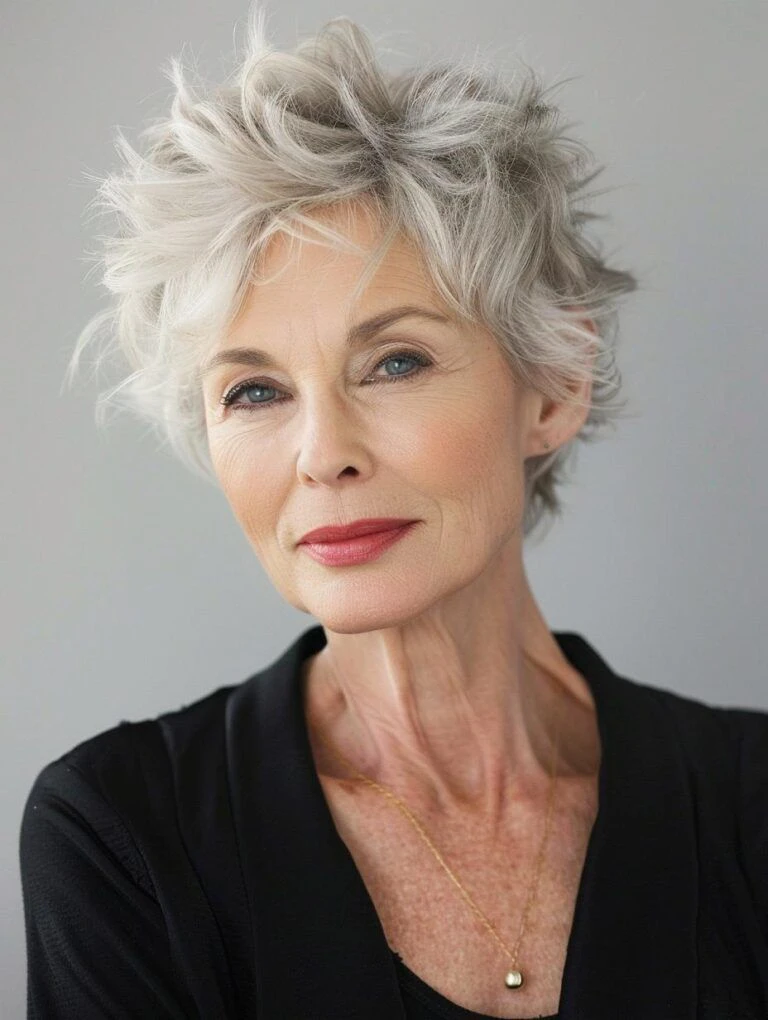

Most of us reach a point where blow-drying feels like a chore. If that sounds like you, wash-and-wear haircuts for women over 50 are worth serious consideration. These cuts dry into shape by themselves. So your morning routine can be reduced to a quick towel blot and a few seconds of finger-combing. This guide covers the best cuts, how to pick the right one for your type of hair, and how to keep it looking fresh in between salon visits.
What Actually Defines a Wash-and-Wear Haircut
The Cut Does the Work
A good low-maintenance cut is about how your hair falls naturally. That is, the shape is part of the haircut itself, not something that is created each morning with tools. Your stylist will cut layers, remove weight, and add angles so that the hair falls into place as it dries. This can make a good cut look polished even on days when you don’t style at all.
The technique is as important as the style itself. Point cutting, for example, takes the blunt ends and softens them so they blend instead of sitting in a hard line. Slide cutting removes bulk from the inside, allowing thick hair to lie flatter and dry faster. When booking, it’s worth asking about the techniques your stylist plans to use.
Texture Above All
The best low-maintenance cuts work with your natural texture. Straight, wavy, and curly hair all behave differently when they dry. So a cut that looks wonderful on a friend with straight hair may frizz or puff out on wavy hair. In contrast, a cut designed for your own texture works with what you already have.
Hair Changes After 50: Thickness, Texture, and Graying
Women in their fifties and older experience changes in their hair. The strands tend to get finer, and the overall density can decrease. Moreover, gray hairs often feel coarser and more wiry than pigmented hair. As a result, one head of hair can have two different textures at once.
These changes explain why an old styling routine may suddenly stop working. A cut that used to give a smooth blowout might look flat by noon. Likewise, hair that was once straight may develop a slight bend or wave. A smart cut doesn’t fight those changes; it makes them an advantage.
Gentler on Mature Hair
Older hair doesn’t create as much natural oil. It is therefore more brittle and dries out more easily. Daily flat ironing and high-heat blow-drying just add to that stress. So a style that air-dries well does more than just save time. It also protects the long-term condition of your hair.
The Best Wash-and-Wear Hairstyles for Women Over 50
Textured Pixie
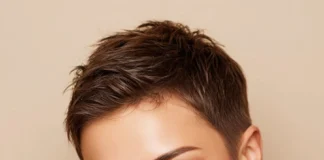
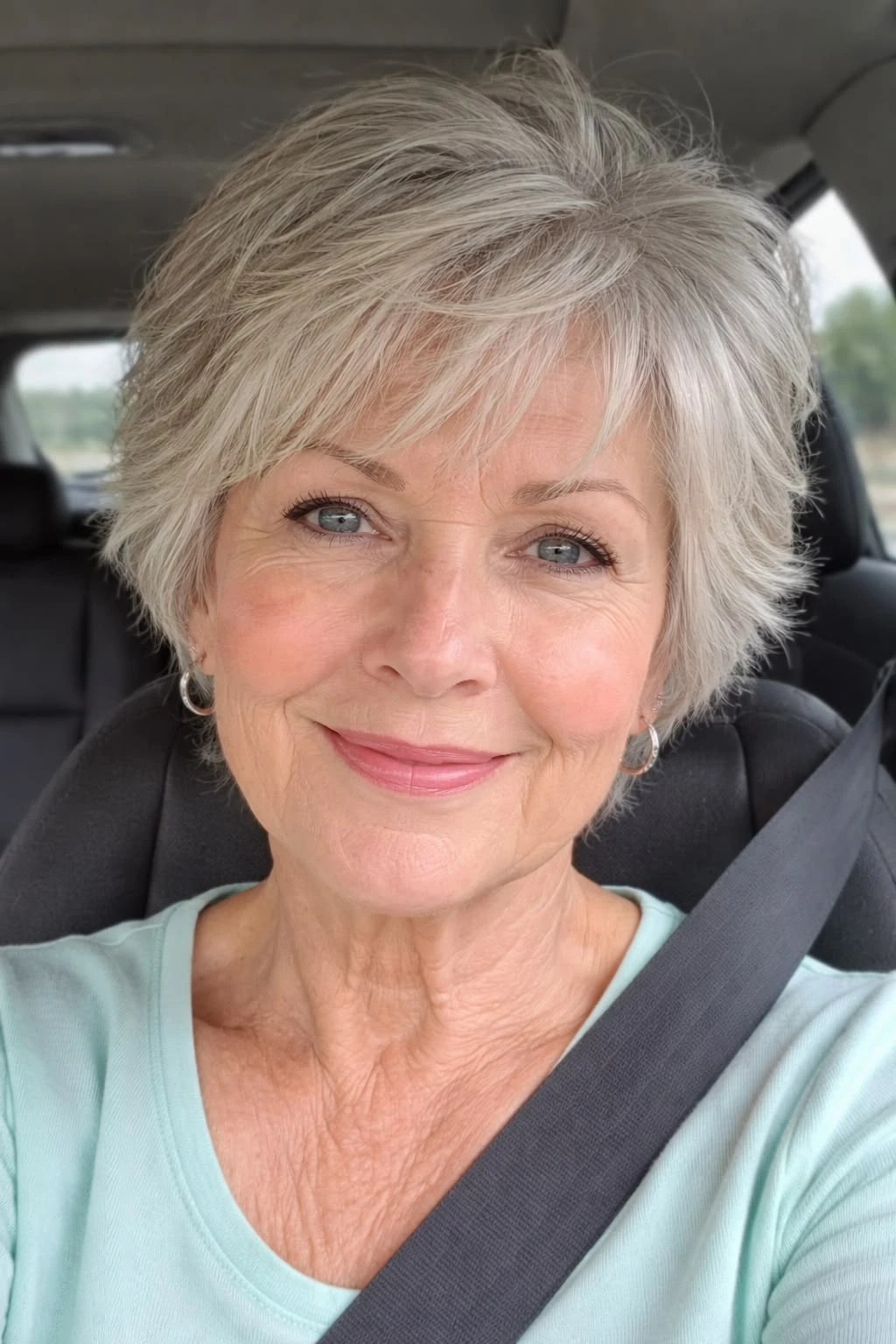
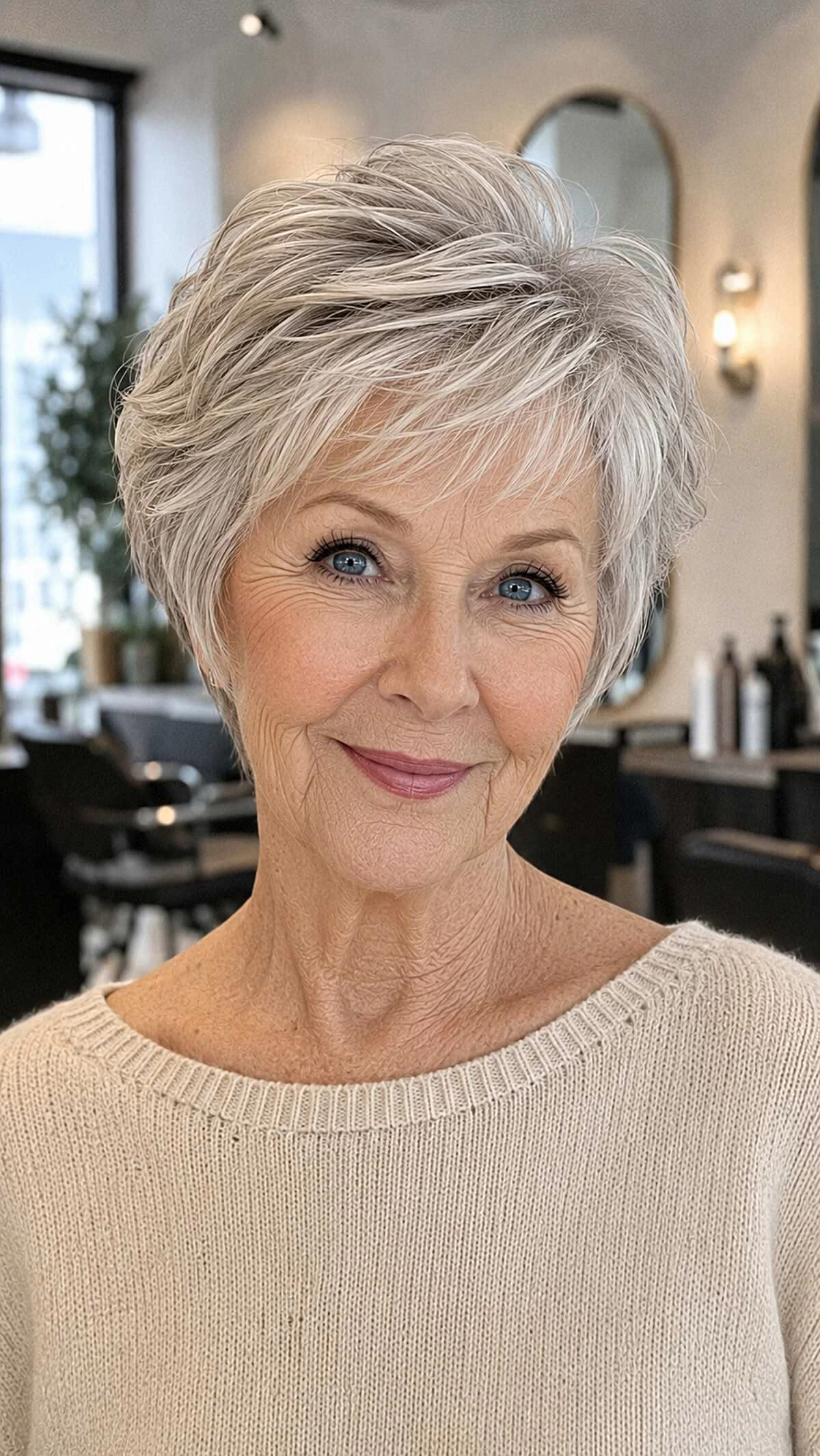
A textured pixie is still one of the easiest short styles to live with. The layers are cut to fall in a soft, piecey way, so often just a little paste is all you need. And short hair dries in minutes, even without heat.
Request some extra length on top for a little more lift. This way, you can scrunch damp hair with your fingers for soft volume. Meanwhile, keeping the sides and nape neat prevents the cut from looking overgrown too quickly.
Layered Bob
A layered bob keeps things simple while offering many options. The layers create movement so that the hair dries into soft bends rather than a flat sheet. A length just above or below the shoulders also flatters most faces.
This cut works particularly well if you have a natural wave in your hair. The layers bring that wave out instead of weighing it down. But if your hair is very fine, ask for fewer, longer layers so the ends still look full.
Modern Shag
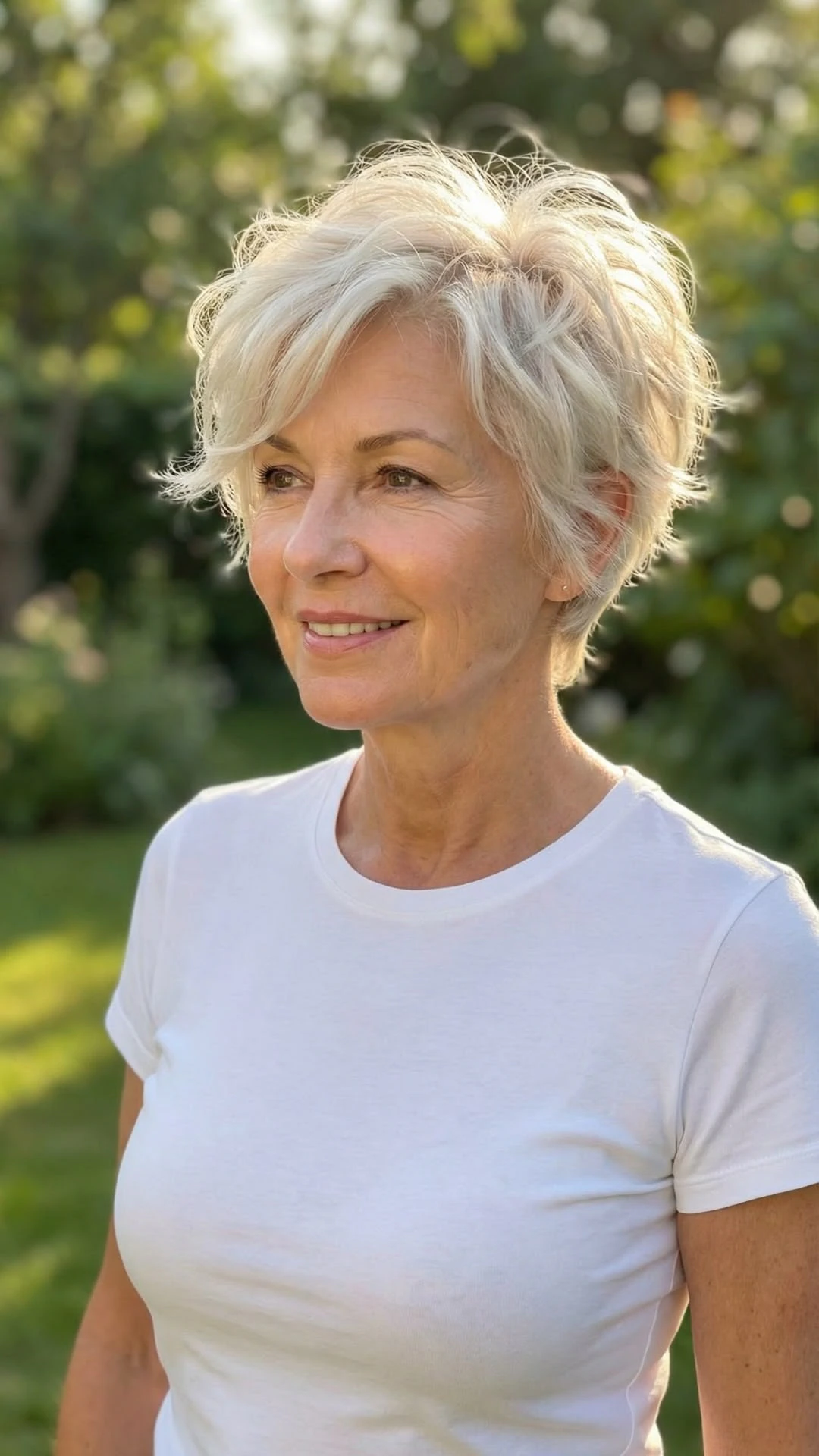
A favorite among women wanting a relaxed look is the modern shag. Unlike more polished, structured styles, a shag actually looks better when it’s a bit undone. Choppy layers and face-framing pieces lend it an effortless, lived-in look. Better still, it often improves with air-drying.
This cut is all about texture, so it’s ideal for wavy and curly hair in particular. For most people, daily styling is just a light squeeze of cream. The shag often looks even better on day two than it did on day one.
Curly Crop Cut
If you’re blessed with natural curls, a curly crop embraces your texture instead of trying to tame it. No heat tools are needed; curls naturally take shape as they dry. A good crop also defines your curl pattern and removes bulk without giving you a triangle shape.
Today, many curl stylists cut dry hair, one curl at a time. This way, they can see exactly where each curl will go. If you have curls, it’s worth finding a stylist who is trained in dry cutting.
Undercut Bob
An undercut bob combines a short, tight section underneath with a smooth top section. This design takes a lot of weight out. As a result, very thick hair dries more quickly and looks neater. It also adds a little more modern flair for those who want a change but don’t want to go too short. The shorter section stays hidden unless you tuck your hair behind your ears or pull it up.
Choosing a Haircut to Suit Your Hair Type
Fine, Straight Hair
Pixies and bobs tend to look best with straight hair. These cuts are more about shape and line than they are about defining curl. Plus, shorter lengths create the illusion of fuller hair since there is less weight on the ends. But don’t go for too many short layers, as they can make fine hair look thinner at the ends.
Wavy and Curly Hair
Wavy and curly hair generally works best in shags and crops. These cuts are designed to show off natural movement. Loose waves also look wonderful with longer layered bobs. But blunt one-length cuts can turn wavy hair into a heavy triangle. Instead, choose layers that remove weight from the middle and the bottom.
Considerations for Face Shape
Face shape is another factor. Round faces often benefit from styles that add height on top, such as a textured pixie. Square faces, on the other hand, usually look best with layered styles that soften a strong jaw. For oval faces, almost any cut will do. Chin-length bobs are excellent for heart-shaped faces, as the added fullness near the jaw helps balance out a wider forehead.
Things to Say at Your Salon Consultation
Before cutting a single strand, success starts with a thorough consultation. First, be honest with your stylist about how much time you really spend on your hair each morning. Then tell them whether you ever blow-dry or use a flat iron. Also mention anything you’ve noticed lately, such as thinning at the crown or a new wave.
Come in with clean, unstyled hair, too. This way, your stylist can see what your natural texture really is. Bring two or three photos of cuts you like and one photo of a cut you don’t. Sometimes, the photo you don’t like tells you more about your taste than the ones you do. Finally, have your stylist teach you how to style the cut with your hands alone. If they need a round brush to style it, it may not be the easy cut you want.
A Simple Morning Routine for Air-Dried Hair
Right After Washing
Even a simple cut works better with the right quick routine. First, wring out the water with a microfiber towel or an old cotton T-shirt. Regular towels rough up the hair cuticle, which causes frizz. Next, while the hair is still quite damp, apply a light mousse or curl cream. At this stage, you set the texture before the hair starts to dry naturally.
Then, put your part where you want it and leave the hair alone. Too much handling as it dries breaks up the shape and creates frizz. For curly and wavy styles, do not brush the hair when it is dry. Instead, gently finger-comb to keep the movement.
Day Two Refresh
The following day, a light mist of water and a little texturizing spray will help revive the shape. Similarly, a quick spritz of dry shampoo at the roots can add lift and absorb oil. As a result, many women find that washing their hair just two or three times a week is sufficient. Sleeping on a silk or satin pillowcase also helps reduce friction and tangling overnight.
Products That Deserve a Spot on Your Shelf
The right products really make a difference, but you only need a few. A light leave-in conditioner helps to tame frizz and keep waves and curls soft. A curl cream is also excellent on textured cuts like shags and crops. But for straighter bobs and pixies, a volumizing mousse at the roots gives lift without weight.
Gray hair needs a little more care. For example, using a purple shampoo once a week keeps silver tones bright and prevents yellowing. Meanwhile, if you have hard water, a clarifying shampoo every couple of weeks will help strip away the mineral buildup that dulls and stiffens hair. For more ideas on creating a full routine, check out our comprehensive hair care and styling guide.
How Often Should You Schedule a Trim?
Low maintenance doesn’t mean no maintenance. Actually, it’s regular trims that keep an uncomplicated cut easy. Shorter cuts lose their shape the quickest, and a pixie needs a trim every four to six weeks. However, a bob typically stays in shape for six to eight weeks. Shags and curly crops can go eight to ten weeks, as their shape is naturally softer.
If you skip the trims, the layers lose their definition and grow out unevenly. This means that the cut that used to fall into place now requires styling to look right. Between visits, a weekly deep conditioning treatment keeps hair soft and shiny. This step is even more important for color-treated or chemically processed hair. If you are thinking of going for short styles, refer to our guide to short haircuts for fine hair to help you decide.
Color Ideas That Grow Gracefully
Color can enhance the natural movement of an air-dried cut. For example, soft highlights provide depth that becomes visible when the hair settles into its shape. Another practical option is balayage, which fades gradually and helps to minimize the need for frequent root touch-ups.
If you’re growing out your natural gray, subtle lowlights can add depth without a lot of upkeep. Gloss treatments every few months also add shine and soften the contrast between gray and darker strands. Meanwhile, warm caramel or honey tones tend to look beautiful on short, textured cuts. Most importantly, pick a color plan that matches the low-effort cut you just chose. Otherwise, you will find yourself in the salon more than ever.
Why Simple Cuts Sometimes Fail
Many women are reluctant to try wash-and-wear haircuts for women over 50 because a previous cut let them down. Usually, the problem was not the style itself; the cut simply didn’t work with their natural texture. For example, a sleek blunt bob on curly hair will always require heavy styling to look right.
Product selection is another common problem. Heavy creams and oils can flatten fine or thinning hair in a matter of hours. Therefore, lightweight formulas are generally more suitable for mature hair. The same problem can happen if you use too much product, even if you have the right formula. Start small, and if you need to add more, do so.
Scalp care is too often forgotten. The scalp is the basis for healthy hair, especially when the hair becomes finer. The American Academy of Dermatology offers practical, research-based tips on hair and scalp health. Those recommendations go well with any low-maintenance routine.
Switching Without Regret
If you’re moving away from a high-maintenance style, a gradual change can seem less daunting. You might start with a long layered bob, for example, before going to a pixie. That way, you can see how your hair behaves at a shorter length. Then you can go shorter at the next appointment if you like it.
Give a new cut two or three washes before you judge it. It can take a few days for hair to settle down, especially when layers are added. Additionally, your hands need time to adapt to the new shape. Once both have adjusted, the routine usually feels natural within a week or two.
Lastly, ask for a short follow-up appointment. Many stylists offer a free or low-cost tweak a few weeks later. This small step allows you to adjust the length or layers after you’ve worn the cut for a bit.
Discovering a Cut That Suits Your Life
Selecting a wash-and-wear haircut for women over 50 is not a difficult task. Whether you prefer textured pixies, relaxed shags, or defined curly crops, there’s a cut that works for your texture, face shape, and everyday routine. With a couple of excellent products and regular trims, it will look polished every day with very little effort.
This might be the perfect moment for a change if mornings have started to feel a little hurried. Book a consultation, bring your photos, and have an open and honest chat about the time you want to spend on your hair. You’re going to walk out the door with wet hair and know that it’s going to dry just right.