



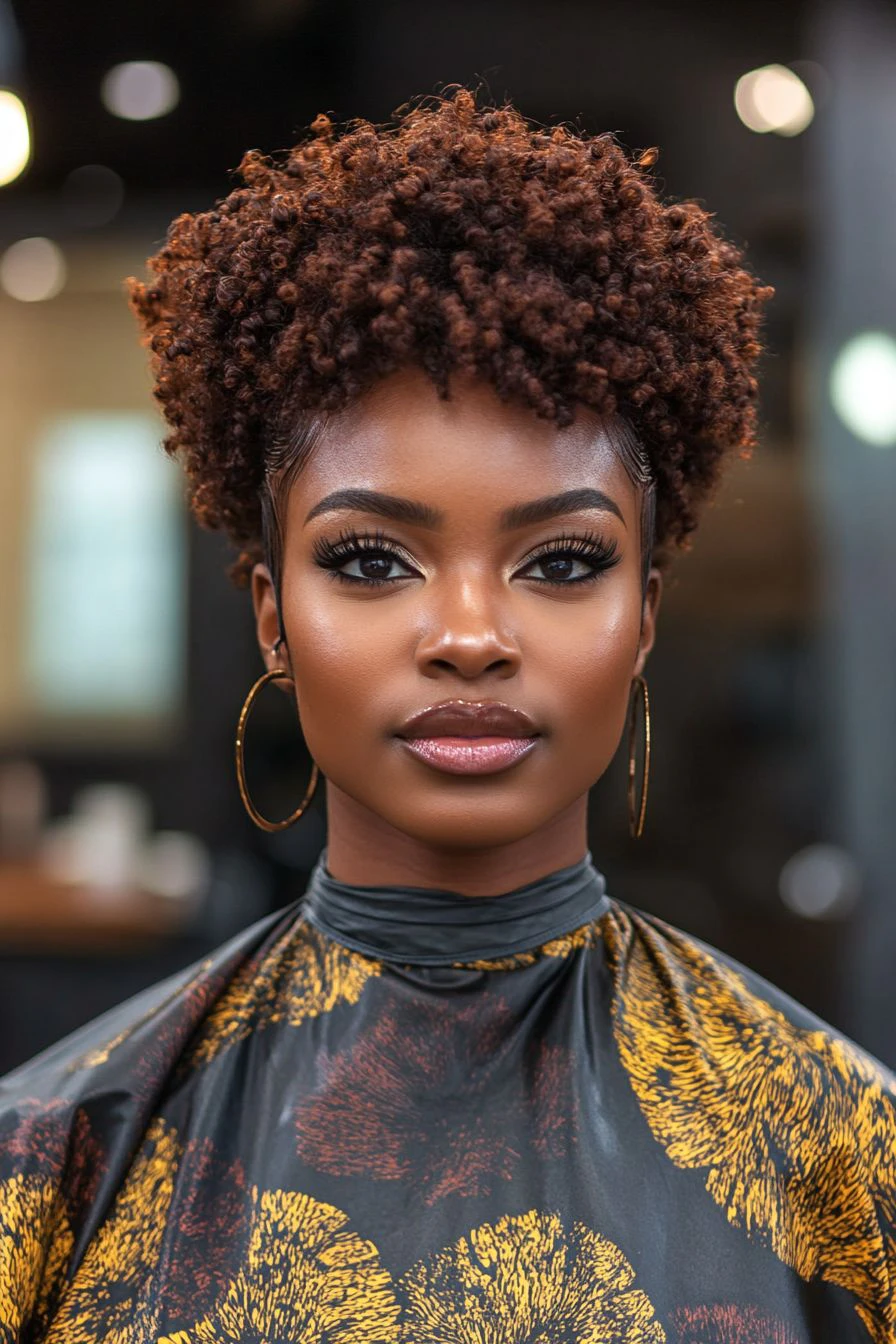
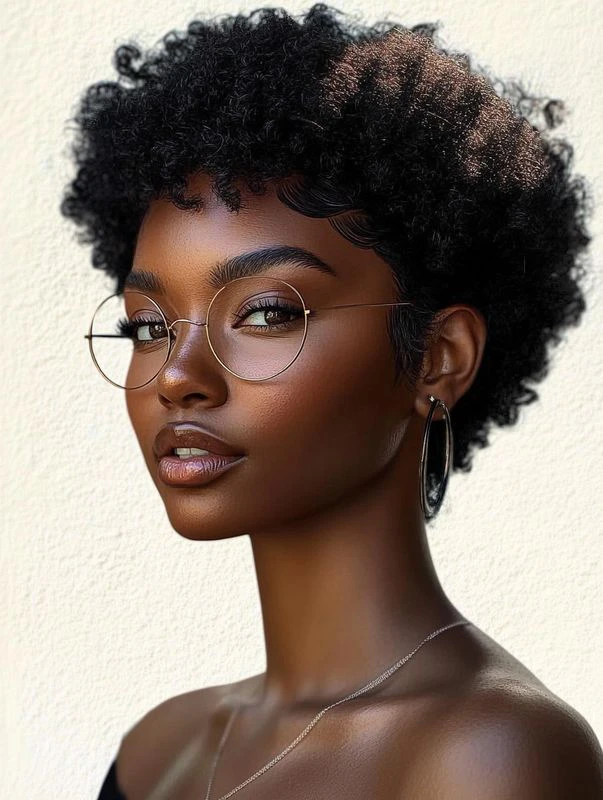
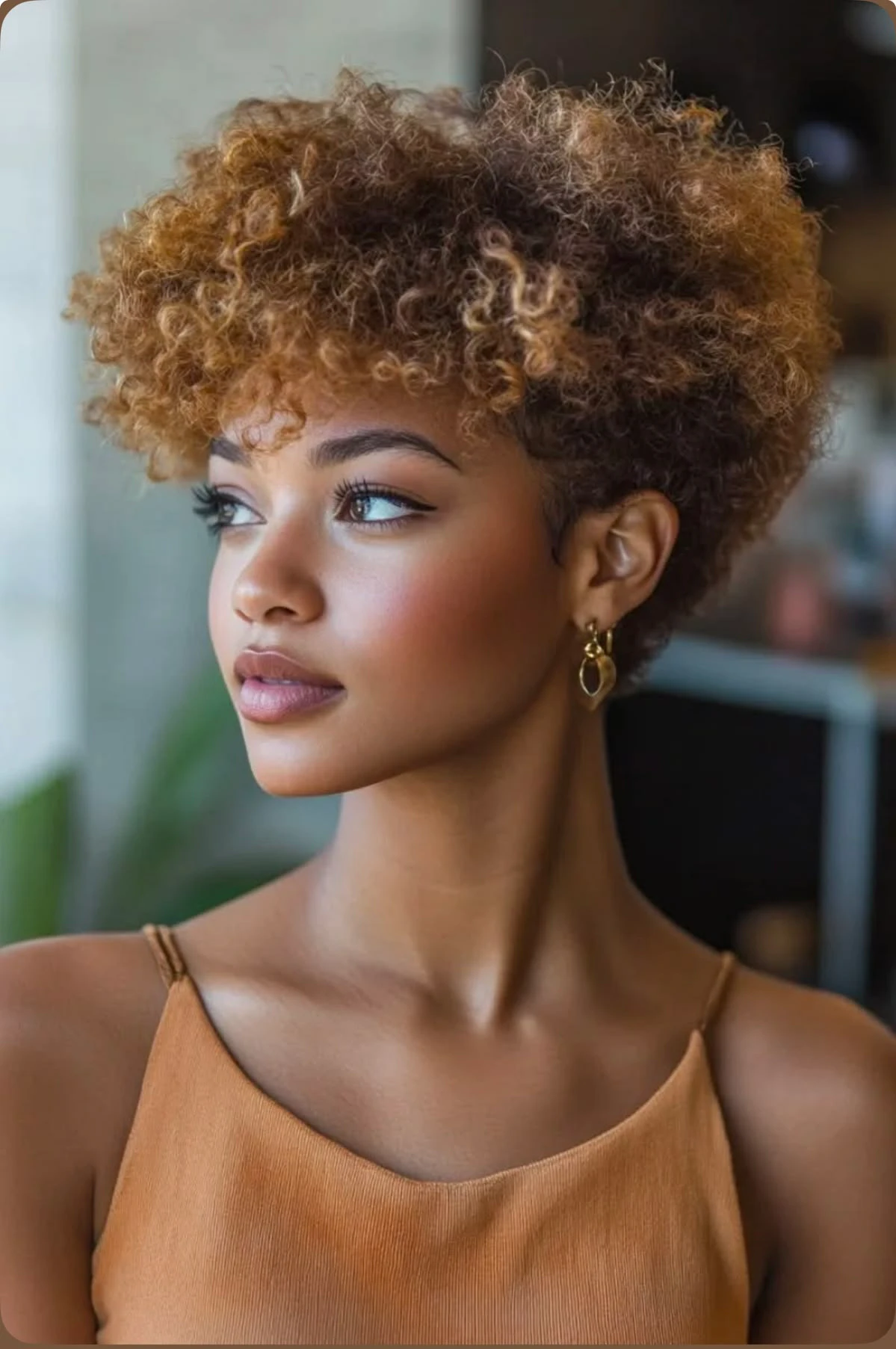
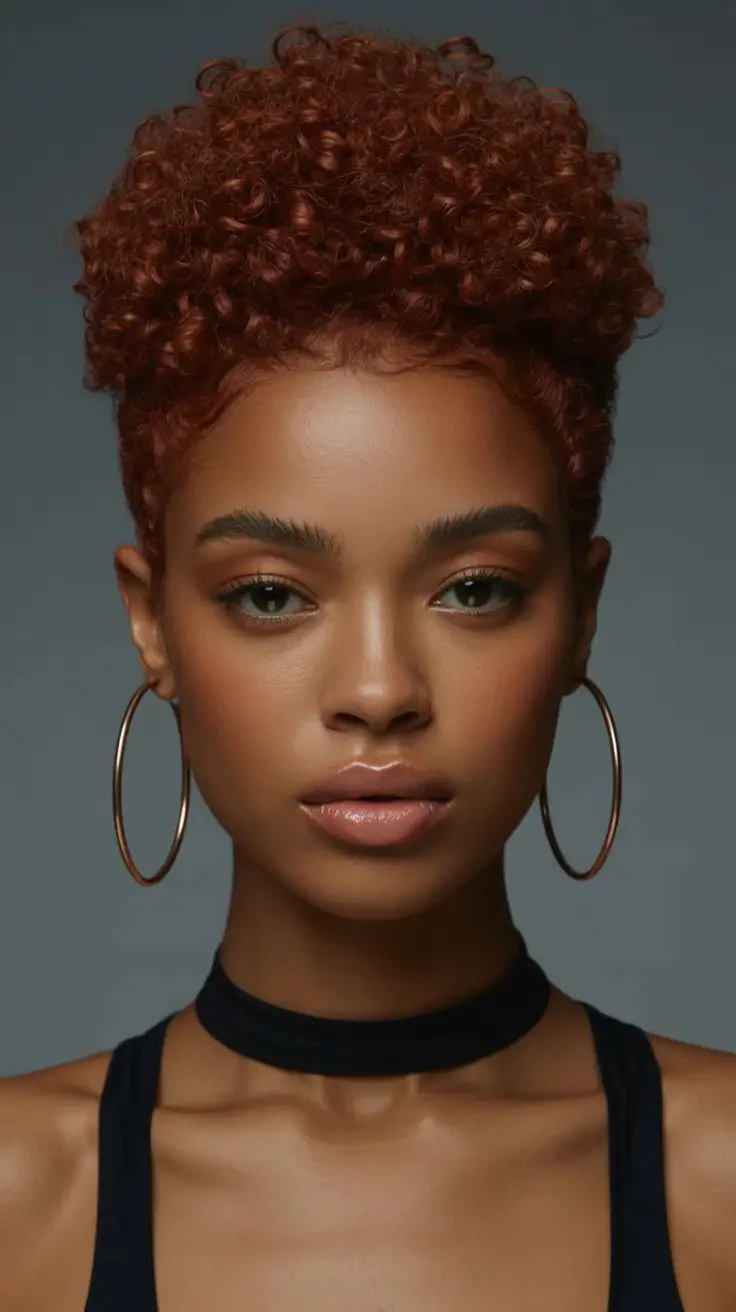
Natural hair has individuality. It curls and coils and shrinks and springs in a way that no other hair can do. But finding the right haircut to celebrate that texture isn’t always straightforward. The good news is that short natural styles can be functional as well as very individualized.
Short afro haircuts are very popular for various reasons. They bring out natural texture in a way that longer styles sometimes don’t. They make everyday activities easier without compromising style. There’s a shape for nearly every curl pattern, density, and face structure, from rounded mini afros to sharp tapered cuts.
The secret to a wonderful cut is to find one that works with your hair, not against it. The most dramatic style isn’t always the best one. The right haircut is the one that matches your curl pattern, your daily routine, and the way you want to look when you leave the house.
Shorter cuts also do something else worth noting. They bring facial features forward. A pleasing silhouette can guide the eye to the cheekbones, jaw, or brow. Textured layers offer movement and dimension that longer styles often lose to weight.
Natural short hair allows for further experimentation. You can use color, a shaved design, or a different outline, or let your natural pattern do all the work.
Why Short Afro Haircuts Look So Good
Short natural hair can make your everyday routine simpler in practical ways. It is easier to detangle, takes less time to wash, and dries faster.
But convenience is only part of the story.
Removing extra length can frequently give curls and coils a more elevated look. They might look more defined, more structured, and tighter than when they’re weighed down with length. The entire shape of the hair becomes a style statement.
Short hair is also more versatile than many people realize. You can still have that classic circular silhouette. Or you can trim the sides for a sharper, more modern appearance. You can go wild with color or keep it simple with a clean shape and well-moisturized texture.
The styling routine is delightfully quick. Begin with damp hair and apply a light leave-in conditioner. Run your fingers through the curls to separate them. If you want more definition, then add a little curl cream. Then let it air dry. This simple approach results in a soft, natural look without overworking or product overload.
Most Popular Short Afro Haircuts
The short afro can be styled in numerous directions, each resulting in a somewhat different look. Your curl pattern, hair density, face shape, and lifestyle all play a role in choosing the right one for you.
Classic Mini Afro
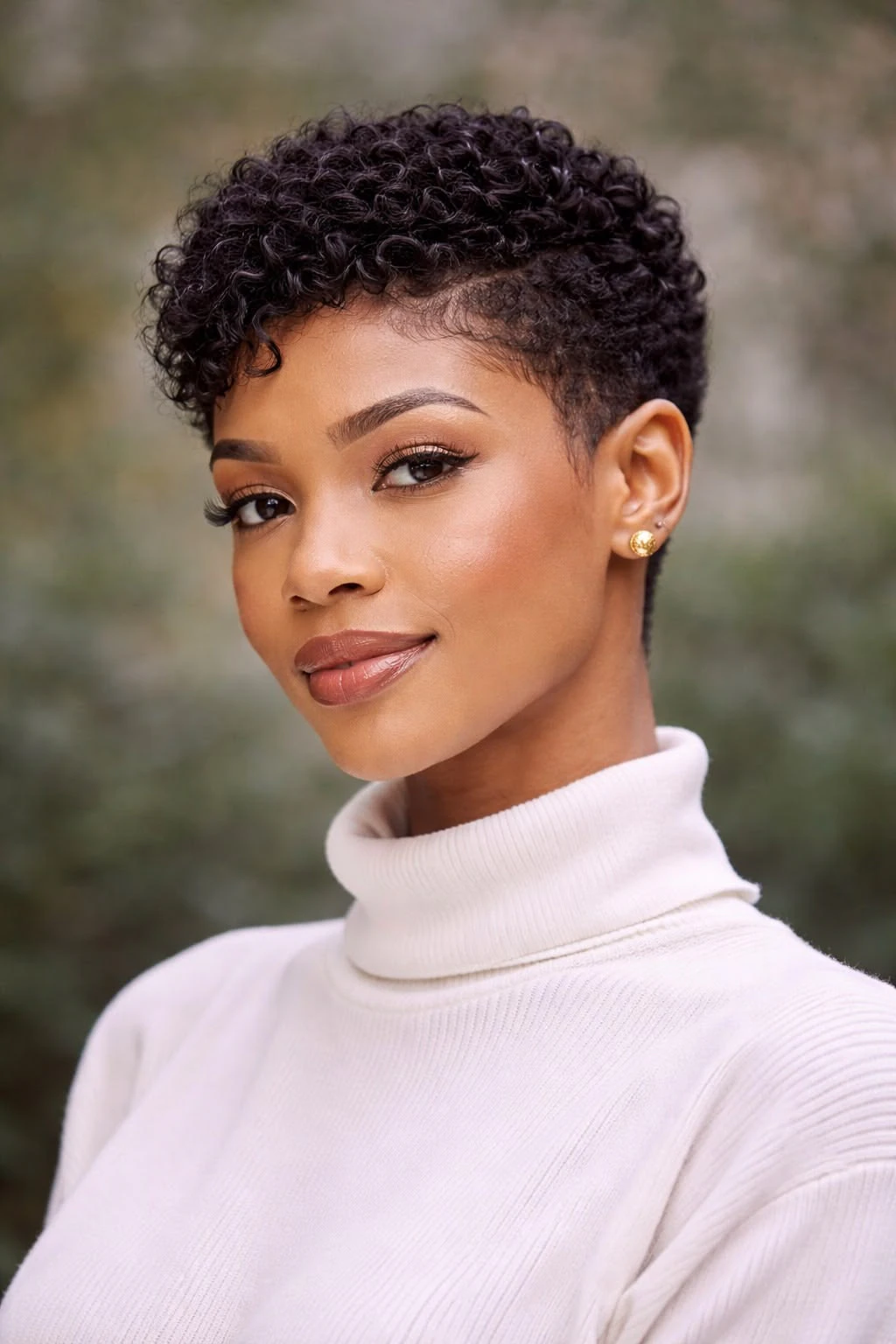
The mini afro is a classic. It keeps the hair short, but the natural texture is 100% intact. It might be round, a bit oval, or custom-shaped to suit your face. This haircut is simple, which is why it works so well.
For styling, start with freshly washed and conditioned hair. Apply a light leave-in product evenly through the hair. Use your fingers to pull the curls apart and lift them up. Add texture with a curl sponge, gliding it gently over the surface of the hair. Don’t overwork it, since too much friction can lead to frizz and dryness. Let the hair air dry and settle naturally into shape.
Tapered Afro
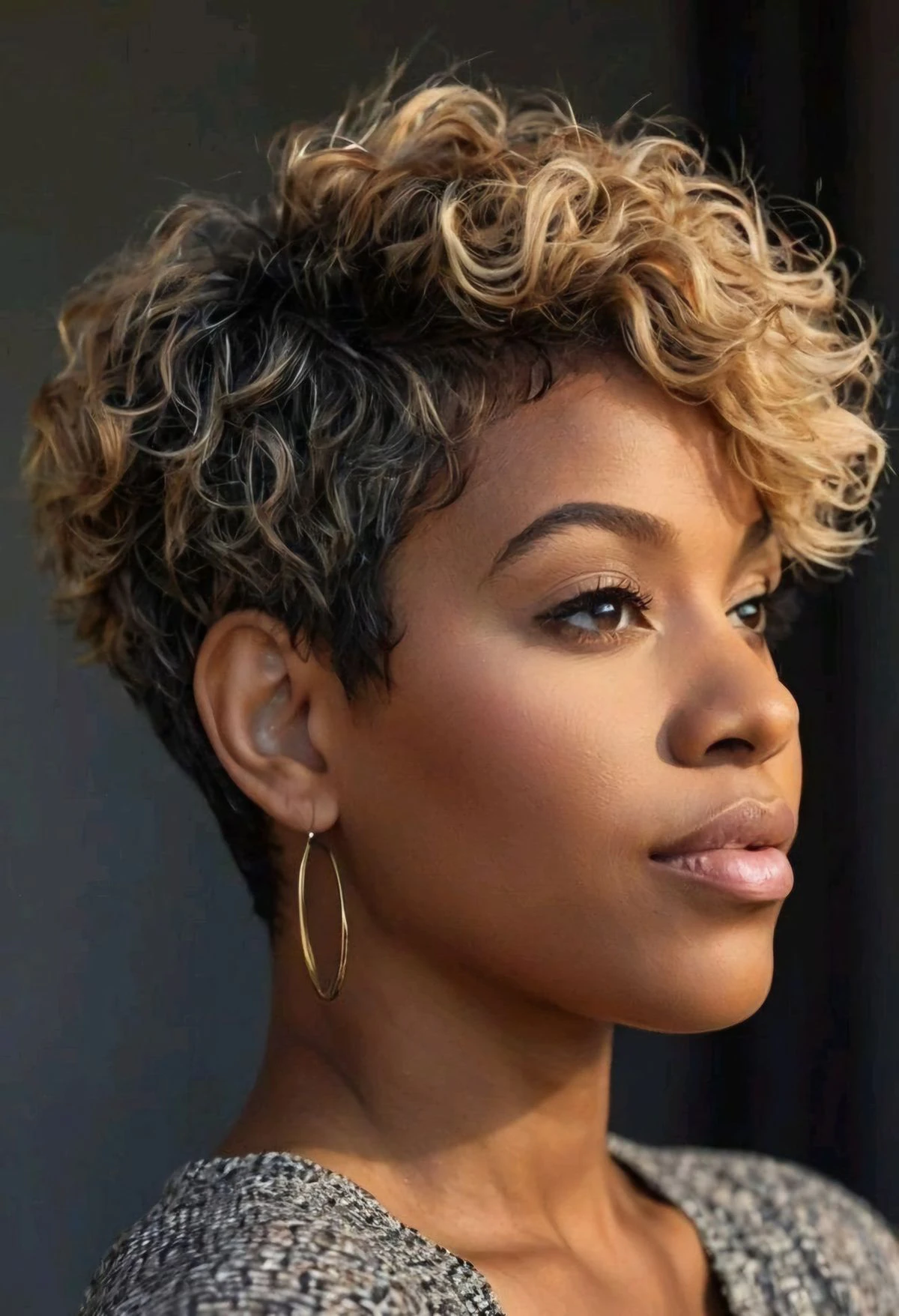
The tapered afro creates a clear contrast between the sides and the top. The sides and back are trimmed shorter, with greater length and volume on top. This creates a crisp outline and doesn’t take away from the natural character of the hair.
A high taper provides a strong, structured look. The contrast between the top and sides is stark, and the neckline appears tidy and crisp. This style is particularly well-suited for those who like volume on top but a cleaner finish on the sides.
A low taper, however, produces a softer transition. The sides are left longer for a fuller look before gradually shortening toward the neckline. The outcome is less dramatic but still sleek.
Short Afro with Fade
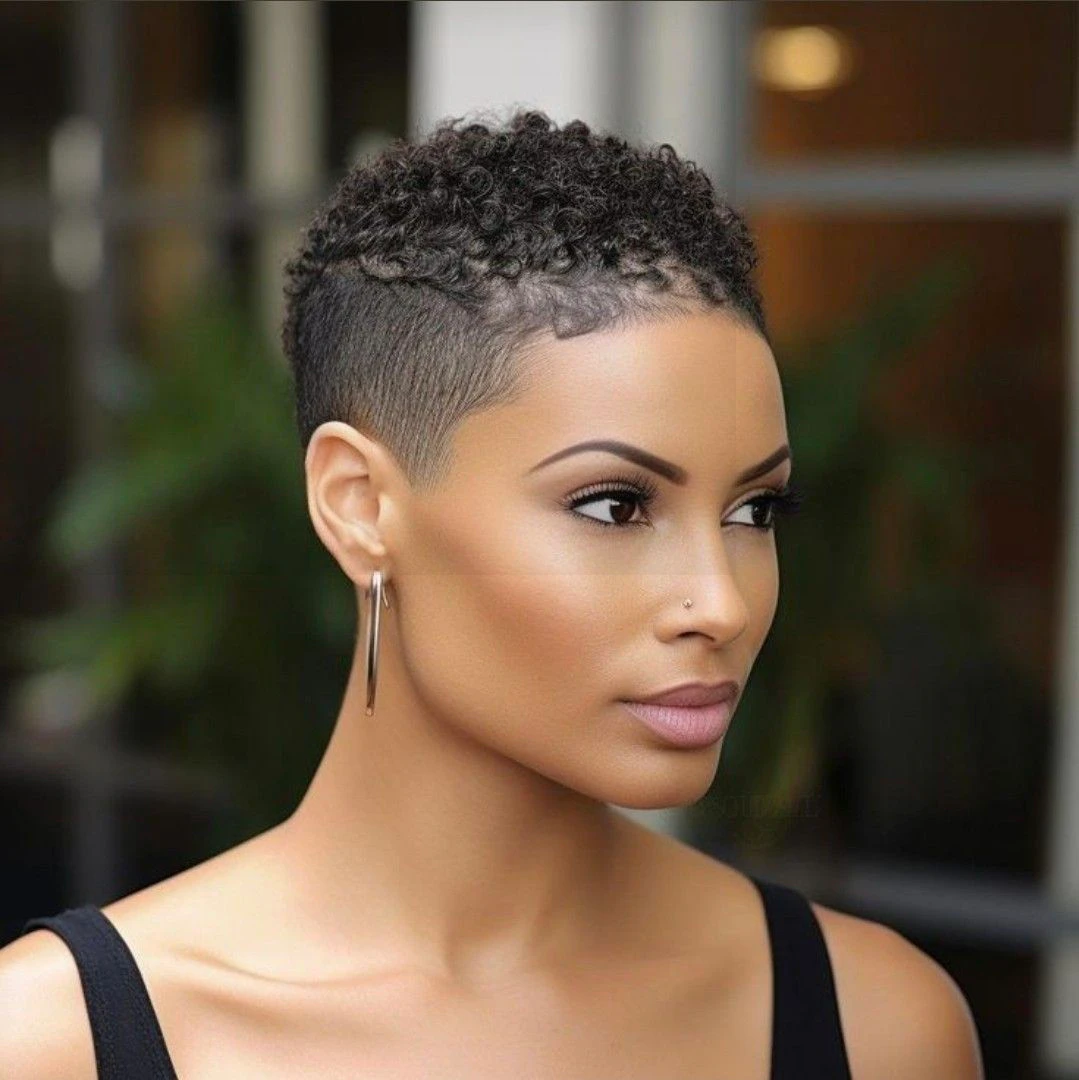
A fade takes the idea of a taper one step further. It creates a gradual transition from very short hair on the bottom to longer hair on top. The effect is quite smooth and precise.
A low fade starts near the neckline, giving a subtle, sophisticated vibe. It works for people who want structure without a lot of visual difference. A mid-fade starts higher up on the sides, which makes the distinction between top and sides more obvious. Of all the fades, the high fade has the most contrast. The sides are kept very short, so the well-defined afro on top takes center stage and looks striking.
Shaved Design Options
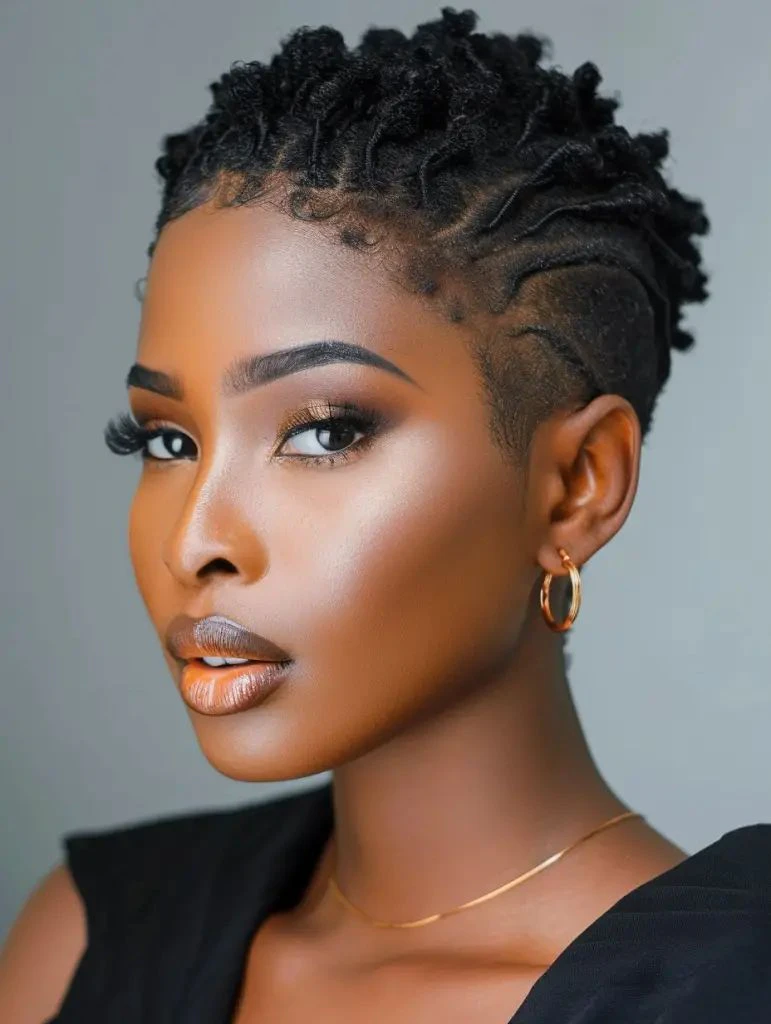
A shaved design can add a unique twist to a plain haircut. The temples, the area behind the ears, and the neckline are common places for designs. Simple lines provide a subtle effect. Geometric patterns are bolder and more expressive. Since the hair is short, the design becomes part of the overall look and isn’t concealed in length.
Choosing a Short Afro Style Based on Face Shape
When choosing a haircut, face shape is one of the most valuable guides. While it’s not a strict rule, understanding where to add volume and where to keep it tight can be beneficial.
For round faces, height on top creates a longer silhouette. A trimmed afro with added volume at the crown will do just that. A side part can help too, as it creates asymmetry, which makes the face appear less round.
For square faces with stronger jawlines and more angular features, the rounded afro silhouette adds softness. The curving shape of the afro serves as a natural counterpoint to the angular bone structure. Avoiding an overly rigid or boxy shape keeps the overall impression softer.
Heart-shaped faces are wider at the forehead and narrower at the chin; thus, a rounded afro with moderate height distributes perceived weight evenly. Adding a little fullness around the sides helps balance the proportions even more.
Most short afro shapes work for oval faces. An oval face is naturally well-balanced; thus, it’s only a matter of personal taste. A rounded mini afro can accentuate symmetry, and a tapered shape gives structure.
Styling a Short Afro on Curly & Coily Hair
A short afro is characterized by its natural curl or coil pattern. For curly textures, a light curl cream will help define and set the curl pattern all day long.
For tighter curls, work on damp hair and apply product in small portions. Where necessary, wrap individual curls around your finger. Do not brush your hair when it is dry; instead, gently separate the curls with your fingers.
For a softer look, use less product and let the natural pattern form on its own. Once dry, lift the roots gently for volume, but do not disrupt the curl structure.
Coily textures tend to shrink quite a bit. Once dry, the hair can look much shorter than it did while wet. This is worth discussing with your hairdresser before they start cutting, as the final length might be very different from the wet length.
The coily tapered cut looks excellent on these textures. The crown is significantly longer, and the sides taper gradually, giving it a strong, defined profile. A leave-in conditioner and lightweight styling product will help keep the moisture and shape all day long.
Adding Color to a Short Afro
Color can totally change the look of a short afro. Because the hair is short, a little color goes a long way.
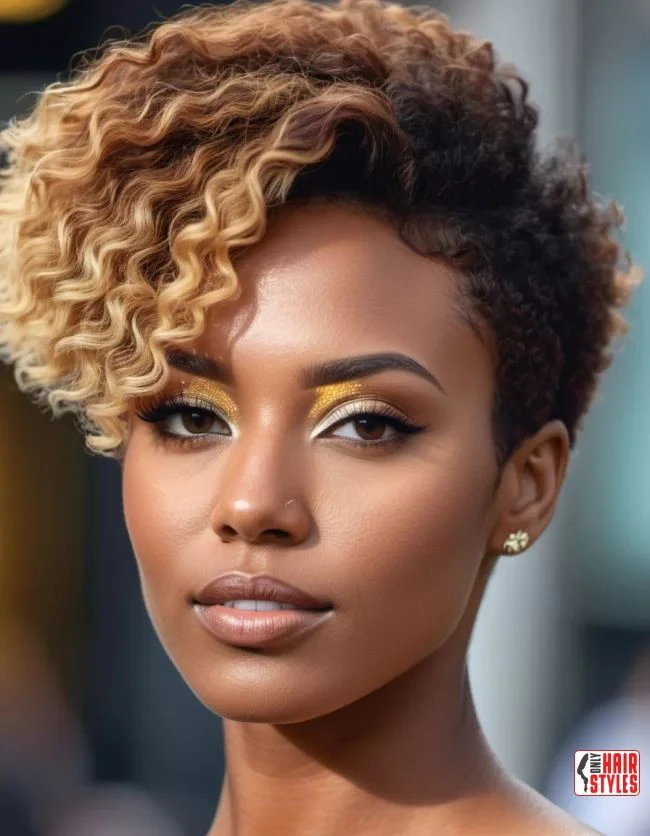
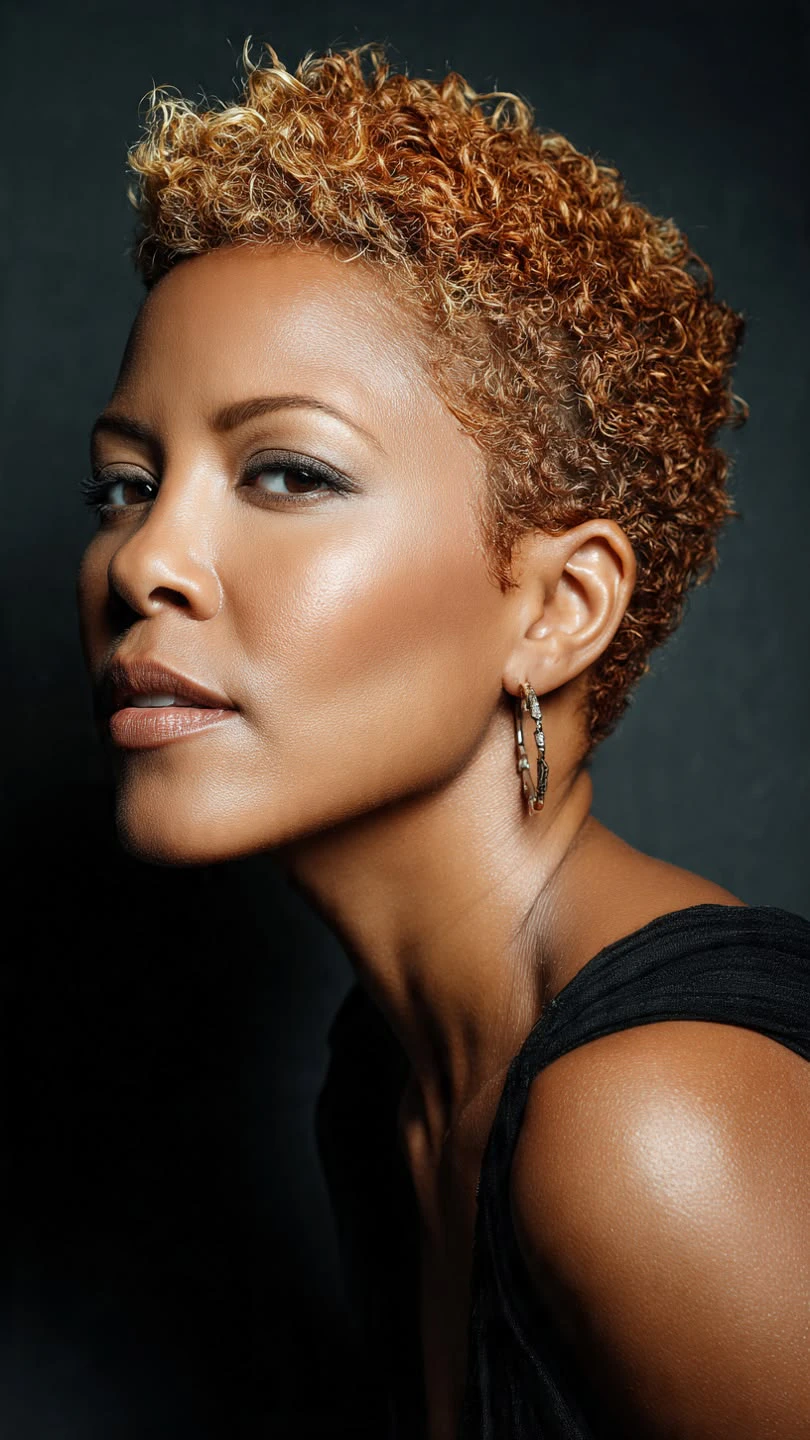
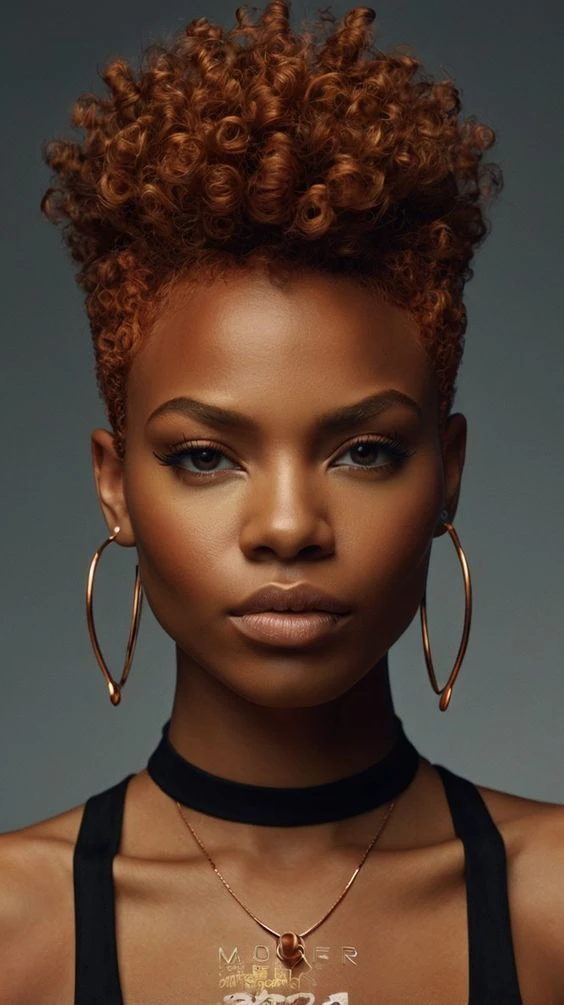
Warm brown highlights add dimension without radically changing the overall tone. Honey brown adds warmth and depth when applied only to selected curls. Copper looks more dramatic and vibrant and can range from a soft auburn to a blazing orange, according to your taste.
If you want a subtle change, blonde tips are a fantastic alternative. The natural base still shows, so the look stays grounded. This technique works best on tapered cuts where the contrast between the shorter sides and the colored tips is most evident.
The one thing to remember about colored natural hair is hydration. Color treatments can strip the hair of its natural moisture, making a consistent conditioning routine even more crucial after coloring.
Taking Care of Short Natural Hair
Even short afro haircuts need regular upkeep. Natural hair can dry out easily without regular moisture, and when it is dry, it breaks and loses definition.
Start with a gentle cleansing routine. Use a hydrating shampoo that doesn’t strip your hair. Then, use a conditioner made for natural textures. Apply a leave-in conditioner while hair is still damp after washing.
If your hair seems a bit dry after you’ve styled it, a small amount of natural oil will help seal in moisture. However, avoid excessive use of products. Too much product can flatten hair and make it feel heavy and lifeless.
Scalp health is a crucial aspect of this routine. Healthy hair starts at the root, with a clean, comfortable scalp. Use products that suit your scalp type and avoid anything that causes irritation.
For overnight protection, a satin or silk bonnet prevents friction as you sleep. A satin pillowcase is a wonderful alternative if you find bonnets uncomfortable. Either way, it keeps the shape of the style and avoids needless loss of moisture overnight.
Cut & Care
How often you need to get a haircut depends on the style. A crisp fade needs more frequent visits since sharp lines grow out quickly. A rounded mini afro will grow out more naturally and may require less frequent shaping.
Keep an eye on the neckline and the edges. When the edges start to seem uneven and the shape doesn’t feel as defined, it’s typically time for a refresh. Regular trims will help you keep the look intact between appointments.
Products That Work for Short Afro Styles
Most short afro styling methods begin with a leave-in conditioner. It adds hydration and makes the hair easier to manage. Curl cream enhances definition and protects the natural pattern, keeping it in shape. A lightweight gel provides a little extra grip for styles that need to last all day.
A curl sponge can add texture to shorter hair by gently shaping the coils and curls on the surface. It’s a handy tool for small afros and tapered designs.
Select products according to your hair type. Heavy creams can weigh down fine hair, while thicker hair needs richer moisturizing creams to lock in moisture. Use a little at first with any new product and increase slowly as needed.
Things Not To Do With Short Natural Hair
One of the biggest problems with short afro haircuts is not taking shrinkage into account. Natural hair shrinks a lot as it dries. Always discuss the finished length you want with your hairdresser before starting the cut.
Constant high heat can damage the natural curl pattern over time. If you use heat tools, use a heat protectant beforehand and keep the temperature at a moderate level.
Over-touching and manipulation can also add stress to the hair. Be gentle and avoid restyling it during the day unless you really have to.
Lastly, don’t forget the scalp. A healthy scalp is the foundation of a healthy hair routine. Use products that suit it, and treat dryness or irritation early.
Short Afro Hair and Accessories
Short hair can still carry accessories well. A brightly colored headband adds personality without fighting the texture. Small clips add a finished touch at the temples or across the front. A scarf wrapped casually at the hairline can add a classy note to casual looks.
For special occasions, decorative pins can be placed on the side or crown of the head. With such a short hairstyle, one well-chosen accessory can have more impact than several small ones.
Choose Your Haircut According to Your Lifestyle
You should also think about your everyday schedule when choosing a haircut. If you work out a lot, a short tapered design will dry quickly and keep its shape after washing. A traditional mini afro requires very little daily maintenance if you prefer not to spend much time on your hair.
Shaved designs or bold colors may be the ideal expression for those with creative personalities. For those who like a little variety, it could be worth leaving a bit more length on top for flexibility.
The thing is, the ideal short afro hairstyle is the one that works with your real life. It should work with your schedule, your fashion preferences, and how you want to present yourself on a day-to-day basis.
Short afro hairstyles are about more than just reducing length. They are about texture, definition, and expressing something personal through the natural pattern of the hair. With the right shape, a consistent care routine, and products that suit your hair’s needs, a short afro can be one of the most adaptable and expressive haircuts out there.