


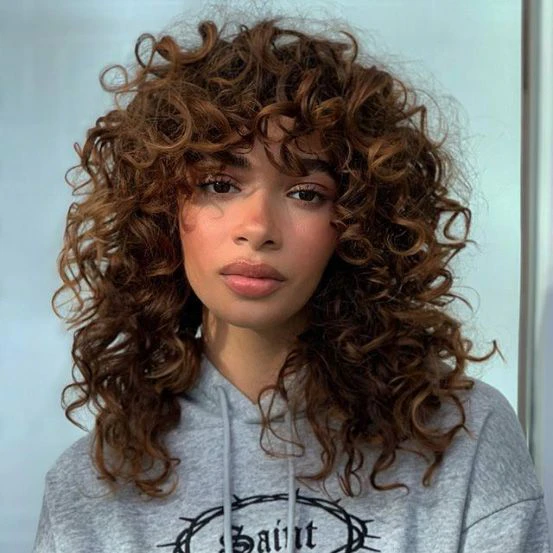


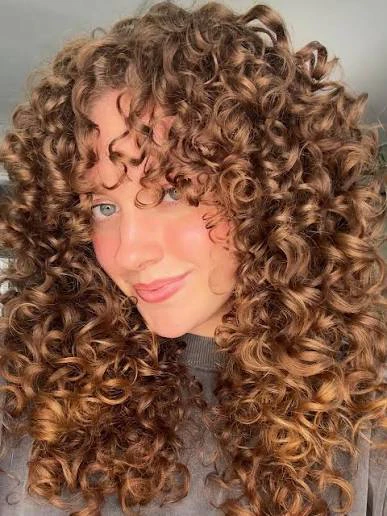
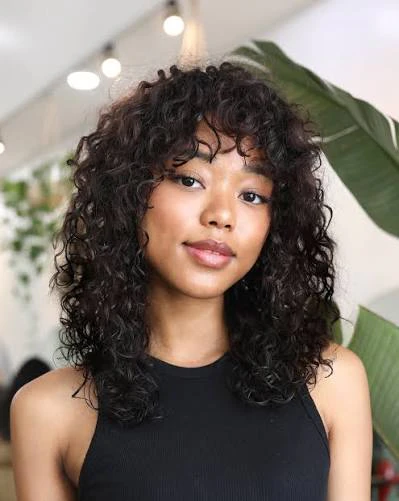
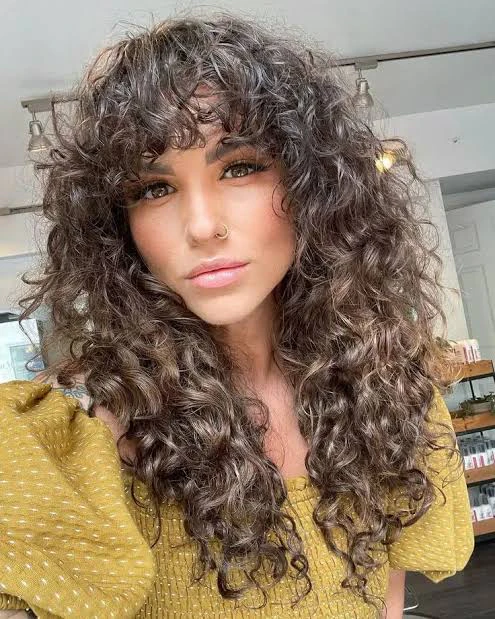
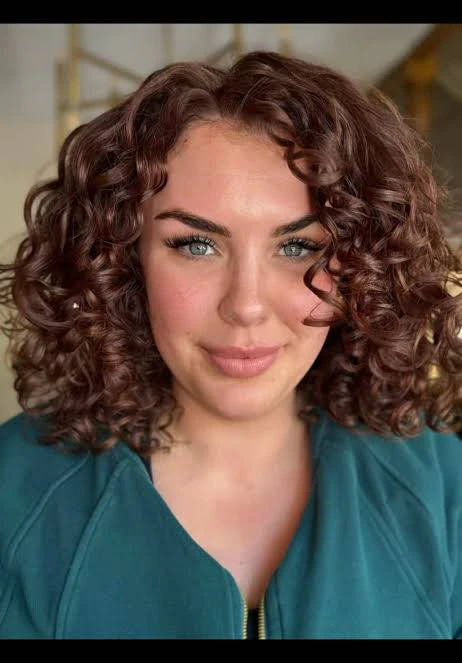
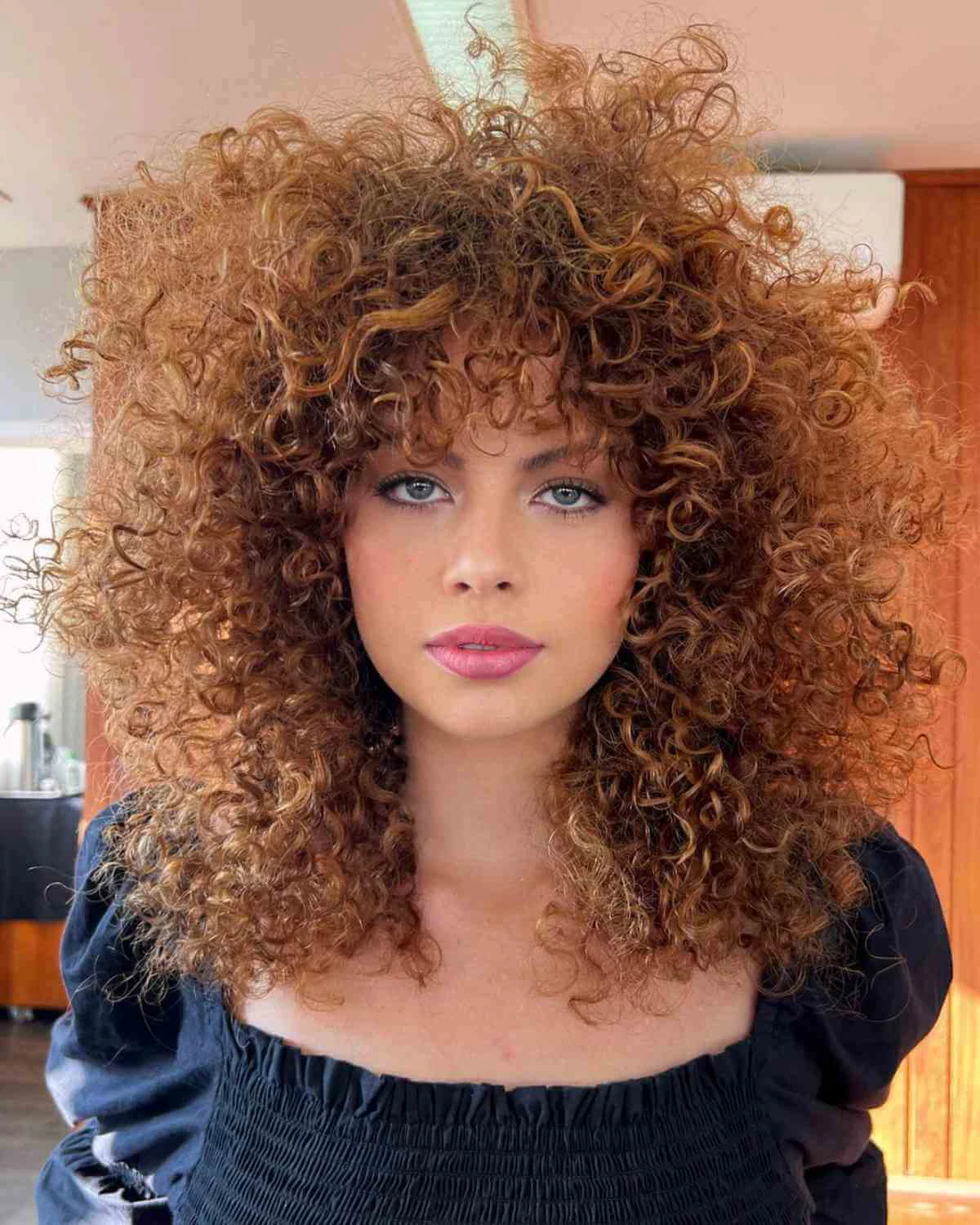
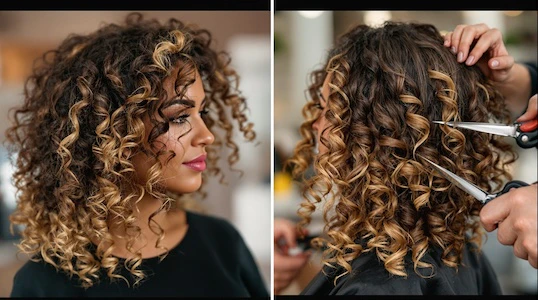
Curly hair has its personality. Every curl pattern moves differently. So cutting curly hair takes more than trimming the ends. The right technique can improve shape, movement, volume, and definition. On the other hand, the wrong approach can create unwanted bulk, uneven layers, or a shape that becomes difficult to manage.
For this reason, choosing the right curly hair cutting technique is an important step toward healthier, more manageable curls. A good haircut should work with your natural texture. It should also complement your face shape, lifestyle, and styling routine.
In this guide, you will learn how to approach curly haircuts with confidence. We will also cover curl patterns, cutting techniques, layering, maintenance, and common mistakes. As a result, you can make better decisions before your next salon appointment.
Why Curly Hair Needs a Different Cutting Approach
Straight hair usually falls in a predictable direction. Curly hair does not. Each curl can shrink, expand, twist, or change direction. As a result, the final length may look entirely unique once the hair dries.
Another important factor is curl shrinkage. Some curls can look much shorter when dry. Therefore, a stylist needs to understand how the hair behaves in its natural state.
Curly hair also reacts strongly to weight. Too much weight can stretch the curls and reduce their definition. However, removing too much hair can create excessive volume. The aim is to achieve the right balance.
Moreover, curls often vary across the same head. You may have tighter curls around the crown and looser waves near the front. Because of these differences, a customized haircut often produces better results than a one-size-fits-all method.
Natural Curly
Before choosing a haircut, identify your natural texture. This does not mean you need to follow a strict curl classification. Instead, focus on how your hair naturally behaves.
Wavy Hair
Wavy hair usually forms soft S-shaped patterns. It may look almost straight when wet and become more textured as it dries. Lightweight layers can help enhance movement without creating too much volume.
Curly Hair
Curly hair forms more defined loops or spirals. It often benefits from strategic layers. These layers can prevent the shape from getting heavy while letting the curls move naturally.
Coily Hair
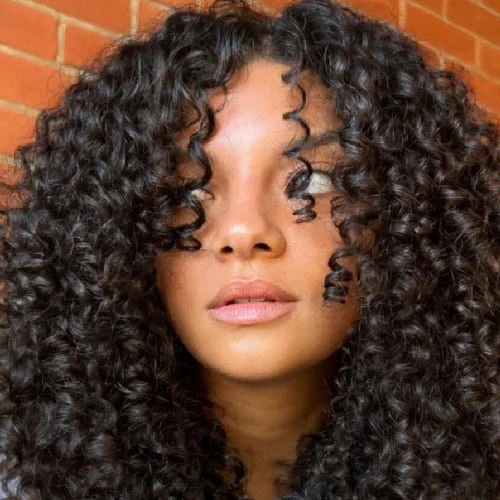
Coily hair has a tighter curl pattern. It can also experience significant shrinkage. Therefore, the cutting technique should consider both the visible length and the hair’s natural spring.
Regardless of texture, moisture plays an important role. Well-hydrated curls are easier to assess and style. For more information about maintaining moisture, consider adding an internal guide such as Curly Hair Care Tips to your website.
Choosing the Right Curly Haircut
The best haircut depends on more than just your curl type. Face shape, density, hair length, and daily styling habits also matter.
For example, someone with thick curls may benefit from carefully placed layers. These layers can remove excess weight while preserving the overall shape. Meanwhile, someone with fine curls may need fewer layers to maintain fullness.
Lifestyle is also important. If you prefer a low-maintenance routine, a complicated shape may not be practical. Instead, choose a cut that works with your natural texture and requires minimal styling.
Your stylist should also ask how you normally wear your hair. Do you prefer a defined look? Do you often wear your curls naturally? Or do you sometimes straighten your hair? These details can influence the final shape.
The Role of Layers in Curly Hair
Layers are one of the most useful tools for creating shapes. However, you should place them carefully.
Long Layers for Balanced Volume
Long layers can create movement without removing too much weight. They are especially useful for medium and long curls. They can also help prevent the ends from looking too heavy.
Shorter Layers for More Lift
Shorter layers can create additional volume around the crown. As a result, curls may appear fuller and more dynamic.
However, shorter layers require careful planning. If you remove too much length, your hair can become difficult to control. Therefore, your stylist should consider curl shrinkage and density before making significant changes.
Face-Framing Layers
Face-framing pieces can make a major difference. They can highlight your facial features and create a softer overall shape. They can also make long curly hair feel lighter without dramatically changing the overall length.
Dry Cutting
One of the most discussed topics in curly hair cutting is whether hair should be cut wet or dry.
A dry haircut allows the stylist to see how each curl naturally sits. This can make it easier to create a balanced shape. It also allows the stylist to account for shrinkage and individual curl behavior.
Wet cutting, meanwhile, can provide more control over the basic length. Water temporarily stretches the curls. As a result, the stylist may find it easier to create a precise foundation.
Both approaches can work. The important factor is the stylist’s experience and understanding of curly texture. Often, a stylist may combine techniques to achieve the desired result.
How to Prepare for Your Haircut
Preparation can make your salon appointment more productive. First, arrive with your hair in the condition you normally wear it.
Avoid using heavy products immediately before the appointment. Excessive product buildup can hide the natural texture. Instead, stick to your routine and let your stylist see your curls clearly.
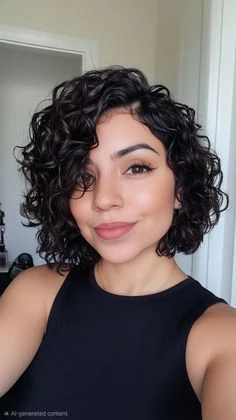
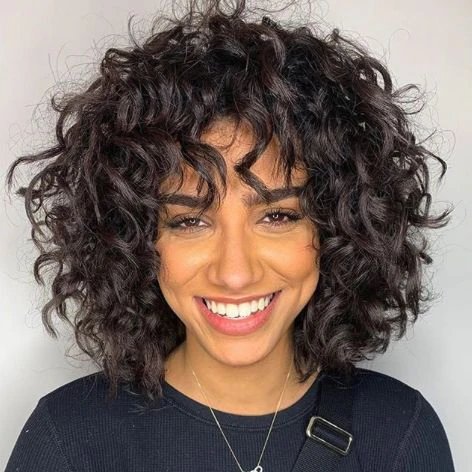
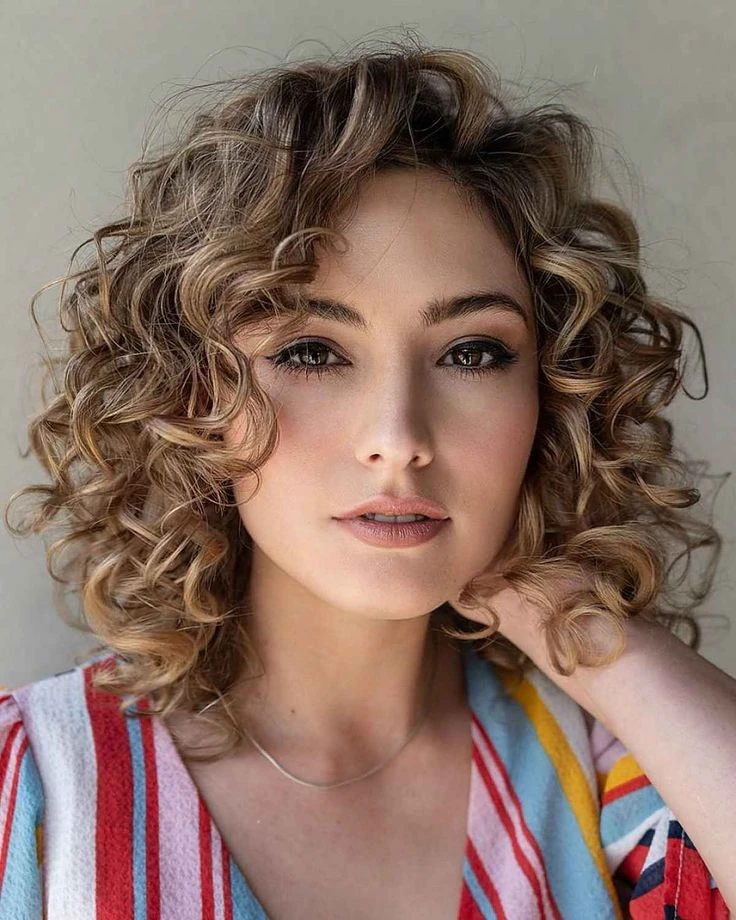
It is also helpful to bring a few reference photos. However, do not focus only on the haircut in the picture. Consider the model’s curl pattern, density, and hair length as well.
Your stylist can then explain what is realistic for your specific texture.
Curly Hair Cutting
Even a small mistake can affect the overall shape of curly hair. Fortunately, you can avoid many common problems.
Shrinkage can make freshly cut curls look shorter than expected. Therefore, always discuss your desired dry length before the cutting process begins.
Layers can add movement. Nevertheless, excessive layering may create unwanted volume or make the ends appear thin.
Two people can have the same curl pattern but entirely different densities. Thick hair may require weight removal. Fine hair may need more structure.
Curly hair is rarely uniform. Some areas may curl more tightly than others. Therefore, the haircut should respond to these differences rather than forcing every section into the same shape.
A popular haircut may look fantastic on one person. However, it may not work the same way on another curl pattern. Instead of copying a trend exactly, adapt the idea to your natural hair.
New Curly Shape
A fantastic haircut is only part of the process. Your daily routine also affects how the shape looks.
First, use products that support your curl type. A lightweight leave-in conditioner can help improve softness and moisture. Likewise, a curl cream or gel can help maintain definition.
Next, you should avoid brushing dry hair too much. Dry brushing can disrupt the curl pattern and create frizz. Instead, detangle gently when the hair is wet and conditioned.
Furthermore, drying technique matters. Scrunching can encourage curl formation. Diffusing can also add volume while reducing the time the hair stays wet.
For additional care, you can create an internal resource such as How to Define Natural Curls. This gives readers another useful page to explore while improving internal site structure.
How Often Should You Cut Curly Hair?
There is no universal schedule for curly haircuts. Hair growth, damage, length, and styling preferences all influence the ideal timing.
Some people prefer frequent trims to maintain a specific shape. Others wait longer and make larger changes. If your ends feel rough or your haircut has lost its structure, it may be time for a refresh.
Regular trims can also help maintain the intended shape. However, trimming does not make hair grow faster. Instead, it helps remove damaged or split ends and keeps the haircut looking intentional.
Stylist for Curly Hair
Choosing a stylist who understands curls can make the experience much easier. Start by reviewing their portfolio. Look for clients with textures and densities similar to yours.
During your consultation, ask how they approach curly hair. You can also ask whether they prefer dry cutting, wet cutting, or a combination of both.
Communication is equally important. Explain how you normally style your hair. Tell your stylist how much time you want to spend on your routine. Furthermore, be clear about how much length you are comfortable removing.
A good consultation creates realistic expectations. It also gives the stylist useful information before the first cut.
Beautiful curls start with a haircut that respects natural texture. The right shape can improve definition, movement, and manageability. At the same time, your haircut should fit your lifestyle and styling habits.
Effective curly hair cutting isn’t about following one universal method. Instead, it is about understanding curl behavior, density, shrinkage, and individual preferences.
So, be sure to communicate with your stylist. Bring reference photos and discuss your goals before the scissors come out. Most importantly, choose a shape that works with your natural curls, not against them.
With the right technique and consistent care, curly hair can look defined, balanced, and full of movement. Your natural texture is unique. Your haircut should be just as individual.