








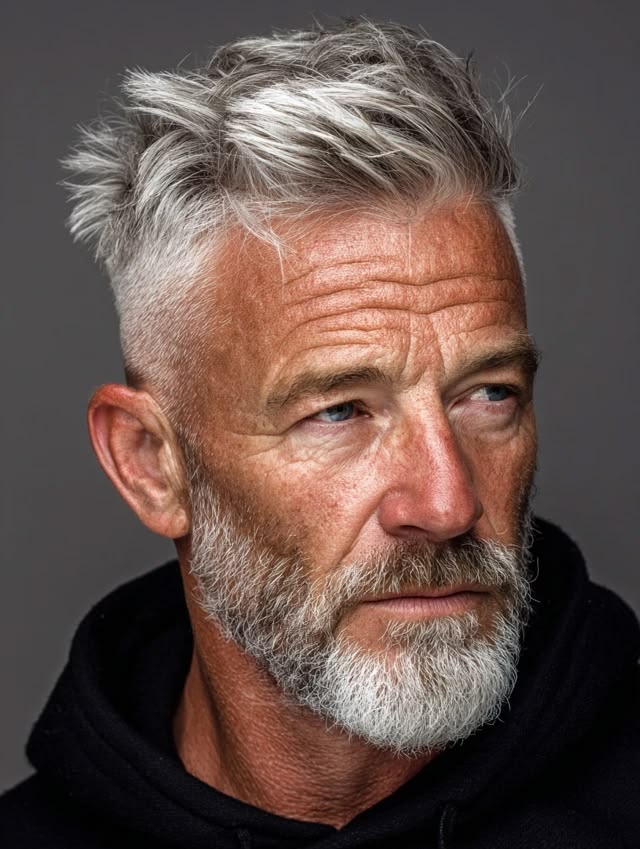
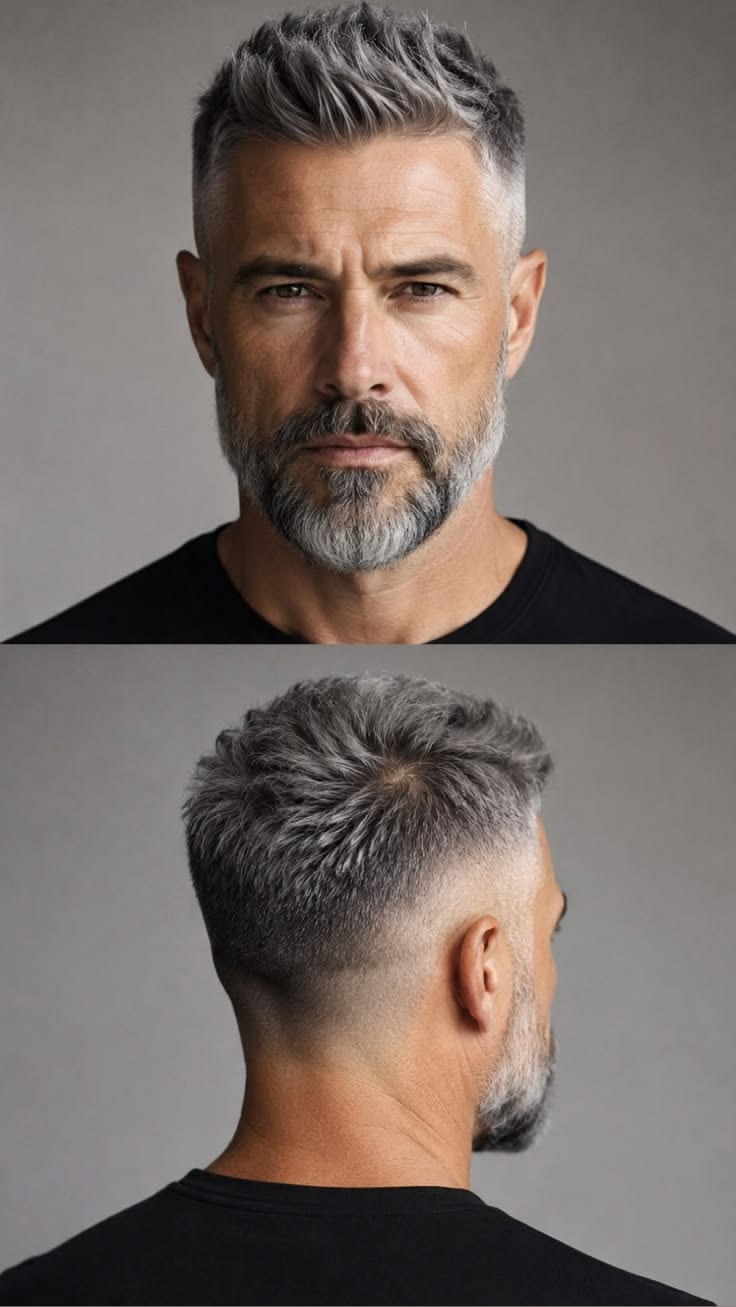


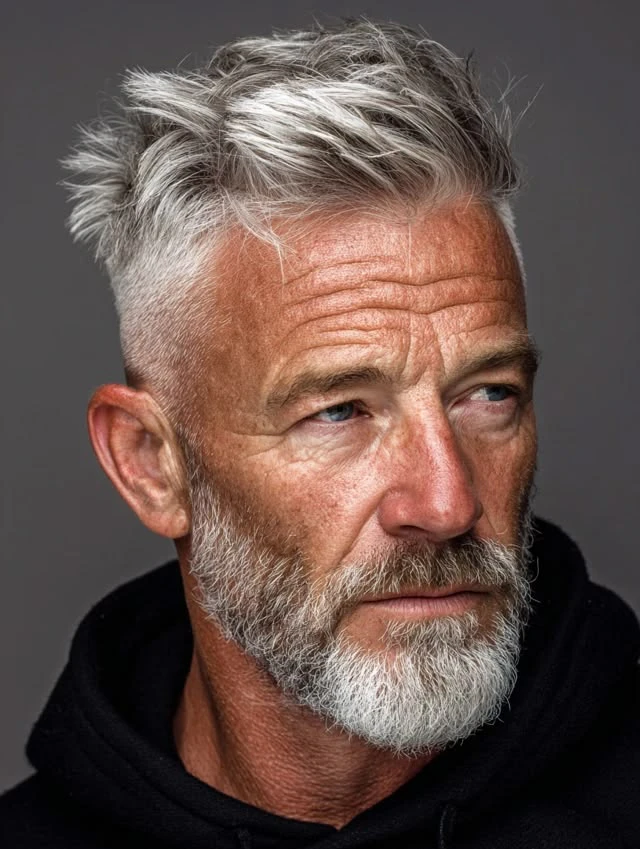
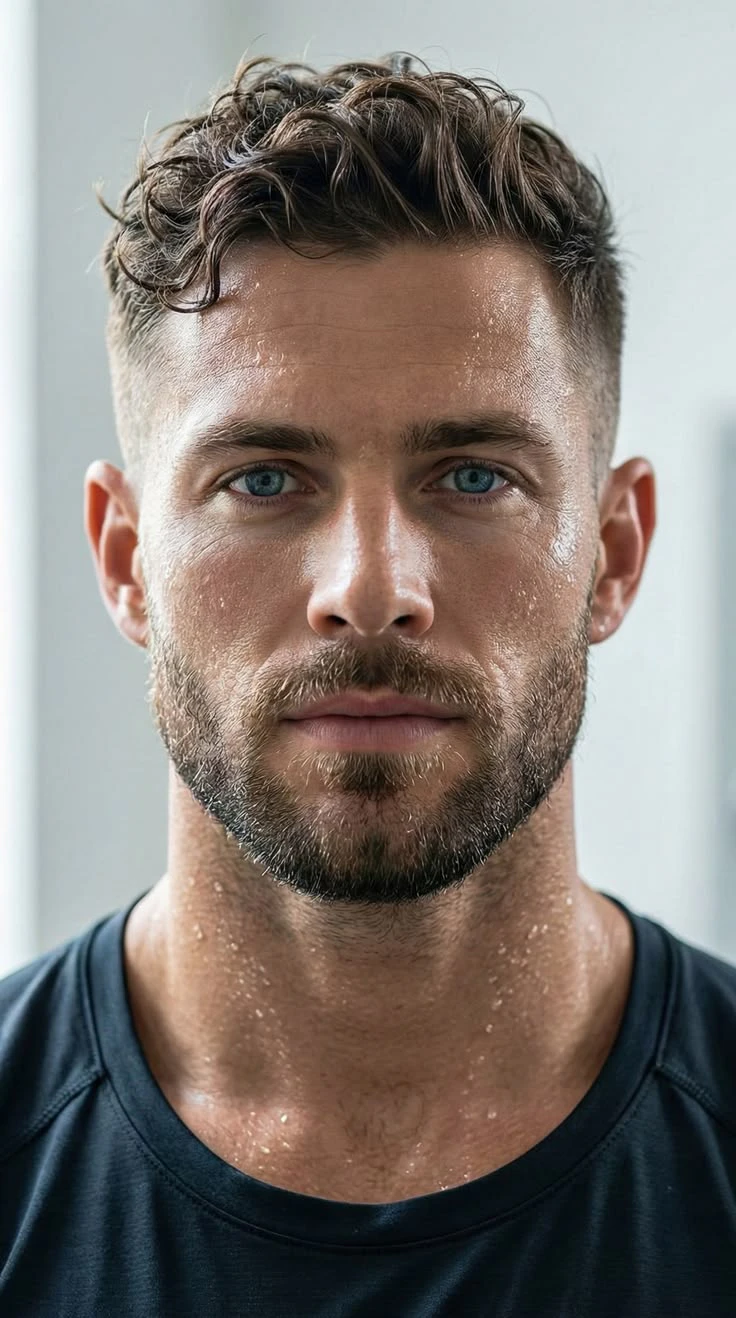
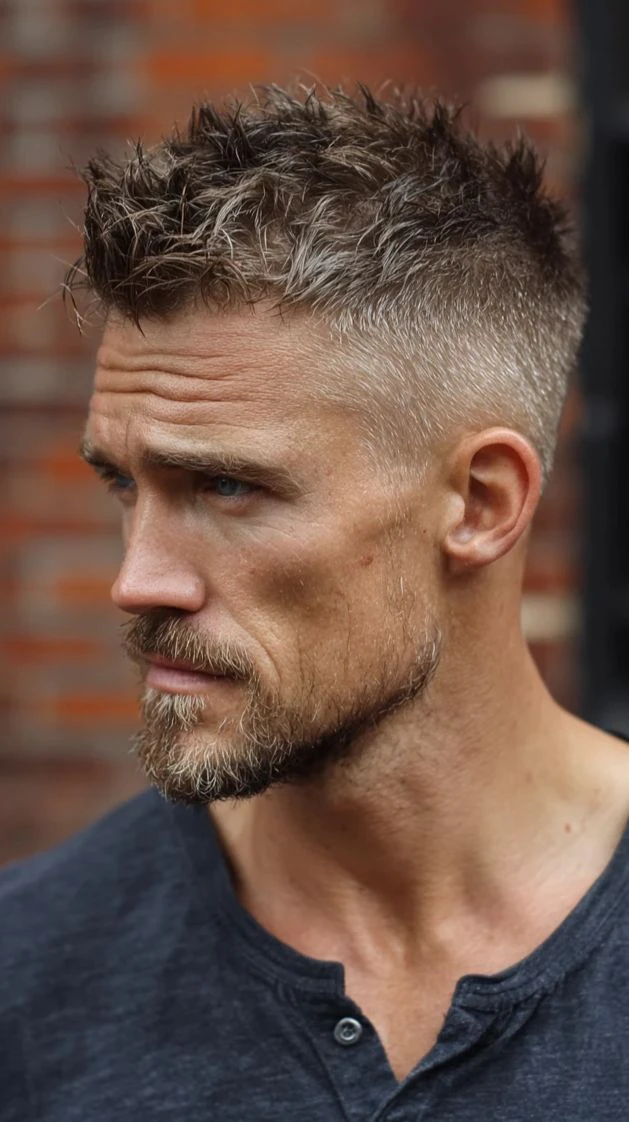
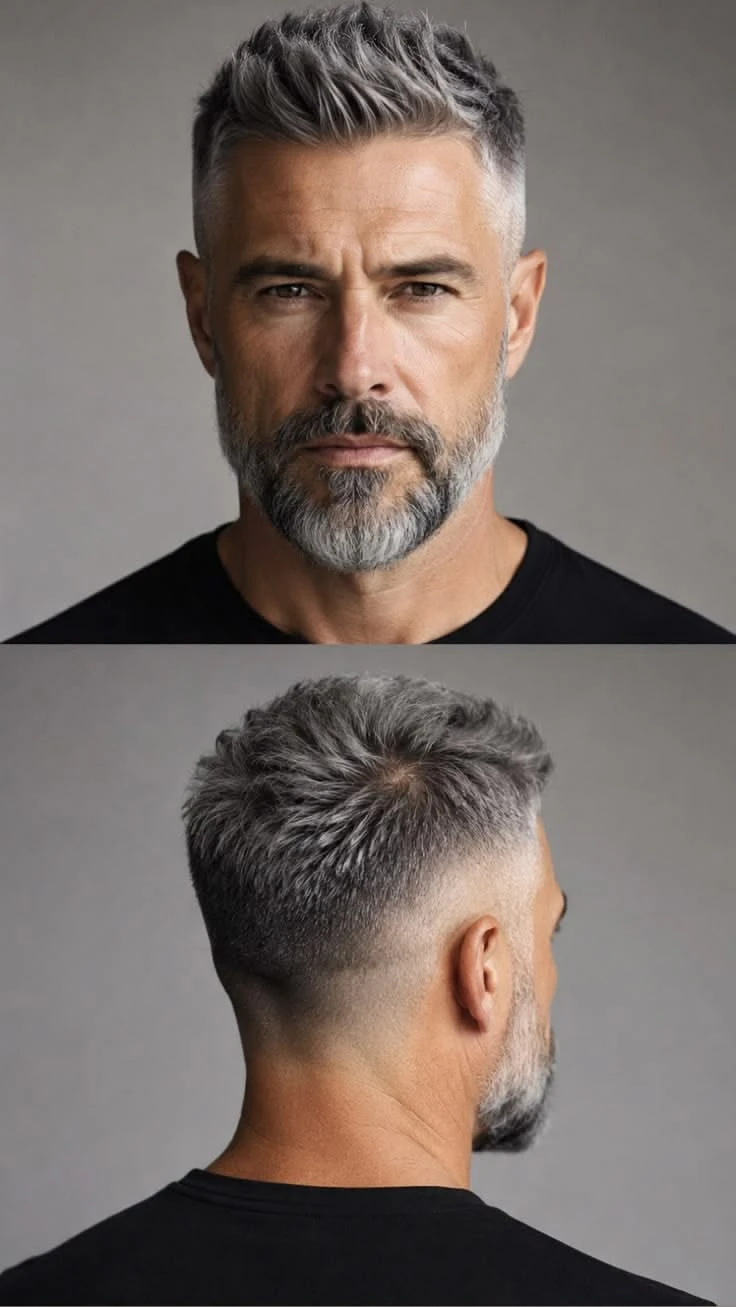
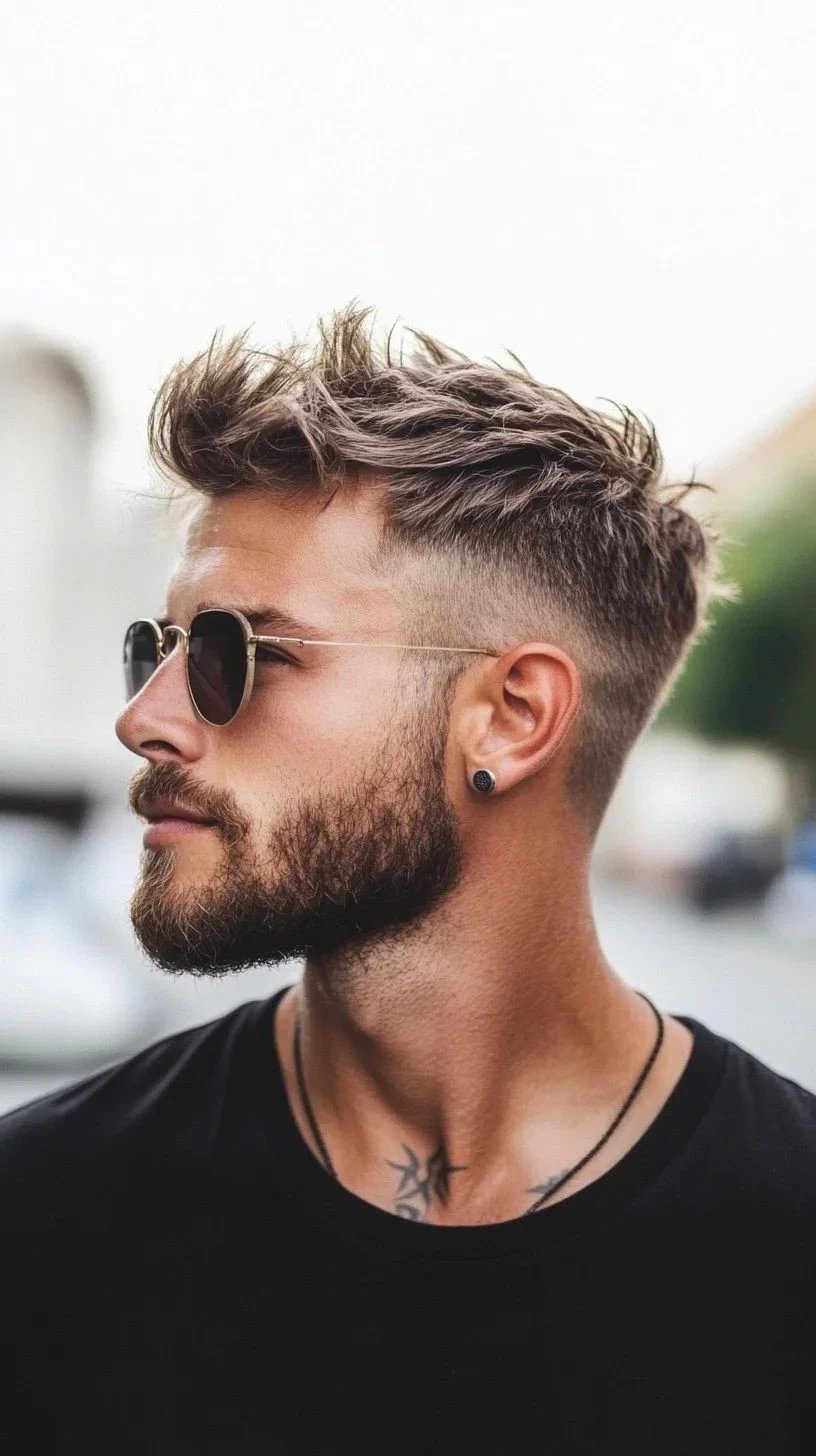
Low Taper Fade: The Complete 2026 Man Style Guide
Haircut trends come and go, but some cuts simply refuse to fade away pun intended. Among them, the low taper fade has quietly become one of the most requested styles at barbershops around the world. It’s clean, it’s classic, and it works on almost every face shape and hair type. If you’ve been scrolling through style inspiration and keep landing on the same look, chances are it’s this one.
In this guide, we’ll break down everything you need to know about the low taper fade heading into 2026 — from what makes it different, to the best variations, to how you should describe it to your barber so you don’t leave the chair disappointed.
What Is a Low Taper Fade?
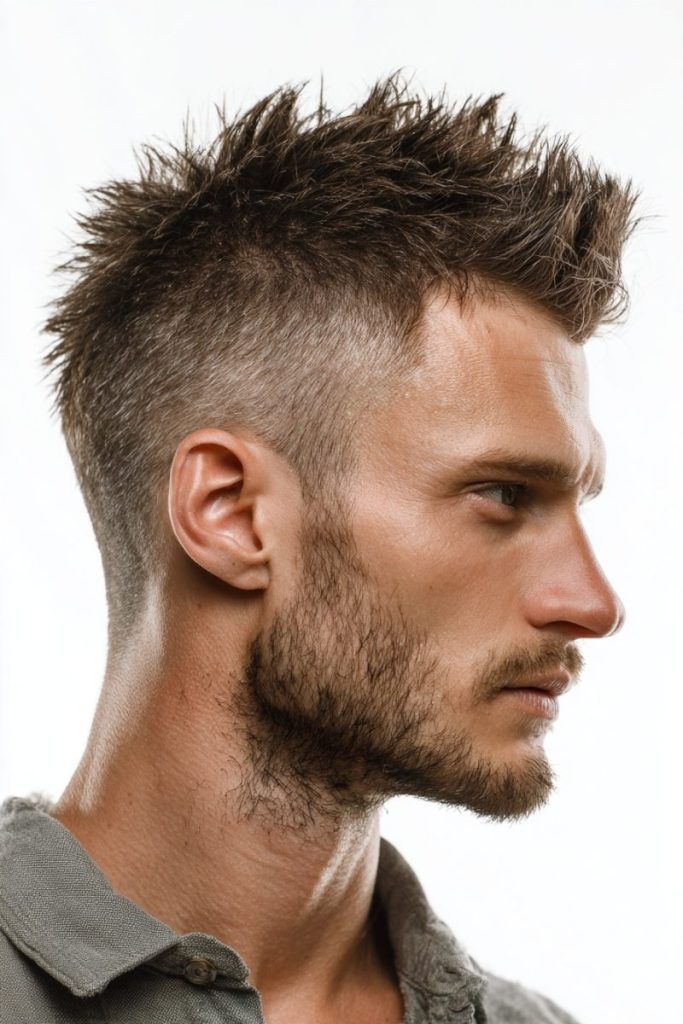
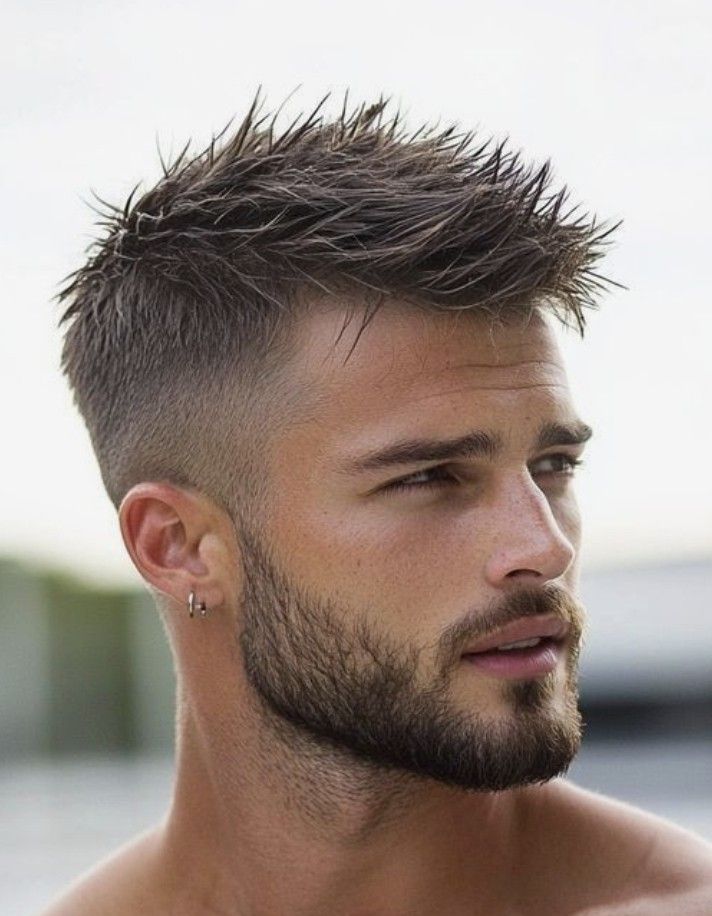
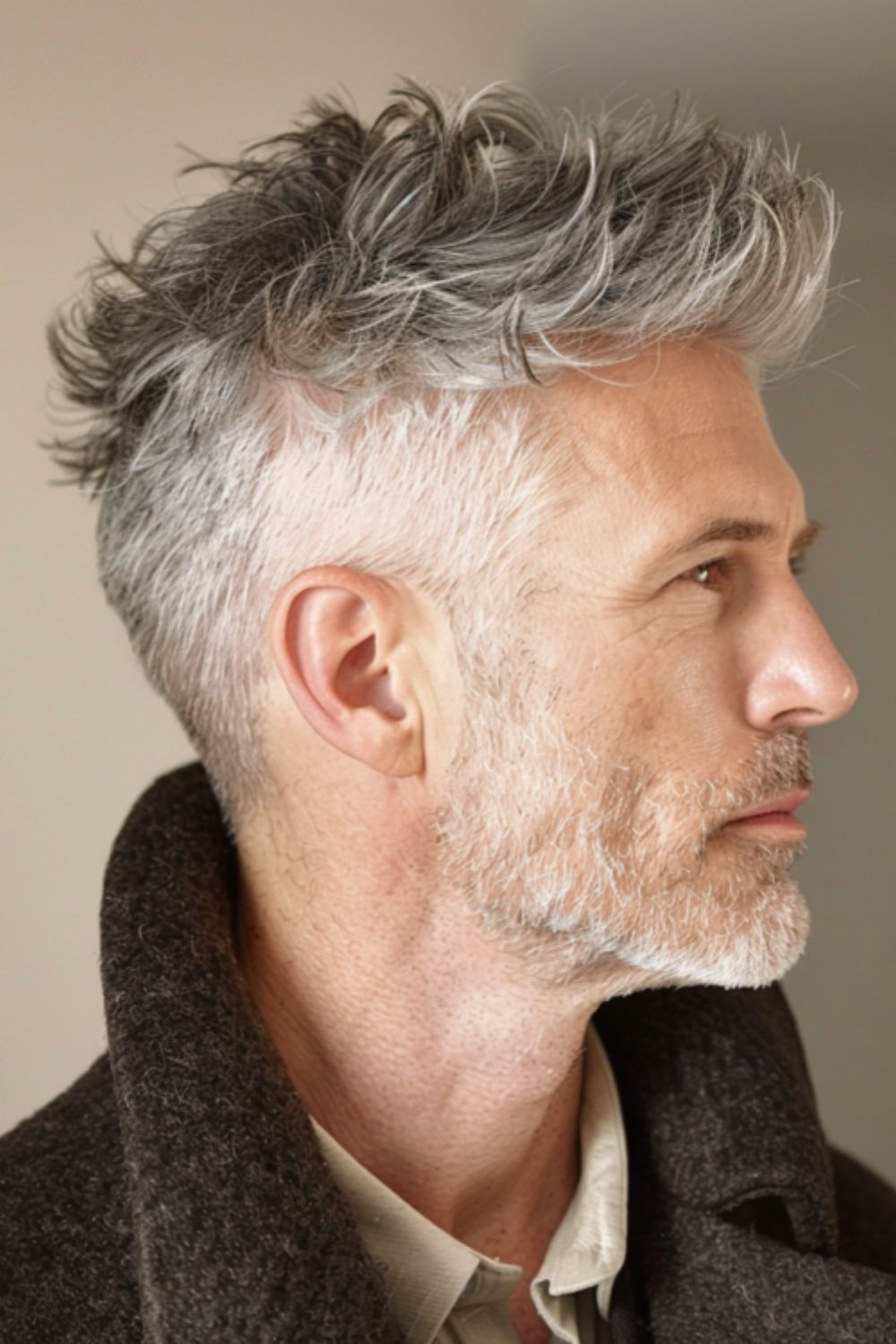
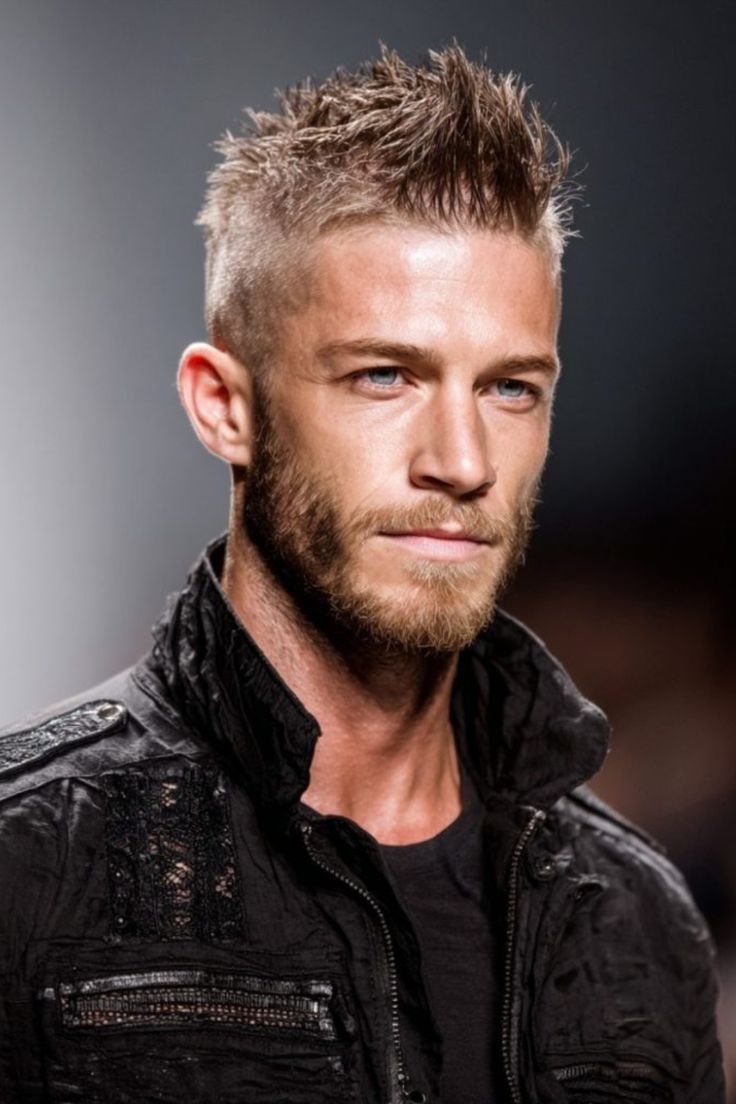
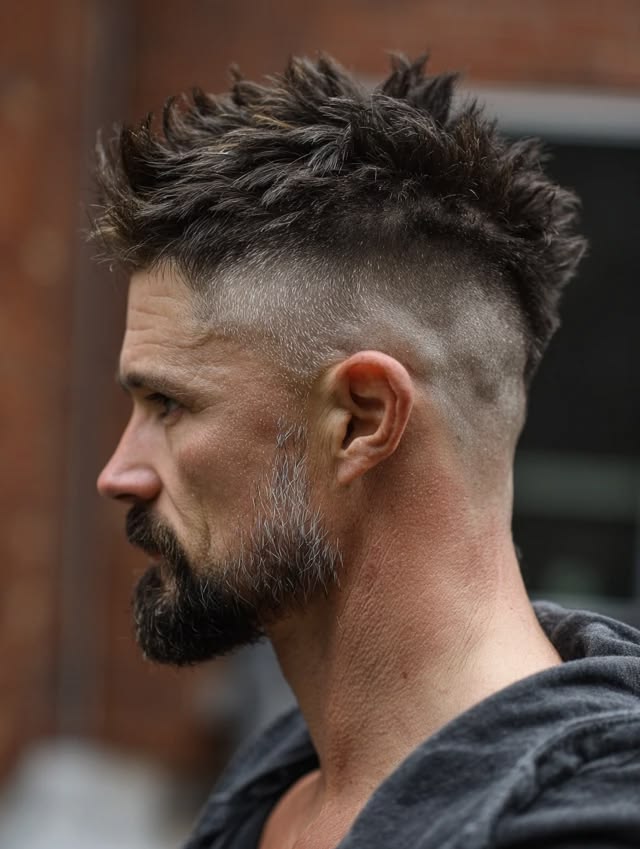
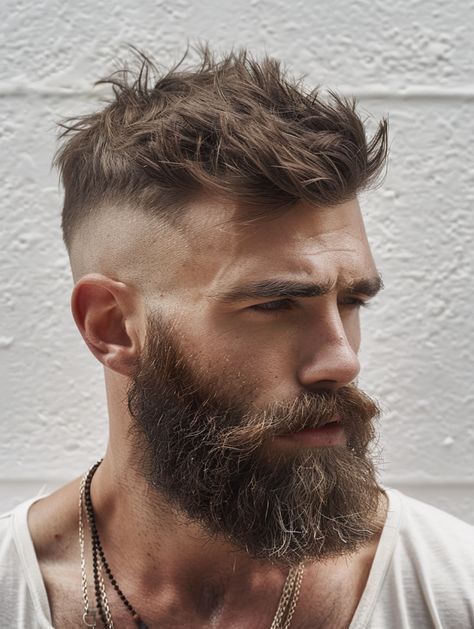
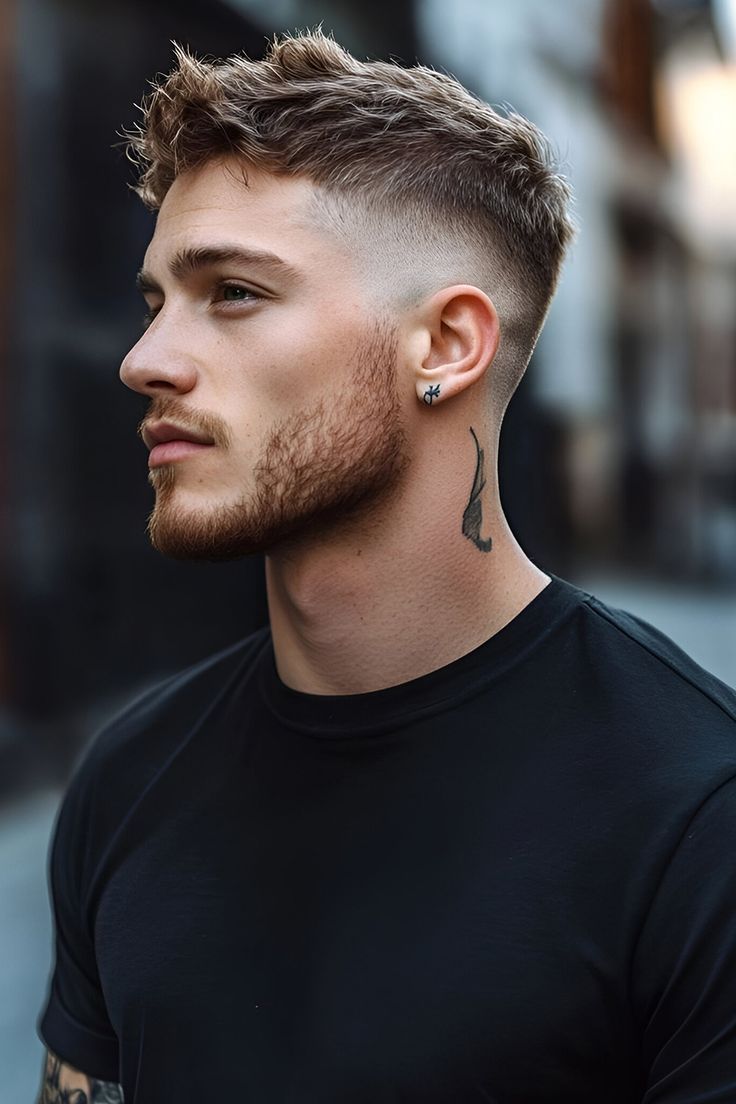
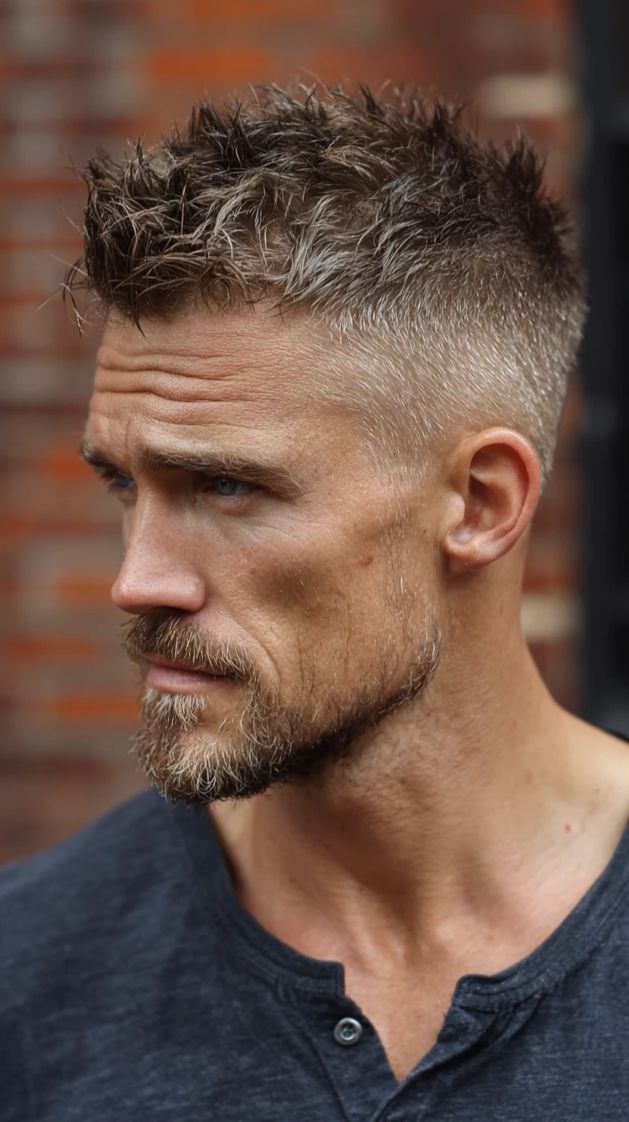
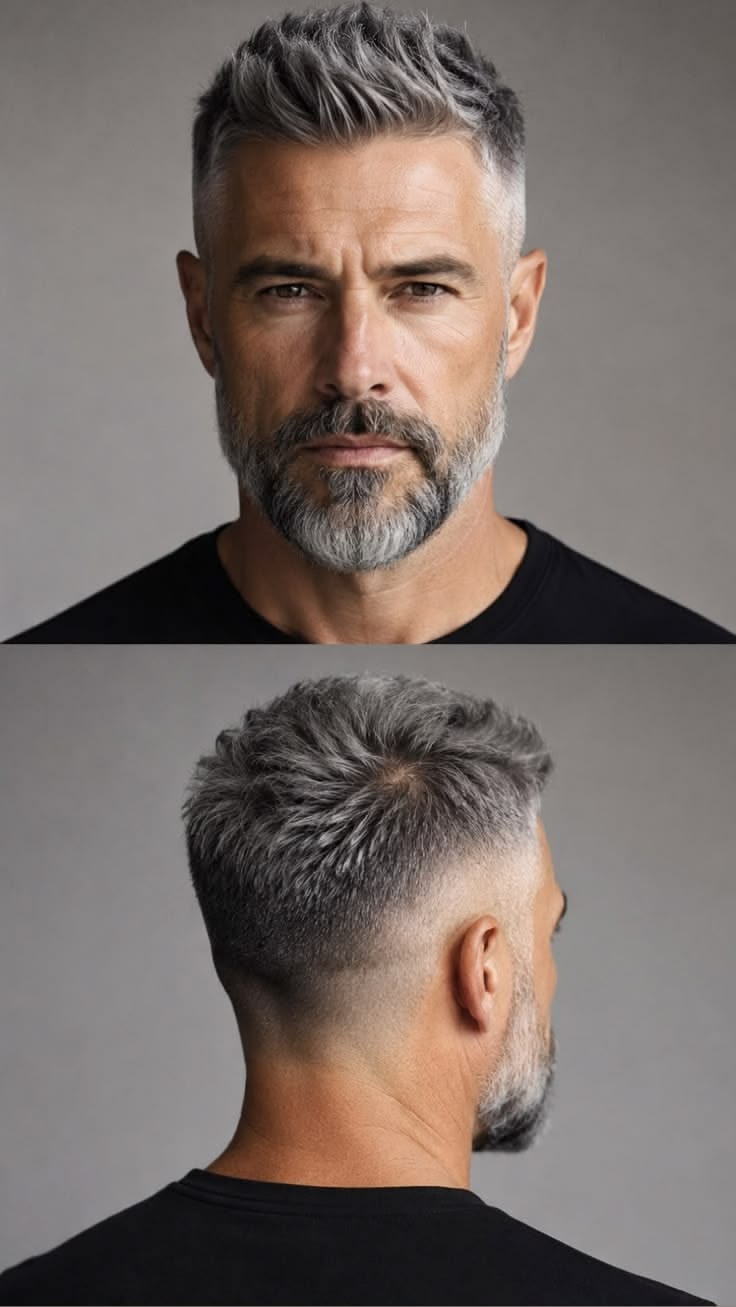
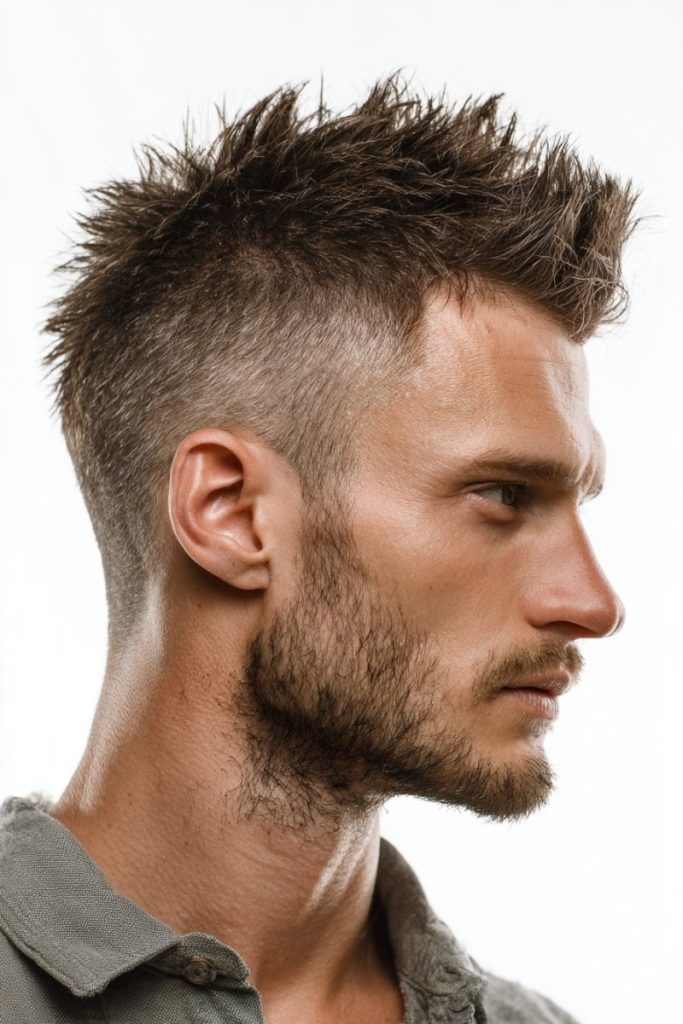
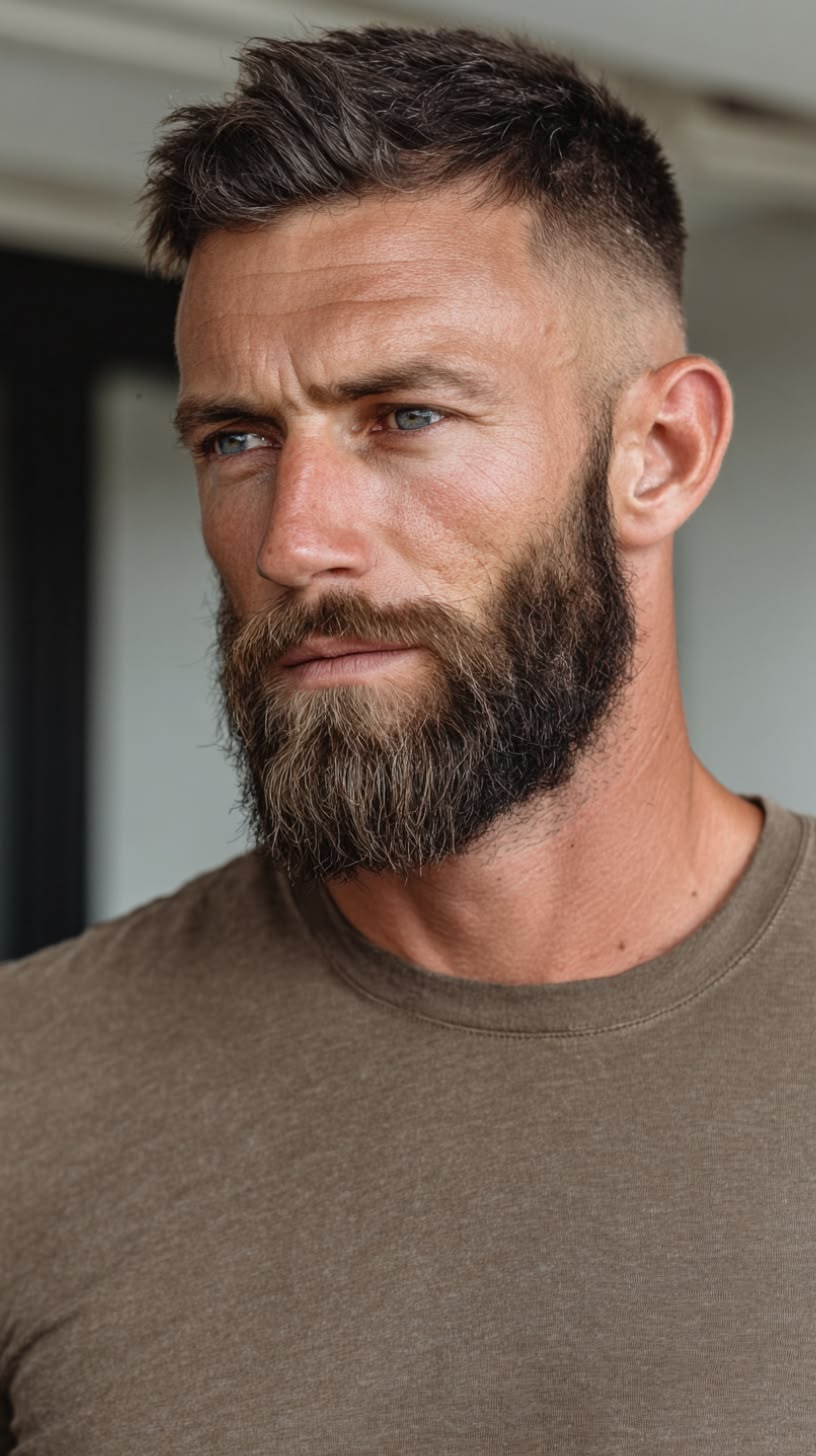
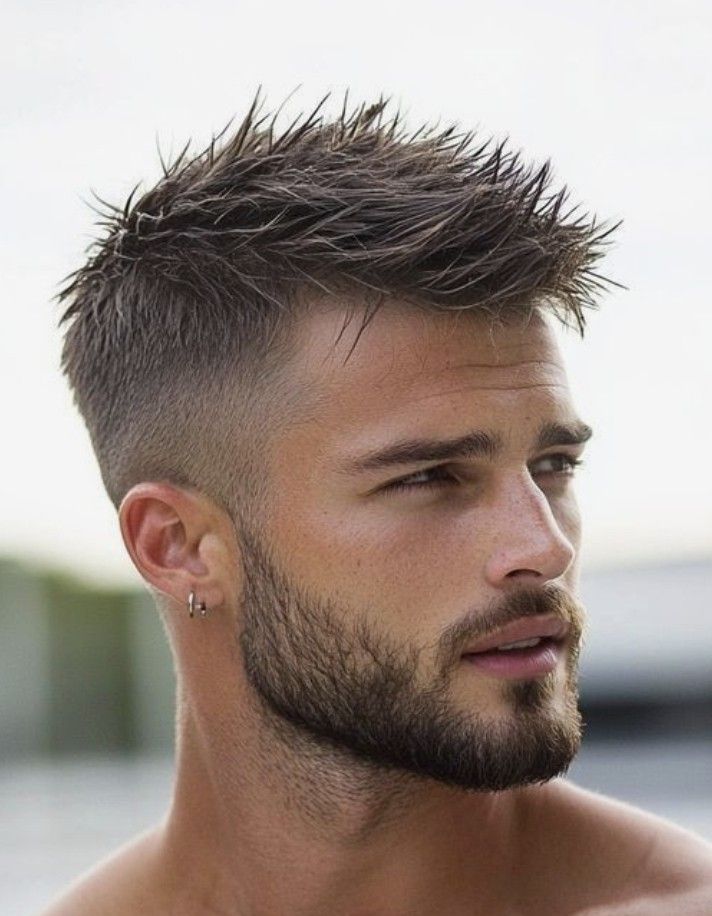
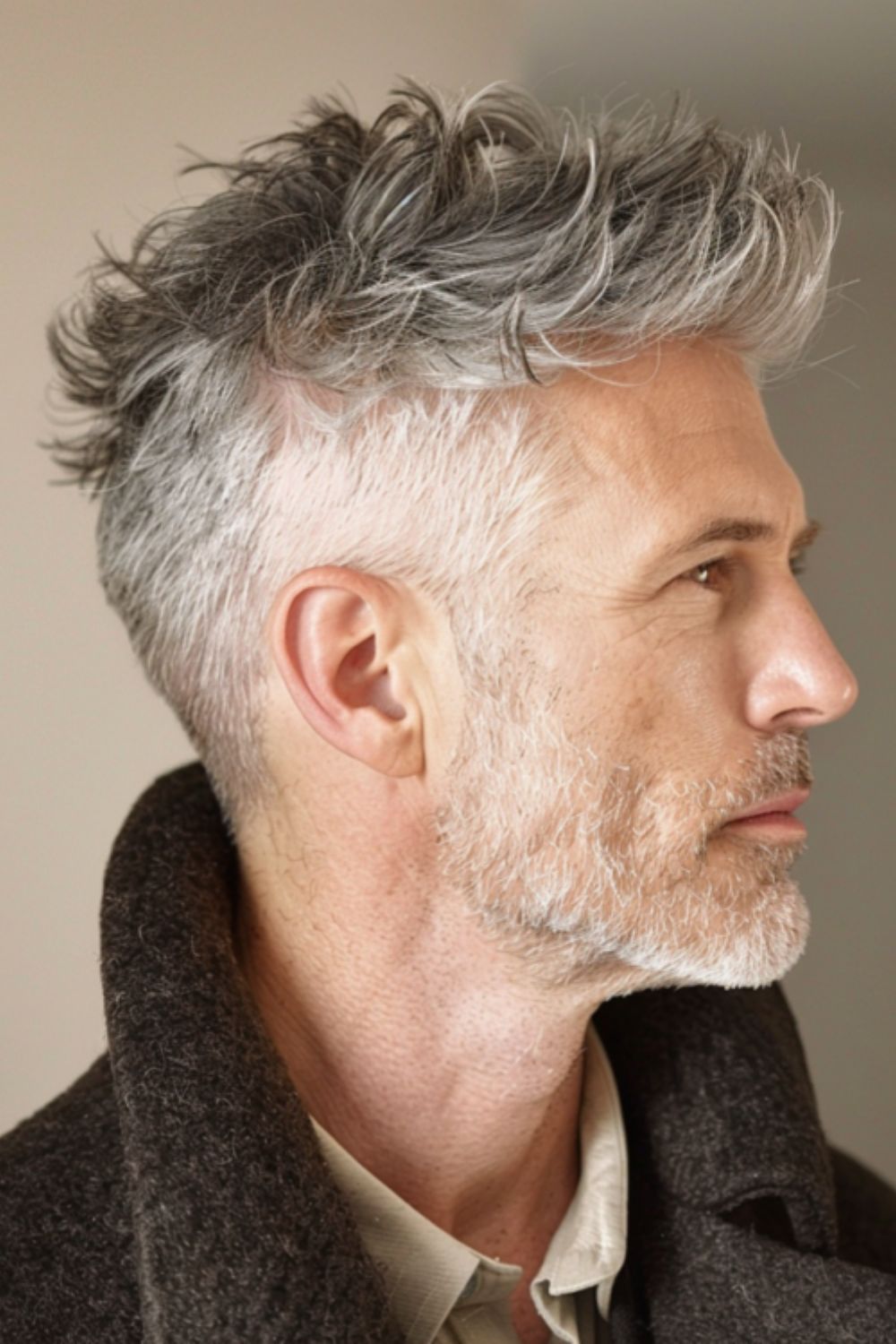
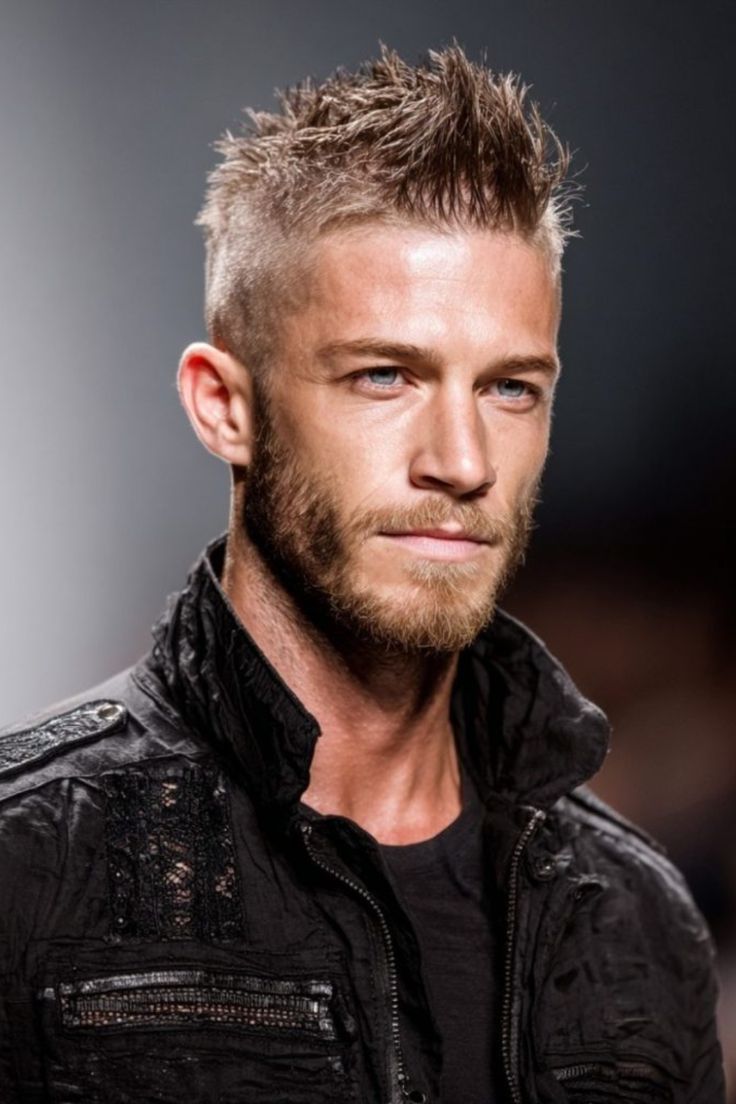
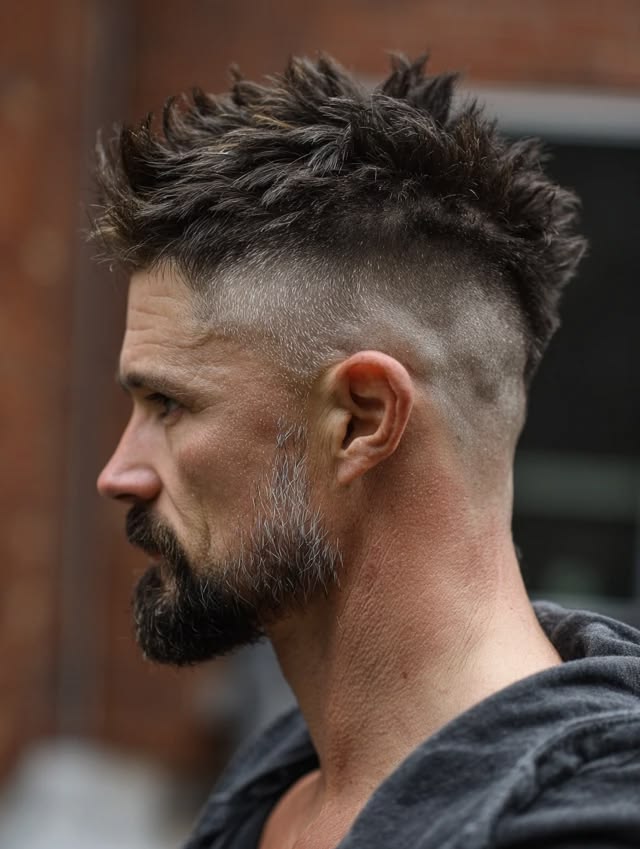
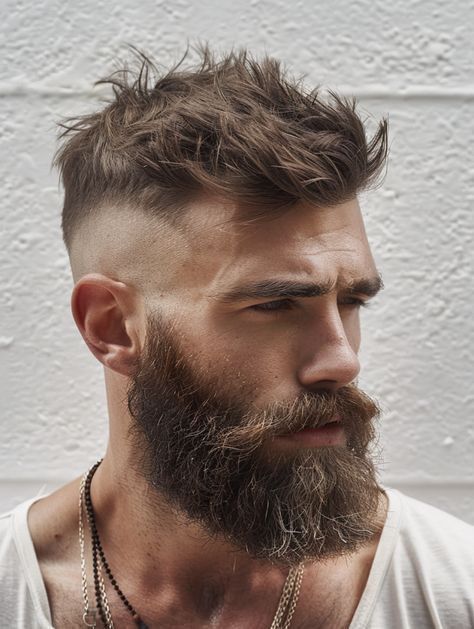
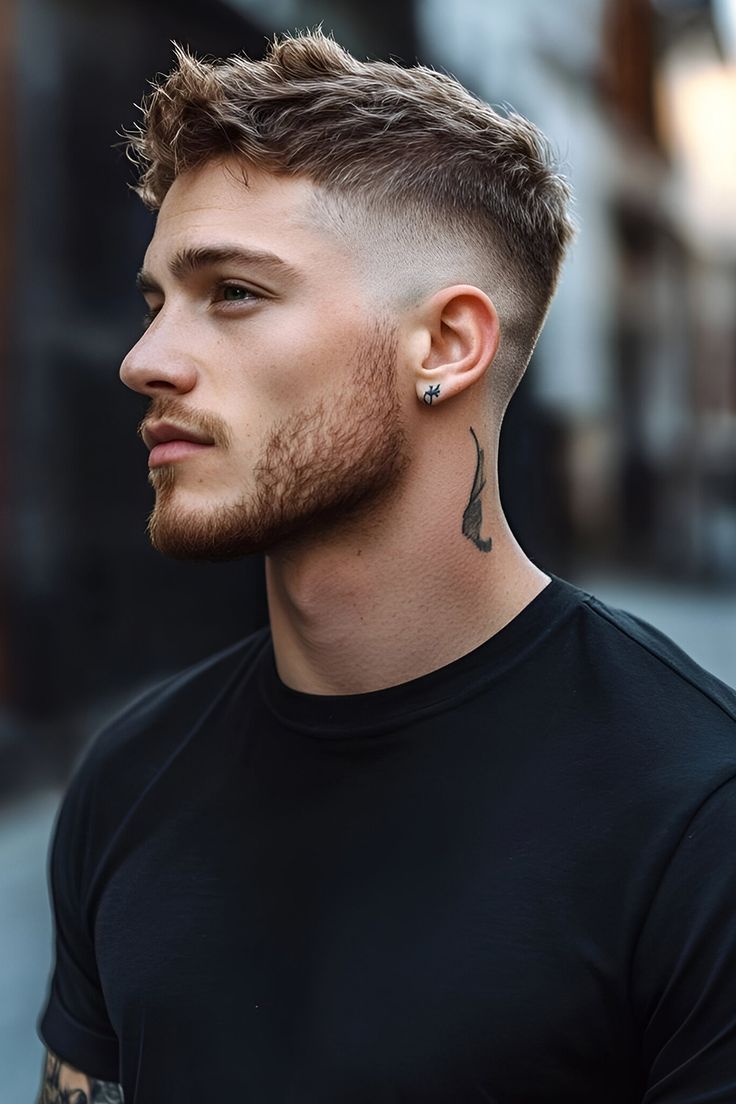
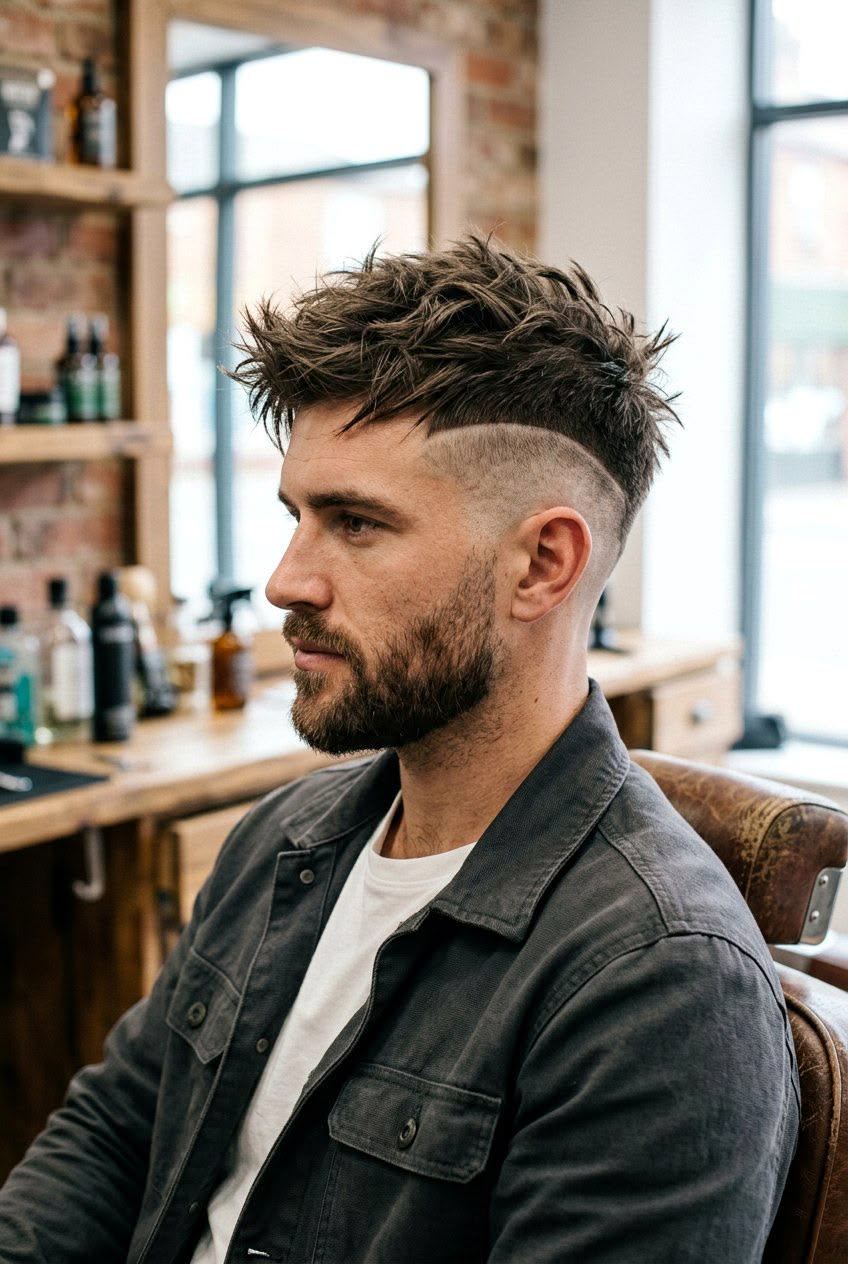
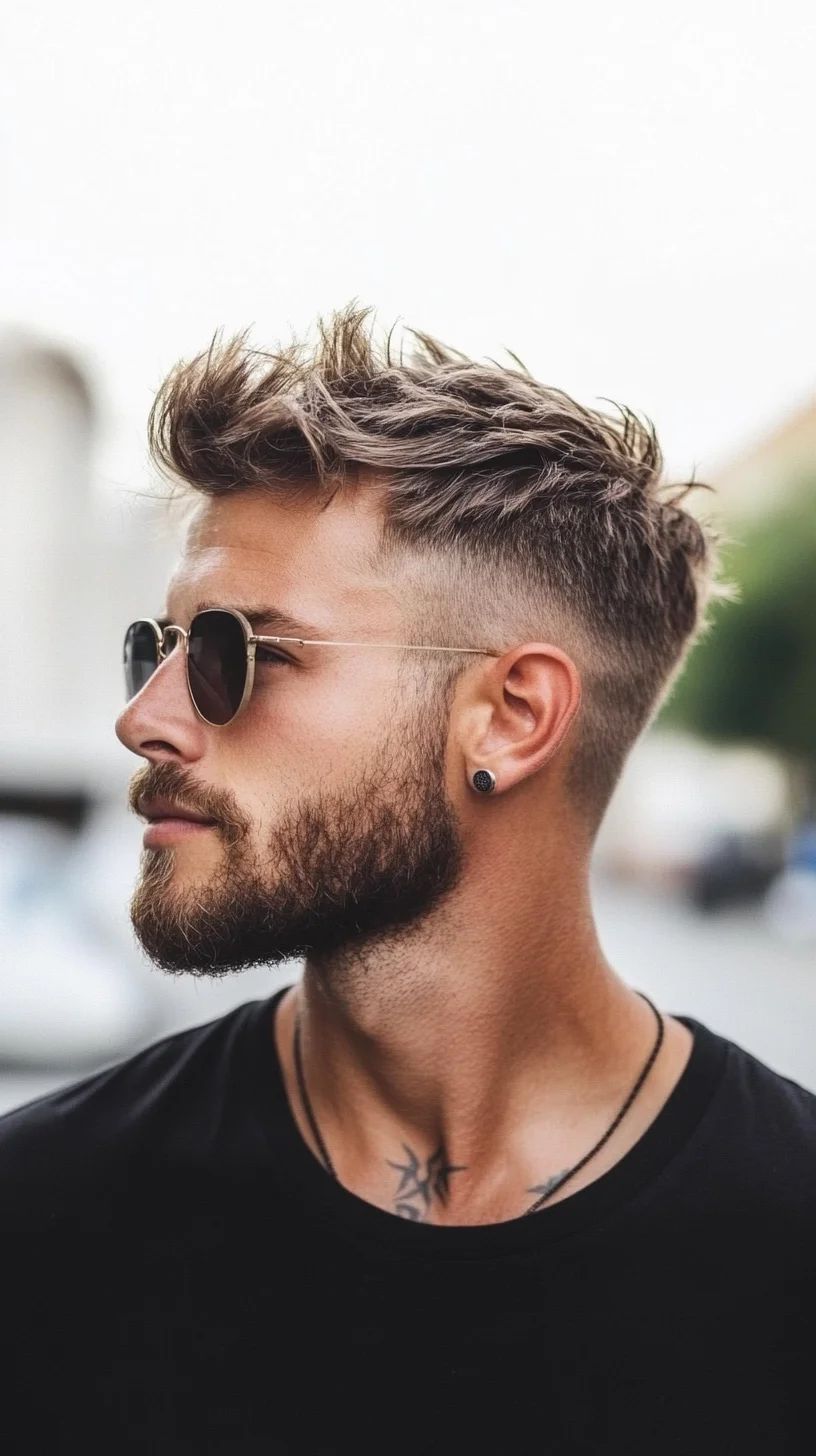
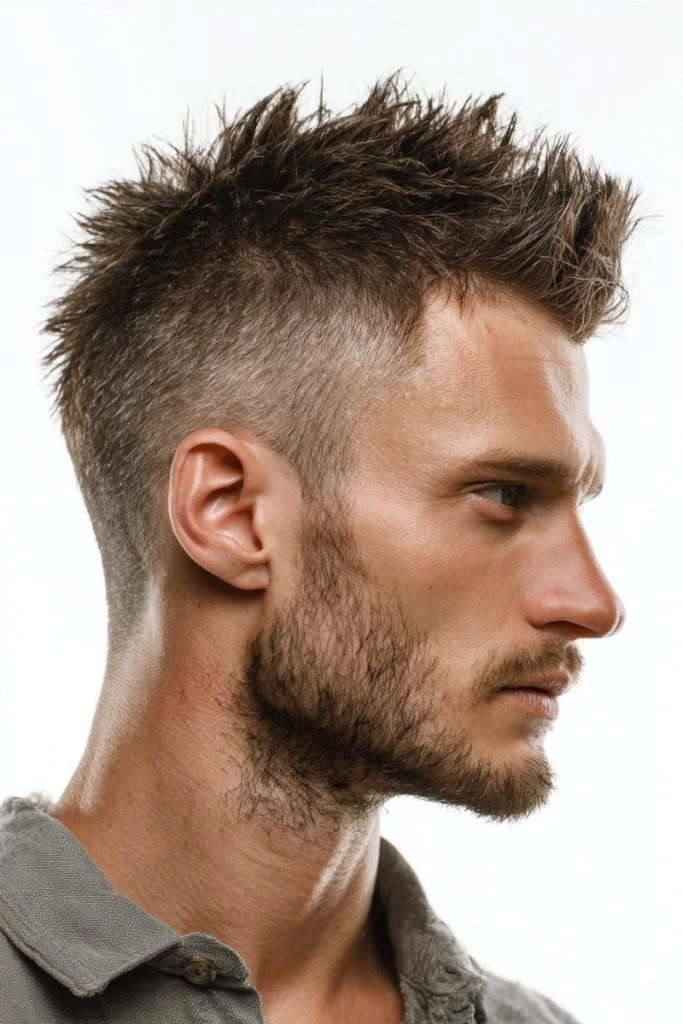
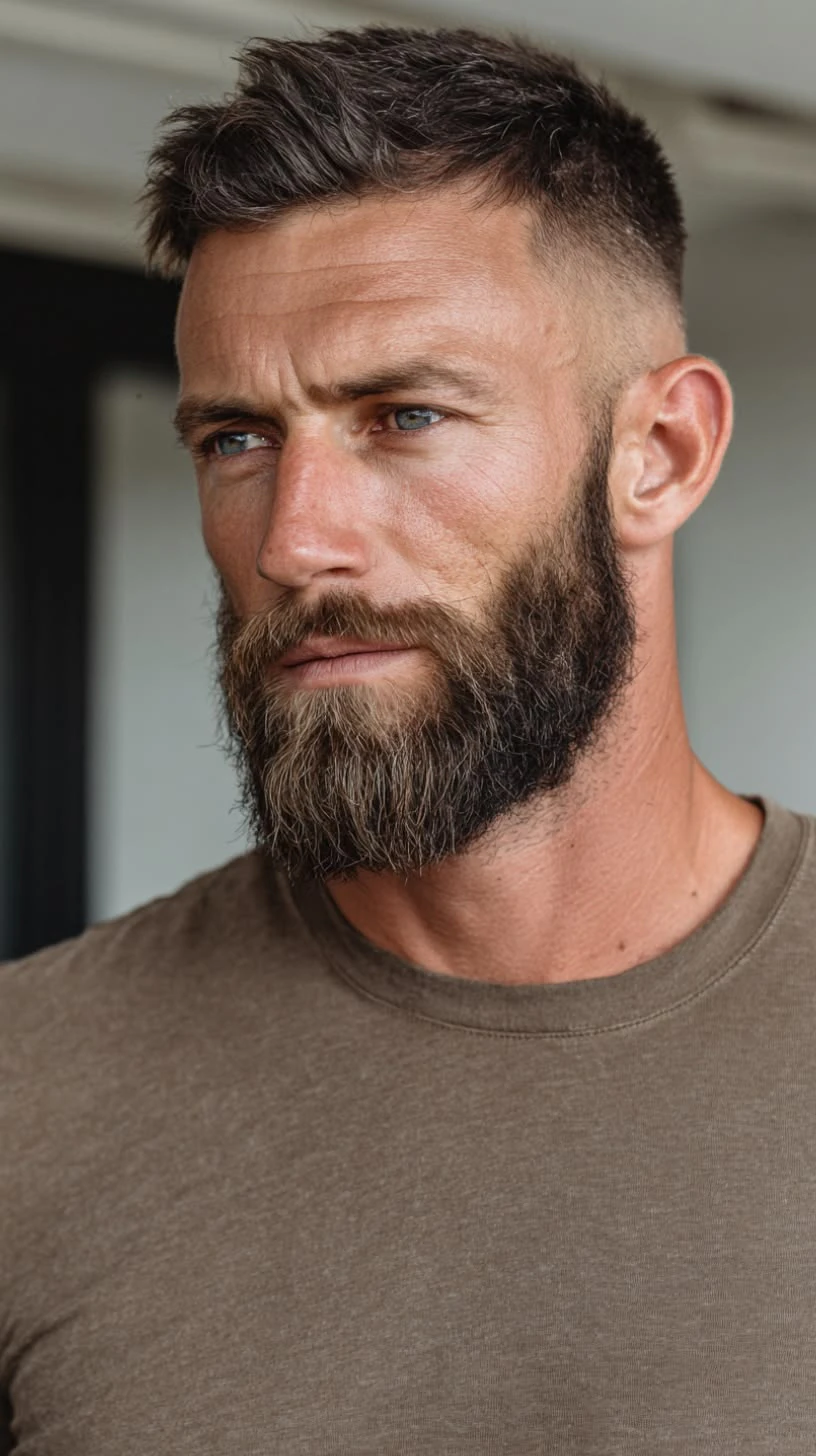
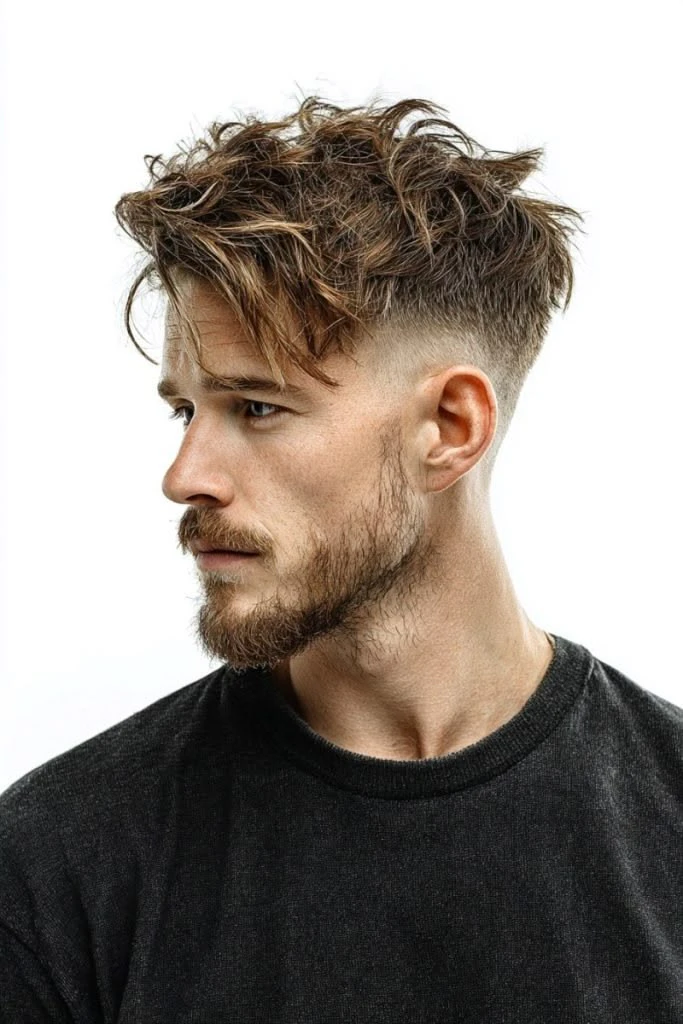
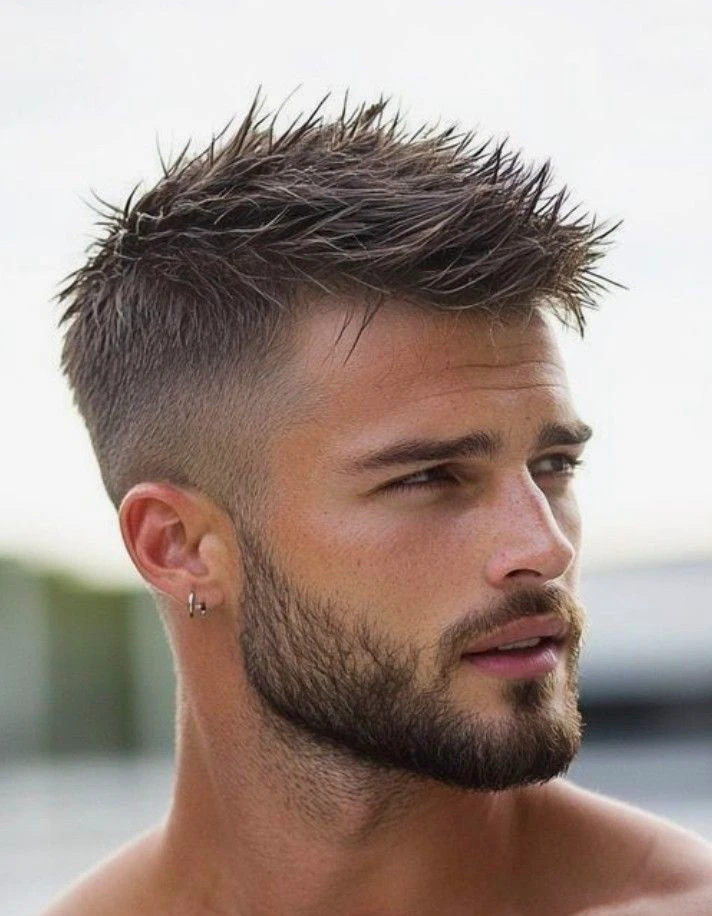
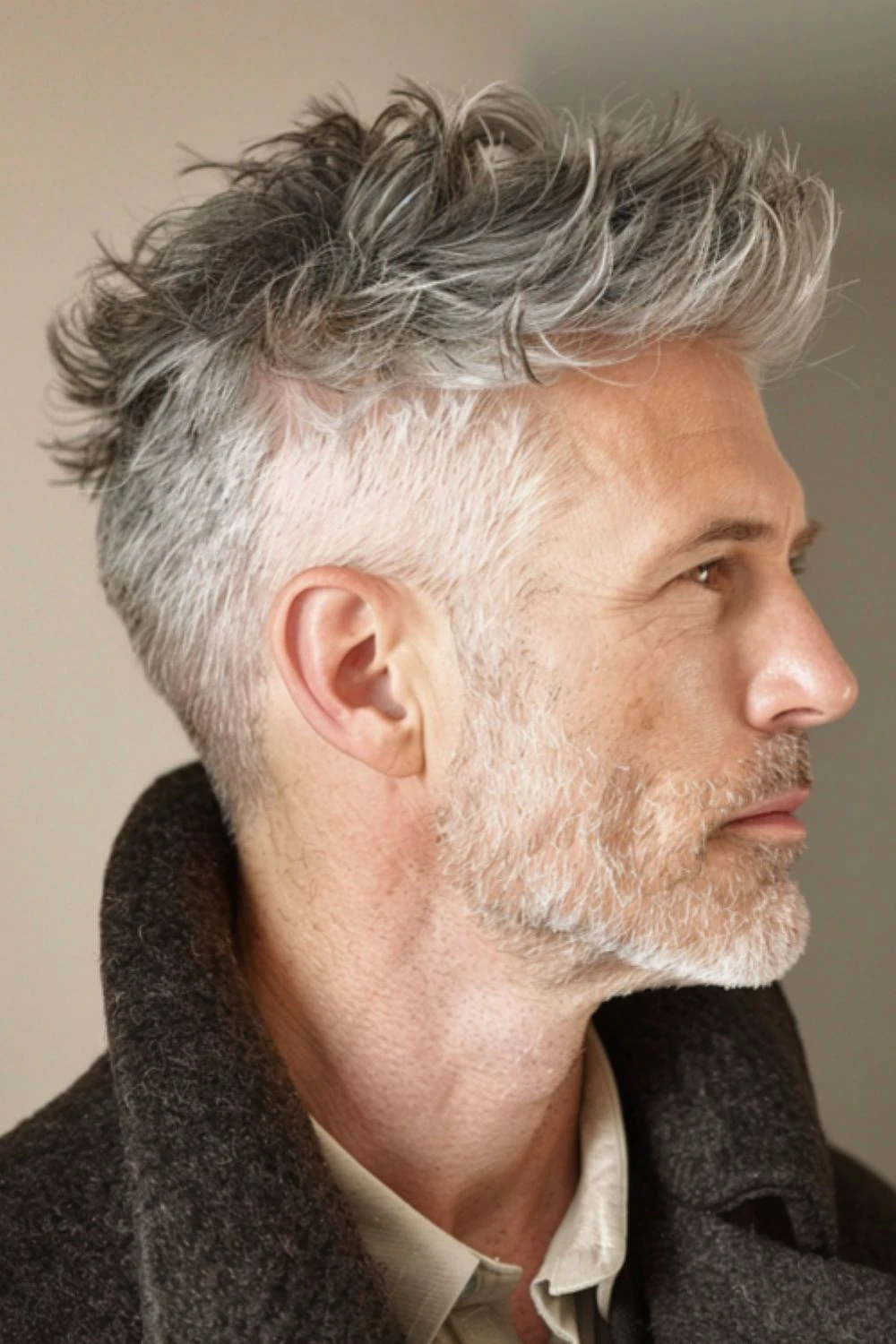
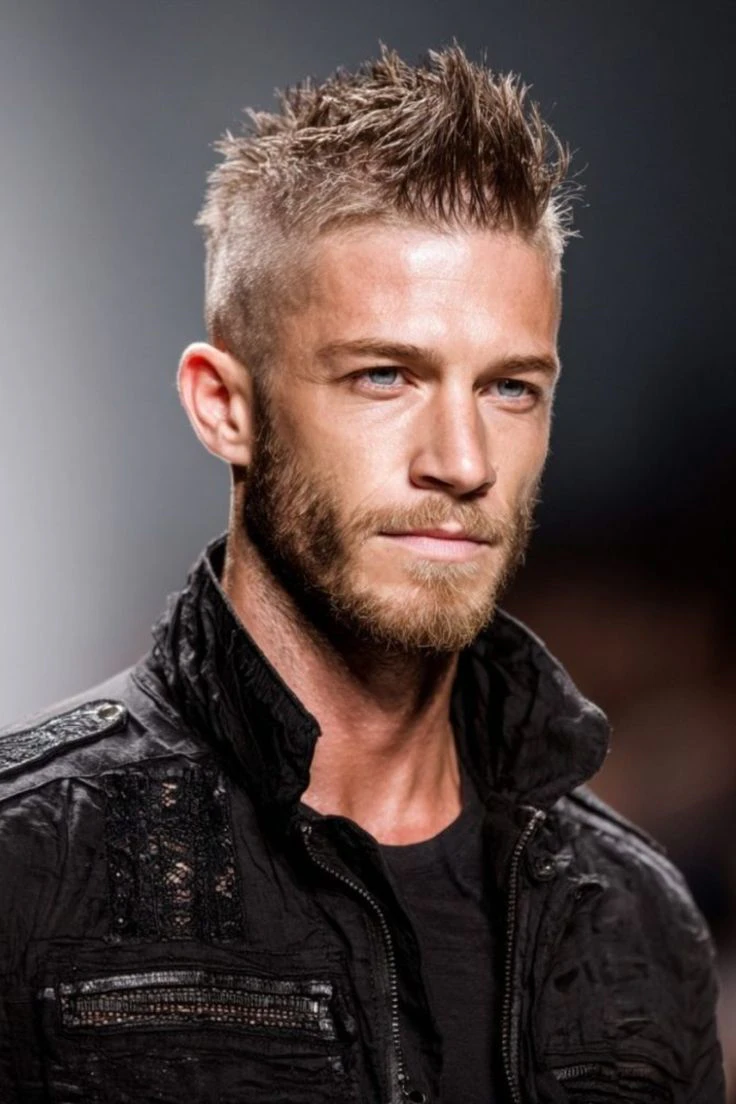
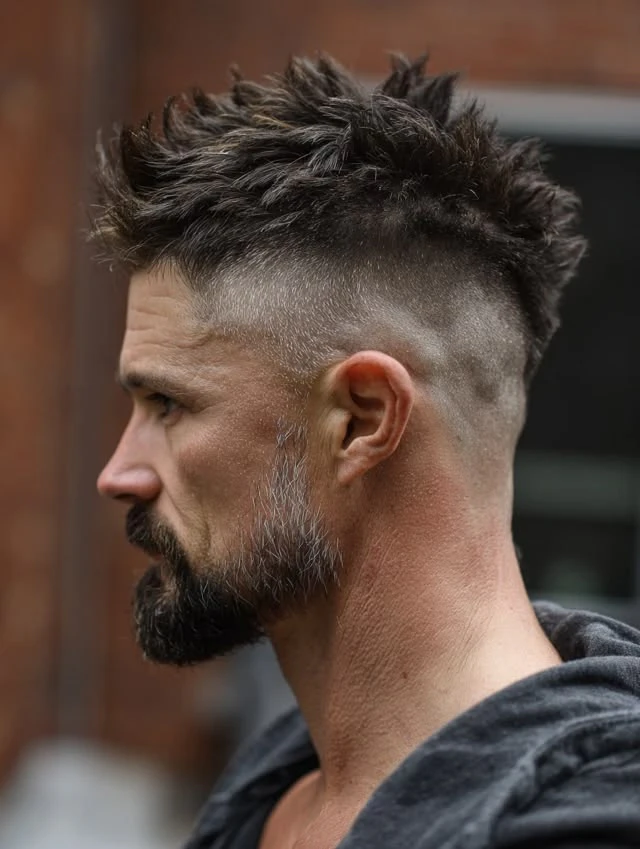
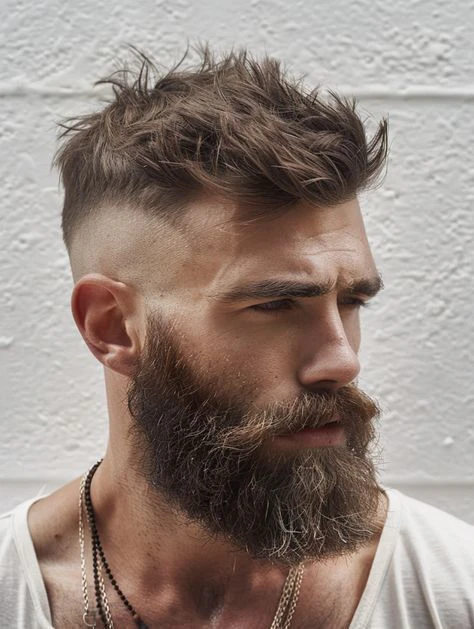
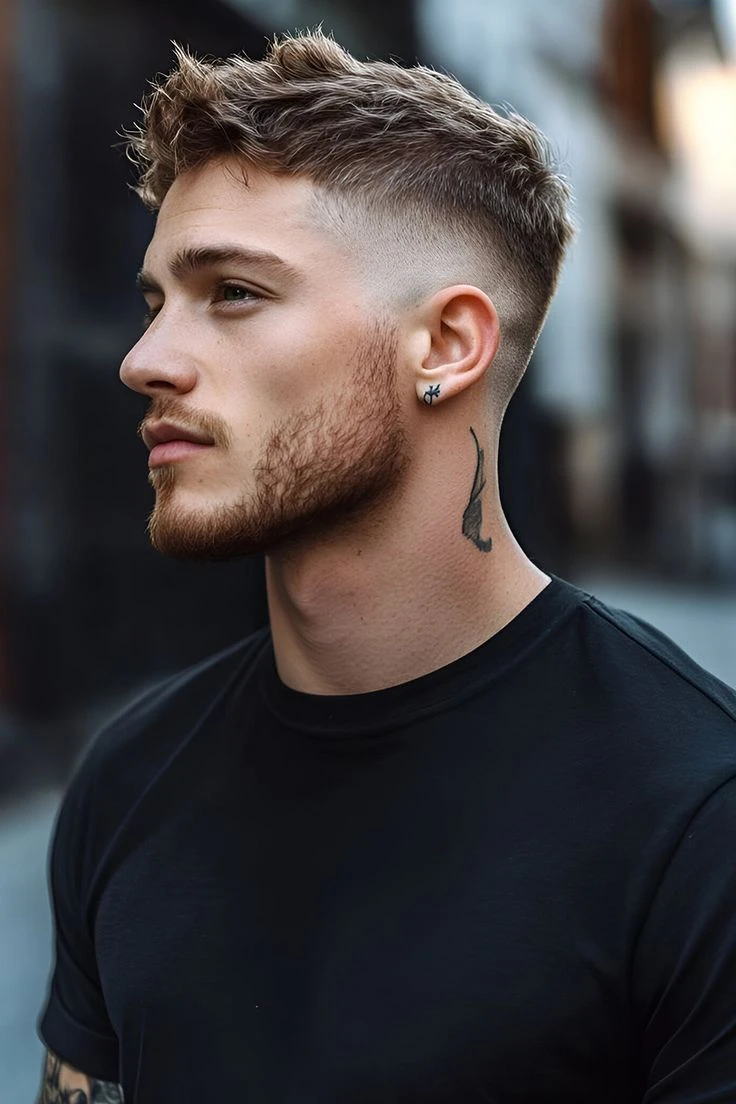
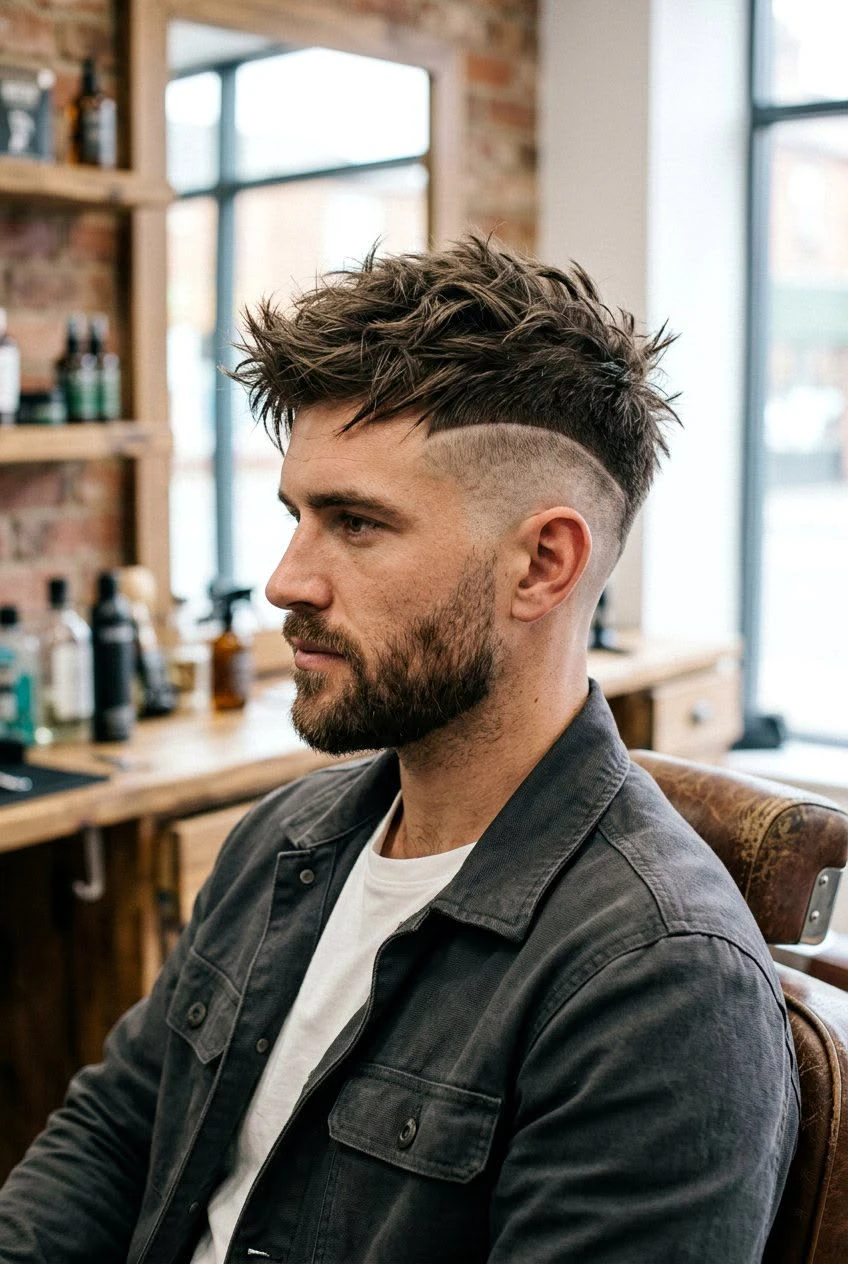
A low taper fade is a haircut where the hair gradually shortens near the hairline, ears, and neck, while the length on top stays mostly untouched. Unlike a high or mid fade, the fading here stays close to the bottom. As a result, the transition looks subtle rather than dramatic.
This subtlety is exactly why so many men love it. It offers just enough contrast to look sharp, but it never feels flashy. Because of that balance, it fits seamlessly into office settings, casual weekends, and everything in between.
Why the Low Taper Fade Dominates 2026
Trends shift every year, yet this cut keeps climbing in popularity. So, what’s driving the demand?
Versatility Across Hair Types
First and foremost, the low taper fade adapts well. Whether you have straight hair, waves, curls, or coils, the fade blends naturally without fighting your natural texture. Consequently, barbers can tailor it to almost any client.
Low Maintenance, High Impact
Additionally, this style requires less upkeep than higher fades. Since the fade sits lower, regrowth is less noticeable. Therefore, you can stretch the time between barber visits without losing the sharp look you started with.
A Professional-Friendly Edge
Moreover, many workplaces still favor conservative grooming. A low taper fade offers a modern edge while staying appropriate for boardrooms, interviews, and client meetings alike.
Best Low Taper Fade Variations to Try in 2026
Once you’ve decided on the base cut, the next step is choosing how to style the top. Here are the standout variations trending this year.
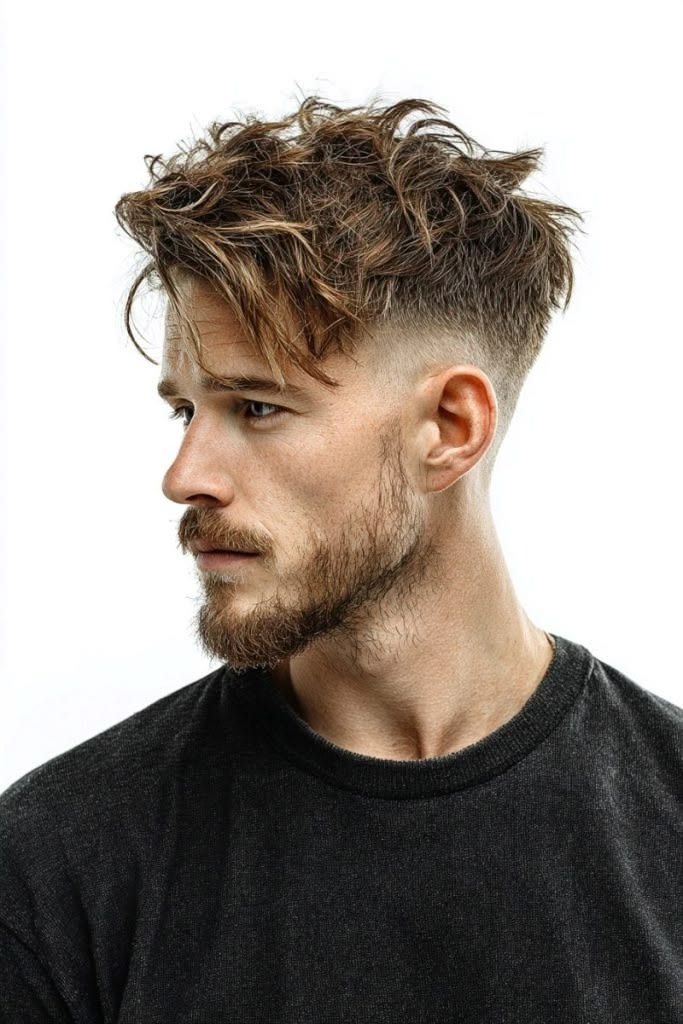
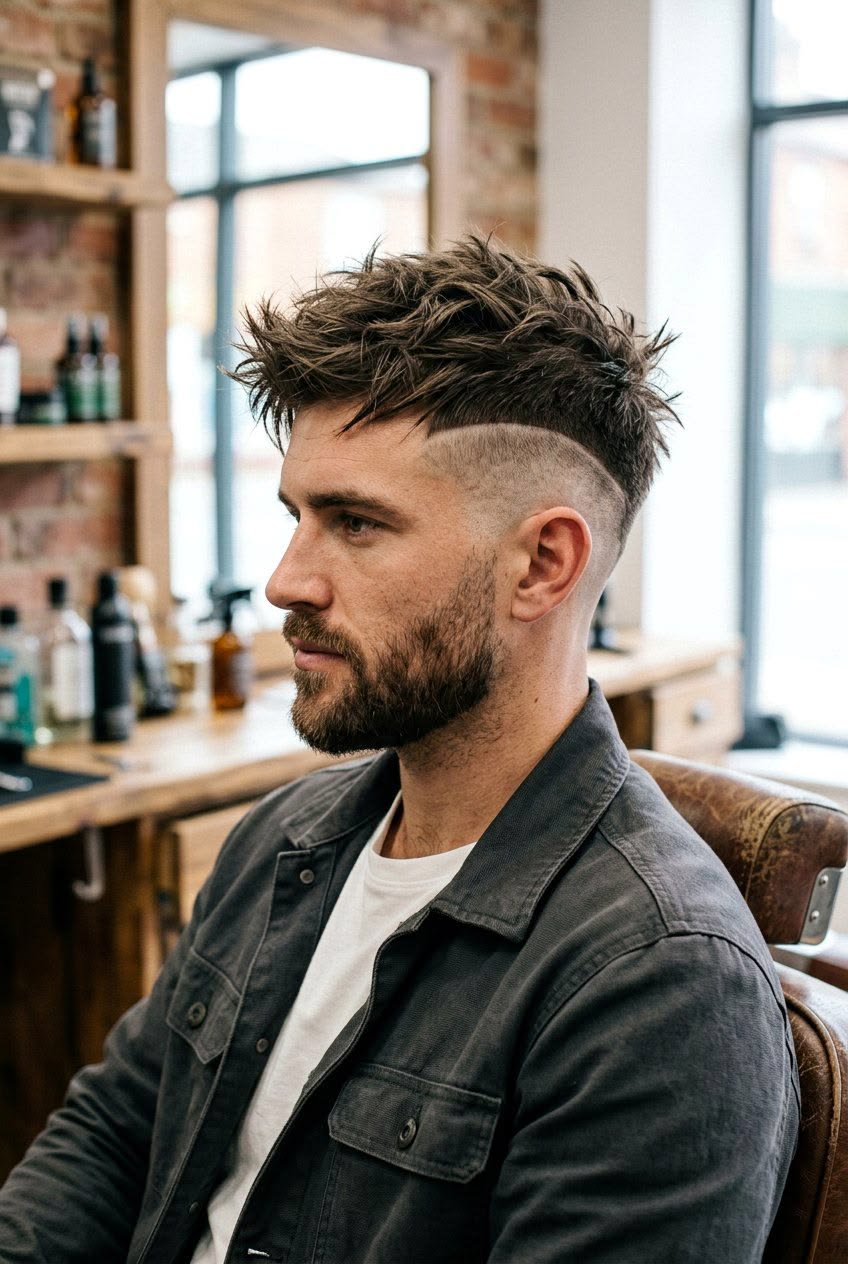
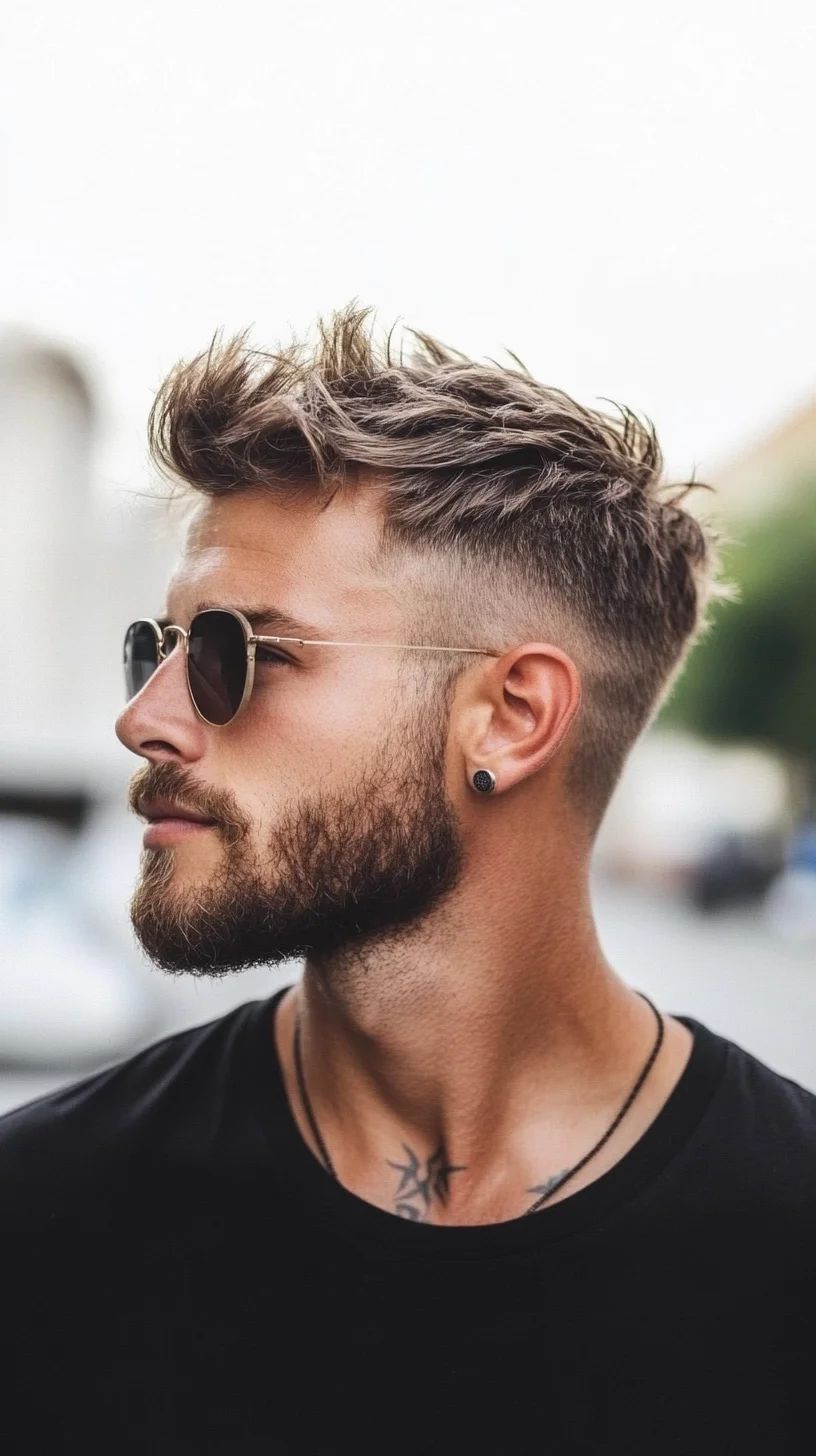
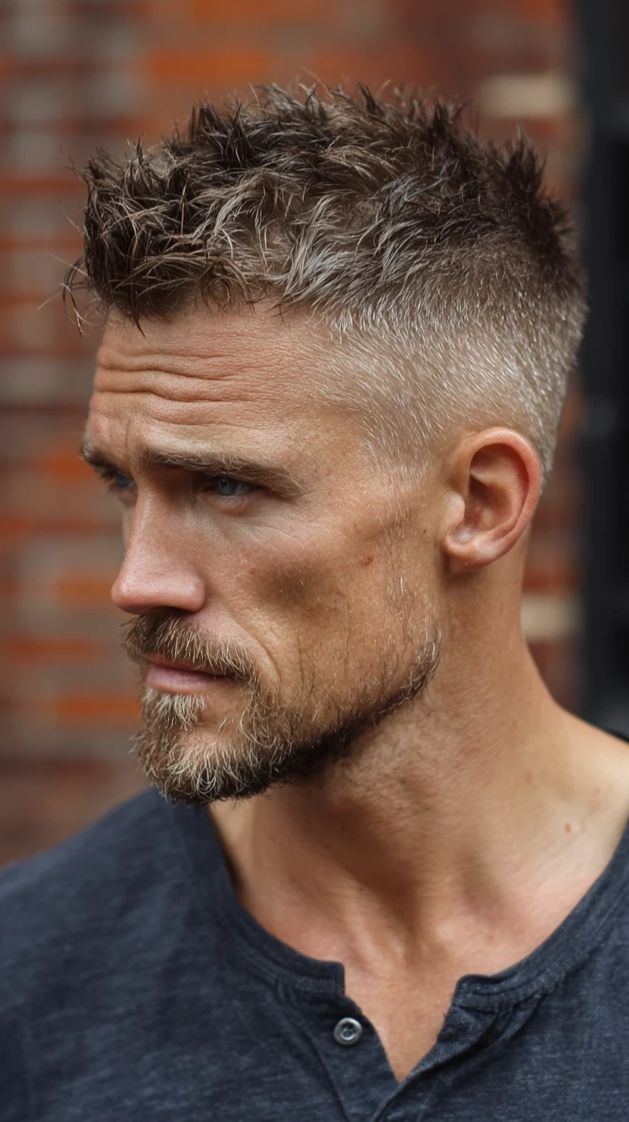
Low Taper Fade with Textured Crop
This pairing has become a go-to for men who want movement without much effort. A few minutes with texture paste, and you’re done. It’s ideal if you prefer a lived-in, effortless finish.
Low Taper Fade with Slick Back
For a sharper, more polished appearance, the slick back combo is hard to beat. It works especially well for formal events or professional headshots, since it photographs cleanly from every angle.
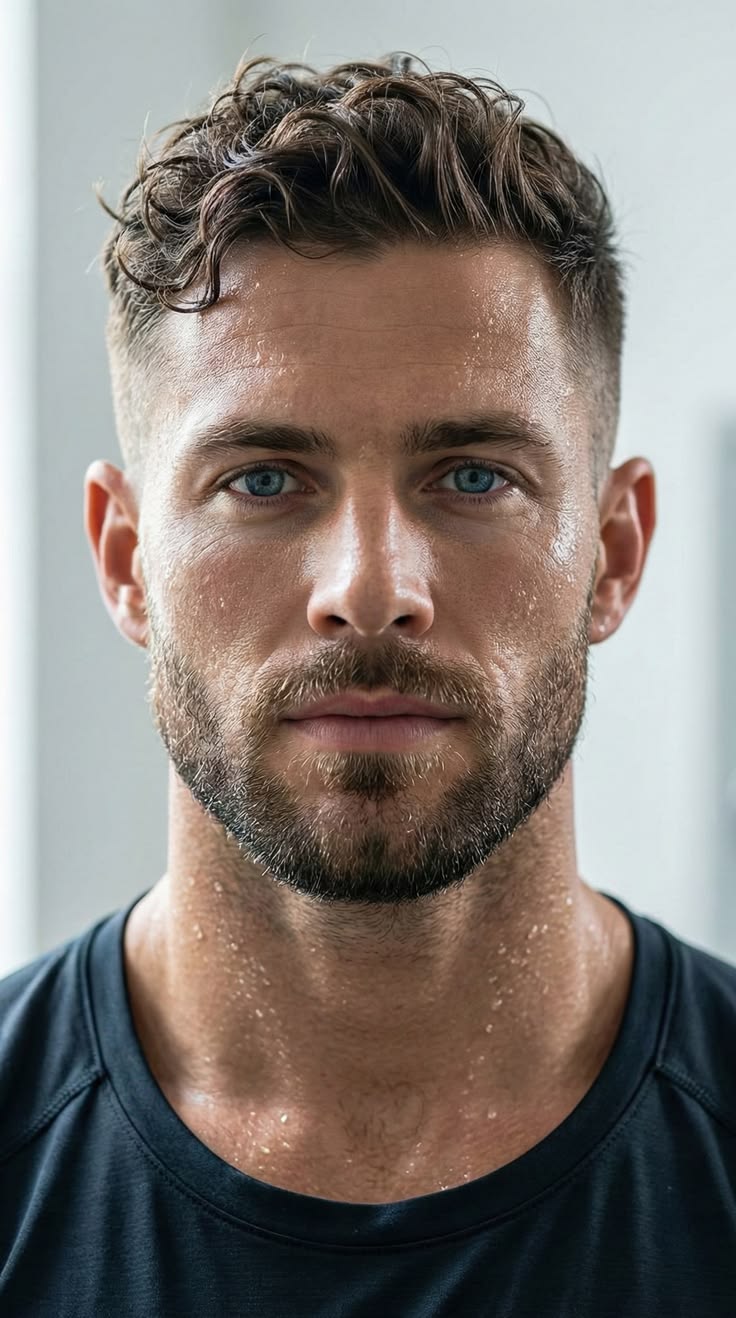
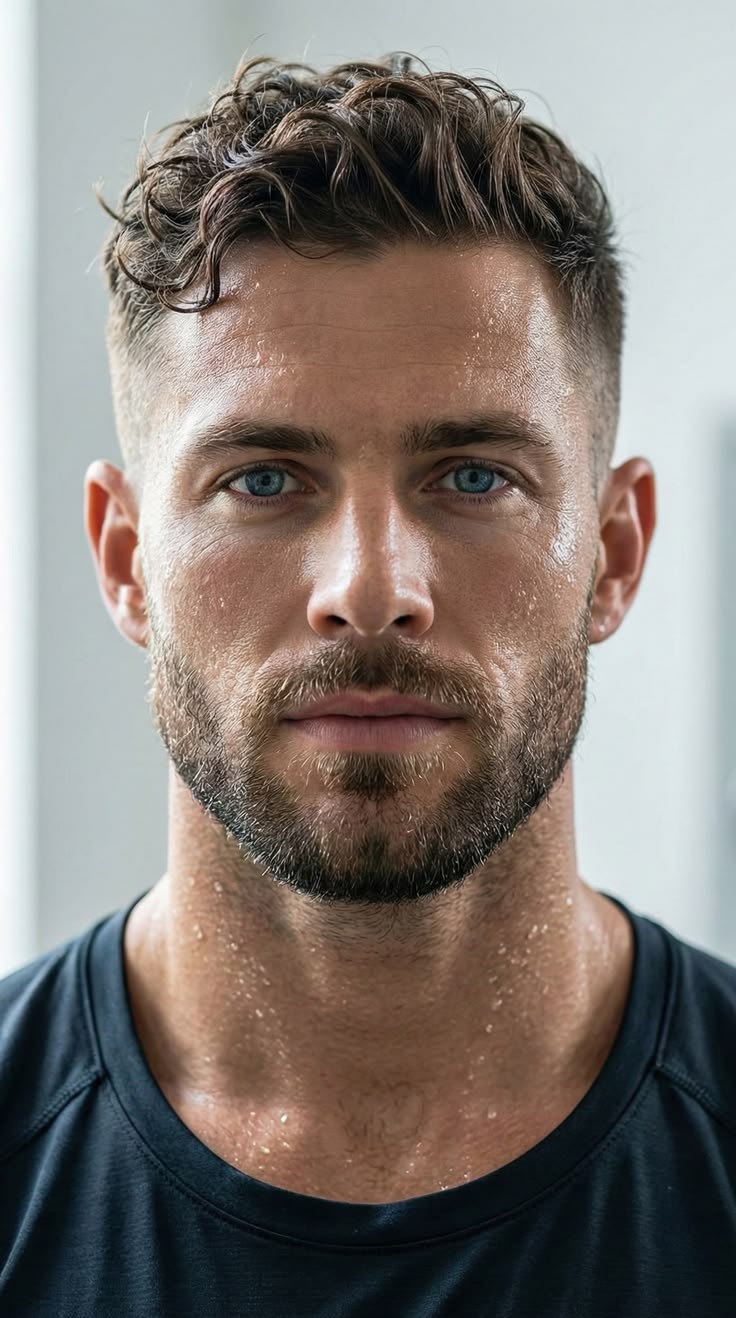
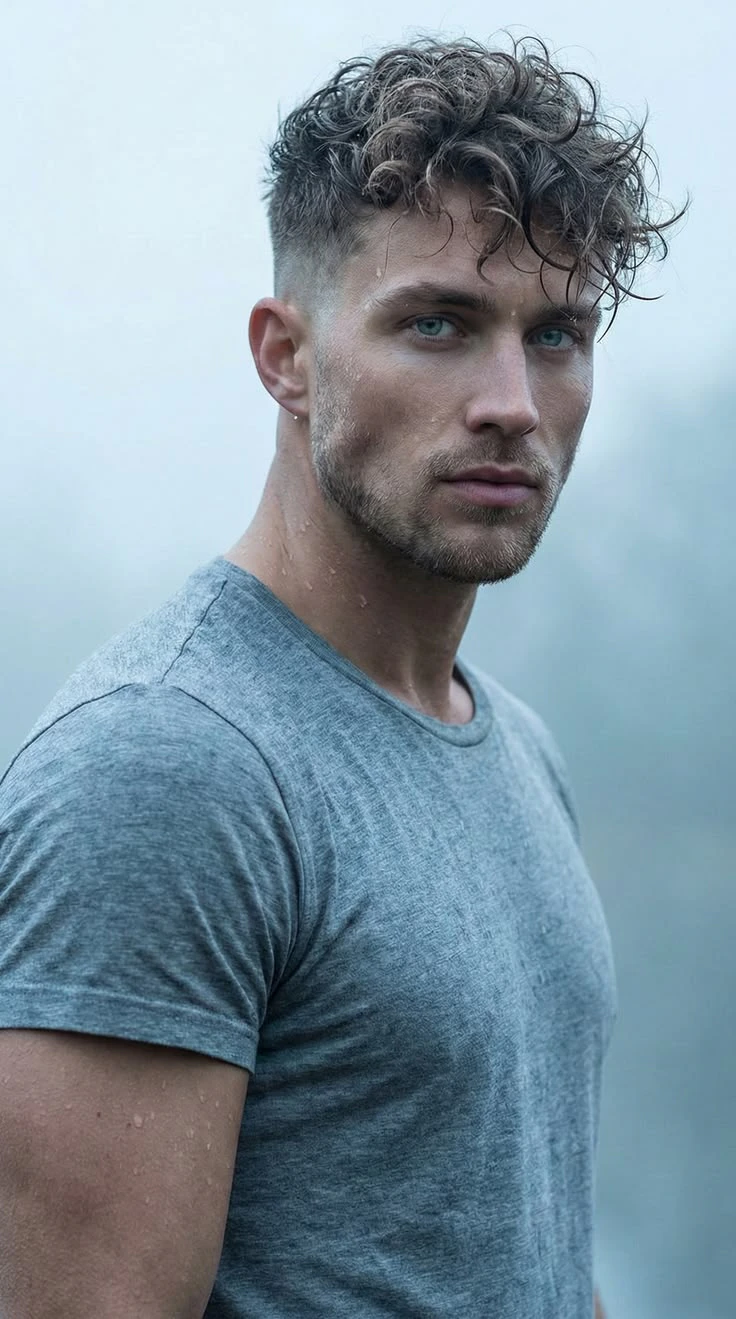
Low Taper Fade with Curls
If your hair curls naturally, don’t fight it. A low taper fade paired with defined curls on top creates striking contrast between the tight sides and the volume up top. As a bonus, it requires almost no daily styling beyond a light curl cream.
Low Taper Fade with a Hard Part
Finally, adding a hard part gives the cut a crisp, geometric edge. It’s a small detail, but it elevates the entire look — perfect for anyone who wants precision over simplicity.
How to Ask Your Barber for a Low Taper Fade
Communication makes or breaks a haircut. Even a great barber can’t read your mind, so be specific. Try saying:
– “I’d like a low taper fade — keep the fade close to my hairline and neckline, not high on the sides.”
– Bring a reference photo. Visuals remove guesswork.
– Mention your hair type upfront, since curly and straight hair fade differently.
– Ask for the top length in inches or clipper guard size if you already know your preference.
Being clear from the start saves time and prevents miscommunication, especially if you’re trying a new barbershop.
Styling and Maintenance Tips
Getting the cut is only half the equation. Proper upkeep keeps it looking fresh between appointments.
1. Wash smart. Use a lightweight shampoo two to three times a week to avoid stripping natural oils.
2. Moisturize daily. A leave-in cream or light oil keeps the top hydrated, particularly for curly textures.
3. Trim on schedule. Because fades grow out visibly, plan a touch-up every two to three weeks.
4. Sleep smart. A satin pillowcase or durag helps preserve texture overnight, especially for curls and waves.
5. Use the right tools. A boar-bristle brush works wonders for straight or wavy styles, while a wide-tooth comb suits curlier textures better.
Following these habits means your low taper fade stays sharp far longer than if you skip aftercare entirely.
Who Should Get a Low Taper Fade?
Honestly, almost anyone can. That said, it particularly suits:
Men with rounder face shapes, since the low fade adds subtle length without overwhelming the face.
Professionals who need a style that transitions easily from office to evening plans.
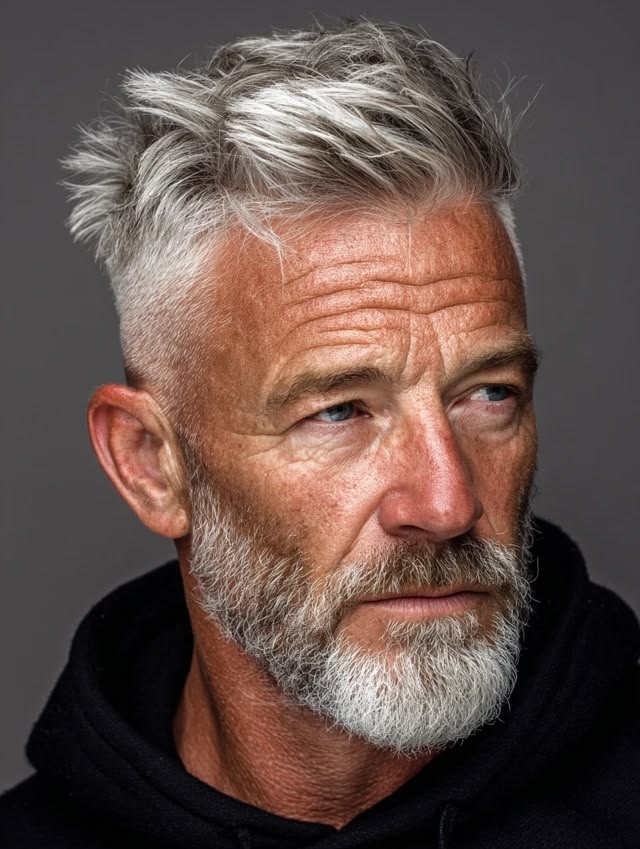
Anyone growing out their hair who still wants clean, defined sides.
On the other hand, if you prefer a bolder, more dramatic contrast, a high or mid fade might suit you better. Still, for most men, the low taper fade strikes the ideal middle ground.
Common Mistakes to Avoid
Even a great cut can go wrong with poor choices afterward. Watch out for these pitfalls:
Over-styling. Too much product can weigh hair down and hide the fade’s clean lines.
Skipping touch-ups. Waiting too long between visits blurs the contrast that makes this cut work.
Ignoring your barber’s advice. Experienced barbers often know what will suit your hair type better than a photo alone.
Avoiding these small errors keeps your style consistent and photo-ready.
Final Thoughts
The low taper fade earns its place as a timeless choice, not just a passing trend. It’s adaptable, low-maintenance, and flattering across nearly every hair type and lifestyle. Whether you pair it with a textured crop, a slick back, or natural curls, this cut delivers a sharp, put-together look without demanding constant upkeep.
If you’re ready for your next barbershop visit, bring this guide along, describe exactly what you want, and enjoy a cut that works as hard as you do.