



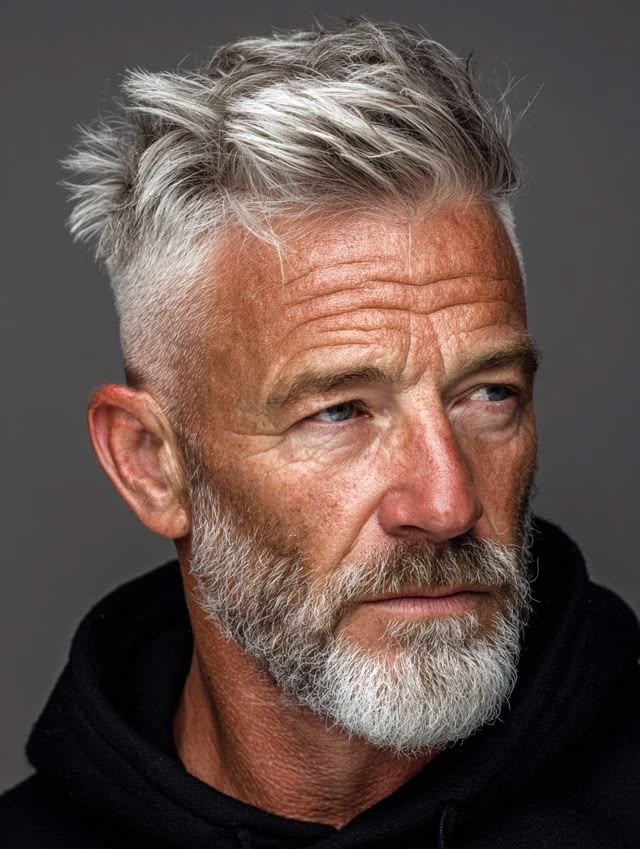
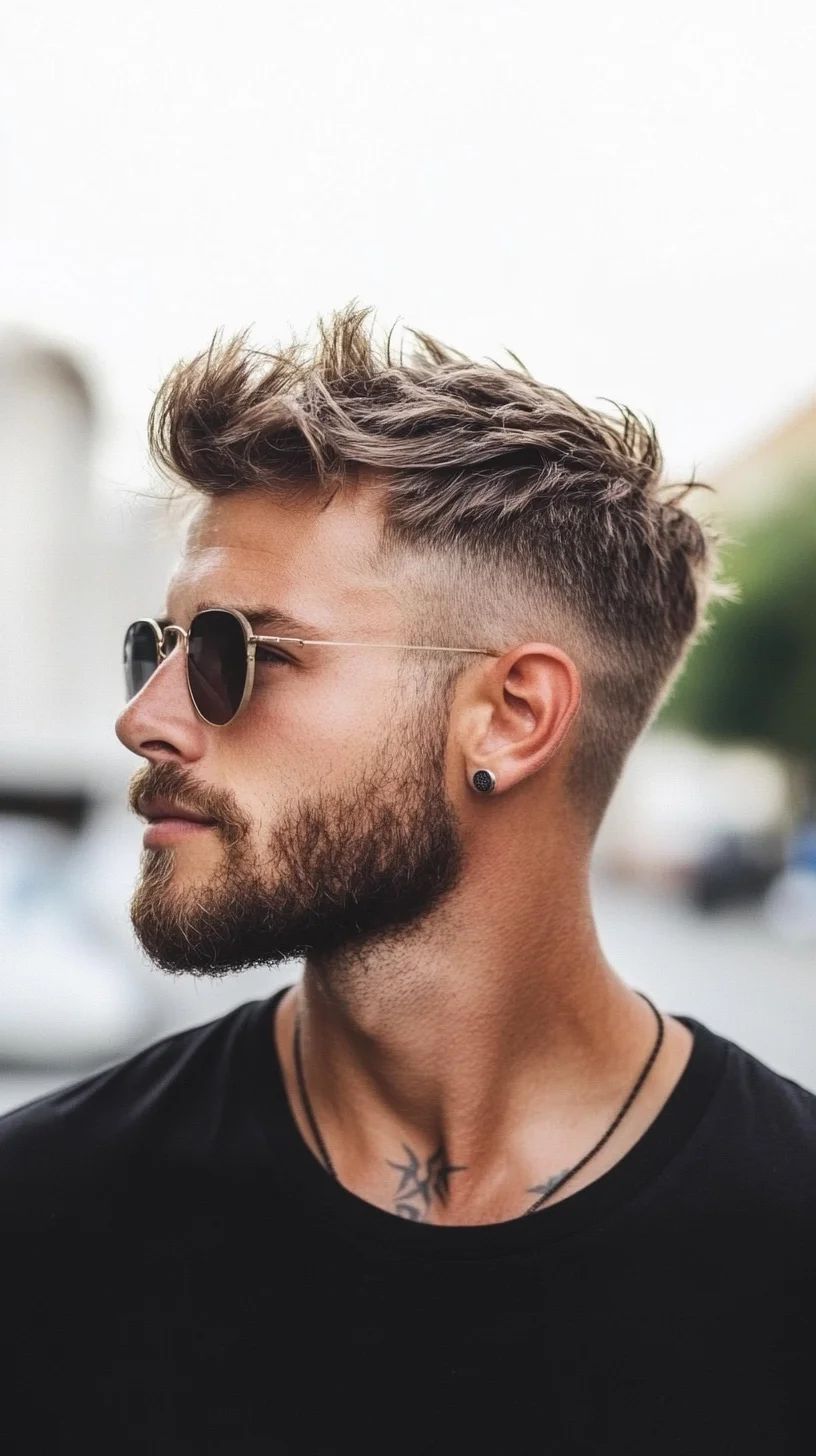
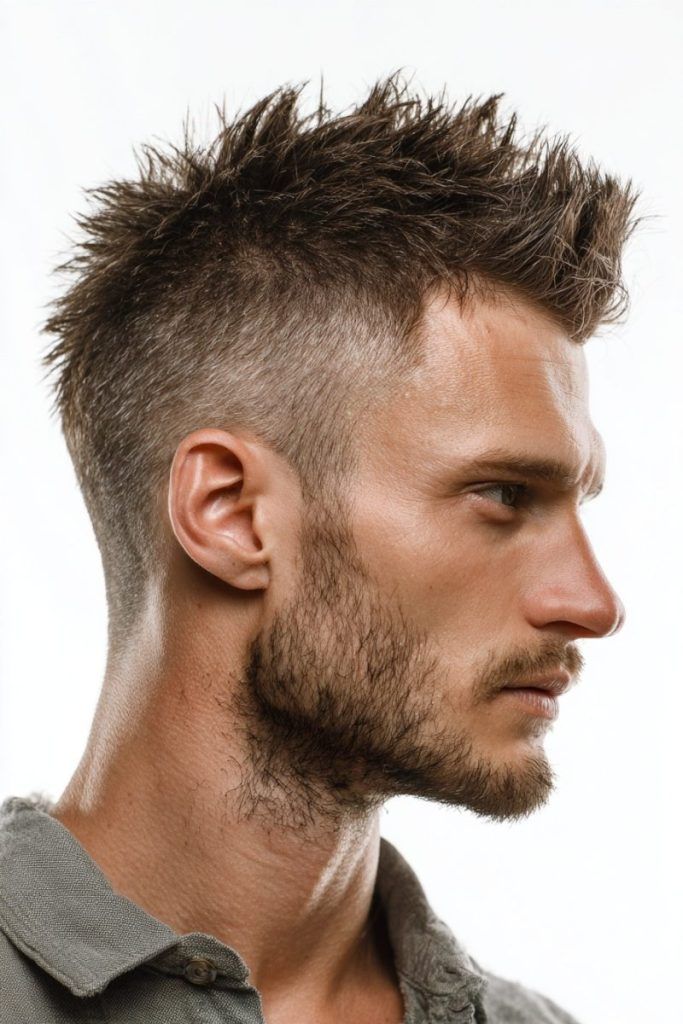
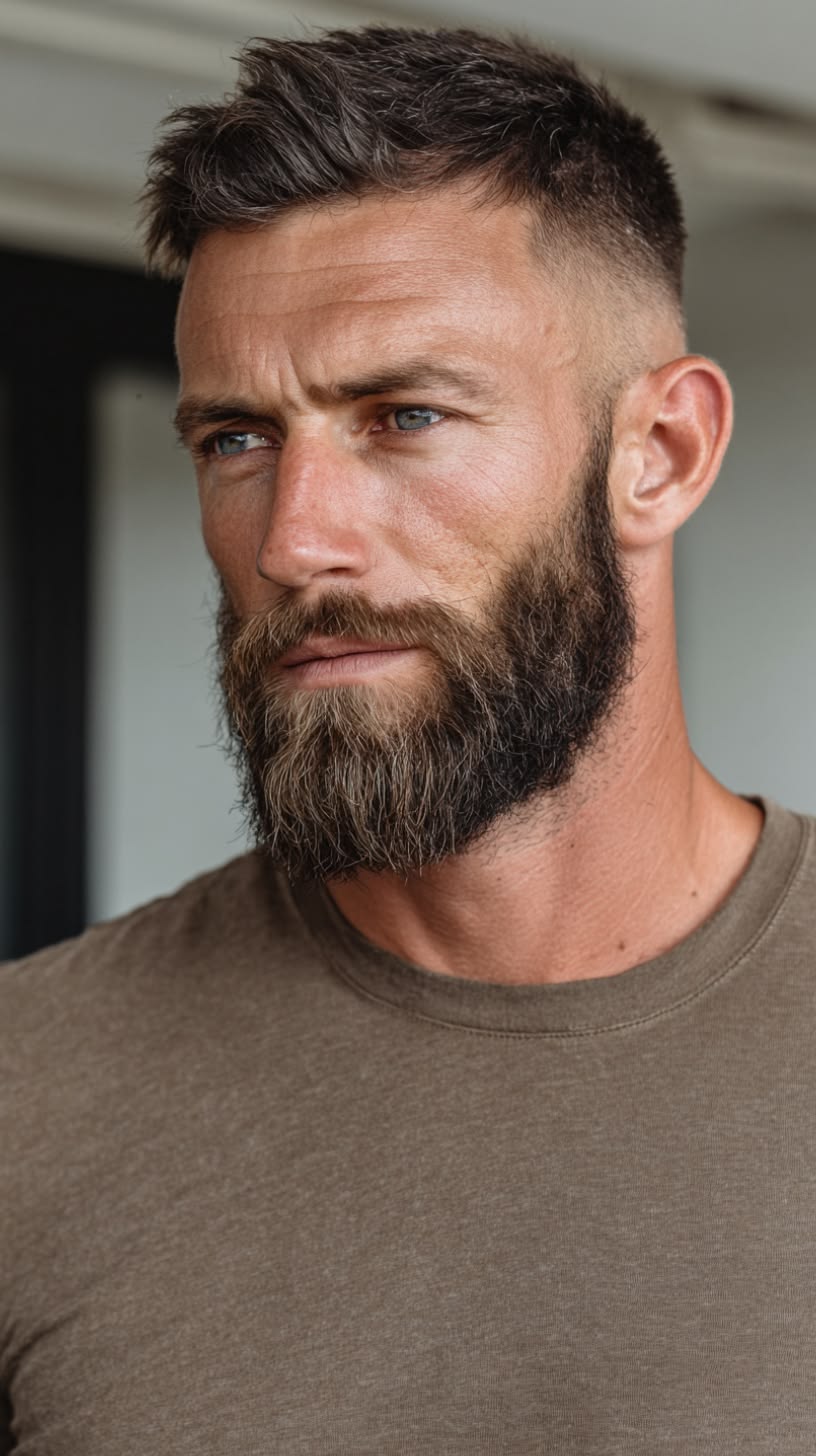


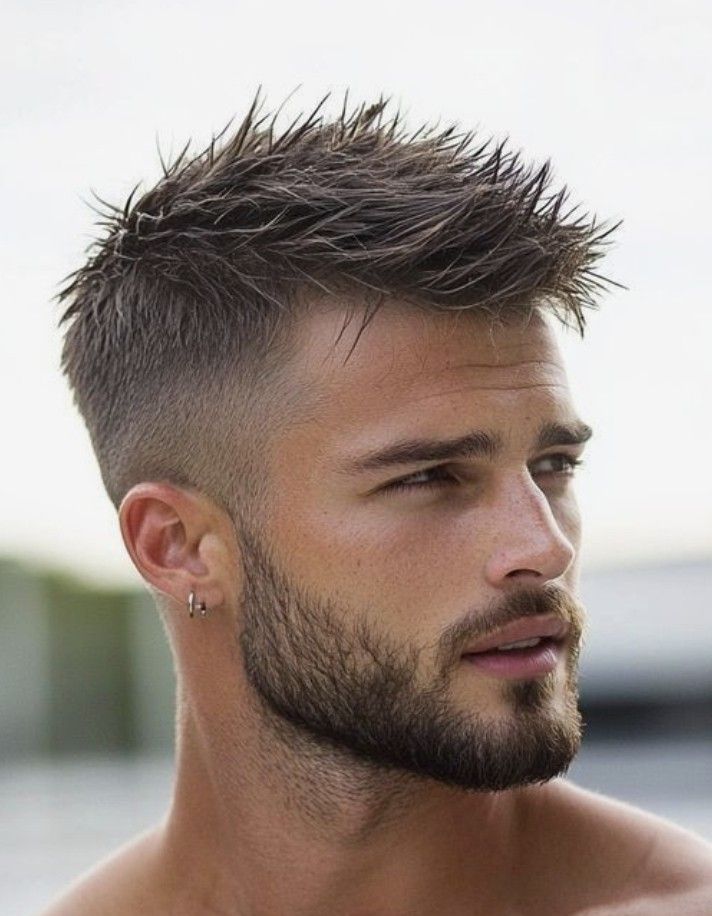

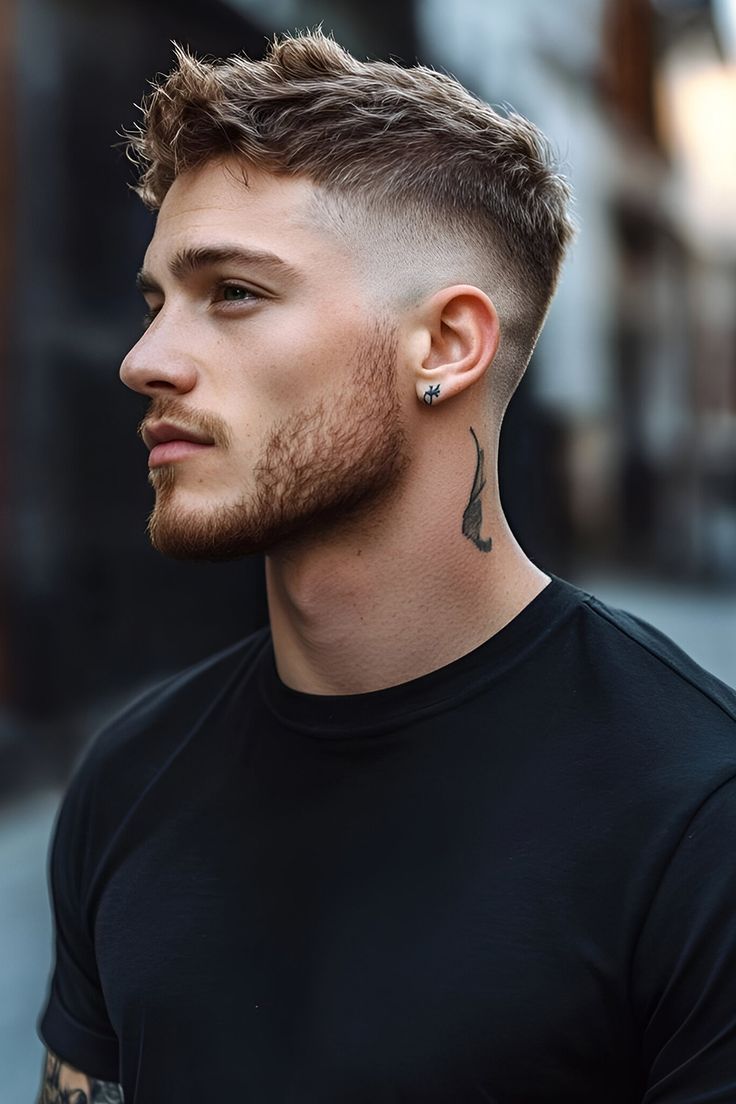
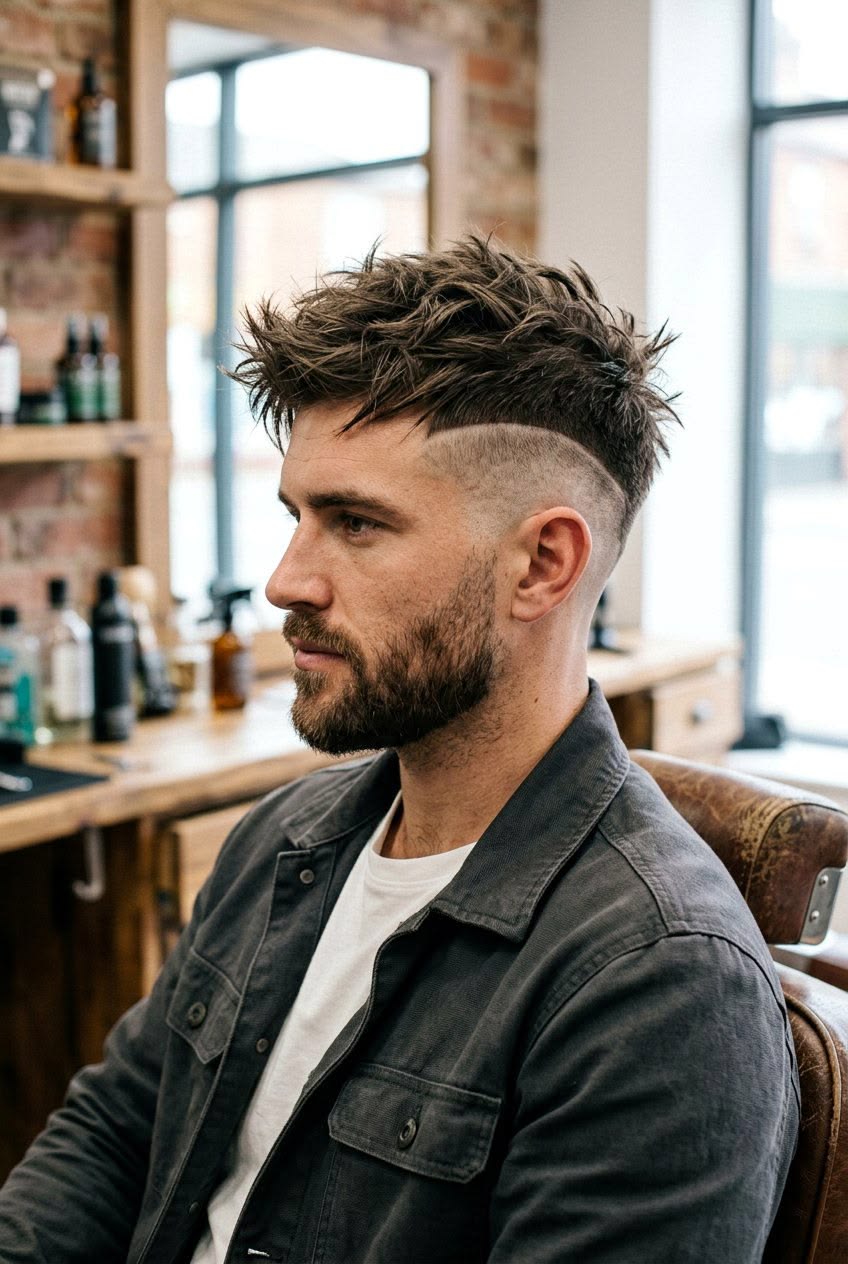
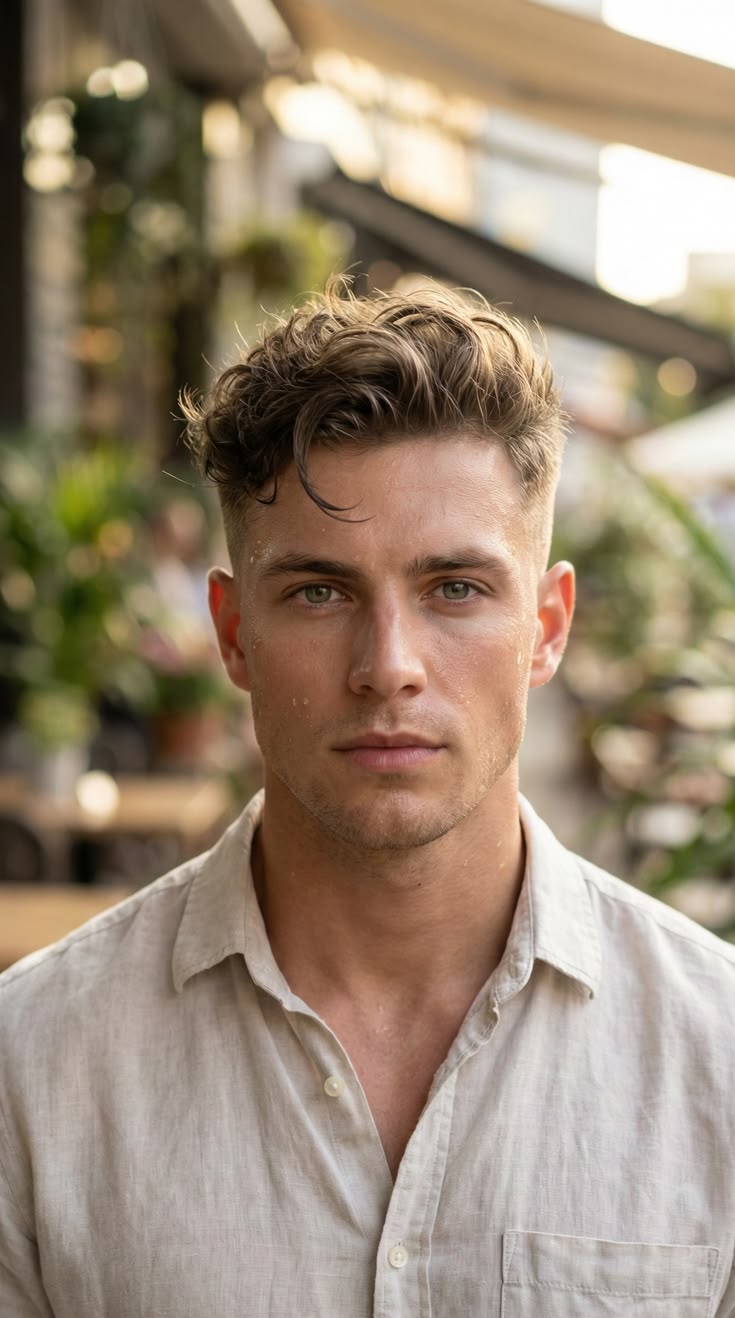
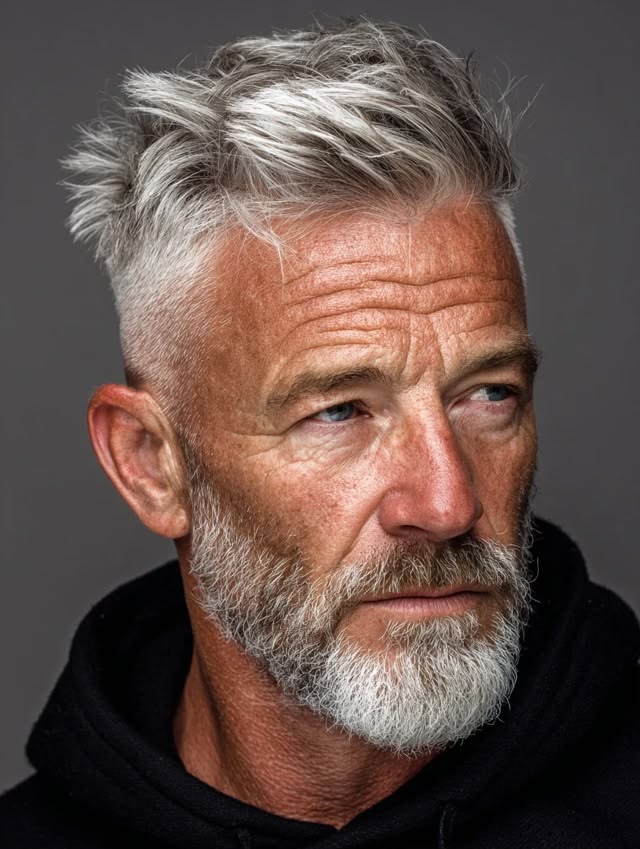

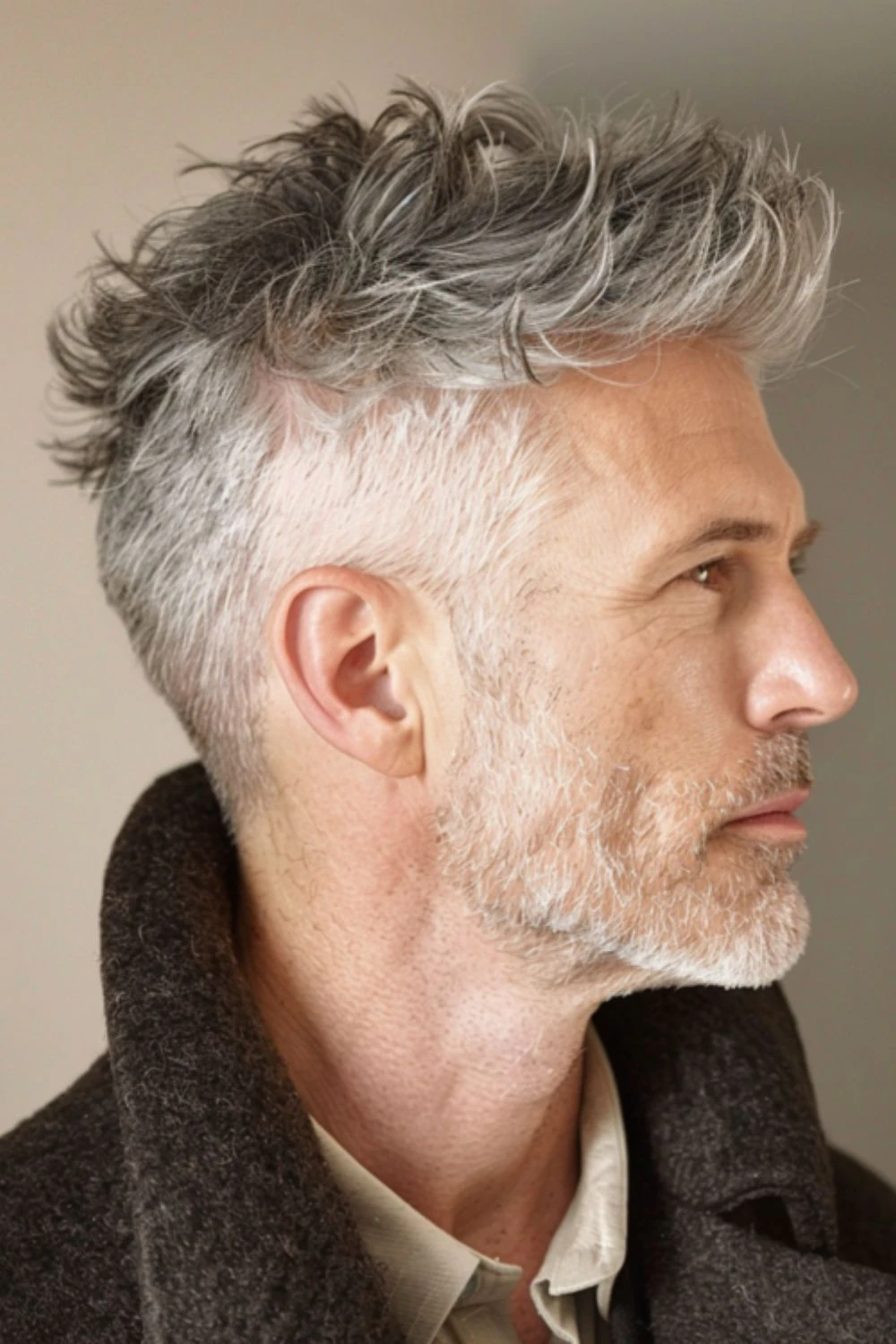
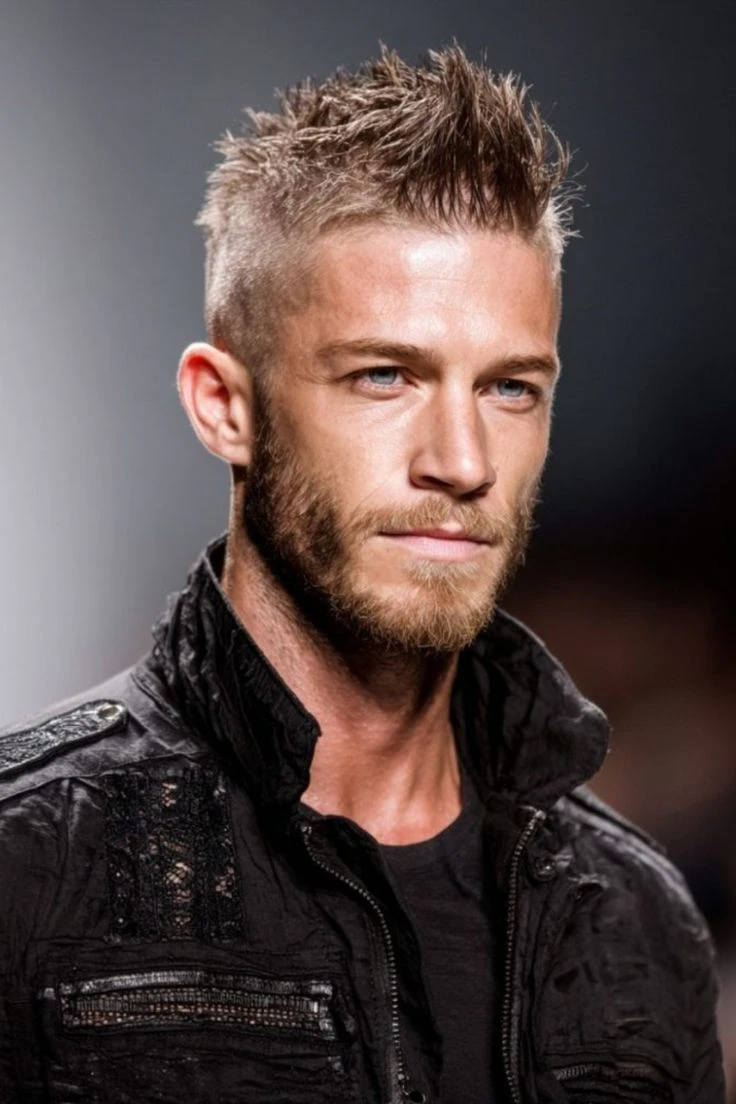
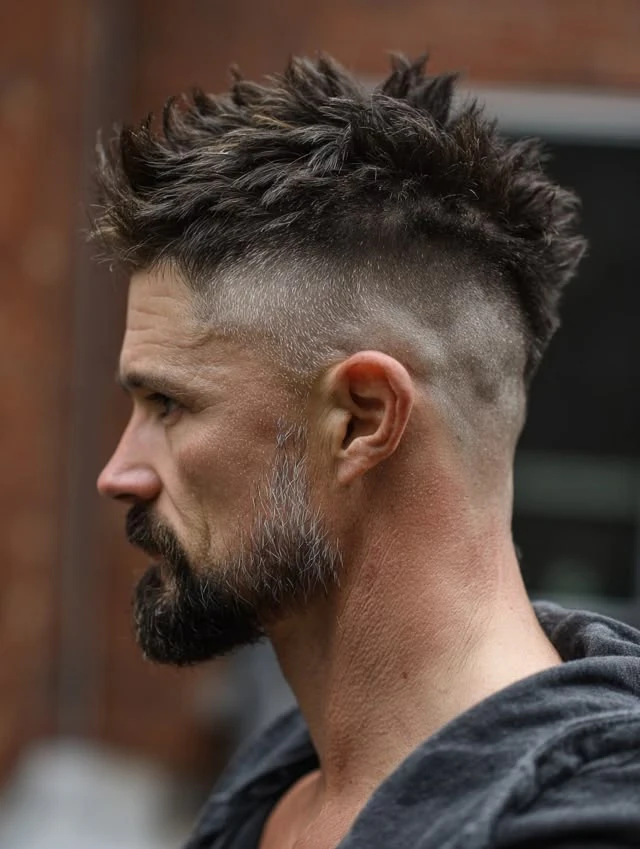
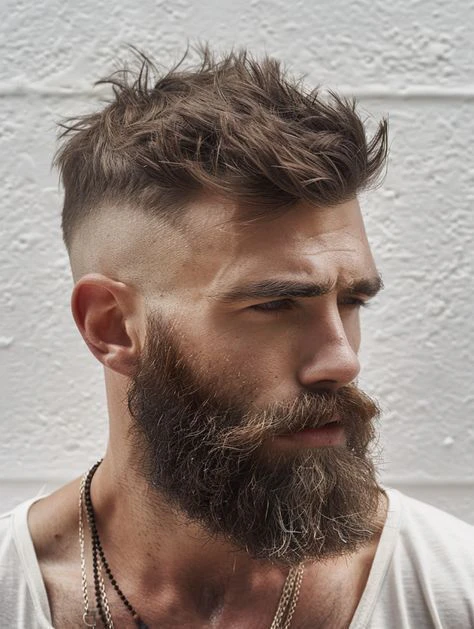
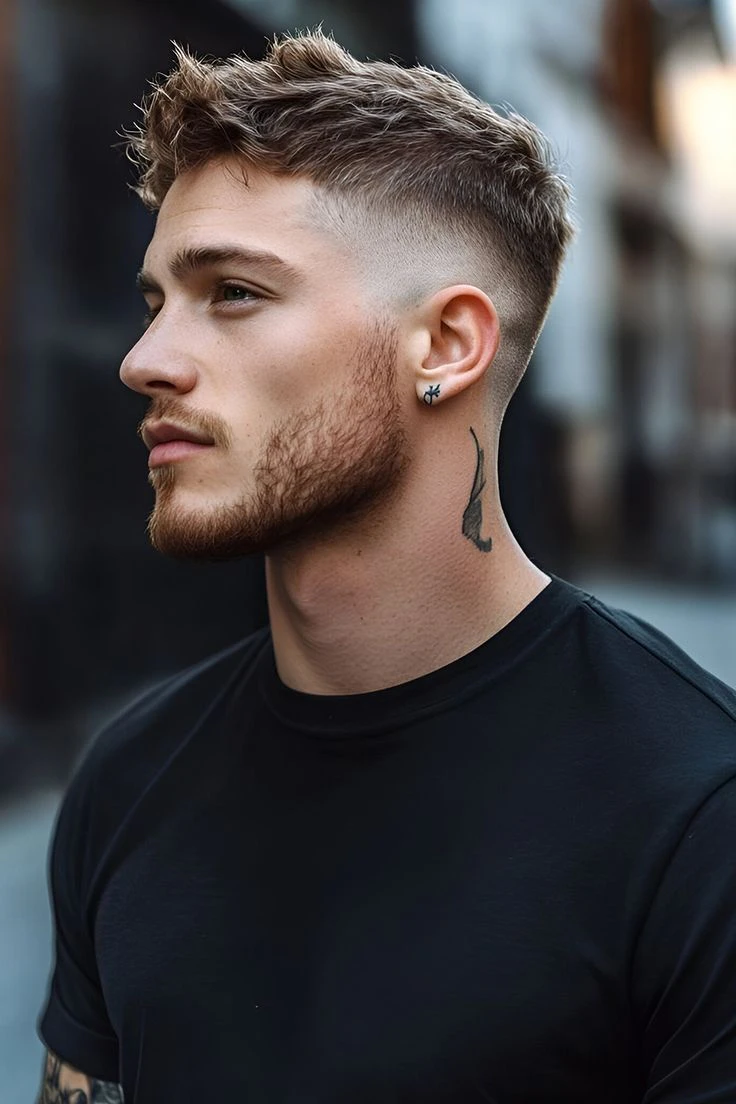
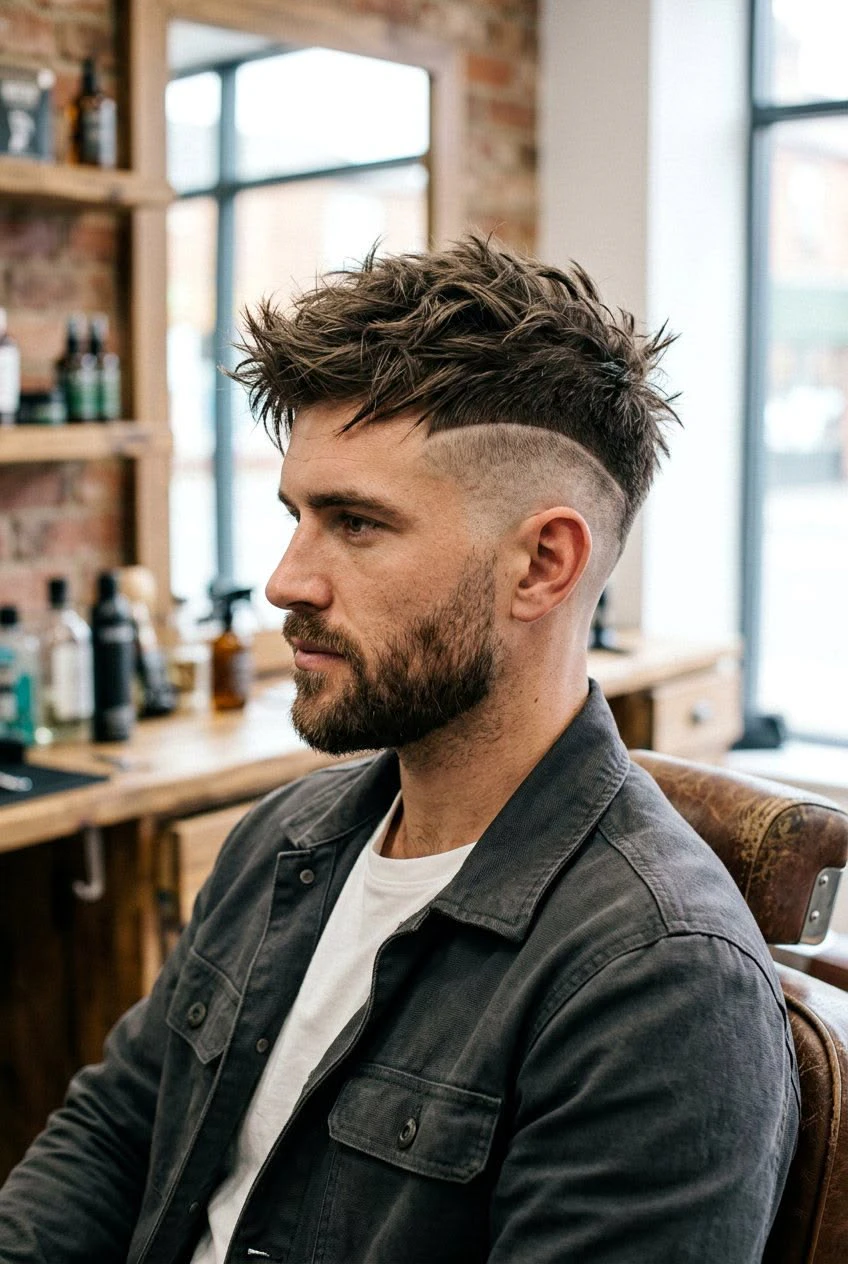

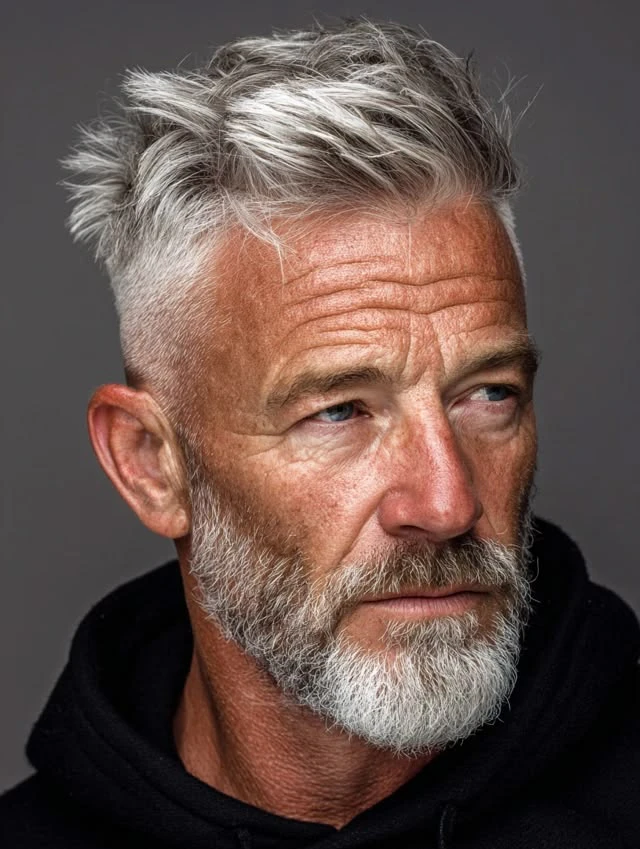
If you’ve been keeping up with barbershop trends lately, you already know the low taper fade is everywhere. From city barbershops to social media feeds, there’s a reason you see this cut everywhere. It is clean, versatile, and works for all hair types and face shapes. It suits almost every lifestyle, whether you’re going to the office or enjoying a weekend with friends.
In this guide, we’ll cover everything you need to know about the low taper fade in 2026. You will learn what makes it different from other types of fades, what top styles look best with it, and how to maintain the look between barber visits. By the end, you’ll have all the knowledge you need to approach your next appointment with complete confidence.
What Is the Low Taper Fade, and Why Does It Matter?
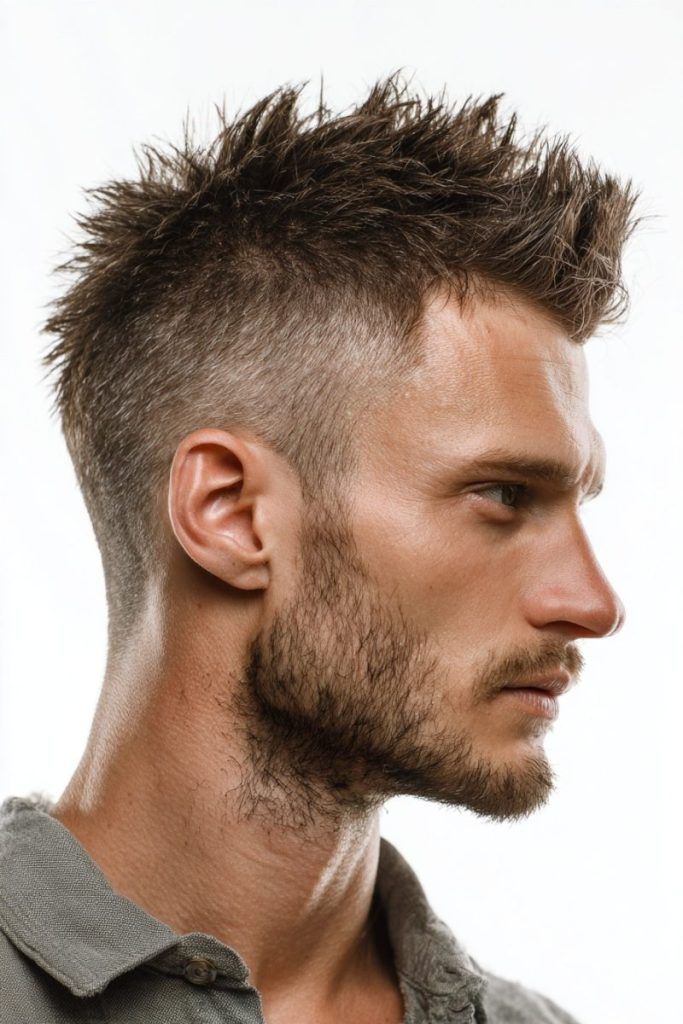
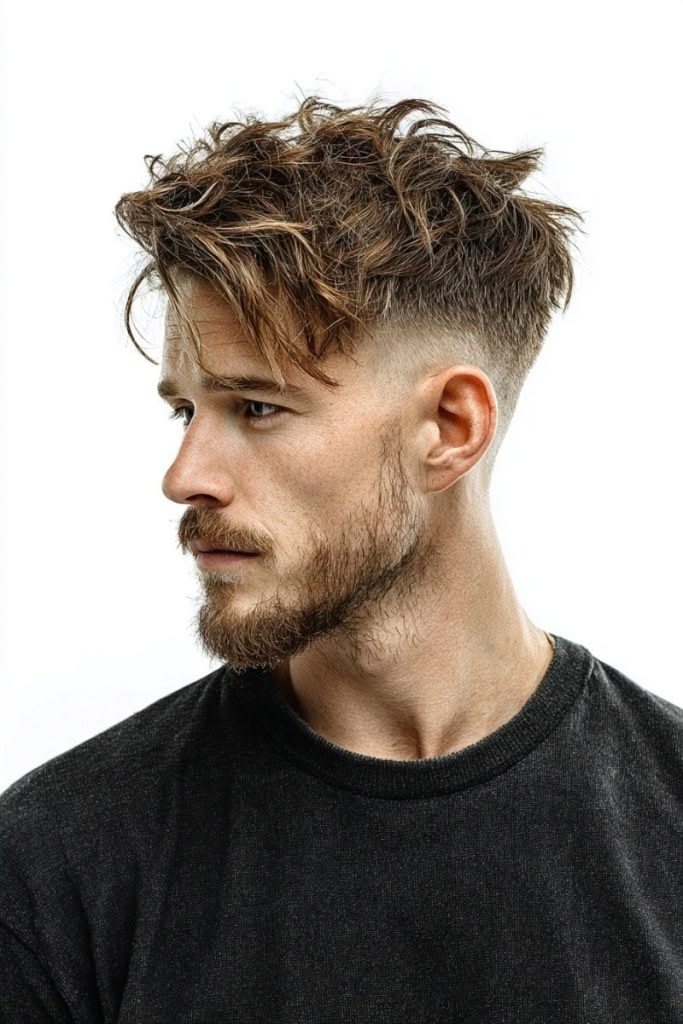
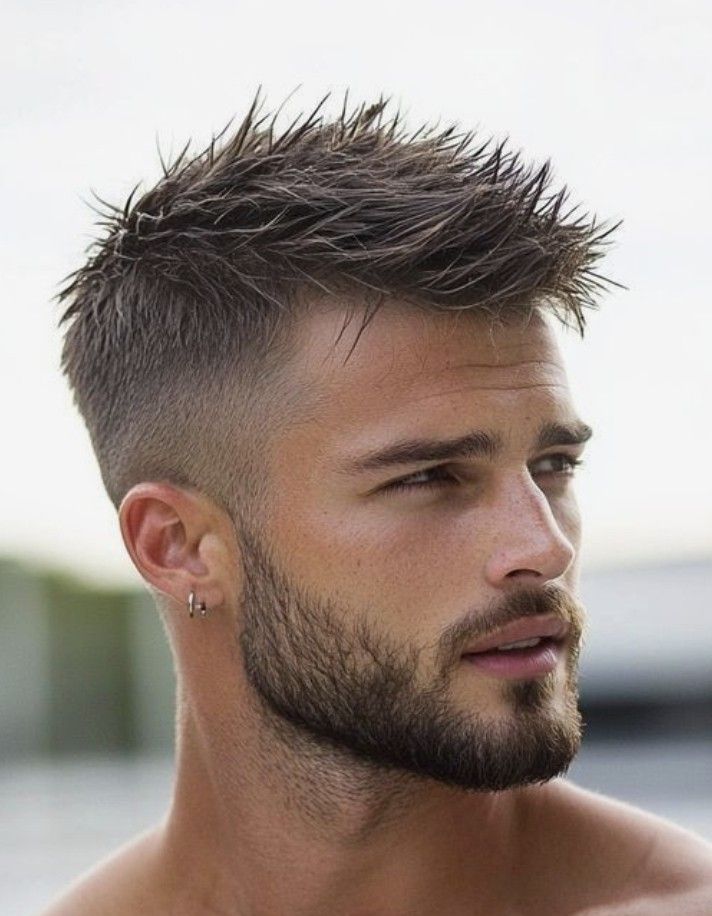
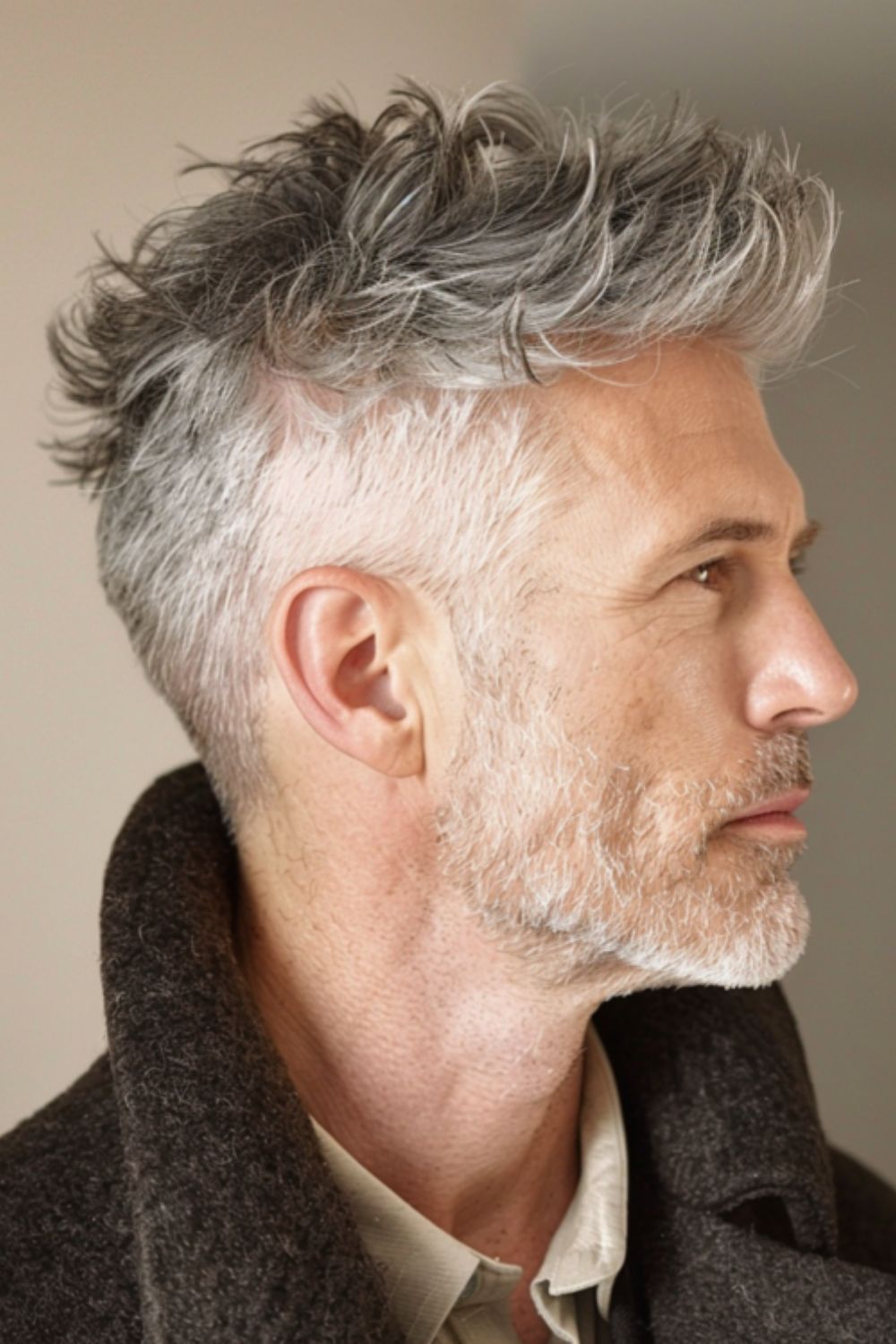
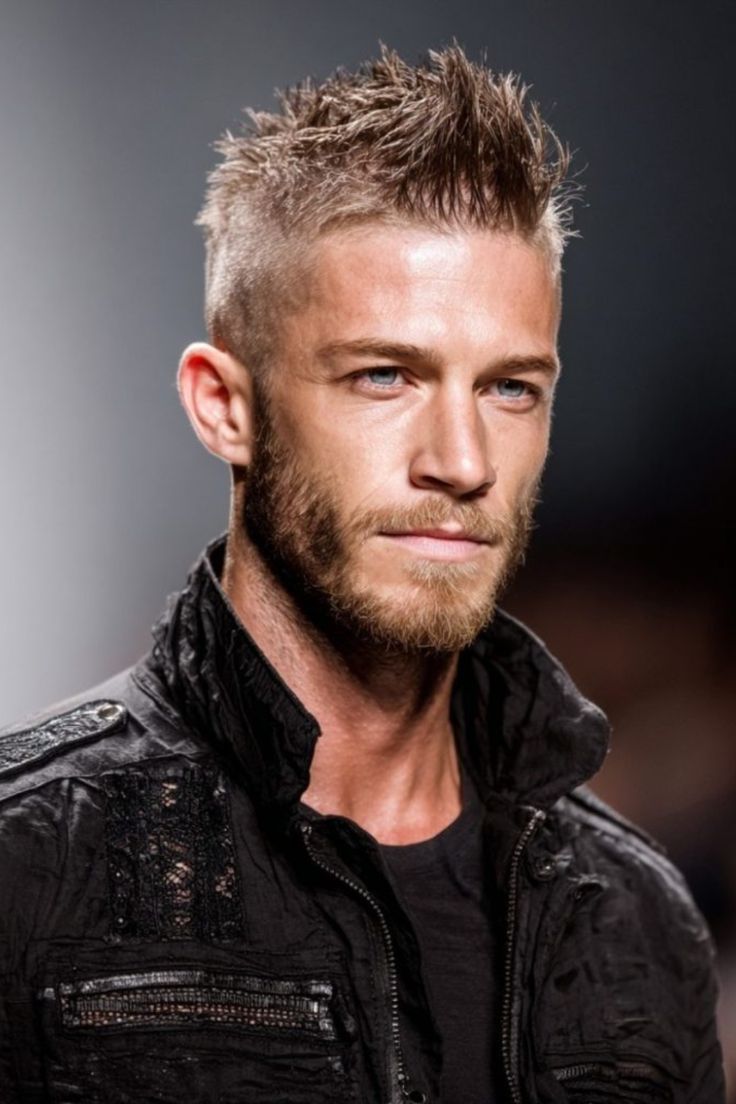
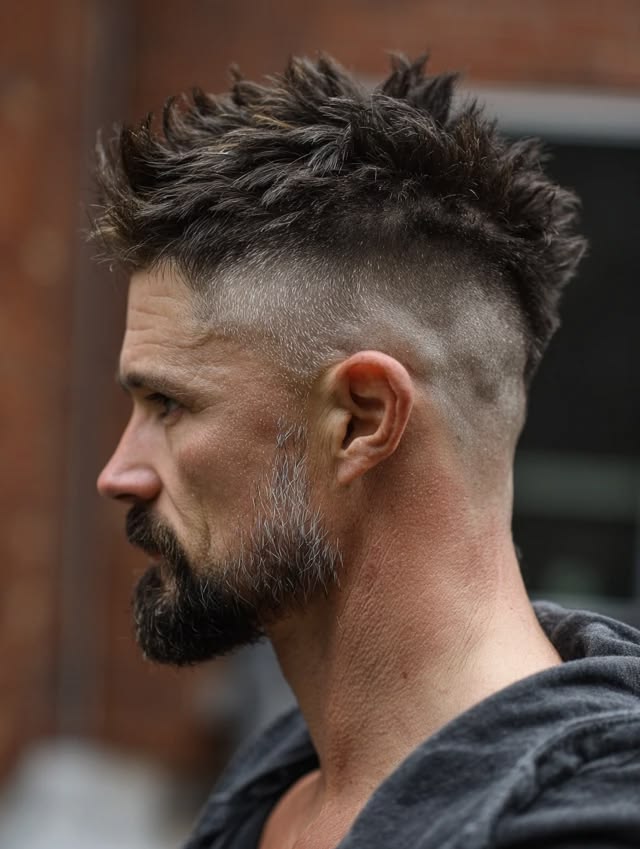
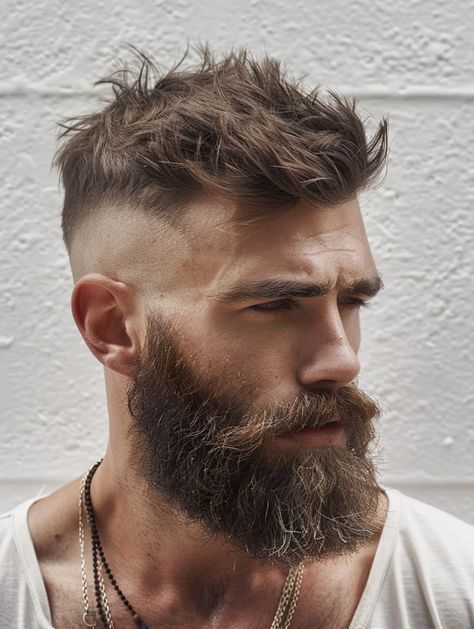
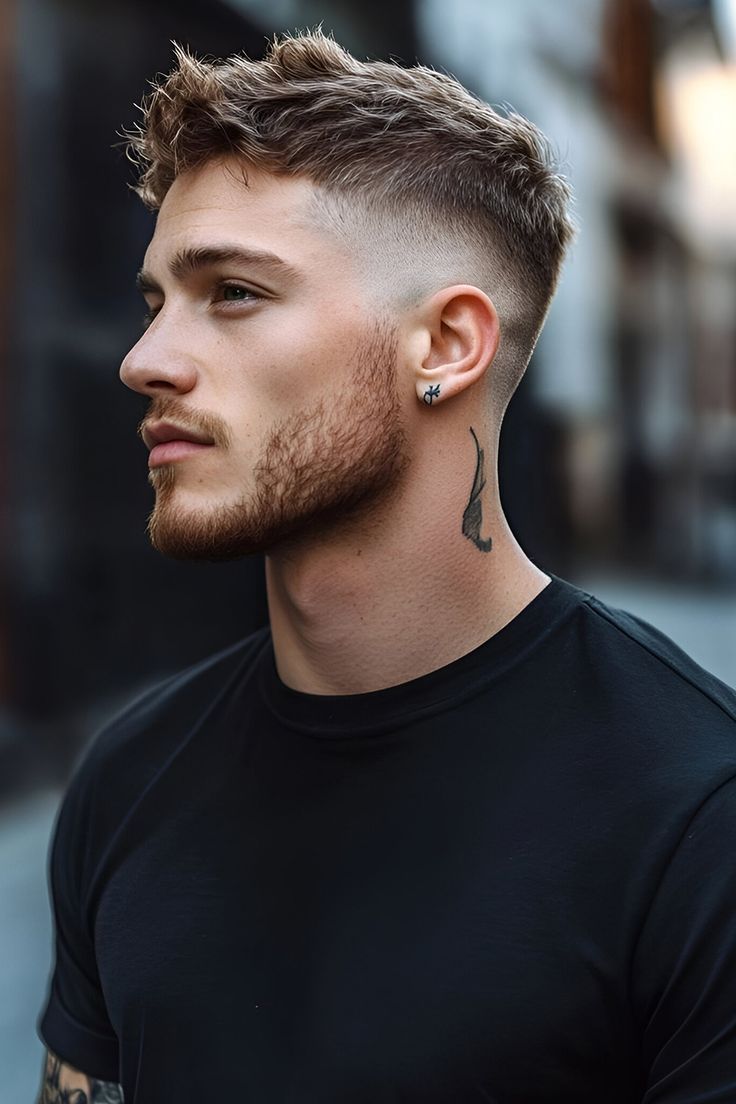
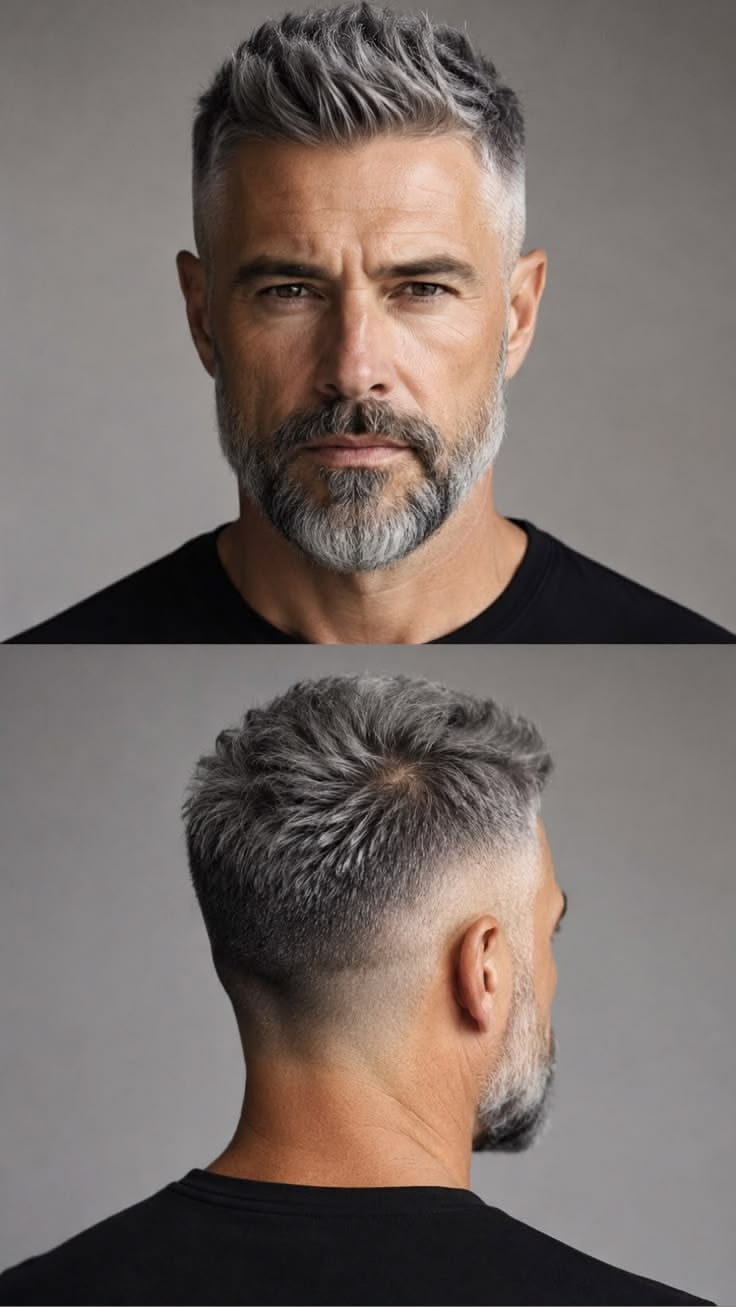
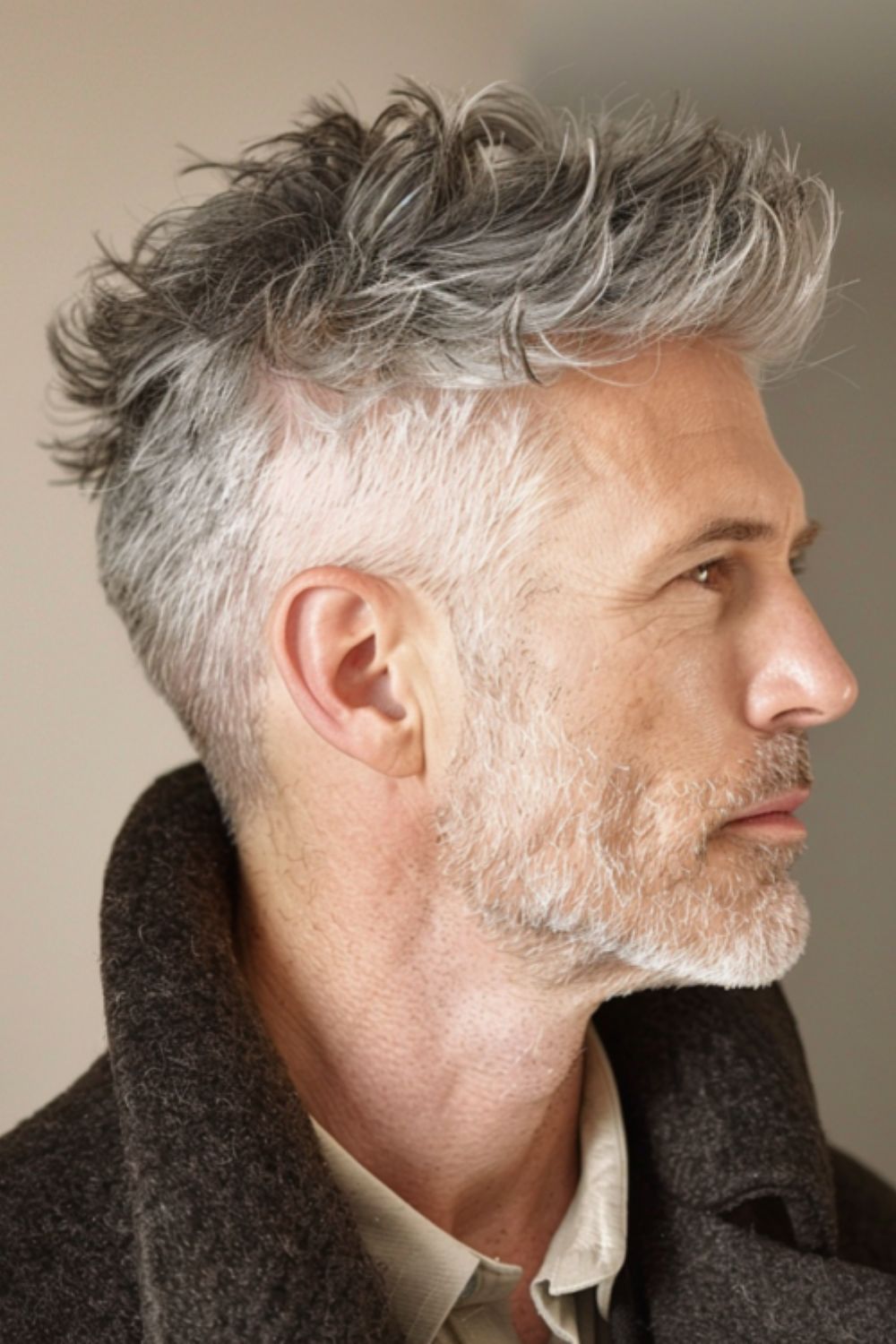
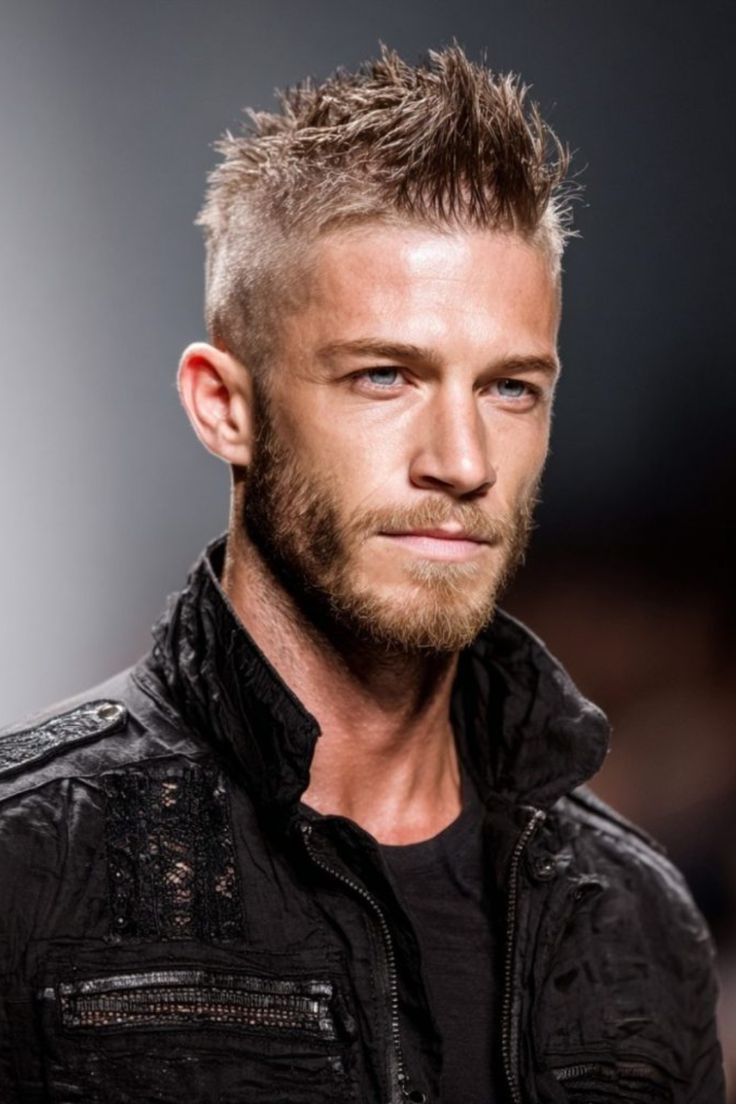
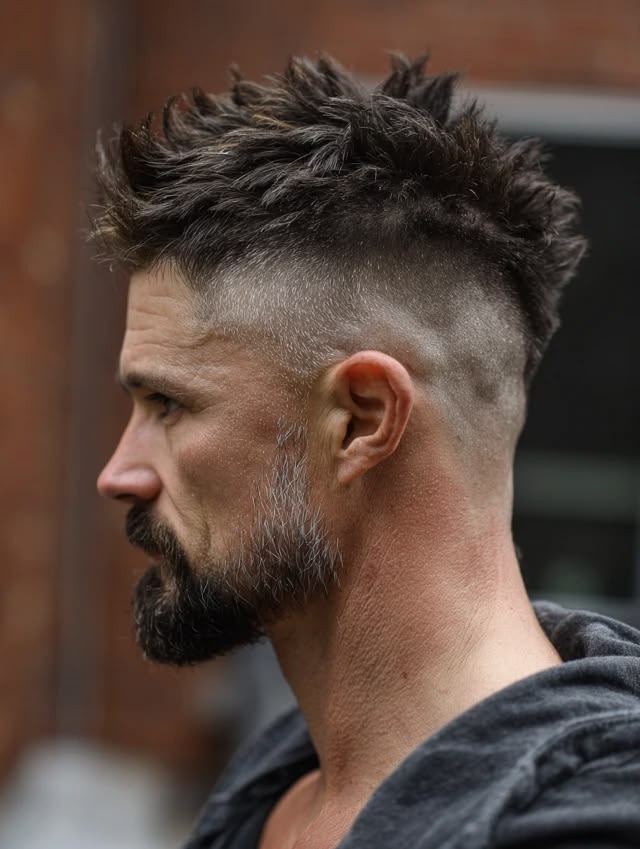
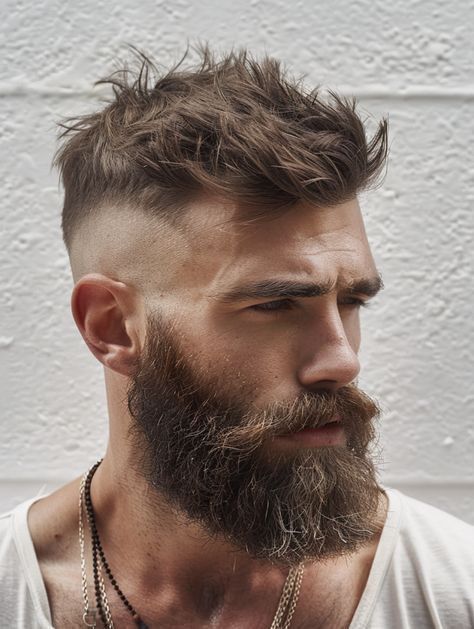
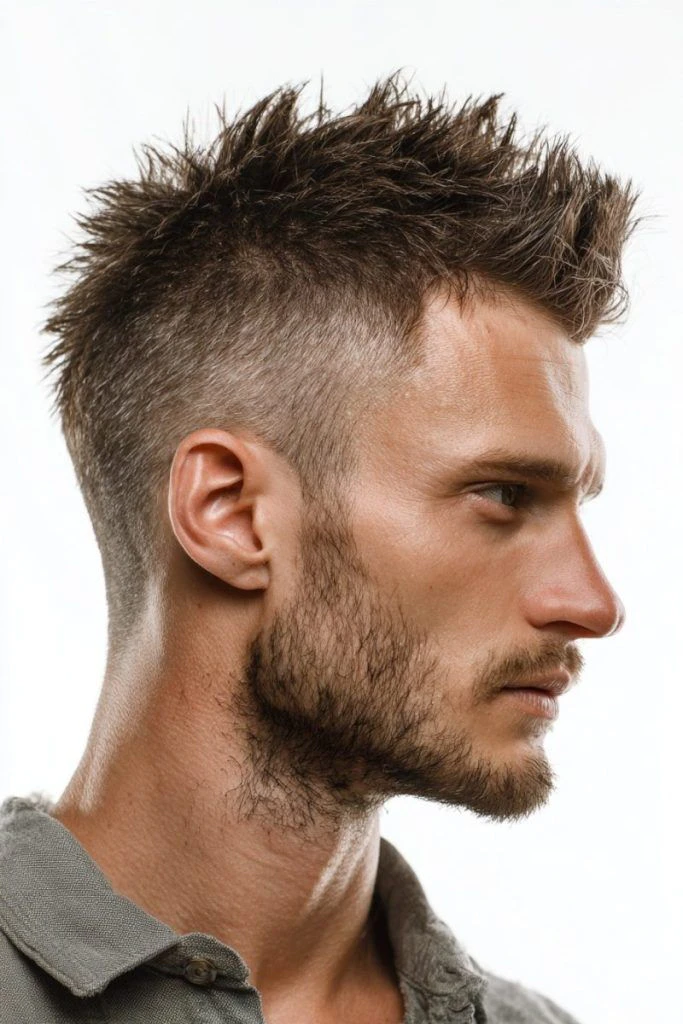
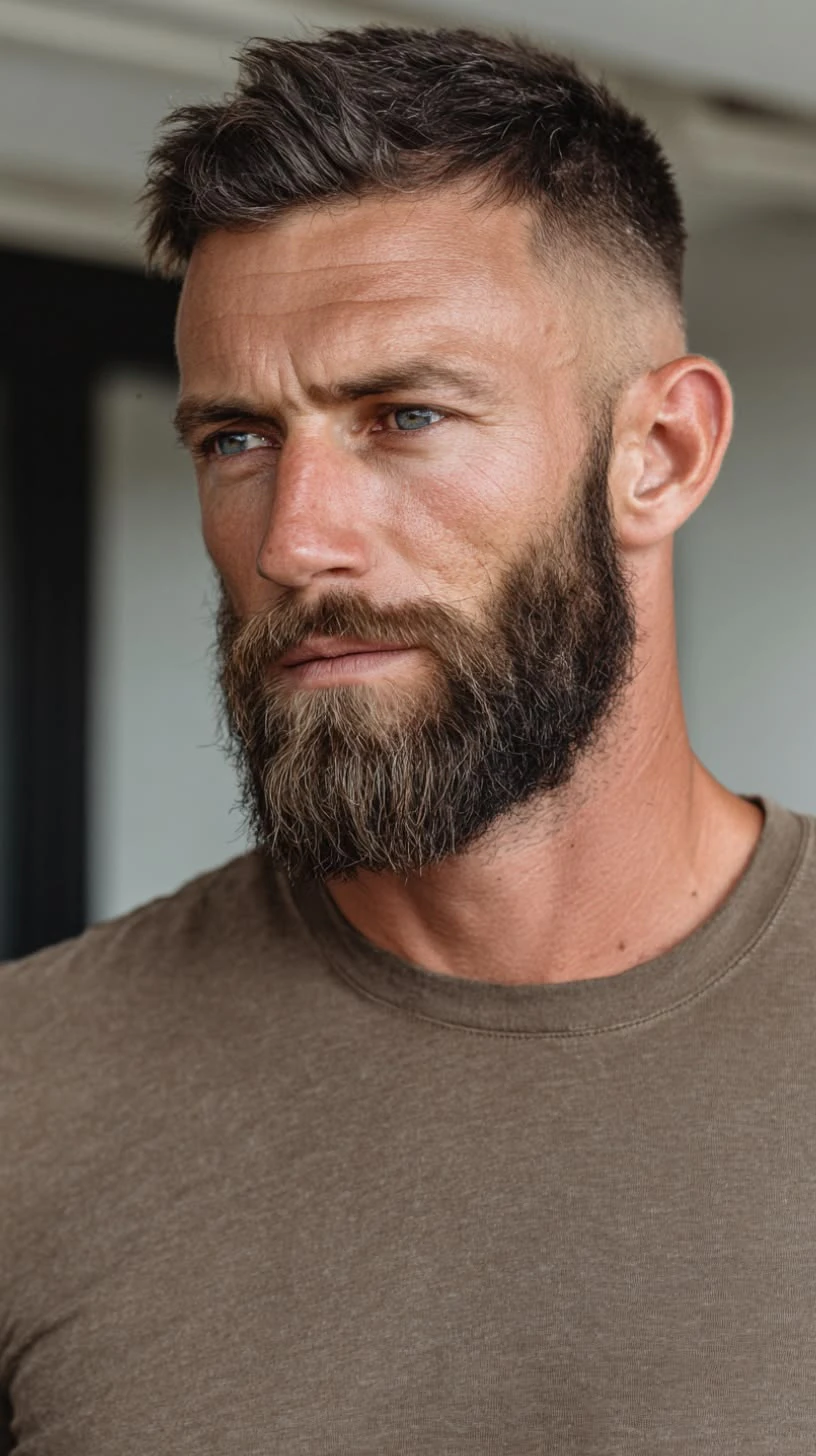
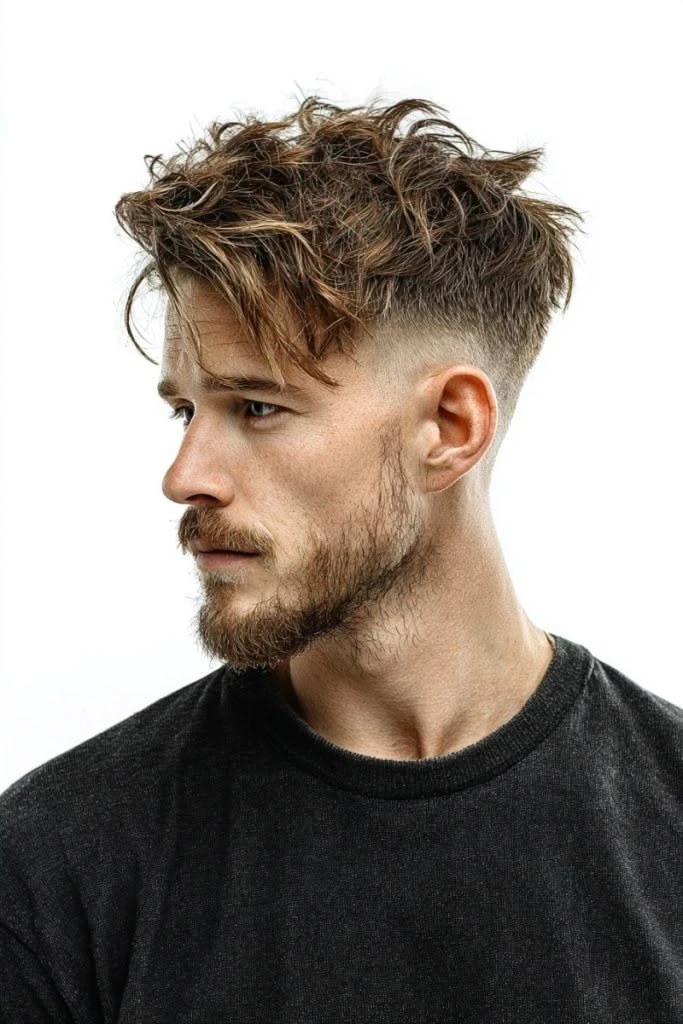
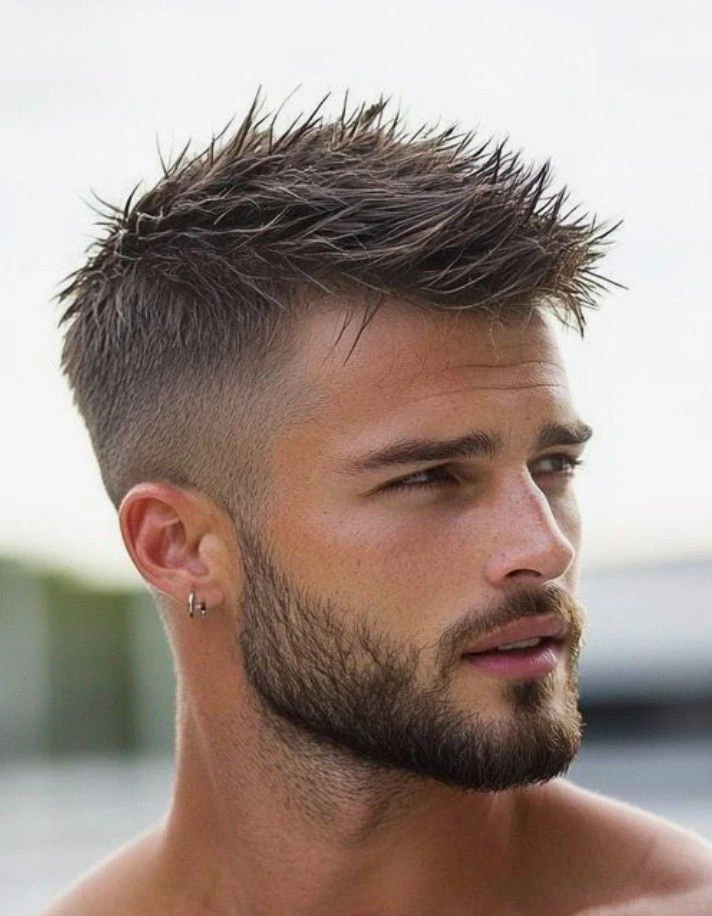
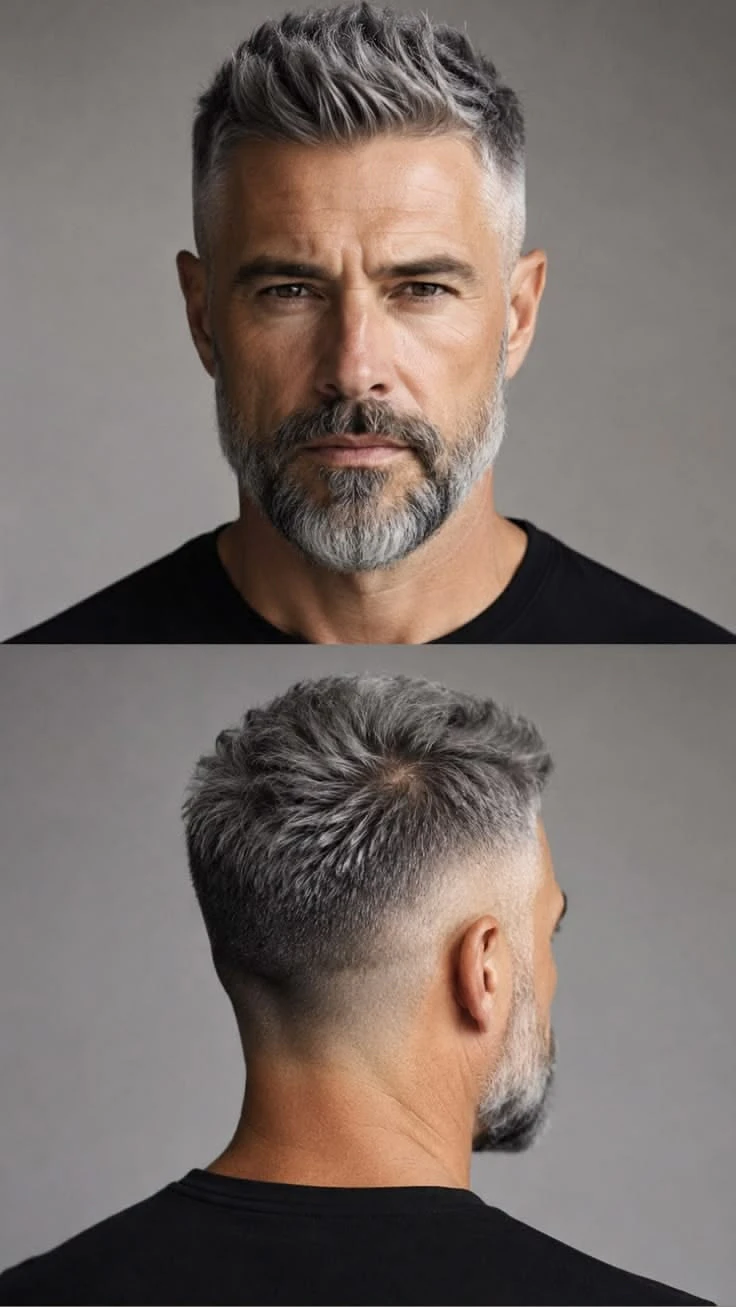
Before we explore the styling options, it helps to know exactly what this cut is. It means cutting the hair so it gets gradually shorter toward the neckline. The word “low” just refers to where the fade begins. It is near the ears and around the neckline. As a result, the contrast between the longer top and shorter sides is subtle rather than sharp.
That’s what separates a low taper fade from a high or mid fade. A high fade begins above the temples for a bold, dramatic contrast. The mid-fade sits at the temple for a balanced look. The “low” version, in contrast, is understated and refined, meaning it’s better suited to the workplace. This makes it one of the most requested subtle cuts of 2026, especially for guys who want something sharp but not too aggressive.
It also grows out more gracefully than its higher counterparts. Since the fade line is lower, it takes longer to look overgrown, giving you more time between visits while still maintaining a neat appearance. The “low” is intentional.
The Technical Differences: Skin Fade vs. Shadow Fade
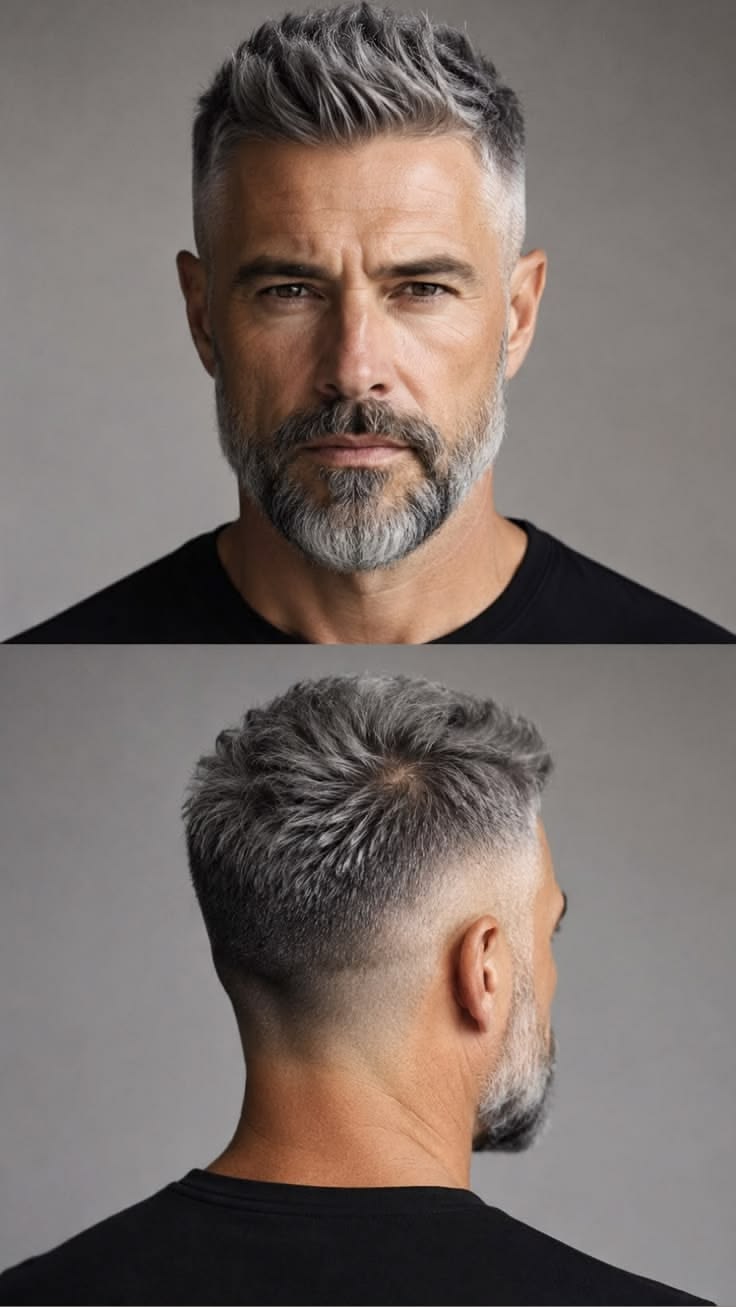
There are two main finishing options within the low taper category that you should know about before you sit in the chair. First, the skin fade. This method leaves the skin bare around the neckline and sideburns, giving an incredibly clean finish. This is excellent if you want maximum sharpness and don’t mind doing more frequent touch-ups to maintain it.
Secondly, there’s the shadow fade, also known as a zero fade or stubble fade. The barber does not shave to the skin but leaves a tiny shadow of hair at the lowest point. This gives a slightly softer edge. As a result, the shadow fade tends to last a little longer between cuts and is especially effective on men with darker or thicker hair, where a full skin fade may be too contrasting.
Knowing your desired finish will save you time and ensure you get what you want. Both techniques are equally popular for the low taper fade in 2026.
Top Hairstyles That Go With the Low Taper Fade in 2026
One of the best things about this cut is that it pairs so well with different top styles. Here are the strongest combinations trending right now.
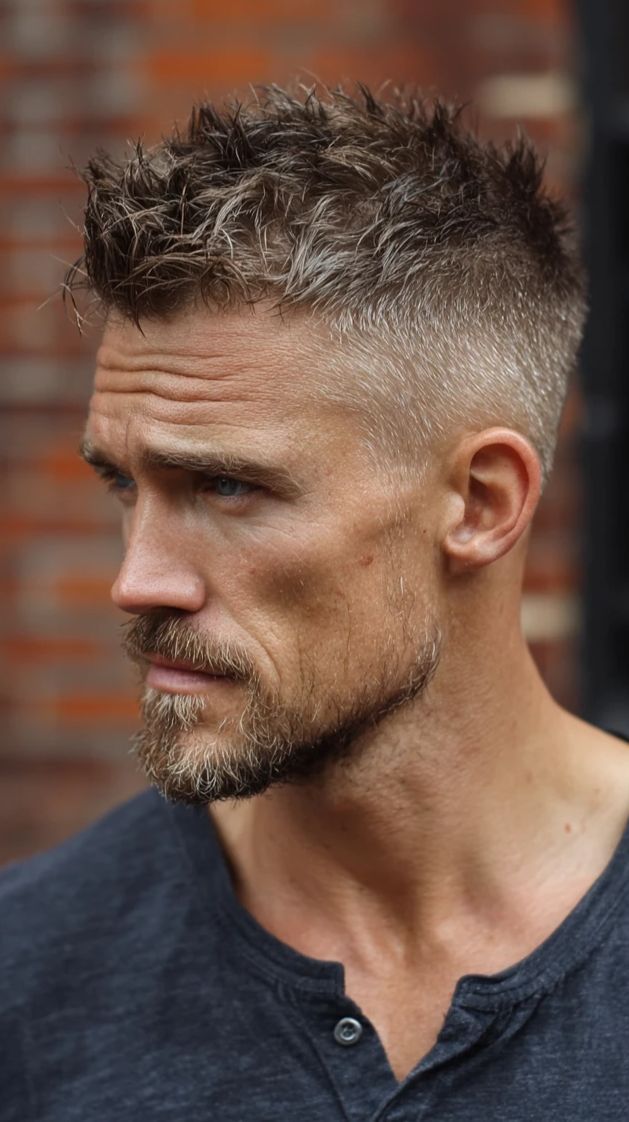
Textured Crop
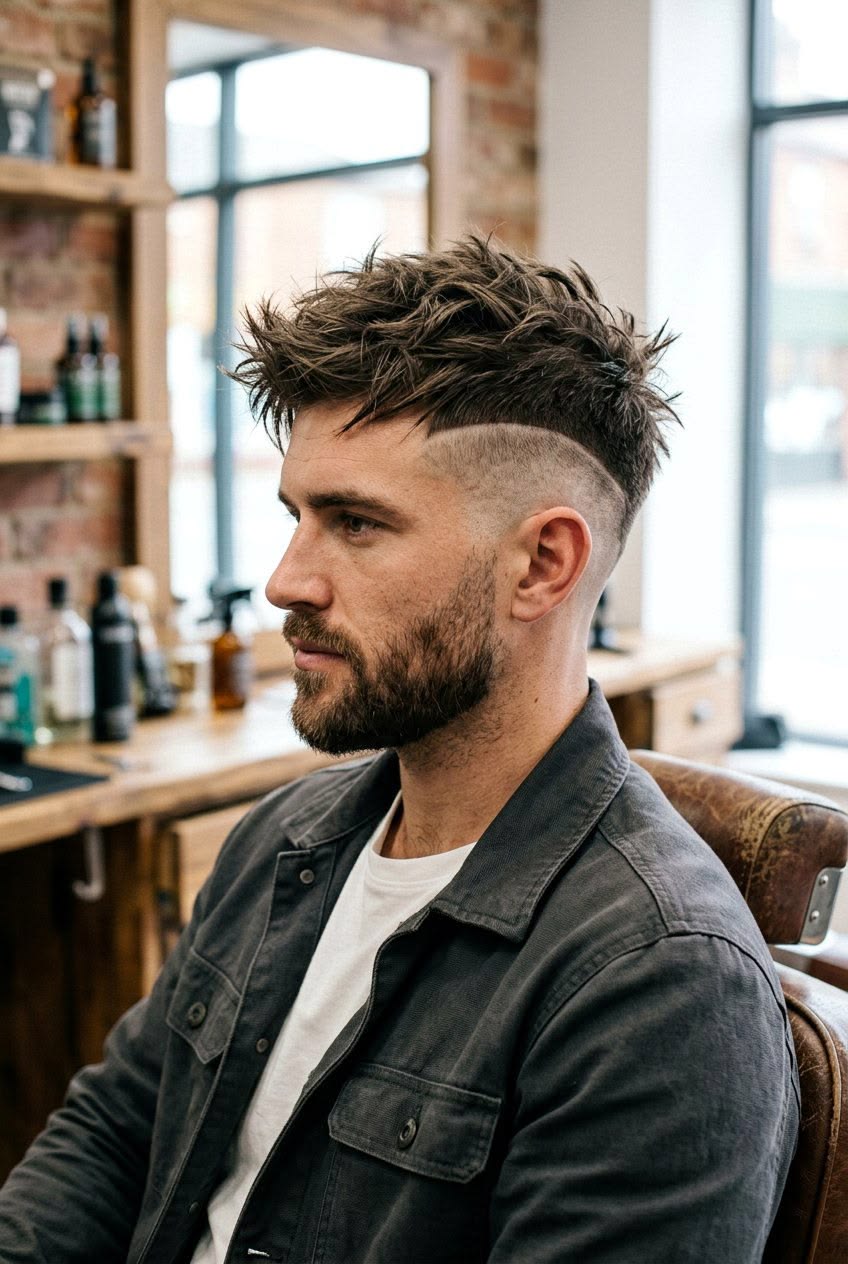
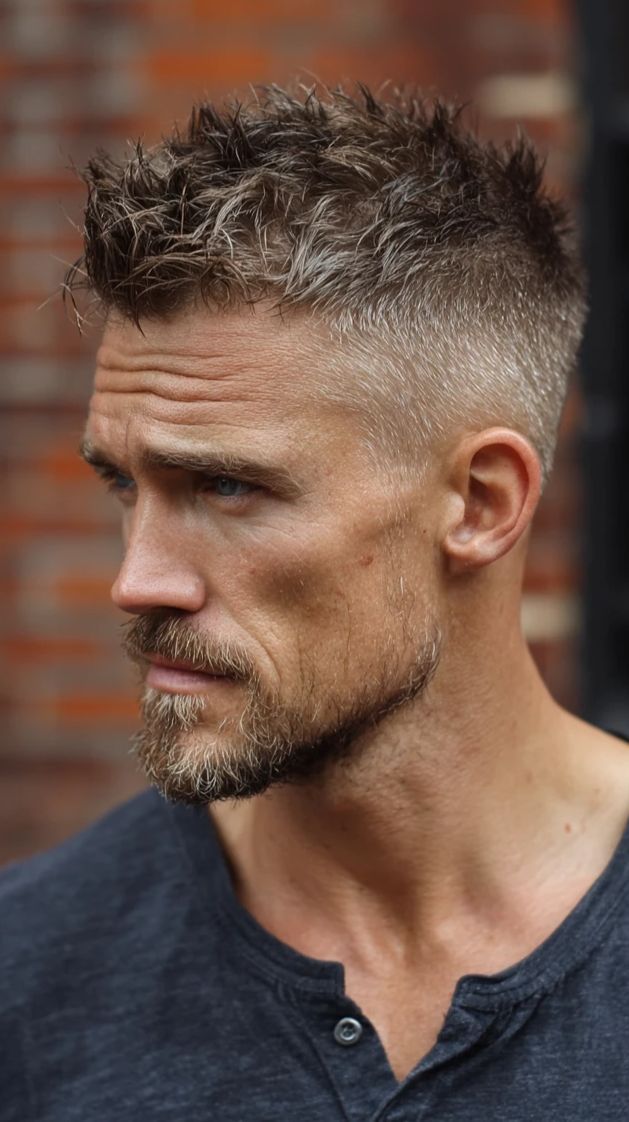
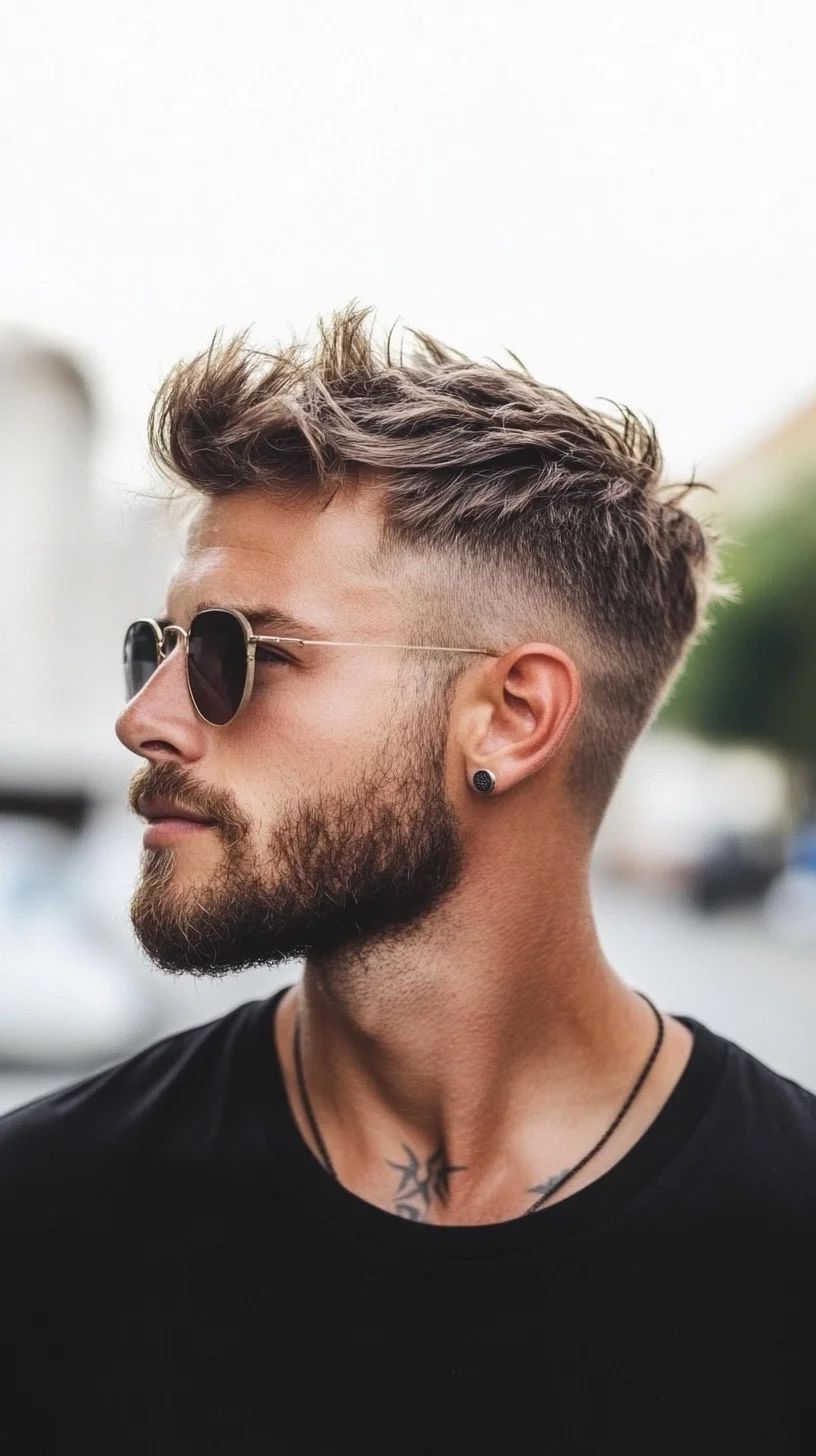
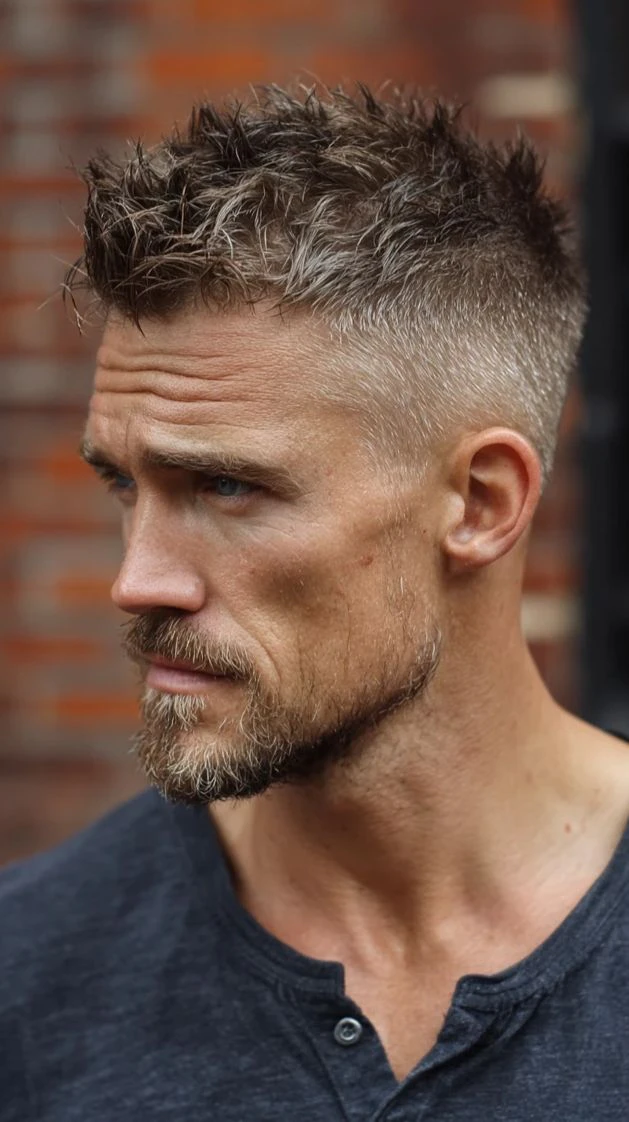
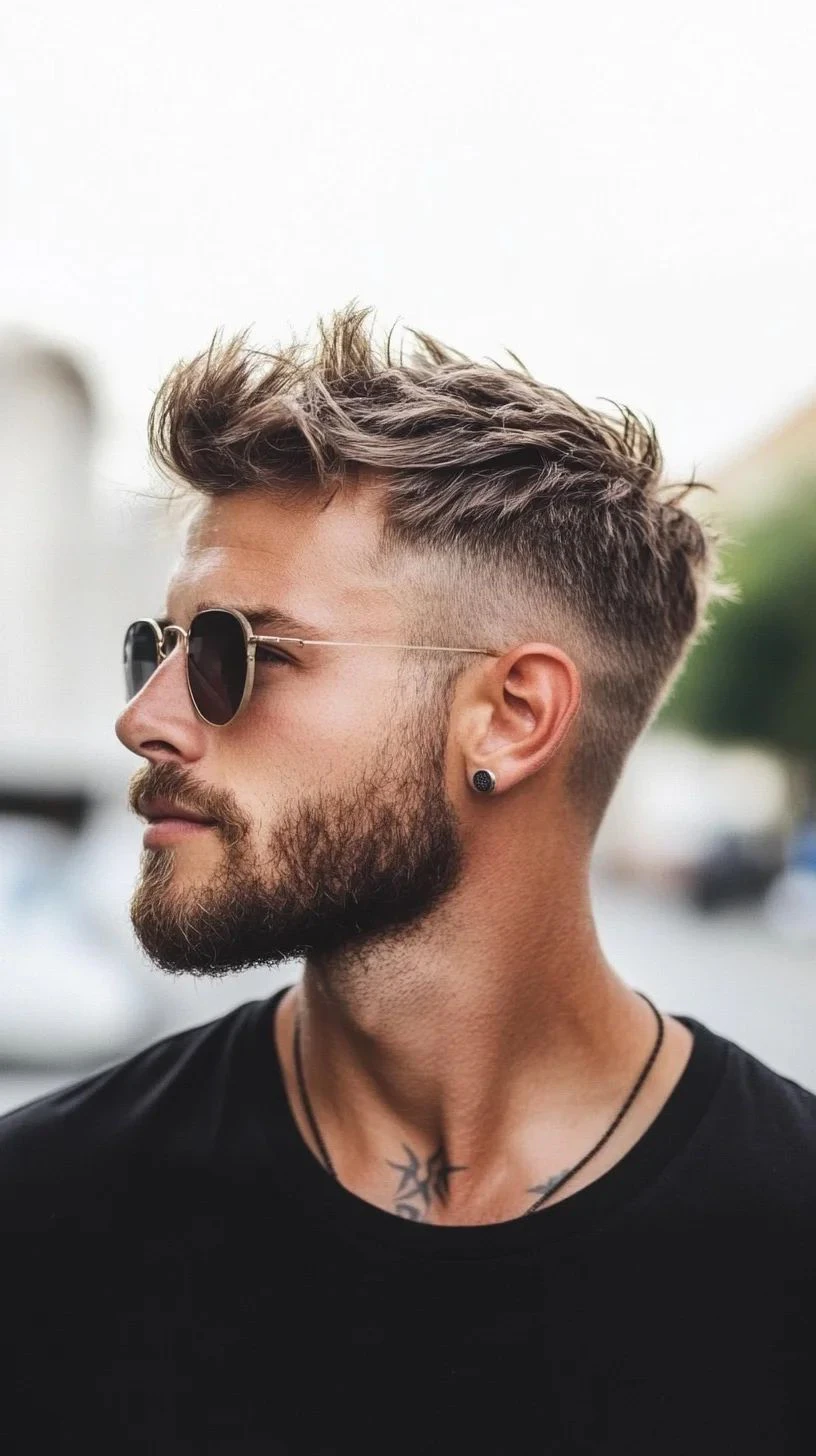
The textured crop pairs perfectly with the low taper fade. The top is cut quite short and point-cut to give it natural texture, then styled forward with a matte product. The crop and fade work together for a balanced look that’s effortless but polished. This combination also works effortlessly on straight, wavy, and slightly curly hair types.
If you like more length and volume on top, the modern pompadour is a style to consider. The 2026 pompadour is sleek and balanced, not the high-volume versions from decades ago. The sides taper down neatly while the top sweeps back or up a little with a medium-hold pomade. The height of this pairing is especially flattering for longer faces, helping to add definition without overpowering the features.
Slick Back Hairstyle
The low taper fade is most naturally paired with a slick back for a clean, professional look. The sides should be kept tight and graduated, the top hair should be combed back, and a firm-hold product should be used to achieve a smooth surface. This combination reads as polished in boardroom settings and looks sharp on a Saturday evening. Furthermore, it works best on men with straight or loosely wavy hair that has enough natural weight to hold the style.
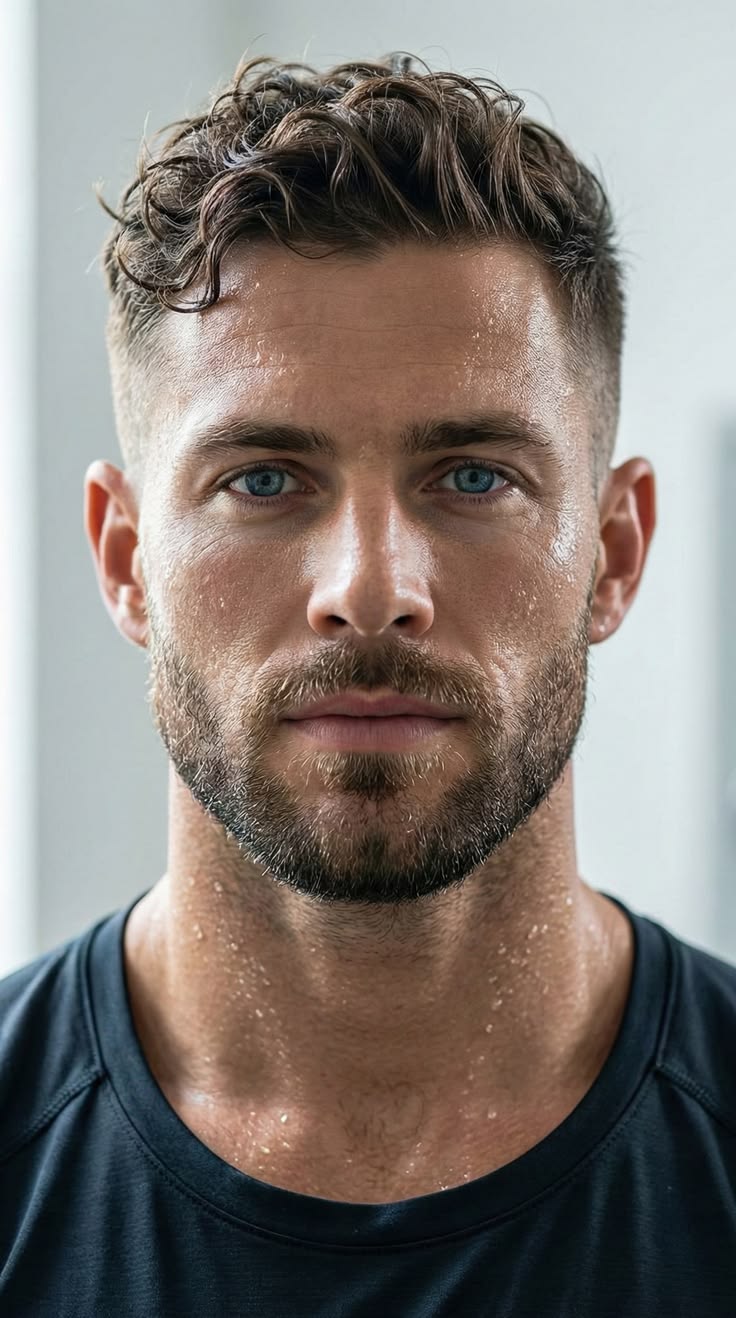
Curly Top
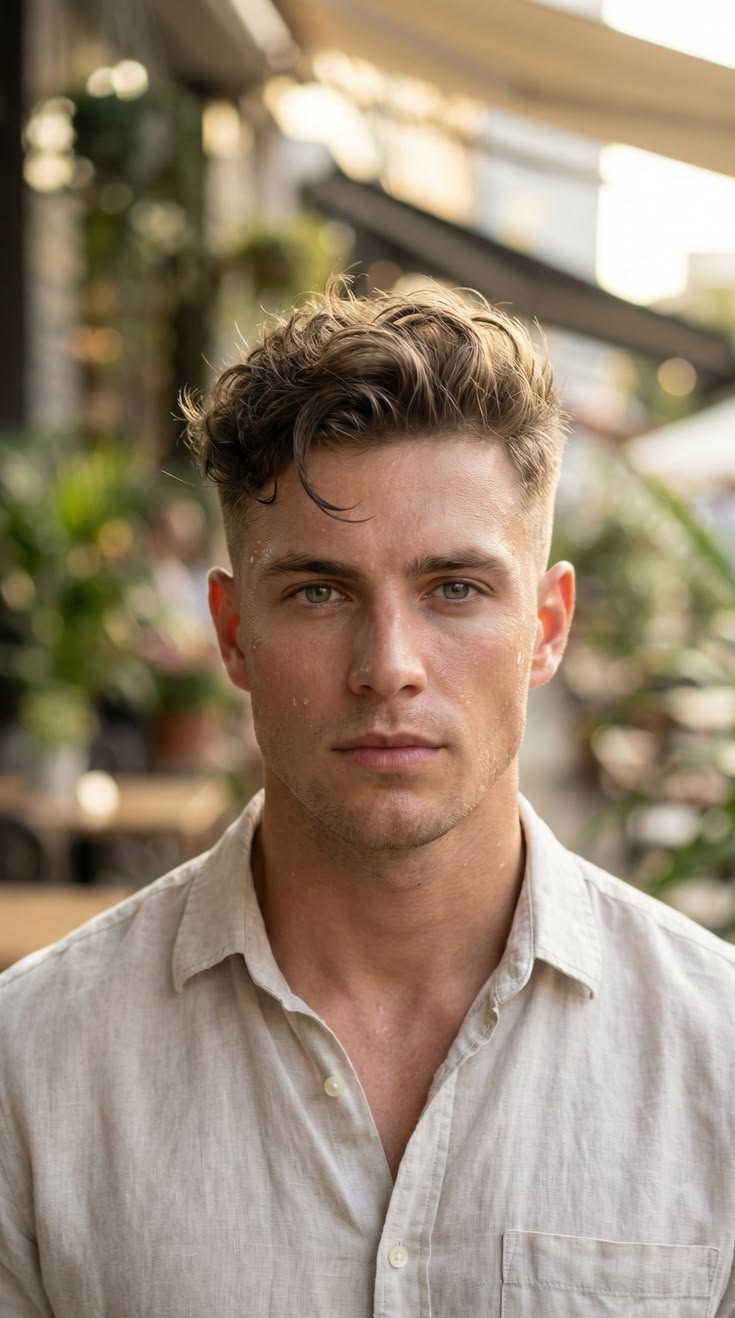
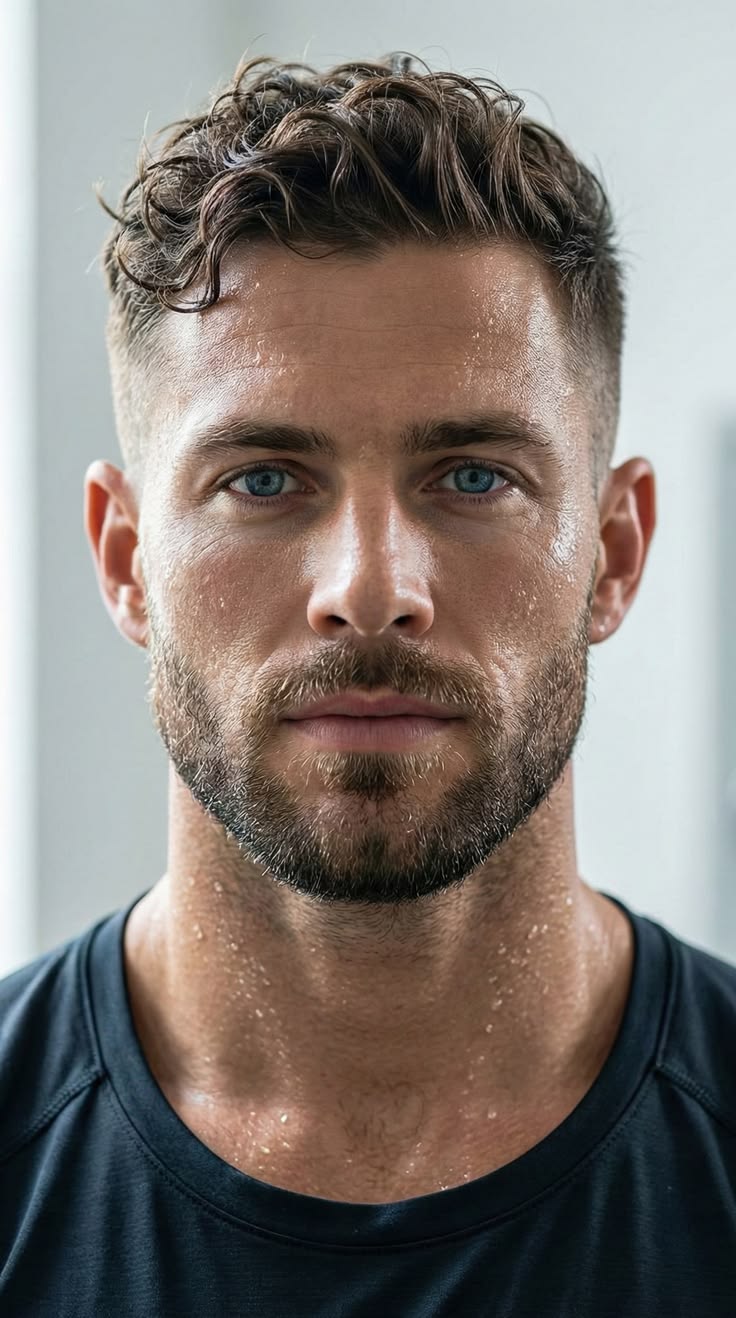
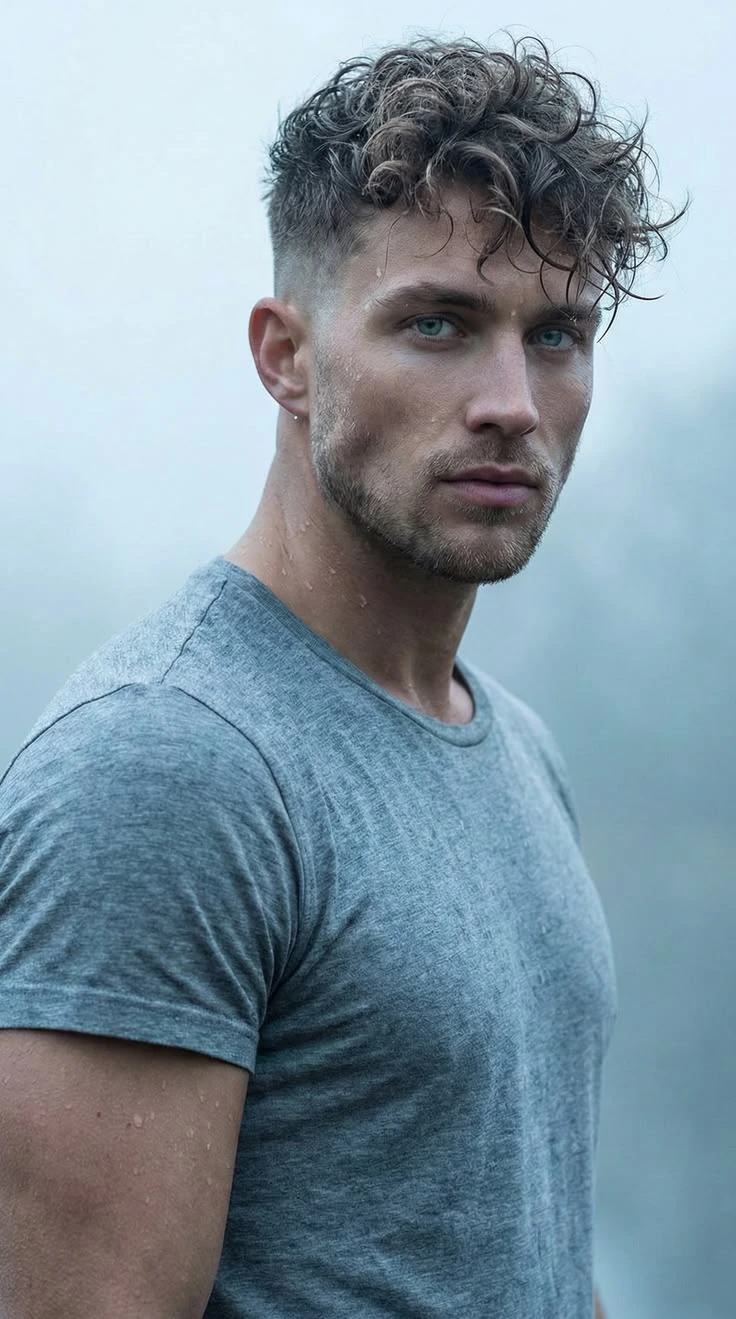
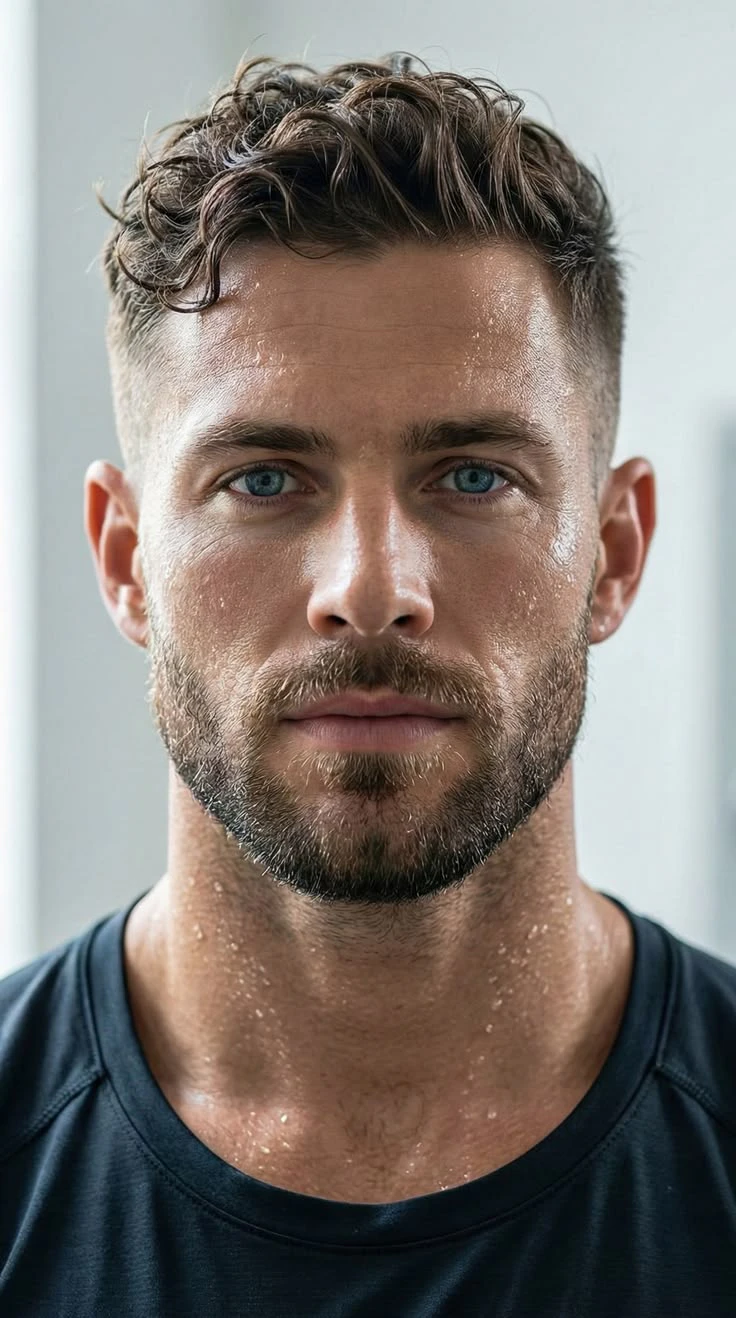
Men with natural curls are increasingly turning to the low taper fade, which frames their texture without cutting it all off. The low taper fade keeps the sides neat but allows the curl pattern on top to remain full and defined. This combo is one of the freshest directions for 2026 for curly-haired men who want structure without a harsh fade cutting into the curls. Applying a curl-defining cream to the top section helps define it and reduce frizz throughout the day.
Wave Styles
The low taper fade is essentially the standard for men who wear waves. The subtle graduation at the sides complements the natural movement of the wave pattern from crown to edge. So the overall silhouette is round and full, exactly what the wave community is looking for. The trick is to keep the taper tight without breaking up the wave pattern itself, which is why clear barber communication is important.
How Face Shape Influences Your Low Taper Fade
Not all low taper fades are styled the same way, and there is a good reason for it—face shape has a lot to do with finding the best proportions. Knowing your face shape can help you and your barber agree on the top length and shape.
Oval faces are the most versatile. The fade works with just about any top style if you have an oval face. Go short with a textured crop or long with a pompadour, and both will work with your proportions.
Round faces do best with added height on top. A low taper fade paired with a style that adds volume up top, like a quiff or a slightly elevated crop, will help to elongate the face and define the jaw.
Square faces tend to suit softer tops. It’s better to choose textured or slightly loose styles to create balance instead of further accentuating the angles. The low taper fade itself is already beneficial here, as it doesn’t add width to the sides.
Heart-shaped faces will do best with medium-length tops that add a little width around the mid-face. A moderate quiff or side-swept fringe adds height without pulling too much attention upward.
For long or oblong faces, styles that add fullness at the sides, not height, work best. A shorter crop or wave style helps maintain width and offset the length of the face.
Maintenance and Barber Visits for Low Fades
One of the most common questions guys ask is how often they need to visit the barber to keep that look crisp. The honest answer depends on how clean you want it to look. Most guys find that visiting the barber every three to four weeks keeps their fade looking intentional. If you want the crispest possible line with minimal growth showing, then every two to three weeks is a more realistic schedule.
There are several things you can do to prolong the life of your cut between visits. First, keep your neckline clean. A quick weekly trim along the very back of the neck, even if you don’t shave the sides yourself, keeps the outline from getting too soft. Second, moisturize your scalp often, especially if your barber uses a razor finish on the skin fade. Dry skin around the fade line can make the cut look rough instead of polished.
Third, pay attention to your daily hair styling. Consistent styling and product use keep the top looking intentional as it grows between cuts.
How to Choose the Right Products for Your Style
Choosing the right product for the top style you want to wear with your low taper fade is key. No single product works for everyone, but there are different categories that are helpful to understand.
Matte clays and pastes work well on textured crops and casual styles because they add separation and hold without creating shine. They are especially effective for medium to thick hair.
Men with the curly top variation typically prefer curl creams and defining gels. Look for products that hydrate while they define, with a light to medium hold, since curly hair needs extra moisture throughout the day.
Men who maintain waves usually rely on daily brushing and light moisturizing creams. The fade requires no extra product, just consistent brushing and a durag to maintain the pattern while you sleep.
Talk to Your Barber Before the Cut
Even the most skilled barbers love a client who comes in prepared. When discussing your haircut, be specific about where you want the fade to start, whether you prefer a skin fade or a shadow finish, and what you want the overall look to be like. If you can, bring a reference photo. It’s not that barbers can’t follow a description; photos simply remove ambiguity and save time.
Furthermore, tell your barber how much time you actually spend styling your hair in the morning. If you have five minutes and a basic routine, a polished pompadour with precise part lines may not fit into your lifestyle. A skilled barber can help you find a low taper fade that suits your style and routine.
For more in-depth inspiration on current men’s cuts in 2026, you can visit sites like GQ and Esquire. These publications regularly update their style coverage with fresh photography and trend forecasting that reflects what barbers see in the chair.
Browsing hair platforms like All Things Hair or Men’s Hairstyles Today gives you a bigger library of reference images for different hair types and face shapes, which is helpful when you’re figuring out exactly what direction to go with your next cut.
Why the Low Taper Fade Still Rules in 2026
Men’s grooming trends are constantly evolving, yet the low taper fade has remained a staple for many years. The reason is simple: it solves the problem most guys have of looking put together without having to think about it every morning. The fade does the structural work, and the top gives you creative room to express your taste.
Unlike bolder cuts that require a certain look or lifestyle, the low taper fade flows seamlessly from casual to formal and is appropriate in either setting. That kind of versatility is rare in a single haircut, and it’s why so many men of different ages, hair types, and backgrounds keep coming back to it.
If you’re new to this cut or want to refine your current approach, 2026 is a wonderful year to try it. Barbershop techniques have only become more precise, product options are better than ever, and style variations allow for more room to personalize the look than at any point in the past.