




20 Best Haircut Styles for Every Hair Type
Choosing a new cut can feel overwhelming. There are countless trends, countless stylists, and countless opinions online. However, the secret to a great result is actually simple: match the style to your natural texture, not to a photo you found online.
In this guide, we explore the best haircut styles for straight, wavy, curly, coily, fine, and thick hair. As a result, you can walk into your next salon appointment with real confidence, rather than guessing what might work.
Many people book a cut based on a celebrity photo or a trending reel. Unfortunately, that approach often backfires, since a shape that flatters one texture can look completely different on another.
Instead, understanding your own strands first leads to far better, longer-lasting results. Below, each section groups styles by texture, so you can skip straight to the one that matches your hair and skim the rest for inspiration later.
Why Hair Type Should Guide Your Next Cut
Every texture behaves differently under the scissors. For example, curls shrink upward once they are cut, while straight strands simply fall flat toward the floor. Therefore, a skilled stylist must adjust length, layering, and technique based on texture alone, not on a generic template.
In addition, factors like density, porosity, and face shape all influence the final look. Density affects how heavy or light a cut feels. Porosity affects how the hair absorbs product and holds shape. Meanwhile, face shape determines where volume should sit.
Keeping all of these details in mind helps ensure your next cut looks intentional, not accidental. Ultimately, a little research beforehand saves you from a disappointing chop.
Best Cuts for Straight Hair
Straight hair reflects light beautifully. Consequently, sleek and structured shapes tend to shine brightest on this texture. Because straight strands show every line clearly, precision cutting matters more here than on any other type.
1. Classic Blunt Bob
A one-length bob highlights straight hair’s natural gloss. Moreover, it requires very little daily styling, which makes it ideal for busy mornings.
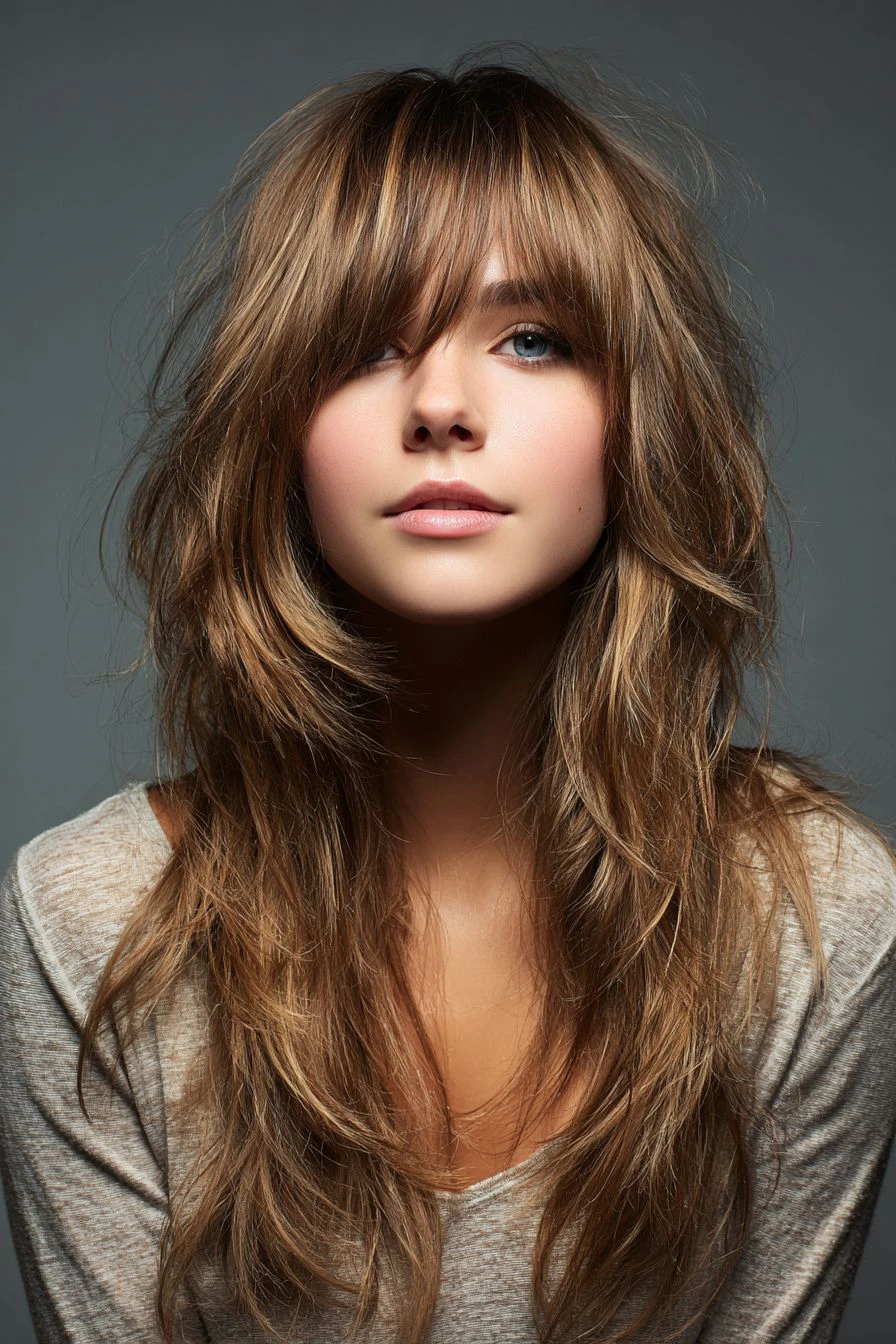
2. Long Face-Framing Layers
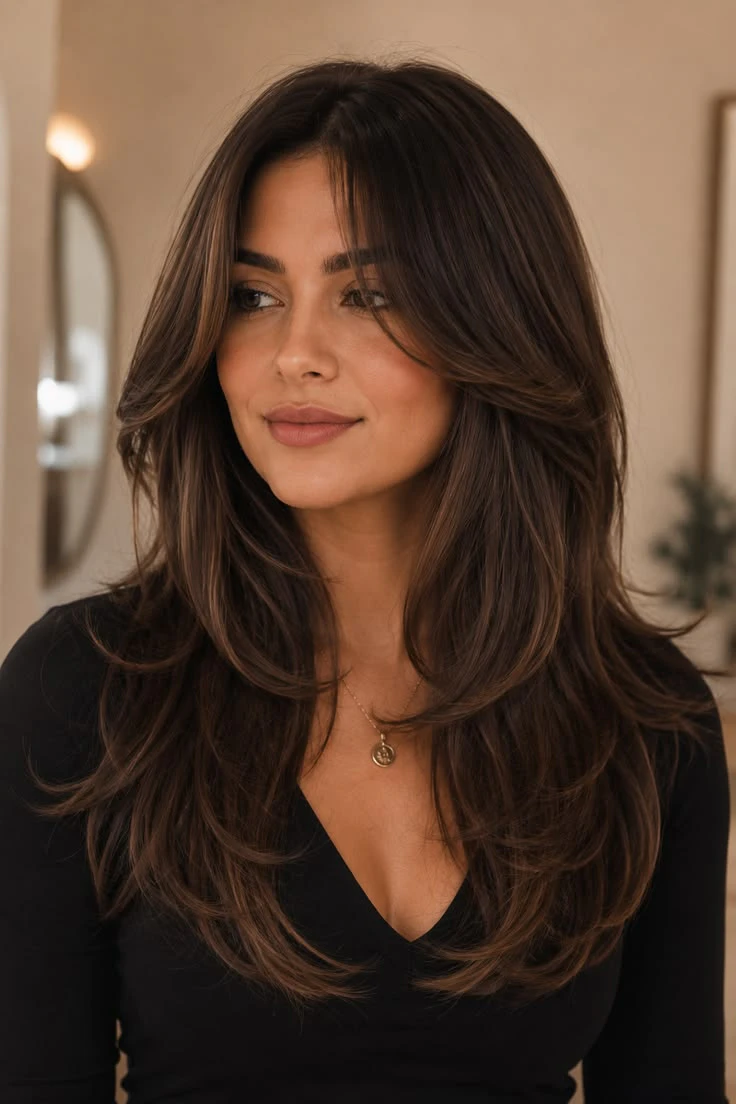
Layers add movement without cutting away much overall length. As a result, straight hair gains subtle texture and bounce that it otherwise lacks.
3. The Lob (Long Bob)
This shoulder-grazing length works well in professional settings. It is versatile, polished, and genuinely low-maintenance day to day.
4. Sleek Pixie Crop
For a bold change, a pixie crop shows off straight hair’s smooth finish beautifully. In fact, it often looks even sharper than on other textures.
5. Textured Fringe
A soft, piece-y fringe breaks up length and frames the face without adding extra upkeep to your routine.
Best Cuts for Wavy Hair
Wavy hair sits between straight and curly. Consequently, it offers unusual styling flexibility that many people underuse.
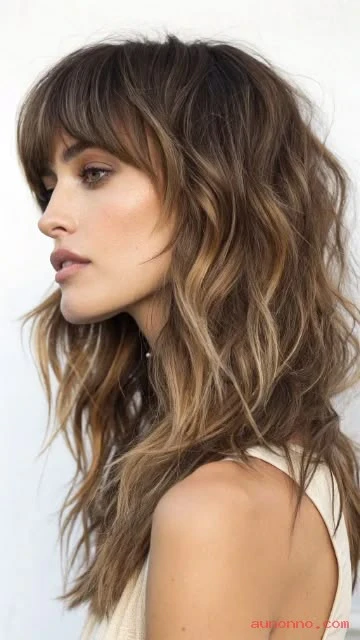
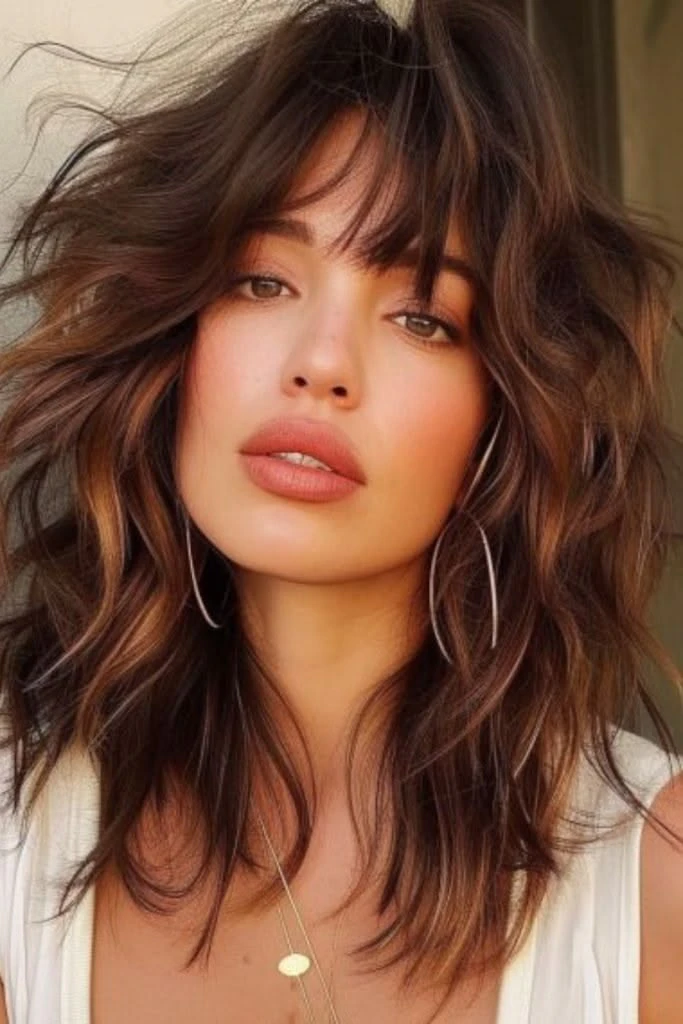
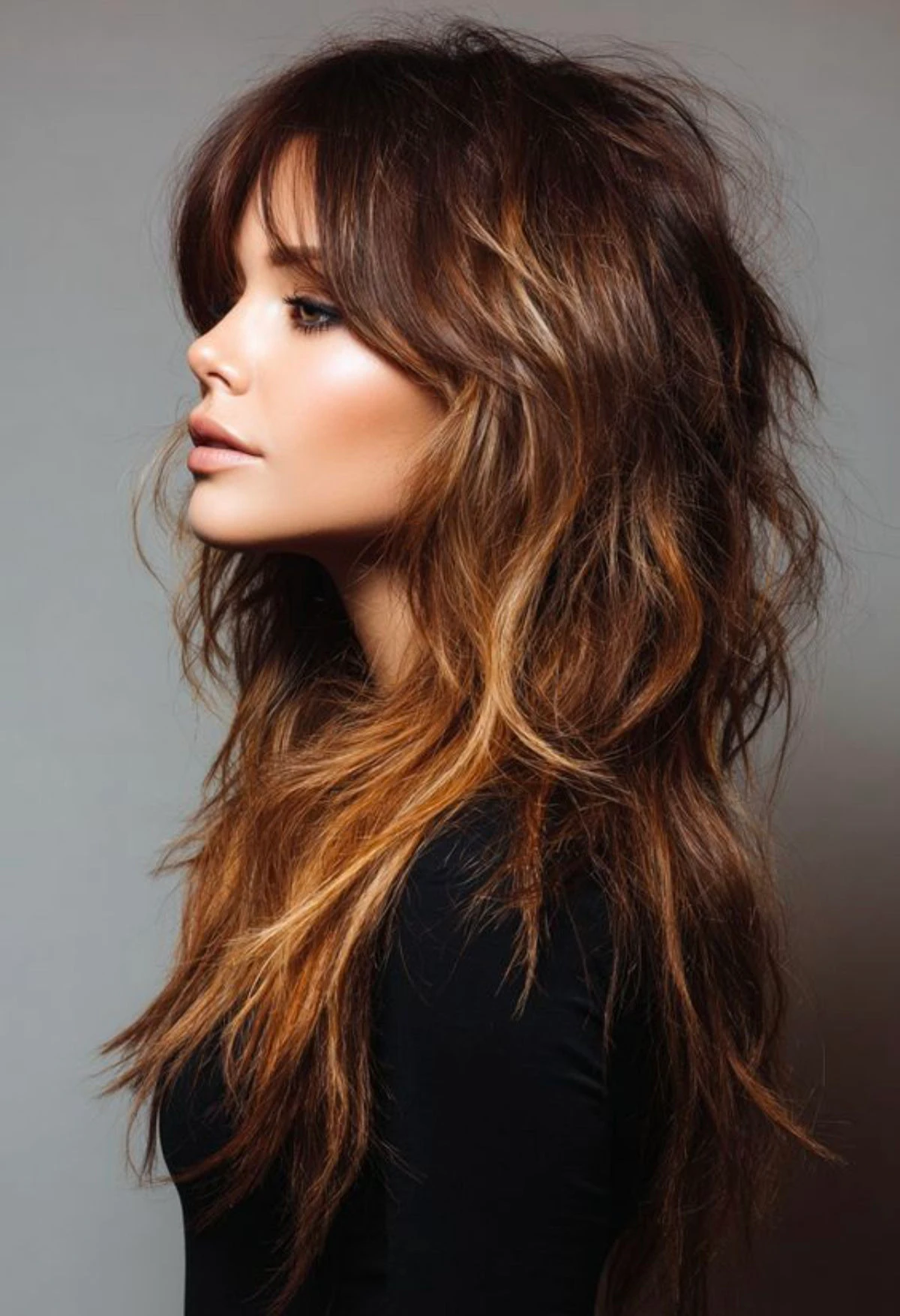
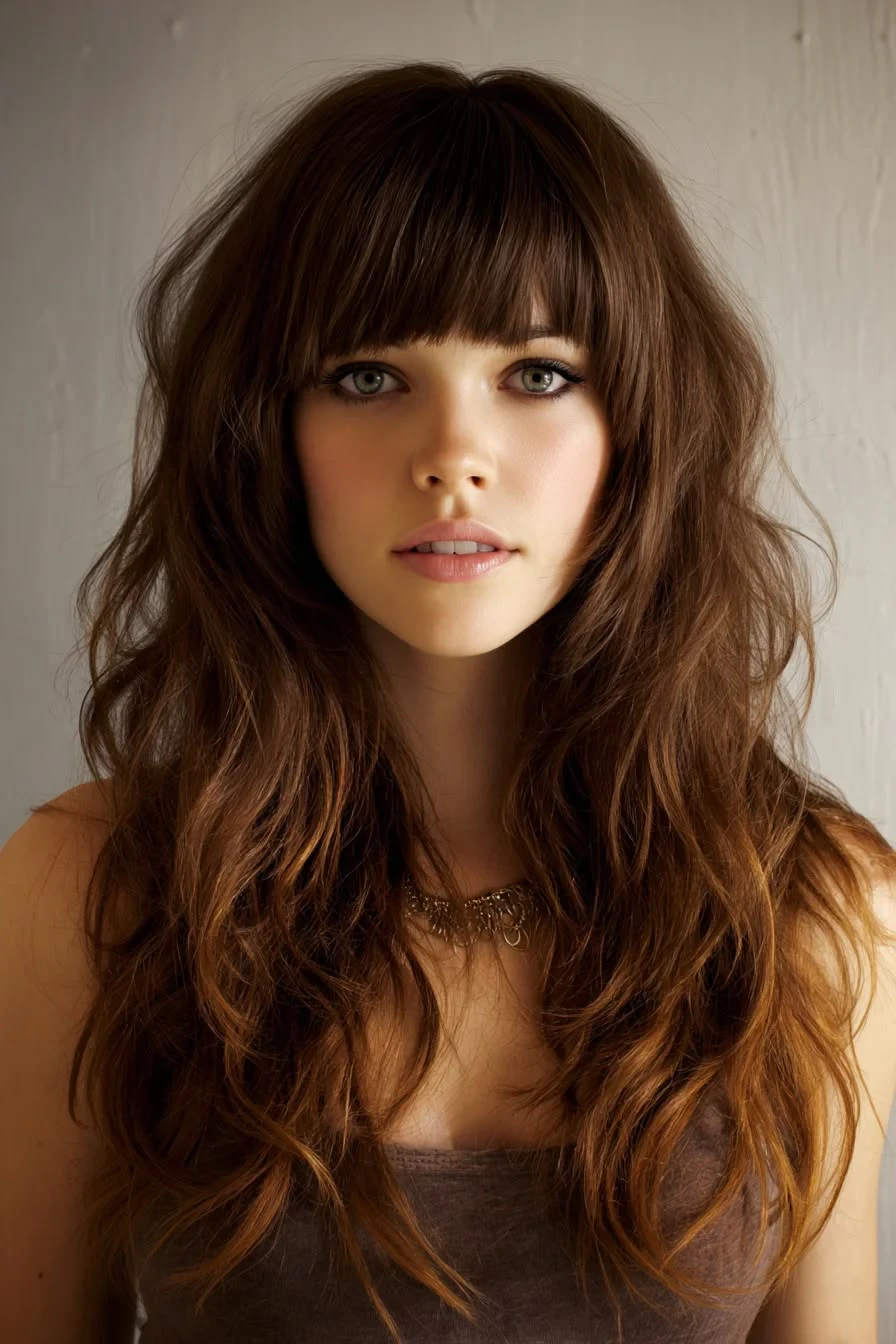
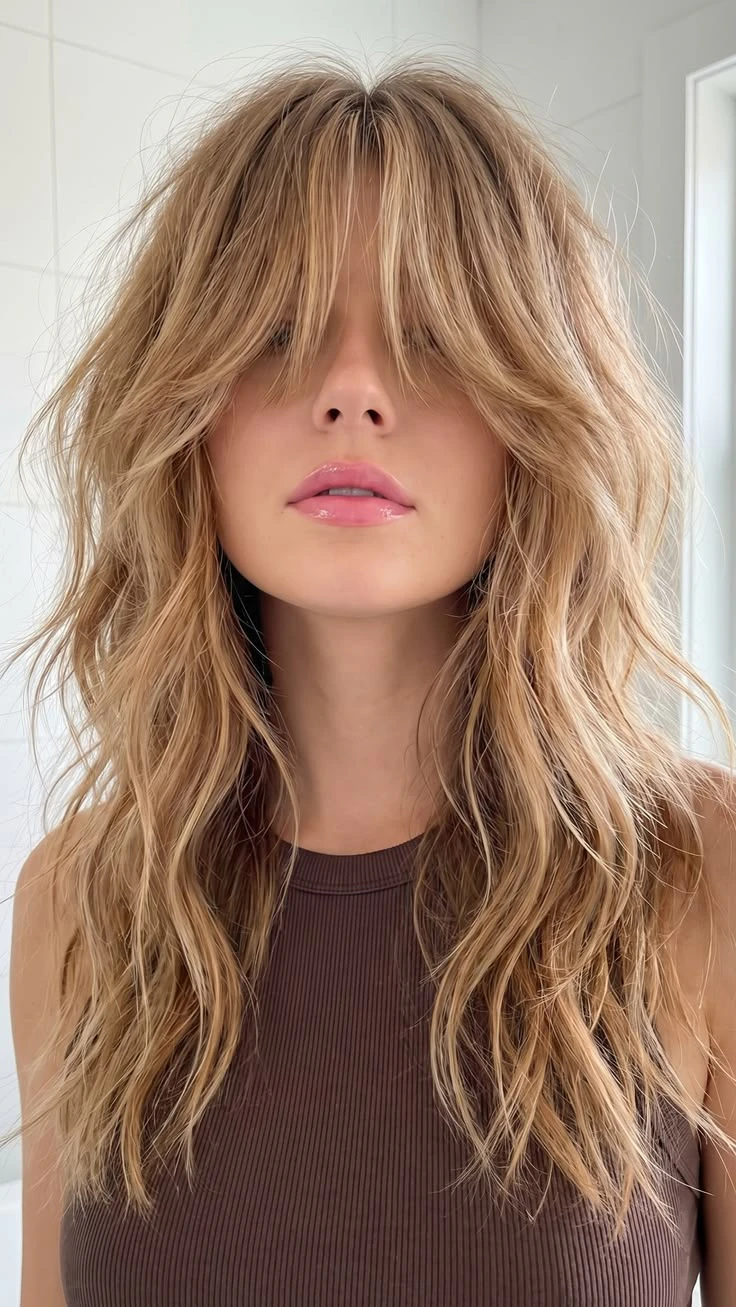
6. Modern Shag
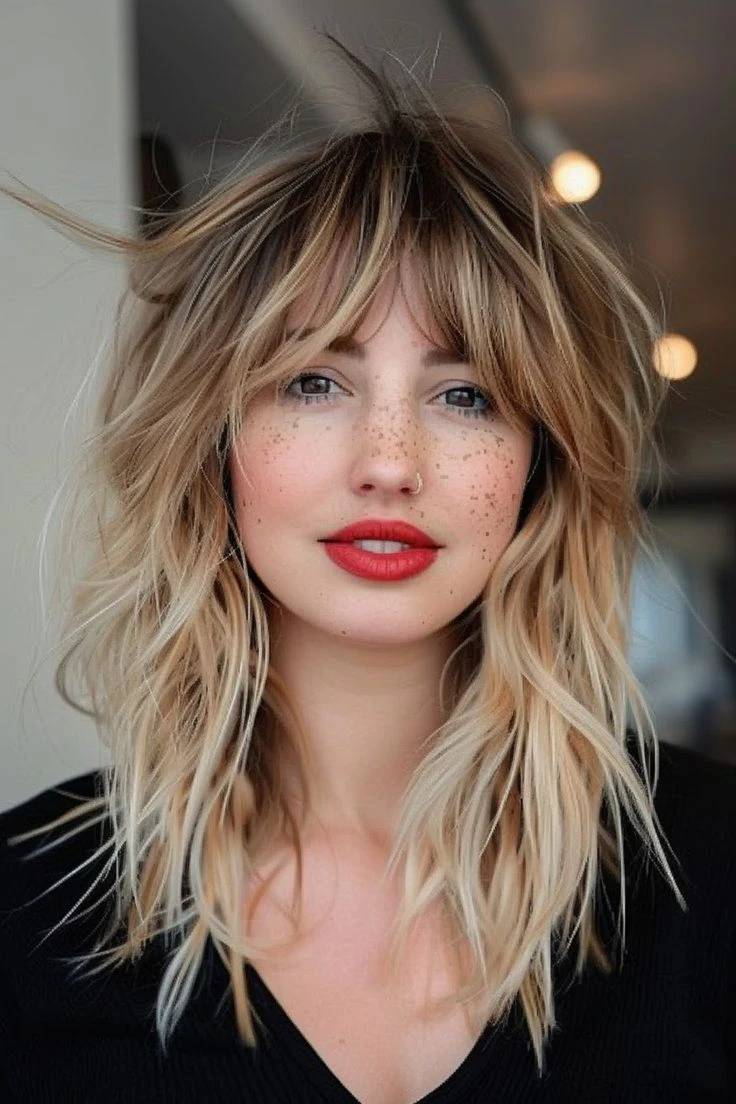
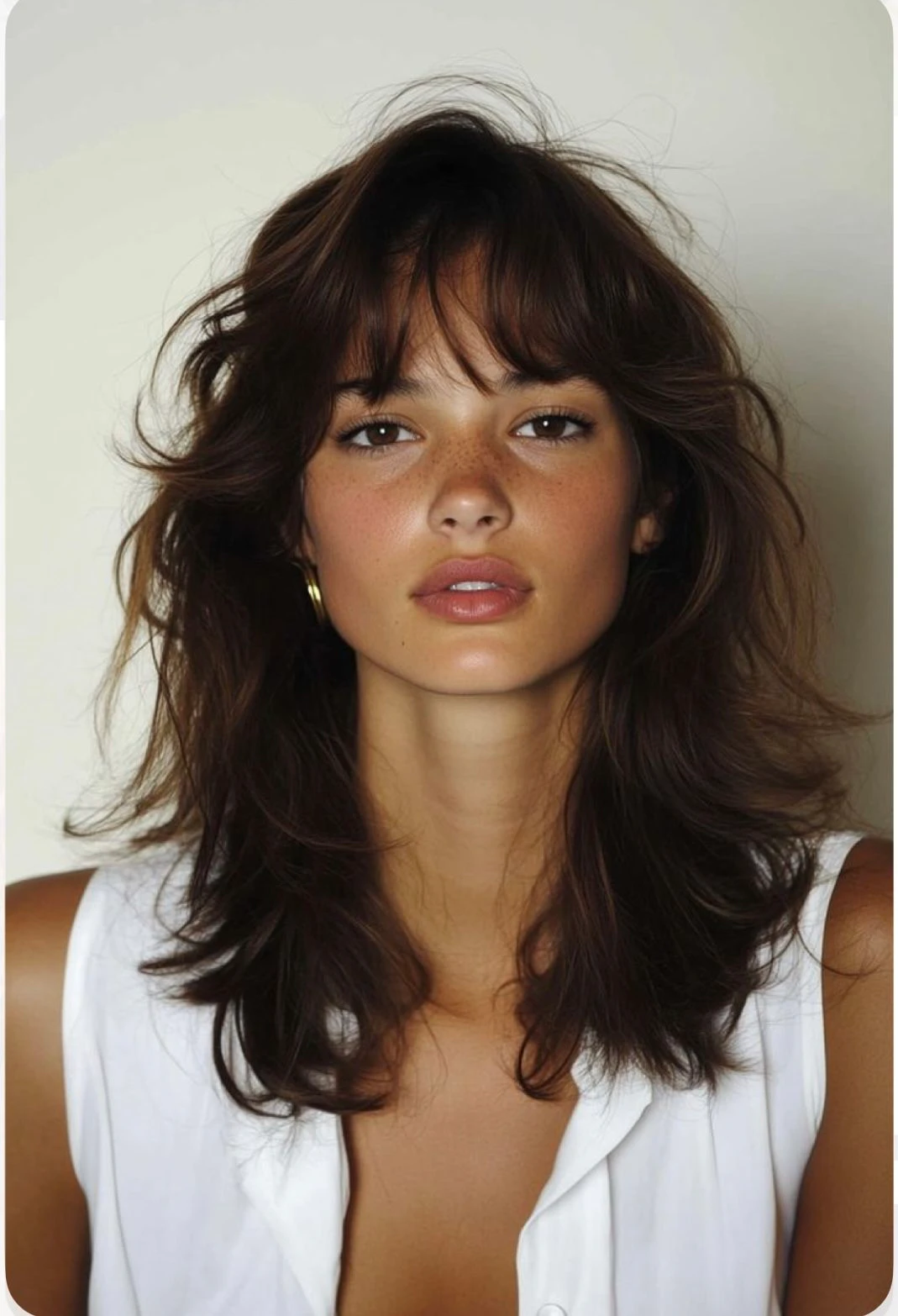
This retro-inspired cut enhances natural wave patterns at nearly any length. Furthermore, it pairs well with minimal styling effort, since the layers do most of the work.
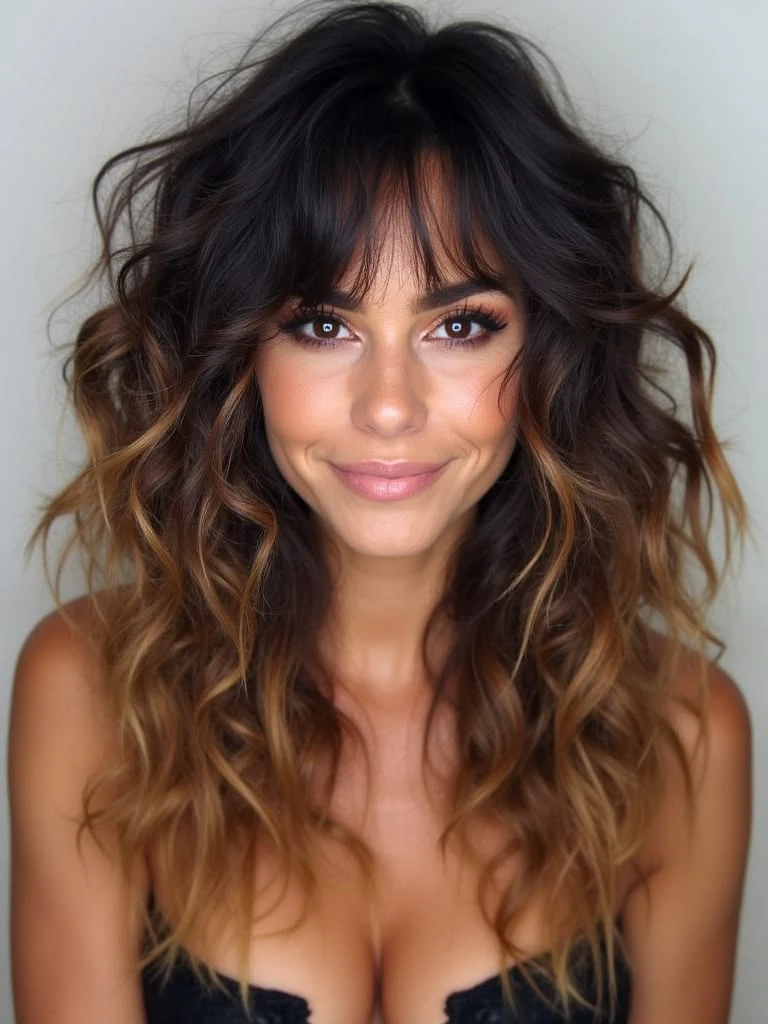
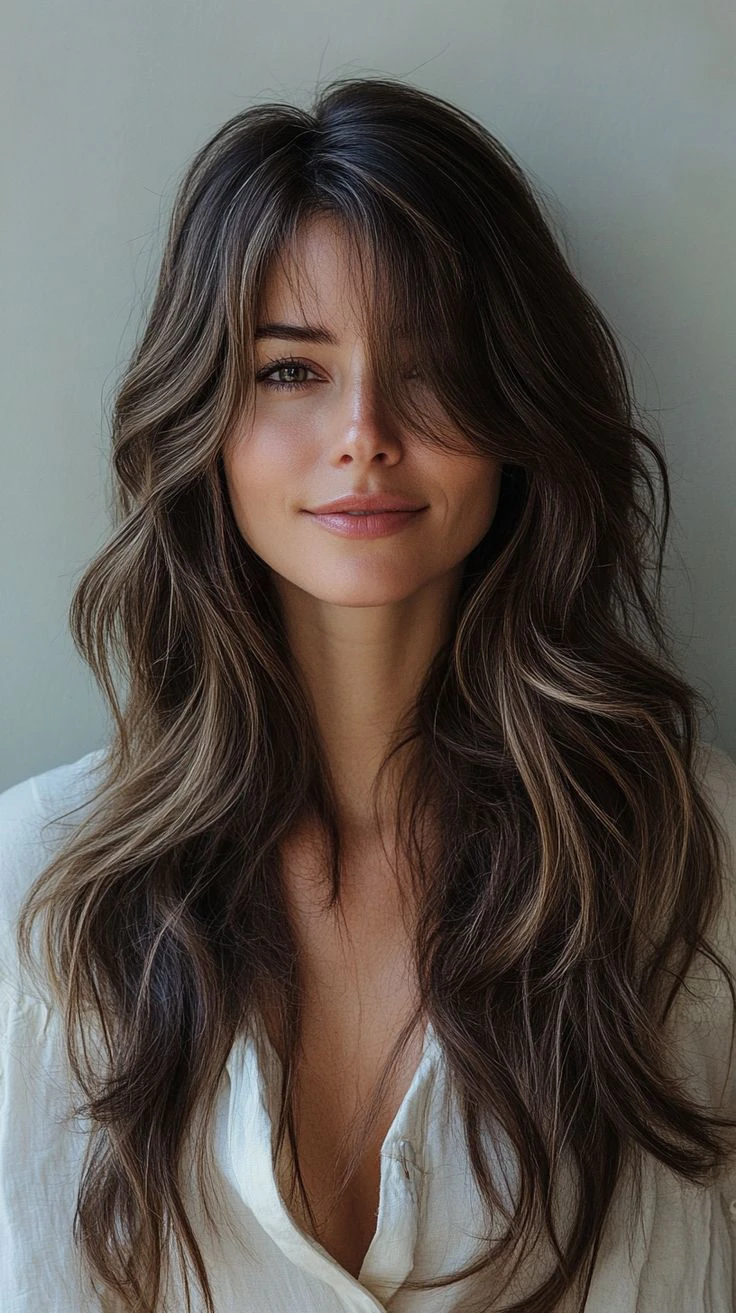
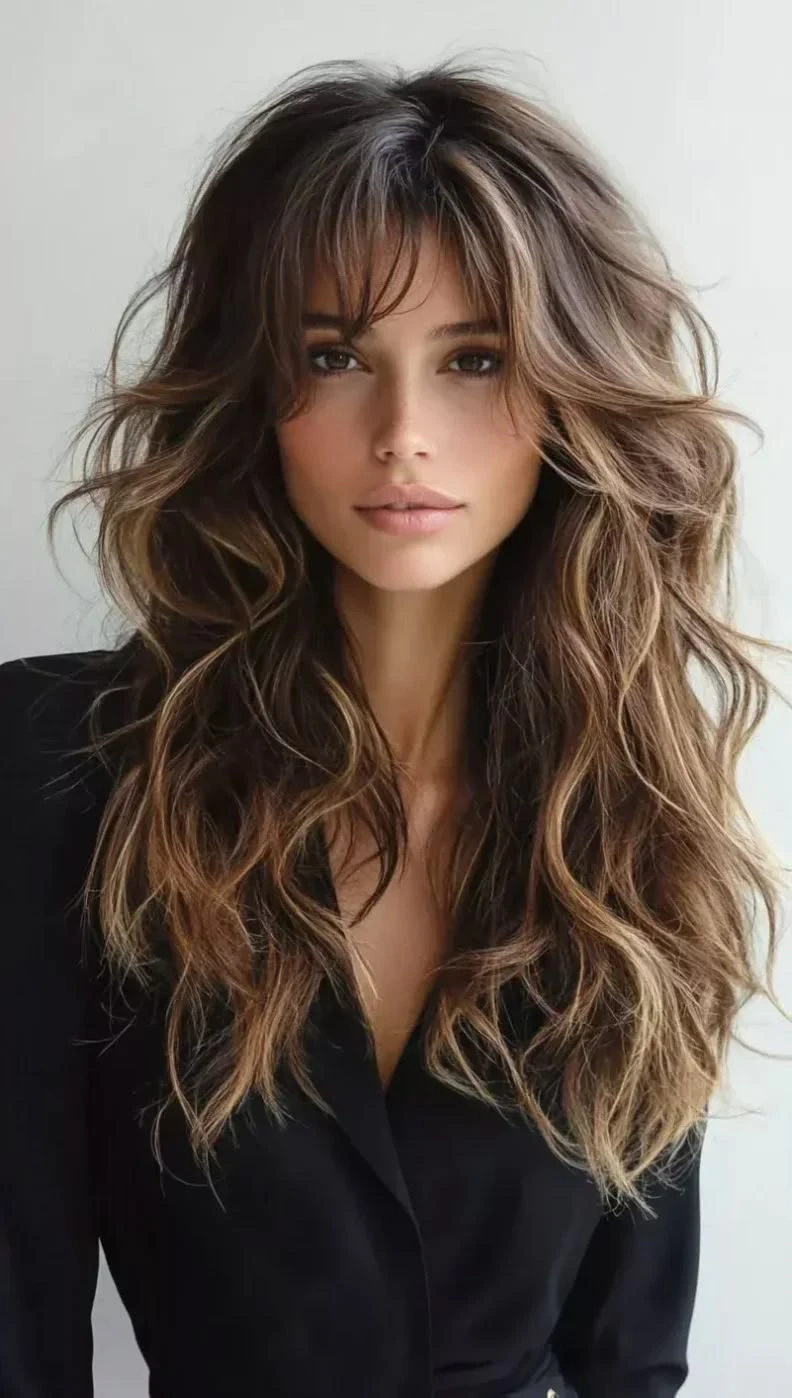
7. Soft Layered Waves
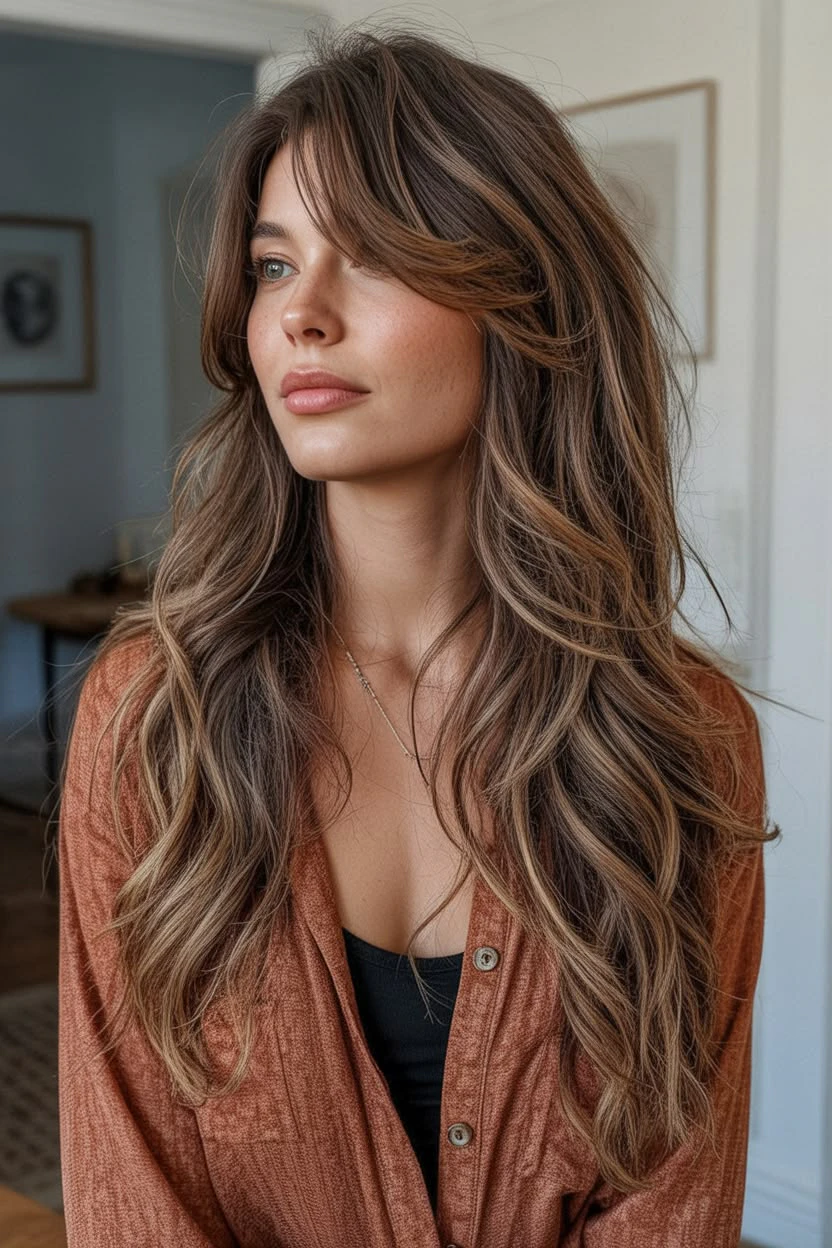
Long layers let waves fall naturally, which prevents the dreaded bulky, triangular shape near the ends.
8. Beachy Waves Bob
A shoulder-length cut pairs perfectly with tousled, undone waves. Additionally, it photographs well without much effort.
9. Curtain Bangs
These face-framing bangs blend seamlessly into wavy textures and soften angular features almost instantly.
Best Cuts for Curly Hair
Curls require specific cutting methods. Otherwise, uneven and lopsided results are extremely common, even with an experienced stylist.
10. Curly Bob
This shape celebrates spring and volume rather than fighting it. In addition, it suits nearly every face shape once properly shaped.
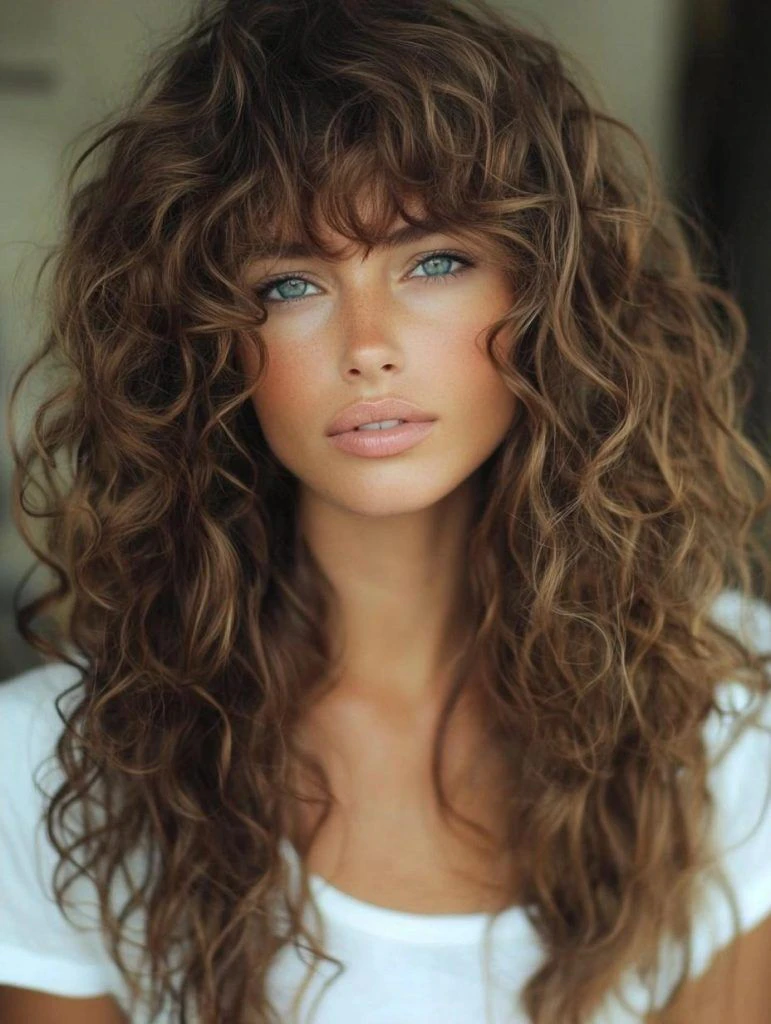
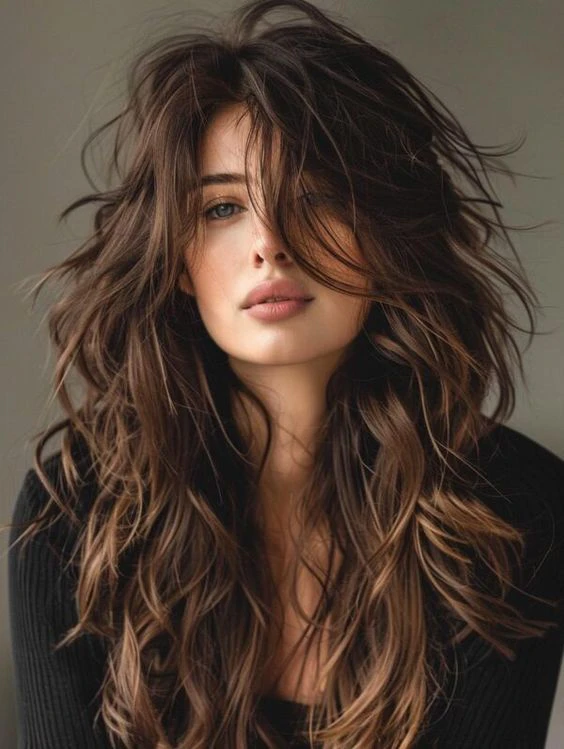
11. Long Layered Curls
Strategic layers prevent bulk while keeping curl definition intact from root to tip, so curls stay bouncy rather than heavy.
12. Dry-Cut Curl Shaping
Cutting curl by curl, while hair is completely dry, ensures a balanced and even outline once the curls settle back into place.
13. Curly Pixie
This short, springy cut is bold, low-effort, and full of personality. However, it does require regular trims to maintain its shape.
Best Cuts for Coily Hair
Coily textures shrink significantly once they dry. Therefore, length should always be measured while hair is stretched, not while it is shrunken.
14. Teeny Weeny Afro (TWA)
Popular after big chops or transitions, this style is easy to maintain daily and celebrates natural texture fully.
15. Tapered Cut
Shorter sides paired with a longer top create a clean, modern silhouette that works in both casual and formal settings.
16. Layered Afro
Internal layers reduce bulk on longer coily styles while still adding visible, defined shape throughout.
Best Cuts for Fine or Thin Hair
Fine strands benefit most from cuts that create the illusion of extra density, since thickness cannot simply be added through product alone.
17. Blunt Bob With Bangs
Sharp, blunt edges make thin hair appear noticeably thicker at first glance. Meanwhile, bangs add extra visual volume up top.
18. Textured Pixie
Choppy, piece-y layers add fullness without weighing delicate strands down, unlike heavier, longer cuts.
Best Cuts for Thick Hair
Thick hair can feel heavy and hard to manage. However, the right cut lightens everything almost instantly.
19. Long Layered Cut
Removing excess weight through strategic layering makes thick hair far easier to style, dry, and maintain overall.
20. Graduated Bob
This angled shape reduces bulk at the ends while keeping a defined, structured silhouette throughout the whole cut.
How to Pick the Right Haircut Styles for Your Texture
Before booking your appointment, think carefully about your face shape, your daily routine, and how much styling time you realistically have each morning. If you are still unsure, our complete hair care guide breaks down products and routines for every texture in detail.
You can also explore expert advice on choosing a cut for your face shape from Allure, or review general hair health tips from Healthline. Both resources go further into maintenance, which pairs well with the ideas covered here.
Ultimately, the goal is simple: choose from these haircut styles based on how your hair naturally behaves, not on how a style looked on someone else. A stylist who understands texture, rather than just current trends, will help you land on a shape that grows out gracefully and truly suits your lifestyle.
It also helps to bring reference photos of your own hair type, rather than someone else’s, since this avoids miscommunication at the salon chair.
It is also worth discussing your natural hair pattern before any color or chemical treatment, because texture, porosity, and cut all interact with one another. A stylist who sees the full picture can recommend adjustments that keep your final result healthy, not just visually appealing on day one.
Maintenance Tips to Keep Any Cut Looking Fresh
A great cut fades quickly without proper care. Therefore, a few simple habits go a long way toward keeping any shape sharp. First, schedule regular trims every six to eight weeks, since split ends dull even the sharpest lines.
Next, use a heat protectant before styling, especially on straight and wavy textures that rely on blow-drying or flat ironing. Meanwhile, curly and coily textures benefit more from moisture-rich, sulfate-free products, since dryness causes frizz and shape loss.
Additionally, sleeping on a silk or satin pillowcase reduces friction, which helps preserve curl pattern and prevents breakage overnight. Finally, book a consultation before any major change.
A short conversation with your stylist about lifestyle, maintenance time, and past experiences with certain cuts can prevent regret later. Small habits like these, practiced consistently, keep any of the twenty styles above looking polished well beyond the salon visit itself.
There is no single “best” cut for everyone, and that is perfectly fine. Instead, the right choice depends entirely on texture, density, and your personal routine.
By reviewing these haircut styles for every hair type, you now have a solid, practical starting point for your next salon visit.
Bring a few honest reference photos, mention your hair type clearly, and trust your stylist’s professional guidance for the best possible outcome. In the end, a great cut should feel effortless every single day, not just on the day you leave the salon.