


There are hundreds of haircut styles to choose from, but most people leave the salon unsure whether they made the right choice. The reason is usually the same: they chose a style based on a photo, not on their real hair type. One mistake and your haircut looks wrong, needs constant styling, or grows out funny in weeks.
The good news is that finding the right style doesn’t have to be complicated. Once you understand how your natural texture works, choosing a haircut style becomes a lot easier. This guide lays out twenty of the best options, organized by hair type so you walk into your appointment prepared.
Why Your Hair Type Matters Before You Decide
Every texture behaves differently under the scissors. Straight hair lies flat and reflects light so you can see all the angles clearly. Since curly hair shrinks as it dries, what looks long when wet can be a few inches shorter when styled. Coily hair shrinks even more. Wavy hair is somewhere in the middle. It is flexible but also unpredictable.
But texture is not the only factor that determines how each cut behaves. Two other factors are density and porosity. Thick hair can be heavy and look bulky if it isn’t styled properly. Fine hair needs structure to stay full. Porosity, meanwhile, describes how your hair takes in moisture and holds a style. The higher the porosity, the frizzier the hair. Low-porosity hair resists products and takes a long time to dry.
Face shape is also a significant factor. A cut that adds volume at the cheeks can make a round face look wider. The same cut could perfectly balance a longer or narrower face. These three variables—texture, density, and face shape—together offer a solid starting point for you and your stylist.
Best Haircut Styles for Straight Hair
The light reflects cleanly on straight hair, so precision is more important here than on any other texture. Uneven lines are immediately noticeable, so your stylist needs a good cutting technique and a clear plan.
Traditional Blunt Bob
The blunt bob is still one of the most popular haircut styles for straight hair. It sits at or just below the jaw, with all the ends cut to the same length. The result is shiny, crisp, and surprisingly flexible. It also doesn’t require much styling every day, so it’s convenient for those who want to look their best without putting in significant effort.
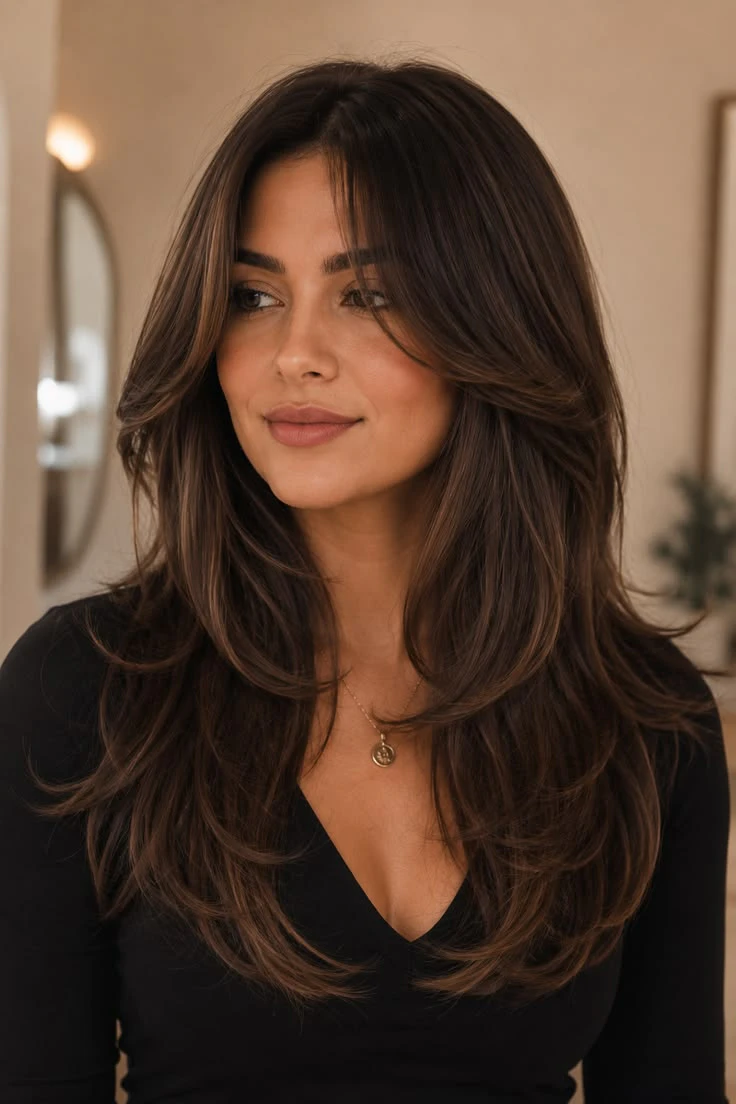
Long Face-Framing Layers
Layers around the face add movement and soften the flatness of straight hair naturally. This technique keeps the length but adds a subtle bounce that straight hair just doesn’t have. It is especially useful for people who want something between a major change and minimal effort.
The Lob
The lob, or long bob, falls between the collarbone and shoulder. It works with many different face shapes and is appropriate for both business and casual settings. It flatters everyone and grows out beautifully without losing its shape.
Sleek Pixie Crop
If you’re searching for a major change, go for the pixie crop. It looks especially sharp and geometric on straight hair. Smooth texture highlights clean lines in a way that softer textures cannot.
Textured Fringe
A soft, piecey fringe of any length can entirely change the balance of the overall look. It relaxes the face, enhances the eyes, and adds interest without requiring a major cut. This option works especially well on straight hair that is smooth and tends to lie flat.
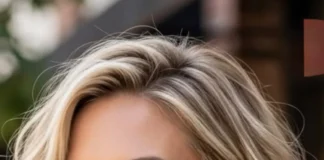
Best Haircut Styles for Wavy Hair
Wavy hair is so versatile, but most people either straighten it out or they leave it as it is. The right cut lets waves live in a defined middle ground that feels deliberate every day.
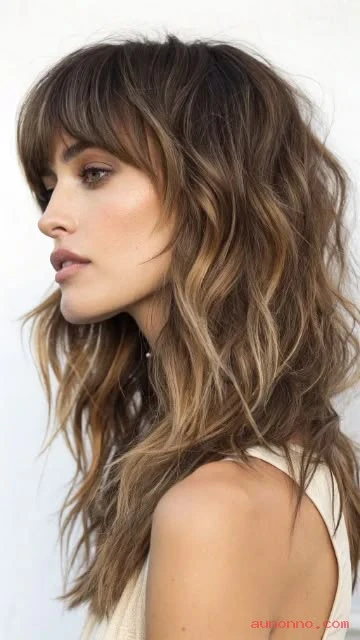
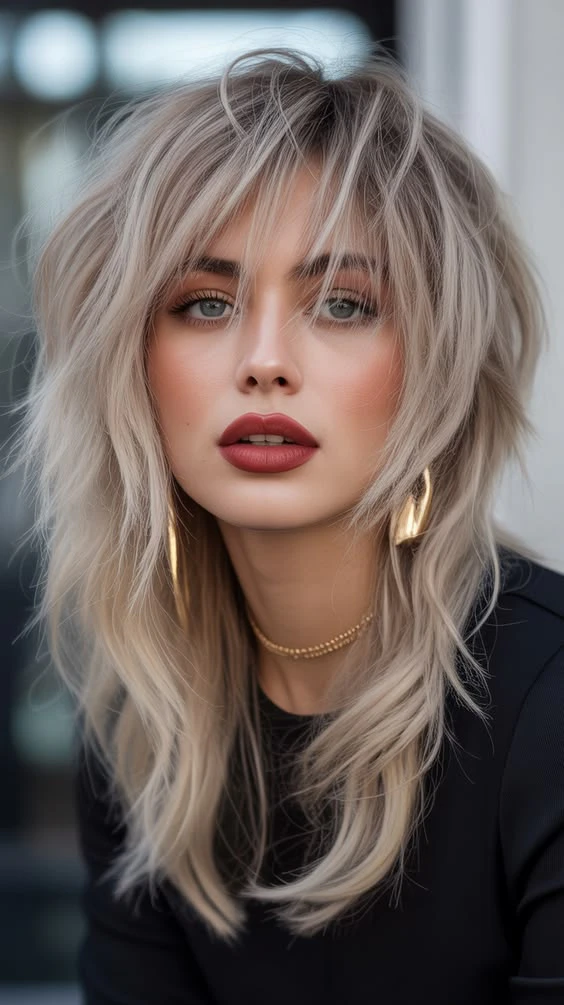
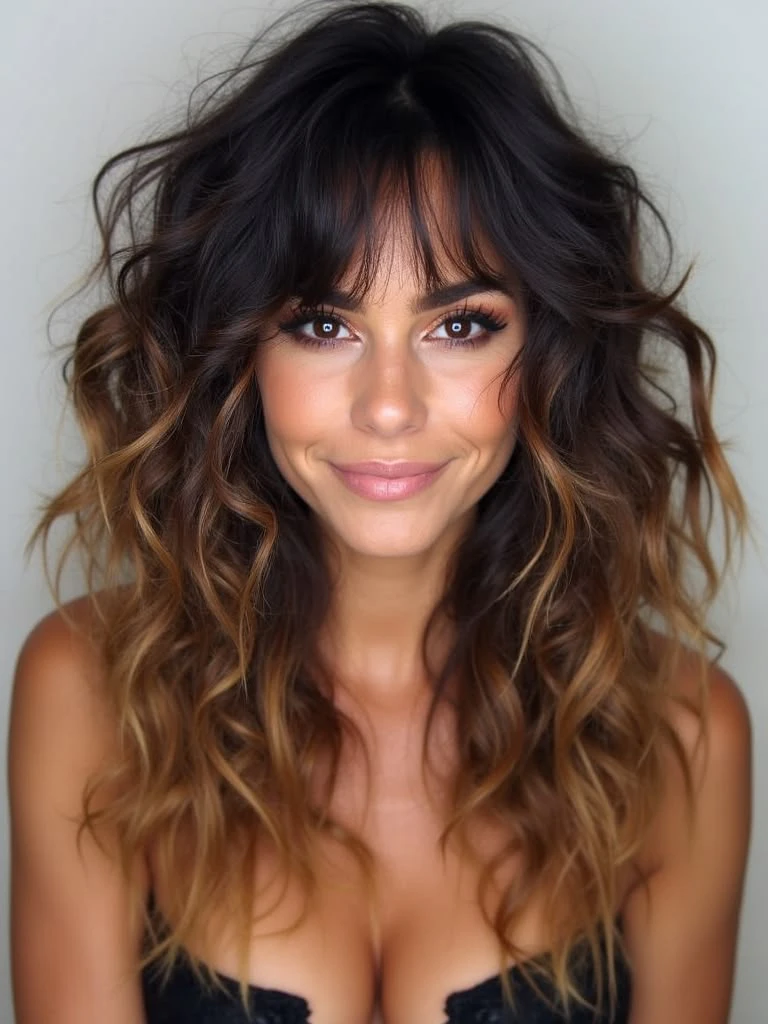
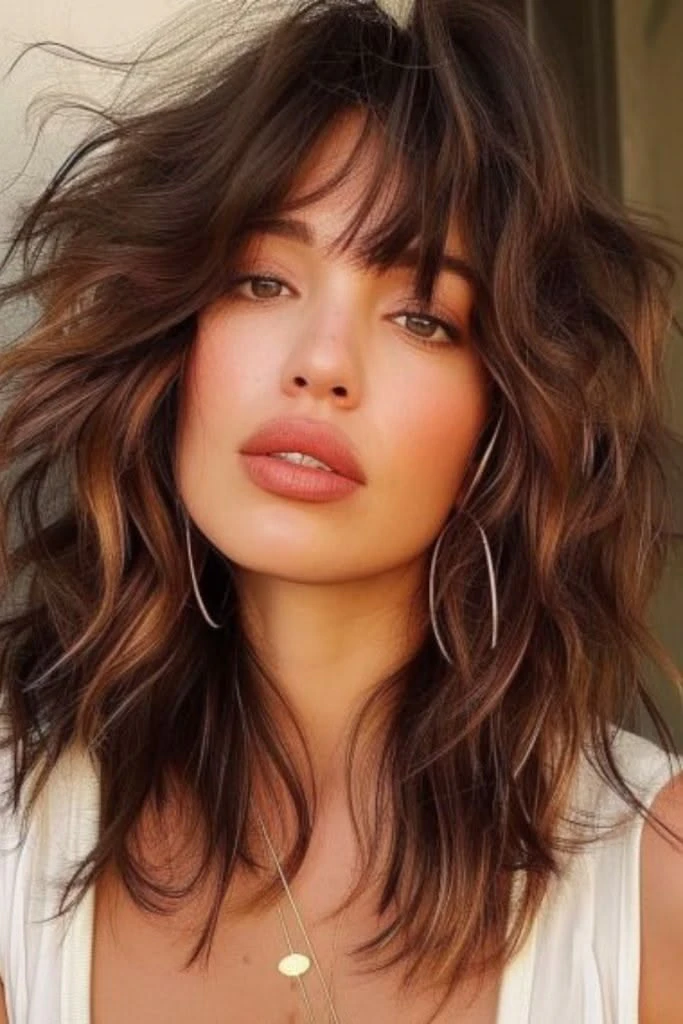
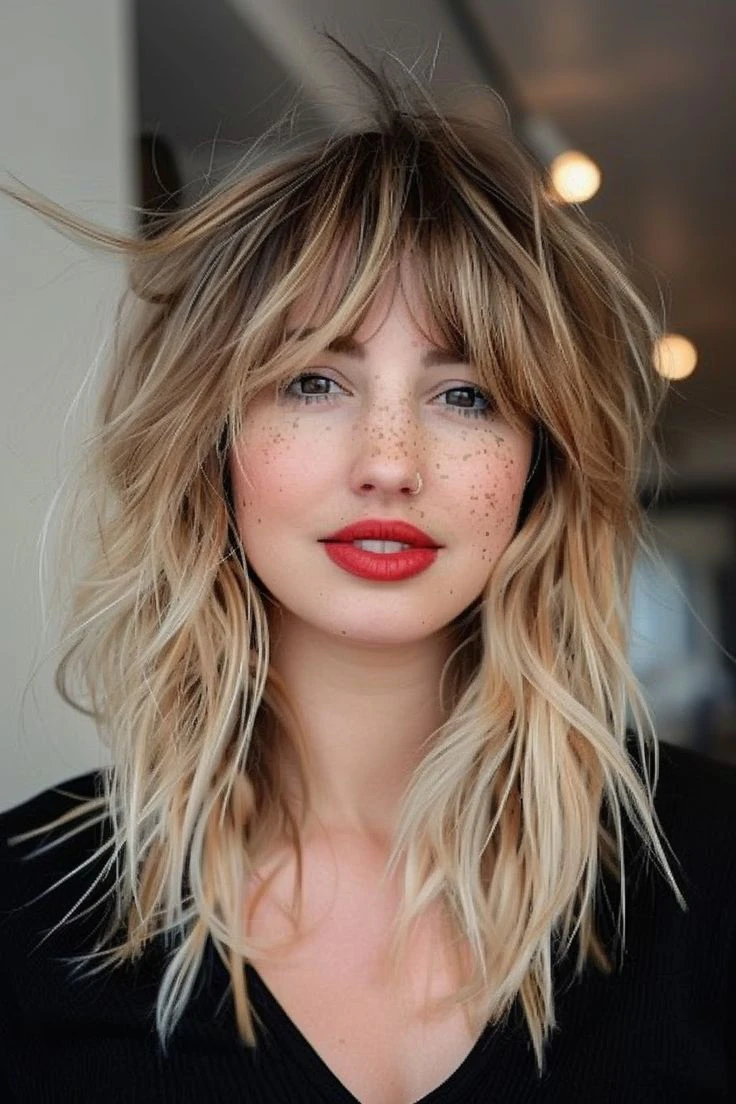
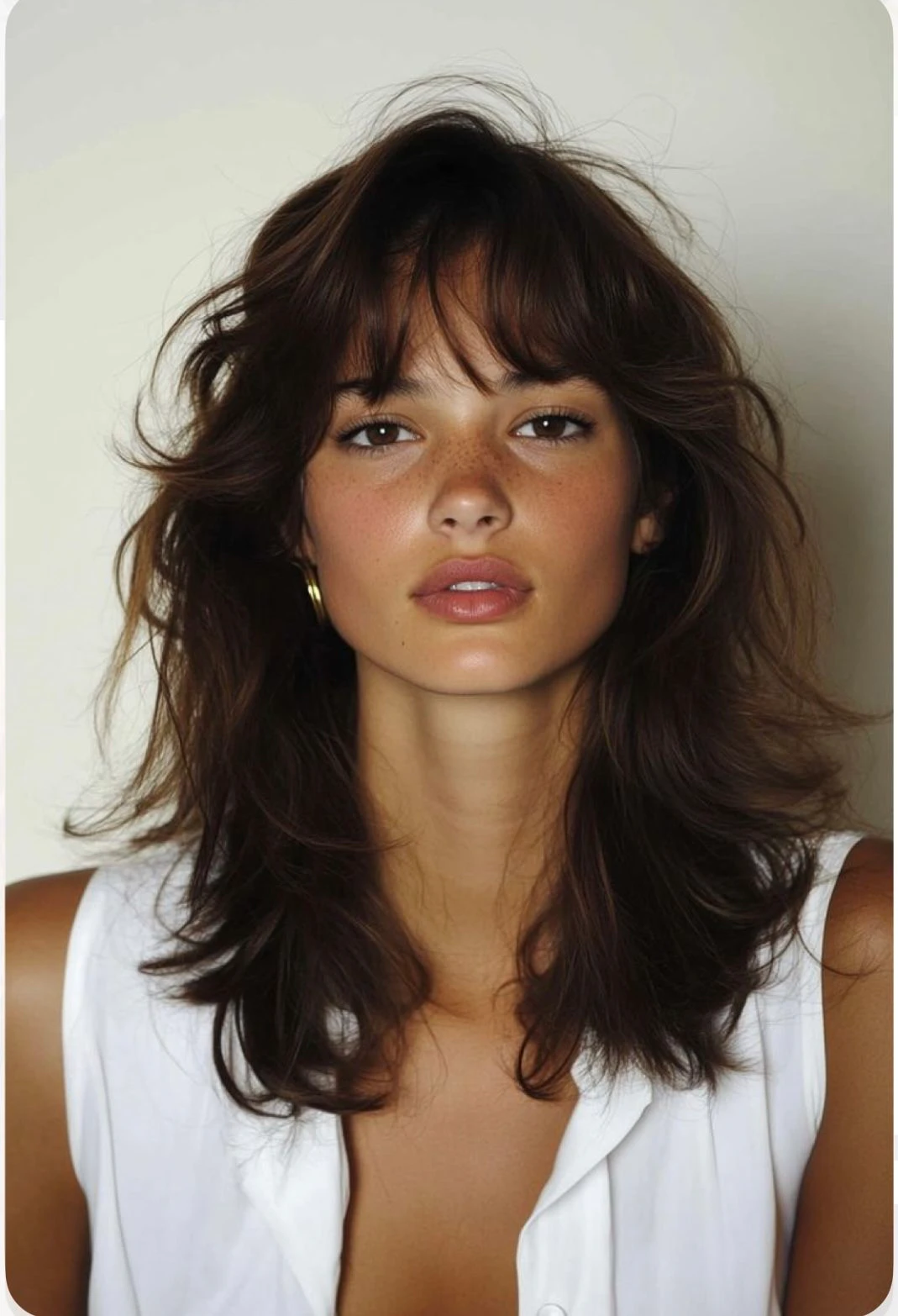
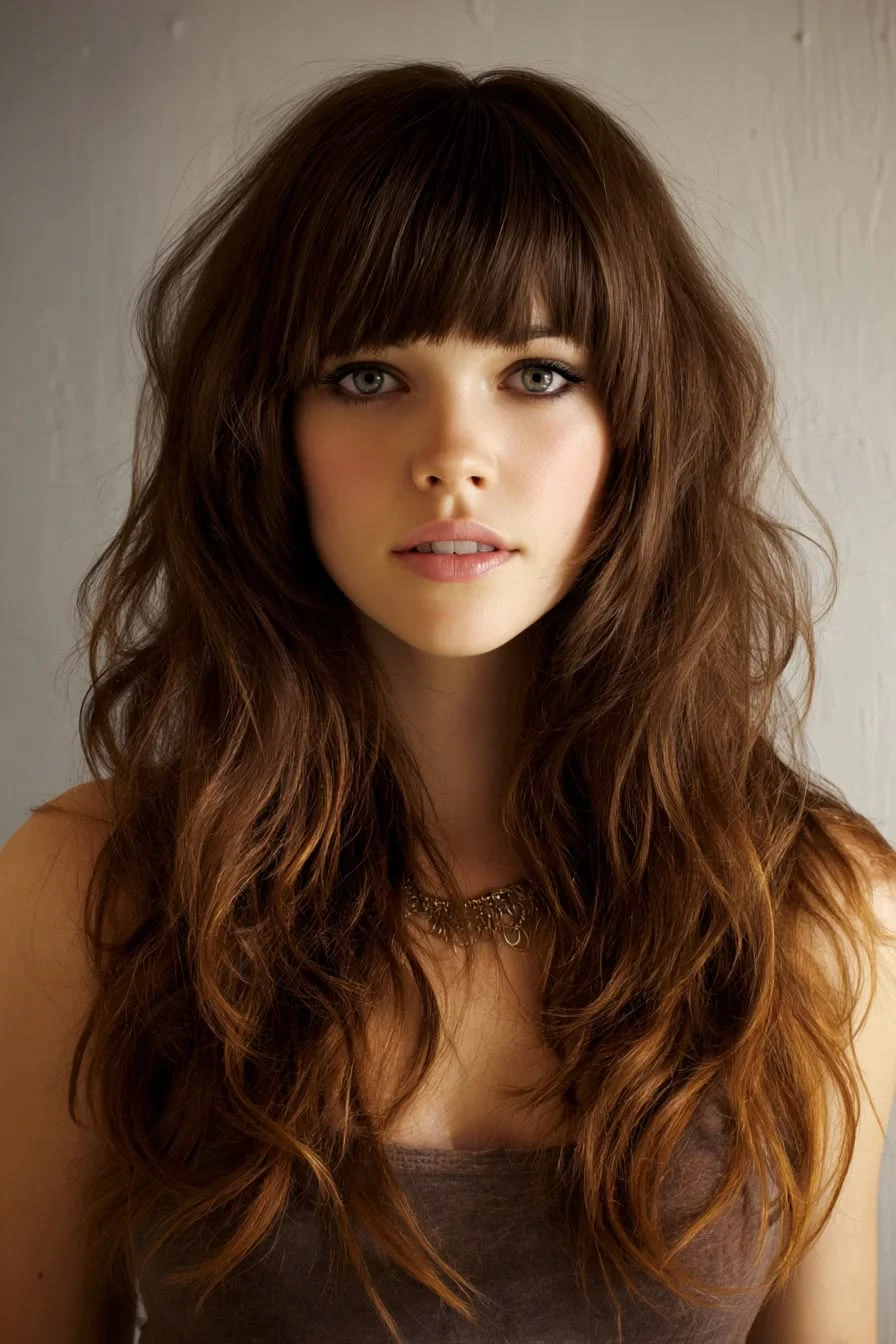
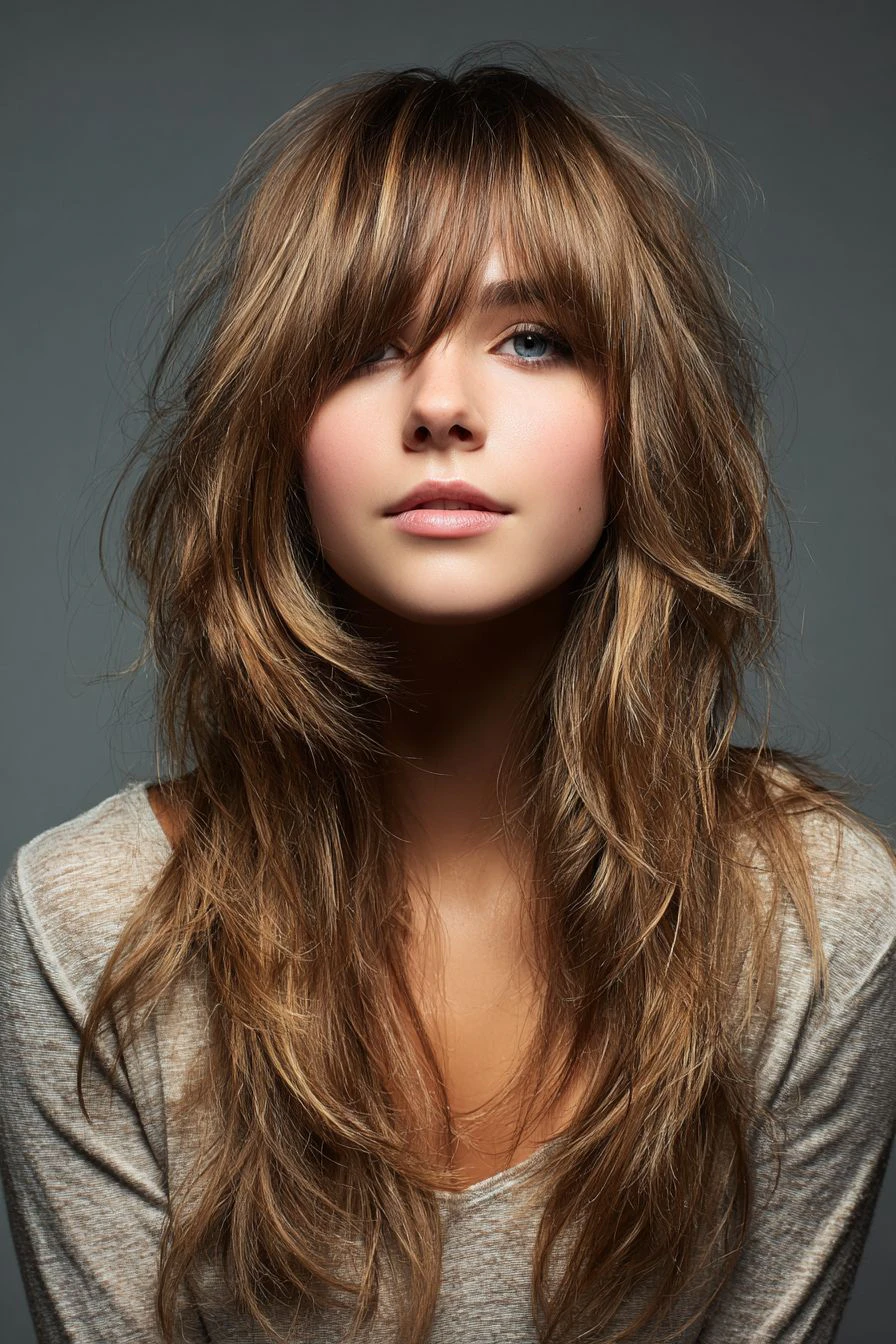
Shag
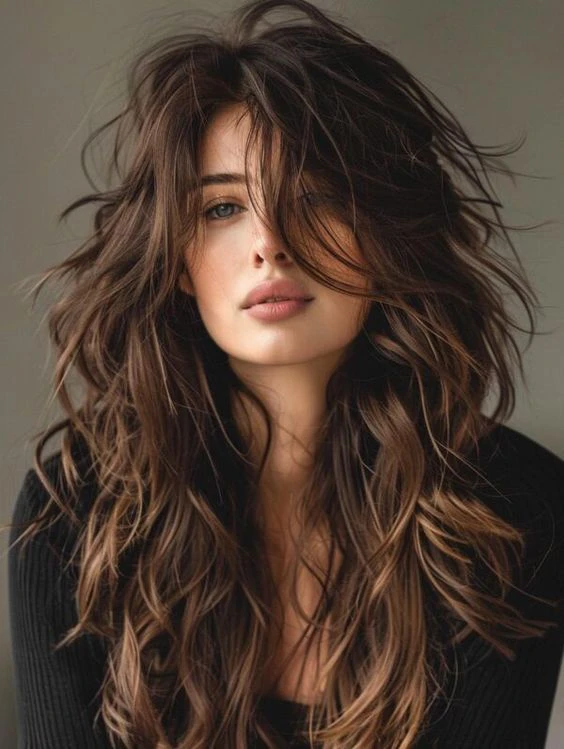
The shag is one of the most versatile haircut styles for wavy textures. Multiple layers at different lengths encourage the natural wave pattern to show itself. And the shag works on shoulder-length and longer hair without a lot of daily work.
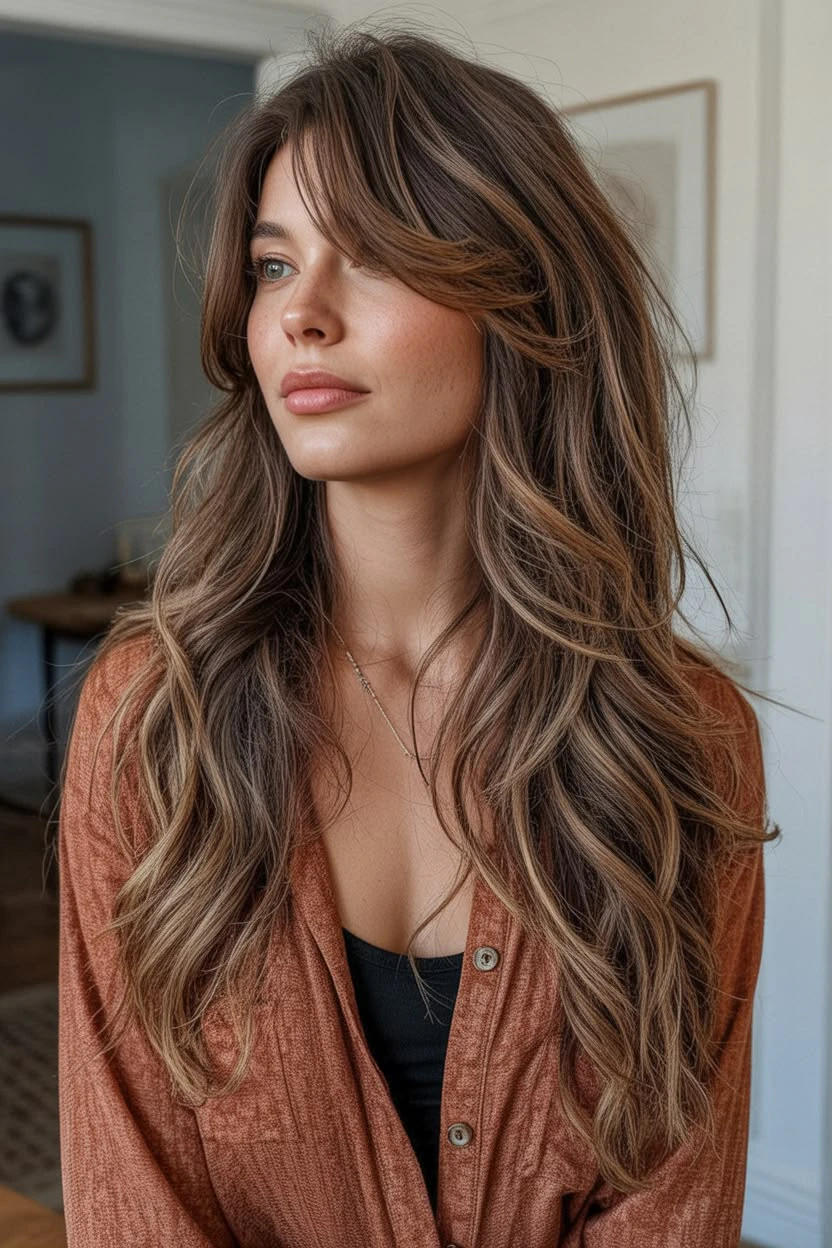
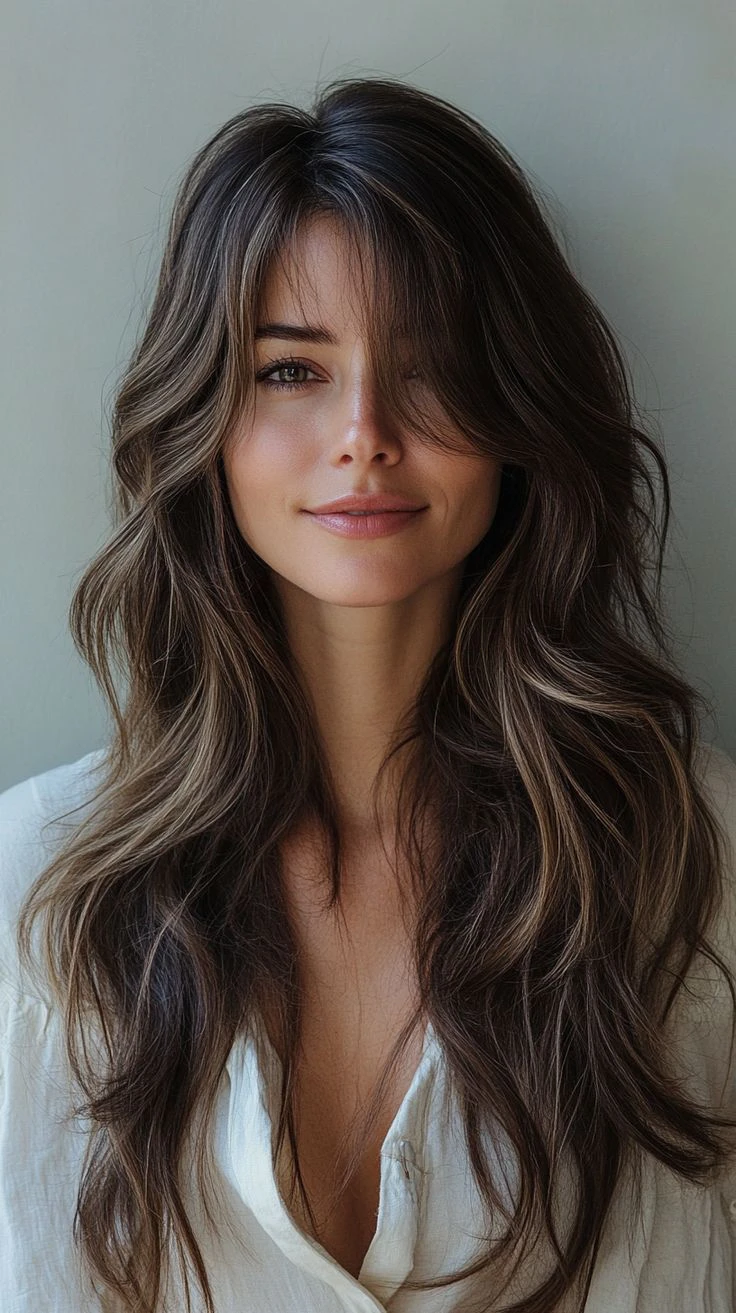
Soft Layered Waves
Wavy hair often takes on a bottom-heavy triangle shape, and long layers stop that. Starting the layers at mid-length and working down gradually removes bulk. A shoulder-length bob with more motion and significantly less mass is ideal.
Bob With Beachy Waves
The undone wave texture is a natural match for the shoulder-length bob. This is a wonderful style for warmer weather or for those who like to air dry. Furthermore, it looks appealing in natural light with little prep.
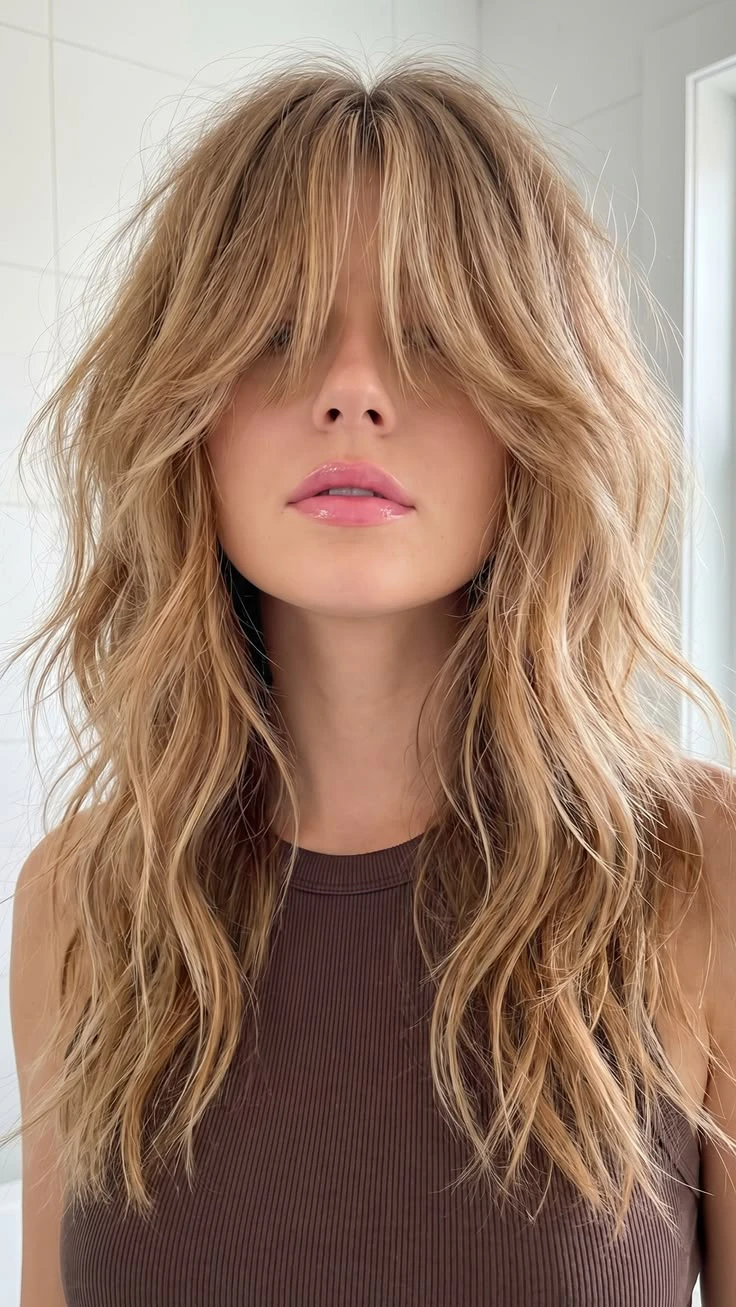
Curtain Bangs
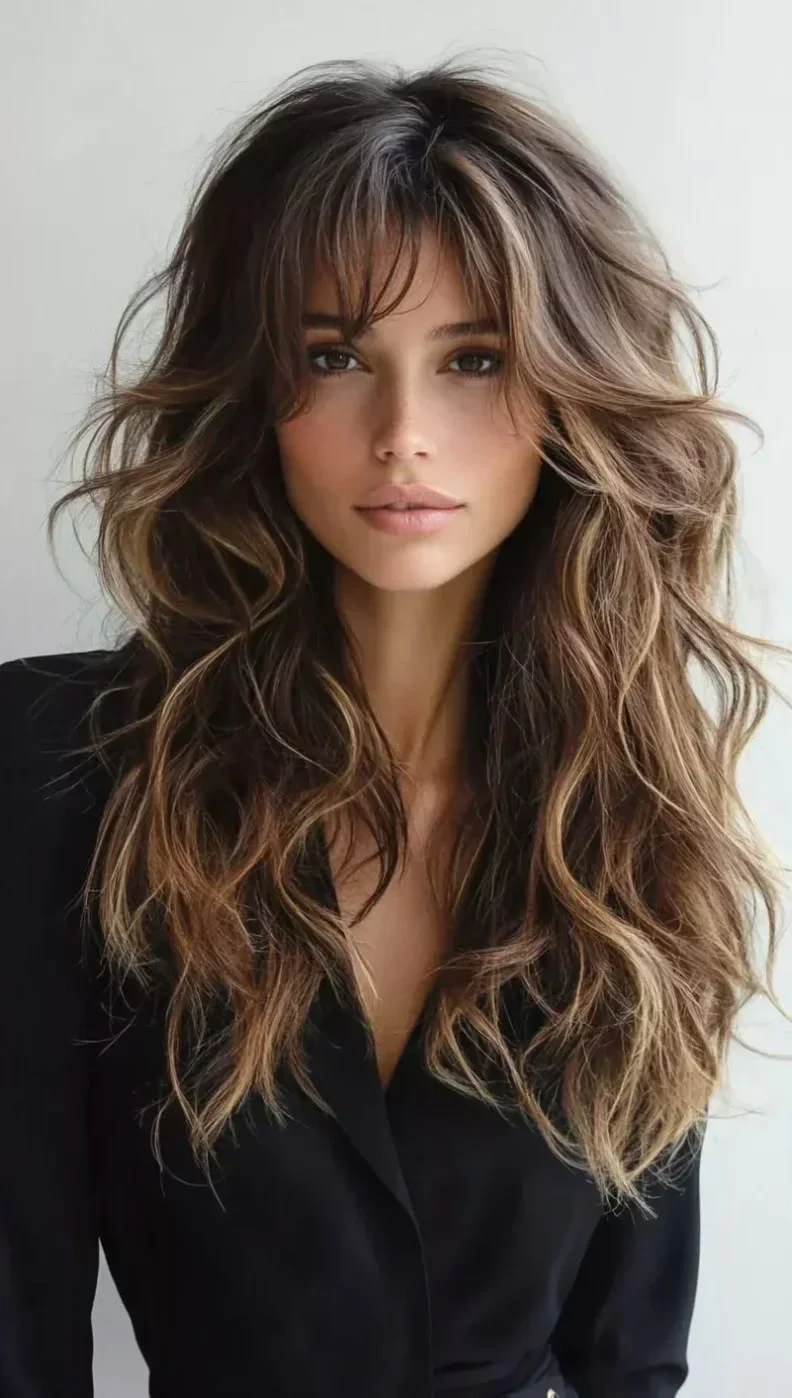
Curtain bangs are still popular because they work on almost every texture. In wavy hair, they just blend into the rest of the length. They soften angular features and give a relaxed, lived-in quality to the overall style.
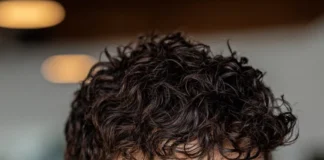
The Best Haircuts for Curly Hair
Special techniques are needed for curls. If not done properly, the cuts can look lopsided, uneven, or bulky. A skilled stylist will work with the curl pattern, not against it, so dry cutting is often more accurate than wet cutting.
Curly Bob
The curly bob celebrates volume and bounce. When styled correctly around the face, it looks appealing on almost any face shape. It looks wonderful in all kinds of curl tightness, from loose waves to defined ringlets, too.
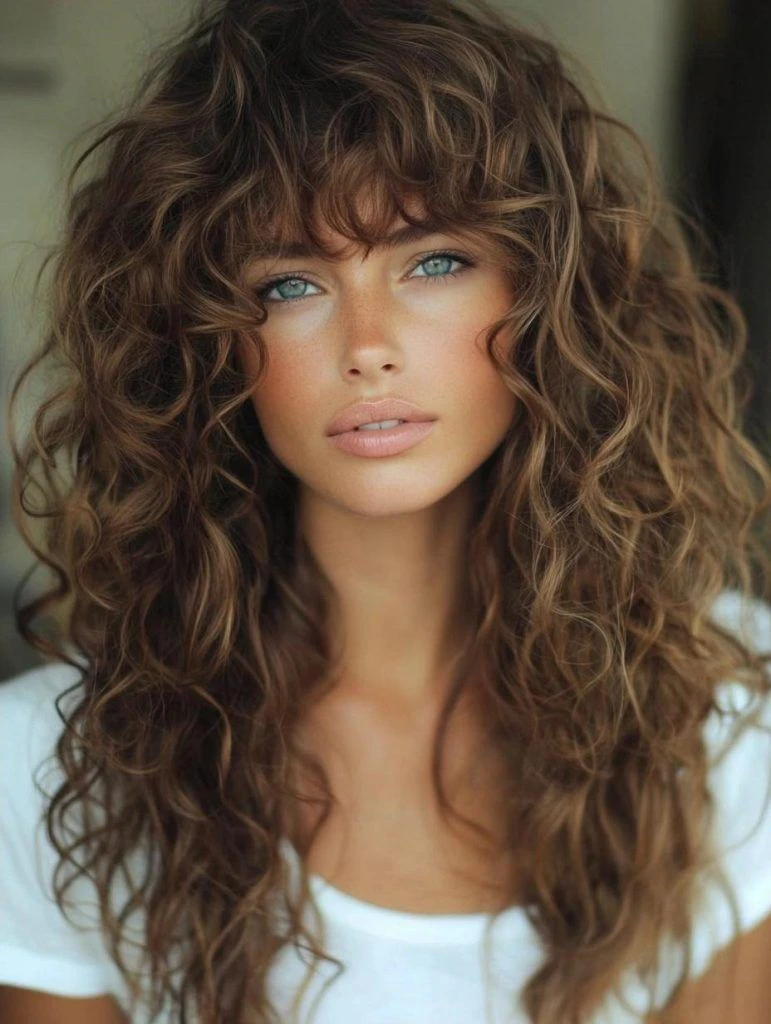
Long Curly Layers
The strategic placement of layers through the mid-lengths and ends removes excess bulk but keeps curl definition. The aim is to keep curls bouncy from root to tip. Longer curly hair without layers can be heavy and lack natural lift.
Dry Cutting for Curls
This is a technique to understand, rather than a specific style. When you cut curls dry, you’ll get a more even, balanced outline, because the hair is already in its final shape. That is why many curly-hair specialists prefer to work this way.
Curly Pixie
Short, springy, and full of personality, the curly pixie cut is a style that takes confidence to pull off. But it needs very little styling each day and grows out beautifully with regular trims every six to eight weeks.
Best Haircut Styles for Coily Hair
Coily and springy textures will shrink a lot as they dry. When cutting hair, always measure the length with the hair pulled out, not in its natural state, so you don’t cut off more than you intended.
Teeny Weeny Afro
This is one of the most popular choices after a big chop or natural hair transition. It’s low maintenance, fully embraces the natural texture, and looks intentional and styled without heat.
Tapered Cut
The tapered cut is shorter on the sides and longer on top. This contrast forms a clean, structured silhouette that can be worn for special occasions and everyday wear. It works for all curl types and densities as well.
Layered Afro
Internal layers keep bulk to a minimum in longer coily styles but still keep the overall silhouette intact. This gives a more defined and lifted look, without the ends looking heavy or shapeless.
The Best Haircuts for Fine or Thin Hair
Cuts that create the illusion of more density are best for fine hair. But that needs the right structure, not just more product.
Blunt Bob With Bangs
Fine hair looks much thicker at first glance due to the sharp, blunt ends. The blunt bangs combined with this style create the maximum visual density across the entire front. These two elements reinforce each other for a fuller result.
Textured Pixie Cut
A choppy, piecey pixie is excellent on fine hair, as textured ends and short lengths build fullness without weighting fine strands. Longer, heavier cuts can weigh fine hair down, while shorter textured styles can give it lift.
Top Hairstyles for Thick Hair
Thick hair can be heavy and challenging. Without the right cut, it can be difficult to manage. The idea is to remove weight strategically, not just cut length.
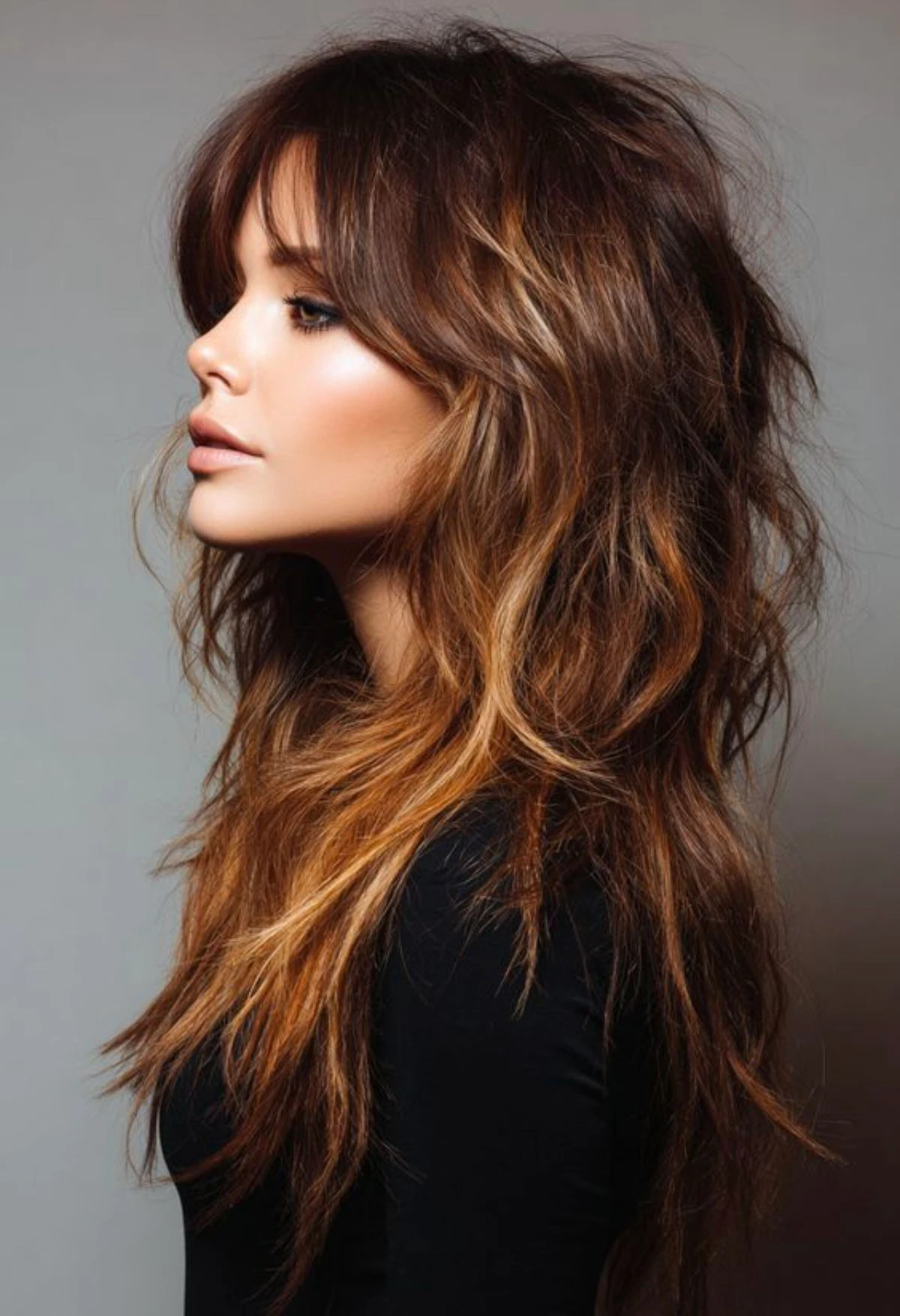
Long Layered Cut
Layers take weight off the inside of thick hair but keep the cut and length you want. The end result is much lighter, easier to blow-dry, and more manageable day to day. For many people with thick hair, a good layered cut can cut drying time in half.
Graduated Bob
The graduated bob angles up toward the front, removes bulk at the ends, and maintains a defined shape throughout. On thick hair, it provides both structure and lightness.
Beyond texture, there are other things to consider before you book an appointment—your face shape, your morning routine, and how much time you really want to spend styling. A beautifully layered shag takes very little effort on wavy hair but may require a bit more on straight hair. Likewise, a blunt bob looks sleek on fine hair but might require regular trims to maintain its sharpness.
Bring photos of hair similar to your own to the appointment instead of photos of someone else’s hair. A photo that shows your real texture gives your stylist far more useful information than a celebrity photo from a totally different texture category.
It also helps to mention any color or chemical treatments you already have booked, because porosity, color, and cut all work together. A stylist who is aware of the full story can suggest changes that keep your hair healthy and the results lasting, not just looking good on day one.
How to Keep Any Cut Looking Nice
A good cut doesn’t stay good without upkeep. Fortunately, most maintenance needs no appointment.
First, trim every six to eight weeks to keep your hair healthy. Split ends can quickly ruin even the most precise cut. Second, use a heat protectant before blow-drying or flat-ironing, especially on straight and wavy textures. Third, sulfate-free products that are rich in moisture work best for curly and coily textures.
Sleeping on a silk or satin pillowcase also makes a noticeable difference. It reduces friction while you sleep, which helps to retain curl patterns and minimize breakage. And finally, book a short consultation before any big change, not just a cut appointment. Discussing lifestyle, maintenance expectations, and past experiences with certain cuts helps you and your stylist come up with a better outcome together.
How to Choose a Haircut Style Without Overthinking It
There is no one best haircut for everybody. The right answer is a combination of texture, porosity, shape, and routine. When all four factors align, a haircut appears almost effortless. The morning after the salon, it looks good, and it continues to look good as it grows out.
Start with this guide. Know your texture, be honest about your daily habits, and bring a few reference photos of your hair type to the consultation. A stylist who understands texture, not just the trend cycle, can help you choose a shape that really works with your life. That is what all great haircuts achieve.