
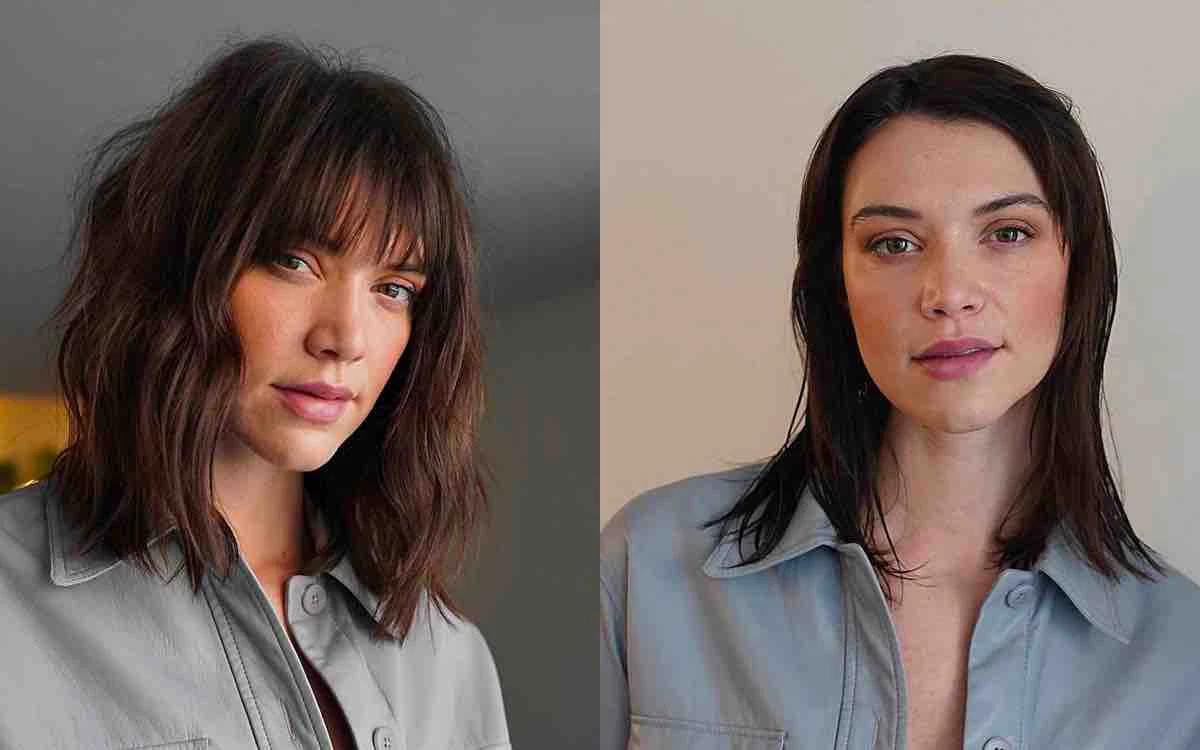
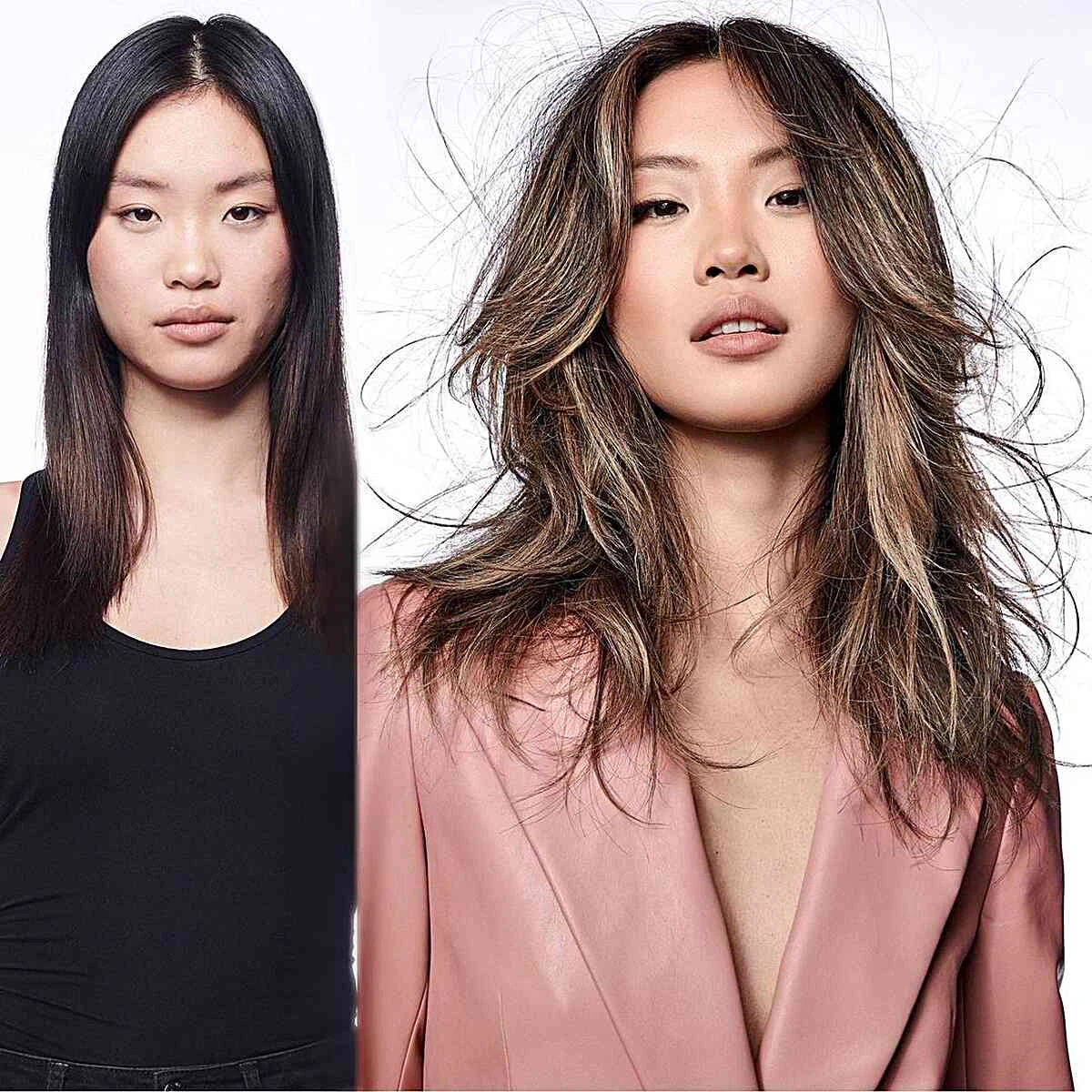
If you have thin hair, you know the struggle. No matter how carefully you style it, your hair looks flat by midday. The good news is simple. The right haircut changes everything. In fact, choosing the best haircuts for thin hair to appear thicker is more powerful than any product you can buy.
This guide walks you through every option. From classic bobs to modern shags, you will find cuts that actually work.
Why the Right Haircut Matters More Than Products
Many people with thin hair rely on volumizing sprays and thickening mousse. Those products help. But they are temporary. A great haircut, on the other hand, creates lasting structure. It removes weight where it drags hair down. It adds movement where it counts. Moreover, it creates the visual illusion of fuller, denser hair.
A Good Cut Also Saves Styling Time
A cut that suits your hair type also saves time. When your hair is cut right, it falls in place naturally. You spend less time styling and more time enjoying the results.
Haircuts That Add Fullness to Fine Strands
The Classic Bob
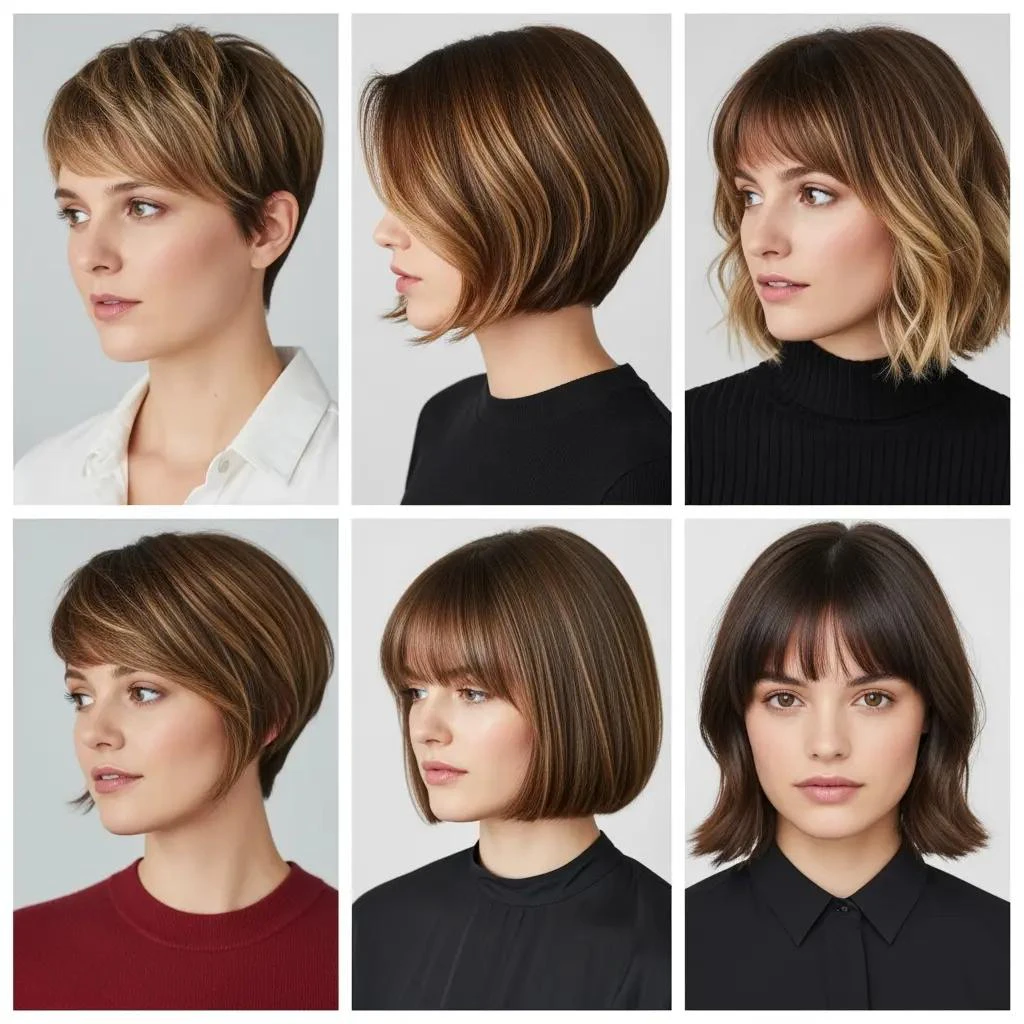
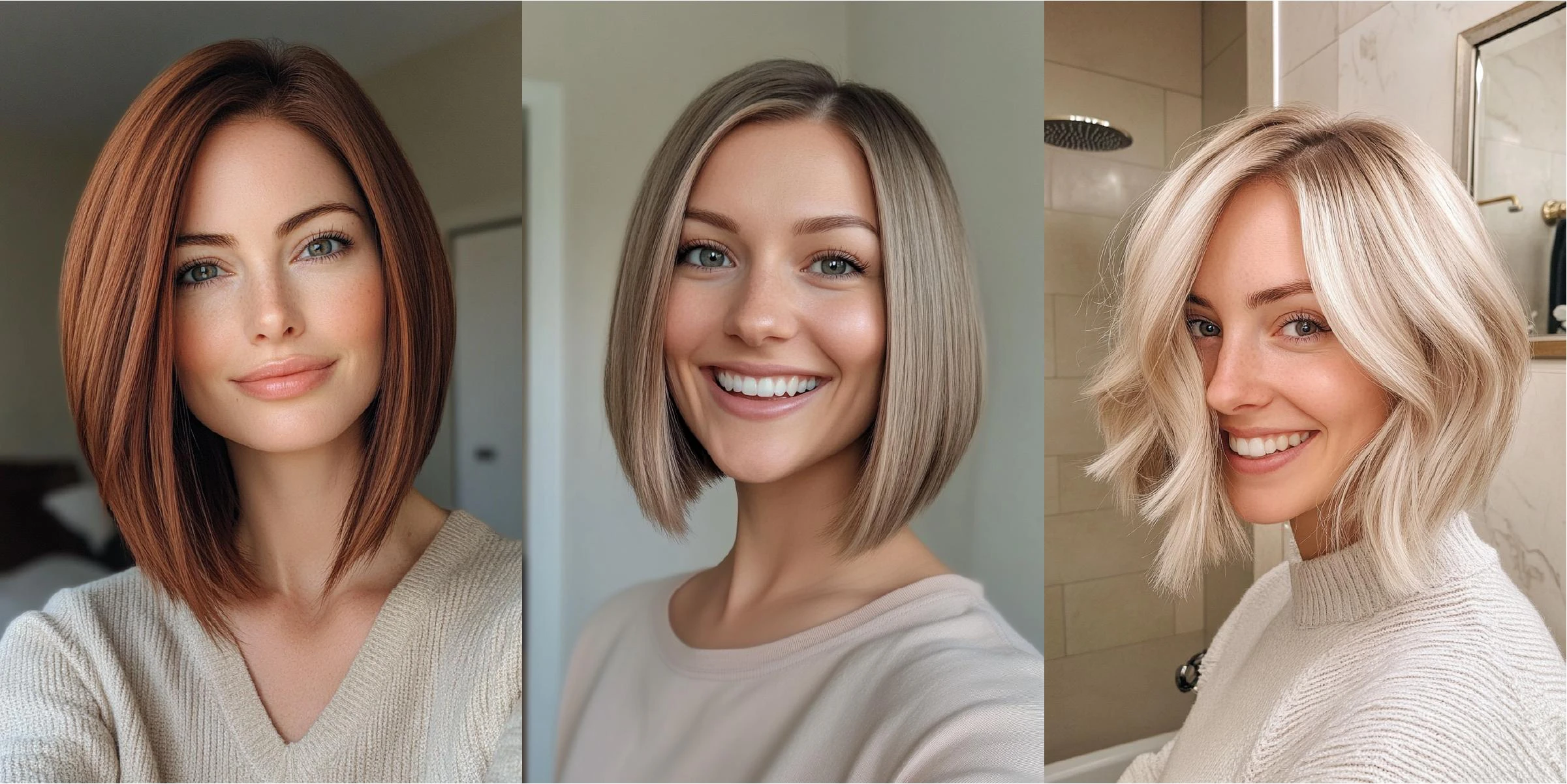
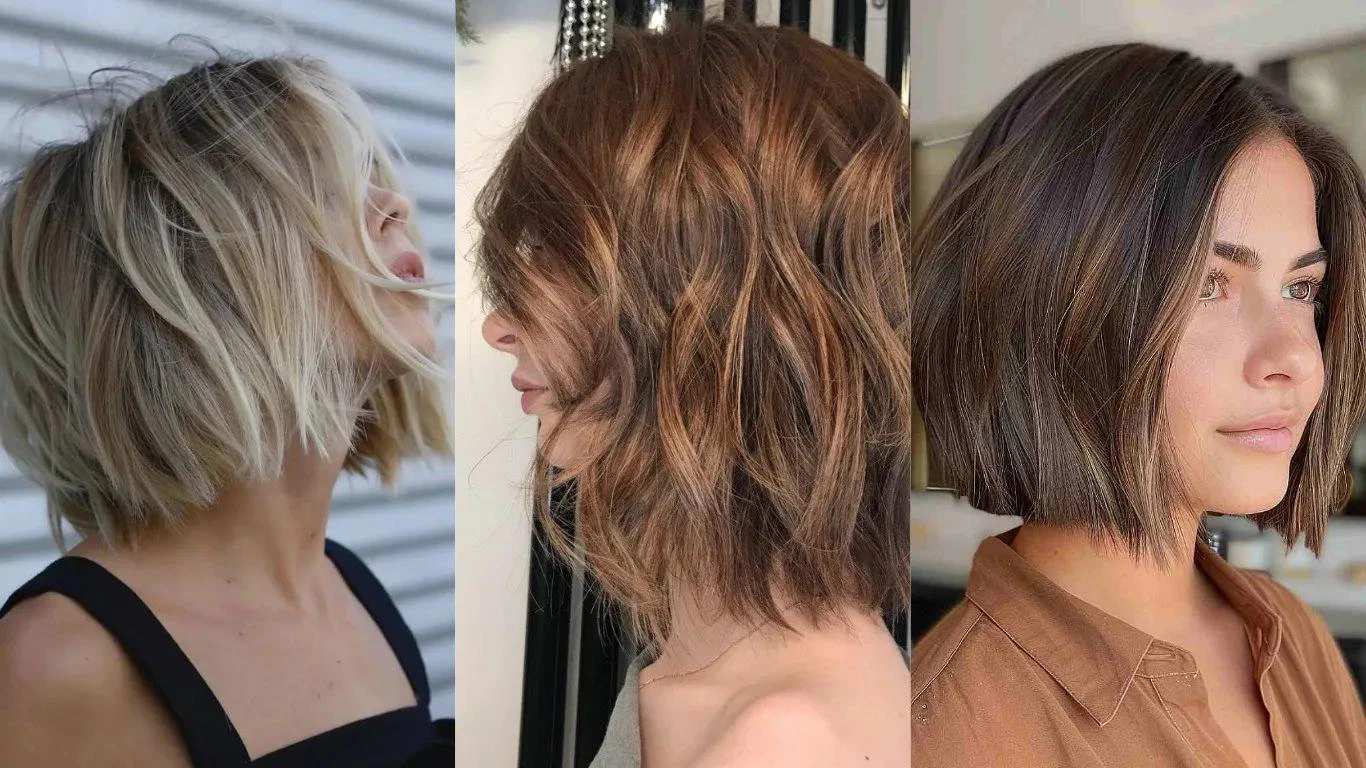
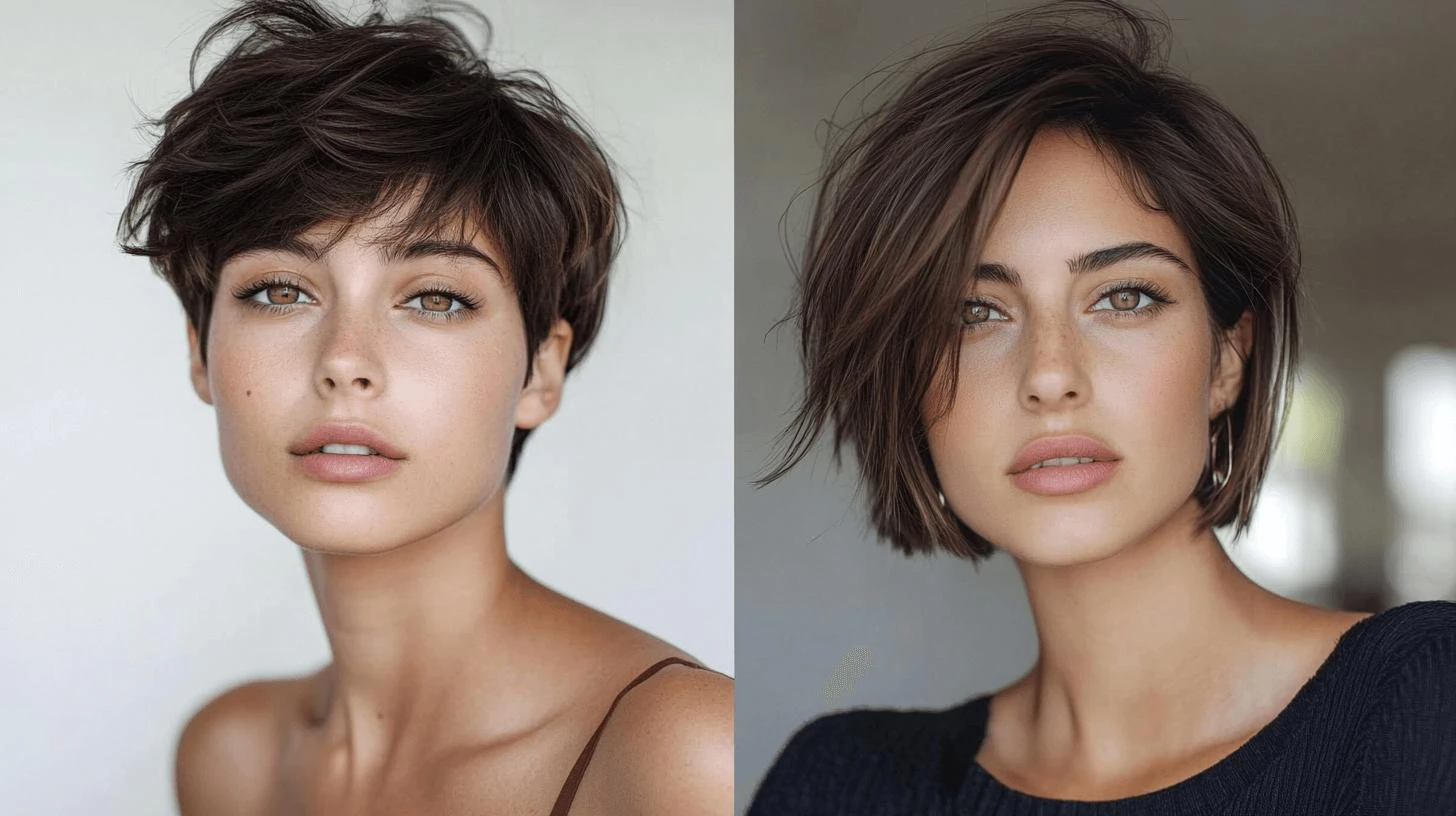
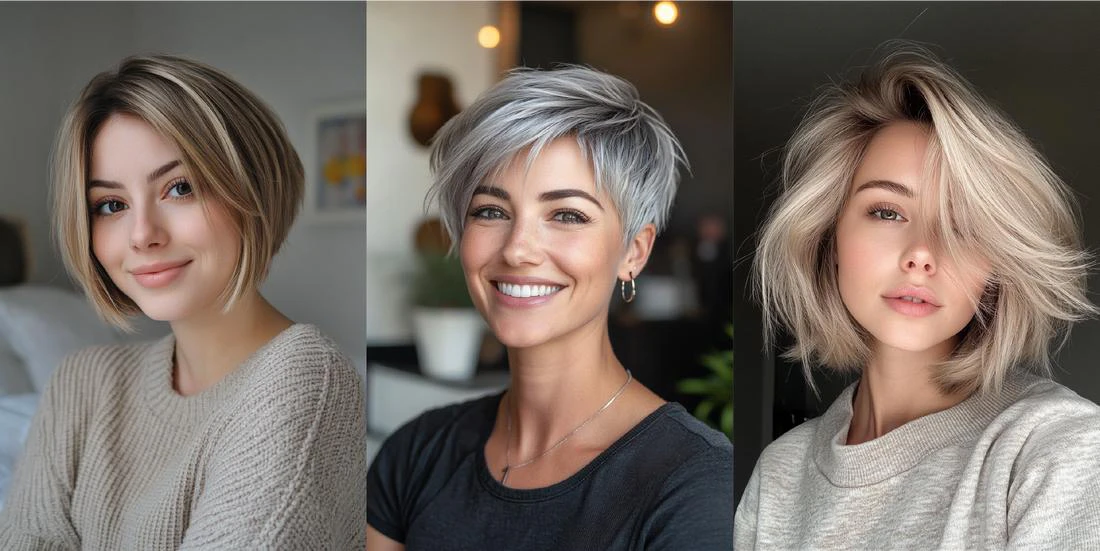
The bob is one of the most dependable hairstyles for thin hair, giving it a fuller look. The bob is blunt-edged, which is part of the reason it works. A clean, sharp cut at the jawline creates a dense, full look at the ends. All the visual weight gathers at the bottom. As a result, your hair looks thick and healthy.
You do not have to go perfectly straight, either. A textured bob adds movement without sacrificing fullness. An A-line bob, shorter in the back and longer in the front, draws the eye forward and adds dimension.
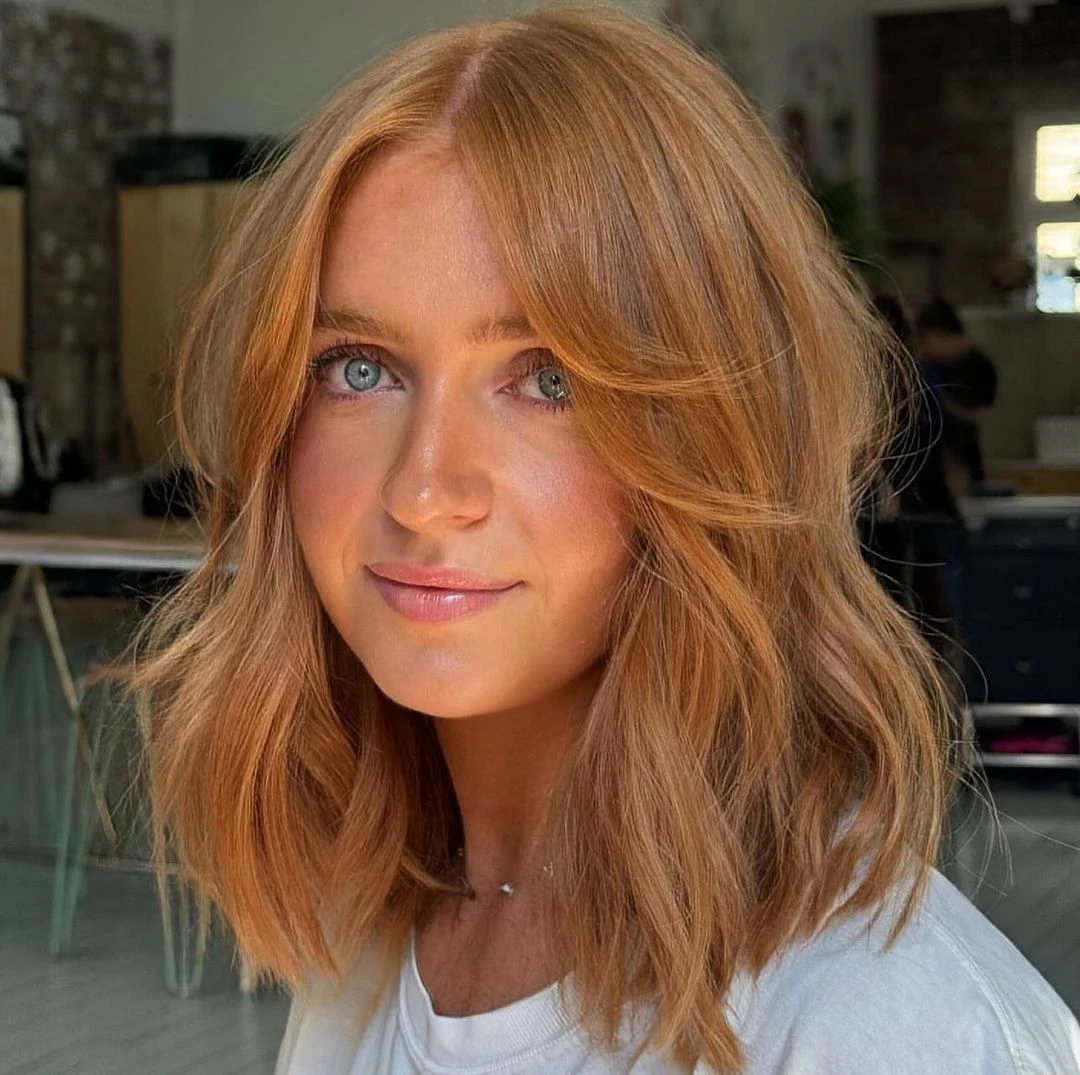
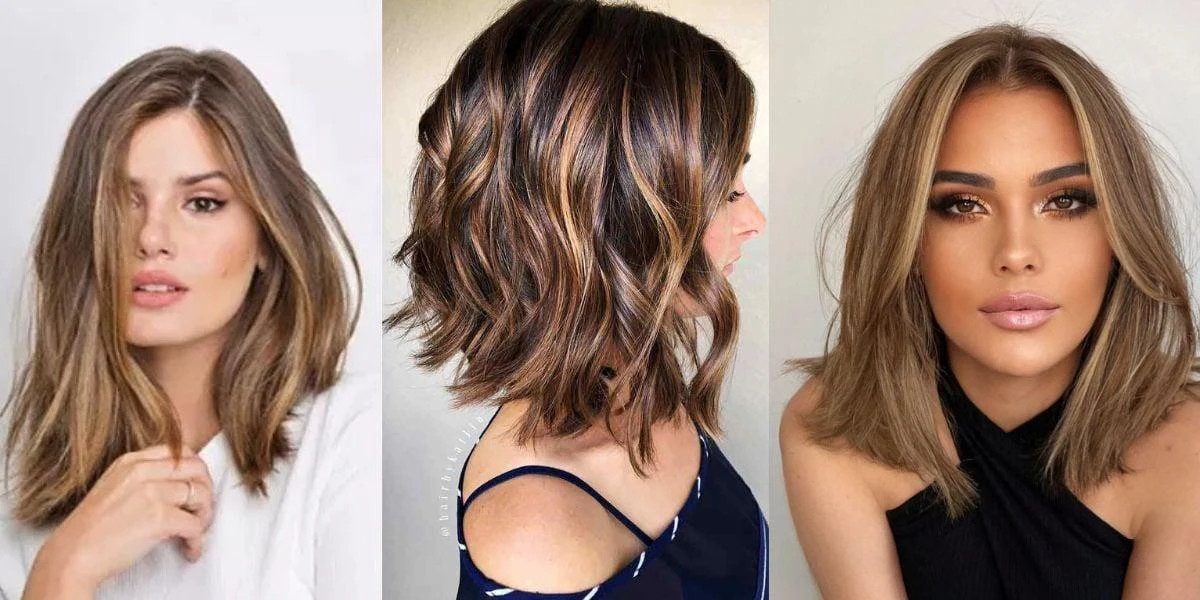
Not ready for a short bob? Try a lob instead. A long bob sits between the collarbone and shoulders. It gives you styling options while still delivering that blunt-edge density.
Why the Bob Works for Fine Hair
The bob is effective because it does not require layers to look appealing. The single-length cut keeps all strands uniform. This uniformity makes fine hair look denser. It also holds its shape well between salon visits.
Additionally, the bob is easy to blow-dry with volume. A round brush and volumizing mousse are all you need. The result is a polished, full look every time.
Layers Done Right: What Works and What Does Not
Layers are debated among people with thin hair. Some stylists love them. Others avoid them entirely. The truth is that layers can help or hurt. It depends on how they are applied.
Heavy, choppy layers starting too high on the head remove too much bulk. Fine hair then looks sparse and limp. However, long and subtle layers placed at the midpoint work well. They add movement without stripping the body from your hair.
Ask your stylist for layers that begin at the middle of your hair. Avoid anything starting near the crown. These longer layers give your hair flow. They also prevent it from hanging flat against your neck.
And the face-framing layers are a clever touch, as well. Soft layers around the face create movement right where people look first. They draw attention to your features rather than your hair density.
Pixie Cuts: Shorter Than You Think, Bolder Than You Expect
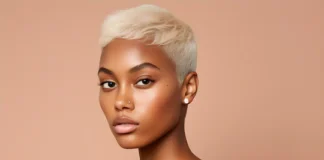
Short haircuts feel risky for thin hair. However, pixie cuts are actually one of the best hairstyles for making thin hair appear thicker. A pixie cut removes the weight that pulls fine hair flat. Without that weight, each strand stands away from the scalp. Natural lift and body follow immediately.
A textured pixie with a slightly longer top is particularly effective. The variation in length creates depth. It makes hair look thicker than it really is. Plus, a pixie cut is a cinch to maintain. It is a genuine bonus for anyone who struggles daily with flat, lifeless hair.
Not ready for a full pixie? Consider a longer pixie or a shaggy crop. These styles keep hair above the chin. They sit in the sweet spot between short and medium length. Fine hair types see impressive volume with these options.
The Modern Shag
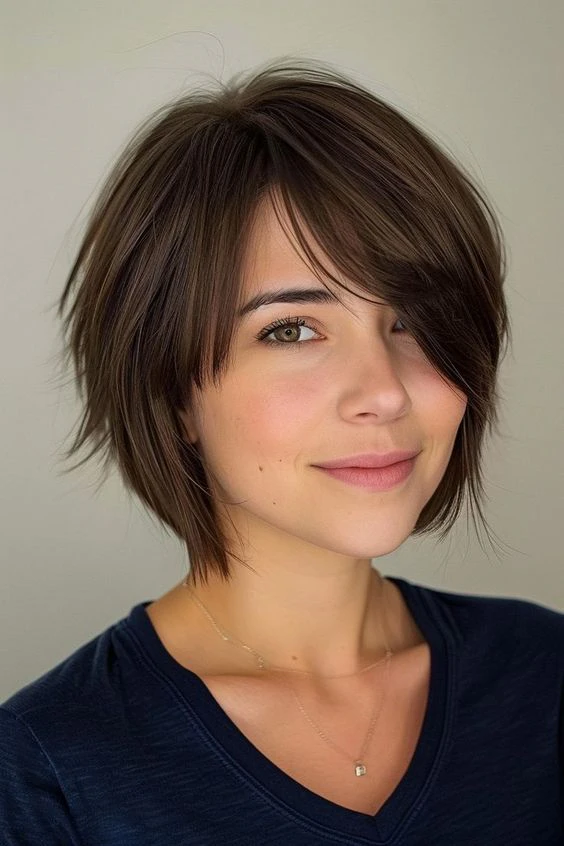
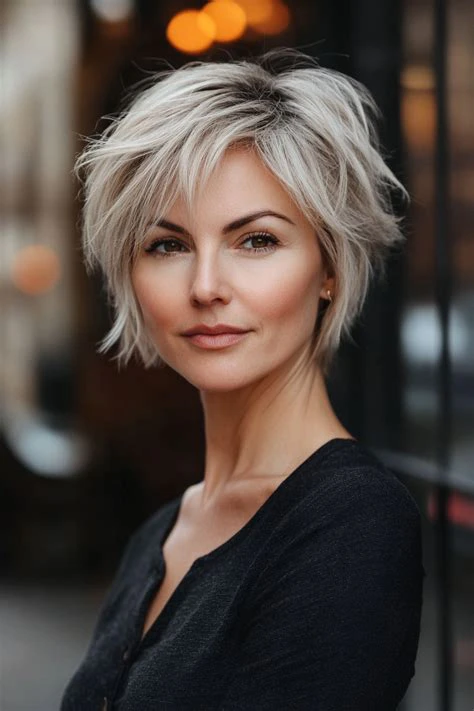
The shag has made a major comeback. People with thin hair are embracing it for good reason. This cut combines layers, face-framing pieces, and often a curtain fringe. The result is rich in texture and movement.
The shag works well because it distributes weight evenly throughout the cut. It does not pile length at the bottom. It does not remove too much at the top. Instead, balanced layers run from the crown to the ends. The hair gains natural body and a lived-in look that reads as thick and effortlessly stylish.
How to Get the Best Shag for Fine Hair
The key is finding a stylist who understands fine textures. Razor cutting and point cutting add texture without removing bulk. These techniques keep the hair looking full instead of wispy.
Ask specifically about these methods at your appointment. Avoid stylists who rely heavily on thinning shears for fine hair. Thinning shears remove too much density. They leave fine hair looking sparse rather than voluminous.
Curtain Bangs
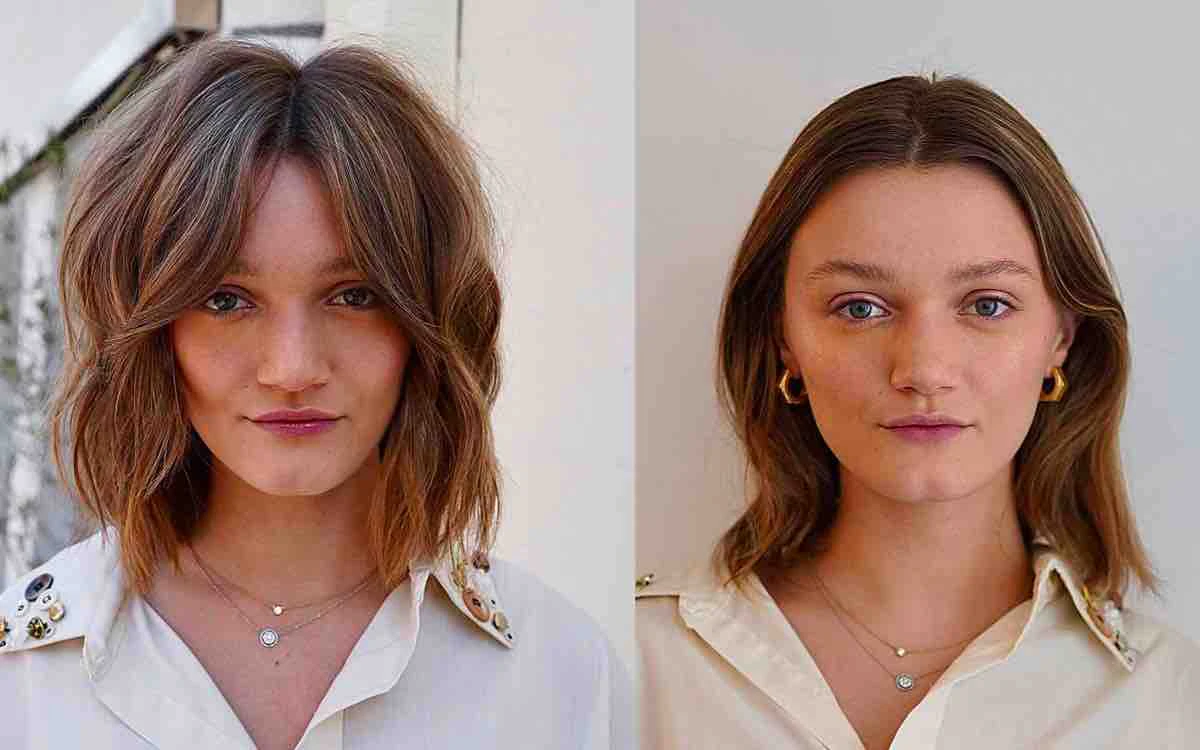
Curtain bangs deserve special attention. These soft, center-parted bangs have become incredibly popular. They also serve a very practical purpose. Adding a fringe creates a new layer of hair at the front of your head. This adds visual fullness immediately. It creates the impression of a denser, more voluminous style overall.
Curtain bangs pair beautifully with a lob, a shag, or a layered medium-length cut. They blend seamlessly into the rest of the hair. They can also be styled in multiple ways. Sweep them dramatically to one side. Or brush them back for a casual, effortless look.
Traditional straight-across bangs also work for thin hair. They are especially effective with a blunt bob. However, they require more daily maintenance and a consistent styling routine.
Choosing the Right Length for Your Hair Type
Length matters more than most people realize. Shorter to medium lengths are generally easier to manage for fine hair. Shorter to medium lengths reduce the weight that pulls your hair down throughout the day.
Very long hair often looks stringy at the ends. The weight stretches each strand thin over time. If you love long hair, ask your stylist for long layers and a trim to remove split ends. Healthier ends always look thicker. Face-framing layers also improve the look of long hair without sacrificing length.
Medium lengths from the collarbone to the shoulder are a sweet spot. This range offers styling variety. It also keeps hair light enough to hold natural volume without much effort.
Talking to Your Stylist About Thin Hair
Clear communication with your stylist is essential. Not every stylist approaches fine hair the same way. Techniques that work for thick hair can actually worsen thin hair.
At your appointment, state your goals clearly. Let your stylist know that volume and thickness are your priorities. Ask about point-cutting and texturizing shears. Both techniques add separation without harsh lines. Ask them to avoid thinning shears entirely if your hair is very fine.
Bring reference photos as well. Visual examples help both of you get on the same page quickly. They also reduce the chance of misunderstanding.
Styling Habits That Support Your Cut
Even the best haircuts for thin hair to appear thicker need excellent styling habits to shine. A few smart product choices make a significant difference.
Apply volumizing mousse or foam to the roots before blow-drying. This lifts hair away from the scalp. Use a round brush during blow-drying to add curve and fullness. The volume lasts all day. Dry shampoo at the roots absorbs excess oil and adds grip. It keeps fine hair from going flat by midafternoon.
Avoid heavy conditioners at the roots. They weigh hair down and flatten volume. Apply conditioner only from the mid-lengths to the ends. Rinse thoroughly every time.
How Color Enhances the Illusion of Thickness
Color works hand in hand with a wonderful haircut. Highlights and lowlights add dimension throughout the hair. Light and shadow make hair look layered and dense. It looks wonderful visually.
Balayage works particularly well for fine hair. It mirrors the natural color variation of lush, healthy hair. The contrast between light and dark makes hair appear fuller and more dimensional.
A few subtle highlights are an easy way to stay close to your natural base color. It delivers real results without damaging fine strands. Avoid dramatic bleaching. It weakens already-fine hair, making it look even thinner over time.
Maintaining Your Cut Between Salon Visits
Even a perfectly planned cut needs regular upkeep. Thin hair loses its shape faster than thicker textures. There is simply less structure holding it in place.
Schedule trims every six to eight weeks. Regular trims remove split and damaged ends. Your hair looks healthier and fuller at the tips. Keeping the cut fresh also ensures the shape continues to add volume and structure.
Use a gentle sulfate-free shampoo in between treatments. This shampoo cleanses the hair without removing the natural oils of the scalp. A healthy scalp supports better hair growth over time. Better growth ultimately contributes to a fuller appearance.
Making the Choice That Is Right for You
There is no single perfect cut for every person with thin hair. Your face shape, lifestyle, and personal style all play a role. A bob suits someone with a round face and a busy schedule. A shag suits someone with an oval face who loves a relaxed, bohemian style.
The most important step is to stop wearing a style that fights your hair type. Start exploring options that genuinely work. With the right cut, the right products, and a stylist who understands fine hair, you can have hair that looks full, healthy, and beautifully styled every single day.