60s Hairstyles Are Trending Again—Here’s Why They Never Really Left
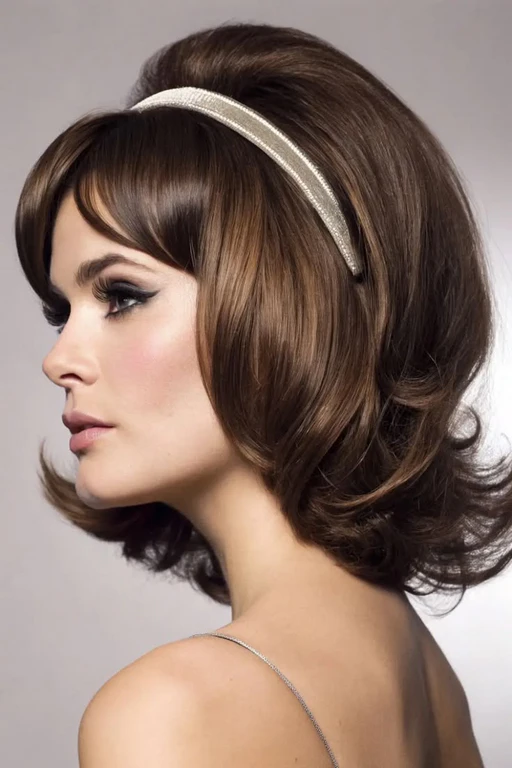
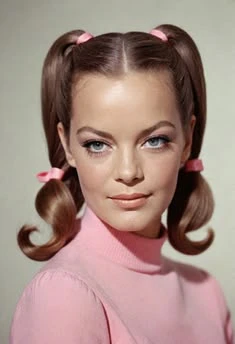
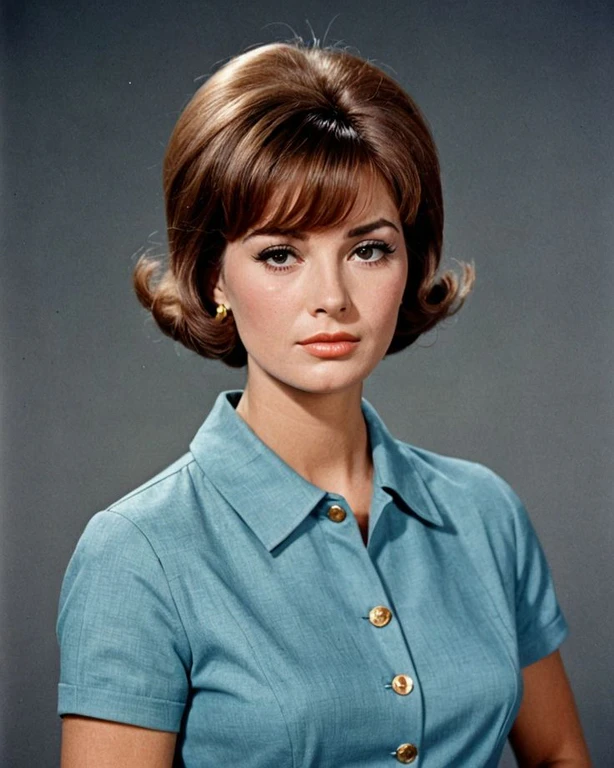
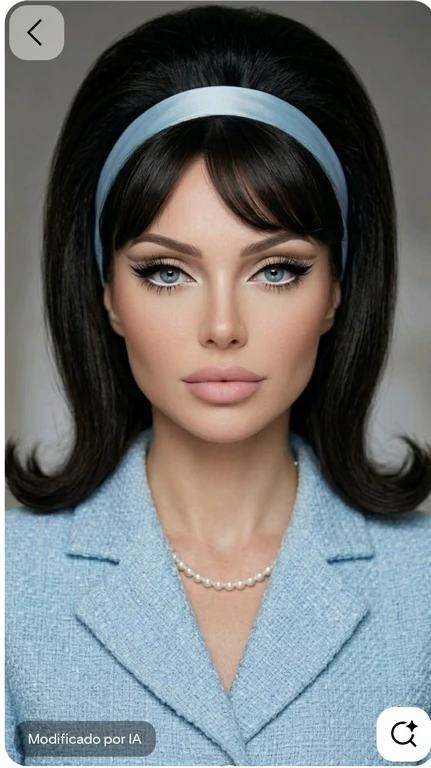
Trends usually fade. Yet some styles continue to resurface, decade after decade. Currently, 60s hairstyles are back in a major way, showing up on red carpets, runways, and social feeds alike. From the beehive to the bouffant, these retro looks feel surprisingly current in 2026.
So, why does this era keep coming back? And why do these cuts still work so well today? Let’s take a closer look.
The Comeback: Why 60s Hairstyles Are Everywhere Right Now
Nostalgia is driving much of today’s beauty landscape. Winter and spring 2026 collections leaned heavily into retro references, from Old Hollywood updos to mod-inspired bangs. Naturally, hairstylists followed suit.
Additionally, celebrities have been a major influence. Stars have embraced everything from bouffant volume to Bardot-style half-up looks for major events. As a result, these styles quickly spread beyond the red carpet and into everyday styling routines.
Social media has amplified the trend further. Retro transformations perform exceptionally well online, since they offer a clear before-and-after contrast. As a result, tutorials recreating classic 60s hairstyles now rack up millions of views across platforms.
Ultimately, this isn’t a one-off moment. It’s part of a larger cyclical pattern in fashion, in which past decades continually resurface with current updates.
The Most Iconic 60s Hairstyles
Not every retro look is trending equally. Still, a handful of standout styles keep coming back.
The Beehive
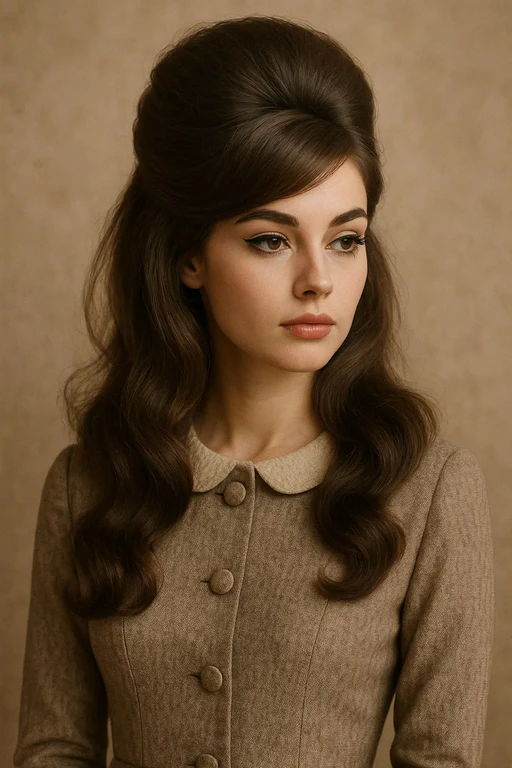
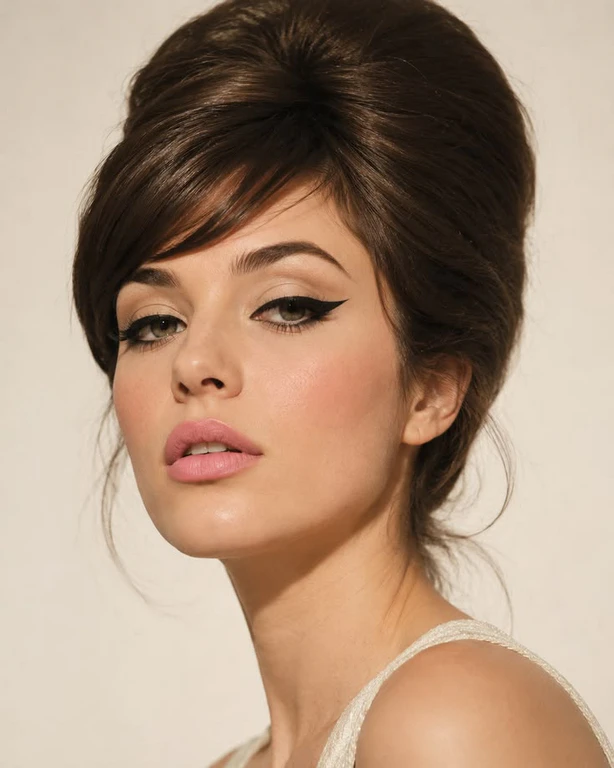
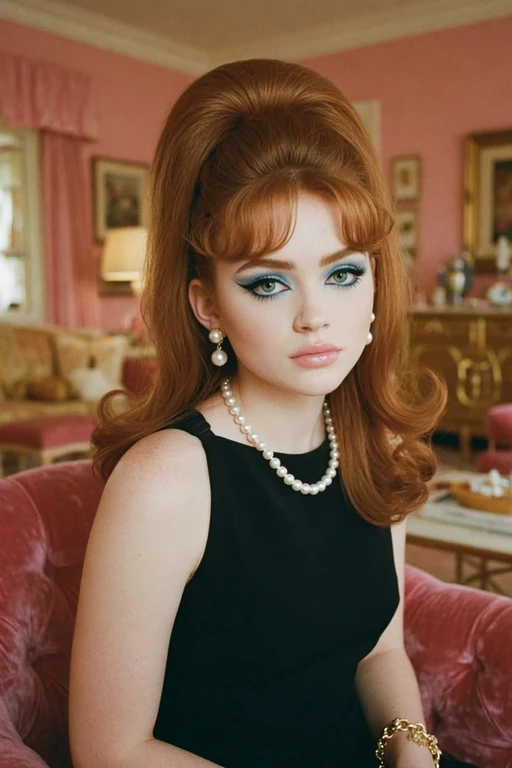
The beehive is one of the most instantly recognizable styles. This towering, structured updo was originally a symbol of glamour and carefulness. Today’s version, though, tends to be softer and less rigid than the initial version.
Modern stylists often reduce the height slightly, favoring a more wearable silhouette. Even so, the core technique, teased volume at the crown, remains unchanged.
The Bouffant
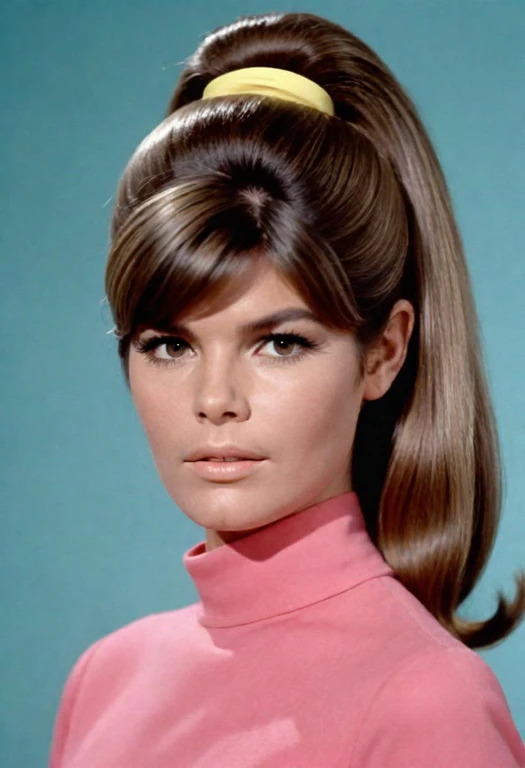
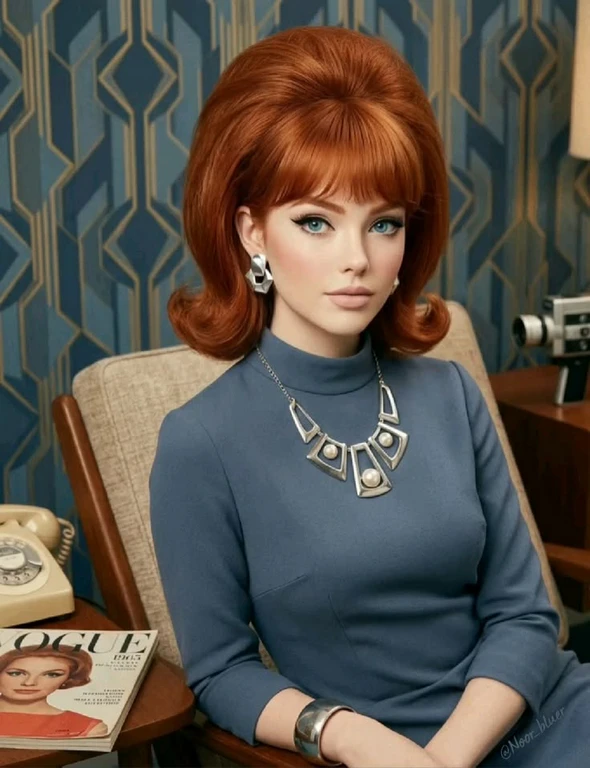
Similarly, the bouffant continues to dominate red carpet appearances. This style adds dramatic height without the full structure of a beehive.
Notably, extensions have made the bouffant far more accessible. Clip-in pieces provide instant volume at the crown, allowing people with fine or thin hair to backcomb and build height more easily.
The Bardot Half-Up
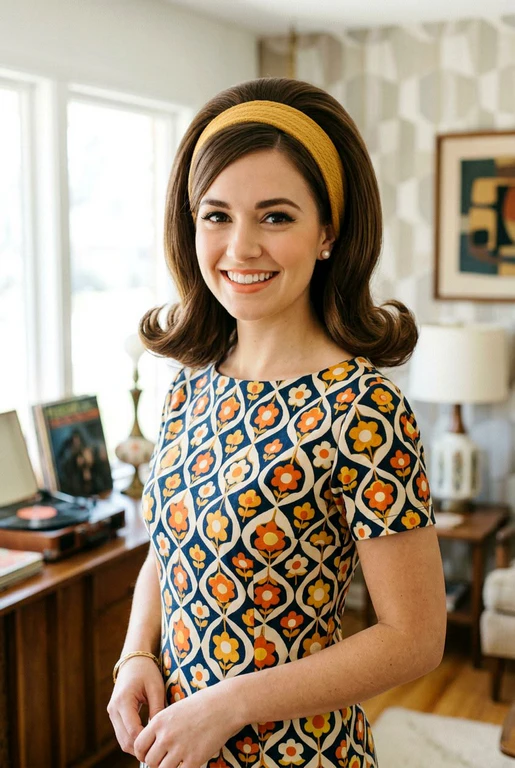
Meanwhile, the Bardot-inspired half-up style has become one of this year’s most requested looks. It balances polished volume at the crown with soft, loose ends. Unlike a full updo, it feels relaxed enough for daily wear, yet elegant enough for formal occasions.
This particular style illustrates why 60s hairstyles remain popular. They offer structure without stiffness, an equilibrium that continues to feel relevant.
Why 60s Hairstyles Still Work in 2026
Some retro trends feel dated the moment they return. This one doesn’t. There are a few clear reasons why.
Versatility Over Hair Types
First, many 60s hairstyles adapt easily to different textures and lengths. The bouffant works with fine or thick hair alike, especially with extensions. Meanwhile, the half-up Bardot style suits both straight and wavy hair with little effort.
Such flexibility matters. Trends that require very specific hair types tend to fade quickly. Styles that work broadly, however, tend to stick around.
A Balance of Polish and Ease
Second, these looks strike a rare balance. They feel elevated without appearing excessively formal. The half-up Bardot style, for example, offers structure at the crown while keeping the rest of the hair loose and natural.
This combination fits today’s styling preferences well. Most people want polish without giving up comfort or practicality.
Timeless Face-Framing Appeal
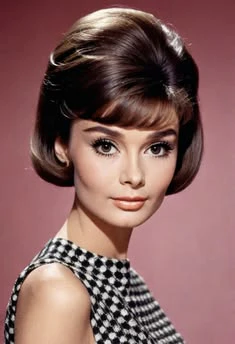
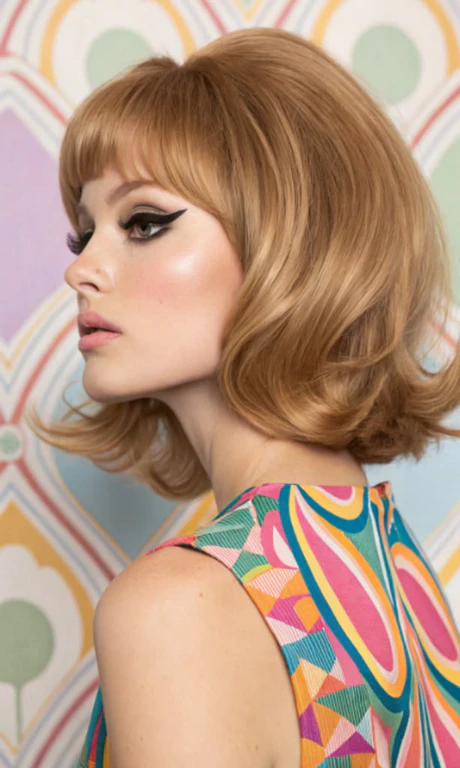
Finally, many of these cuts flatter a wide range of face shapes. The Granny Bob, a shorter cut based in both the 1920s and 1960s, adds volume around the face while keeping the nape neat and uncluttered. This face-framing quality gives it lasting appeal, regardless of current trend cycles.
How to Recreate 60s Hairstyles at Home
Interested in trying one yourself? Fortunately, these looks are more achievable than they might appear.
Building Volume the Right Way
Start with a lightweight volumizing spray at the roots. Then, gently backcomb small sections of hair using a fine-toothed comb. Smooth the top layer afterward for a polished finish, rather than a teased, undone look.
If your natural hair is fine or short, clip-in extensions can really help. They provide extra length and density, making it easier to build height at the crown without straining your natural strands.
Once you’ve shaped the look, use a firm-hold hairspray to lock everything in place. For the Bardot half-up look specifically, secure the top section with bobby pins placed beneath the hair for a clean finish.
For more detailed guidance, check out our step-by-step retro hairstyling tutorials, or explore our guide to choosing the right hair extensions for added volume.
Who Should Try These Retro Looks?
Not every style suits every occasion, so consider that before committing to the full transformation.
The beehive and bouffant work best for formal events, where dramatic height feels appropriate. On the other hand, the Bardot half-up style translates easily into everyday wear, rendering it a practical entry point for anyone new to retro styling.
Hair length also has an effect. Shorter cuts, like the Granny Bob, naturally lend themselves to face-framing volume. Longer hair, meanwhile, offers more flexibility for height-focused looks like the beehive.
The Bigger Picture
Interestingly, several current trends trace directly back to this era. Flipped ends, for instance, originated in the 1960s before resurfacing during the 90s and early 2000s. This pattern reveals something important about fashion cycles overall.
Trends rarely disappear completely. Instead, they evolve, get reinterpreted, and return with current updates. That’s precisely why 60s hairstyles keep resurfacing generation after generation, each time slightly adapted for the moment.
60s Hairstyles
Ultimately, this isn’t simply about nostalgia. These styles endure because they solve real styling problems. They offer volume without excessive effort, structure without stiffness, and grace without sacrificing everyday wearability.
Whether you’re drawn to the height of a beehive or the natural appeal of a Bardot half-up, there’s a version of this trend that fits your hair type and lifestyle. As 2026 continues to embrace retro beauty in all its forms, it’s clear that 60s hairstyles never really left. They waited for the right moment to return.
For more retro beauty inspiration, see Parade’s breakdown of this season’s 60s-inspired looks and WhoWhatWear’s coverage.