Julia Roberts’ Blonde Evolution: The Hair Color That Redefined Hollywood Glamour
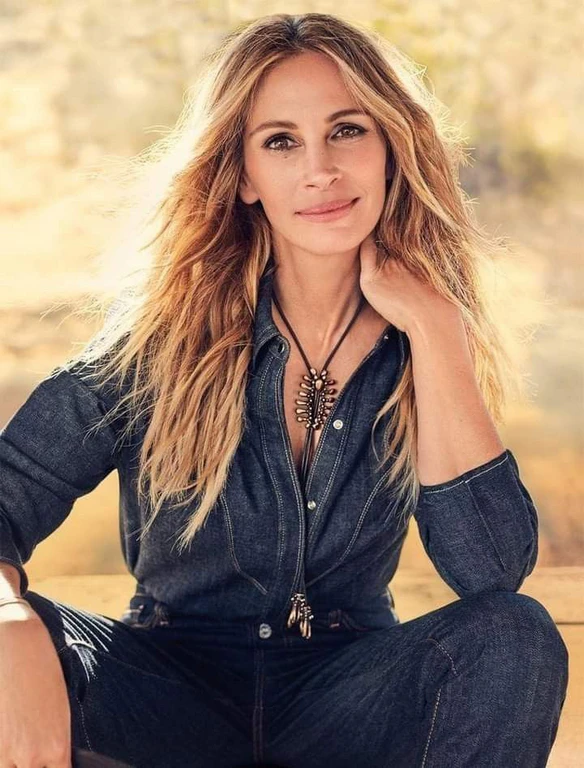
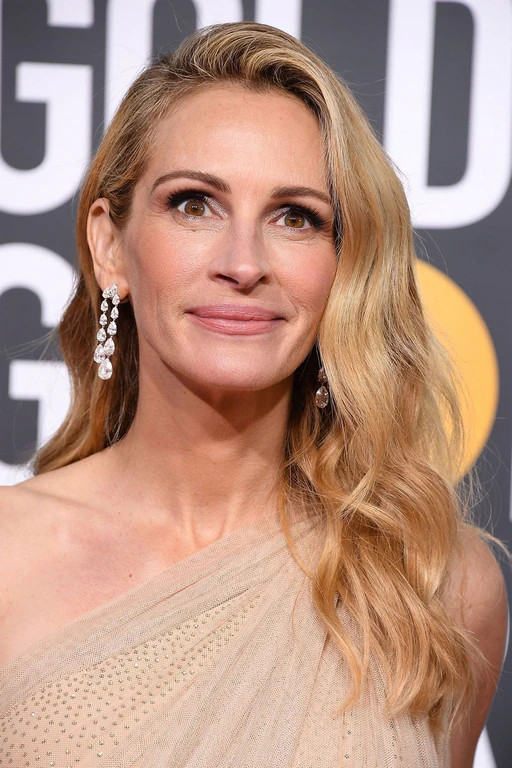
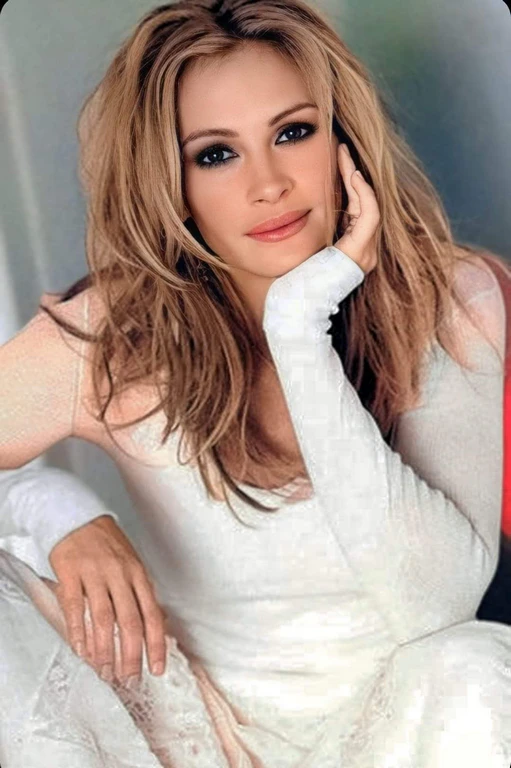
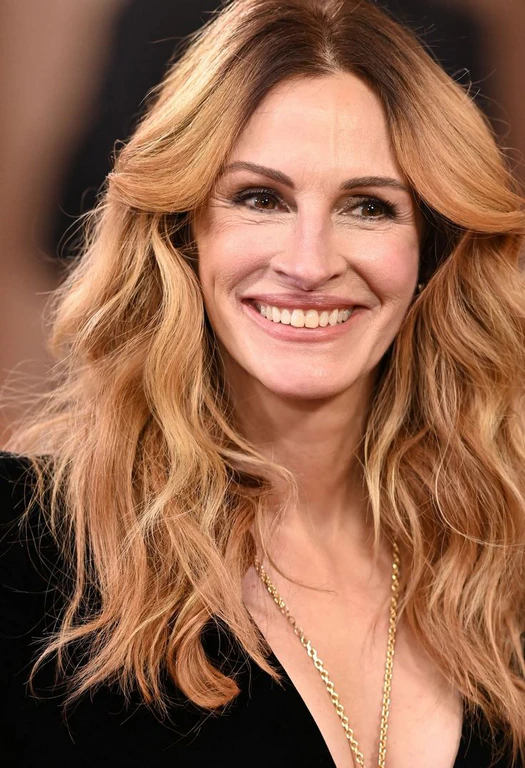
For over three decades, Julia Roberts has used hair color to communicate. However, no shade has triggered more conversation than her blonde hair transformations. From soft strawberry waves in the late 80s to a bold platinum lob decades later, her blonde hair journey echoes her evolution as an actress and style icon. In this article, we trace that journey, explore why it still resonates, and explain what it teaches us about timeless hair color choices.
The Early Strawberry Blonde Years
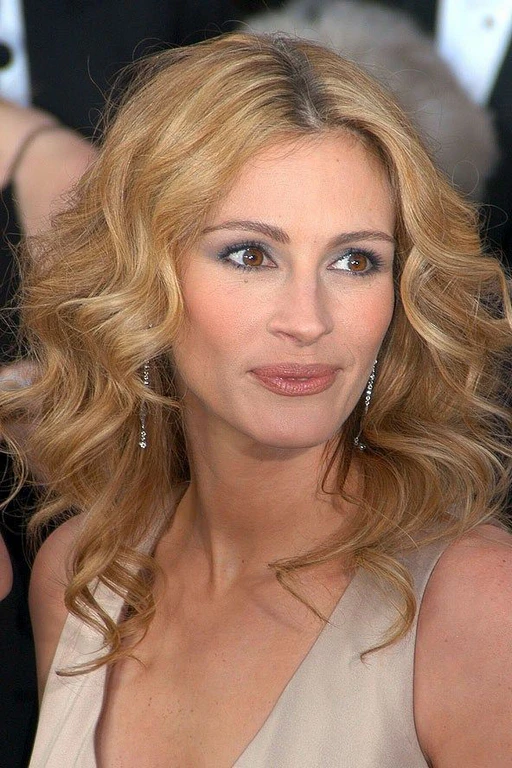
Julia Roberts first earned global attention in the late 1980s. Around the time of filming Pretty Woman, she debuted loose, strawberry-tinted curls. This look quickly grew inseparable from her public image. As a result, fans began associating warm, sun-touched tones with her on-screen charm.
Her early style was not fully blonde. Instead, it blended auburn and golden tones. Still, it set the stage for her later, more dramatic blonde moments. As her popularity increased, so did her readiness to experiment.
Why the ’90s Set the Stage
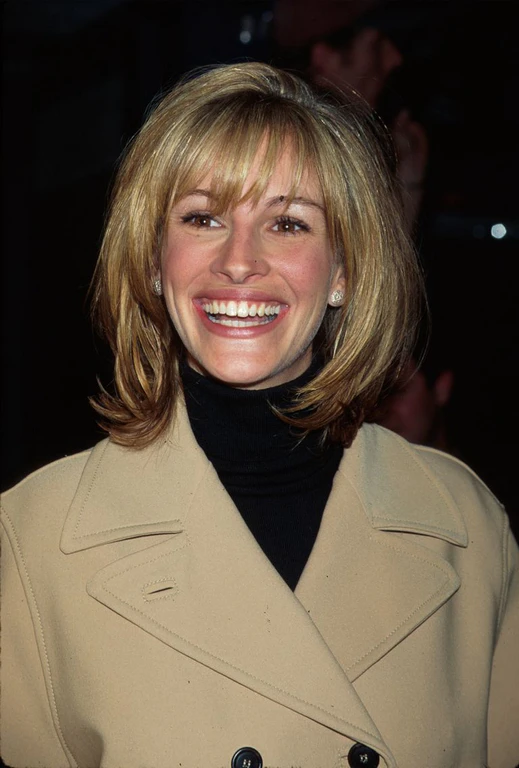
Throughout the 90s, Roberts constantly changed her look. She tried sleek bobs, tousled layers, and side-swept bangs. Notably, she appeared at the 1991 Oscars in a bleached-blonde bob reminiscent of old Hollywood glamour. That single appearance proved she could pull off cool, classic blonde just as easily as her signature curls.
Meanwhile, magazines and fans took note. Her hair changes were treated less like fashion whims and more like cultural events. This pattern would continue for the next thirty years.
The Full Blonde Moment
By the early 2000s, Roberts fully embraced platinum tones. At the 2002 premiere of Full Frontal, she debuted straightened, face-framing blonde hair with dramatic side bangs. The look looked sleek, modern, and strikingly different from her curly ’90s persona.
This moment mattered for a simple reason. It indicated that Roberts’ appeal was never tied to one texture or shade. Therefore, going blonde didn’t dilute her image; it expanded it. Stylists and fans alike began viewing her hair as a flexible canvas rather than a fixed trademark.
Blonde as a Statement, Not a Trend
Unlike many celebrities who chase fleeting color trends, Roberts treated blonde hair as an occasional statement. She would return to it only when a project or moment called for renewal. As a result, each blonde appearance felt intentional, not routine.
This selectivity helps explain why her blonde looks still continue to be analyzed today. When a star recognized for rich auburn tones goes blonde, the contrast automatically draws attention.
Blonde
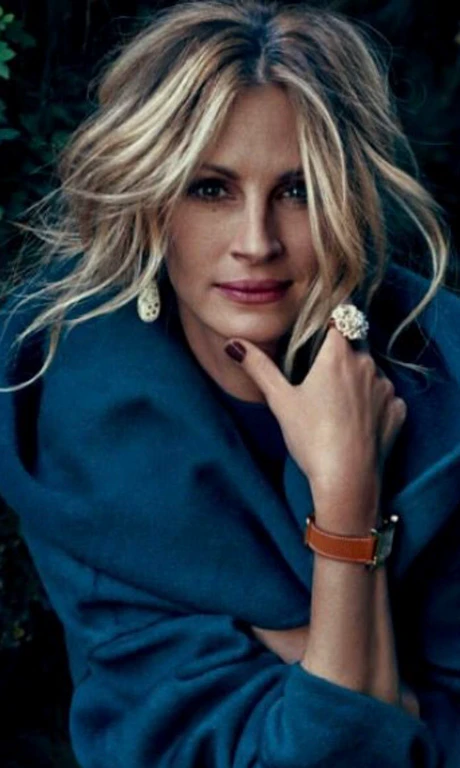
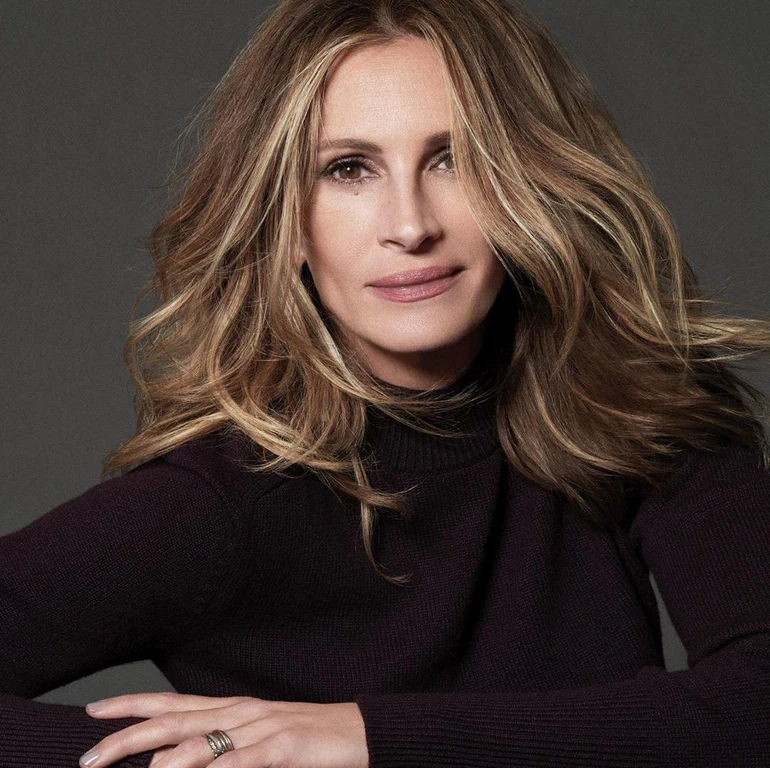
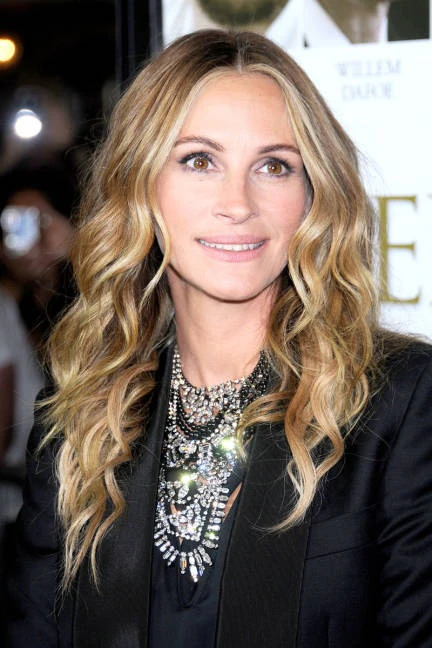
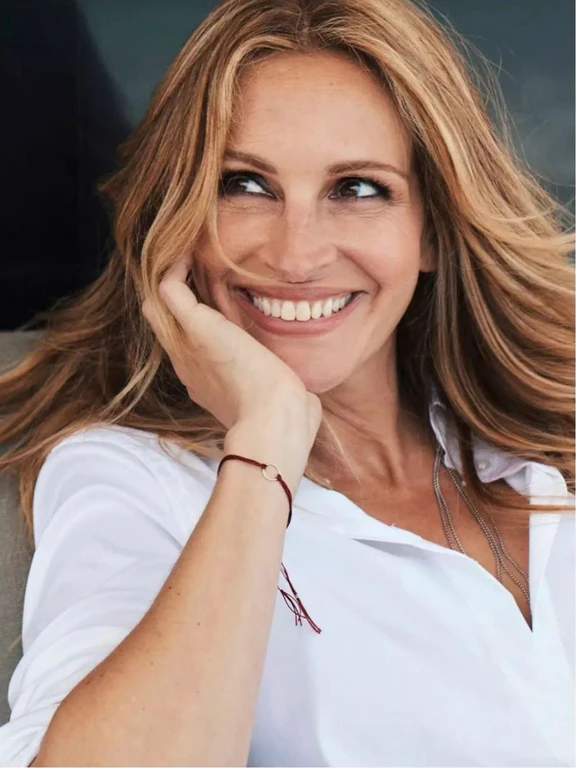
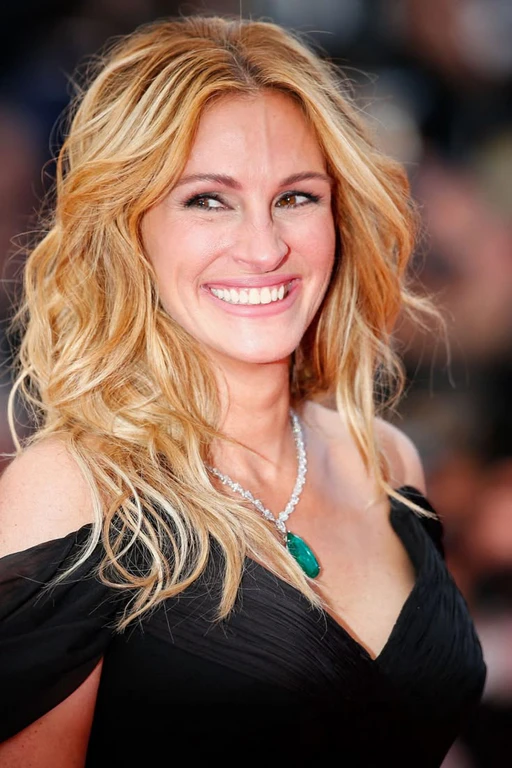
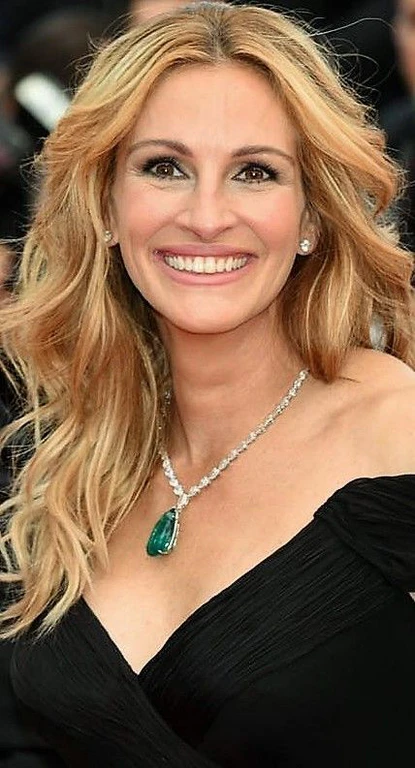
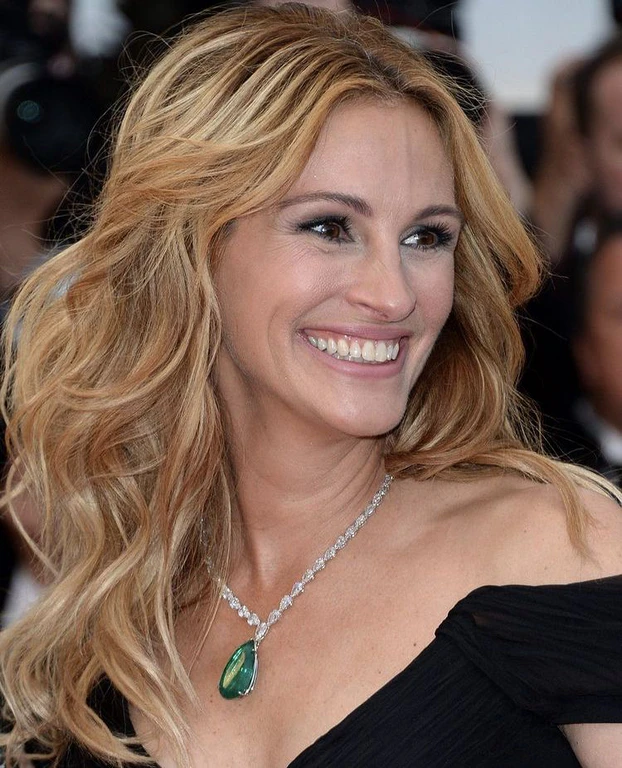
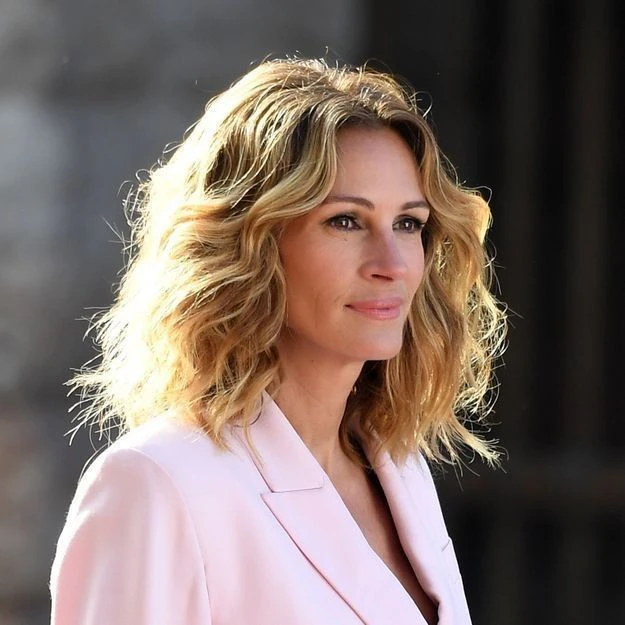
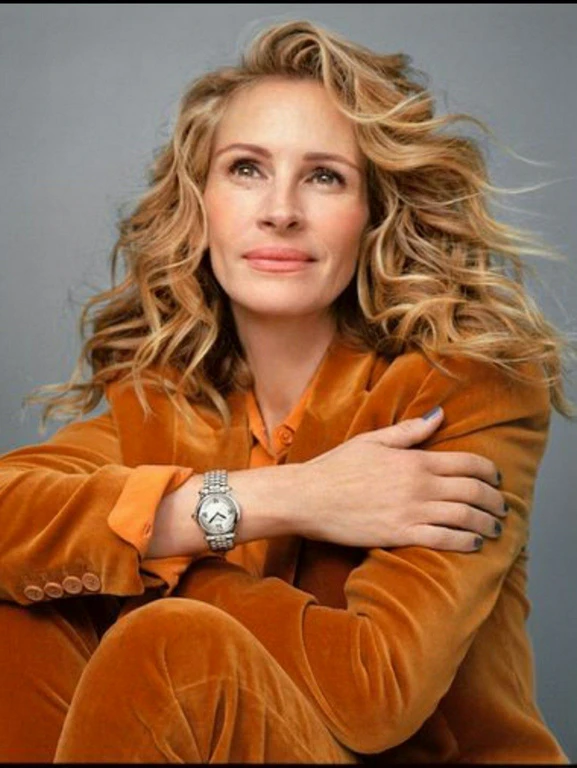
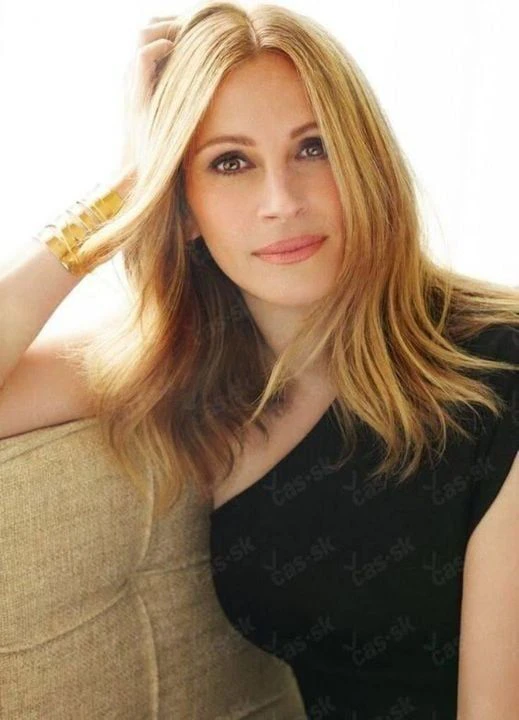
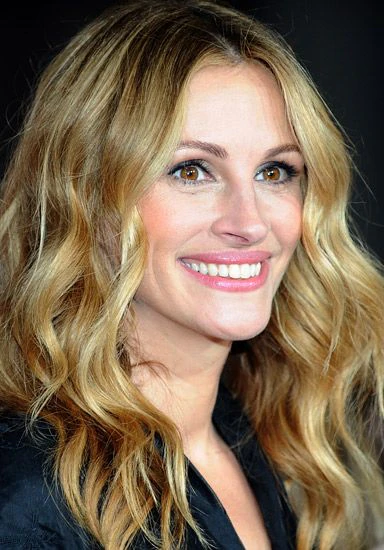
As balayage and multi-tonal coloring became popular, Roberts adapted with the times. Around 2018, she debuted a dimensional blonde style. It combined dark roots with warm caramel and buttery highlights. This technique, often nicknamed “brond brown-blonde,” matched her age and skin tone beautifully.
This phase also showed maturity in her styling choices. Rather than opting for stark platinum, she chose a softer, more natural-looking blonde. This movement also reflected a wider industry trend toward low-maintenance, sun-kissed color.
A Lesson in Aging Gracefully with Color
Many colorists cite Roberts’ dimensional blonde period as an example of aging gracefully. Soft, rooted blonde tones can flatter mature skin without looking harsh. For readers weighing a similar change, this era offers a useful blueprint: blend rather than bleach.
Recent Transformations: Bright Blonde Comebacks
In more recent years, Roberts surprised fans again. She moved from natural copper tones to a chic, bright blonde lob within just a few months. Stylist Serge Normant, who also works with high-profile clients like Meghan Markle, has been credited with several of her modern transformations.
Additionally, for her role in the 2025 film After the Hunt, Roberts debuted a bold, bleached-blonde look. Industry stylists noted the change could reflect either a styling choice for the role or a natural transition from copper tones toward silver-grey. Either way, the shift reignited popular fascination with her hair choices.
Why Fans Keep Reacting to Every Change
Every time Roberts changes her hair, the story circulates widely. This happens for a few clear reasons:
– Her hair has become part of her brand, much like her smile.
– Every transformation feels deliberate, not accidental.
– Blonde hair contrasts distinctly with her known auburn identity, making changes highly visible.
– Every transformation feels deliberate, not accidental.
– Blonde hair contrasts distinctly with her known auburn identity, making changes highly visible.
As a result, her **blonde hair** moments regularly outperform other style updates in engagement and press coverage.
What Julia Roberts’ Blonde Hair Teaches Us About Color Choices
Beyond celebrity gossip, Roberts’ hair journey delivers practical lessons for anyone considering a blonde transformation.
Match the Shade to Skin Undertones
Roberts’ fair, warm complexion pairs well with golden and honey blonde tones. Cooler platinum shades work best only in short bursts, often for specific events or roles. Therefore, matching blonde tones to your undertone matters more than chasing a specific trend.
Protect Hair Health During the Transition
Going blonde, especially from a darker base, requires bleaching. This process can weaken hair strands. Consequently, many stylists recommend shorter cuts or deep conditioning treatments after a major color change, a strategy Roberts herself has used multiple times.
Treat Blonde as a Phase, Not a Permanent Identity
One reason Roberts’ blonde looks stay memorable is scarcity. She doesn’t remain blonde indefinitely. Instead, she moves between shades based on roles, seasons, and personal preference. This approach keeps every transformation feeling fresh rather than expected.
Hair Color
Few actresses have made hair color as central to their public narrative as Roberts. Her blonde hair moments, in particular, have become reference points for stylists and beauty writers alike. Whenever a major star goes blonde, comparisons to Roberts’ transformations often follow.
This influence reaches beyond Hollywood. Everyday clients frequently bring reference photos of her looks into salons. As a result, her blonde hair evolution has quietly shaped mainstream color trends for over two decades.
If you’re exploring your transformation, our guide to choosing the right blonde shade for your skin tone breaks down undertones and upkeep advice in more detail. You might also enjoy our roundup of celebrity hair transformations that defined a decade, which places Roberts’ journey beside other iconic style shifts.
Julia Roberts’ blonde hair evolution is more than a style footnote. It reflects decades of confident reinvention, careful color strategy, and cultural timing. From her early strawberry curls to her recent platinum moments, every transformation has added a new episode to her legacy.
Ultimately, her story proves that blonde hair, when used thoughtfully, can improve rather than overshadow a personal brand. Whether you’re an avid fan or simply researching your next color change, Roberts’ journey delivers both motivation and practical guidance.
For more on her career-spanning style choices, see coverage from NewBeauty.